xCELLigence RTCA HT
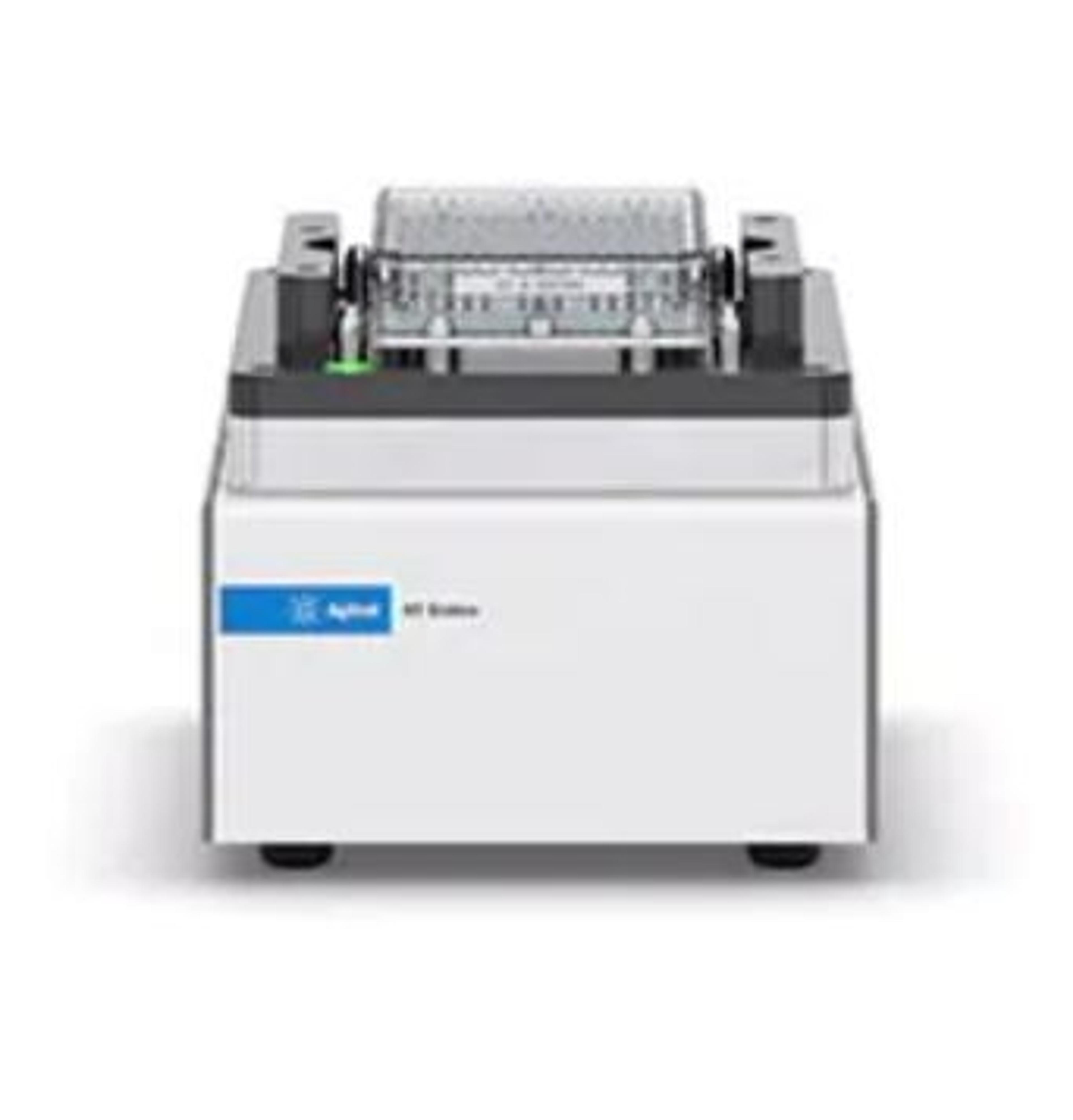
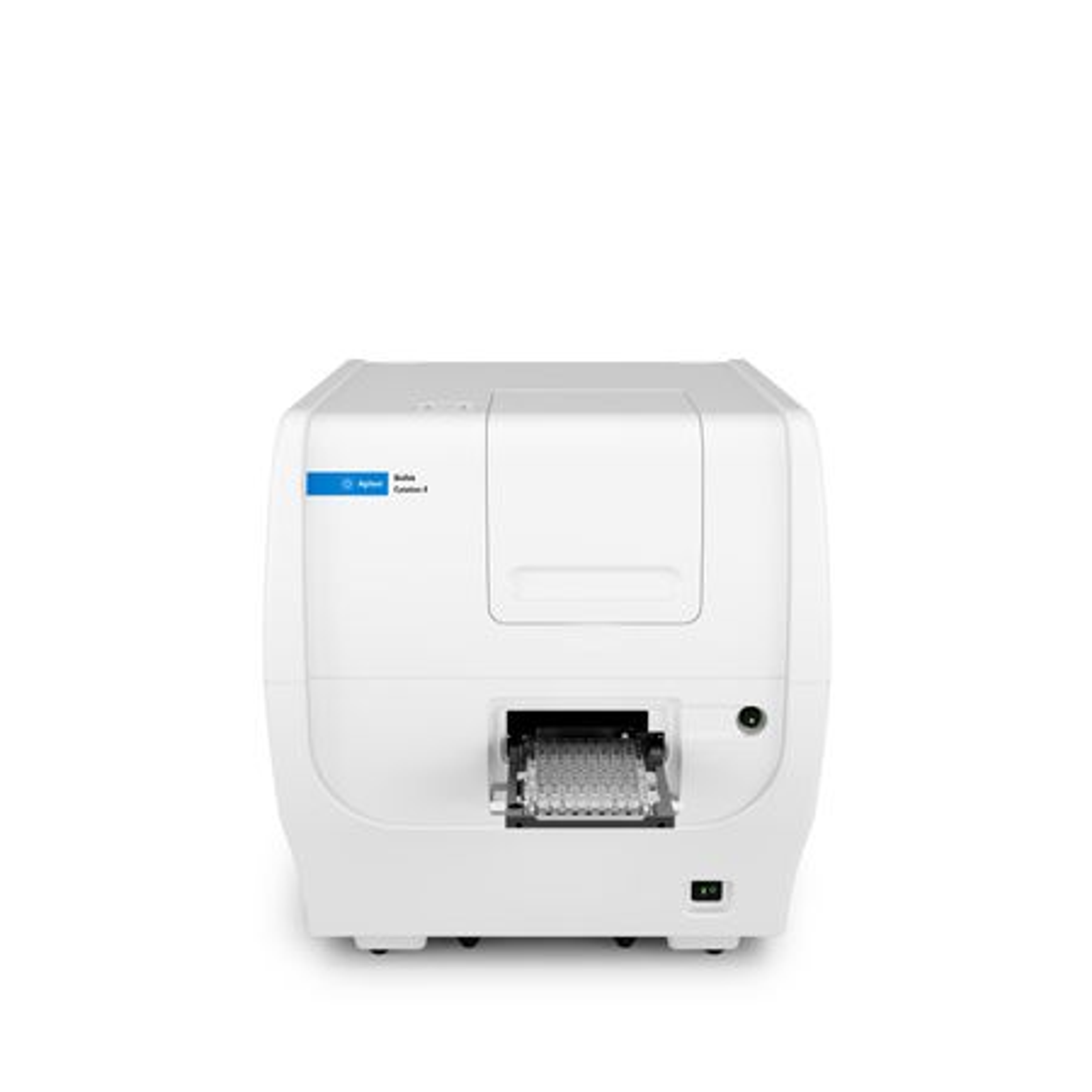
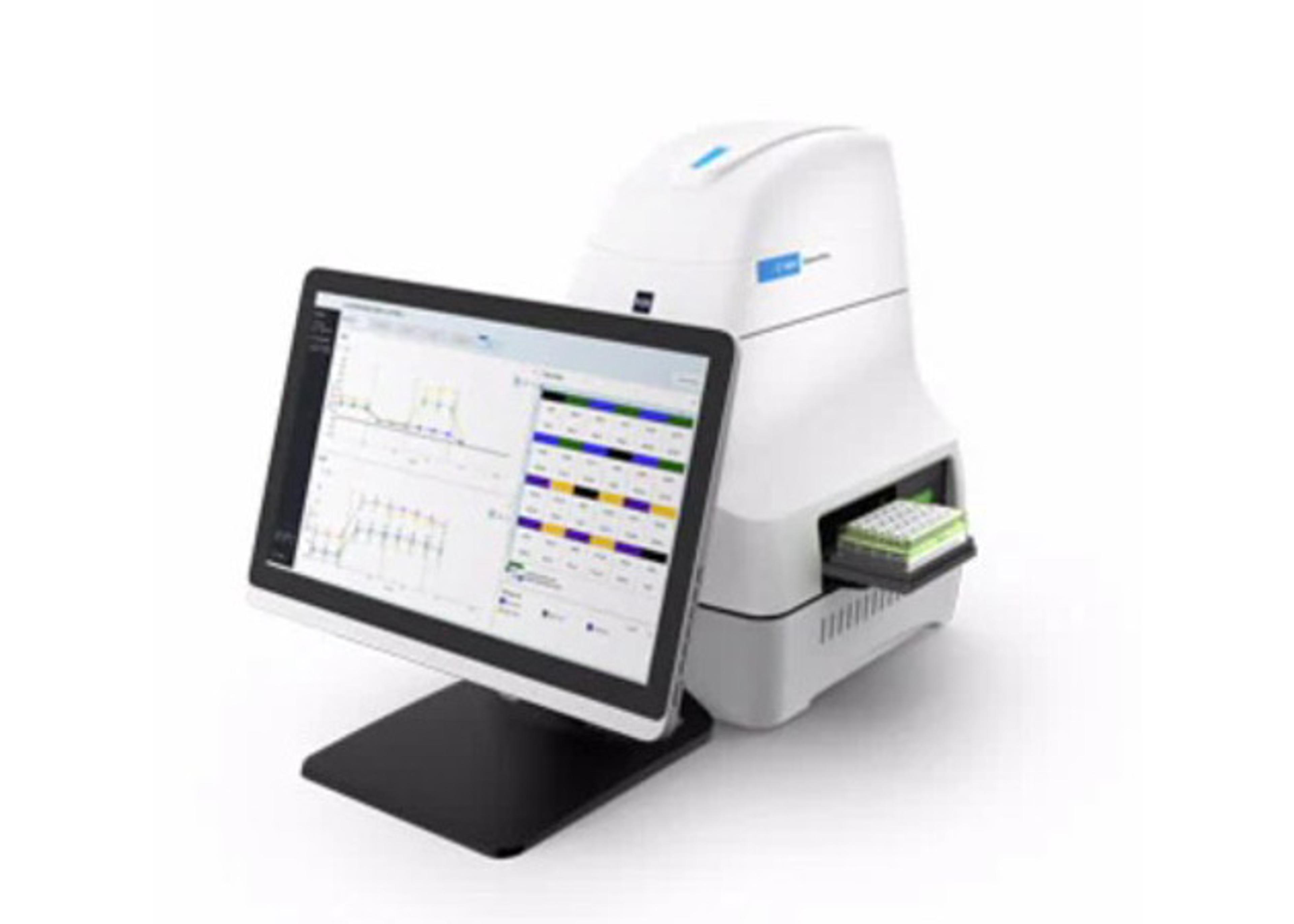
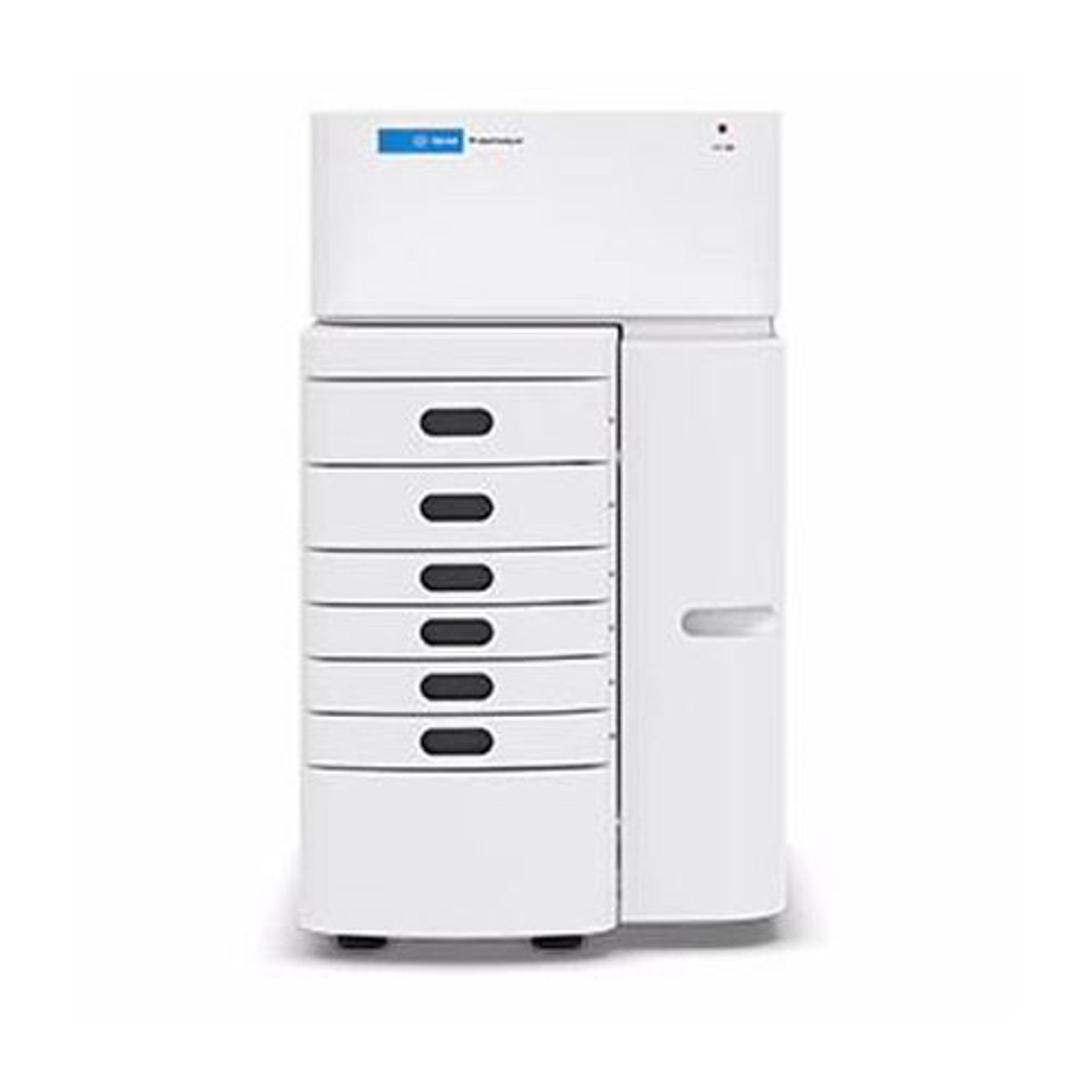
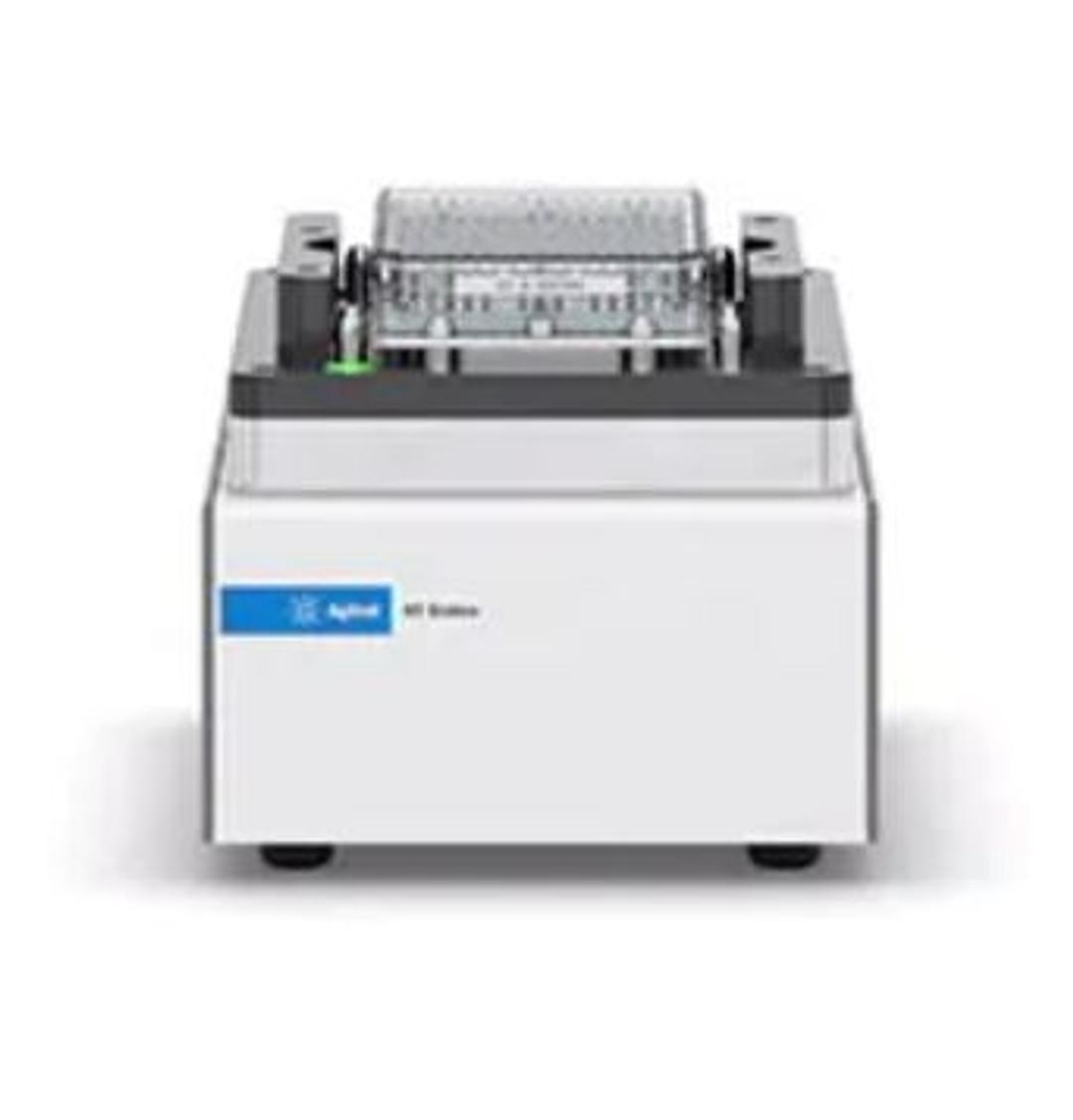
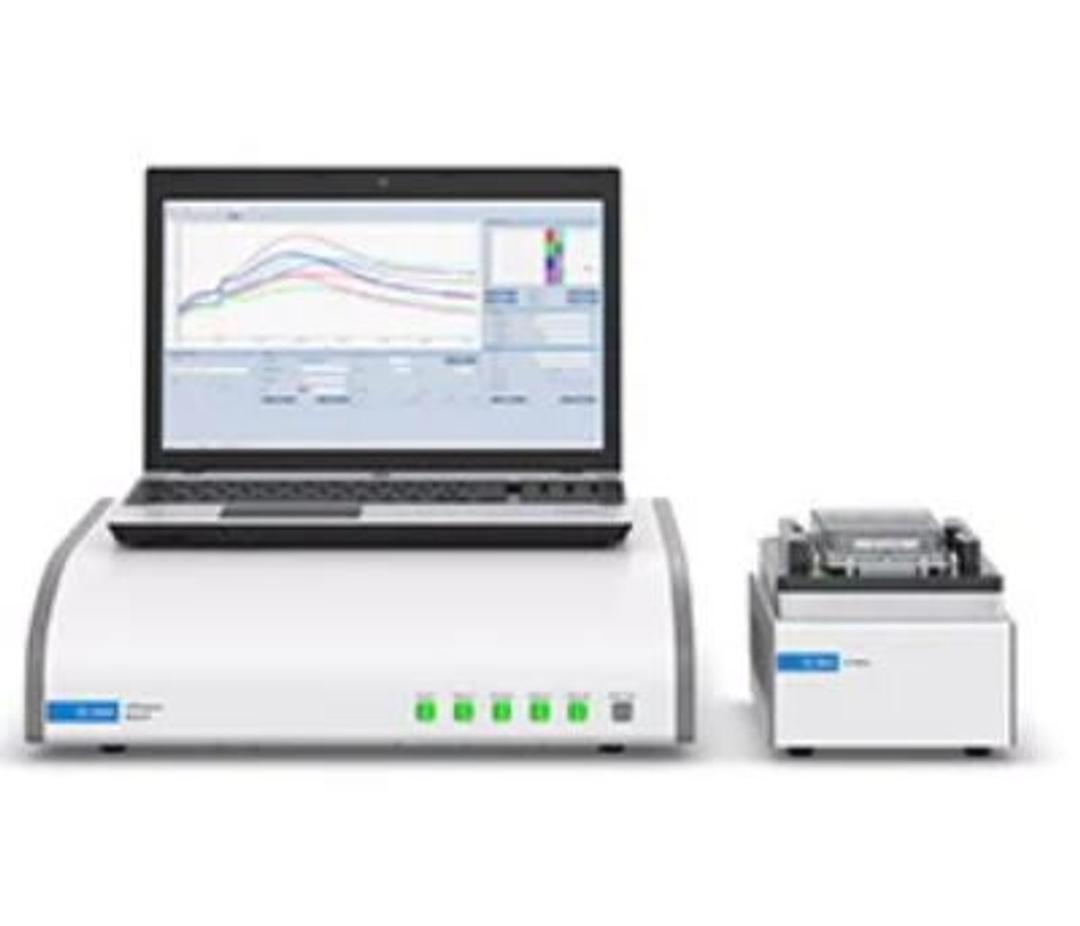
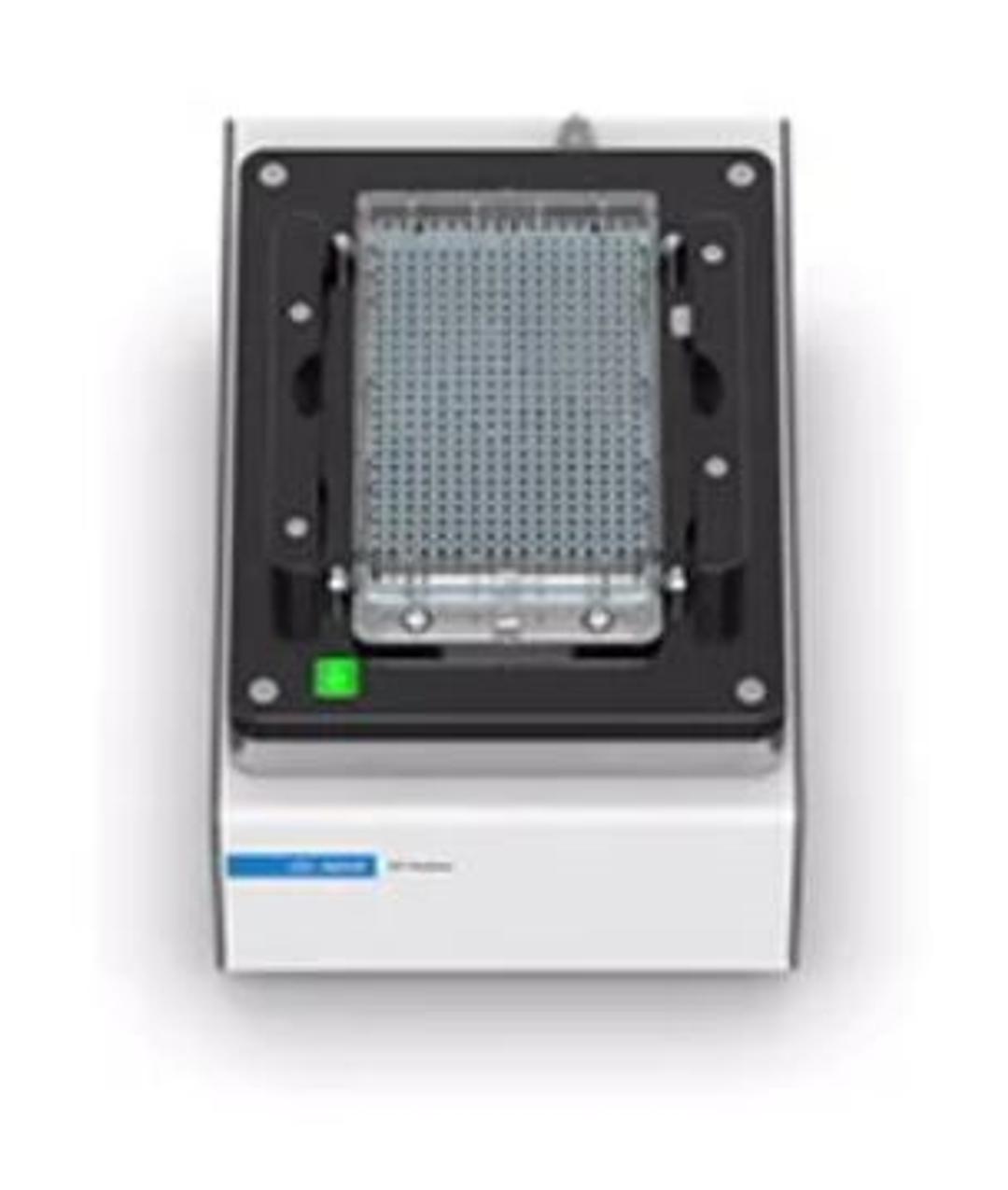
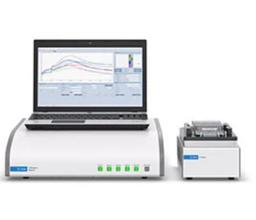
The Agilent xCELLigence Real-Time Cell Analysis (RTCA) HT instrument uses label-free cellular impedance to continuously monitor cell health, behavior, and function with high accuracy, sensitivity, and reproducibility. Simply plate cells, add treatments, and begin monitoring cell behavior to obtain real-time kinetic data for assay windows that stretch from seconds to days. The HT model can run a 384-well electronic micropla…

Receive your quote directly from the manufacturer.
Great results
Health sector
This instrument is user friendly. It is very easy to use, it produces fast results, the results are easy to interpret, it produces accurate results and also precise.
Review Date: 16 Jan 2024 | Agilent Technologies
Easy to use, reproducible data, multi-plate experiment capability.
Immuno oncology
XCelligence system is very easy to setup and use for multi-plate assays. Data is reproducible. ACEA has good after-sales support and have responded quickly and effectively to email/phone calls. Overall satisfied user and multi-plate experiments provide value for money.
Review Date: 3 Oct 2017 | Agilent Technologies
The Agilent xCELLigence Real-Time Cell Analysis (RTCA) HT instrument uses label-free cellular impedance to continuously monitor cell health, behavior, and function with high accuracy, sensitivity, and reproducibility. Simply plate cells, add treatments, and begin monitoring cell behavior to obtain real-time kinetic data for assay windows that stretch from seconds to days.
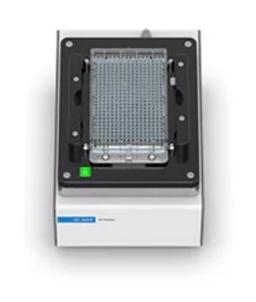
The HT model can run a 384-well electronic microplate (E-Plate 384), which is ideal for high-throughput screening experiments. Integrate up to 4 instruments controlled by a single control unit for a total of 1,536 wells to meet high throughput sample screening needs. The RTCA HT model can be used as a single instrument on a standard lab bench or integrated into a multi-instrument high-throughput workflow with automated liquid handling.
For Research Use Only. Not for use in diagnostic procedures.

Virology & vaccine handbook
Current methods to measure virus and neutralizing antibody titers include plaque assays, plaque reduction neutralization tests (PRNT), or immuno-focus assays. These methods are labor intensive and have inconsistent results due to the variable rate of plaque formation and optimal time points to count plaques for each infection.
In this handbook, Agilent describes how you can use the xCELLigence Real Time Cell Analysis instruments to track viral cytopathic effects continuously without the use of agar, dye, or fixative over minutes to days. These automated assays greatly reduce workload and provide quantitative kinetics for the entire virus life cycle.
New developments in live-cell analysis: The Agilent xCELLigence RTCA eSight System
As cell analysis in basic research, translational medicine, and cell therapies becomes ever more sophisticated, it is imperative that solutions provide multiparametric and data-rich information. In this application note, Agilent Technologies introduces its xCELLigence RTCA eSight for real-time cell analysis, featuring non-invasive impedance-based monitoring together with live-cell imaging, all inside your incubator. One experiment provides two simultaneous methods with 5 different readouts. Cellular impedance first provides sensitive and rapid information about cell viability, growth, morphology, and barrier function. Brightfield and three fluorescent channels monitor and quantify viability, toxicity, and apoptosis- validating cellular impedance readouts and further boosting confidence in your results. This combination of information enables for much wider sampling and the assessment of cellular processes and biology – all within a single experiment.
xCELLigence real-time cell analysis
Explore functional potency assays for cancer immunotherapy research. This handbook includes topics such as antibody-dependent cell-mediated cytoxicity (ADCC), BiTEs, bispecific antibodies, checkpoint inhibitors, CAR-T cells and more.
Ex vivo phenotyping and potency monitoring of CD19 CAR T cells
The development of cell-mediated immunotherapies has revolutionized cancer research as well as the study of the immune system. One of the most promising types of cell therapy involves the genetic engineering of novel chimeric antigen receptor (CAR) T cells to target cancer cells. To efficiently determine optimal CAR construction, researchers must develop a robust screening protocol to identify the ideal parent T cell populations and evaluate their cell killing potency. In this application note a workflow using a combination of the Agilent xCELLigence RTCA analyzer and Agilent NovoCyte Quanteon flow cytometer to thoroughly evaluate and characterize CAR T cells is described.

Rewiring the metabolism of CAR-T cells
Join Professor Mercedes Rincon, University of Colorado Anschutz School of Medicine, as she discusses the groundbreaking advancements in adoptive T cell therapy, particularly chimeric antigen receptor (CAR) T cell therapy. While CAR-T therapy has achieved impressive complete remission rates in 60–90% of patients with relapsed/refractory B-cell acute lymphoblastic leukemia (r/r-B-ALL), challenges such as treatment failures and relapses remain significant obstacles.
Metabolism plays a critical role in T cell function, shaping immune responses. While glycolysis is essential for T cell expansion, it can restrict the self-renewal capacity of CAR-T cells during manufacturing. Mitochondrial respiration is vital for their survival and effectiveness. Recent findings have highlighted MCJ, a protein that negatively regulates mitochondrial function in CD8 cells. Loss of MCJ enhances mitochondrial respiration, cytokine secretion, and anti-tumor activity. Targeting MCJ to boost mitochondrial metabolism presents a promising strategy to enhance the efficacy of CAR-T cells and advance adoptive T cell therapies.
Key learning objectives
- Understand the current landscape of adoptive T-cell therapy
- Explain the role of metabolism in T cell function, highlighting the significance of glycolysis and mitochondrial respiration in enhancing CAR-T cell efficacy
- Identify the potential of MCJ as a therapeutic target to improve mitochondrial metabolism, cytokine secretion, and overall effectiveness of CAR-T cell therapies
Who should attend?
- Researchers and scientists specializing in CAR T-cell therapy, immunotherapy development, cell metabolism, glycolysis, and mitochondrial respiration.
Certificate of attendance
All webinar participants can request a certificate of attendance, including a learning outcomes summary, for continuing education purposes.

Top new resources to advance your immuno-oncology research
Exclusive interviews, free downloads, the latest methods and much more to help support your immuno-oncology research
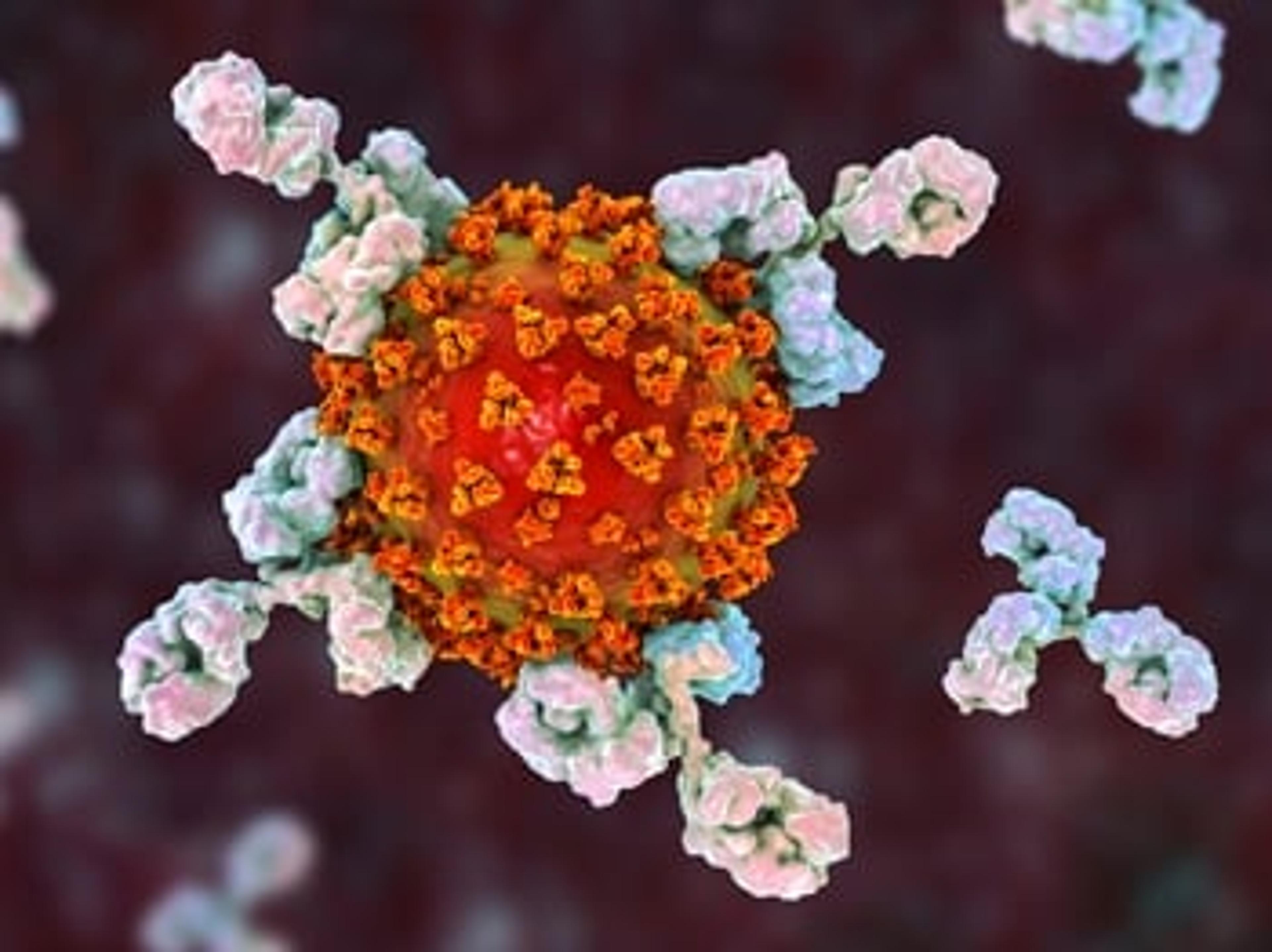
New methods to rapidly evaluate virus-neutralizing antibodies
Learn how high-throughput, real-time cell analysis can accurately detect and quantify virus-neutralizing antibodies and see how this technology is advancing COVID-19 research