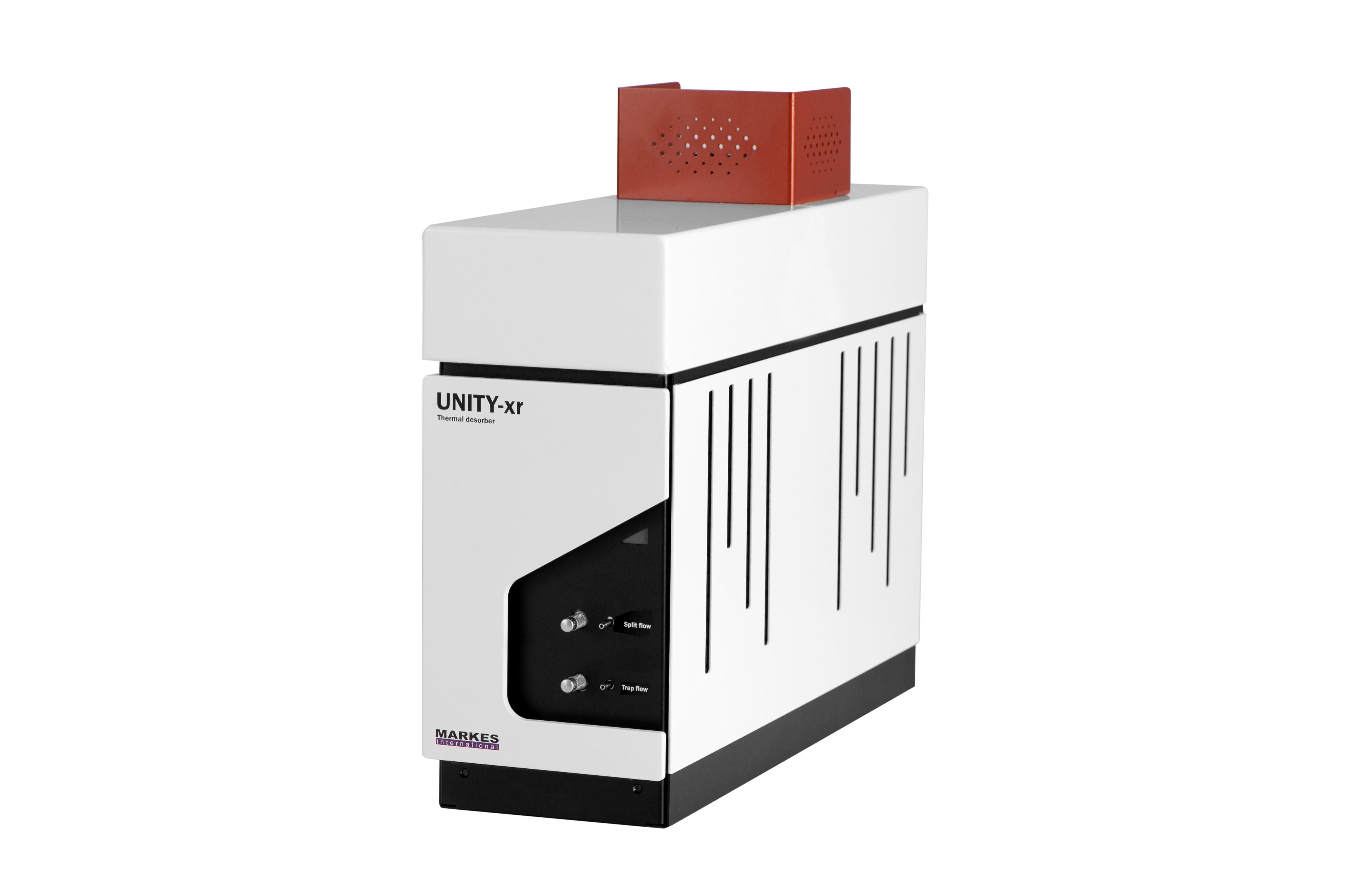
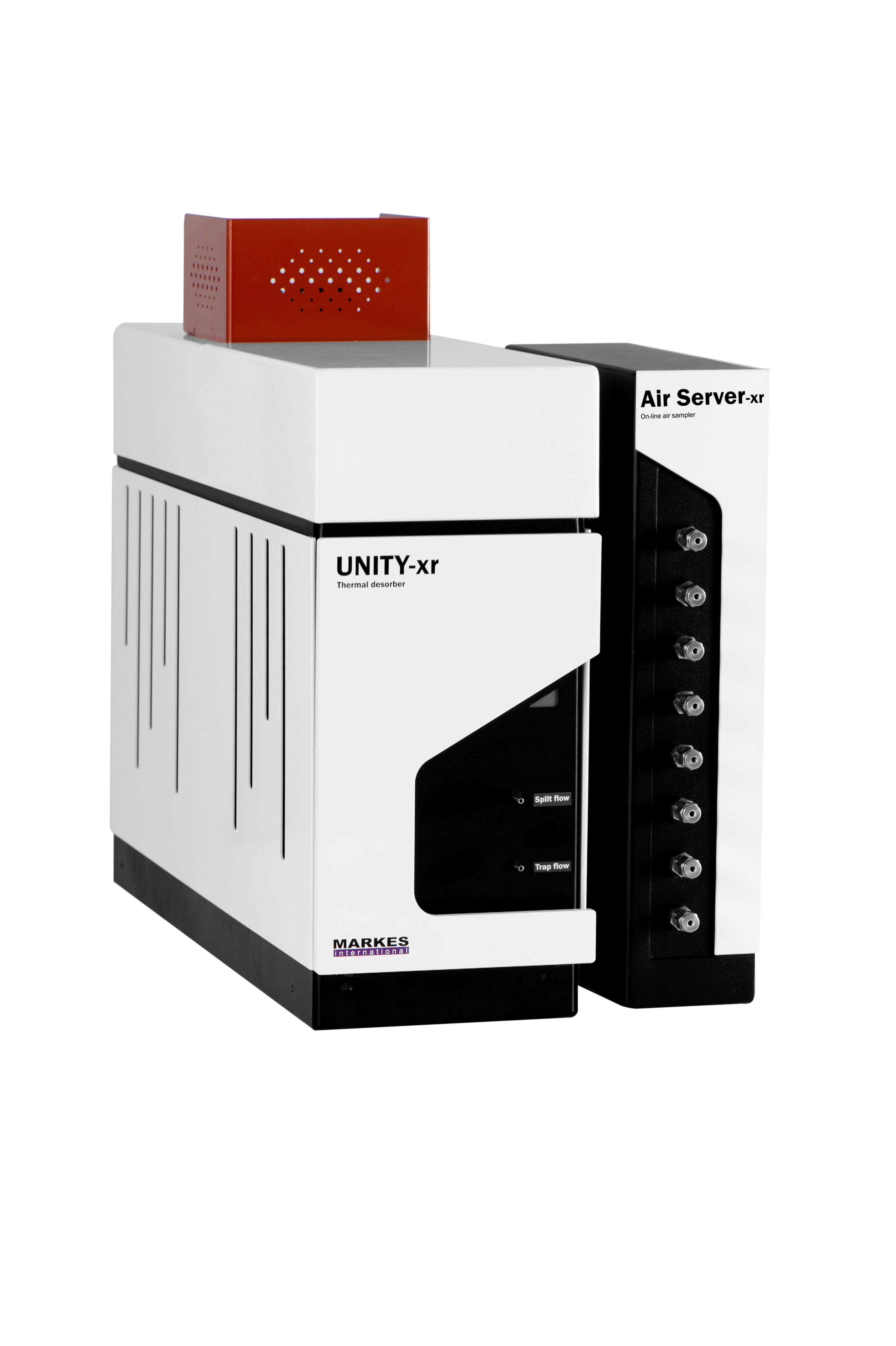
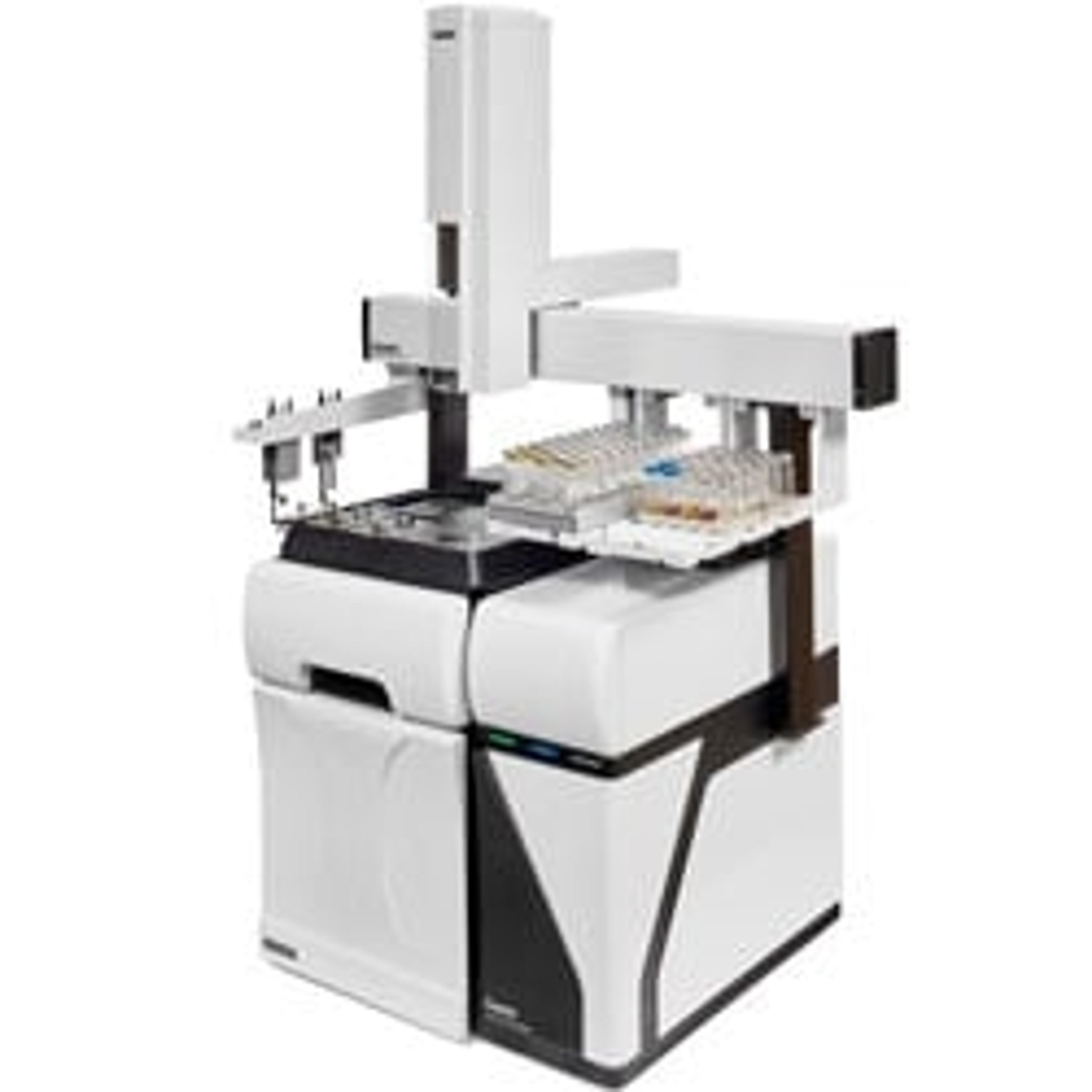
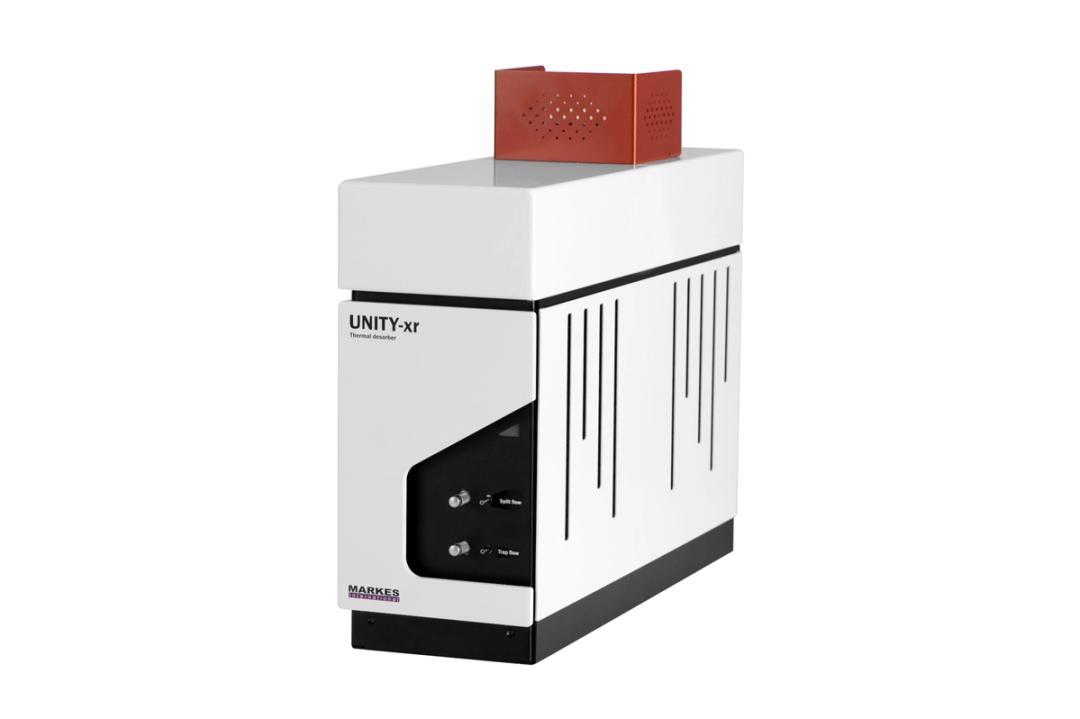
UNITY-xr
Versatile single-tube analytical thermal desorption unit for GC or GC–MS



Receive your quote directly from the manufacturer.
Simply perfect and reliable
Analyze VOCs and PAMS in whole air in canisters
As an Air Quality Analyst I find the UNITY-xr Thermal Desorber most suitable for the Whole Air in canisters analysis. The cryogen free setup works effectively to preconcentrate the sample air stream in GCMS giving results in trace ppb/ppt levels. The UNITY-xr is most reliable for accurate and quality data for VOCs, OVOCs, VVOCs in air.
Review Date: 11 Feb 2022 | Markes International Ltd
Very good
Analyze ambient air
Good service, reliable. A major drawback is that the instrument needs to use air to purge the moisture in the Unity.
Review Date: 3 Aug 2016 | Markes International Ltd
UNITY-xr is the most versatile thermal desorber for the analysis of VOCs and SVOCs in air and materials.
Features:
- Compatible with all major makes of GC and GC–MS
- Quantitative recovery of C2 to C44, including reactive and thermally labile species, from percent to sub-ppt concentrations
- Quantitative re-collection of split flows for easy method validation and repeat analysis of critical samples
- Electrical cooling eliminates the need for liquid cryogen
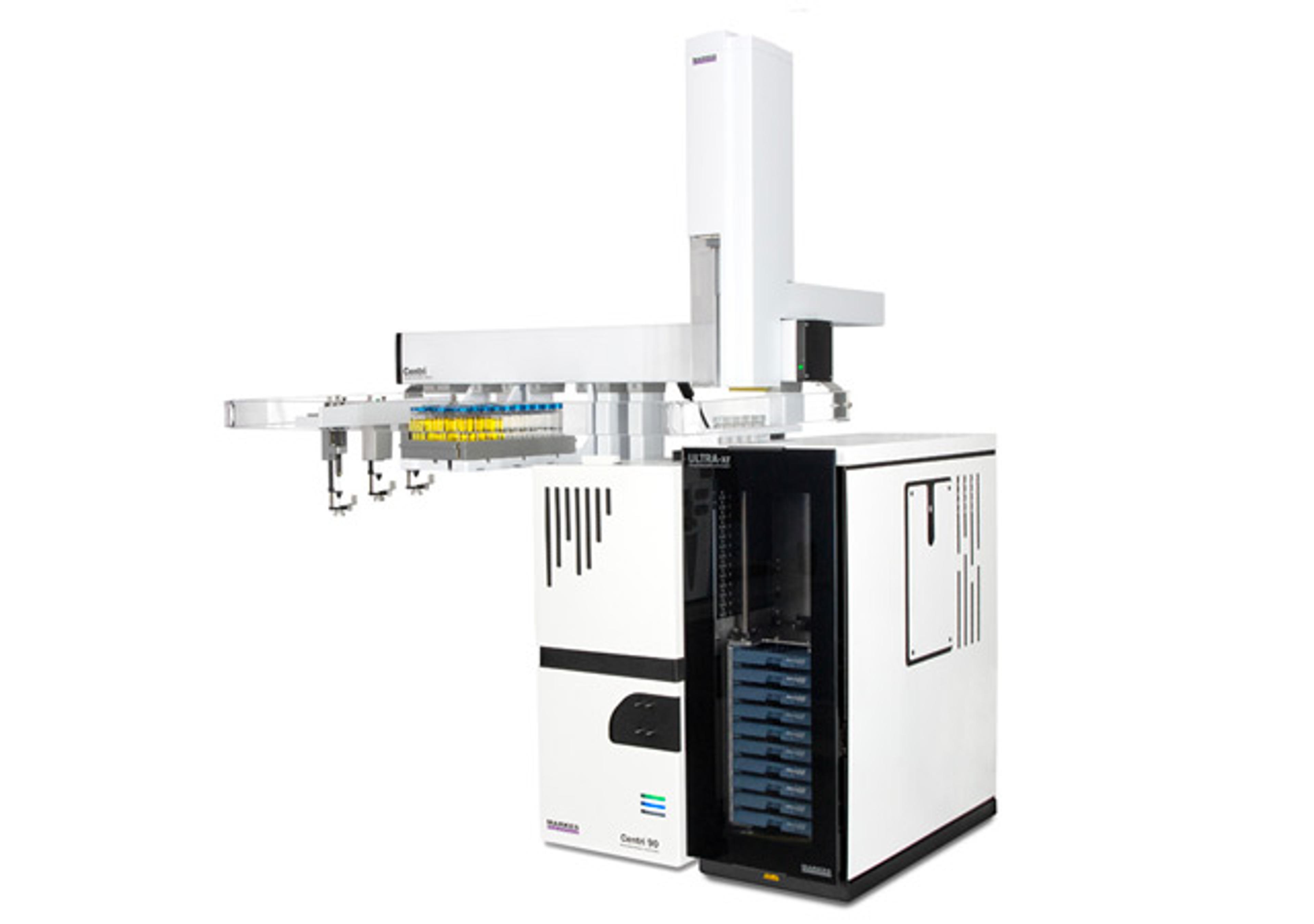
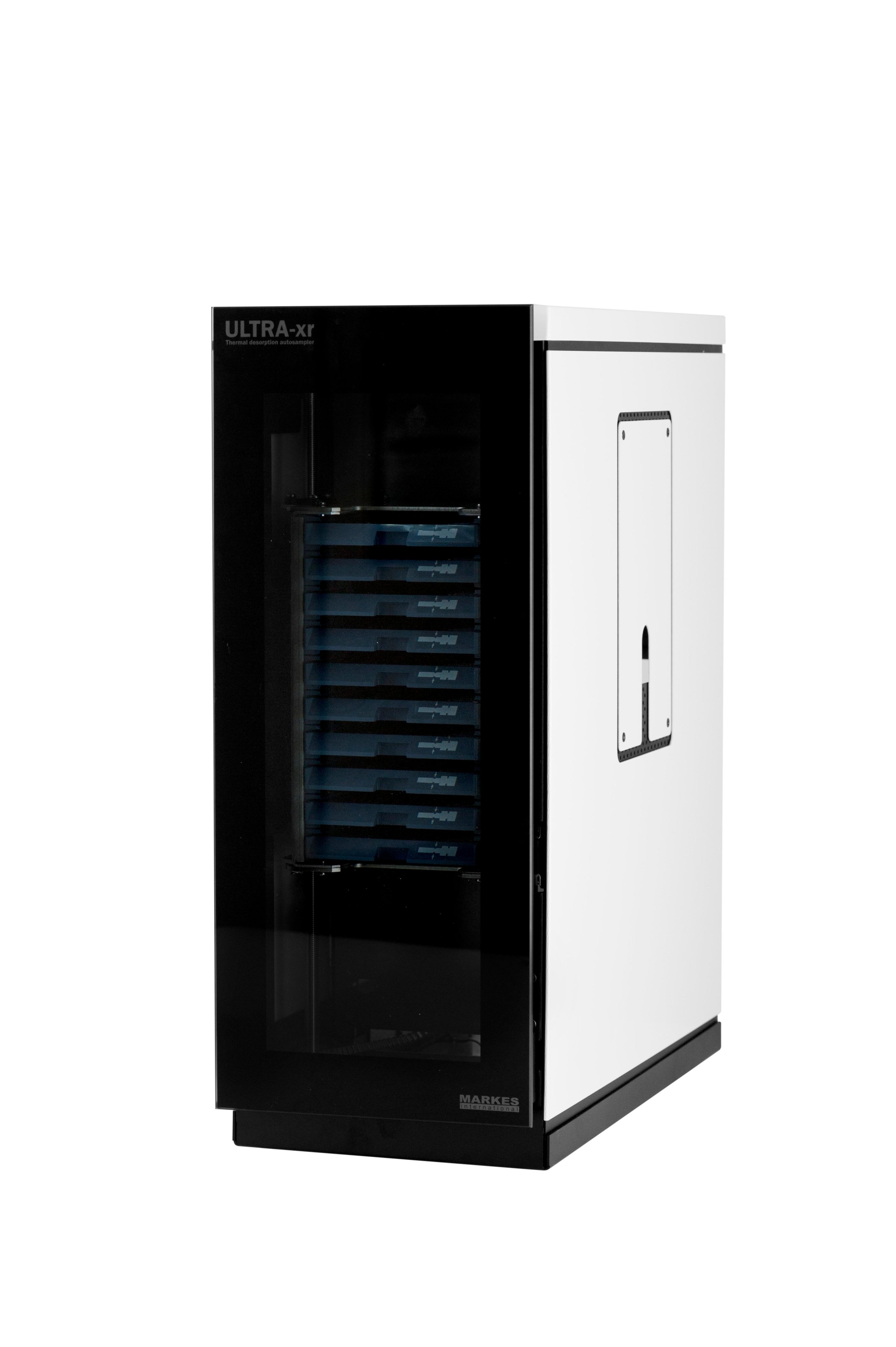
- Combines with ULTRA-xr for 100-tube automation, Air Server-xr for online analysis, and CIA Advantage for canister/bag samples
- Re-collection of all split flows to overcome the ‘one-shot’ limitation of older TD systems and compliance with international standard methods

Monitoring volatile gases released during PFAS destruction in accordance with US EPA OTM-50
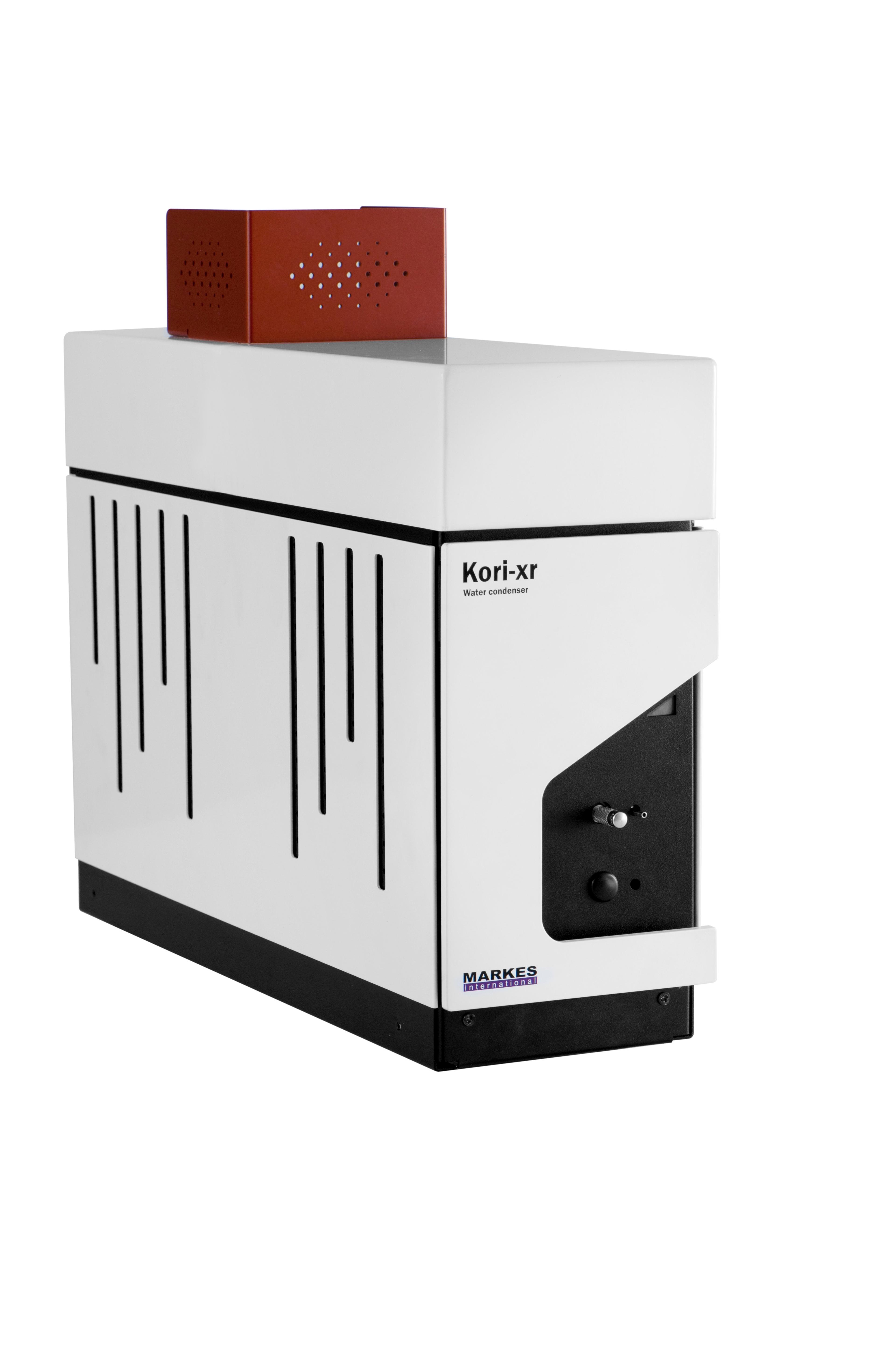
Explore a robust, cryogen-free TD–GC–MS solution for monitoring 30 volatile fluorinated compounds (VFCs) in stationary sources. The UNITY– CIA Advantage-xr combined with Kori-xr water management allows for accordance with the canister-based method OTM-50 whilst meeting compliance with QC. Discover the advantages of this sensitive and efficient solution and how it can support you in monitoring PFAS destruction and environmental safety.
Measurement of ethylene oxide with other air toxins in compliance with US EPA Method 327
The US EPA Method 327 mandates fenceline monitoring at petroleum refineries. Markes analyzed ethylene oxide as part of an air toxics study in compliance with US EPA Method 327. Examine the steps that were taken for evaluating method performance and testing system capability, with an emphasis on eliminating the use of liquid cryogen during the analysis. Explore how Markes’ UNITY–CIA Advantage-xr™ with Kori-xr™ was used to generate data in line with the draft Method 327, demonstrating improved sensitivity, ease of method transfer between labs, and productivity without the need for cryogenic cooling.
Detection of ozone-depleting substances and halogenated GHGs
China has phased out chlorofluorocarbons (CFCs) and is gradually phasing out hydrochlorofluorocarbons (HCFCs), while hydrofluorocarbons (HFCs), although not harmful to the ozone layer, have a potent greenhouse effect and were added to the Montreal Protocol in 2016. Markes International presents a quantitative analysis method for ozone-depleting substances (ODS) and halogenated greenhouse gases (GHGs) without cryogen, meeting detection limit and data quality requirements outlined by the China National Environmental Monitoring Centre. The analysis system includes a canister autosampler, water vapor removal device, thermal desorption instrument, and GC-MS analyzer in SIM mode, capable of monitoring samples with 100% relative humidity and analyzing 34 ODS and halogenated GHGs qualitatively and quantitatively.
What is thermal desorption?
In this application note, Markes International offers a guide to the basics of thermal desorption, including the basic principles, applications of the technique, different sampling options and answers how and the benefits of applying thermal desorption across a wide range of scenarios.
Disease diagnosis via breath and bio-monitoring: Optimizing the analytical performance of sorbent tube sampling and thermal desorption–GC–MS
Breath monitoring has the potential to provide diagnostic solutions for a wide range of diseases. However, its application remains challenging, and many aspects must be taken into consideration when developing and optimizing sampling and analytical parameters.
In this application note, Markes International describes how to optimize the analytical performance of thermal desorption (TD) for those carrying out routine or research monitoring of breath for disease diagnosis. Download the full note below to explore guidance on the major steps in the sampling and laboratory workflow, discover the main analytical challenges, and gain advice on which features and parameter ranges to select.
Thermal desorption applications guide: Food and drink
In this Applications Guide, Markes International describe how thermal desorption (TD) can be used for key applications in the field of food and drink VOC profiling – covering everything from comparing brands of cheese, to improving the shelf-life of ready-to-eat fresh-cut fruit.
How thermal desorption gives research and industry the edge when analyzing emerging organic contaminants
In this poster, Markes International demonstrate that TD can be used to analyse the most challenging environmental contaminants in both discovery and routine applications.
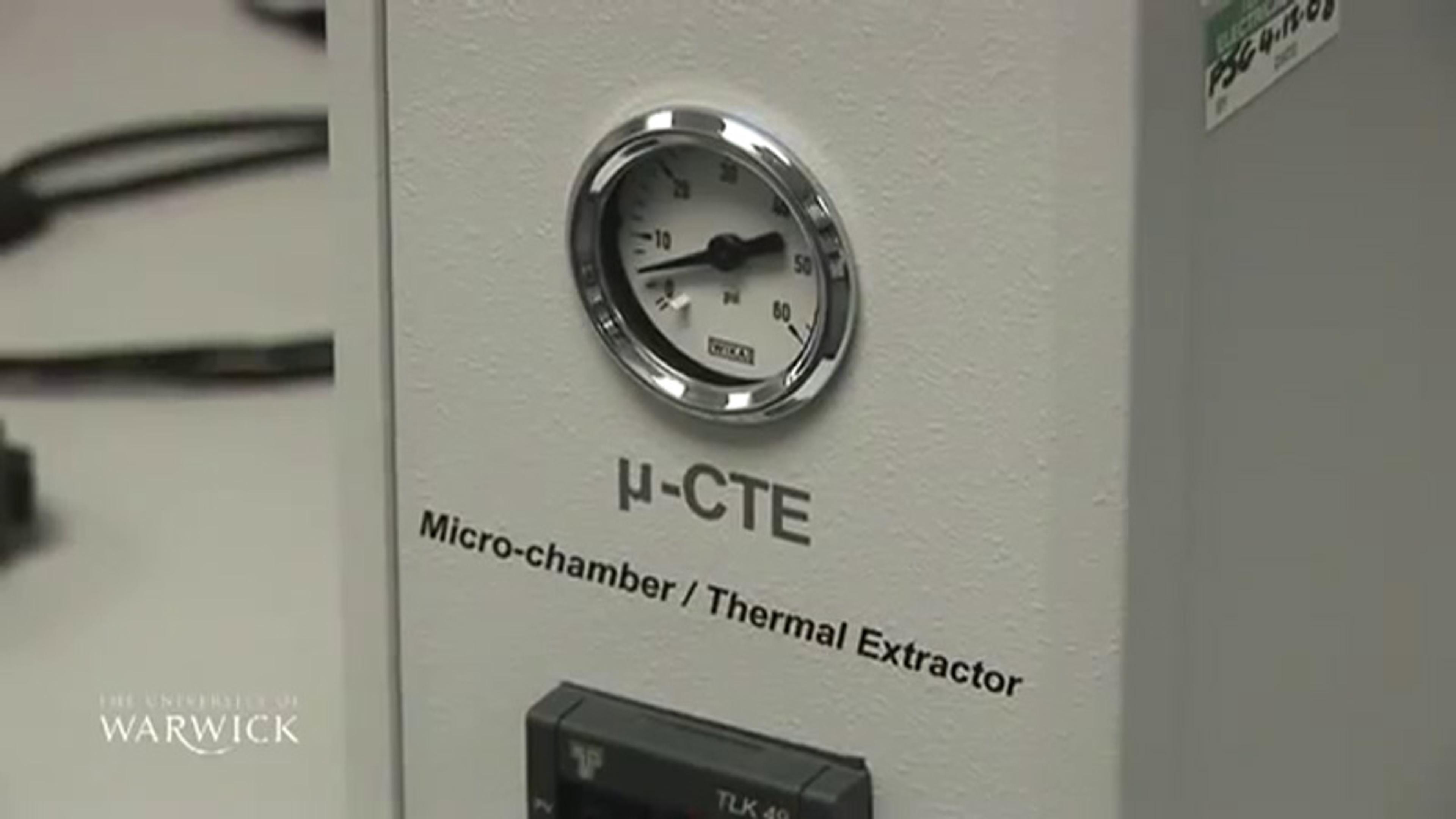
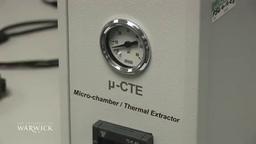
Food Decomposition Analysis using the Micro-Chamber/Thermal Extractor and TD-GC/MS
This Application Note investigates decomposition of three types of bacon, with sampling using Markes’ Micro-Chamber/Thermal Extractor™ and analysis by automated thermal desorption (TD)–GC–MS. The ability to quantitatively retain compounds over a wide volatility range is emphasised, along with the ease of sample preparation.
Ten questions asked about thermal desorption
Thermal desorption (TD) is a straightforward, powerful and versatile sample introduction technique for gas chromatography (GC), and is frequently the “go to” technique for those wishing to analyse VOCs and SVOCs from solids, liquids and gases. This application note gives information on how to get the most out of your research by answering the ten most common questions associated with thermal desorption.
Extending air monitoring: Simultaneous analysis of ozone precursors, air toxics and carbonyls
This scientific poster describes the successful application of Markes' innovative on- and offline solutions, combining all compounds of interest into a single run with a cycle time under one hour, ensuring consistent hourly monitoring for all compounds, even remotely.
Equipping scientists across the globe in research and routine analysis
In this video, Gavin Davies, discusses how scientists can get the best from their GC analysis, enabling them to discover more and deliver more across a wide range of applications.
Disease Diagnosis Using Thermal Desorption-Gas Chromatography-Mass Spectrometry
Researchers at the University of Warwick have taken high tech gas sensors normally used to test components for premium cars and applied the same techniques to human blood, human urine, and even cow dung samples from local cow pats. In this video, they explain how these results could lead to a new high tech medical tool that could provide a fast diagnosis for some of the most difficult gastrointestinal illnesses and metabolic diseases.
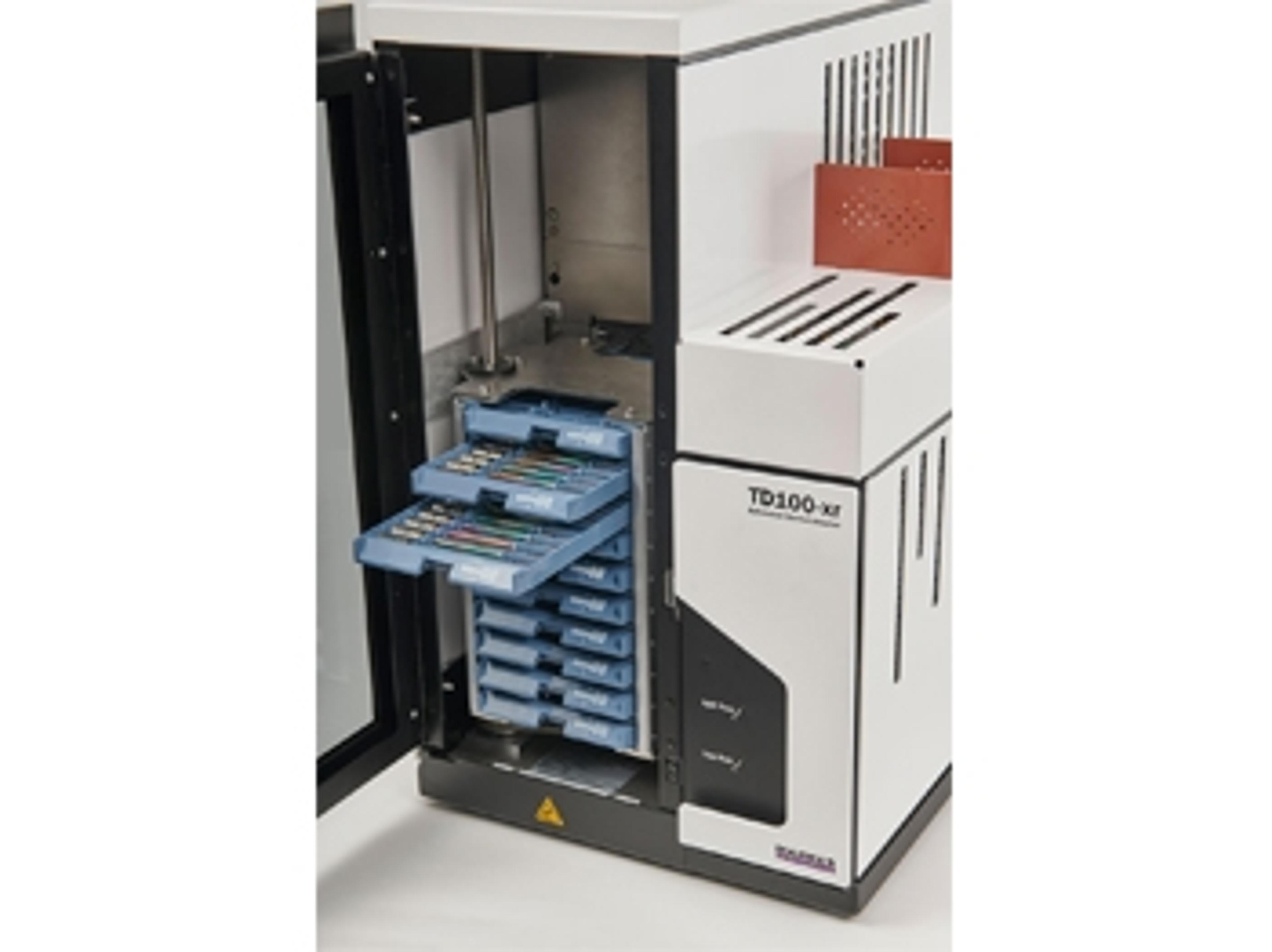
Markes International launch world’s first multi-gas enabled thermal desorption instruments
The thermal desorption (TD) instruments are safety-certified to run on three gases: helium, nitrogen and hydrogen.

Most Watched Clinical Videos this Month
View the most popular videos from the clinical library