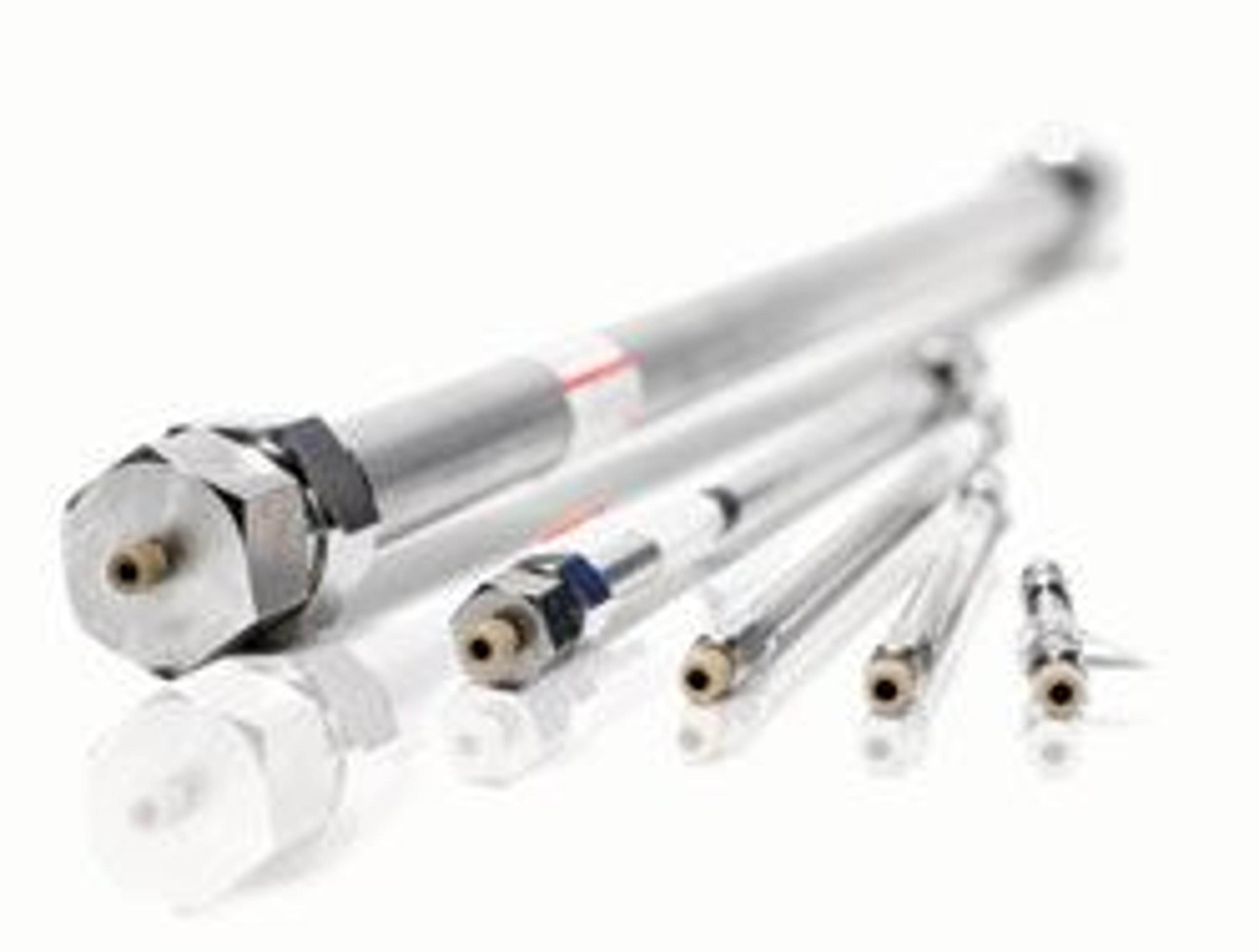
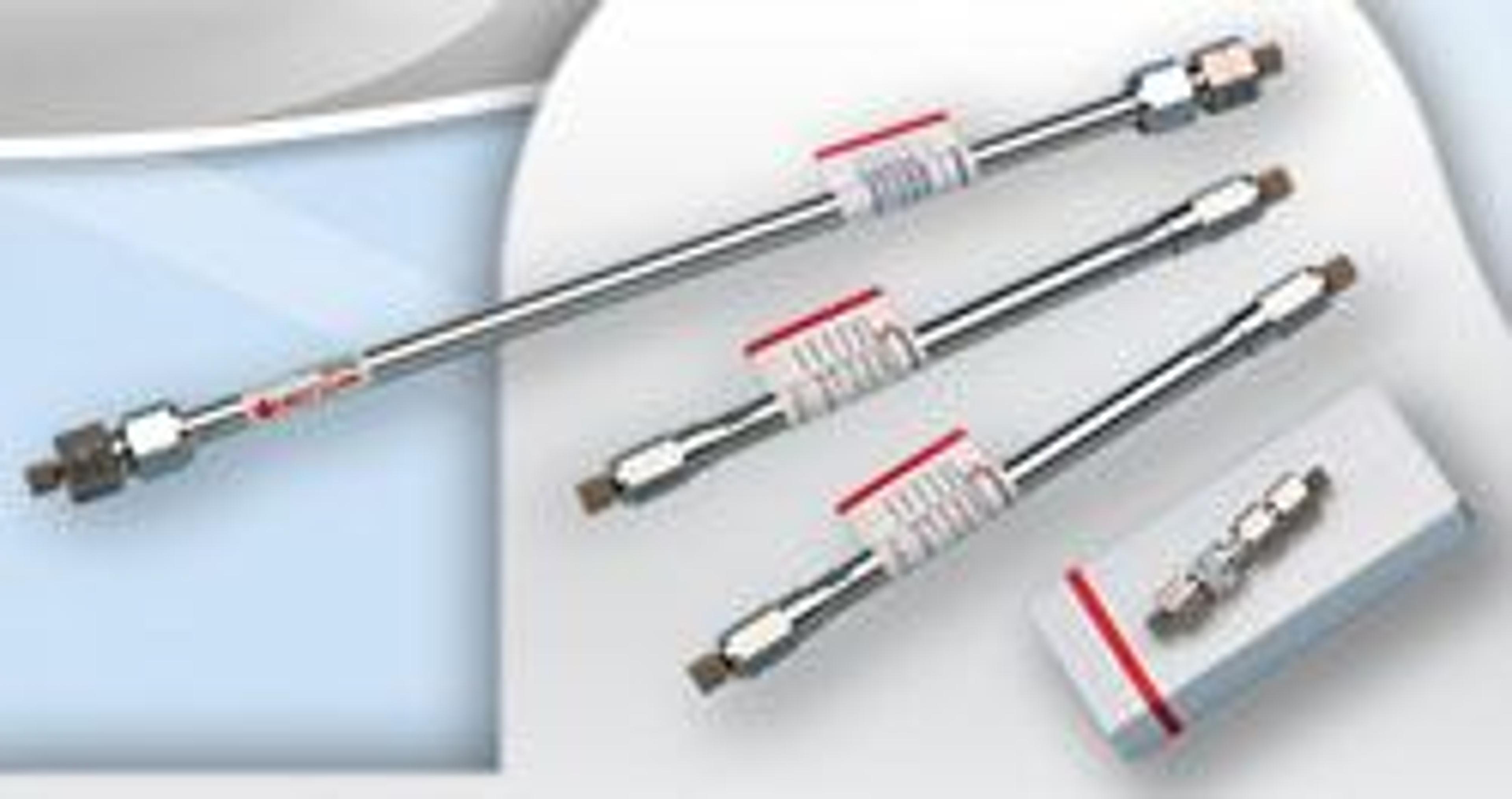
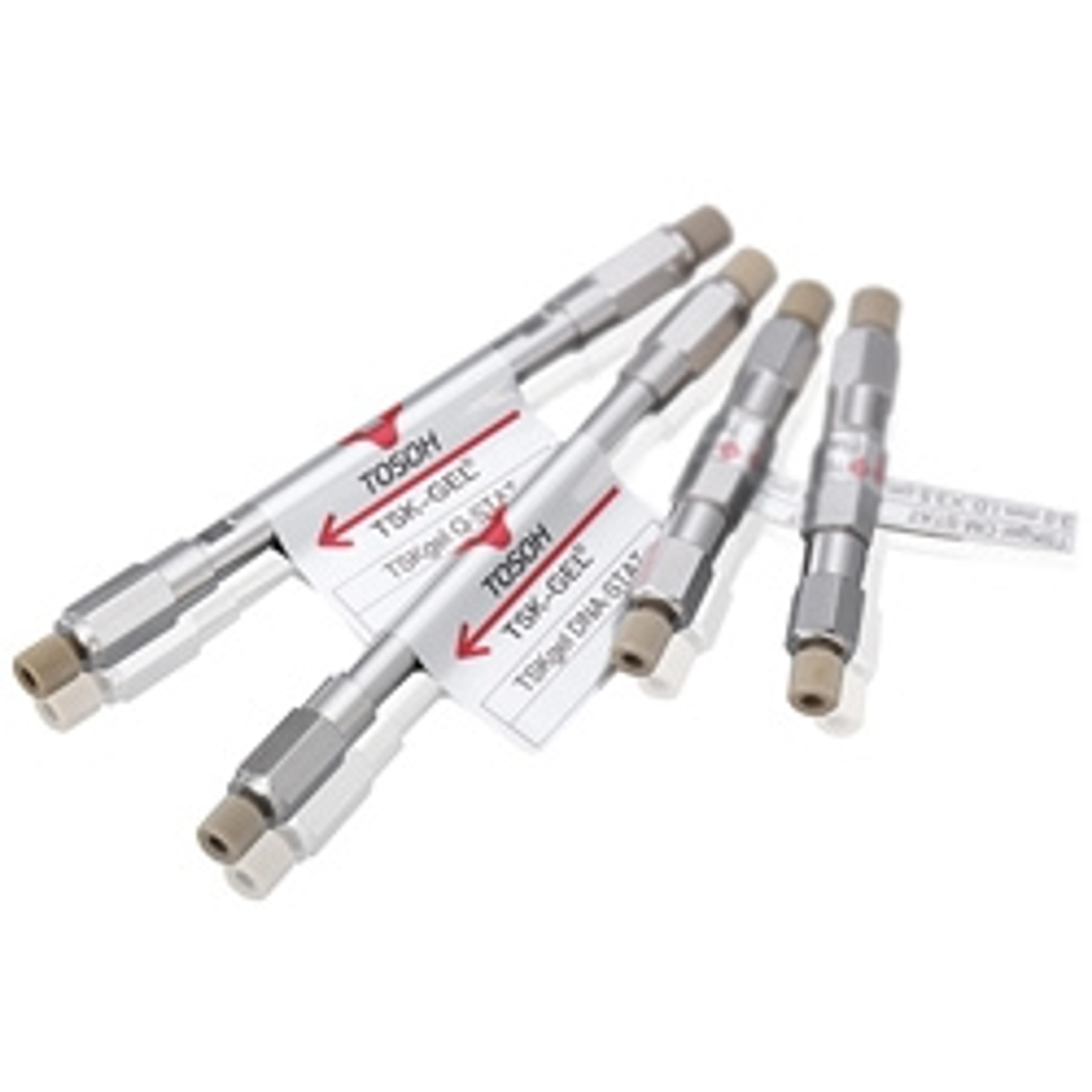
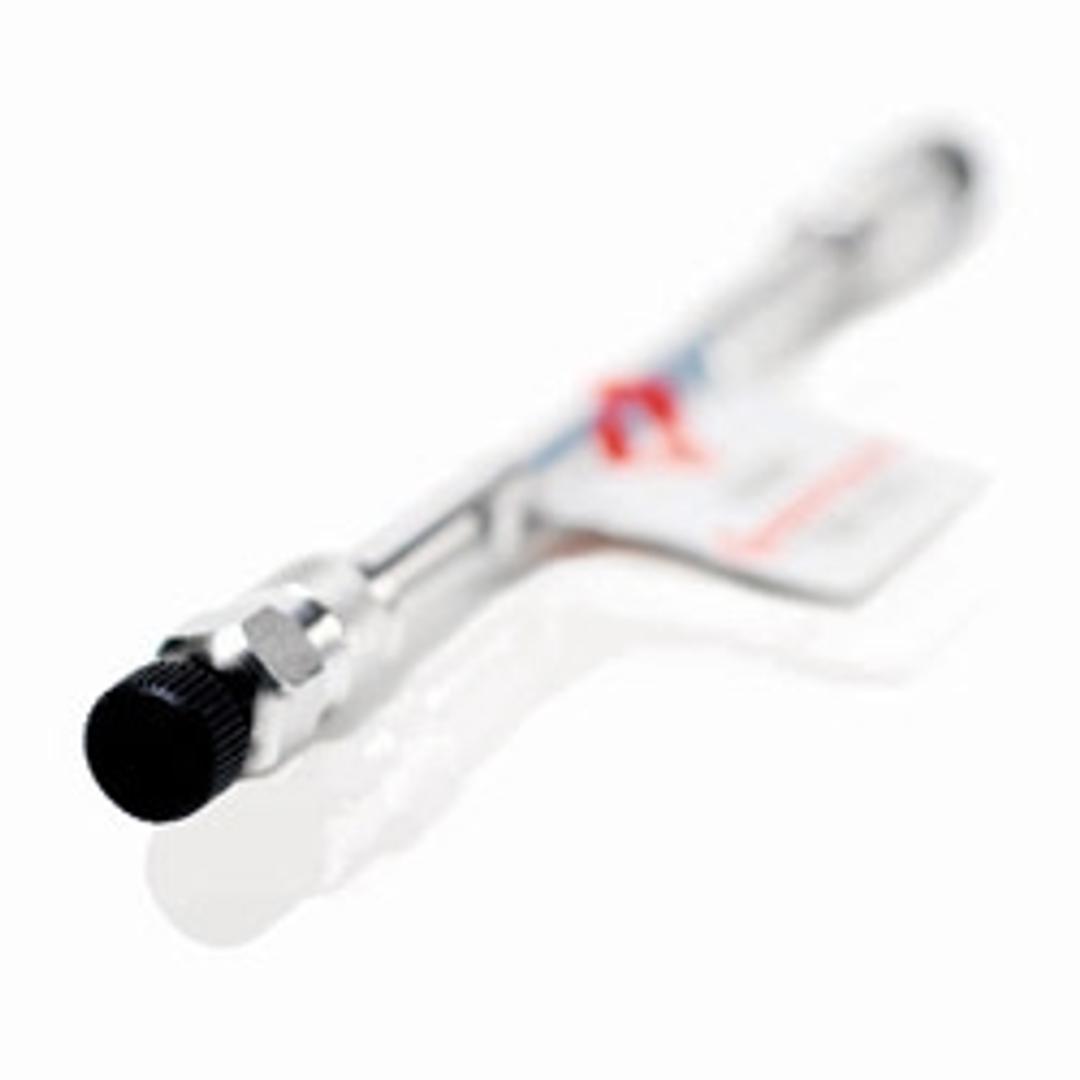
TSKgel® Butyl-NPR hydrophobic interaction chromatography column
TSKgel Butyl-NPR hydrophobic interaction columns for analysis of antibody-drug conjugates (ADCs) and as an orthogonal method to analyze protein aggregation, oxidation and deamidations.

Receive your quote directly from the manufacturer.
Very good column, does exactly what you'd want it to.
Analyse protein following purification
Used for HIC. Very good resolution on peaks, clearer than the previous method and much faster than previous method (C-IEX). OCS was very clear and informative. Assays results appear better than with the previous column.
Review Date: 15 Aug 2023 | Tosoh Bioscience - Separations
Awesome yield, you must try!
Monoclonal Antibody
Our company uses Buthyl 650 M as a polishing 2 step. This resin is easy to use, package, and sanitize and is also convenient in terms of yield. We are also using different resins in development studies.
Review Date: 19 Jul 2022 | Tosoh Bioscience - Separations
TSKgel Butyl-NPR is based on a non-porous polymethacrylate base material with uniform 2.5 particle size. This makes fast analyses with high resolution possible and requires low sample loading. Hydrophobic interaction chromatography offers non-denaturing conditions for separating proteins as to their hydrophobic characteristics. Therefore it is used to determine the drug-antibody ratio (DAR) of antibody-drug conjugates (ADC). The Butyl-NPR column is well established for this purpose due to its cost-effectiveness and speed. Furthermore, it serves as a solution to determine protein aggregates, oxidations and deamidations.
Features:
- Non-porous 2.5 µm polymethacrylate particles
- Analyze drug-antibody ratio (DAR) in 15 min
- High resolution and recovery
Column specifications:
- Hydrophobic interaction chromatography
- Particle size 2.5 µm
- Non-porous
- Inner diameter: 4.6 mm
- Length: 3.5 cm or 10 cm

(U)HPLC analysis of biomolecules
This compendium, from Tosoh Bioscience, compiles more than twenty application notes covering important aspects of biopharmaceutical analysis such as protein aggregation, charge isoforms and glycosylation as well as determination of drug-to-antibody ratio of antibody-drug-conjugates. The last section of the notebook provides tips and tricks to improve chromatographic separation of biomolecules.
DAR analysis of antibody-drug conjugate by hydrophobic interaction chromatography
In this application note, Tosoh Bioscience demonstrates how antibody-drug conjugates can be analyzed using a TSKgel Butyl-NPR column.