The PhysioMimix™ OOC Range of Single and Multi-organ Microphysiological Systems (MPS) by CN Bio
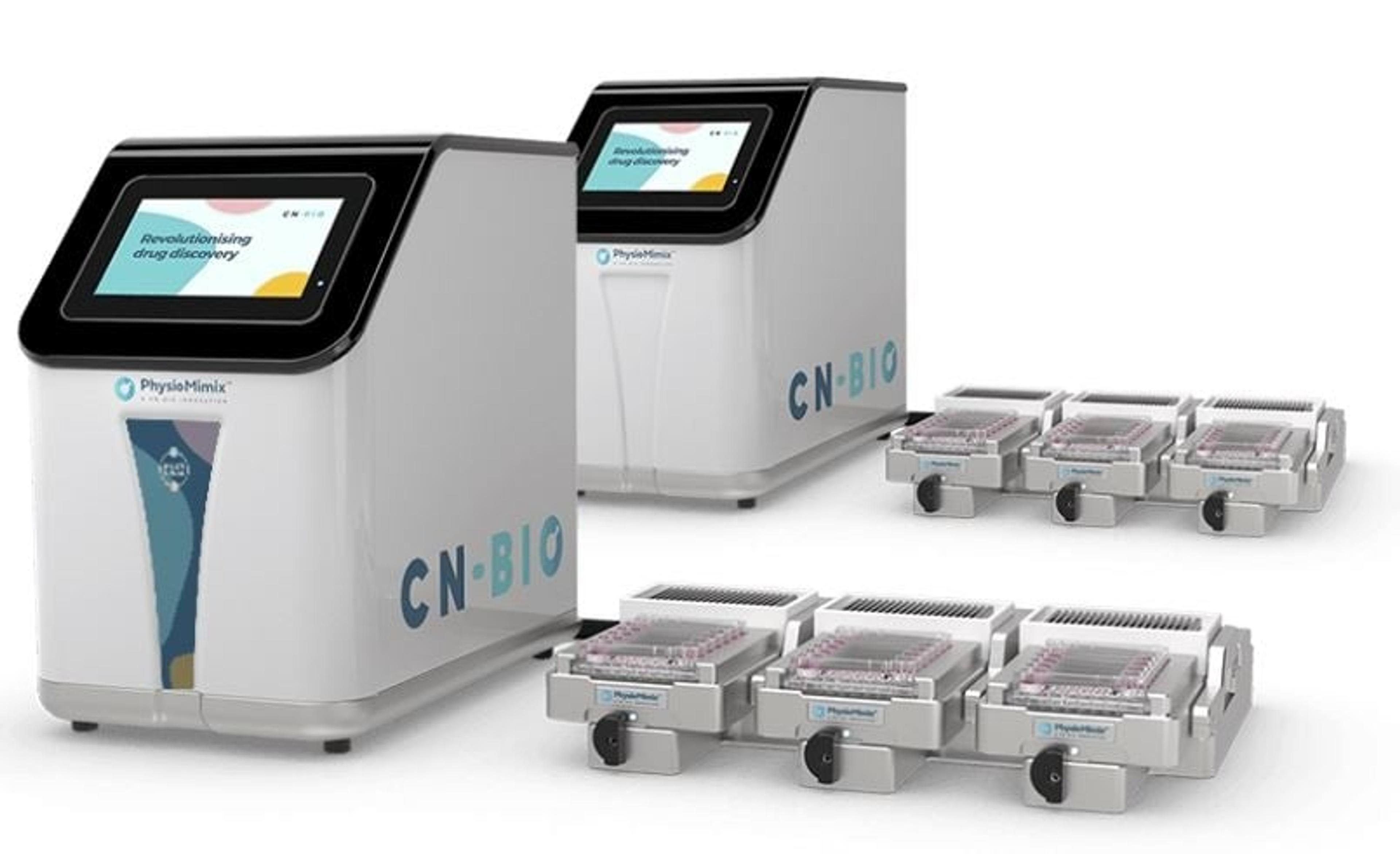
PhysioMimix™ microphysiological systems generate in vitro microtissues that mimic the structure and function of human tissues and organs. Through the simulation of human biological conditions, they bridge the gap between traditional cell culture and human studies, reliably predicting drug effects to facilitate the accelerated development of safe and efficacious therapeutics.
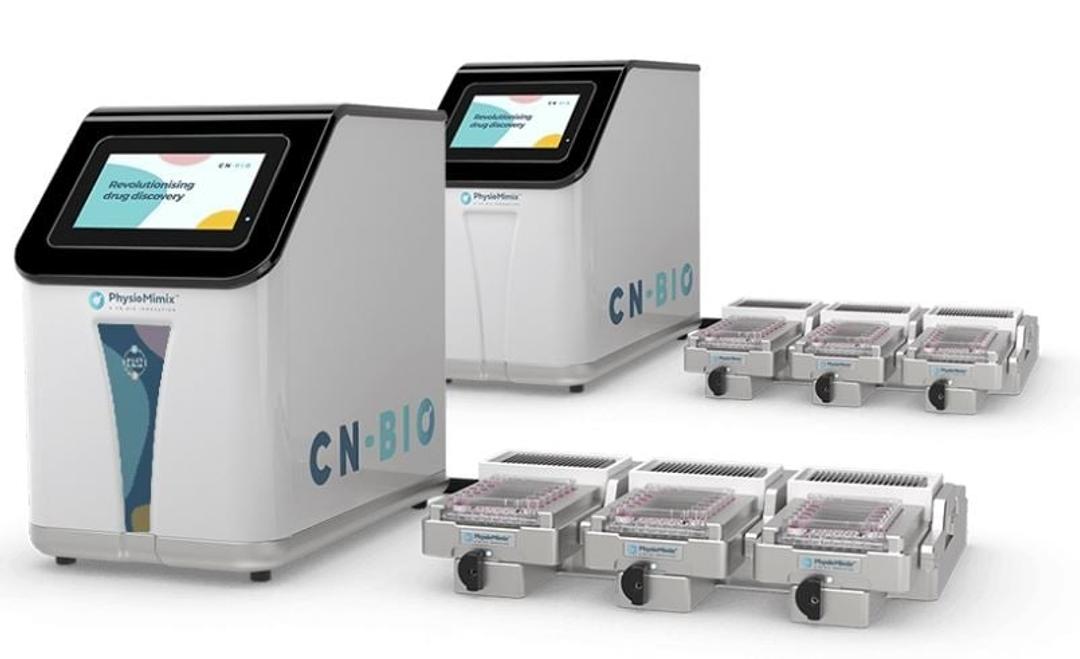
PhysioMimix™ Single and Multi-organ Systems (MPS)
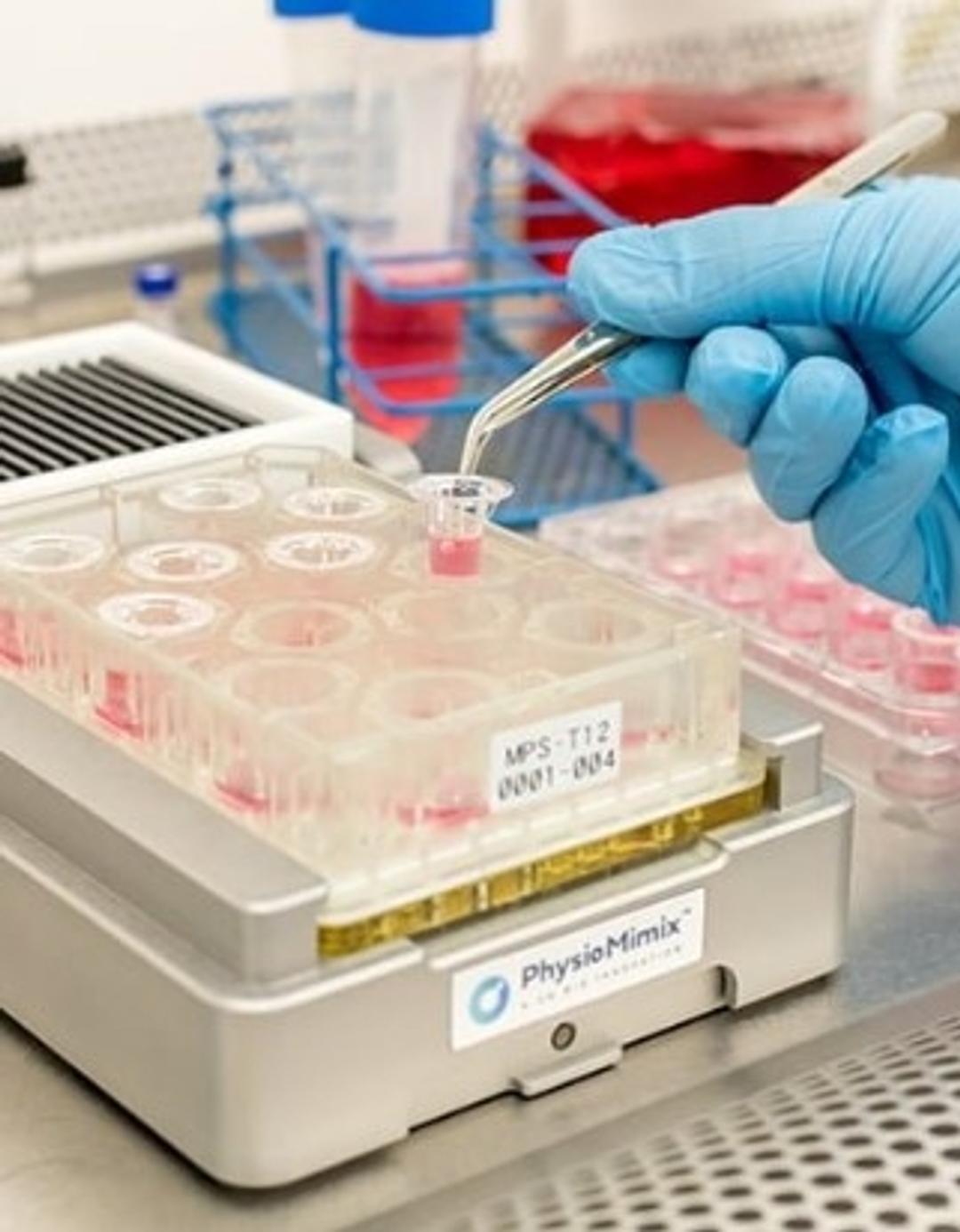
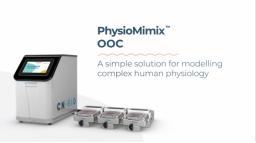
PhysioMimix™ OOC Single- and Multi-organ Microphysiological



Receive your quote directly from the manufacturer.
Very useful for our research on studying virus-host interactions
Live cell proliferation and virus-host interaction studies
We have recently purchased the PhysioMimix™ OOC Microphysiological System for virus-host interaction studies as part of our research. Although we are only in the early stages of our studies using this, we find the system very useful and versatile, and is supported very well by the services from CN-Bio.
Review Date: 18 Dec 2021 | CN Bio
This is the next generation of preclinical models relevant to human physiology.
Preclinical research
The CN Bio Physiomimix system is revolutionizing medical research and drug discovery by allowing investigators to recreate facets of complex human biology ex vivo. For example, I am routinely using the device to interrogate human gut-liver crosstalk during autoimmunity. The platform is highly reliable in terms of performance and so is Cn Bio's support in adopting new applications.
Review Date: 8 Dec 2021 | CN Bio
User friendly organ on a chip system.
Benchtop lab on a chip system
User-friendly microfluidic system for 3D multicellular culture. Easy to clean and maintain. Suitable for development of disease relevant cell models.
Review Date: 28 Jan 2020 | CN Bio
Why Organ-on-a-chip?
After years of costly research and development, many drug discovery programs fail because 2D cell culture and animal models inadequately predict human responses. To mitigate the risk of late-stage failures in the clinic, researchers are increasingly adopting OOC technology to predict drug efficacy, toxicity, and pharmacokinetic profiles early in programs. Insights generated using OOC are being used to complement data derived using traditional methods, confirm discoveries, overcome inter-species differences, and bridge knowledge gaps. However, in certain scenarios, such as the development of new human-specific modalities, OOC offers a novel opportunity to validate a target hypothesis, test safety and efficacy where animal models may be altogether unsuitable due to differences in gene sequence or immunological response.
How does the PhysioMimix OOC MPS system complement existing approaches?
PhysioMimix™ OOC Systems facilitate the formation of 3D microtissues, or miniature organs, that behave and respond to drugs in the same way as a human by culturing multiple human cell types in a physiologically relevant environment. They maintain the phenotype and biological activity of cultures over weeks by mimicking blood flow around the human body, exposing cells to vital biomechanical stimuli, oxygen and nutrients.
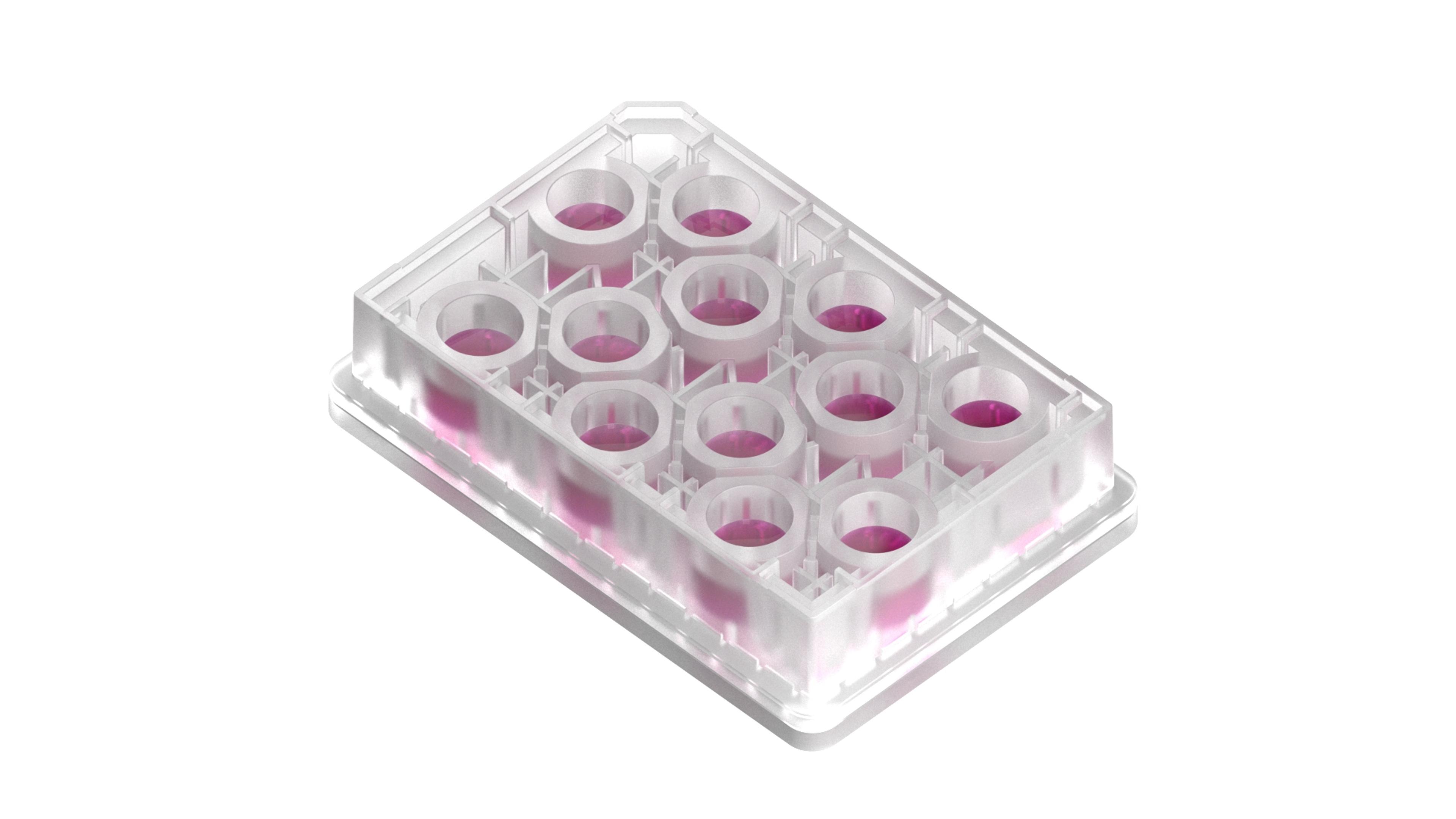
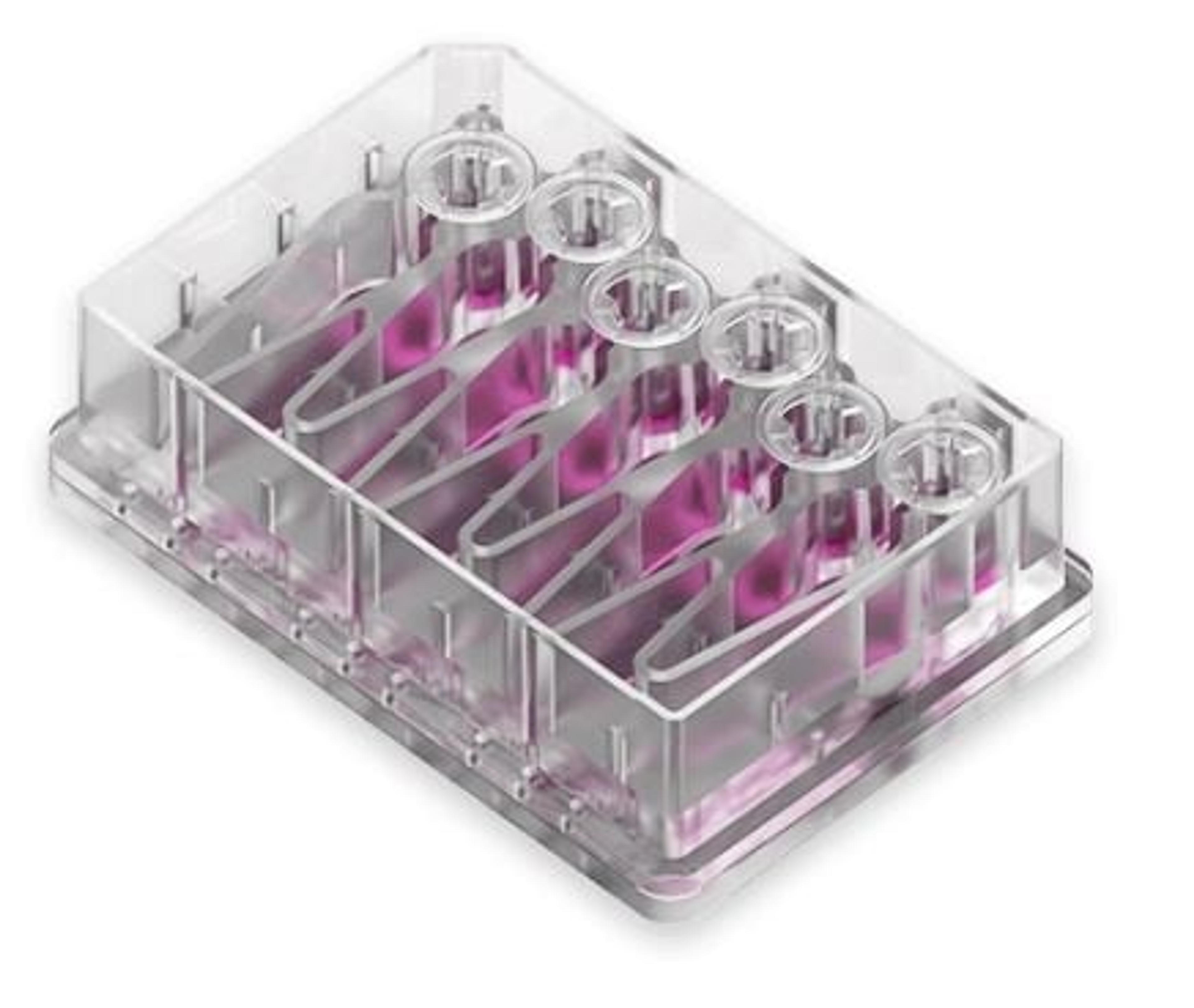
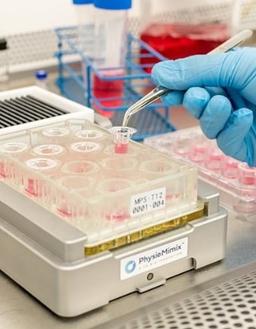
PhysioMimix microphysiological systems are available in three versions, Single-organ, Single-organ higher throughput (HT), or Multi-organ. The Single-Organ System enables detailed individual organ function and disease state modelling studies. It is compatible with Multi-chip Liver-12 plates (MPS-LC12) to generate in vitro 3D liver microtissues and the Multi-chip Barrier plate (MPS-T12) to develop barrier models (such as gut or lung) on Transwell® inserts.
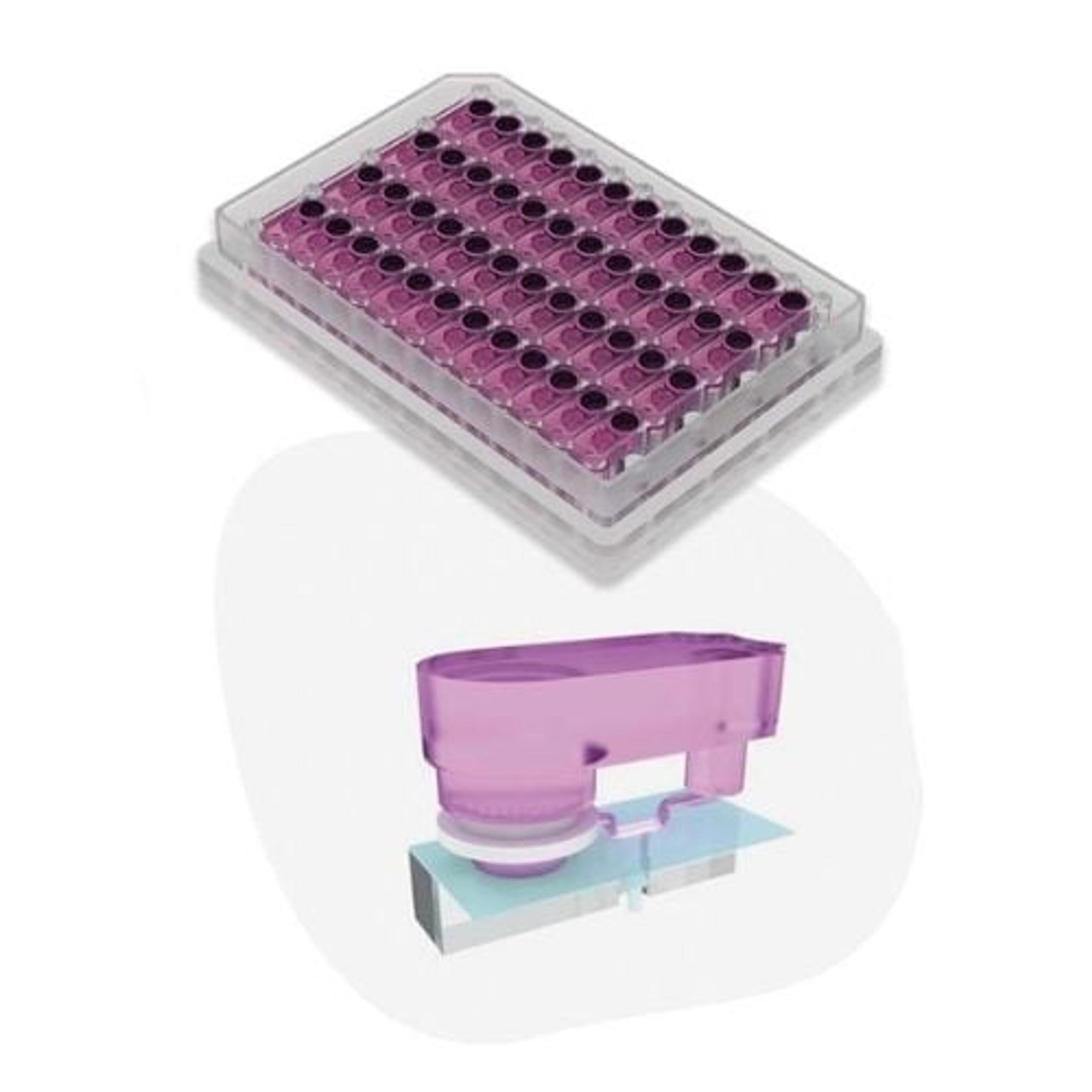
The next-generation PhysioMimix Single-organ HT System is additionally compatible with the Multi-chip Liver-48 plate, which enables higher throughput, cost-effective screening for larger-scale comparative drug studies. Generating data from more experiments in parallel the newest system in the portfolio enables in-plate replicates, controls and dose-response curves for enhanced data robustness, reproducibility and greater data confidence.
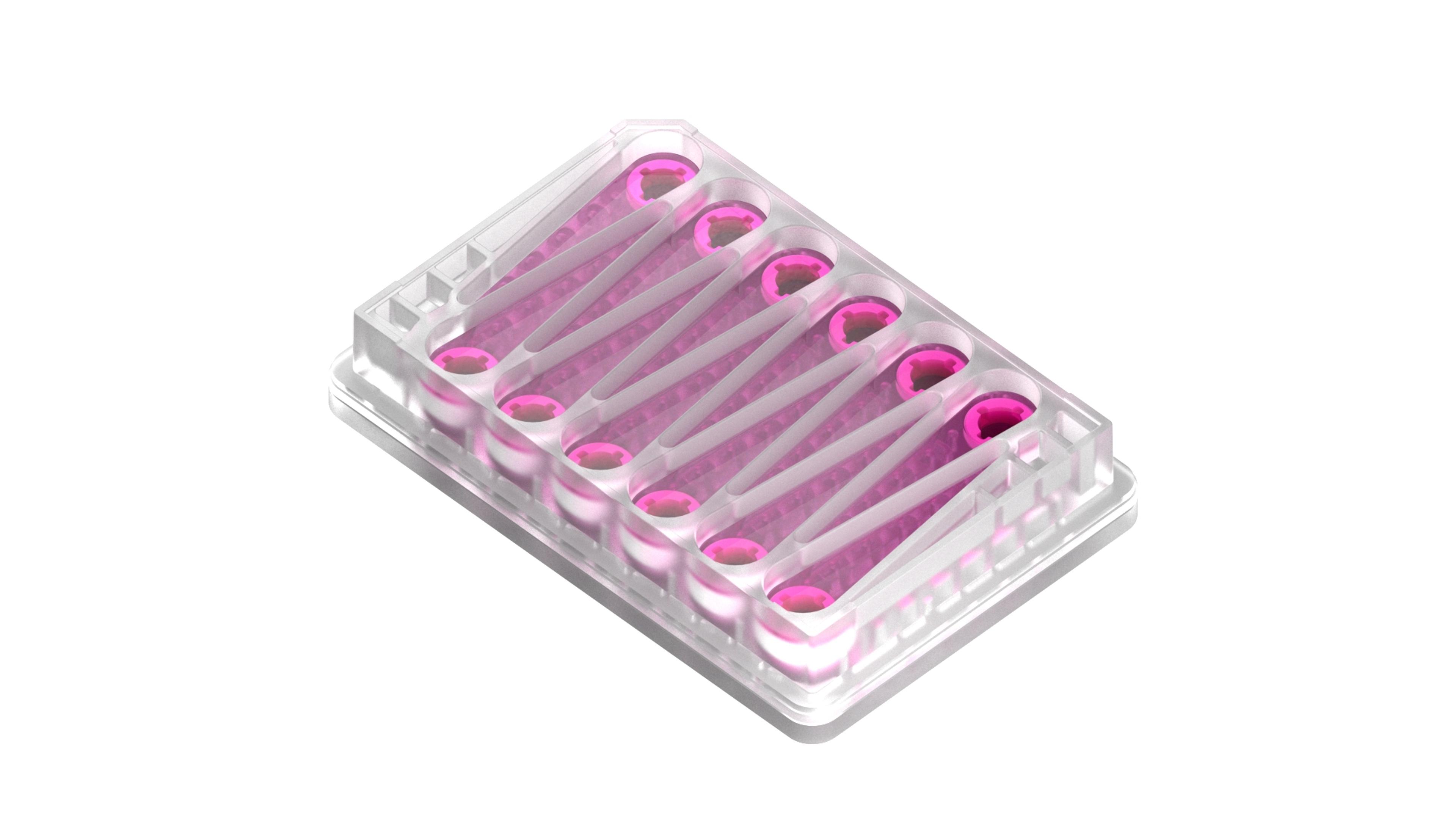
Providing additional functionality, the Multi-organ System enables scientists to interconnect our liver-on-a-chip model with other organs, such as gut, lung or kidney. By mimicking how organs interact and communicate as part of a complex system, researchers benefit from a deeper human-specific mechanistic understanding of disease states and drug behaviour such as the ability to analyse target organ versus off-target effects, pharmacokinetics, bioavailability and biodistribution. This capability is facilitated by the Multi-chip Dual-organ plate (MPS-TL6) whose novel microfluidics enable recirculation of media from one culture compartment to the other to permit inter-organ crosstalk. When combined with PBPK mathematical modelling, in vitro data may be extrapolated to in vivo clinical predictions.
Through its ability to recreate human physiology in the lab, the PhysioMimix™ OOC range of microphysiological systems predict human responses to new therapeutic drug candidates. By supplementing data generated from entrenched 2D cell culture and animal studies, this system supports confident decision making across many drug discovery stages from target discovery right through to development.
Its applications include:
- Disease modeling
- Drug safety toxicology
- ADME
- Pharmacology
- Immune interactions
- Drug repurposing
System features and benefits
Despite the complex biology that they recreate, PhysioMimix™ OOC Systems are simple to install (< 1hr) and user-friendly to operate (< 1 min to program and start a run). To support users transitioning from 2D cell culture into 3D microtissues, a familiar open-well plate-based format has been incorporated into the design of consumables to ease adoption.
First launched in 2018, this patented, proven technology offers the following features and benefits:
- Versatile compatibility - organoids, spheroids, iPSCS, primary cells, immortalized cell lines tissue slices and commercial inserts
- Multi-organ capability – link two or more tissue systems using microfluidics to reveal how multiple organs interact and respond to stimuli
- Recirculated microfluidic flow - delivers biomechanical stimulus, oxygen and nutrients to cells retaining viability and phenotype over many weeks
- Adjustable inter and intra “organ-specific” flow rates - to enhance physiological relevance
- Open-well Multi-chip plates – To support users with an easy transition from 2D to 3D cell culture to develop their own models or follow our validated SOPs
- PDMS-free consumable plates -ensures very low non-specific binding for true/ non-biased assessment of drug response
- “Set-and-Run” Perfusion - automates long-term experiments for minimal user input over many weeks
- Real-time monitoring - remove samples for analysis while experiments continue to run
- Large sampling scale (up to 1 ml of media) – enables high content data generation, with multiple endpoint analysis and individual microtissues for deeper -omics and microscopic analysis
- Unmatched OOC throughput - up to six OOC plates can be used to run multiple independent experiments simultaneously from one PhysioMimix™ OOC controller
- Lab benchtop ready - portable and compact Compatible with existing lab equipment - no additional purchases necessary
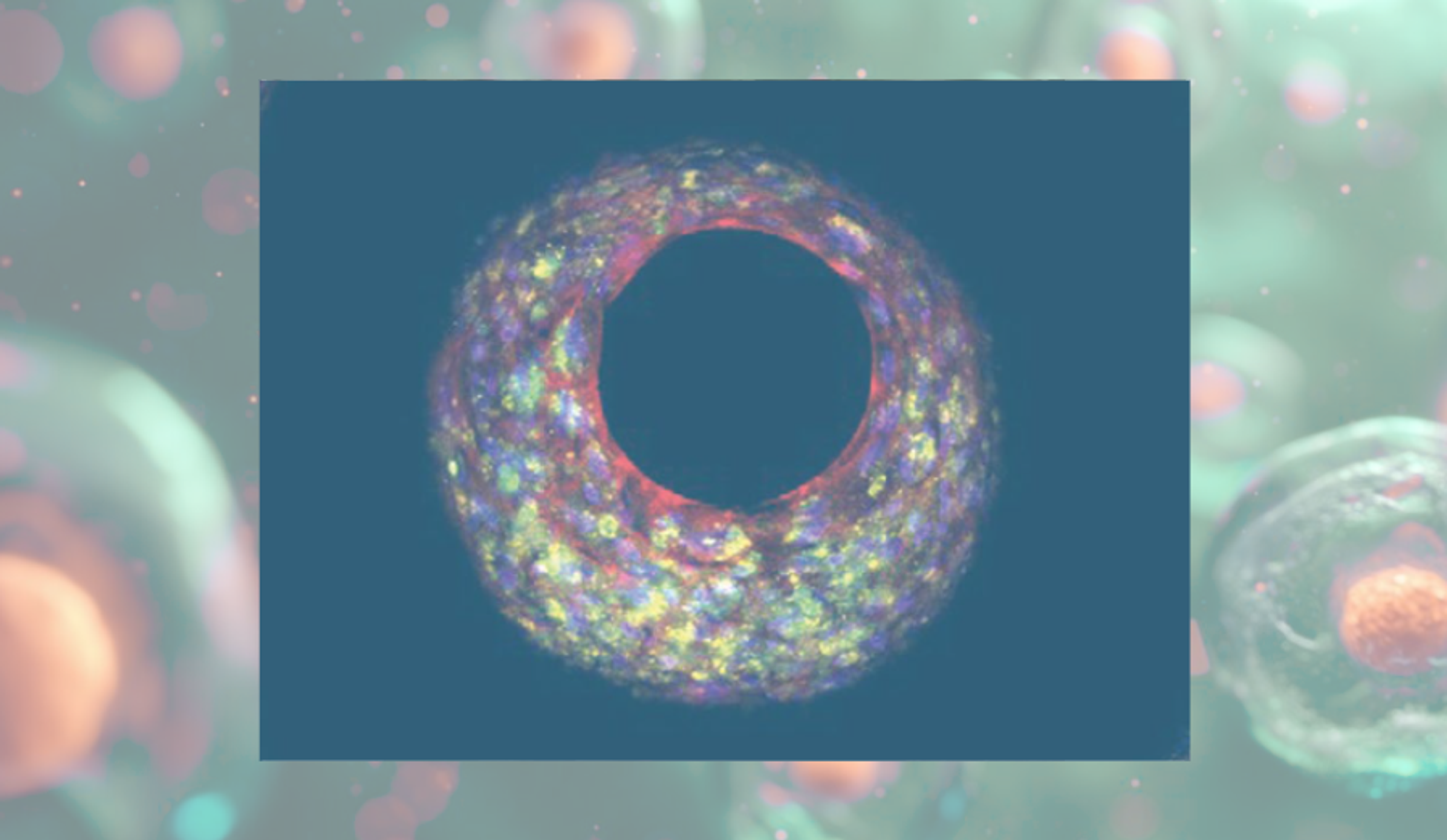
From organoids to organ-on-a-chip: Enhancing physiological relevance in three-dimensional cell culture
This whitepaper summarizes the current limitations of organoid technology, highlights the advantages of organ-on-a-chip platforms, and provides recommendations for the complementary use of these advanced models.
Resource details:
- Resource type: White paper
- Page count: 14
- Read time: 21 mins

Drug metabolism in a gut-liver microphysiological system
First-pass metabolism was modelled using the PhysioMimix® gut-liver MPS (MPS-TL6 plate) on the Core System, combining a Caco-2/HT-29 gut Transwell with PHH liver microtissues. Diclofenac dosed apically permeated the gut barrier and was metabolised to 4’-hydroxydiclofenac, with co-cultures producing more metabolite than the sum of single-organ MPS, indicating organ-organ crosstalk. Mathematical modelling (R/RxODE) supported dose and sampling optimisation for translational ADME studies.
An introduction to CN Bio
In this video, hear from Dr. David Hughes, Scientific Advisor at CN Bio, as he shares how CN Bio is working to transform the future of drug development.
Introducing the PhysioMimix OOC
PhysioMimix™ OOC is a commercial lab-benchtop microphysiological system (also known as Organ-on-Chip) which puts the cell culture environment under your control. This video from CN Bio demonstrates the features and benefits of the microphysiological system.
CN Bio awarded Innovate UK grant to reduce animal use in pharmacokinetic studies
Project to develop standardized workflow to more accurately predict drug behaviors, reduce animal testing, and streamline development of safer, more effective medicines

How organ-on-a-chip technology delivers human-relevant results
CN Bio shares why organ-on-a-chip technology outperforms traditional 2D cell cultures and animal models
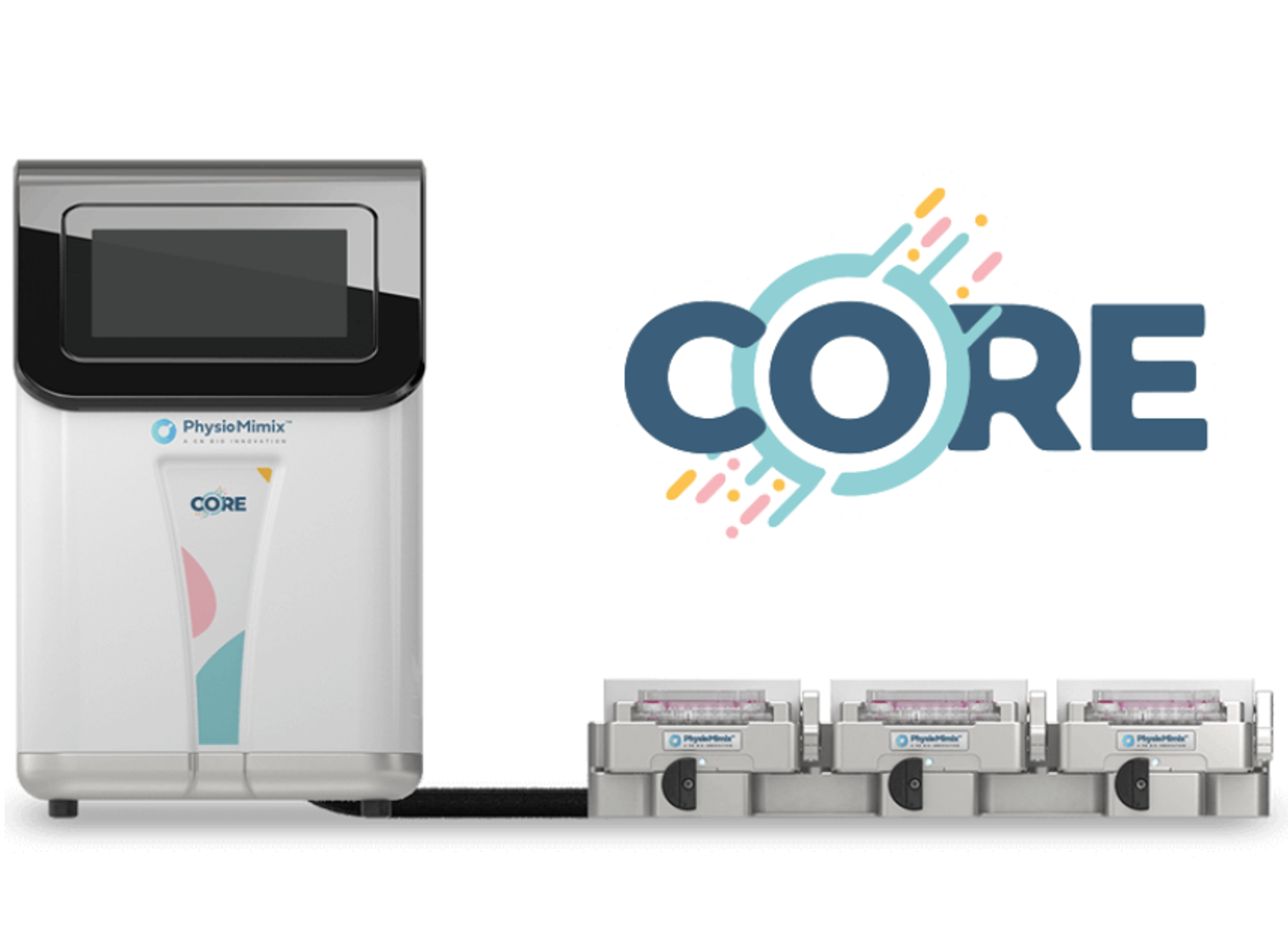
CN Bio launches all-in-one organ-on-a-chip system, PhysioMimix Core
Combines single-organ, multi-organ, and higher-throughput configurations within one scalable platform

Organ-on-a-chip provides preclinical safety toxicologists with the tools to combat drug attrition
Learn how organ-on-a-chip technology is aiding toxicologists in de-risking drug-induced liver injury by providing human-specific safety data
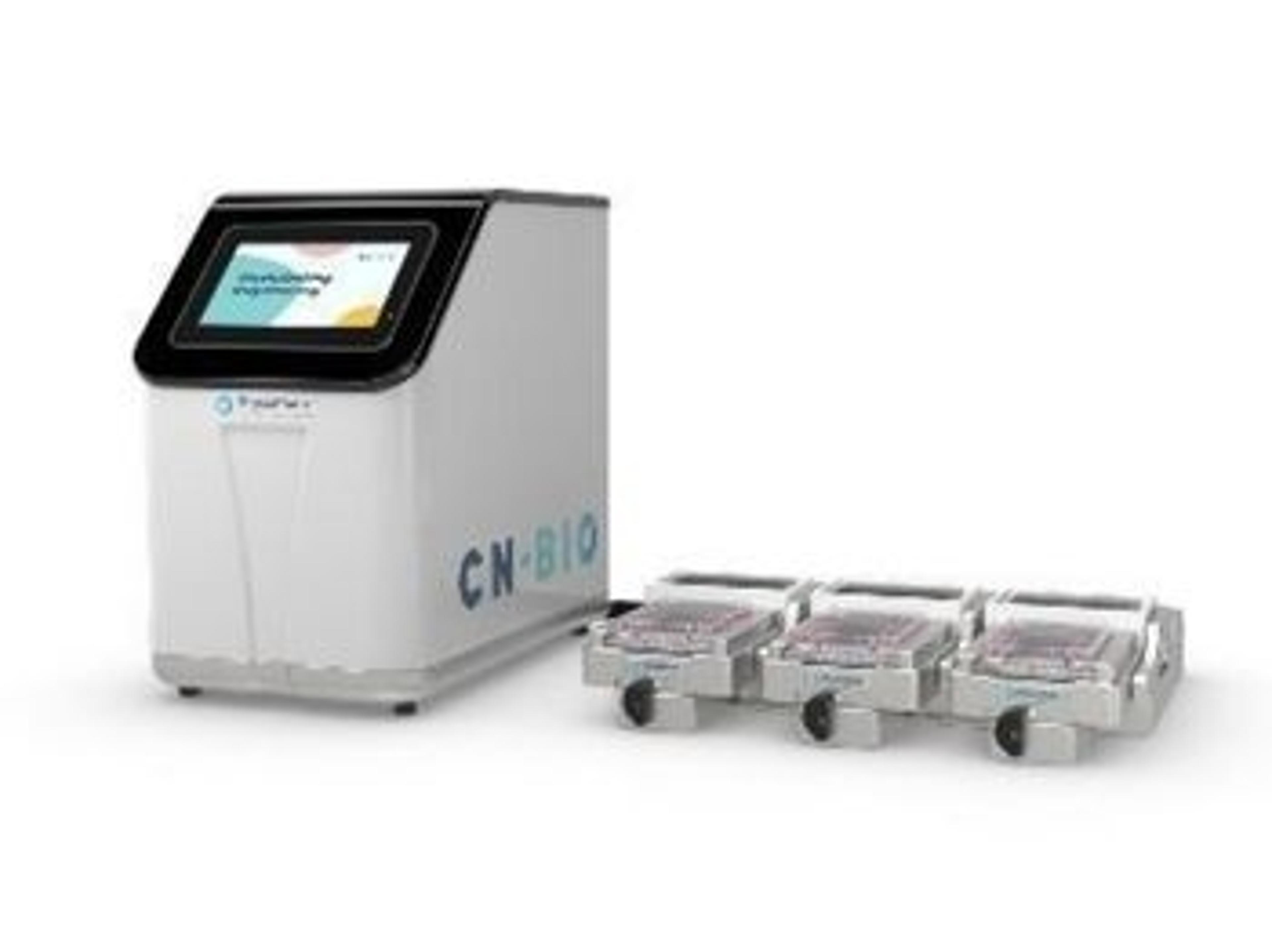
The FDA further expands collaboration with CN Bio to evaluate the PhysioMimix multi-organ microphysiological system
Expansion of five-year collaboration broadens established organ-on-a-chip research demonstrating advanced performance of the PhysioMimix MPS

CN Bio introduces PhysioMimix NASH ‘in-a-box’ reagent kit
First product within new ‘in-a-box’ range, which harnesses next-generation, human-relevant Liver-on-a-Chip technology to improve the accuracy and efficiency of NASH drug discovery

Lonza and CN Bio announce new distribution agreement
The agreement will provide prevalidated hepatocytes for use on innovative organ-on-a-chip range
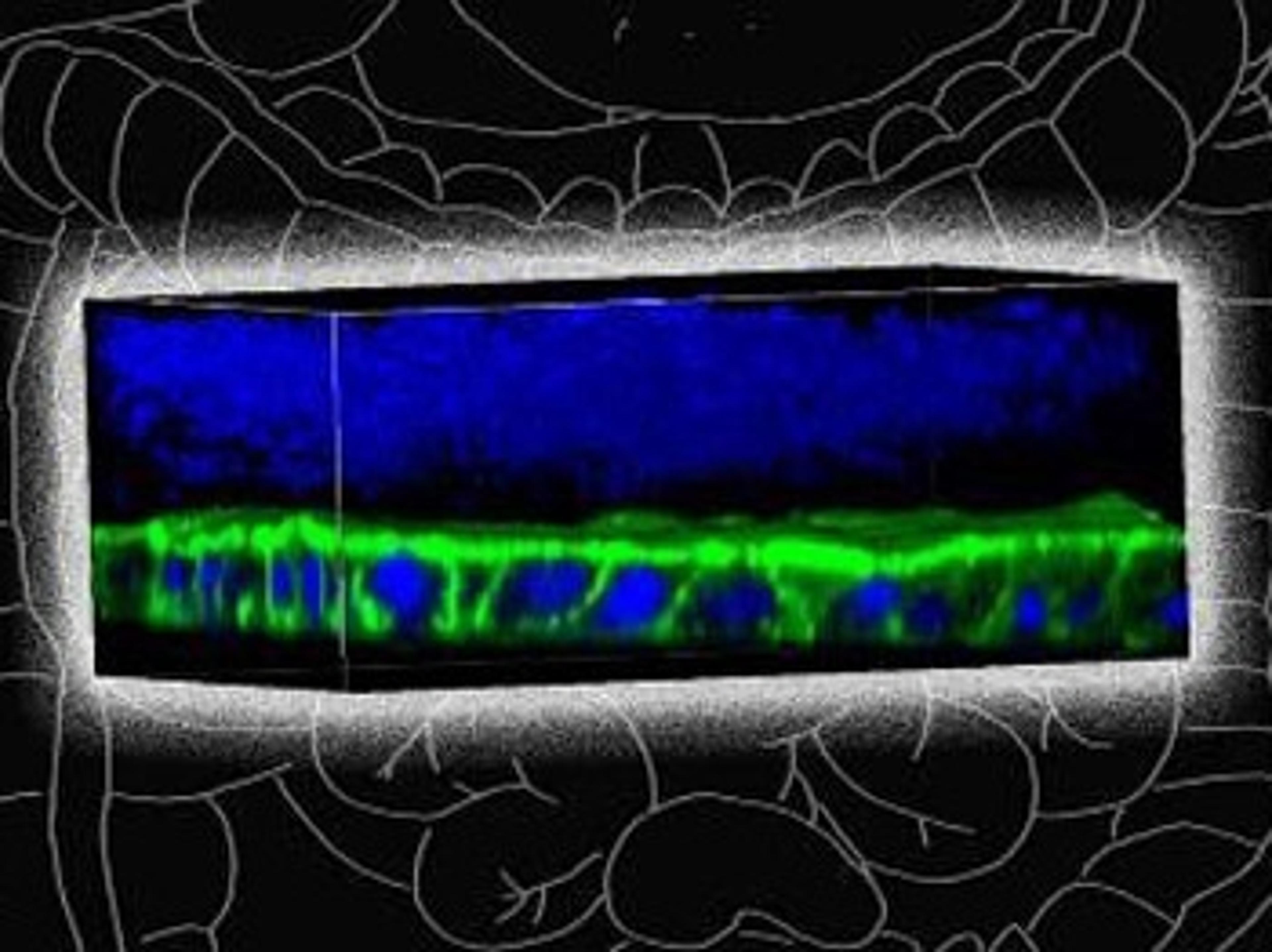
CN Bio licenses human gut microbiome modelling tool from MIT and Northeastern University
The tool enables accurate modelling of the human colon and the mucosal barrier
Lonza and CN Bio announce distribution agreement providing prevalidated hepatocytes for use on innovative organ-on-a-chip range
The provision of high-quality cells that are known to grow successfully in 3D culture will help fast track organ-on-a-chip (OOC) adoption and customer research
CN Bio’s PhysioMimix adopted by King’s College London to investigate chronic liver disease
The next-generation organ-on-a-chip technology to be used to investigate the human gut microbiome for improving outcomes for patients with liver cirrhosis