Multi-chip Liver-12 (MPS-LC12) Plates by CN Bio
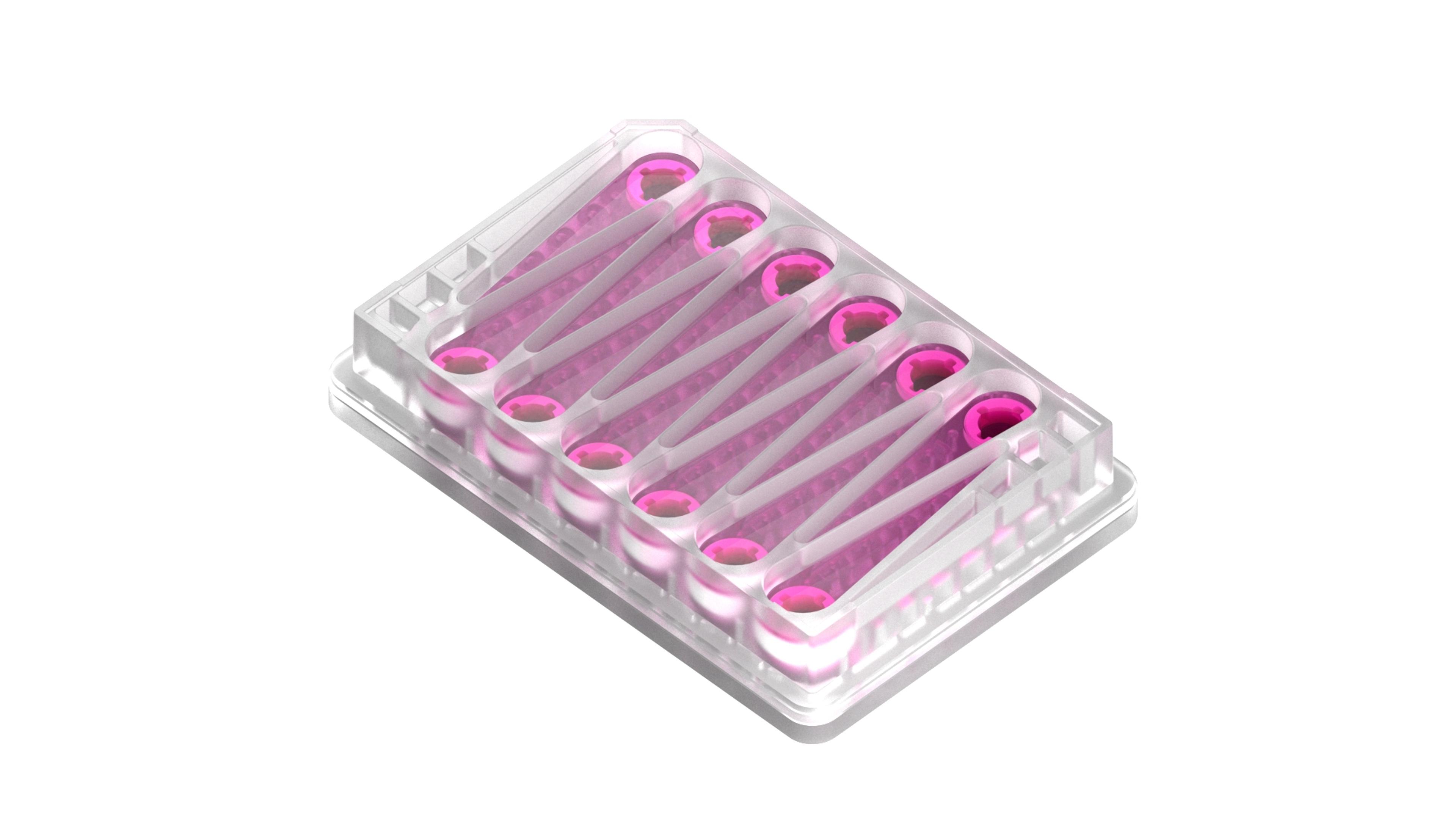
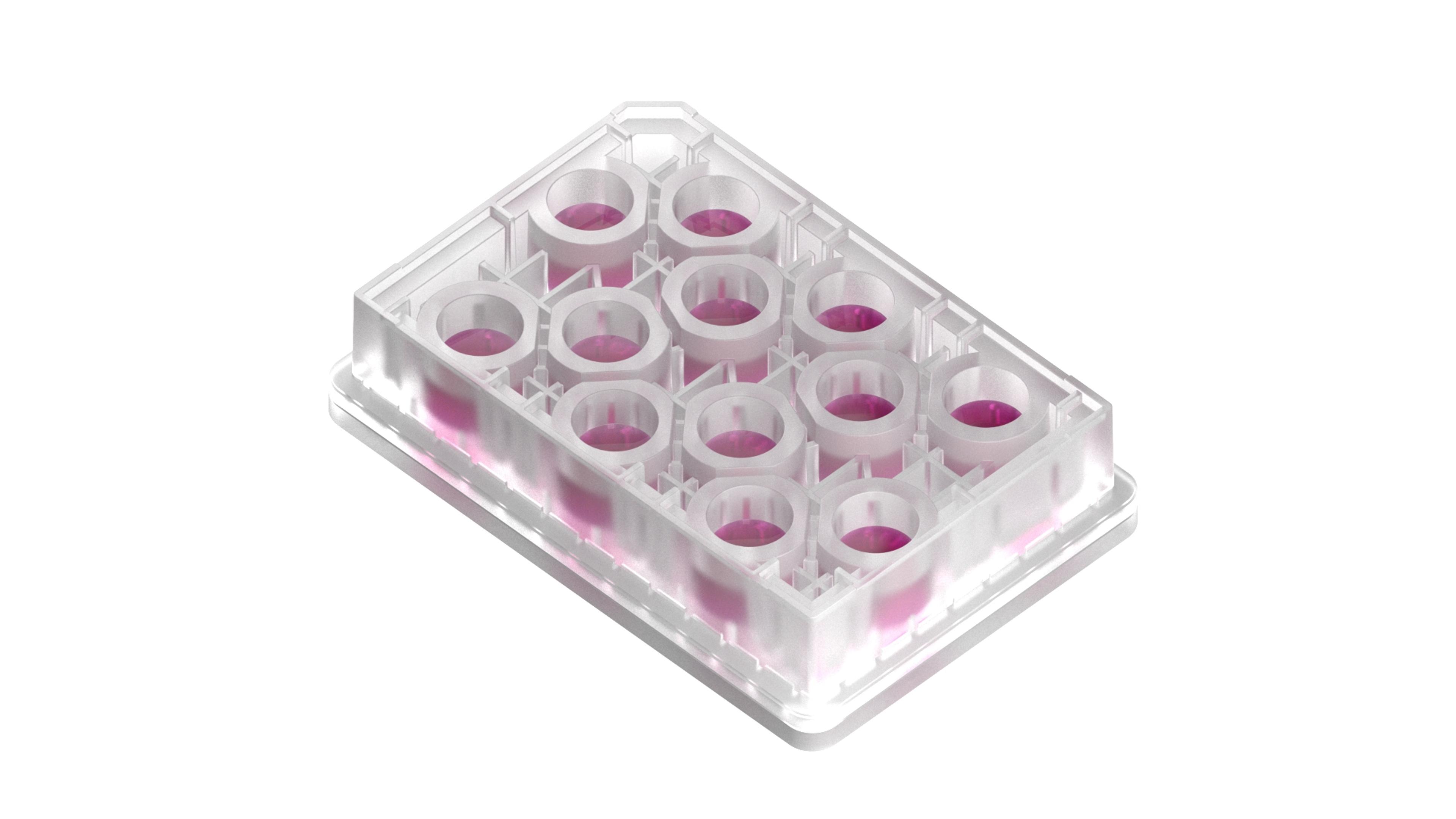
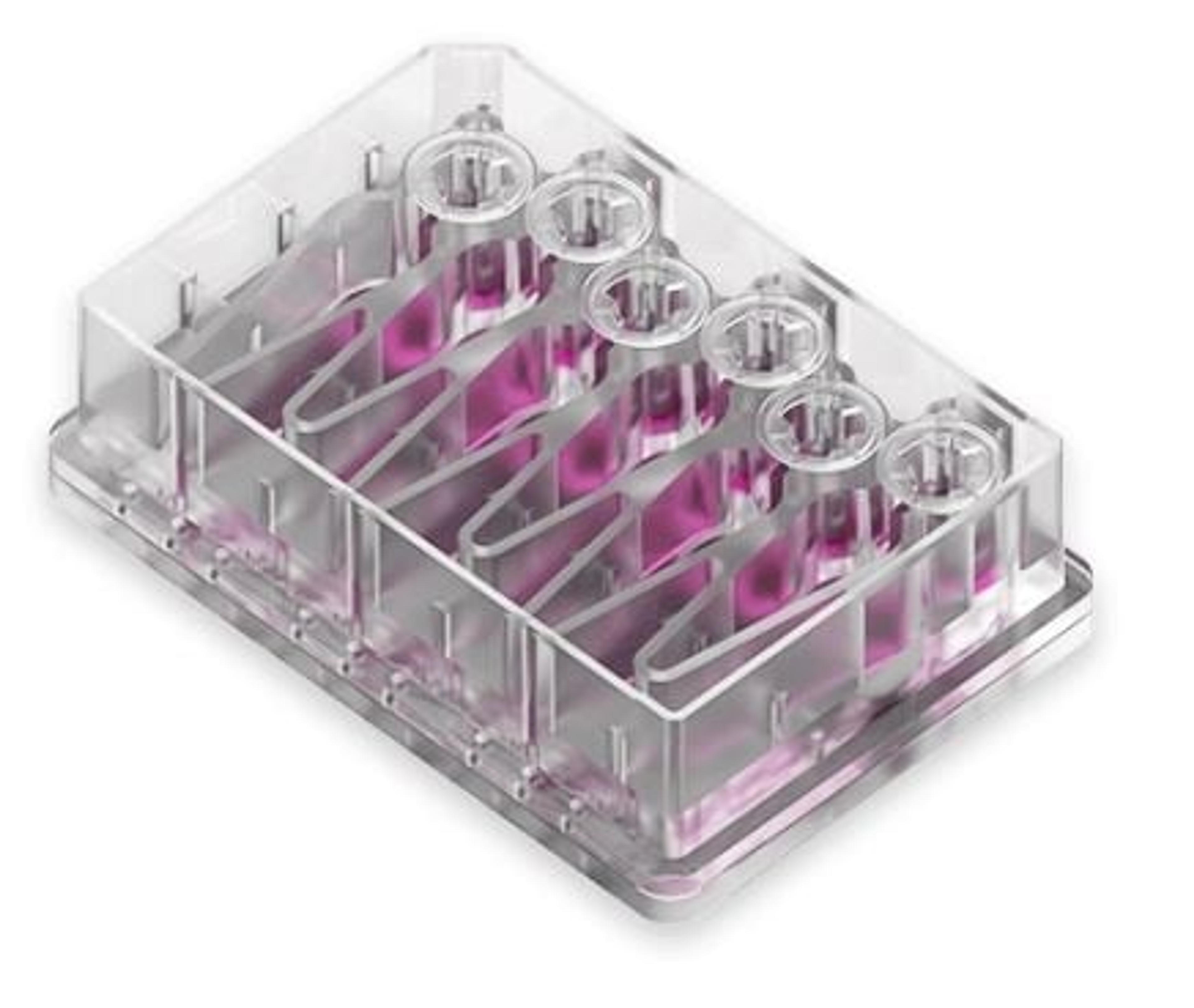
Multi-chip Liver-12 consumable plates from CN Bio enable the advanced culture of 12 human 3D liver microtissues under perfusion/plate. Each microtissue recapitulates the functionality and microarchitecture of the human liver to accurately predict drug responses.
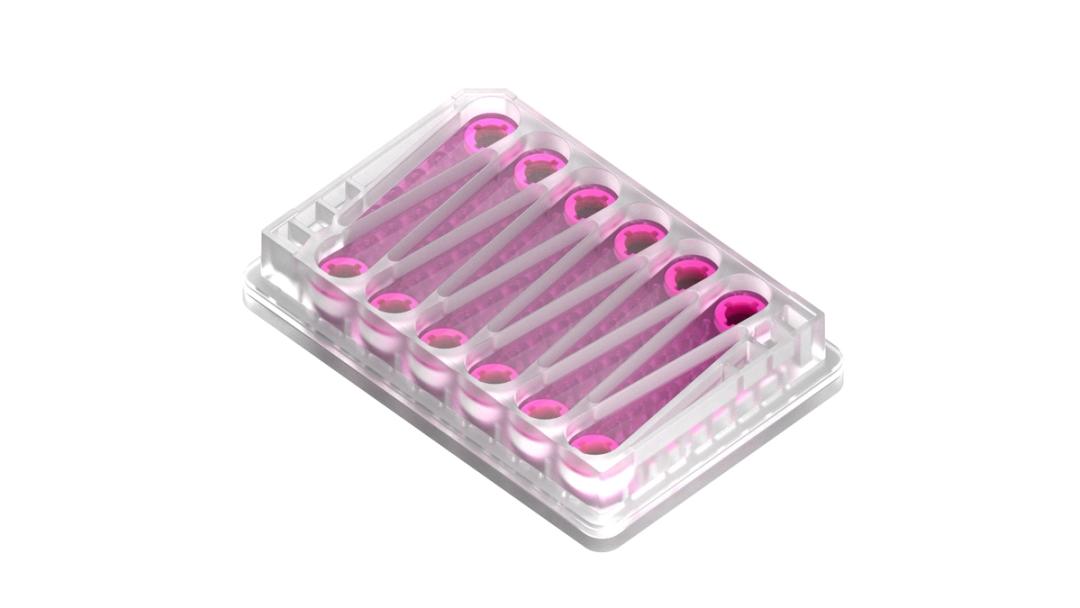
Multi-chip Liver-12 (MPS-LC12) plate

Receive your quote directly from the manufacturer.
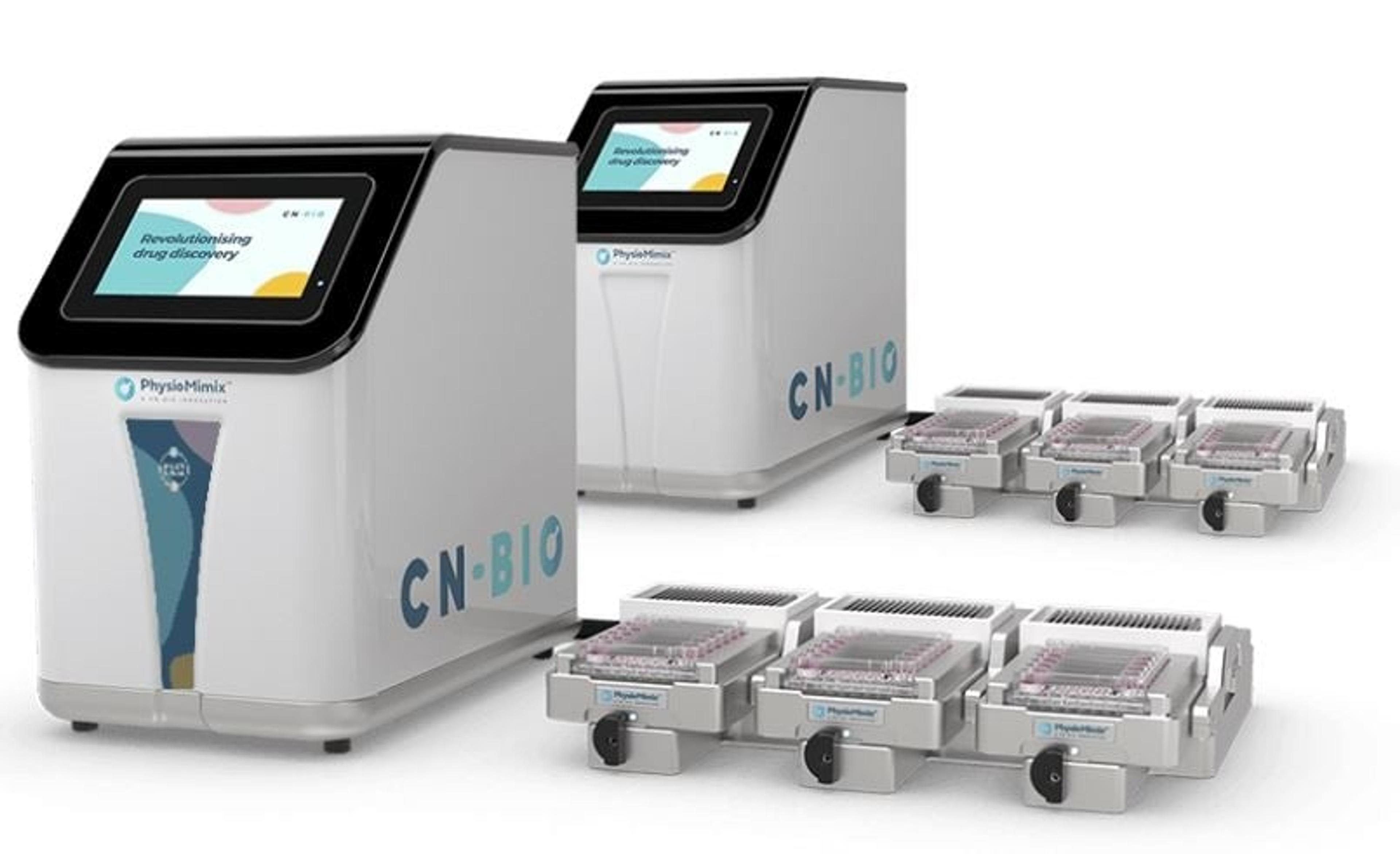
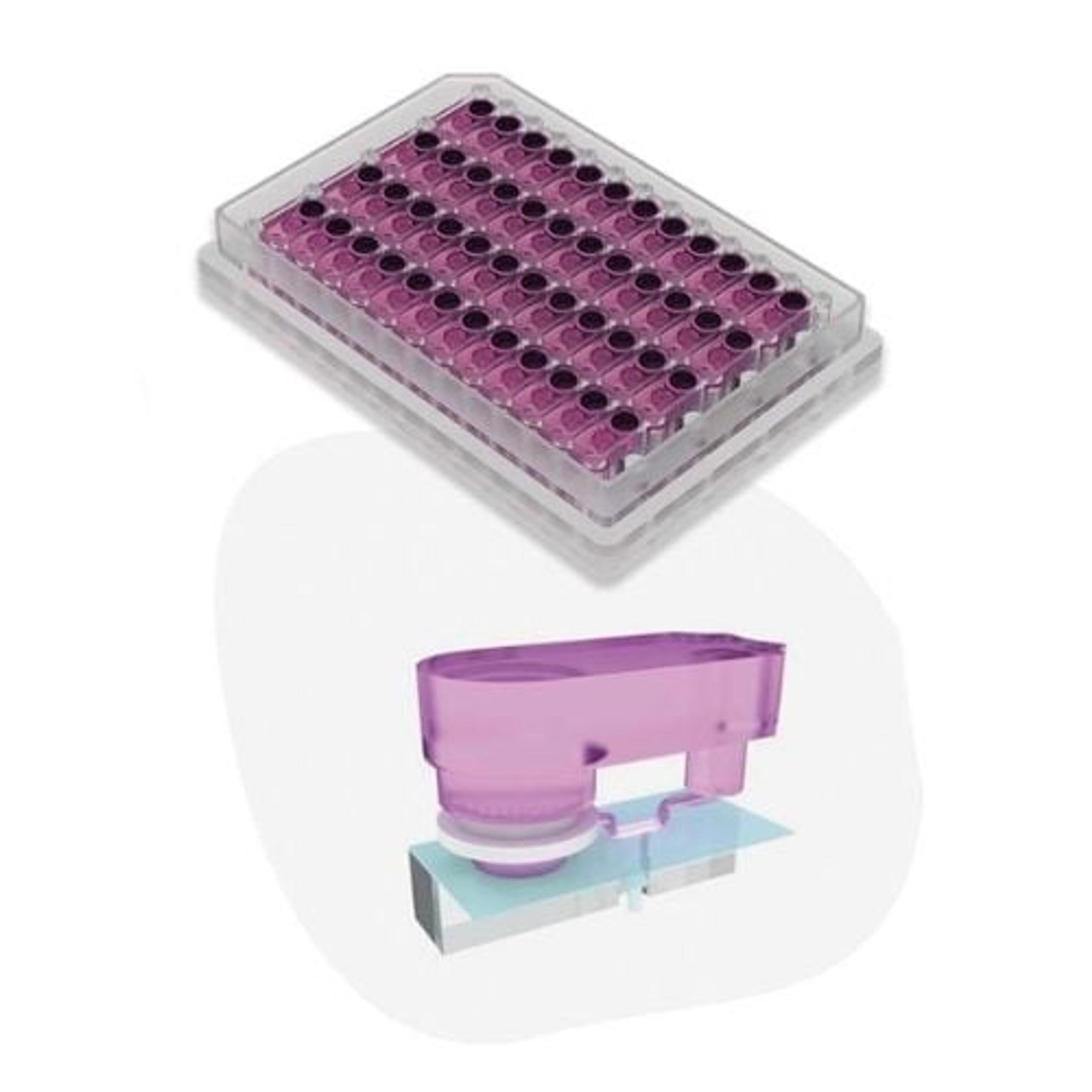
Multi-chip Liver-12 (MPS-LC12) consumable plates are compatible with PhysioMimix™ Single, and Multi-organ Systems. Arranged in a multi-well format, each plate features 12 independent chips that provide the optimal cell culture environment for primary human hepatocytes and non-parenchymal cells for up to 4 weeks.
During experiments, embedded three-dimensional (3D) scaffolds are continually perfused by oxygen and nutrients to create microtissues that recapitulate human liver functionality and microarchitecture. Following exposure to drug treatment large recoverable volumes of microtissue and culture media enable users to unlock deep mechanistic insights into drug mechanism of action for more informed decision making.
Validated applications for Liver-12 plates include:
- Liver disease modelling: e.g. NAFLD/NASH, Hepatitis B, Breast cancer liver metastasis
- Toxicology: drug-induced liver injury in the presence of absence of liver disease
- ADME: drug metabolism and hepatic clearance
- Pharmacology
- Immuno-oncology
- Drug repurposing
Liver-12 plates are:
- Suitable for organoids, spheroids, iPSCs, primary cells, immortalized cell lines and precision-cut tissue slices
- For use with all CN Bio’s PhysioMimix™ Single and Multi-organ Systems
- Designed to support users transitioning from 2D cell culture into 3D microtissues via a familiar open-well plate-based format
- PDMS-free, reducing non-specific binding for non-biased assessment of drug responses
Contact CN Bio for more information.

Human liver microphysiological system for predicting the drug-induced liver toxicity of differing drug modalities
The PhysioMimix® Liver MPS (PHH plus Kupffer cell co-culture, Multi-chip Liver-12 plate) was used to predict DILI risk across 13 small molecules and 2 anti-sense oligonucleotides. A total of six endpoints (LDH, ALT, albumin, urea, CYP3A4, ATP) generated mechanistic toxicity signatures that correctly distinguished tolcapone vs entacapone, troglitazone vs pioglitazone, and hepatotoxic LNA43 vs safe LNA32, providing a distinct mechanistic “signature of hepatotoxicity” that could be used for human-translatable DILI assessment.
Microphysiological system for studying fatty liver disease and its impact on drug-induced liver injury
A MAFLD model using the PhysioMimix® core system with PHHs cultured in HEP-Fat medium on the Liver-12 plates induced steatosis, altered gene expression, and shifts in CYP activity (increased CYP1A2, 2C9, 2C19, 2E1 activity; reduced CYP3A4 activity). Fat-loaded hepatocytes showed an increased susceptibility to DILI when treated with Acetaminophen and Ticlopidine (increased LDH, reduced albumin and CYP3A4), but not Methotrexate, supporting mechanistic toxicity profiling in metabolic disease contexts.
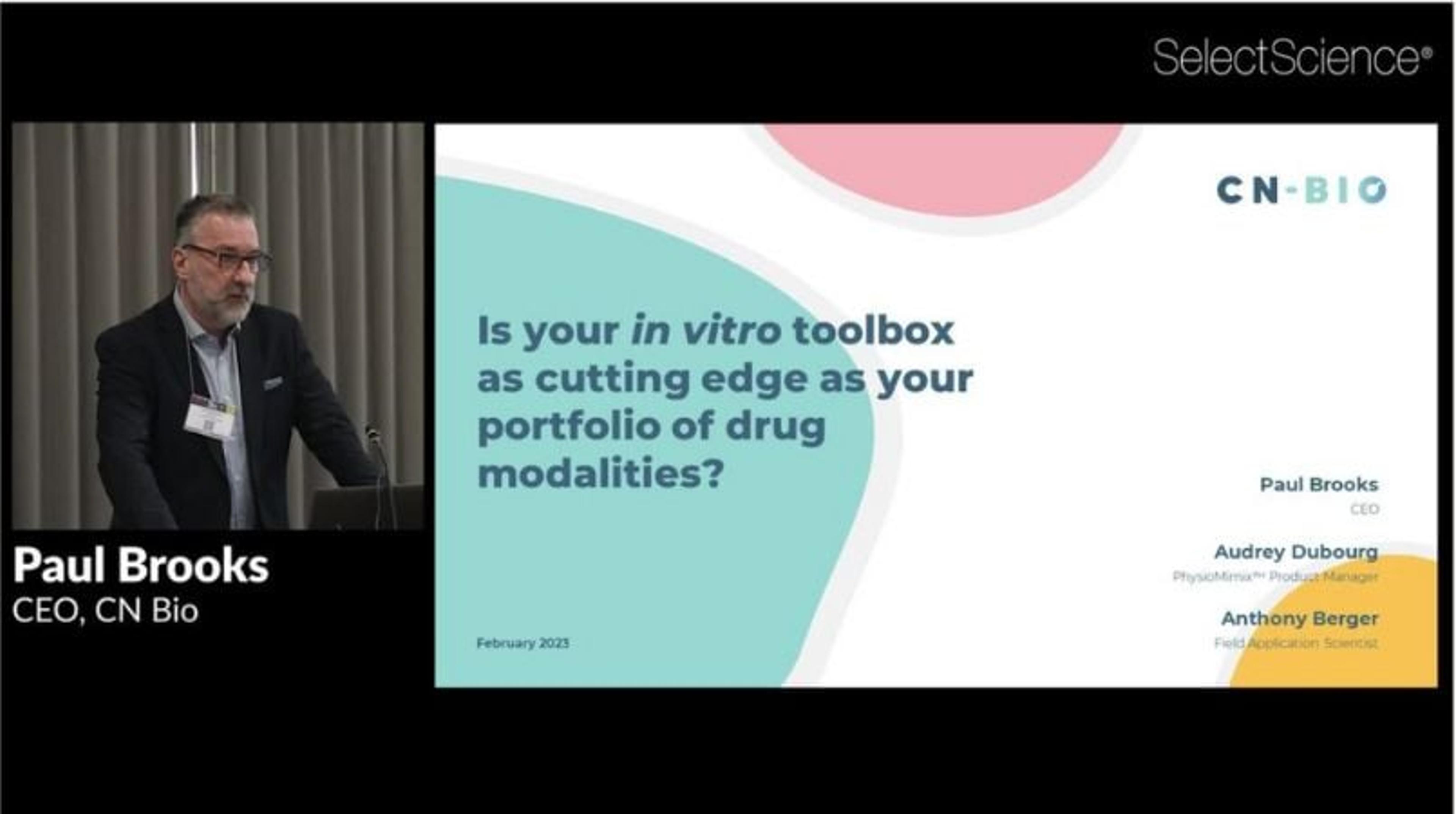
Is your *in vitro* toolbox as cutting edge as your portfolio of drug modalities?
In this presentation, find out how organ-on-a-chip (OOC) technology can provide robust and reproducible data that is predictive of the human response. Explore insights from the marketplace as CN Bio CEO, Paul Brooks, details what the market wants, how OOC technology is currently being used in the drug discovery pipeline, and how to address the current challenges of implementing OOC into your workflows.
Plus, Anthony Berger, Field Application Scientist at CN Bio, describes the rapidly changing field of drug modalities and introduces the portfolio of PhysioMimix™ OOC Microphysiological Systems and its applications in drug discovery. Audrey Dubourg, PhysioMimix™ Product Manager, provides further insight into the system and hints at the exciting future developments within CN Bio in this field.
This talk was presented at SLAS2023.

Organ-on-a-chip provides preclinical safety toxicologists with the tools to combat drug attrition
Learn how organ-on-a-chip technology is aiding toxicologists in de-risking drug-induced liver injury by providing human-specific safety data
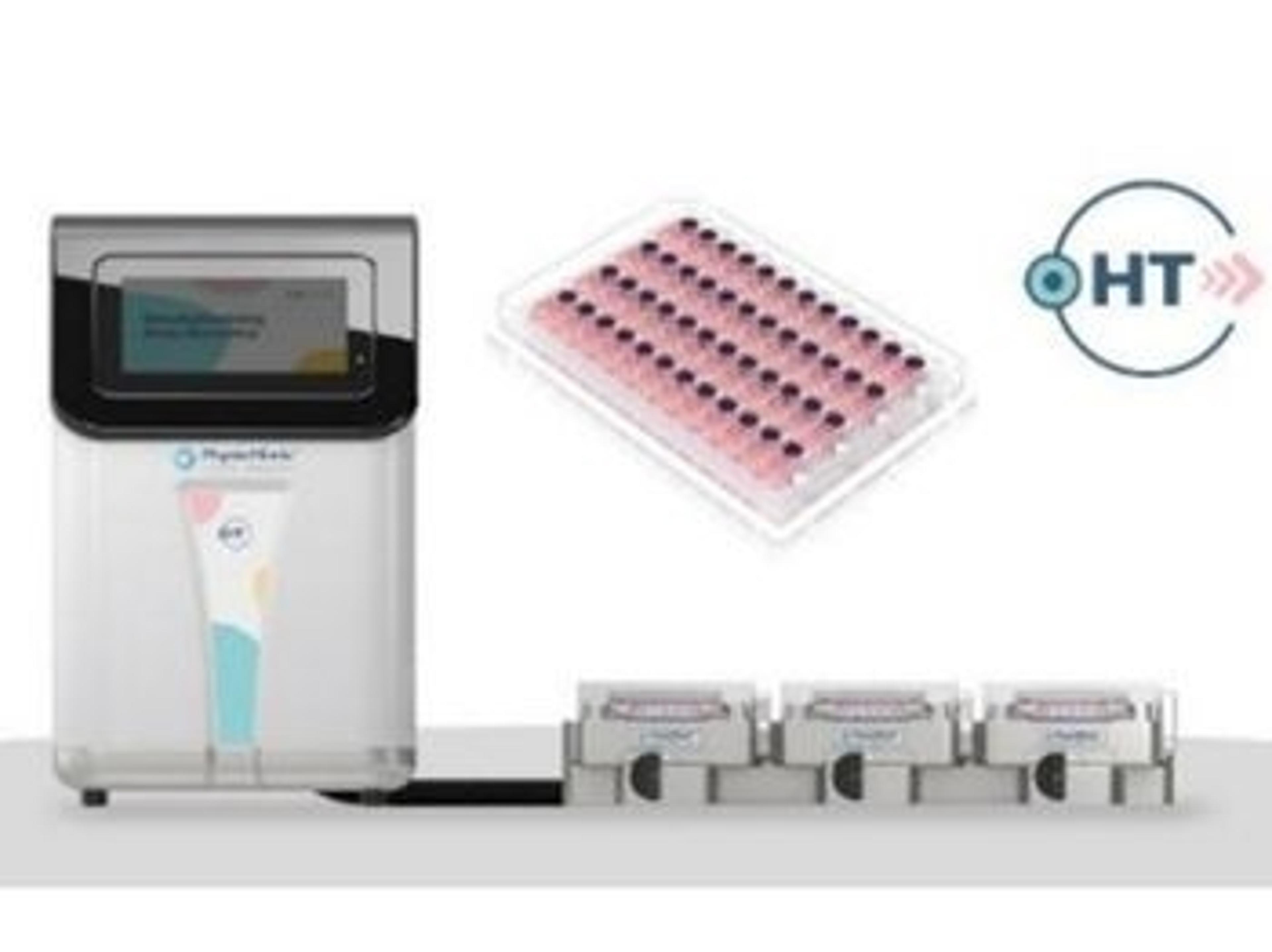
CN Bio extends microphysiological system portfolio with PhysioMimix single-organ higher throughput system
The PhysioMimix HT system has been designed to increase productivity, cost-effectiveness and data robustness