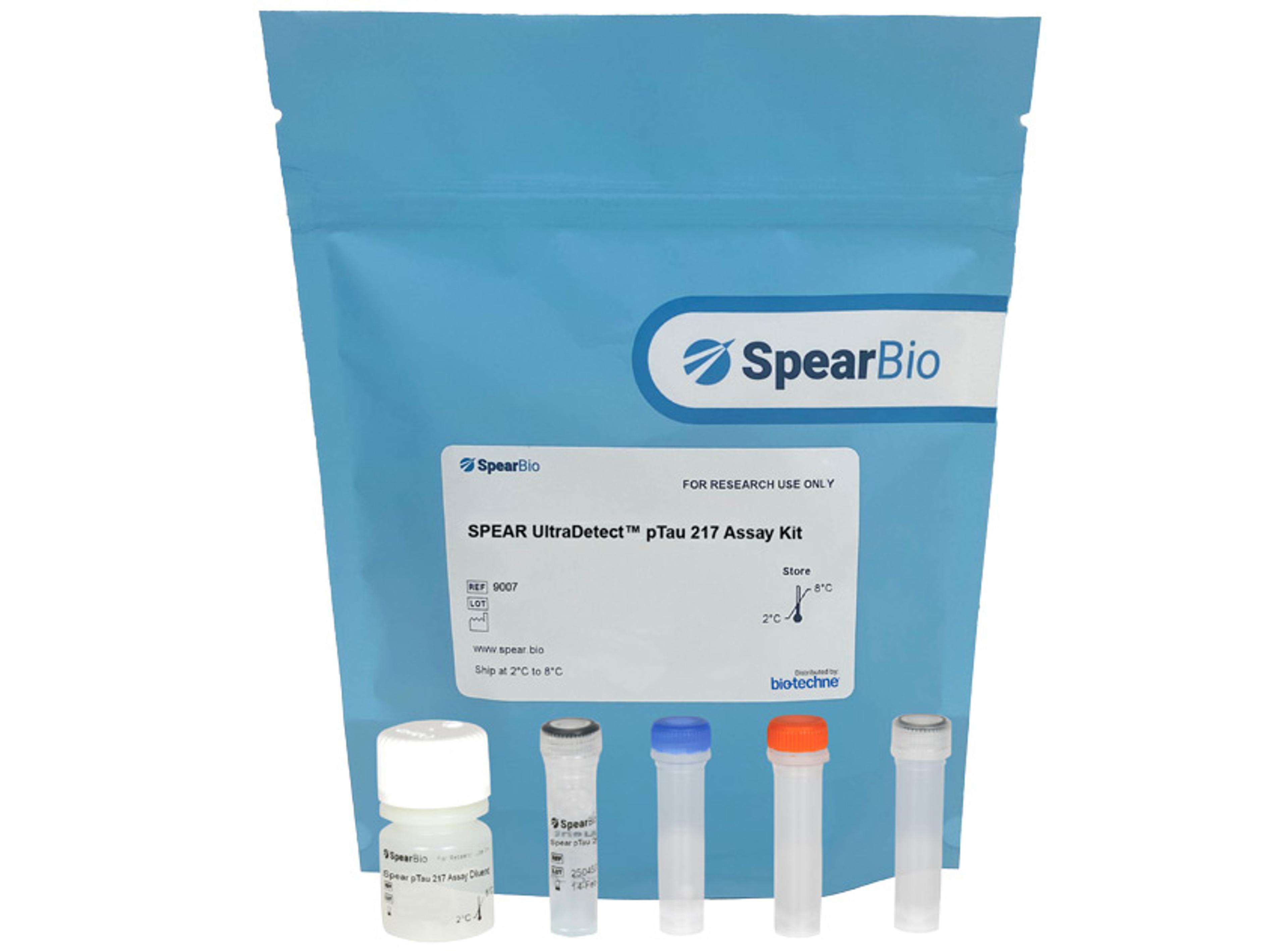
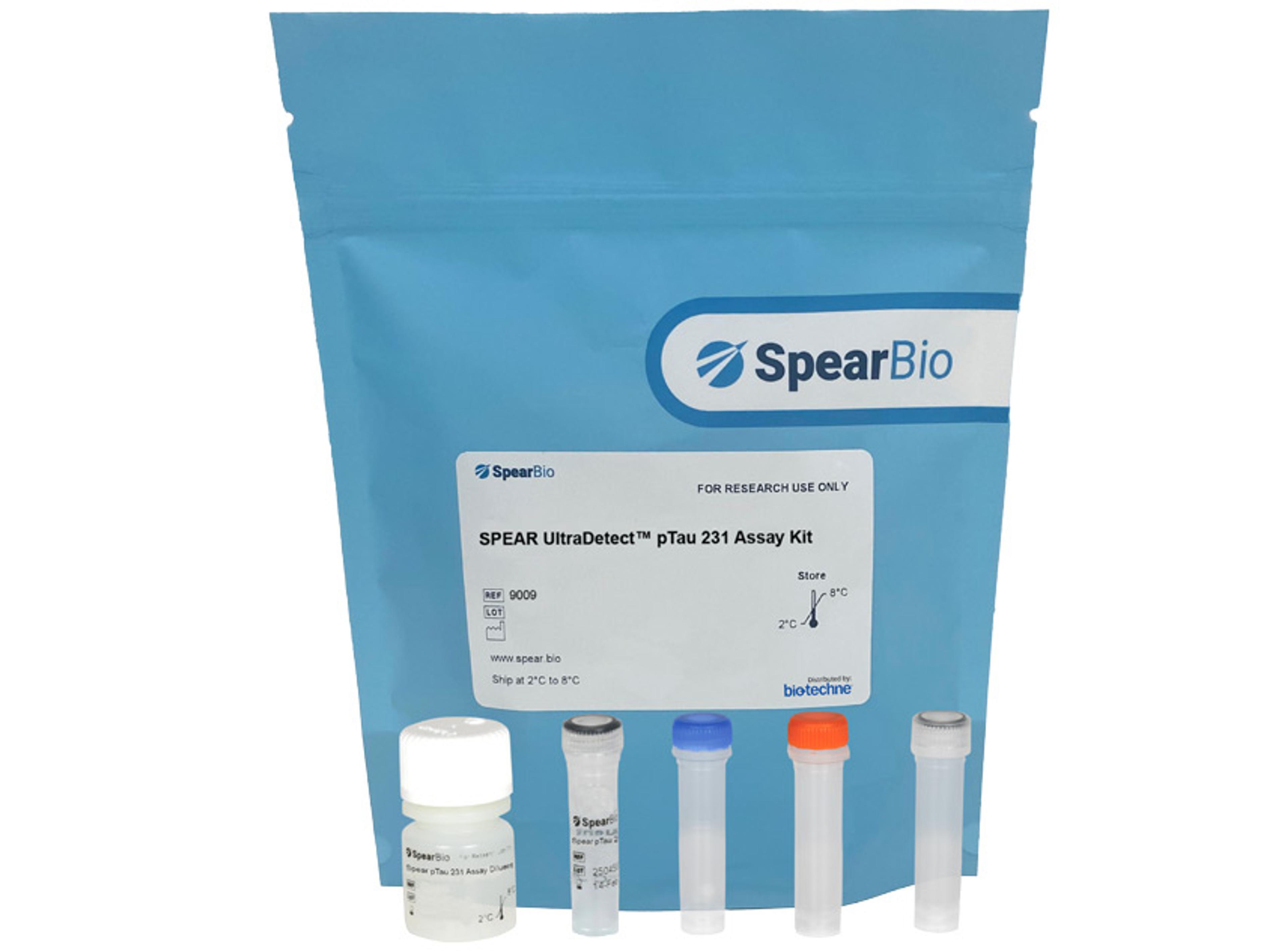
SPEAR UltraDetect™ pTau 217 Biomarker Assay Kit
The SPEAR UltraDetect™ pTau 217 biomarker assay kit provides a highly specific tool for Alzheimer’s disease research, optimized for plasma samples. Requires SPEAR UltraDetect™ Reaction Kit. For research use only.
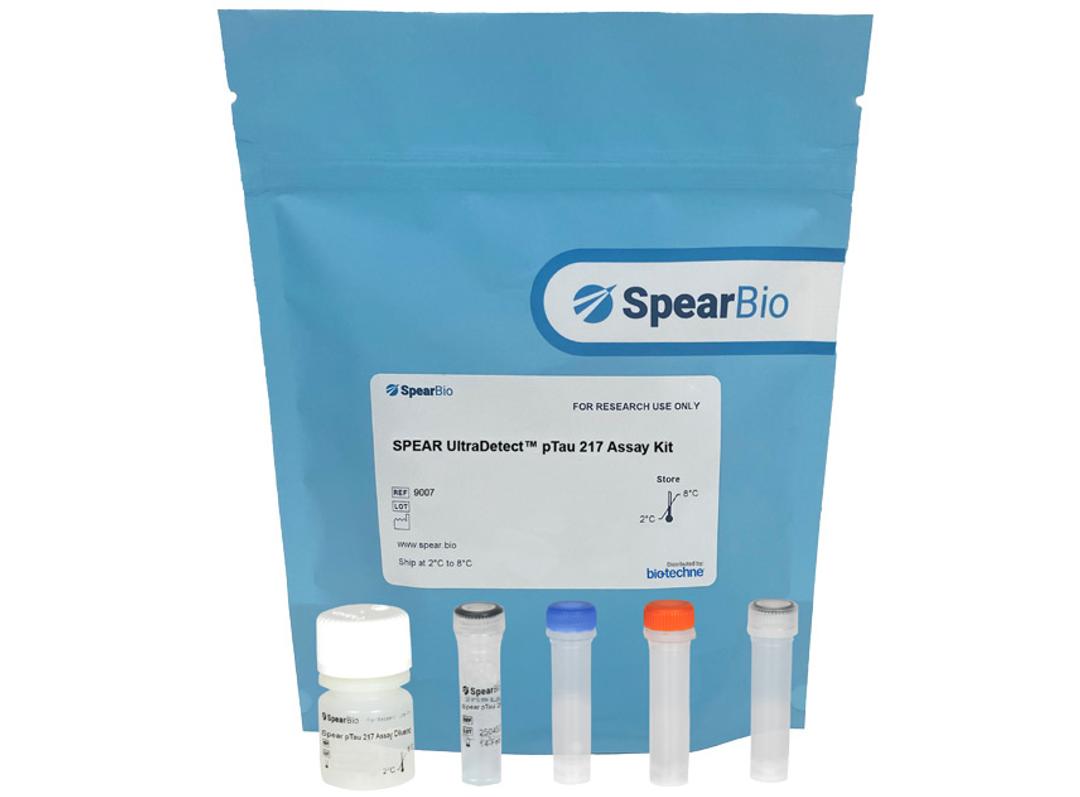
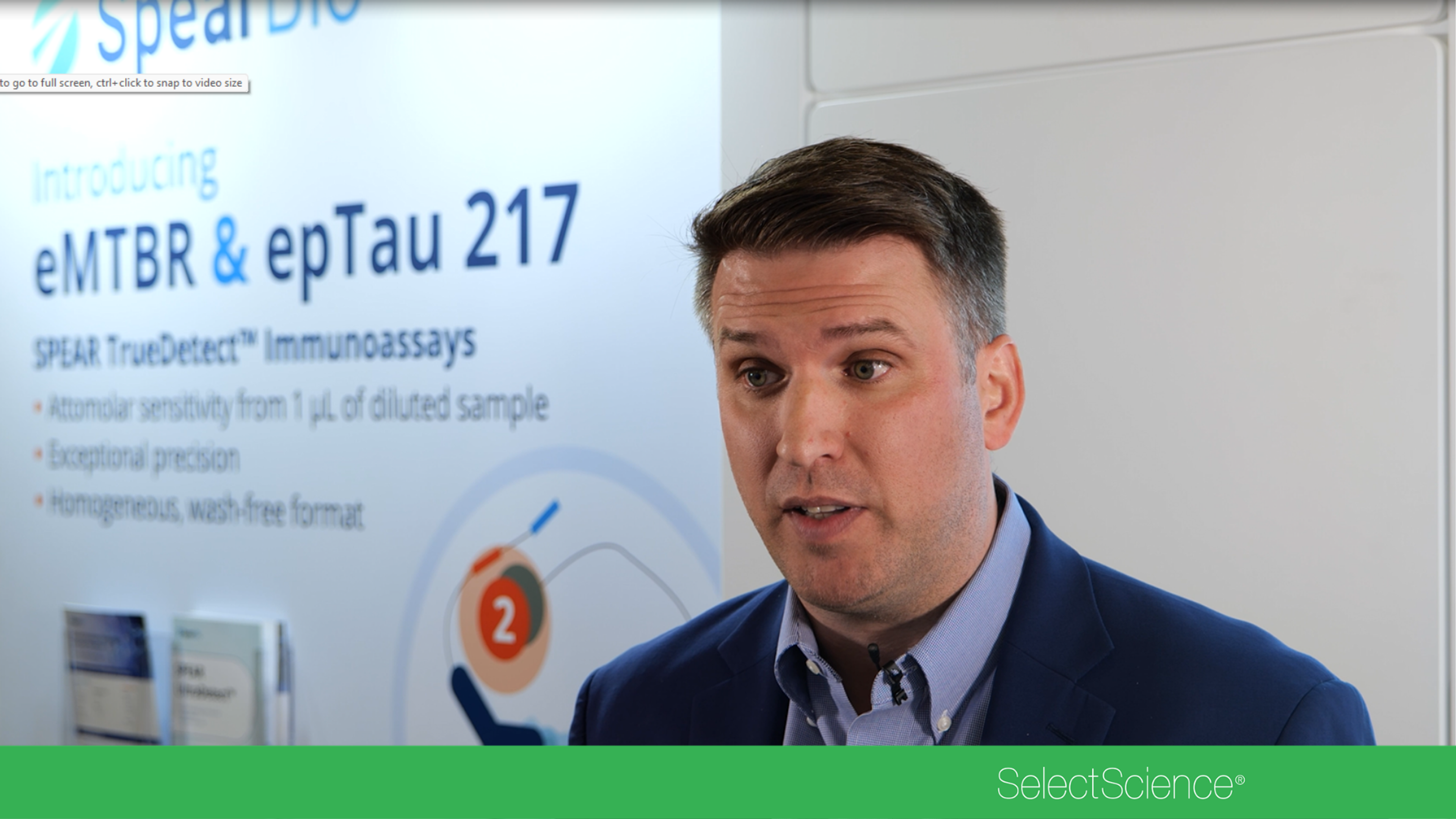
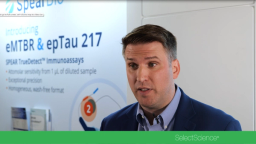
Oliver Tassinari, VP, Business Development & Sales, Spear Bio introduces new assays for Alzheimer’s disease clinical research

Receive your quote directly from the manufacturer.
A breakthrough blood biomarker for AD pathology
pTau 217 (phosphorylated tau at threonine 217) is a highly specific blood-based biomarker of brain amyloid βpathology. Validated against PET imaging and CSF Aβ42/40, it has demonstrated high sensitivity and specificity for identifying amyloid positivity, often outperforming other plasma markers such as pTau181 or Aβ42/40. These properties make pTau 217 it a valuable tool for early detection, noninvasive screening, and disease tracking in diagnostic research, therapeutic trials, and longitudinal studies for AD.
Unparalleled Specificity with SPEAR UltraDetect pTau 217
The SPEAR UltraDetect pTau 217 assay has demonstrated unparalleled specificity in differentiating Alzheimer’s disease and non-AD patient samples. Combined with its sensitivity and precision (quantifying 100% of healthy samples above fLLOQ), SPEAR UltraDetect pTau 217 offers researchers a powerful tool to better characterize blood based samples in Alzheimer’s research.
In a study to demonstrate SPEAR UltraDetect pTau 217 performance, CSF- and PET-confirmed Alzheimer’s Disease (AD) and non-AD samples were both tested. In this combined cohort study, SPEAR UltraDetect pTau 217 demonstrated a 5.41x mean fold-difference between groups and area under the curve (AUC) of 0.989 for CSF-confirmed samples and 0.984 for PET-confirmed samples.This level of differentiation and predictive power highlights the SPEAR UltraDetect pTau 217 assay in its ability to classify Alzheimer’s and non-Alzheimer’s patientplasma samples.
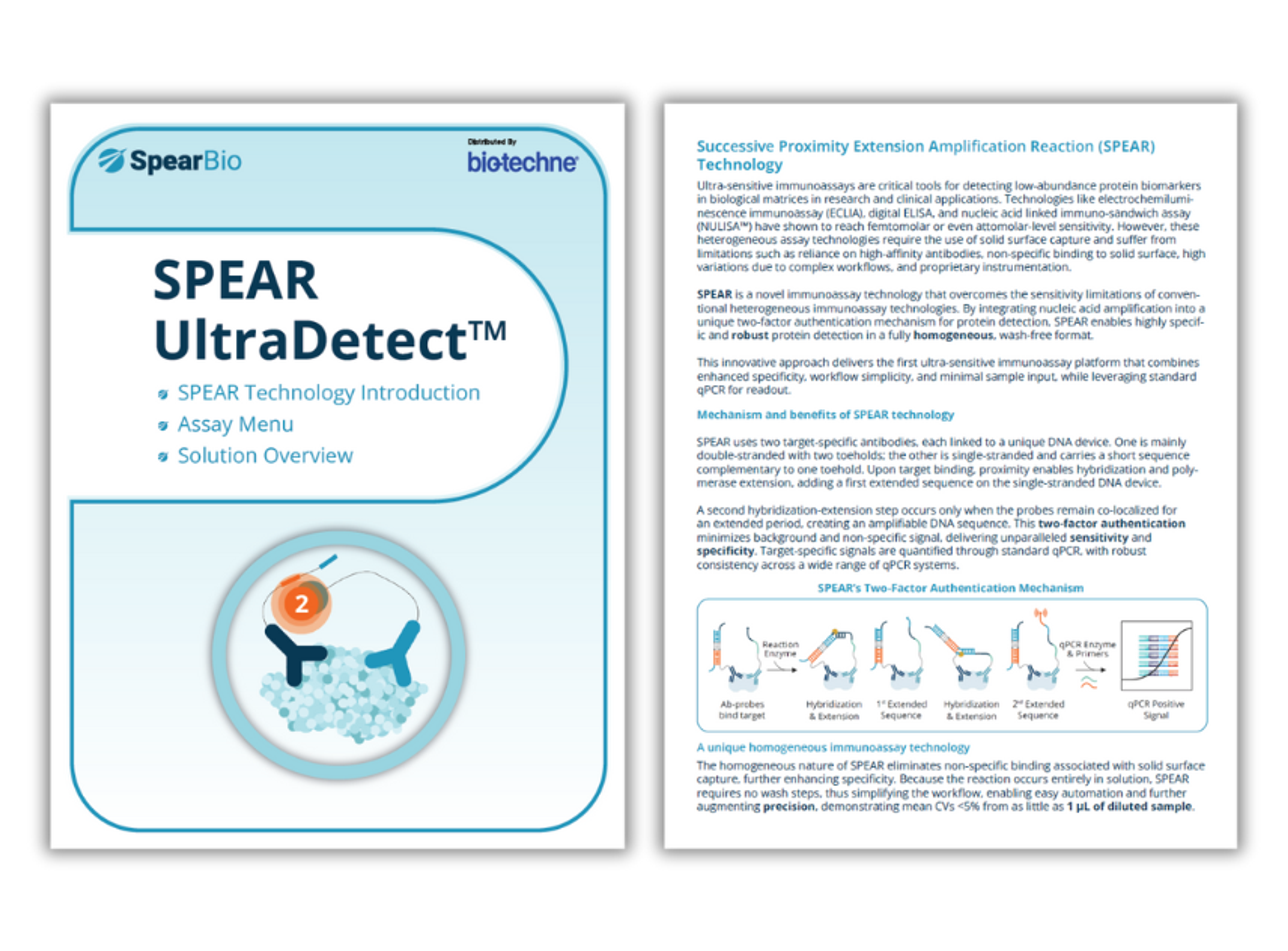
SPEAR UltraDetect brochure
SPEAR UltraDetect™ is an ultra-sensitive, homogeneous immunoassay platform designed for reliable detection of low-abundance protein biomarkers. Powered by SPEAR’s unique two-factor authentication mechanism and standard qPCR readout, UltraDetect assays deliver exceptional sensitivity, specificity, and precision in a fully wash-free workflow using as little as 1 µL of sample. The solution enables robust biomarker quantification for neurological and clinical research applications with simplified workflows and broad instrument compatibility.
Download this brochure to discover the fundamentals of SPEAR Technology, key features of SPEAR UltraDetect Assays, and a comprehensive summary of the complete SPEAR Solution.
Resource details:
Resource type: Brochure
Page count: 4 pages
Read time: 6 minutes
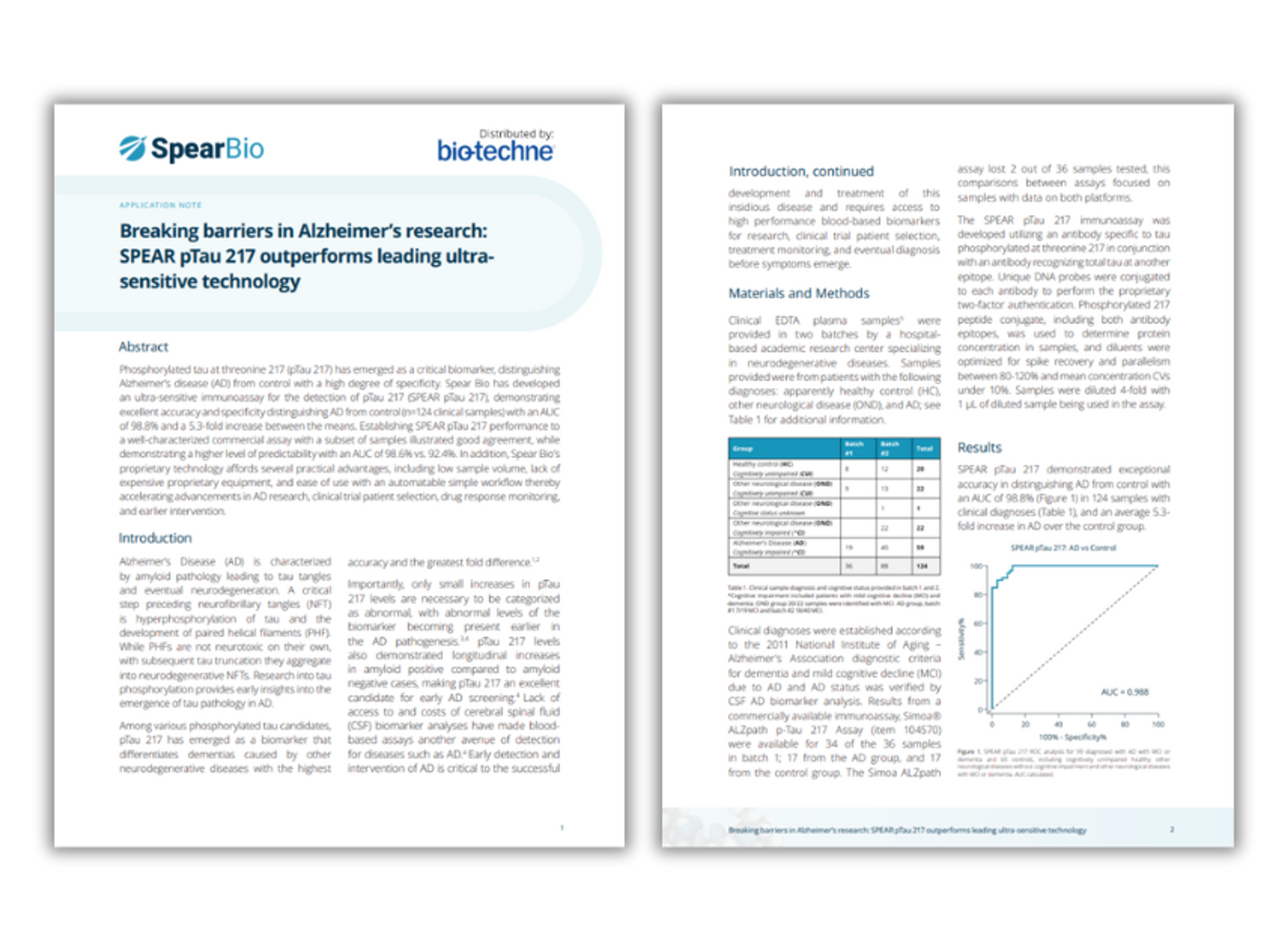
SPEAR pTau 217 outperforms leading ultra-sensitive technology
This application note highlights how SPEAR® pTau 217, an ultra-sensitive blood-based immunoassay, delivers exceptional performance in Alzheimer’s disease research and clinical studies. Validated across more than 120 clinical plasma samples, SPEAR pTau 217 achieved 98.8% diagnostic accuracy (AUC) and demonstrated a 5.3-fold separation between Alzheimer’s and control populations, outperforming leading ultra-sensitive technologies.
Resource details:
- Resource type: Application note
- Page count: 4
- Read time: 6 mins

How the SPEAR UltraDetect™ pTau 217 assay unlocks greater discrimination of amyloid positives using 1 µL of diluted sample
A new case study from Dr. Thomas Karikari (University of Pittsburgh) demonstrates how the SPEAR UltraDetect™ pTau 217 assay delivers superior discrimination of amyloid-positive vs. amyloid-negative individuals using just 1 μL of diluted plasma. Compared with Simoa® ALZpath and Lumipulse® assays across two independent cohorts, the SPEAR assay showed higher accuracy, larger effect sizes, and exceptional robustness, even with samples subjected to multiple freeze–thaw cycles. The work highlights how the assay enables reliable pTau 217 quantification from precious or limited biobanked samples, expanding possibilities for Alzheimer’s disease research.
Resource details:
- Resource type: Case study
- Page count: 2
- Read time: 3 mins

Enhanced early Alzheimer's detection via ultra‑sensitive plasma pTau 217 measurement
Friday, January 30 at 15:00 GMT | 16:00 CET | 10:00 EST | 07:00 PST
Growing evidence shows that plasma phosphorylated tau (pTau) 217 is one of the most accurate and reliable blood-based biomarkers for identifying early Alzheimer’s disease pathology, even before the onset of clinical symptoms. As research efforts expand beyond cerebrospinal fluid (CSF) biomarkers and PET imaging, sensitive and specific plasma assays have become essential for improving early detection, supporting clinical trial design, and enabling large‑scale population screening.
In this SelectScience webinar, Dr. Nicholas Ashton of Banner Health and Dr. Laurel Provencher of Spear Bio will explore how emerging analytical innovations enhance the measurement of low-abundance plasma pTau 217, helping researchers better classify amyloid positivity, improve disease discrimination, and align blood-based results with established CSF biomarker profiles.
The webinar will compare assay performance across the BioFINDER and WRAP cohorts – two leading longitudinal studies shaping our understanding of Alzheimer’s progression. It will also highlight how the SPEAR UltraDetect™ platform from Spear Bio is designed to deliver the ultra‑sensitive, high‑specificity detection capabilities needed to support these advancements in blood-based Alzheimer’s research.
Certificate of attendance
If you attend the live webinar, you will automatically receive a certificate of attendance, including a learning outcomes summary, for continuing education purposes. If you view the on-demand webinar, you can request a certificate of attendance by emailing editor@selectscience.net.
Webinar details
- Cost: Free to attend
- Location: Online
- Duration: 60 minutes
Registration is required to secure your place. If you register but can’t attend live, you will receive a link to the on‑demand recording once it becomes available.

CLINICAL24 Forum: Exploring new biomarkers beyond pTau217 for Alzheimer’s disease
Thursday, December 17 at 16:00 GMT | 17:00 CET | 11:00 EST | 08:00 PST
This expert roundtable will explore the evolving landscape of blood-based biomarkers for Alzheimer’s disease and the opportunities offered by new and complementary approaches. Bringing together leading academic and industry perspectives, the discussion will examine the readiness of blood biomarkers for routine care, the barriers to widespread implementation and the growing demand created by disease-modifying therapies.
The panel will consider the insights provided by pTau217 as an established marker, before exploring the additional dimensions of disease biology that newer biomarkers may reveal. It will examine how emerging biomarkers such as eMTBR-Tau could complement current approaches, support more precise disease staging and contribute to a broader understanding of disease progression.
Attendees will gain practical insight into how multi-biomarker strategies could help identify patients most likely to benefit from therapy, monitor progression over time and complement PET imaging. The conversation will also look ahead to decentralized and at-home collection, wider access for rural and underserved populations, and the challenges of scaling screening programs globally.
Certificate of Attendance
All attendees who join the live forum will automatically receive a certificate of attendance, including a summary of key learning outcomes, to support their continuing professional development.
If you watch the on-demand recording, you may request a certificate of attendance by emailing editor@selectscience.net.
Forum Details
• Cost: Free to attend
• Location: Online
• Duration: 60 minutes
• Format: Discussion format
Can't Attend Live?
Register to receive access to the recording after the event, allowing you to catch up on the discussion and revisit key insights at your convenience.
About CLINICAL24
CLINICAL24 is a global initiative dedicated to exploring the challenges facing modern clinical laboratories and highlighting the technologies, expertise, and collaborative approaches helping to improve patient care worldwide.
Spear Bio expands Alzheimer’s biomarker portfolio with novel epTau 217 and eMTBR-Tau assays, supported by a fully automated workflow
At the 2026 Alzheimer’s Association International Conference® (AAIC 2026), Spear Bio showcased the launch of two novel blood-based biomarker assays — SPEAR epTau 217 and SPEAR eMTBR-Tau — alongside its fully automated S.W.I.F.T. workflow solution for hands-free processing of SPEAR UltraDetect™ and TrueDetect™ platforms.
These two new assays expand the company’s Alzheimer’s disease (AD) biomarker portfolio by enabling measurement of distinct aspects of Tau biology, while the automated workflow provides a scalable solution for reproducible, high-throughput clinical research.
In the video, Oliver Tassinari, VP of Business Development & Sales at Spear Bio, discusses the company’s commitment to delivering innovative, reliable immunoassays that enable researchers to generate high-quality biomarker data with minimal workflow complexity.
The SPEAR epTau 217 assay measures a unique subset of phosphorylated Tau 217 and was shown at AAIC to be the only Tau biomarker evaluated that produced highly consistent measurements between paired venous and capillary blood samples, unlike conventional plasma Tau biomarkers that exhibited an upward bias in capillary blood. While the biological basis of this observation remains under investigation, these findings suggest that epTau 217 may provide a more robust blood-based signal for decentralized sample collection and Alzheimer’s disease screening applications.
Spear Bio also introduced the first immunoassay for plasma eMTBR-Tau, an emerging biomarker that specifically reflects Tau tangle pathology. Data presented at the meeting demonstrated strong assay performance and showed marked increases in plasma eMTBR-Tau in individuals with advanced Alzheimer’s disease, addressing an important need for a blood-based Core 2 biomarker for AD Tau pathology.
The video also features insights from Dr. Thomas Karikari, Director of the Biomarker and Neurogenetics Core at the University of Pittsburgh Alzheimer’s Disease Research Center. Karikari explains why Alzheimer’s disease research requires a multi-biomarker approach to capture the complex biology of the disease, including amyloid pathology, Tau pathology, neurodegeneration, and inflammation. He discusses the growing importance of blood-based biomarkers that reflect Tau tangle pathology, highlighting the potential of emerging assays such as eMTBR-Tau to support disease staging, improve understanding of disease progression, and complement established measures including Tau PET imaging and neuropathological assessment.
Interview filmed at the 2026 Alzheimer's Association International Conference® (AAIC 2026).
Ultra-sensitive immunoassay tech advances Alzheimer’s blood-based biomarker detection
SPEAR overcomes immunoassay complexity and sensitivity limitations in Alzheimer’s and neurodegenerative biomarker research with a homogeneous, wash-free format