Ultra-sensitive immunoassay tech advances Alzheimer’s blood-based biomarker detection
SPEAR overcomes immunoassay complexity and sensitivity limitations in Alzheimer’s and neurodegenerative biomarker research with a homogeneous, wash-free format
2 Apr 2026
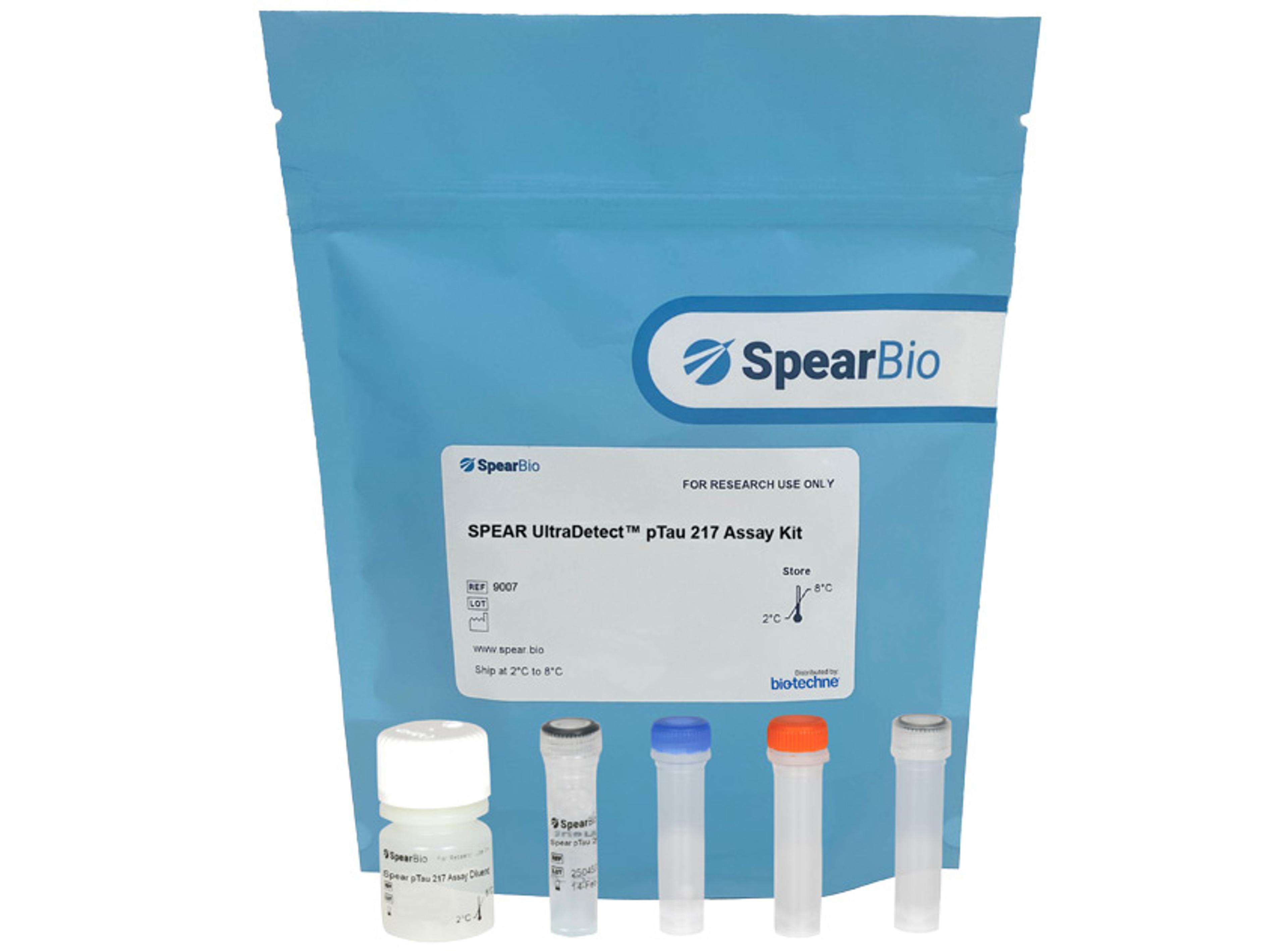
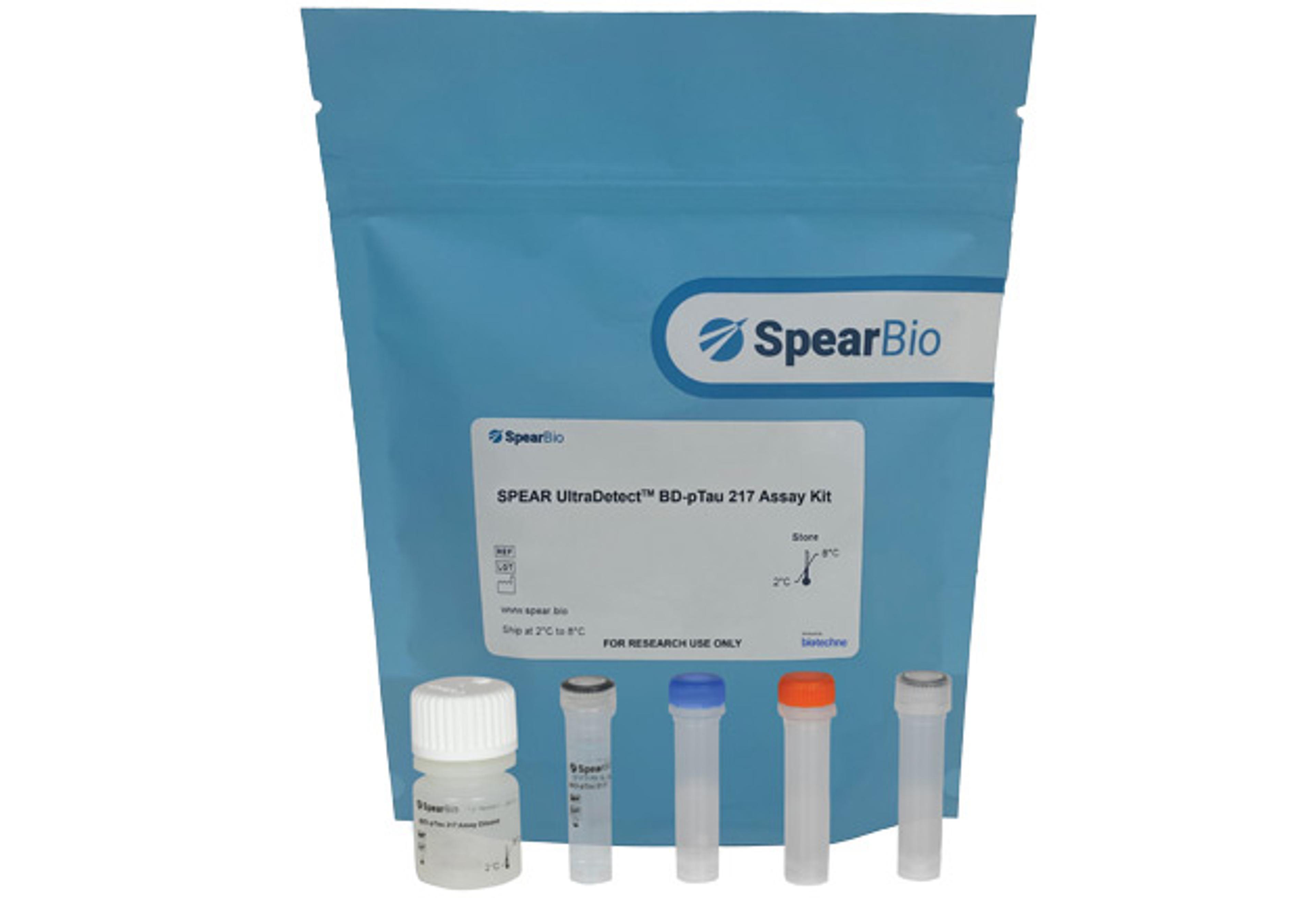
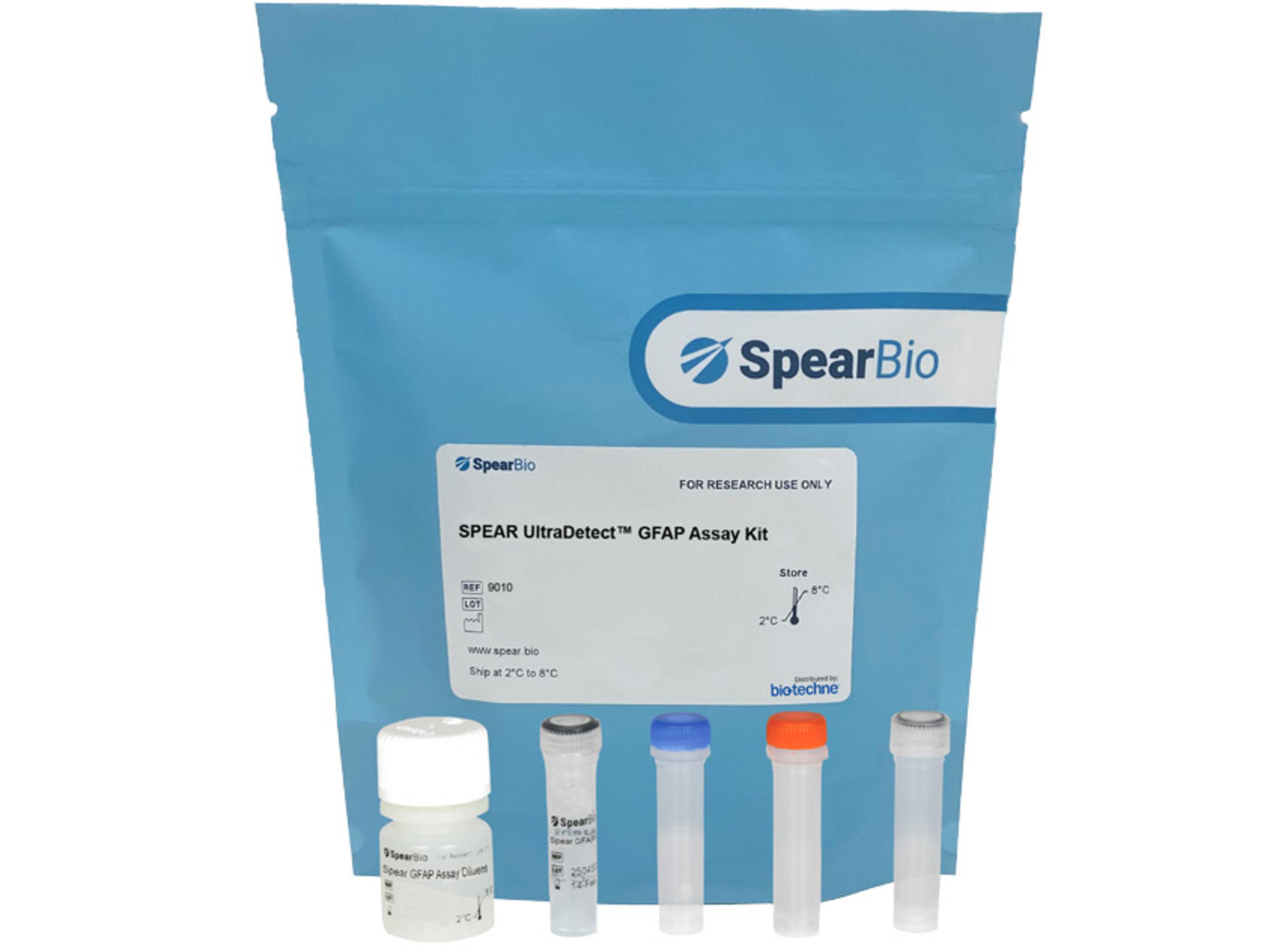
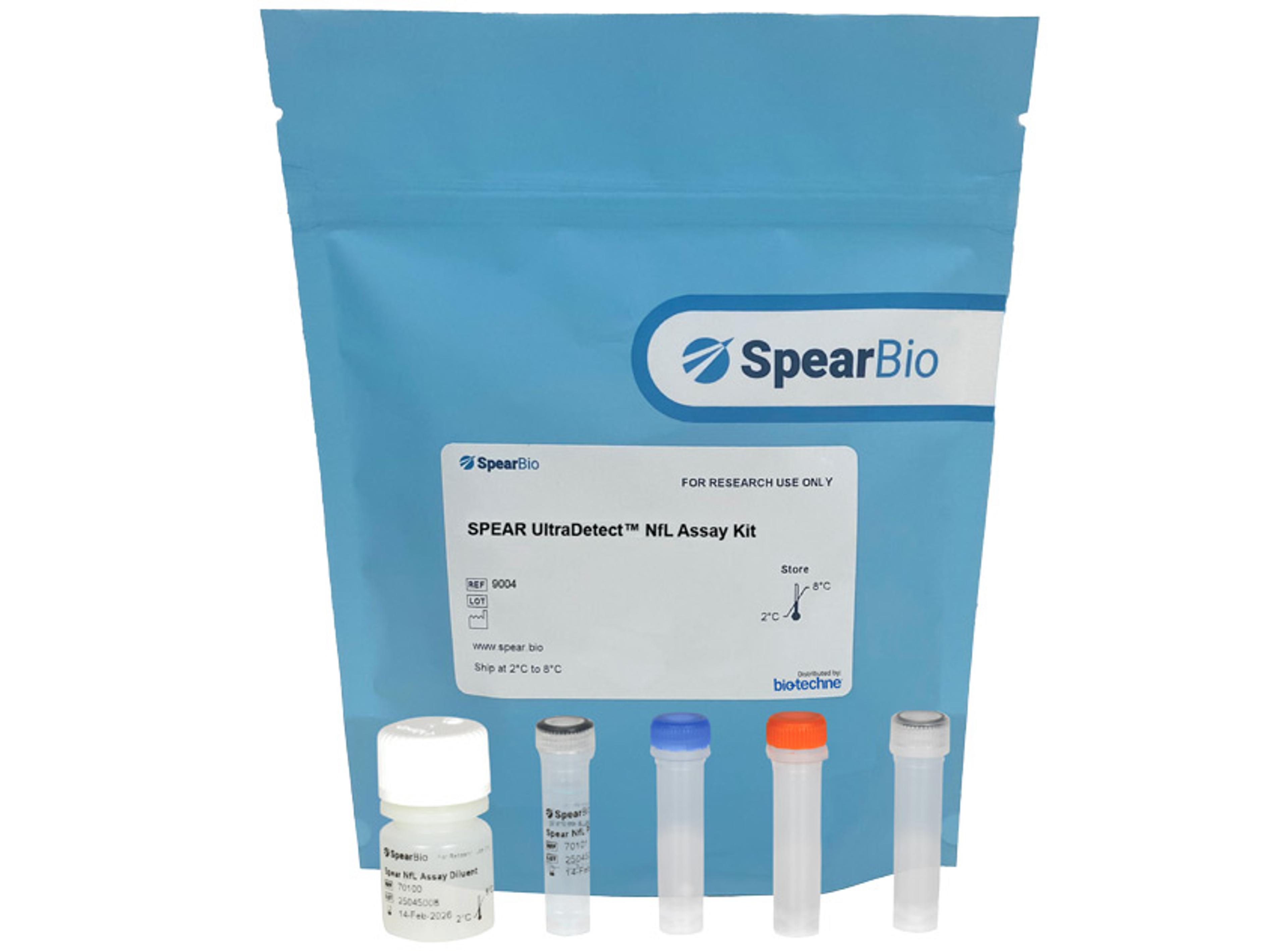
The field of Alzheimer’s disease and neurodegenerative biomarker research has transformed dramatically over the past decade. The biggest breakthrough has been the emergence of brain-derived (BD) and blood-based biomarkers, including phosphorylated tau (pTau) 217, BD-pTau 217, pTau 181, neurofilament light chain and glial fibrillary acidic protein (GFAP), which have opened the door to earlier disease detection, longitudinal biomarker monitoring of disease progression, improved screening for clinical trials, and population-level risk stratification.

Dr. Feng Xuan, Founder and CEO of Spear Bio
However, as research moves into earlier stages of disease, many of the most important biomarkers in Alzheimer’s disease, Parkinson’s disease and amyotrophic lateral sclerosis (ALS) are present at extremely low concentrations. This makes reliable detection challenging and demands technologies that are not only sensitive, but also robust, reproducible, scalable, and practical.
This is what Dr. Feng Xuan, Founder and CEO of Spear Bio, set out to achieve with the creation of SPEAR (Successive Proximity Extension Amplification Reaction) – technology designed to enable ultra-sensitive protein detection without the complexity of conventional wash-based workflows.
Challenges in measuring ultra-low abundance biomarkers
Although blood-based biomarkers have transformed the field, accurate plasma biomarker detection is extremely challenging. “Plasma is one of the most complex biological matrices, containing many different proteins that span a dynamic range of more than 10 orders of magnitude,” says Dr. Xuan. “On the other hand, target biomarkers, such as pTau, may be present at picogram-per-millilitre levels or lower. Detecting these targets means isolating an extremely faint signal within a crowded and noisy background, which most immunoassays struggle with.”
Dr. Xuan explains that several analytical challenges make this particularly difficult:
- Signal loss during wash steps: In traditional solid-phase immunoassays, repeated washing is used to remove unbound material. However, when analyte concentrations are extremely low, weakly bound complexes can also be lost, reducing the strength of the signal.
- Non-specific binding to solid surfaces: Capture surfaces can introduce false positive signals through non-specific adsorption, lowering specificity and affecting assay performance.
- Random probe interactions in solution: In amplification-based systems, random proximity between probes can generate background signal and lower sensitivity.
- Precision vulnerability at low molecule numbers: When only a small number of target molecules are present, assays become more sensitive to stochastic variation, which makes reproducibility more challenging. Precision is important as it impacts statistical power in clinical trials, sample size requirements, confidence in longitudinal data, and the ability to detect subtle treatment effects.
“In the early stages of disease, biomarker levels may only differ slightly from those seen in healthy individuals, and changes over time are often gradual,” says Dr. Xuan. “If the assay itself introduces too much variability, it becomes difficult to determine whether a small change reflects real biological progression or simply analytical noise.”
He adds that improving sensitivity alone is not enough. “If background noise rises along with the signal, the signal-to-noise ratio doesn’t actually improve. The real challenge is detecting the target signal clearly with high precision, while minimising other sources of noise.”
Removing analytical bottlenecks in biomarker translation
SPEAR was designed specifically to address the limitations of current analytical methods in detecting biomarkers at ultra-low concentrations. By fundamentally rethinking immunoassay architecture – eliminating wash steps, removing solid-phase capture and incorporating a two-factor authentication (2FA) reaction – the platform aims to increase signal preservation while suppressing background noise.
The aim is to enable reliable quantification of ultra-low abundance biomarkers in plasma, improve longitudinal precision so that small but clinically meaningful changes can be detected, and simplify workflows to make high-performance assays more reproducible and scalable across research and clinical laboratories.
In neurodegenerative disease, this could translate into earlier detection, improved patient stratification and more sensitive monitoring of therapeutic response. Explore how SPEAR UltraDetect™ platform is enhancing the measurement of low-abundance plasma pTau 217 in this on-demand SelectScience webinar.
A homogeneous immunoassay with a wash-free approach
In traditional ELISA or bead-based assays, target proteins are captured onto a solid surface and subjected to multiple wash steps to remove unbound material. While effective at higher concentrations, this approach can become problematic when measuring ultra-low abundance biomarkers.
“SPEAR removes these problems by using a homogeneous, wash-free assay format with no solid-phase capture,” explains Dr. Xuan. “By keeping analyte-probe complexes in solution, fragile interactions are preserved. This maximizes signal retention while reducing surface interference and background noise.”
Dr. Xuan adds that another advantage of SPEAR is reduced reliance on ultra-high affinity antibodies. In wash-based systems, strong binding is often essential to sustain signals through washing. Whereas SPEAR eliminates these steps and can work effectively with antibodies across a broader affinity range.
Ultra-small sample volume supports scalability
Preserving signal while suppressing background noise allows SPEAR to detect extremely low numbers of molecules from very small sample volumes. The assay requires as little as 1 µL of diluted sample, which is particularly valuable in neurological research where samples can be limited.
“Small input volumes make repeated longitudinal sampling more feasible, including in small animal models and in paediatric or frail patient populations,” Dr. Xuan adds. “They also allow researchers to revisit precious biobanked samples and measure multiple biomarkers from the same limited plasma sample.”
In clinical trials, where several assays often run in parallel, plasma volume can quickly become a constraint. “Lower input requirements reduce the burden on patients while increasing experimental flexibility,” says Dr. Xuan. “They also reduce reagent use and cost per test, which becomes increasingly important as assays scale towards larger studies and broader clinical implementation.”
Bridging research innovation and clinical translation
For blood-based biomarkers to move from discovery into clinical development, assays must not only be sensitive but also robust, reproducible, scalable and practical to run across multiple labs.
“Reproducibility, in particular, is often underestimated,” Dr. Xuan tells us. “Every wash step, incubation and transfer introduces potential variability. Small differences in timing, technique or equipment calibration can influence results, especially at low concentrations.”
“As SPEAR simplifies the workflow by removing wash steps and solid-phase handling, it reduces this variability and makes workflows easier to standardise and transfer between laboratories,” says Dr. Xuan.
SPEAR also leverages qPCR-based amplification, an established and widely adopted technology in research and in vitro diagnostics. This allows the platform to integrate into existing laboratory ecosystems rather than requiring entirely new infrastructure.
The two-factor authentication (2FA) reaction ensures that amplifiable signal is only generated when probes remain in sustained proximity, which dramatically reduces background from random interactions. The result is stronger signal-to-noise performance and ultra-sensitive detection without compromising specificity.
The future of blood-based biomarker testing
Blood-based biomarkers are expected to play a major role in how neurodegenerative diseases are diagnosed and managed.
“I anticipate routine blood screening for Alzheimer’s risk in primary care could become feasible. This would allow at-risk individuals to be identified earlier, before symptoms emerge, when therapies are most likely to have an impact,” shares Dr. Xuan. “I also expect real-time monitoring of treatment response using blood-based biomarkers to become standard practice, alongside combination biomarker panels that support more personalized approaches to care.”
As disease-modifying therapies become more widely available, early and reliable detection will be essential. “This shift will require analytical tools capable of detecting ultra-low abundance targets with strong signal-to-noise performance and consistent reproducibility,” Dr. Xuan adds. “At Spear Bio, we aim to enable a future where measuring rare proteins in blood is no longer technically limiting, and where biology, rather than the assay, defines what is possible.”