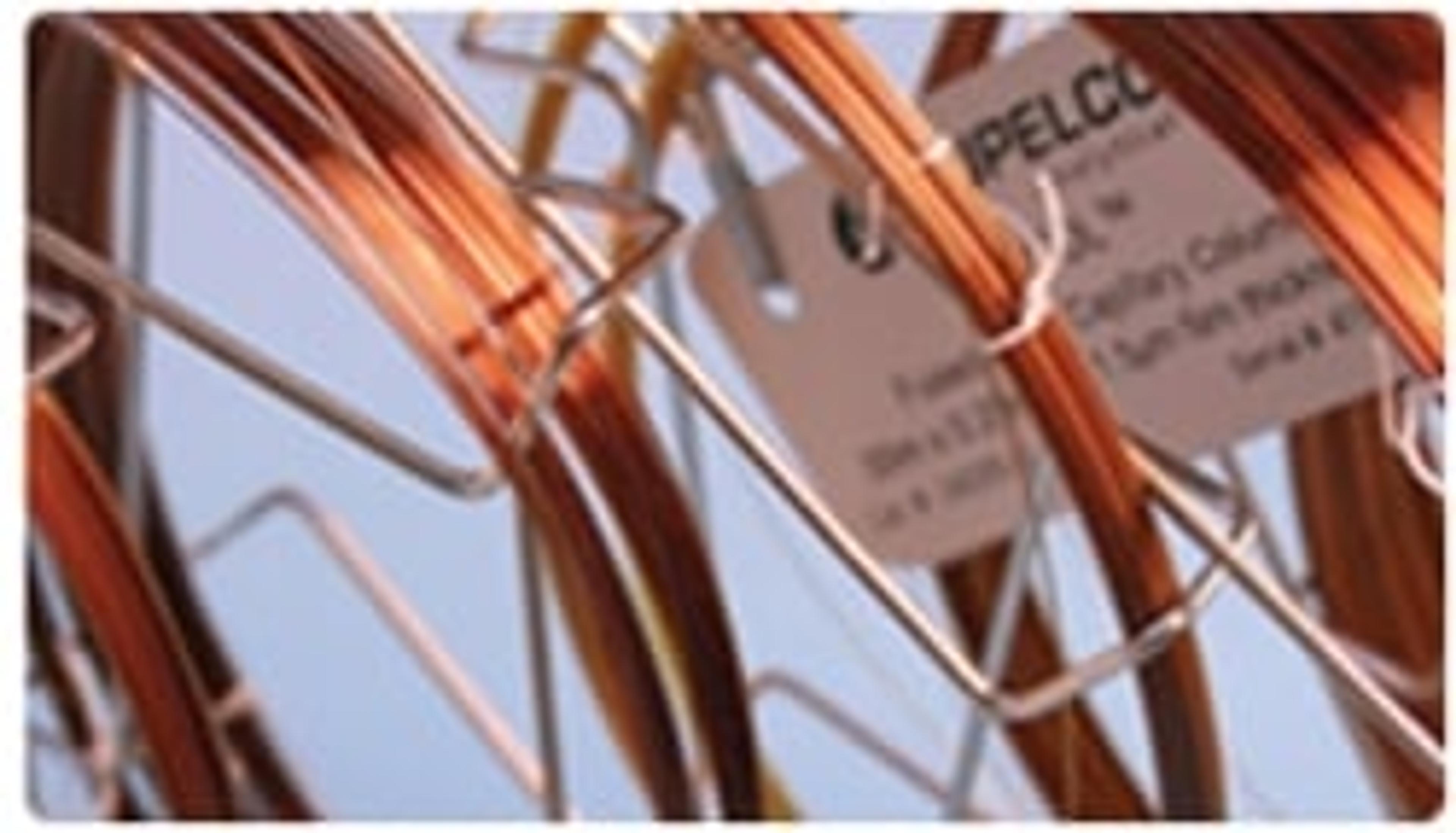
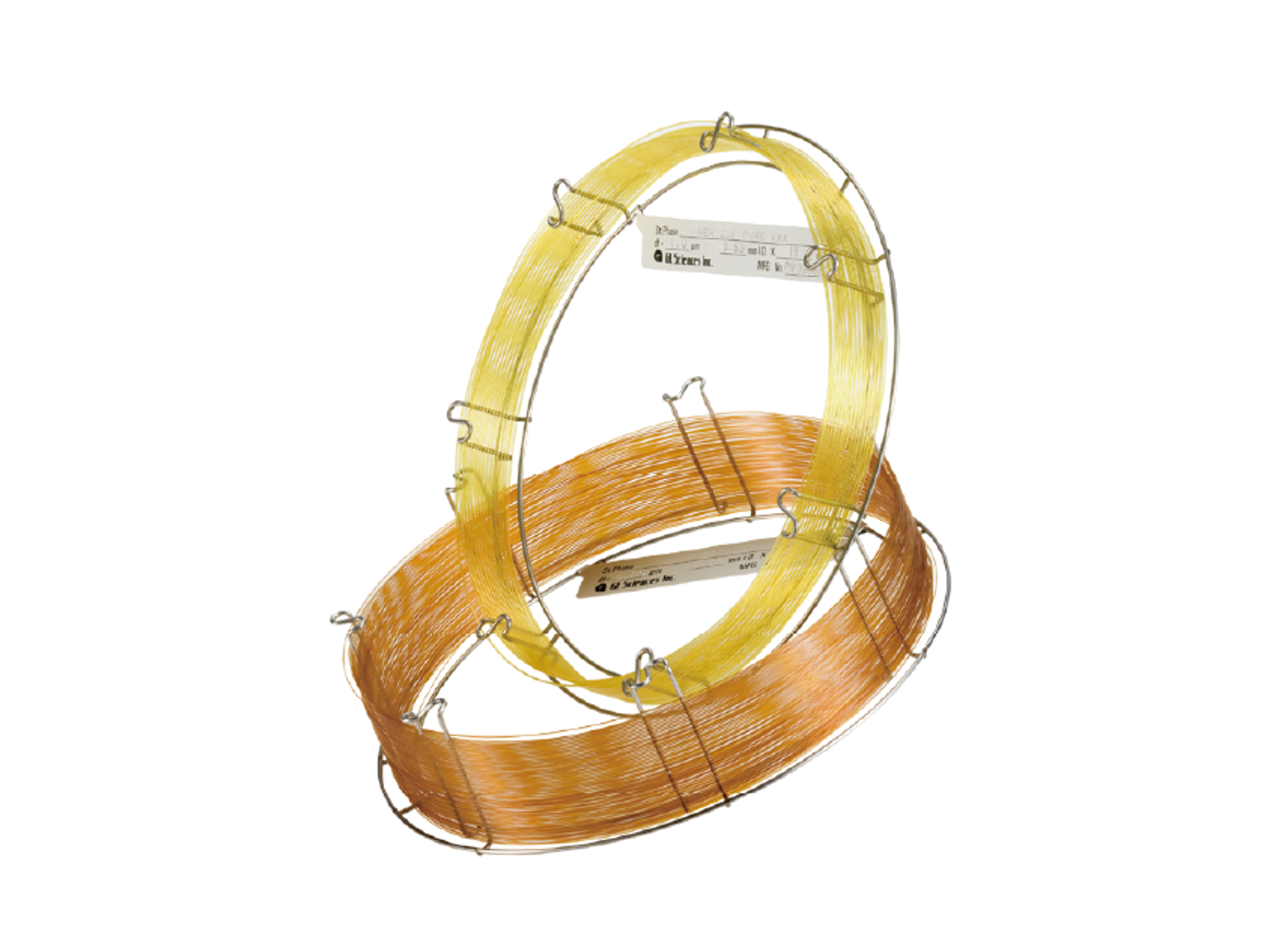
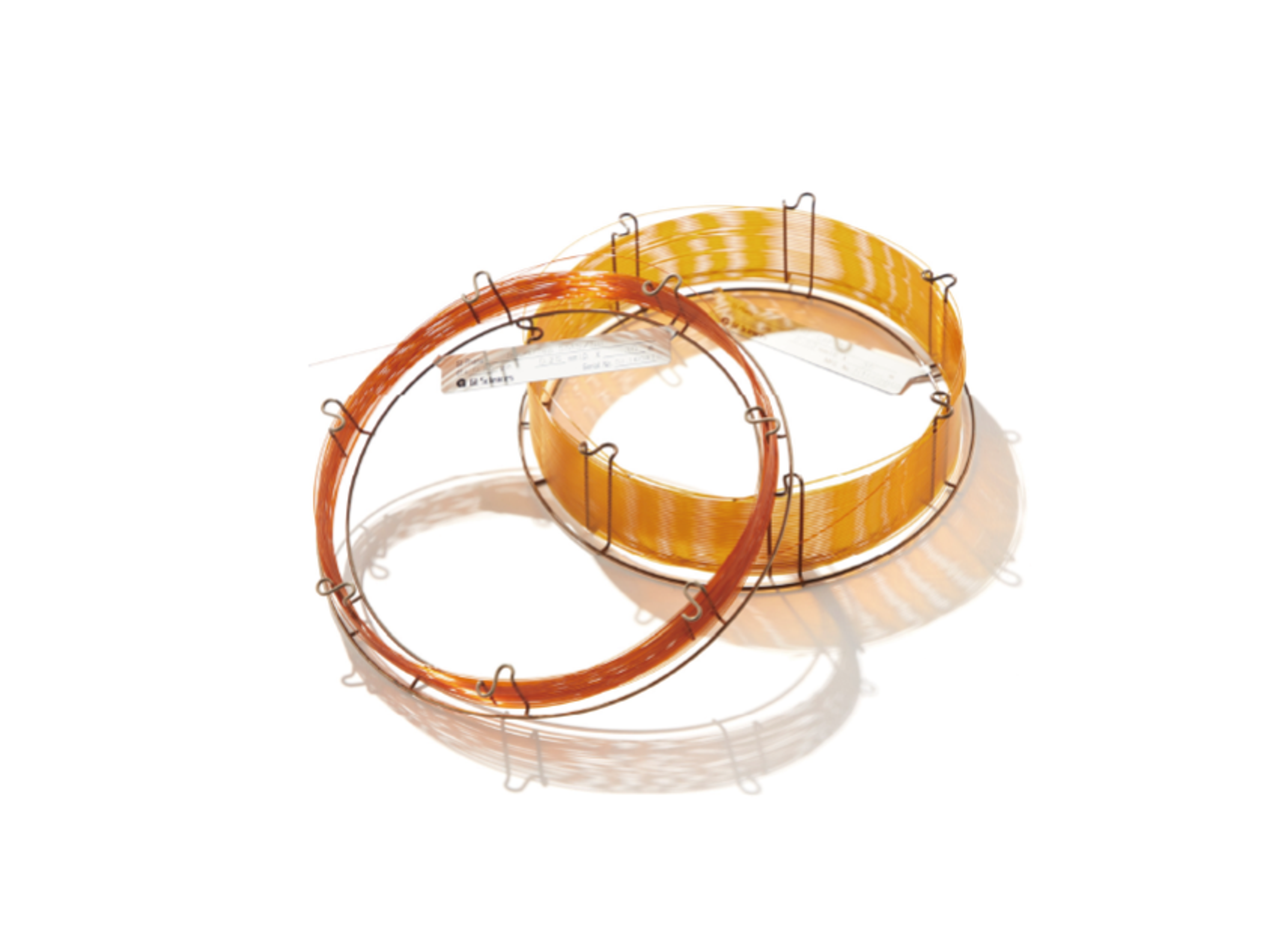
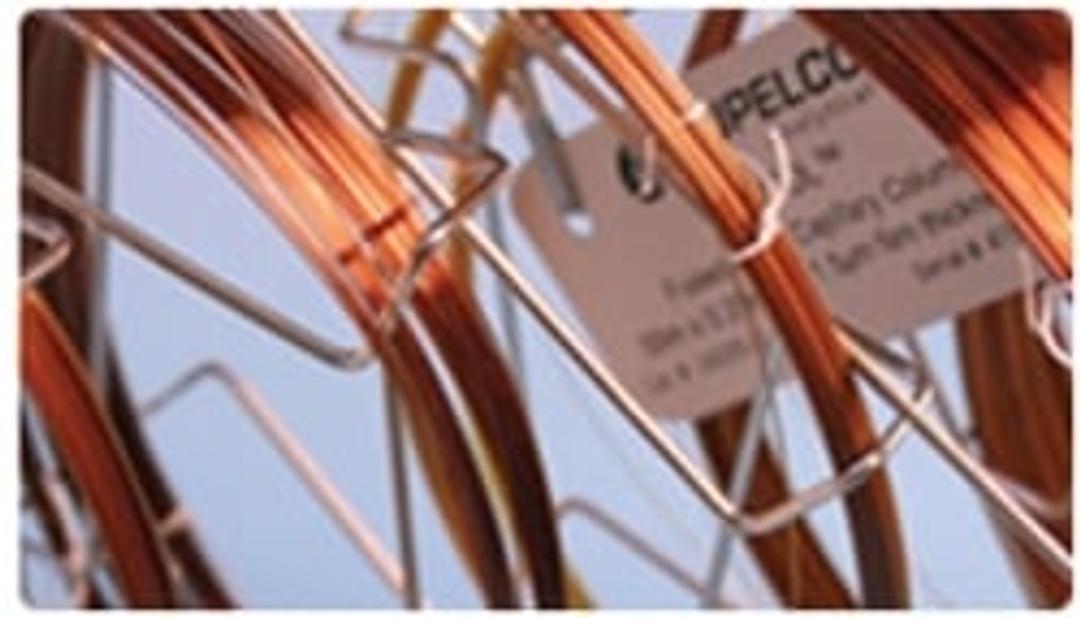
SP-2560 Capillary GC Column
SP-2560 Capillary GC Column• Application: This highly polar biscyanopropyl column was specifically designed for detailed separation of geometricpositional (cis/trans) isomers of fatty acid methyl esters (FAMEs). It is extremely effective for FAME isomer applications.• USP Code: This column meets USP G5 requirements.• Phase: Non-bonded; poly(biscyanopropyl siloxane)• Temp. Limits: Subambient to 250 °C (isothermal or programmed

The supplier does not provide quotations for this product through SelectScience. You can search for similar products in our Product Directory.
Great peak share and plate counts.
Assay, related substance analysis for pharmaceutical products
Long life and great resolution.
Review Date: 21 Jun 2021 | Sigma-Aldrich Supelco
SP-2560 Capillary GC Column
• Application: This highly polar biscyanopropyl column was specifically designed for detailed separation of geometricpositional (cis/trans) isomers of fatty acid methyl esters (FAMEs). It is extremely effective for FAME isomer applications.
• USP Code: This column meets USP G5 requirements.
• Phase: Non-bonded; poly(biscyanopropyl siloxane)
• Temp. Limits: Subambient to 250 °C (isothermal or programmed

Comprehensive Determination of Trans Fats in Cookies using SP-2560 and SLB-IL111 GC Columns after Silver-Ion SPE Fractionation
This application note demonstrates the extraction of lipids as fatty acids, and subsequent detection of trans fats from a cookie sample made using partially hydrogenated vegetable oils. Ag-Ion SPE was used to fractionate the extracted sample into saturated FAMEs, and trans monoenes, cis monoenes, and dienes. Subsequent analysis of the monoene fractions on a highly polar SP-2560 column and an extremely polar SLB-IL111 column provided resolution of many of the C18:1 cis/trans geometricpositional isomers, with different elution patterns observed.
GC Analysis of Fatty Acids in Walnuts and Peanuts
Established methods from AOCSR and AOACR can be used to determine the fatty acid composition of nuts. This work demonstrates the application of aspects of these methods in the determination of the fatty acid composition of walnuts and peanuts. Data is presented showing analysis on GC capillary columns of three different selectivities: OmegawaxR, SP™-2560 and SLBR-IL111.