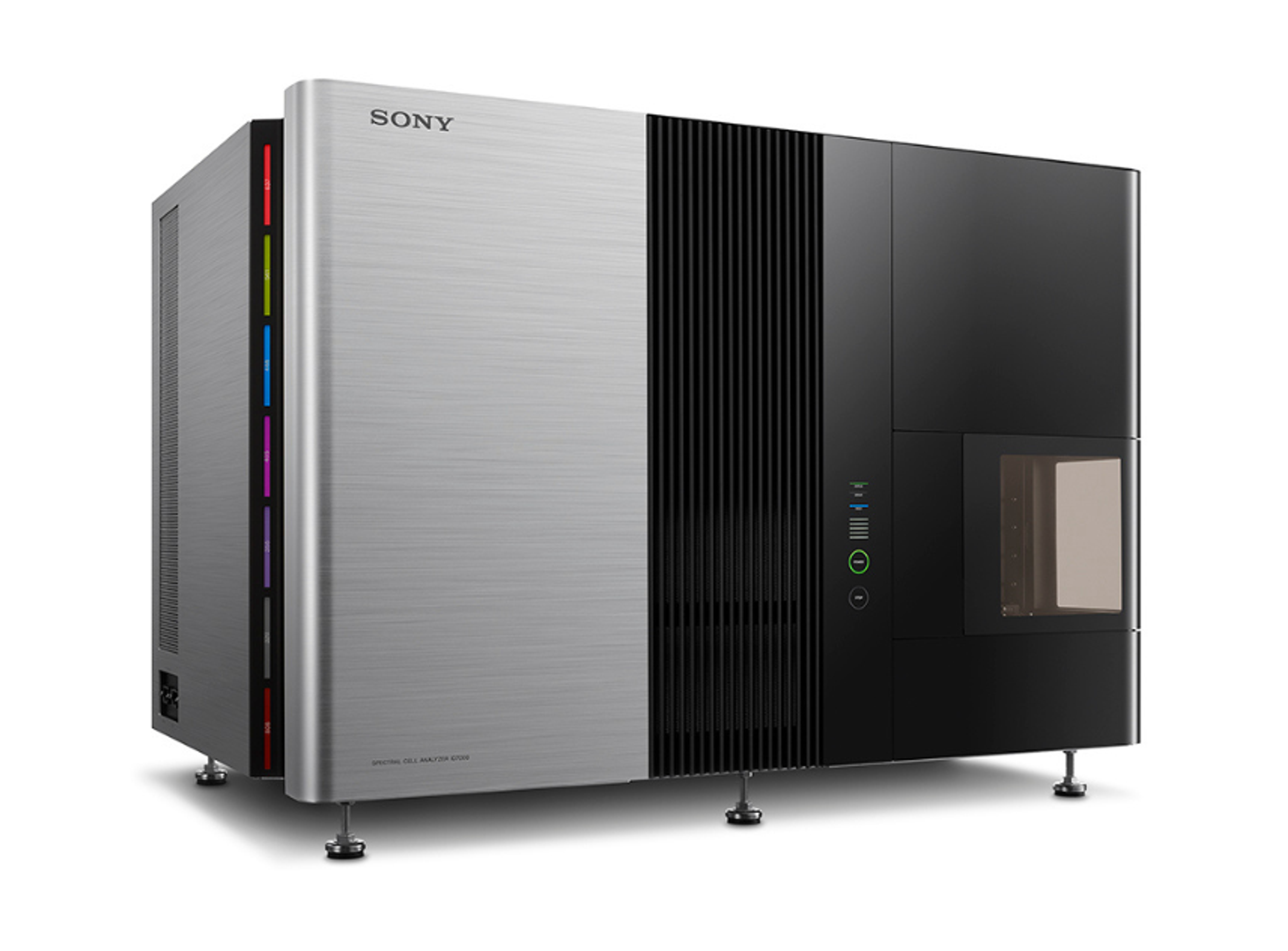
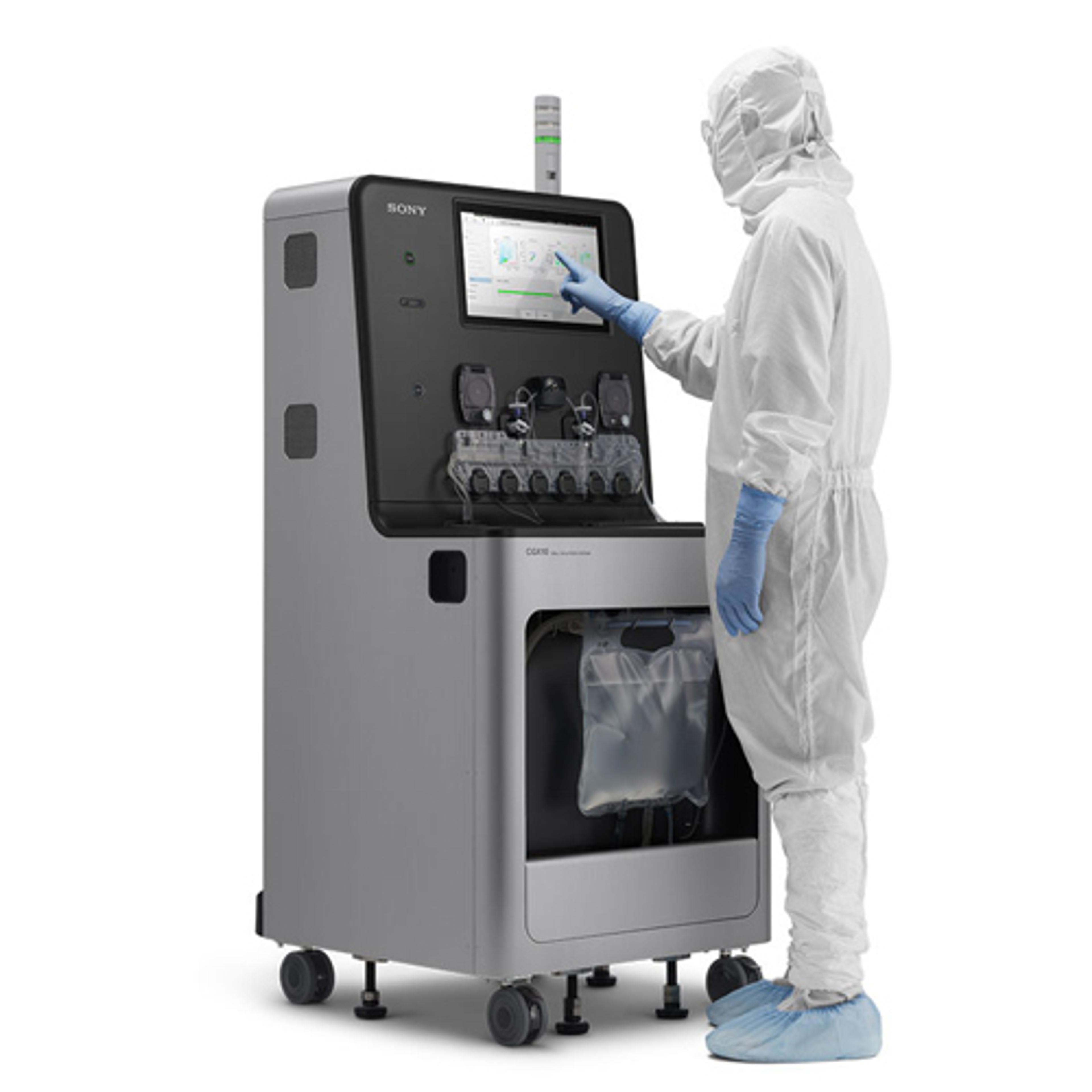
SH800 Cell Sorter
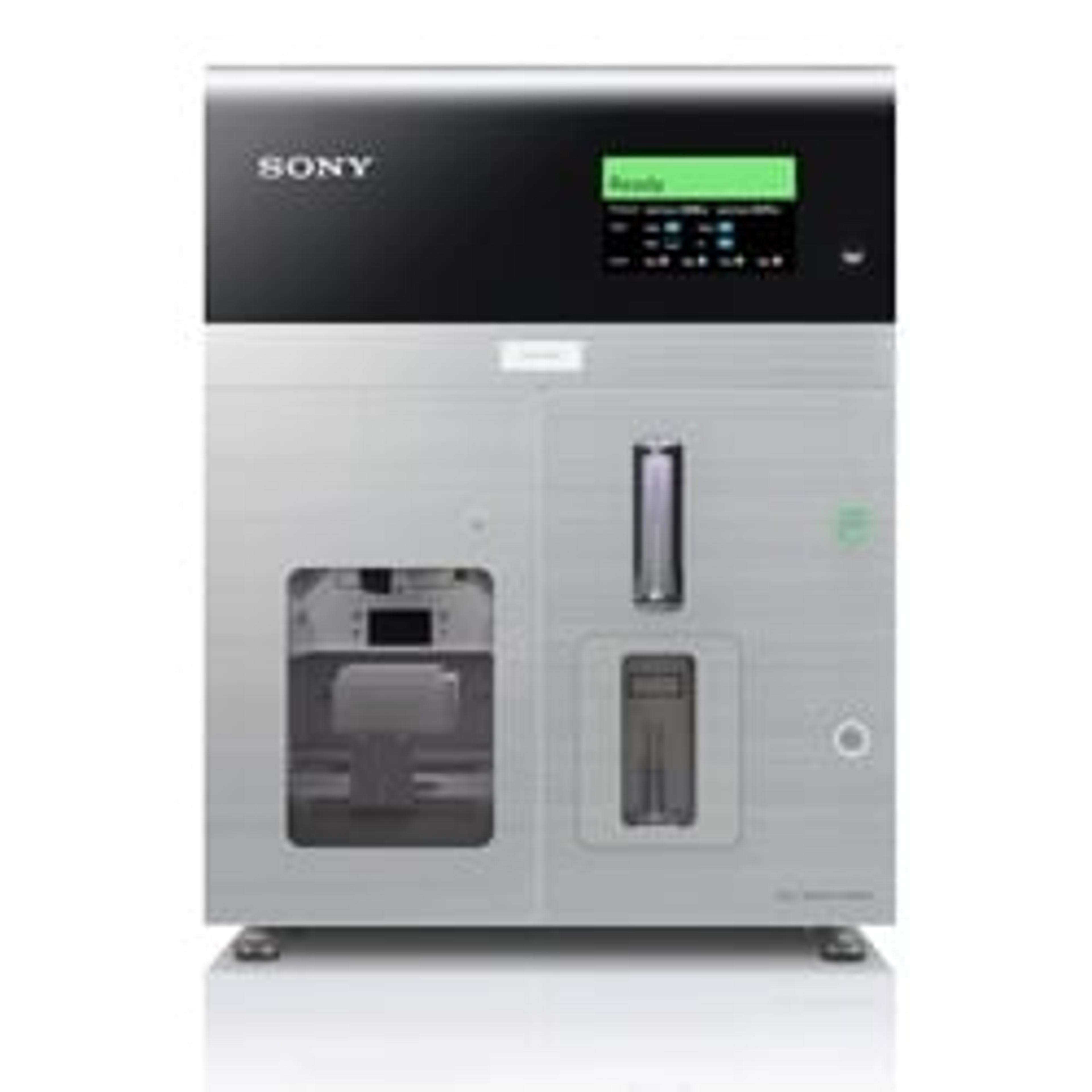
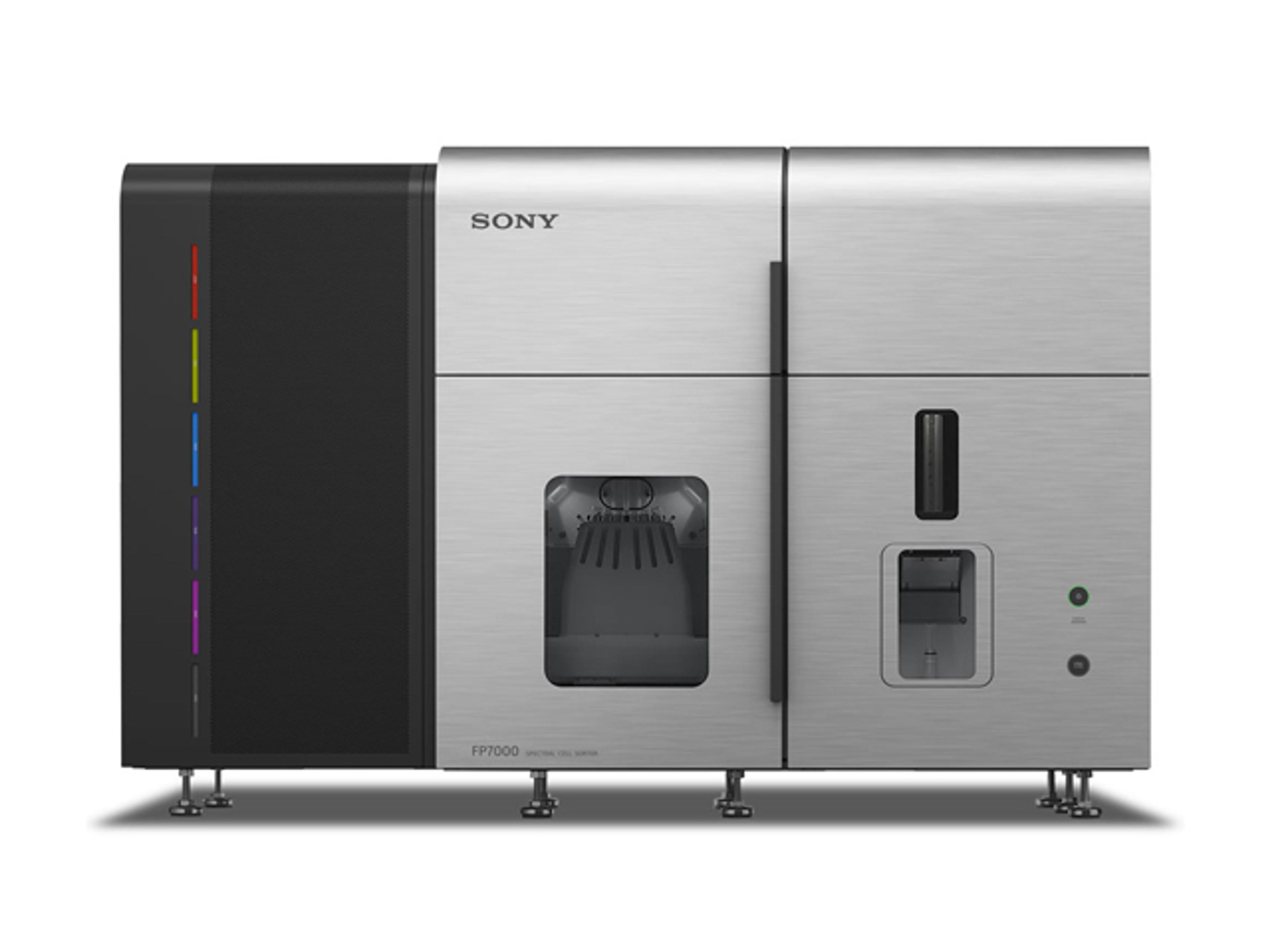
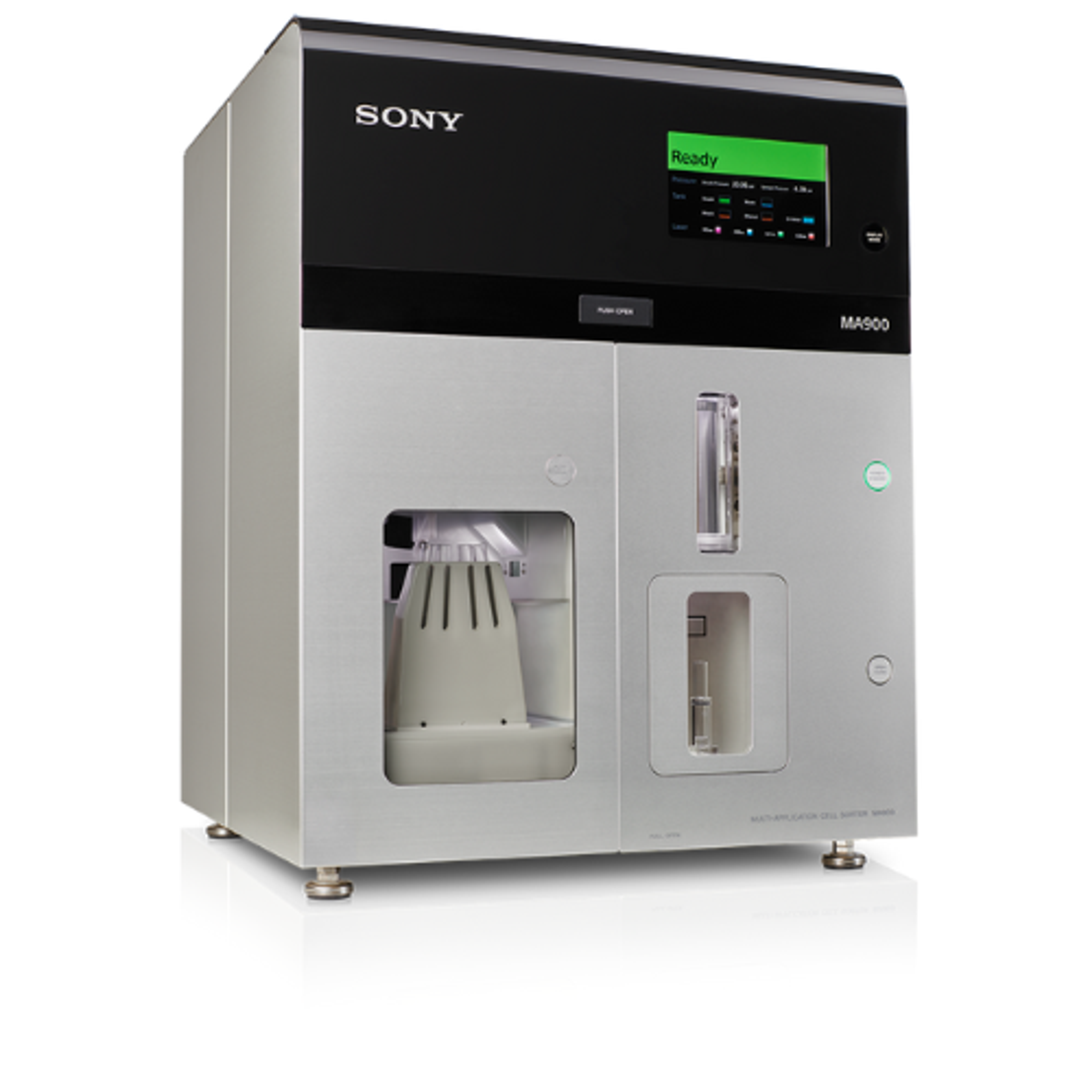
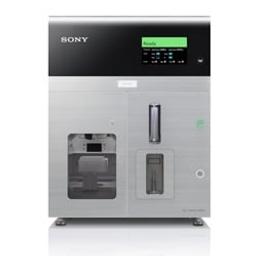
The benchtop SH800 cell sorter permits sorting of a wide range of cell sizes for many applications using the 70-µm, 100-µm, and 130-µm microfluidic sorting chips. This novel, chip-based design is fully integrated with comprehensive fluidics controls and advanced automation for set-up, acquisition, sort and analysis to make sorting less subjective, more precise and easier to perform. System software is intuitive and supports s…



Receive your quote directly from the manufacturer.
Results are comparable to other sorters.
Cell sorting
Quite effective for cell sorting, easy to use. Nice platform to operate.
Review Date: 16 Mar 2020 | Sony Biotechnology
Simplified user interface, great for ease of use.
Sorting yeast libraries
Very user friendly software interface which simplifies the collection of data and sorting of cells for novice users. For robust sorting of tricky samples, more advanced training or user knowledge is needed. Makes single cell sorting accessible to smaller groups and companies that do not have a dedicated facility or staff to maintain instrumentation.
Review Date: 28 Jan 2020 | Sony Biotechnology
Love our Sony.
Cell sorting
Very intuitive, sales and technical support is stellar. Equipment is robust and any errors are fixed easily and quickly by lab personnel or Sony techs.
Review Date: 28 Jan 2020 | Sony Biotechnology
Sony Sorter 800, Simple to use for antibody V-gene discovery via single cell sorting.
Sorting single B cells for antibody gene discovery
For a first time user of FACS equipment, the Sony Sorter 800 has been a joy to use. It is simple and intuitive to set up and use, and seems to have a lot less complications from what I hear in comparison to BD equipment. The software is also easy to use, especially in regards to doing the compensation. The only limitation is having six channels to work with, but they do have a newer version with 12 channels that we are now interested in using.
Review Date: 14 Nov 2019 | Sony Biotechnology
Simple, time saving and reasonable instrument.
Biotech lab, used for sorting samples.
I recommend it. It's user friendly and simple to use.
Review Date: 23 May 2019 | Sony Biotechnology
We love having this instrument in our lab!
Flow cytometry
Was super easy to use and delivered great results.
Review Date: 23 May 2019 | Sony Biotechnology
It simply makes cell sorting easy, even for a novice cell sorter.
Cell sorting
It's user friendly, IT friendly, and not as easily crashed as DIVA.
Review Date: 23 May 2019 | Sony Biotechnology
Great machine and very easy to use.
Analyze the T cell population
Sony cell sorter/analyzer is very good. We use it every day in our lab. It also includes a cell sorter if we want to sort cells. We were not sure at the beginning how it's going to work for us as Sony is really not a biotech company but I guess since they had the lasers they decided to make this instrument which is very efficient. It's very easy to use and we do the maintenance usually by ourselves.
Review Date: 11 Apr 2019 | Sony Biotechnology
Small and perfect instrument for sorting.
Cell sorting
This sorter is easy to use and I strongly recommend to others.
Review Date: 18 Feb 2019 | Sony Biotechnology
The SH800 is flexible and can support a variety of applications for individual and core labs. For applications in which cross-contamination is a concern, optional e-beam sterilized consumables can be used to replace the sample line and sorting chip.
The optical design offers up to four collinear excitation lasers (488 nm, 405nm, 561nm and 638nm) and six fluorescence detectors. The six free-form PMTs enable detection of fluorescence signals from any laser based on filter selection.
An optional class A2 Level II biosafety cabinet provides protection for personnel and products. The biosafety cabinet was custom designed for the SH800 and tested by The Baker Company to meet international standards.
SH800 Cell Sorter Highlights
- Provides the highest level of automation available in any cell sorter, allowing researcher set-up, alignment, calibration and monitoring with a push of a button.
- A novel microfluidic sorting chip is available in three sizes including 70 μm, 100 μm, and 130 μm to permit sorting of a wide range of cell sizes which simplifies sorting.
- An optional custom biosafety cabinet meets industry standards for personnel and product protection.
The SH800 is for non-clinical research use only and is a Class 1 laser product.
Brochures

Sorting made simple with the SH800S Cell Sorter
The benchtop SH800S cell sorter permits sorting of a wide range of cell sizes for many applications using the 70 µm, 100 µm, and 130 µm microfluidic sorting chips. This novel, chip-based design is fully integrated with comprehensive fluidic controls and advanced automation for setup, acquisition, sorting, and analysis to make sorting less subjective, more precise, and easier to perform.
Single Cell Sorting of CRISPR/Cas9-Expressing Cells Using the Sony SH800S
By introducing the nuclease Cas9 into cells, along with guide RNA (gRNA) oligomers, it is possible to achieve highly specific genome editing. This application note details how the sort deposition system of the SH800S facilitates high-throughput sorting of successfully transfected Cas9/gRNA cells, into 96- and 384- well devices.
Sorting of Fluorescent Protein Expressing Cells Using the Sony SH800S Cell Sorter
Fluorescent proteins (FP) are used as reporter molecules in a variety of studies analyzing protein expression and gene editing properties of CRISPR and other nucleases. Since the characterization and sequencing of the green fluorescent protein (GFP), a wide pallet of spectrally distinct FPs have been discovered. This broad range of FPs allow researchers to generate cells expressing a unique fluorescent protein or combinations
of them.
Introducing the Large Particle Sorting Upgrade for Sony Benchtop Cell Sorters
Thursday, December 4, at 16:00 GMT | 17:00 CET | 11:00 EST | 8:00 PST
Advances in cell therapy, cancer biology, and immunology increasingly require analytical tools that can accommodate complex models and functional assays. Emerging applications involving large cells, aggregates, and “lab-on-a-particle” platforms demand reliable characterization and sorting of these samples. Conventional flow cytometers have challenges with larger particles such as clogging, low sort efficiency and reduced recovery.
In this webinar, we will introduce the new Large Particle Sorting Upgrade for the SH800 and MA900 Cell Sorters from Sony Biotechnology, designed to expand compatibility with large and/or structurally complex sample types. Attendees will gain an overview of the key software features, along with data demonstrating their impact on sort recovery and purity. We will also share case studies highlighting applications in cell-cell interaction studies, functional characterization of immune cells, and spheroid sorting.
Join us to learn how this new capability enables researchers to seamlessly integrate next-generation large-particle assays into routine flow cytometry workflows.
Certificate of attendance
If you attend the live webinar, you will automatically receive a certificate of attendance, including a learning outcomes summary, for continuing education purposes. If you view the on-demand webinar, you can request a certificate of attendance by emailing editor@selectscience.net.
Webinar details
- Cost: Free to attend
- Location: Online
- Duration: 60 minutes
Registration is required to secure your place. If you register but can’t attend live, you will receive a link to the on‑demand recording once it becomes available.
Linking phenotype and function: Single-cell insights with Nanovials and large particle sorting using the SH800 cell sorter
Wednesday, November 5, at 16:00 GMT | 17:00 CET | 11:00 EST | 8:00 PST
Advances in cell therapy and immunology increasingly demand technologies that move beyond surface marker profiling to capture the true functional properties of single cells.
This SelectScience® webinar showcases the use of the Nanovial technology from Partillion Bioscience in conjunction with the new Large Particle Sorting Option available for SH800 and MA900 cell sorters from Sony Biotechnology.
Nanovial technology uses a microparticle platform that captures cytokine secretion while preserving cell viability, thus enabling direct linkage of phenotype to function for deeper insights into immune biology and therapeutic development.
This webinar will discuss the use of Nanovials for:
- high-throughput screening of CAR libraries and the recovery of rare antigen-specific TCRs with demonstrated tumor-targeting efficacy; and
- immune profiling of T-cell subsets and simultaneous measurement of surface markers and secretion of resting T-cell phenotypes.
Our expert speakers will also introduce the new Large Particle Sorting Option available for Sony cell sorters, which are suitable for these types of applications. This software feature is designed to expand compatibility with Nanovials, organoids, and hydrogel platforms, making it easier than ever to integrate functional assays into routine flow cytometry workflows.
Certificate of attendance
If you attend the live webinar, you will automatically receive a certificate of attendance, including a learning outcomes summary, for continuing education purposes.
If you view the on-demand webinar, you can request a certificate of attendance by emailing editor@selectscience.net.
Webinar details
- Cost: Free to attend
- Location: Online
- Duration: 60 minutes
Registration is required to secure your place. If you register but can’t attend live, you will receive a link to the on‑demand recording once it becomes available.

Decoding disease by applying cell sorting and epigenomics technologies to tissue macrophages
Susceptibility to many diseases is regulated by genetic variation, which occurs most often in non-coding regulatory regions of the genome, including enhancers and silencers. Functionally, enhancers and silencers fine-tune gene expression with cell type and/or context specificity. Therefore, understanding disease mechanisms may be improved by assessing dynamic changes in enhancer and silencer function using highly purified cell populations from disease-relevant tissues. Data from these approaches can nominate candidate transcription factors and upstream signaling pathways responsible for disease-induced gene expression changes.
Join this webinar to learn how sorted hepatic cells and nuclei were used with RNA-seq, ATAC-seq, and ChIP-seq to decode gene expression of Kupffer cells, the major liver resident macrophage. Kupffer cell differentiation, niche-fitness, and transcriptional reprogramming during nonalcoholic fatty liver disease will be discussed.
Key learning objectives
- Learn about cell type-specific gene regulation and the relevance to understanding disease
- Understand strategies that include cell sorting and single cell transcriptomics for developing in vivo gene regulatory atlases for disease-relevant cell types
- Hear how collaborative interactions of LXR and ATF3 control disease-associated gene expression in Kupffer cells
Who should attend
This webinar will provide insights for researchers who want to learn strategies for decoding disease through combinatorial application of cell sorting and genomics technologies. This strategy will be presented through the lens of hepatic macrophages in health and disease.

Multiplexed phenotyping and high-resolution cell sorting for the identification, isolation, and expansion of novel natural killer cell subsets with optimized functionality
The field of cancer immunotherapy has expanded significantly over the past decade, with huge improvements seen in patient outcomes for certain indications. However, there are major issues with the use of cell therapies for solid tumors - these include the immunosuppressive tumor microenvironment, poor trafficking of cells to tumors, and lack of targetable antigens at sufficient density to differentiate from healthy tissue. The use of natural killer cells for solid tumor therapy represents a novel and exciting approach that could address many of these limitations.
Join this free educational webinar to learn about the approaches used to accelerate the development of natural killer cell therapies by identifying unique NK cells isolated by sorting subsets with varied behaviors.
Who should attend
This webinar will provide insights to researchers who want to develop cell therapies against solid tumor and want to learn how NK cells can be used for novel anti-tumor therapies. The presenter will discuss multiplexed approaches in which NK cells sorted from healthy human donors are rigorously characterized and studied for their antitumor immune responses.
Key learning objectives
- Learn about the development and behavior of NK cells in the context of cancer
- Understand how 3D tumoroids can be leveraged to explore the complexity of anti-tumor response mediated by NK cells
- Understand the multiplexed strategies used in this project that include sorting unique subsets of NK cells from peripheral blood to accelerate the development of anti-cancer therapies

Screening for new therapeutically effective T-cell receptors using cell sorting, nanovial technology, and single-cell RNA sequencing
In recent years, cell-based therapies have been tremendously successful in treating hematologic malignancies. Efforts have continued to expand treatment to other chronic diseases. However, the underlying genetic state and therapeutic functions of these cells, such as secretion of cytokines, are still not well understood. New approaches to analyze and sort live, intact cells based on combinations of surface markers and secretions can accelerate the development of cell therapies by isolating therapeutic immune cells with highly tuned functional responses for downstream functional, transcriptomic, or genomic analyses.
Join this webinar to hear how Dr. Dino Di Carlo’s team is using the Sony SH800 cell sorter to obtain purified subsets of chemically modified cavity-containing hydrogel microparticles, called nanovials. These microparticles are then used in a multiomic and multiparametric approach to discover the most therapeutically effective T-cell receptors (TCRs) while simultaneously deconvolving their cognate binding peptides using single-cell sequencing. Participants will learn of improved approaches to sort these microparticles using a microfluidics chip-based sorter and perform multiomic analyses to uncover rare TCRs and their cognate peptide-MHCs.
Key learning objectives
- Learn how cell sorting, nanovial technology, and single-cell RNA sequencing can be used together to screen and discover new TCRs or chimeric antigen receptors (CARs)
- Find out how microfluidics chip-based sorting of nanovials enables enrichment of T cells with even low-affinity TCRs based on avidity-based binding that outperforms tetramer staining
- Uncover tools for using combinations of fluorescence area and height gates to sort high-secreting cells using the Sony SH800 cell sorter
Who should attend?
The webinar will highlight new tools that are valuable to immunology researchers studying antigen-specific T cells and their functions, cell engineers looking to find the best genetic modifications for cellular immunotherapies, and researchers generally interested in how secretions drive cell function.
Certificate of attendance
All webinar participants can request a certificate of attendance, including a learning outcomes summary, for continuing education purposes.
Please note neither UCLA nor The Regents of the University of California (The UC Regents) endorses any product, service or activity related to the Sony webinar hosted by SelectScience and nothing in these materials will be construed to imply that UCLA or The UC Regents authorizes, supports endorses, or sponsors any product or service result from the Sony webinar hosted by SelectScience.
How novel technologies are driving our understanding of the complex and dynamic nature of the human cell
In this video, Dr. Manuel Leonetti, group leader of Quantitative Cell Science at the Chan Zuckerberg Biohub, discusses the challenges faced in his lab and in the wider field of cell biology. Leonetti explores the precision and depth with which innovative laboratory instruments are allowing scientists to understand the complex interactions of proteins within cells. Plus, Leonetti describes his lab's collaboration with Sony Biotechnology, and highlights how cell sorting is key to his group’s work.
Validating quality and specificity of antibody libraries using the Sony SH800 Cell Sorter
In this video, Dr. Frédéric Leduc, Immune Biosciences, discusses his work engineering next-generation immune therapies with applications in infectious disease and oncology. Leduc explains how the Sony SH800 Cell Sorter provides a simplified cell sorting solution for all stages of the antibody development process from target validation to biomanufacturing.

7 upcoming webinars to accelerate your science
Discover the latest tools and techniques to expand your research capacity with expert-led presentations on protein stability, automated liquid handling, CRISPRi, and more

Intracellular architecture: Creating a map to examine how cells are internally organized in space and time
Learn how researchers at the Chan Zuckerberg Biohub are mapping the human cell to generate an open-source, interactive library
Combining cell sorting and ResolveDNA single-cell genomic amplification for exposing intratumoral heterogeneity
Watch this on-demand webinar to discover how ResolveDNA™ chemistry can be used to study allelic variation at a single-cell resolution

How to develop next-generation SARS-CoV-2 immunotherapies at “pandemic pace”
Discover how a Canadian biotechnology company uses flow cytometry to facilitate the generation of high-affinity antibodies against infectious disease.
Single-cell genomic analysis: Best practices for choosing your method
Review the experimental workflow from sample processing to sequencing and data analysis with this on-demand webinar

COVID-19 breakthroughs: How pioneering scientists are advancing antibody therapies
Experts share novel techniques for accelerating monoclonal antibody discovery and development to bring hope to COVID-19 patients
Finding one in a million: Using immune repertoire profiling to translate discoveries into therapies
Harnessing the most powerful force in the fight against disease — natural human immunity
Allergic Inflammation: Cell signaling and epigenetic mechanisms underpinning inflammatory responses
Meet the inflammation and immunity researcher studying the fundamental cellular mechanisms behind uncontrolled inflammatory responses to allergens
Pulmonary cardiology: Circulating immune cells and the pathogenesis of pulmonary arterial hypertension
Researchers at Queen’s University, Canada, explain how their new core facility and its cutting-edge flow cytometry and cell sorting technology are accelerating cardiopulmonary research
Sample prep and cell isolation for multiplexed, single-cell sequencing analysis
Learn how to optimize sample preparation and obtain quality data from a multiplexed, single-cell sequencing assay in this on-demand webinar