Seahorse XF HS Mini Analyzer
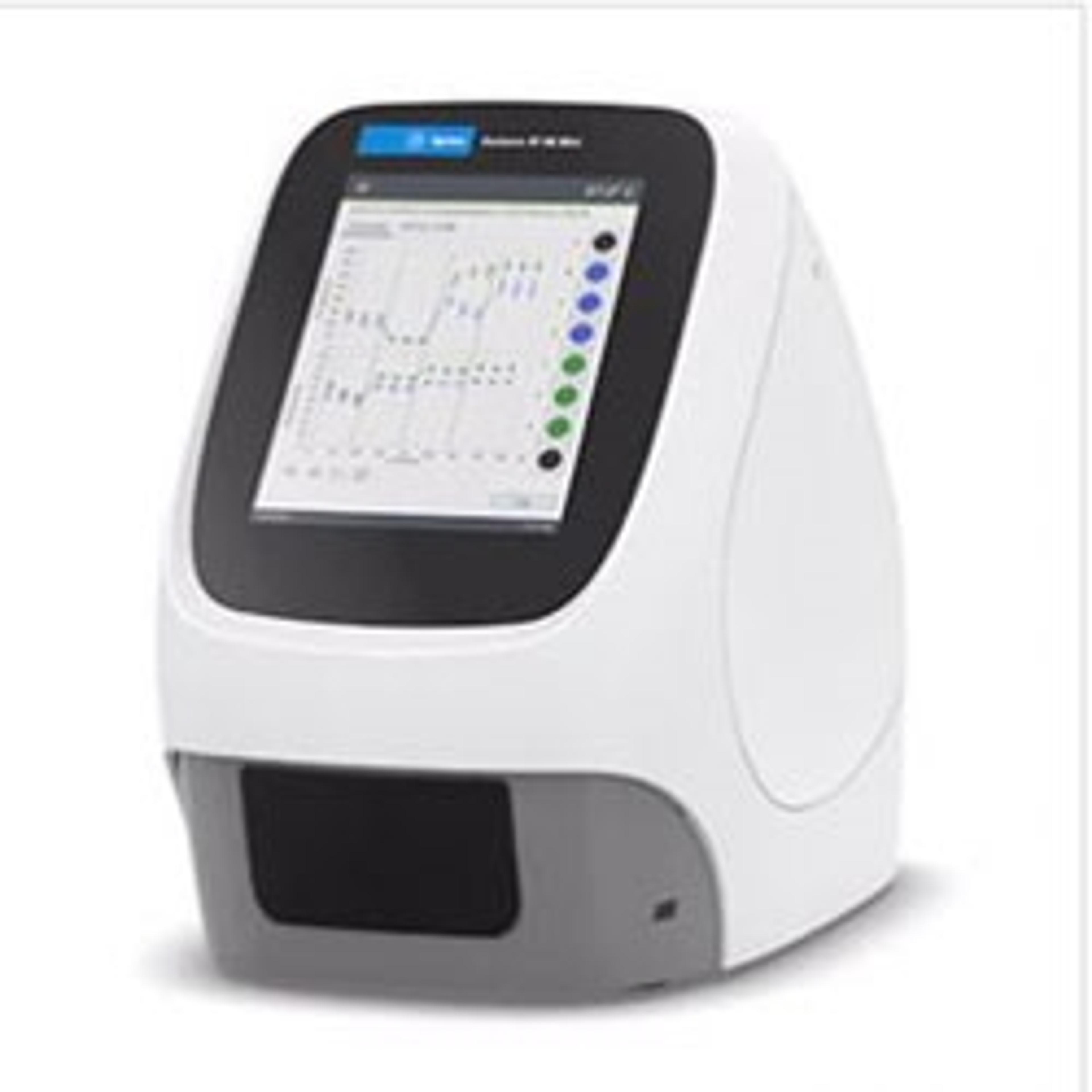
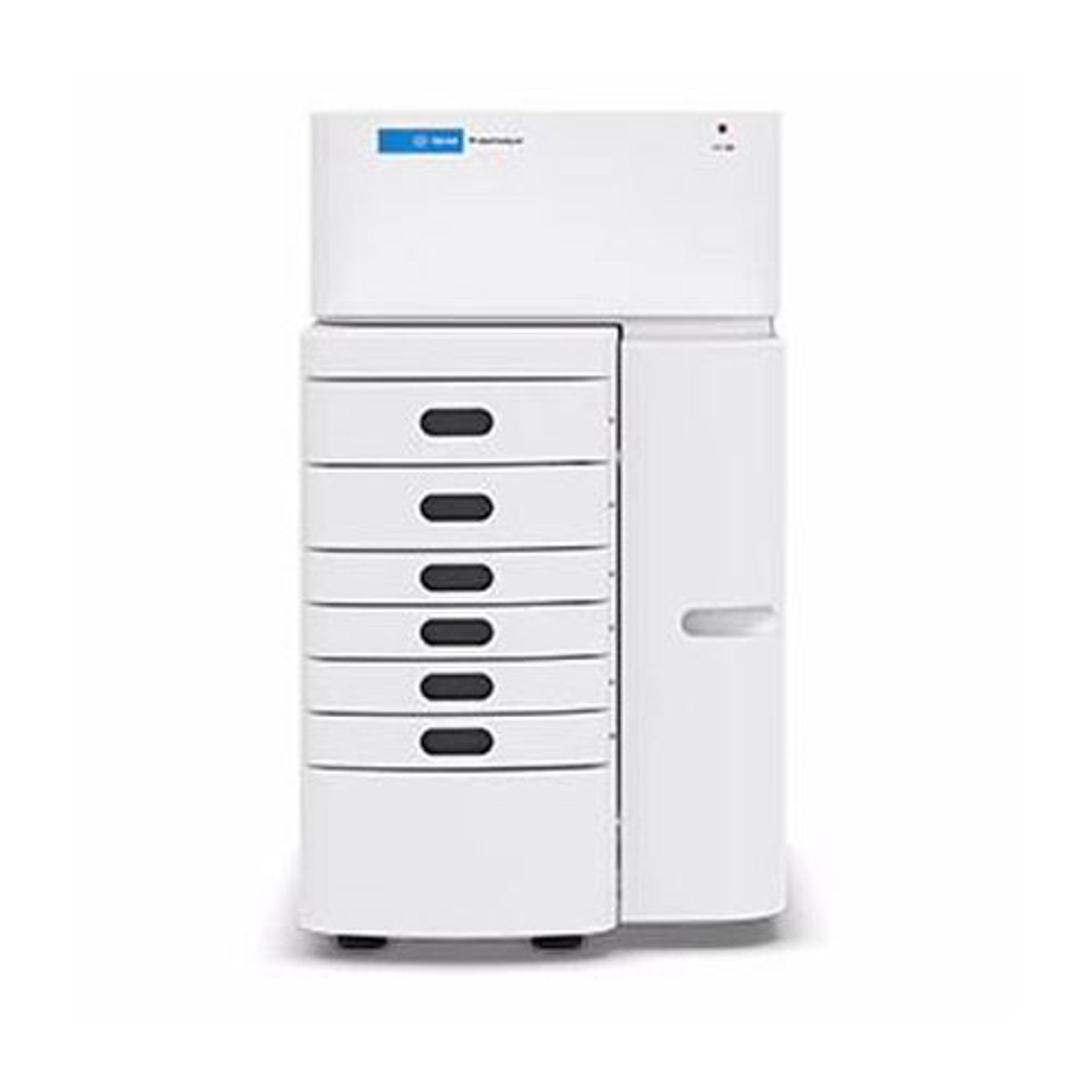
Agilent Seahorse XF HS Mini Analyzers measure mitochondrial respiration and glycolysis as well as ATP production rate of live cells in an eight-well miniplate format. The quick and easy setup makes the Seahorse XF HS Mini Analyzer ideal for performing routine energy metabolism measurements of ex-vivo and other quantity-limited samples.
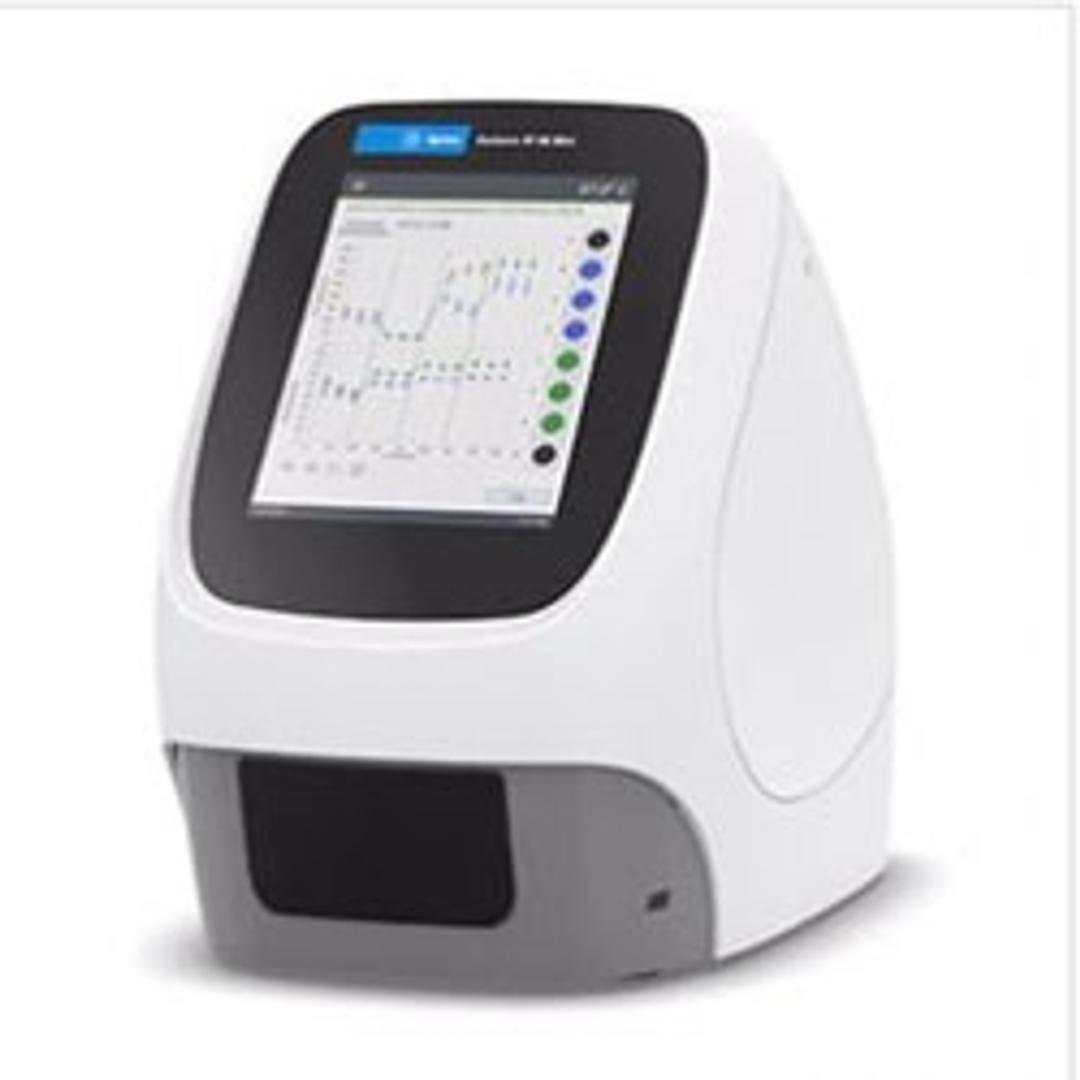
Seahorse XF HS Mini Analyzer

Receive your quote directly from the manufacturer.
It’s easy to use and reproducible.
Cell Ali filtered
It’s very useful for redox biology research.
Review Date: 9 Dec 2021 | Agilent Technologies
Agilent Seahorse XF HS Mini Analyzers measure mitochondrial respiration and glycolysis as well as ATP production rate of live cells in an eight-well miniplate format. The quick and easy setup makes the Seahorse XF HS Mini Analyzer ideal for performing routine energy metabolism measurements of ex-vivo and other quantity-limited samples.
Features
- Analyzer is compatible with XFp miniplates and XFp PDL miniplates for routine pairwise comparisons
- Reports oxygen consumption rate (OCR) and extracellular acidification rate (ECAR) in minutes, without sample extraction or labeling
- Four-port injection system with automated mixing function enables detection of live-cell responses to substrates, activators, inhibitors, and other compounds in real time
- Precision-controlled heating tray maintains sample at 16–40 °C (minimum 8 °C above ambient conditions) for compatibility with a variety of sample sources
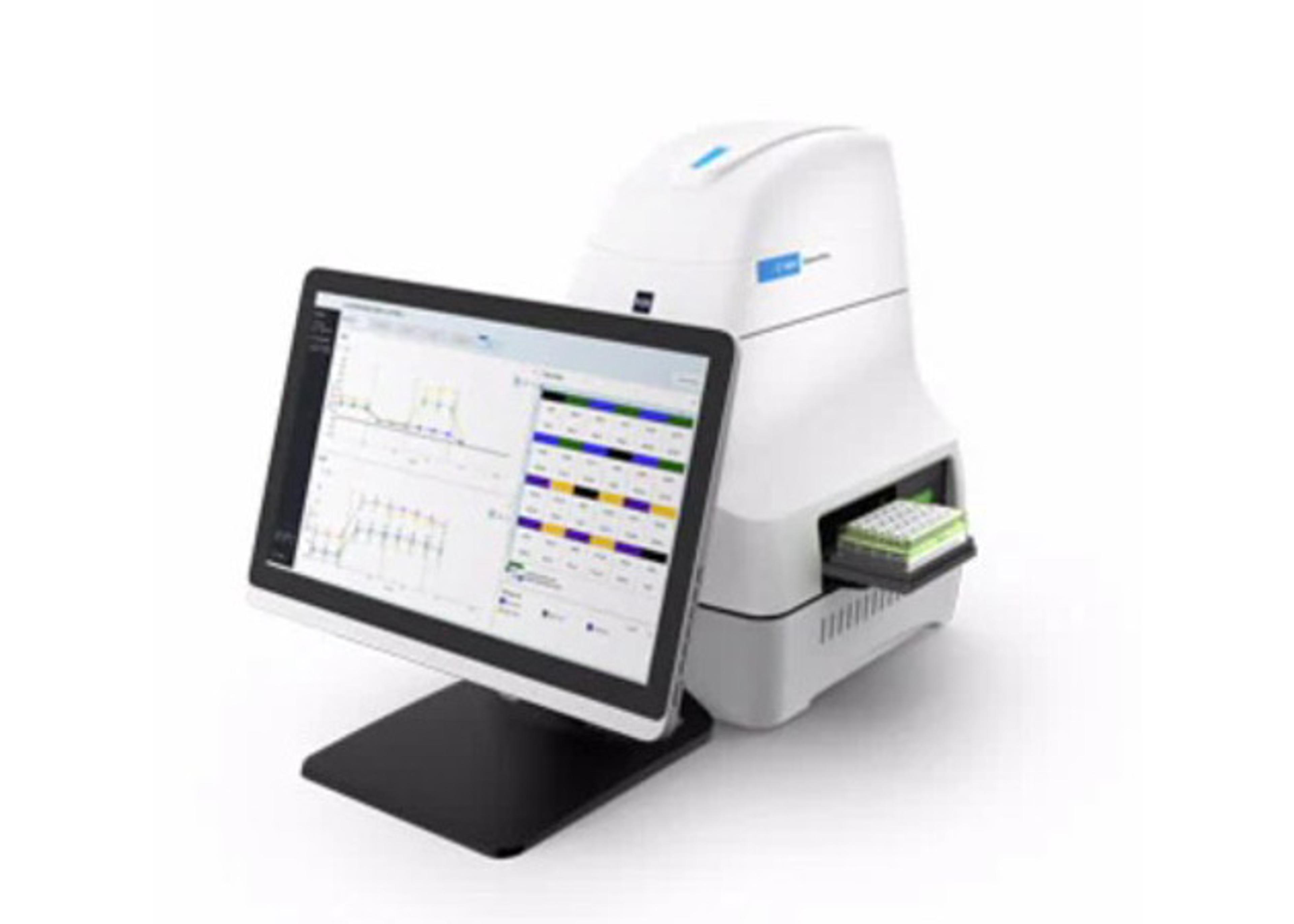
- Cloud-based Seahorse Analytics provides accessible, streamlined tools to interpret your data
Brochures

Agilent Seahorse XF live-cell metabolism solutions for cancer research
Download this brochure to discover how cancer cell bioenergetics using Agilent Seahorse XF functional metabolic measurements can reveal cancer dependencies and liabilities.

Rewiring the metabolism of CAR-T cells
Join Professor Mercedes Rincon, University of Colorado Anschutz School of Medicine, as she discusses the groundbreaking advancements in adoptive T cell therapy, particularly chimeric antigen receptor (CAR) T cell therapy. While CAR-T therapy has achieved impressive complete remission rates in 60–90% of patients with relapsed/refractory B-cell acute lymphoblastic leukemia (r/r-B-ALL), challenges such as treatment failures and relapses remain significant obstacles.
Metabolism plays a critical role in T cell function, shaping immune responses. While glycolysis is essential for T cell expansion, it can restrict the self-renewal capacity of CAR-T cells during manufacturing. Mitochondrial respiration is vital for their survival and effectiveness. Recent findings have highlighted MCJ, a protein that negatively regulates mitochondrial function in CD8 cells. Loss of MCJ enhances mitochondrial respiration, cytokine secretion, and anti-tumor activity. Targeting MCJ to boost mitochondrial metabolism presents a promising strategy to enhance the efficacy of CAR-T cells and advance adoptive T cell therapies.
Key learning objectives
- Understand the current landscape of adoptive T-cell therapy
- Explain the role of metabolism in T cell function, highlighting the significance of glycolysis and mitochondrial respiration in enhancing CAR-T cell efficacy
- Identify the potential of MCJ as a therapeutic target to improve mitochondrial metabolism, cytokine secretion, and overall effectiveness of CAR-T cell therapies
Who should attend?
- Researchers and scientists specializing in CAR T-cell therapy, immunotherapy development, cell metabolism, glycolysis, and mitochondrial respiration.
Certificate of attendance
All webinar participants can request a certificate of attendance, including a learning outcomes summary, for continuing education purposes.