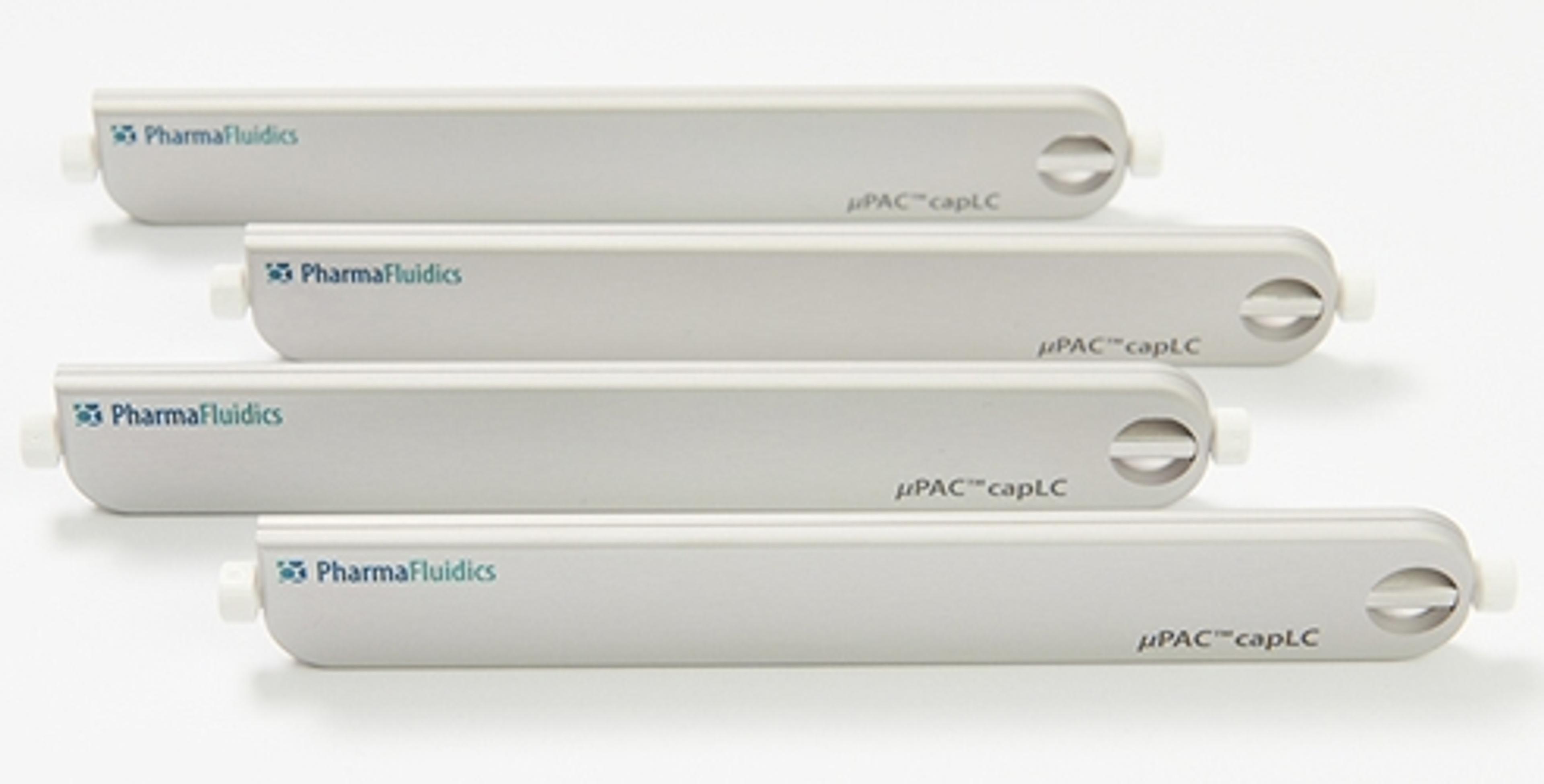
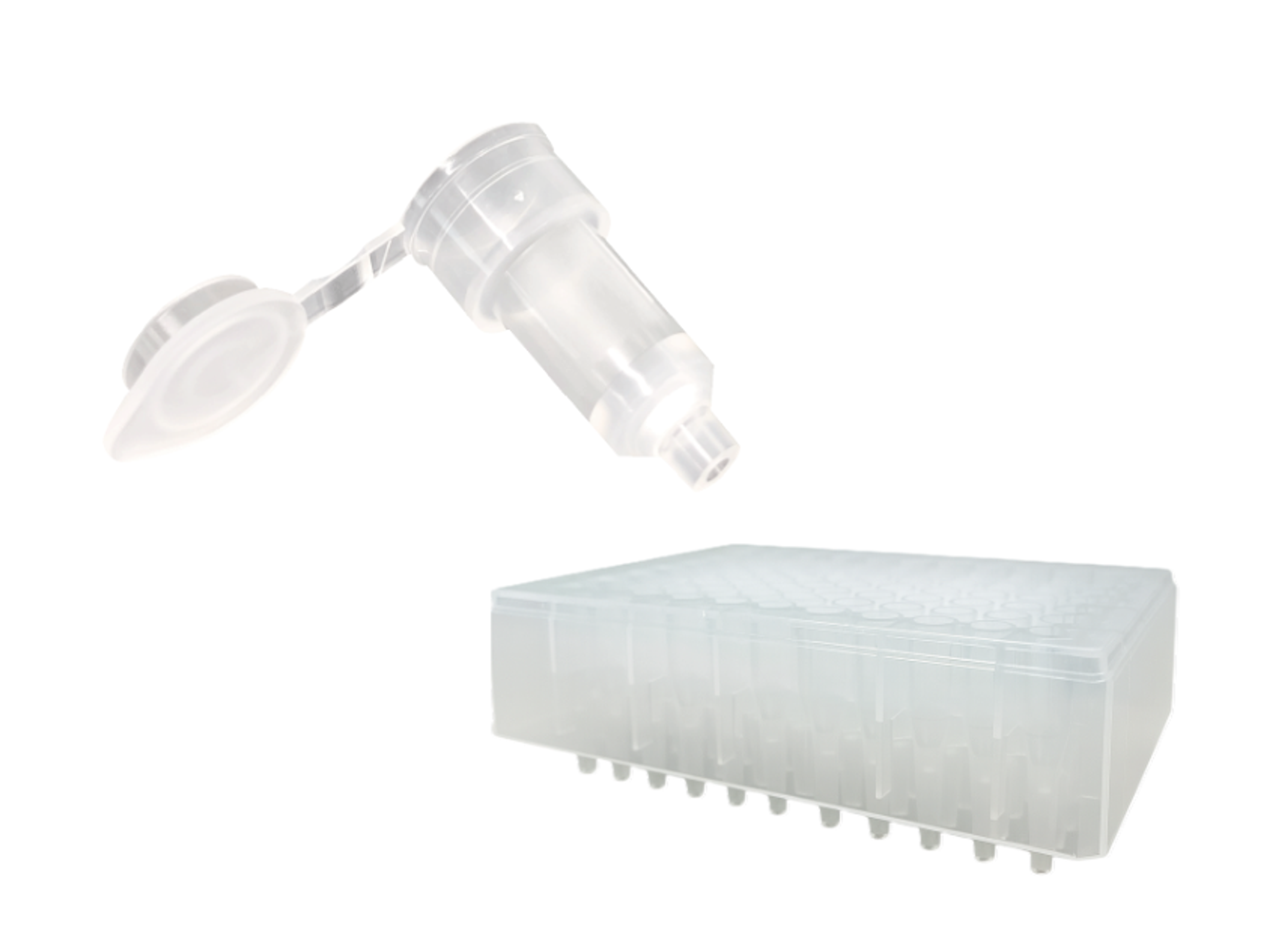
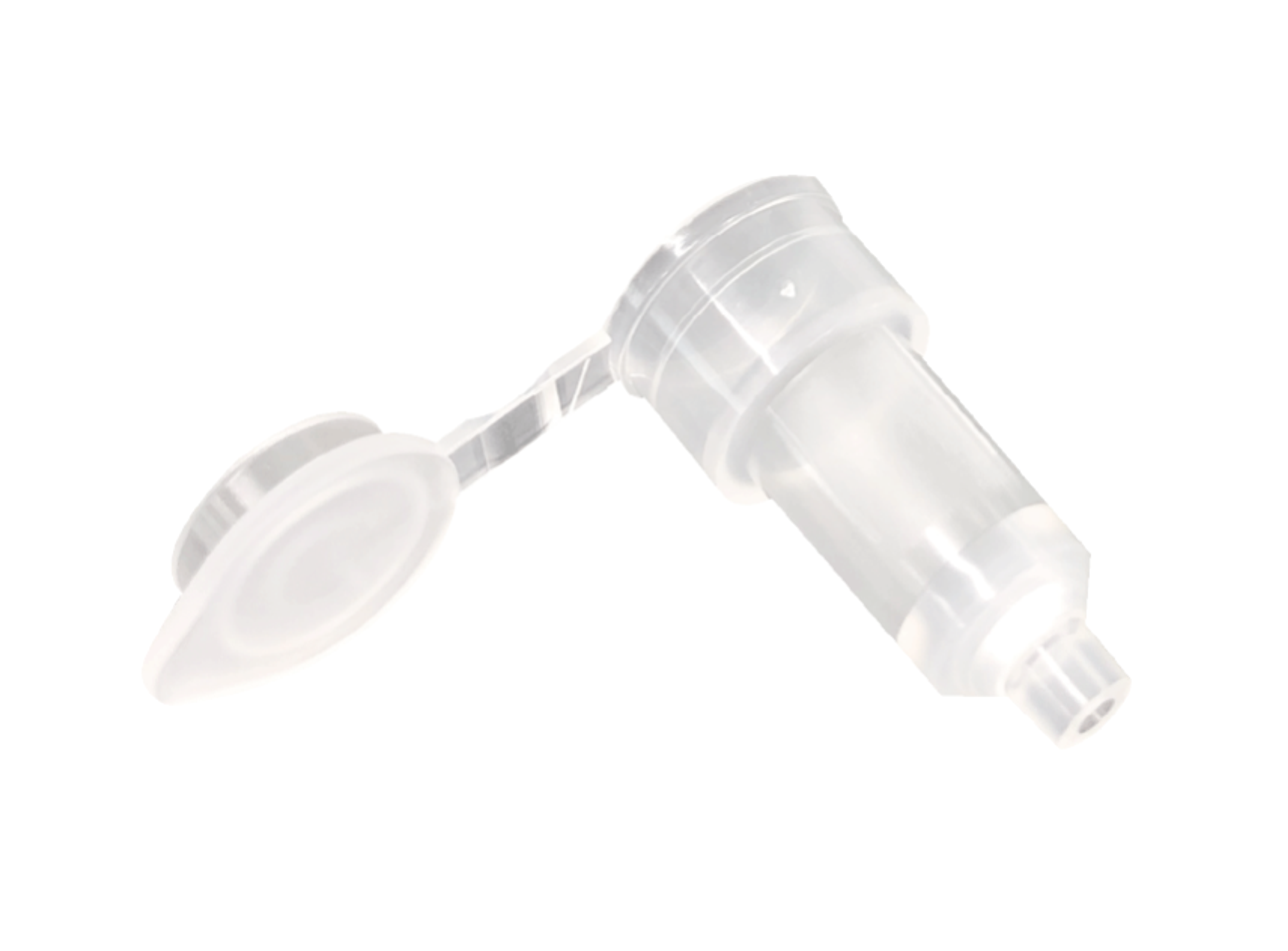
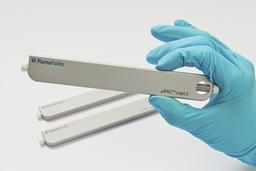
µPAC™ capLC column
The µPAC™ capLC columns are designed for increased robustness and throughput assuring sensitivity. A flow rate versatility between 1 and 15 µL/min at moderated pressures allows short gradient separations, while the µPAC™ technology ensures an exceptional high reproducibility over time and across laboratories. µPAC™ column, 50cm length, with pillar array backbone at interpillar distance of 2.5 µm, C18.
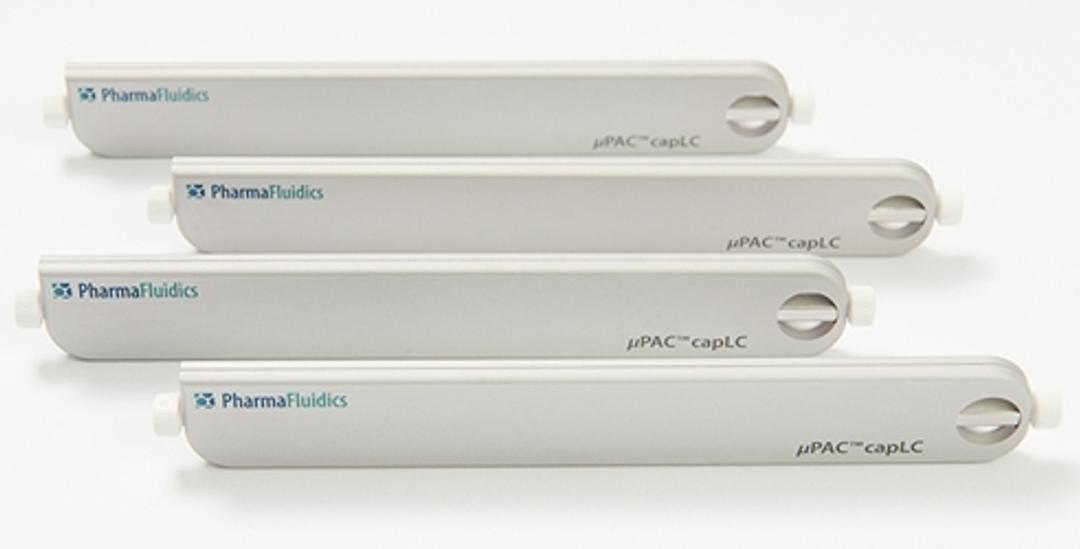
PharmaFluidics - µPAC™ capLC columns
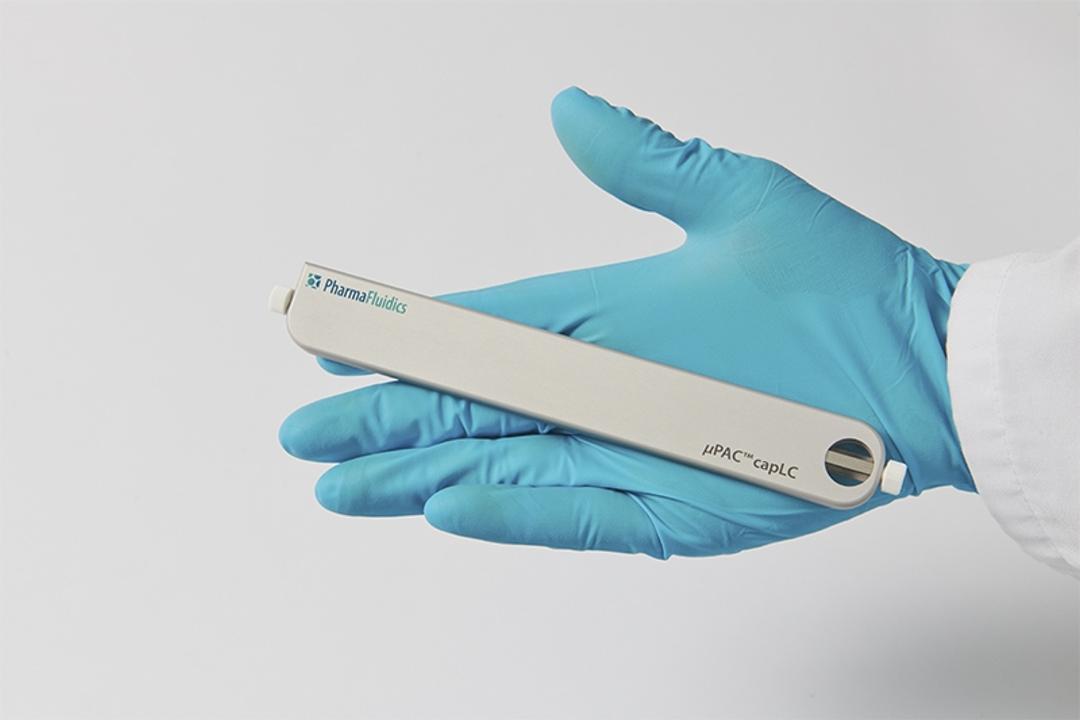
PharmaFluidics µPAC™ capLC column
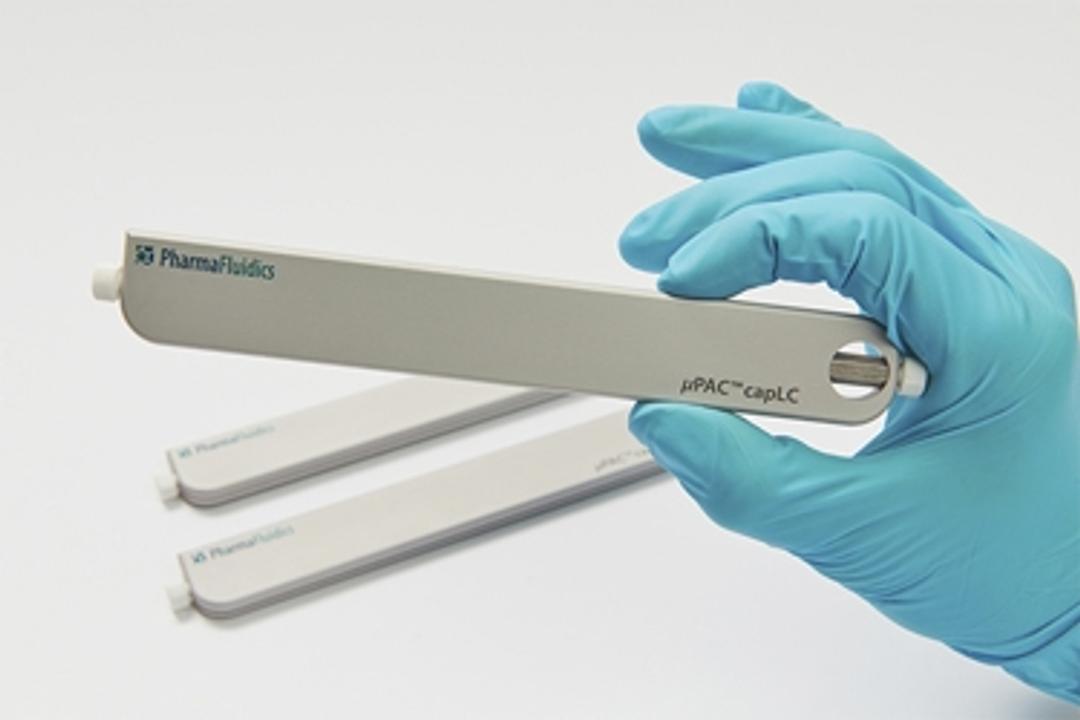
PharmaFluidics_µPAC™ capLC column

The supplier does not provide quotations for this product through SelectScience. You can search for similar products in our Product Directory.
Highly robust separation tool for flow rates between 1 µL/min and 15 µL/min and injection volumes of 4 nL up to 5 µL; to be used in multi-omics applications like biomarker verification and validation (proteomics, metabolomics, lipidomics) and the analysis of biopharmaceuticals (peptide mapping, HCP, and ADC analysis). The μPAC™ capLC columns are designed for increased robustness and throughput without losing sensitivity. A flow rate versatility between 1 and 15 μL/min at moderated pressures allows short gradient separations, while the μPAC™ technology ensures an exceptional high reproducibility over time and across laboratories. µPAC™ column, 50cm length, with pillar array backbone at interpillar distance of 2.5 µm, C18.

Detailed glycosylation analysis of therapeutic enzymes using µPAC capLC-MS and all-ion fragmentation
In this application note, the use of micro Pillar Array Columns (μPAC™) for characterizing glycosylation of therapeutic enzymes is presented. Recombinant human acid α-glucosidase (hGAA) was digested and resulting peptides were separated on a 50 cm μPAC™ capLC C18 column operated at low μL/min flow rate. Glycopeptide peaks were then selectively detected and identified by Orbitrap mass spectrometry (MS) operated in full MS/all-ion fragmentation (AIF) mode.

Thermo Fisher Scientific adds patterned microchip-based technology to liquid chromatography portfolio
The technology extends capabilities in column performance for biopharma and proteomics researchers


Max Planck researchers feed Proteome AI with PharmaFluidics technology
Micro-chip based µPAC LC columns – key component in Nature study doubling the universe of known proteins across all kingdoms of life