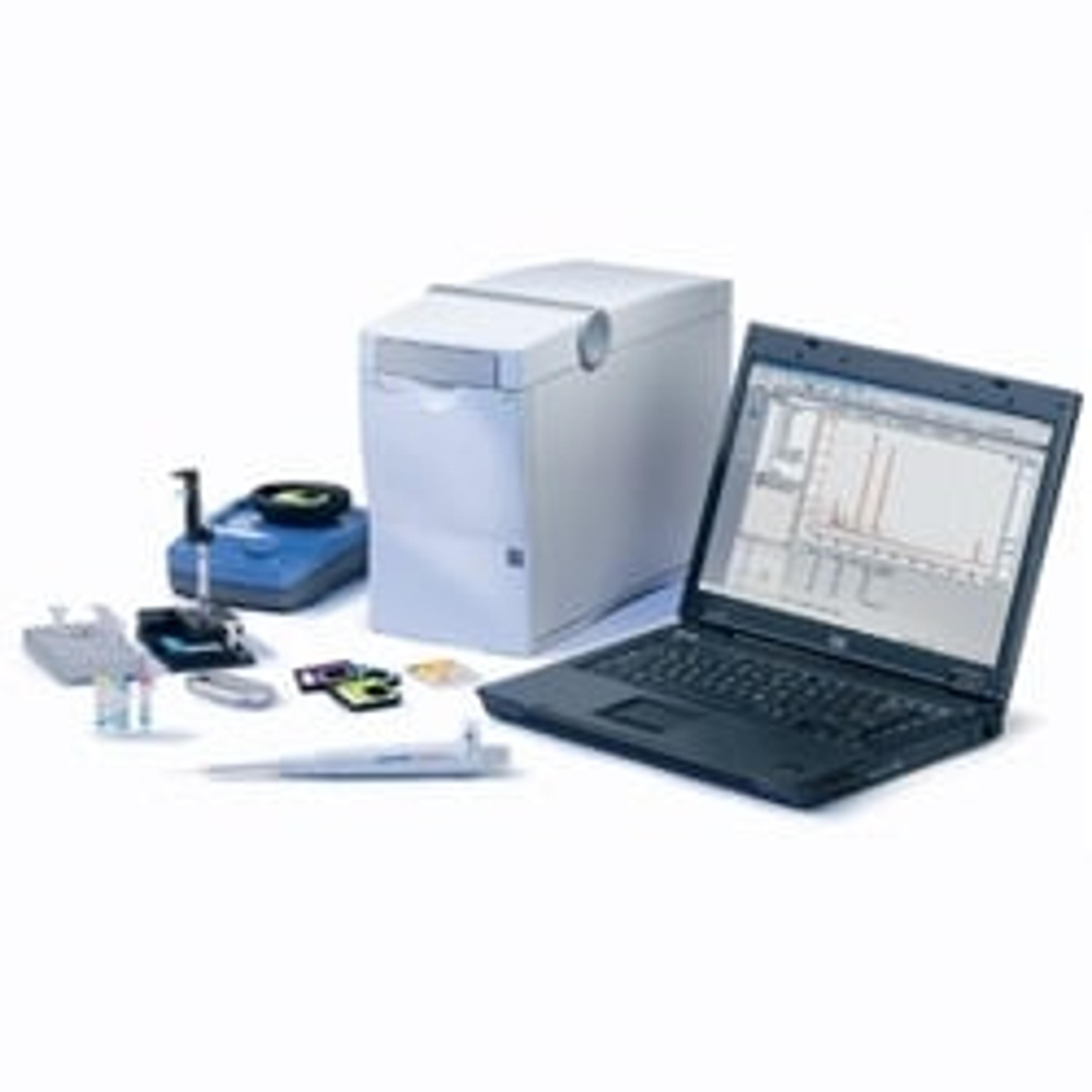
NovoCyte Penteon Flow Cytometer
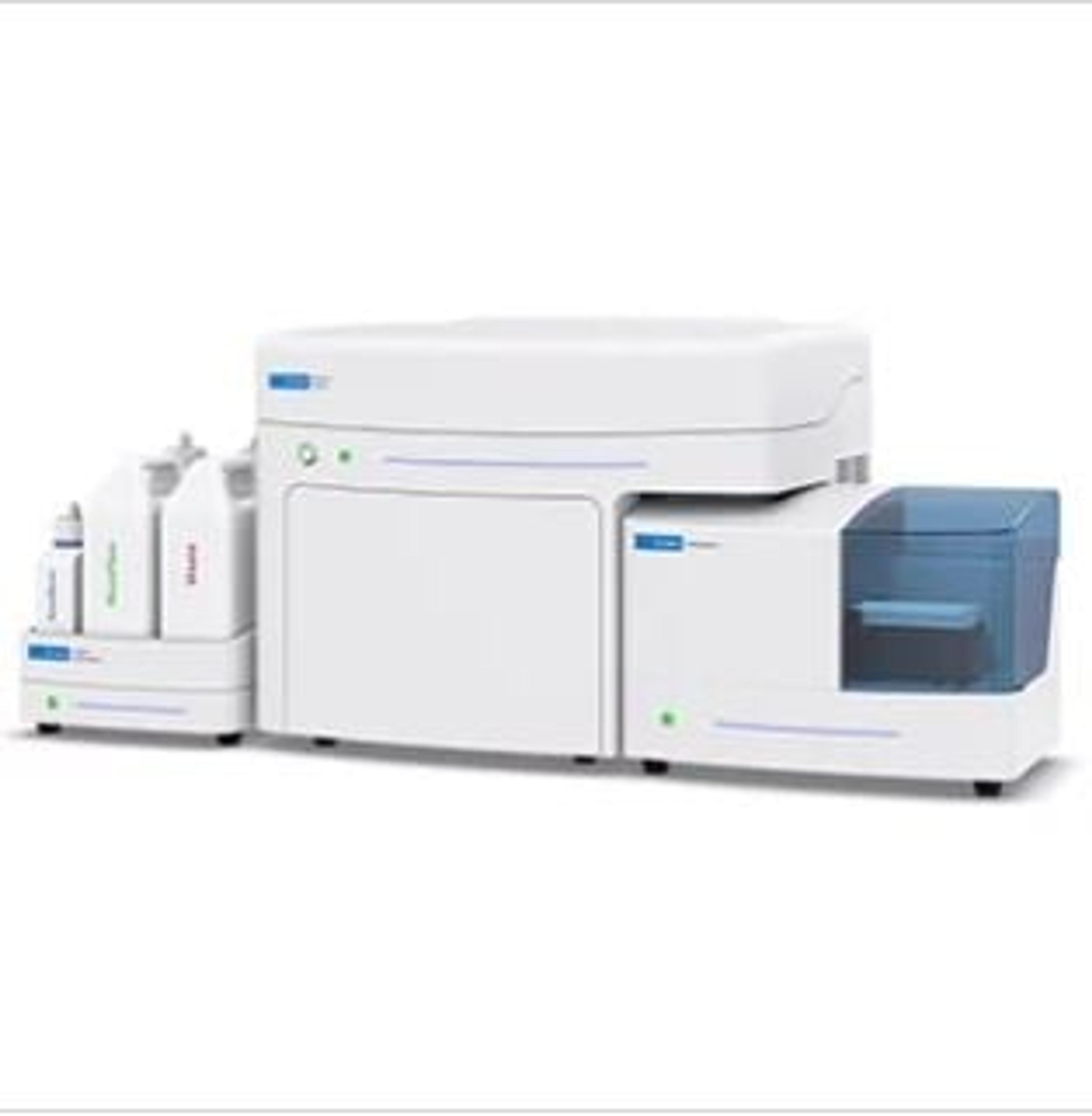
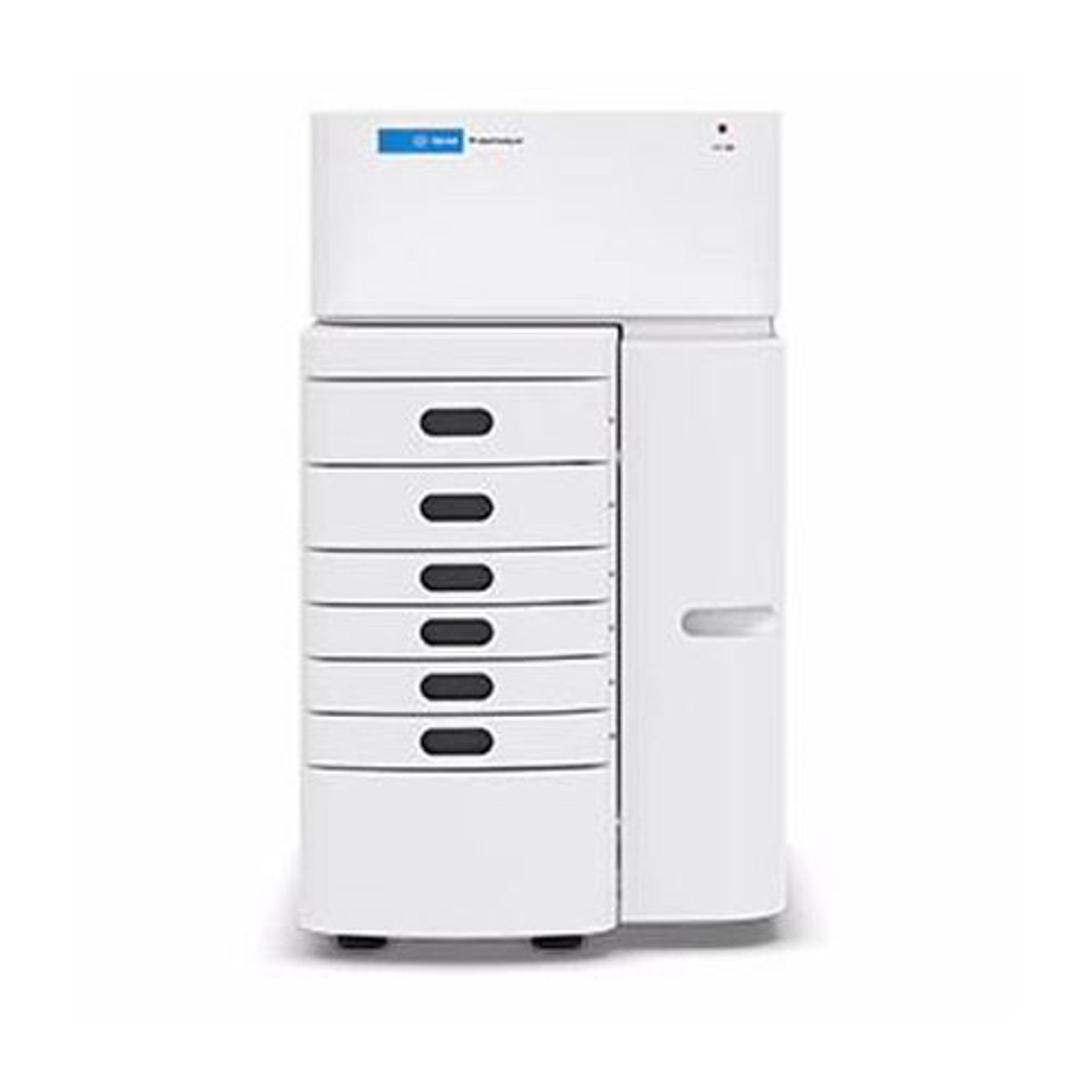
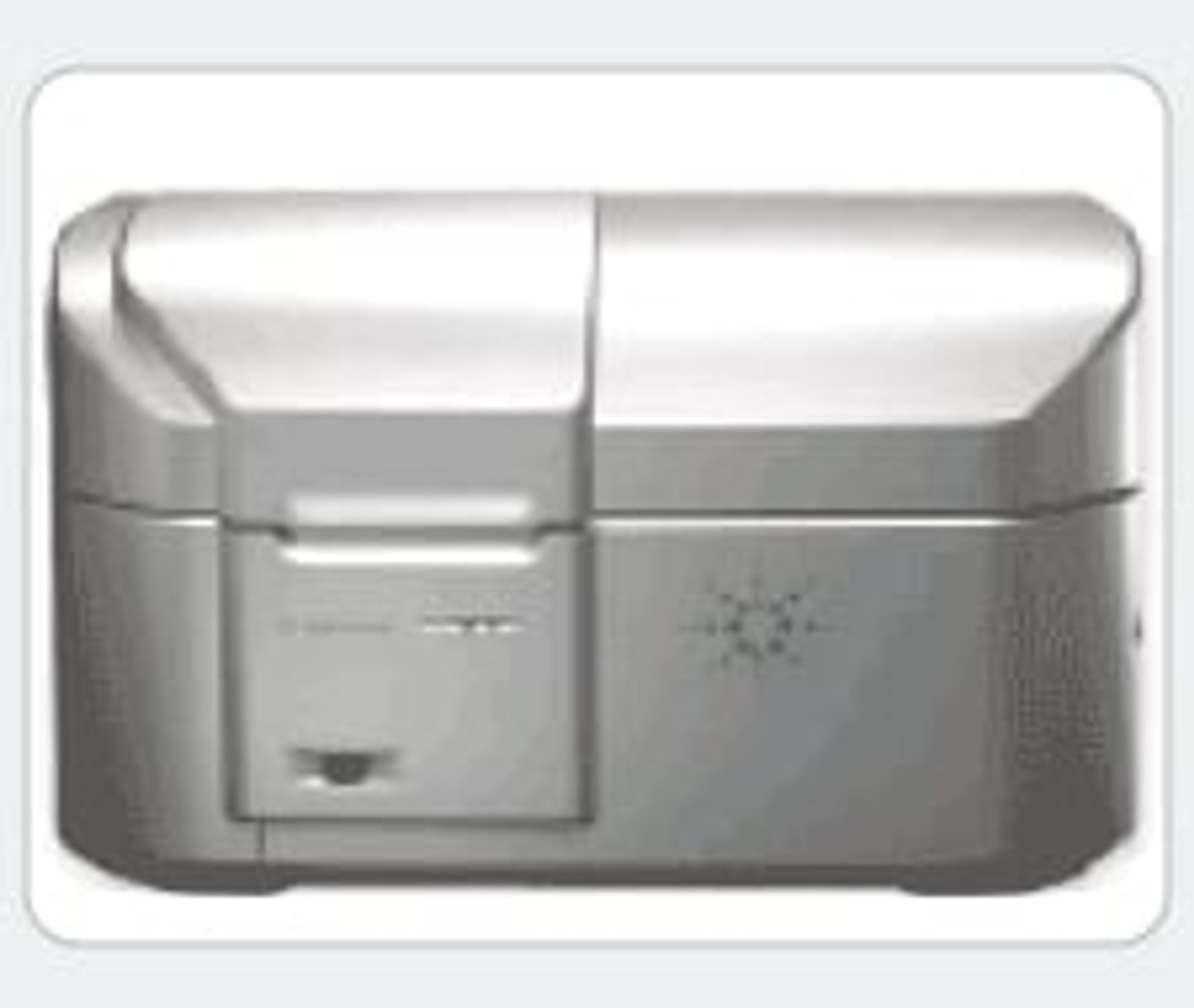
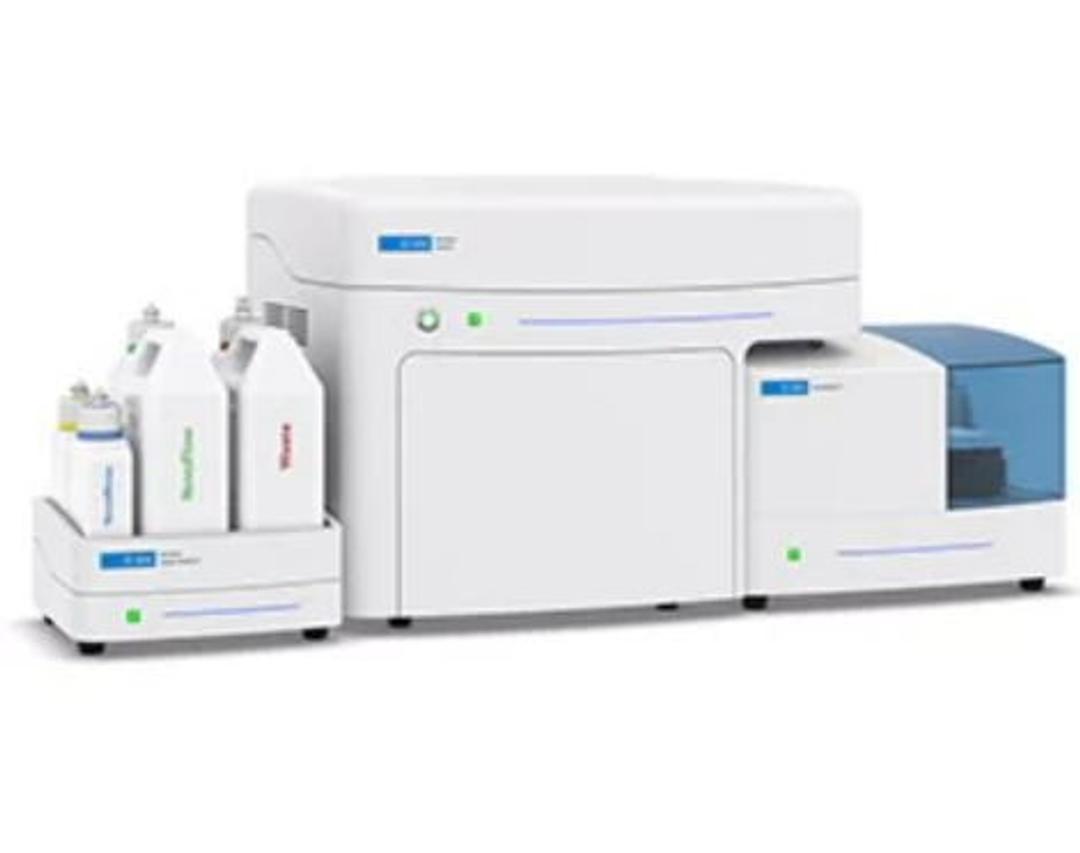
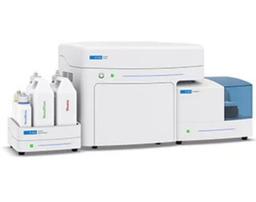
The NovoCyte Penteon flow cytometer builds on its successful predecessor, the NovoCyte, and provides an expanded set of capabilities that accommodate today’s high-end and increasingly sophisticated multi-color flow cytometry assays. You now have the flexibility to choose from up to 30 fluorescence channels utilizing up to 5 lasers with up to 30 independent detectors. The NovoSampler Q can be integrated into different laborator…

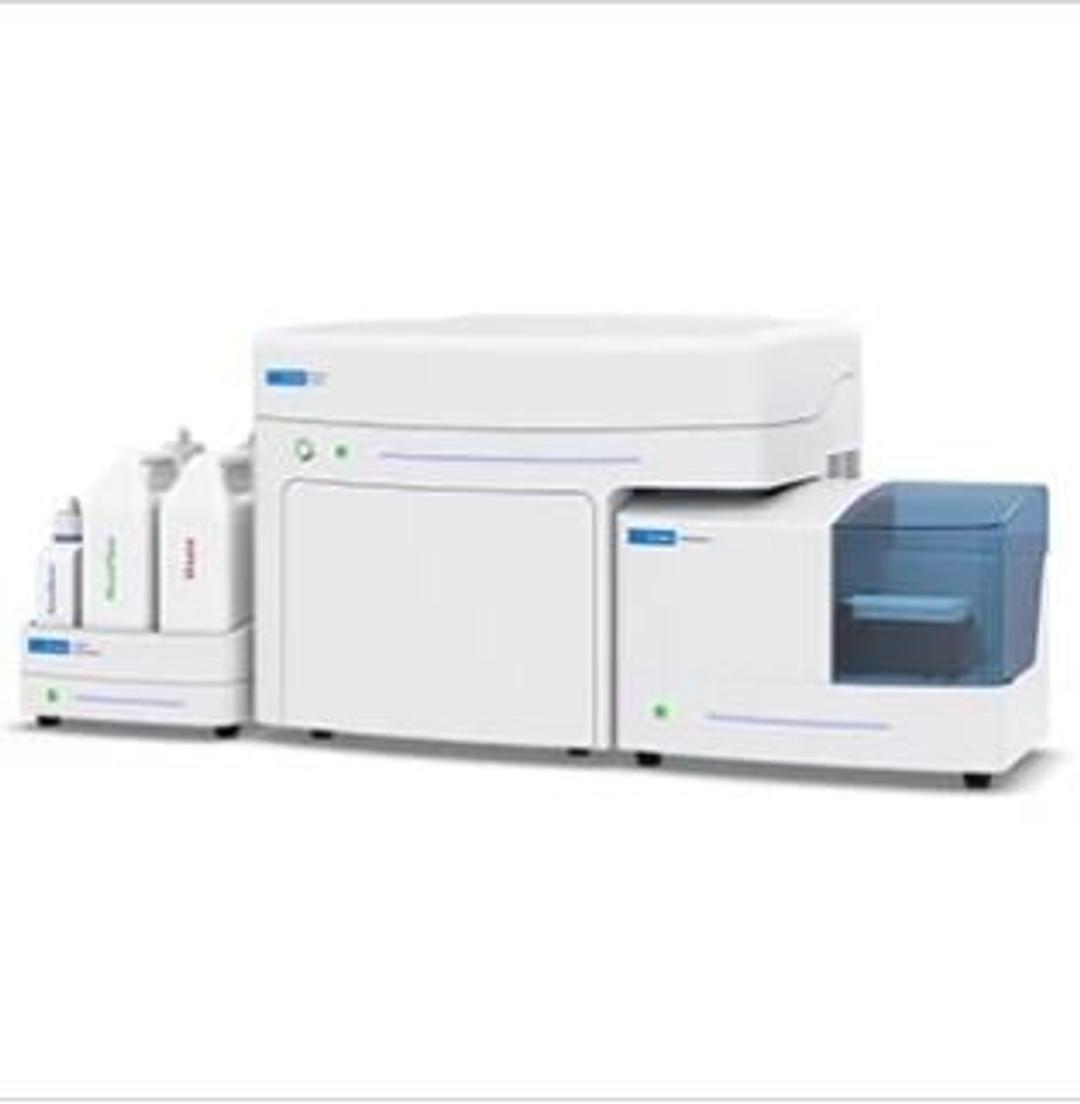
NovoCyte Penteon

Receive your quote directly from the manufacturer.
The NovoCyte Penteon flow cytometer builds on its successful predecessor, the NovoCyte, and provides an expanded set of capabilities that accommodate today’s high-end and increasingly sophisticated multi-color flow cytometry assays. You now have the flexibility to choose from up to 30 fluorescence channels utilizing up to 5 lasers with up to 30 independent detectors. The NovoSampler Q can be integrated into different laboratory automation platforms and efficiently processes both FACS tubes (using a 40-tube rack) and 24-, 48-, 96-, and 384-well plates. The intuitive and industry-leading NovoExpress software has been further advanced, providing an exceptional user experience in data acquisition, analysis, and reporting.

Comprehensive immunophenotyping of peripheral human whole blood
Multiparameter flow cytometry is a powerful tool to monitor and characterize immune cell subsets. High-dimensional analysis of immune cells provides in-depth information on the state of the immune system at homeostasis or in response to stimulation. In this application note, learn more about a 24-color immunophenotyping panel for the five-laser Agilent NovoCyte Penteon flow cytometer which was designed for human peripheral blood to characterize the major immune cell subsets, providing a comprehensive overview of immune cell status.

Rewiring the metabolism of CAR-T cells
Join Professor Mercedes Rincon, University of Colorado Anschutz School of Medicine, as she discusses the groundbreaking advancements in adoptive T cell therapy, particularly chimeric antigen receptor (CAR) T cell therapy. While CAR-T therapy has achieved impressive complete remission rates in 60–90% of patients with relapsed/refractory B-cell acute lymphoblastic leukemia (r/r-B-ALL), challenges such as treatment failures and relapses remain significant obstacles.
Metabolism plays a critical role in T cell function, shaping immune responses. While glycolysis is essential for T cell expansion, it can restrict the self-renewal capacity of CAR-T cells during manufacturing. Mitochondrial respiration is vital for their survival and effectiveness. Recent findings have highlighted MCJ, a protein that negatively regulates mitochondrial function in CD8 cells. Loss of MCJ enhances mitochondrial respiration, cytokine secretion, and anti-tumor activity. Targeting MCJ to boost mitochondrial metabolism presents a promising strategy to enhance the efficacy of CAR-T cells and advance adoptive T cell therapies.
Key learning objectives
- Understand the current landscape of adoptive T-cell therapy
- Explain the role of metabolism in T cell function, highlighting the significance of glycolysis and mitochondrial respiration in enhancing CAR-T cell efficacy
- Identify the potential of MCJ as a therapeutic target to improve mitochondrial metabolism, cytokine secretion, and overall effectiveness of CAR-T cell therapies
Who should attend?
- Researchers and scientists specializing in CAR T-cell therapy, immunotherapy development, cell metabolism, glycolysis, and mitochondrial respiration.
Certificate of attendance
All webinar participants can request a certificate of attendance, including a learning outcomes summary, for continuing education purposes.

Meet the winners of the 2021 Scientists’ Choice Awards for Life Sciences
Scientific, technological and communications excellence has been celebrated at the Virtual Cancer and Immunology Research Summit, with Logos Biosystems, INTEGRA Biosciences and Sartorius among those recognized