NovoCyte Opteon Spectral Flow Cytometer Systems 3-5 Lasers RUO
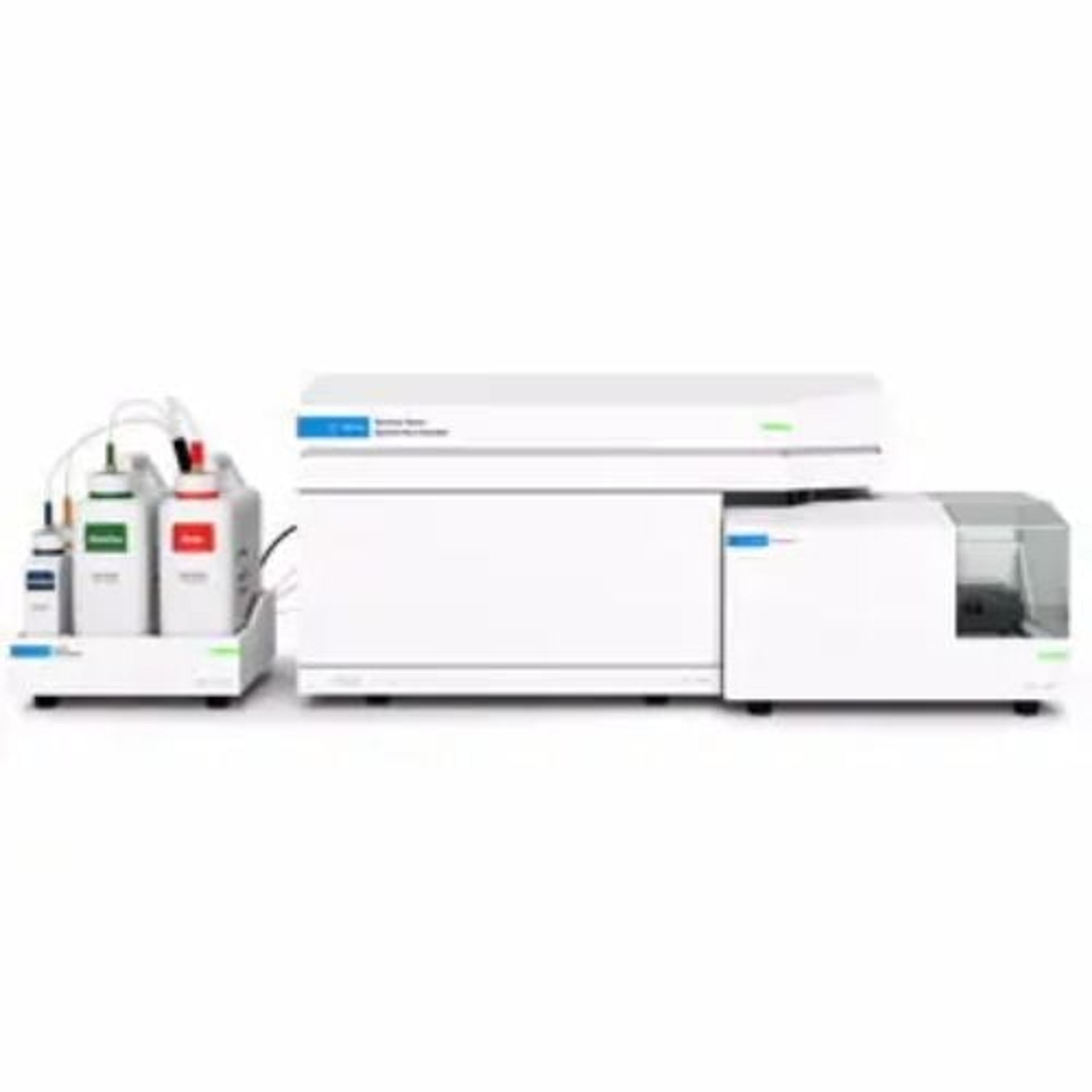
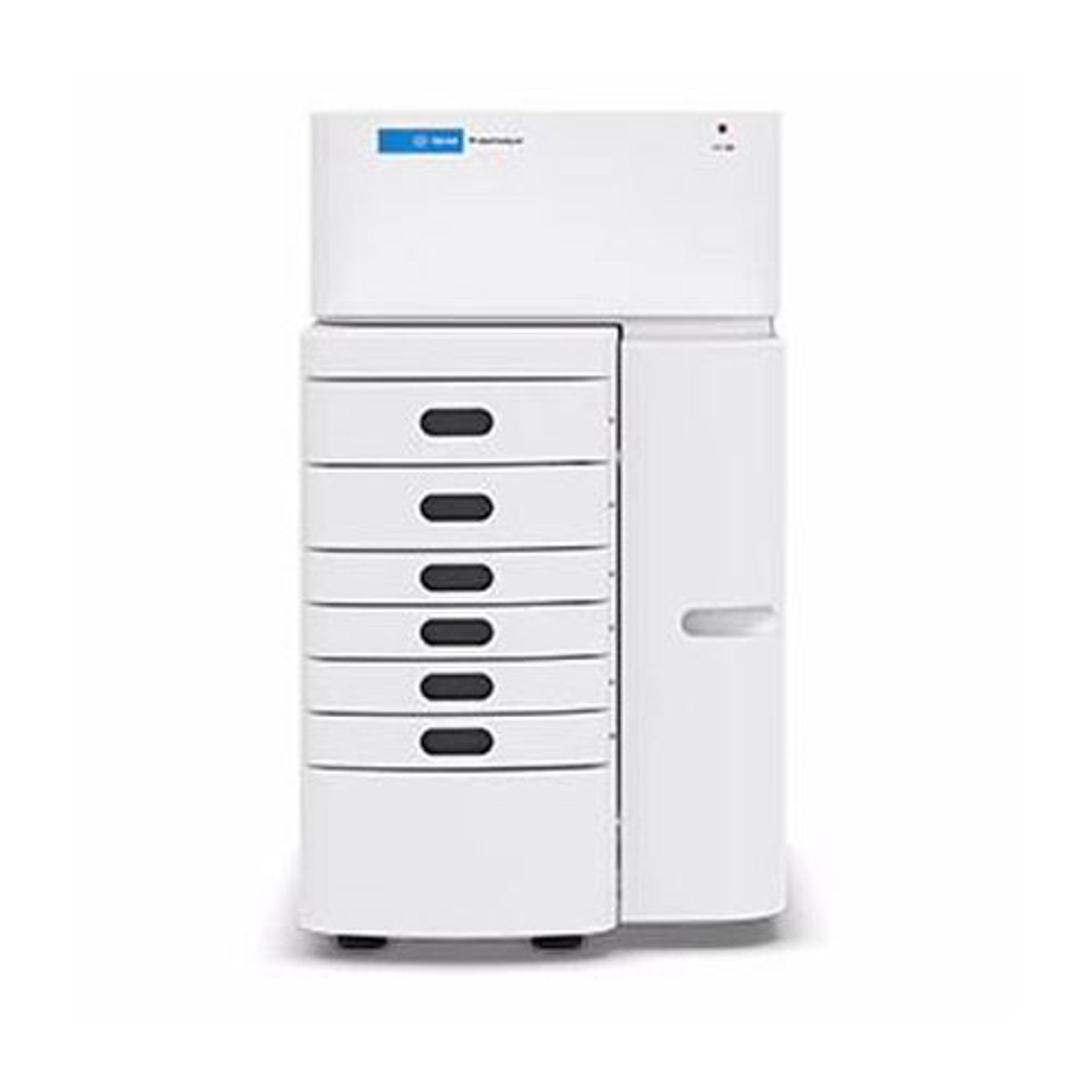
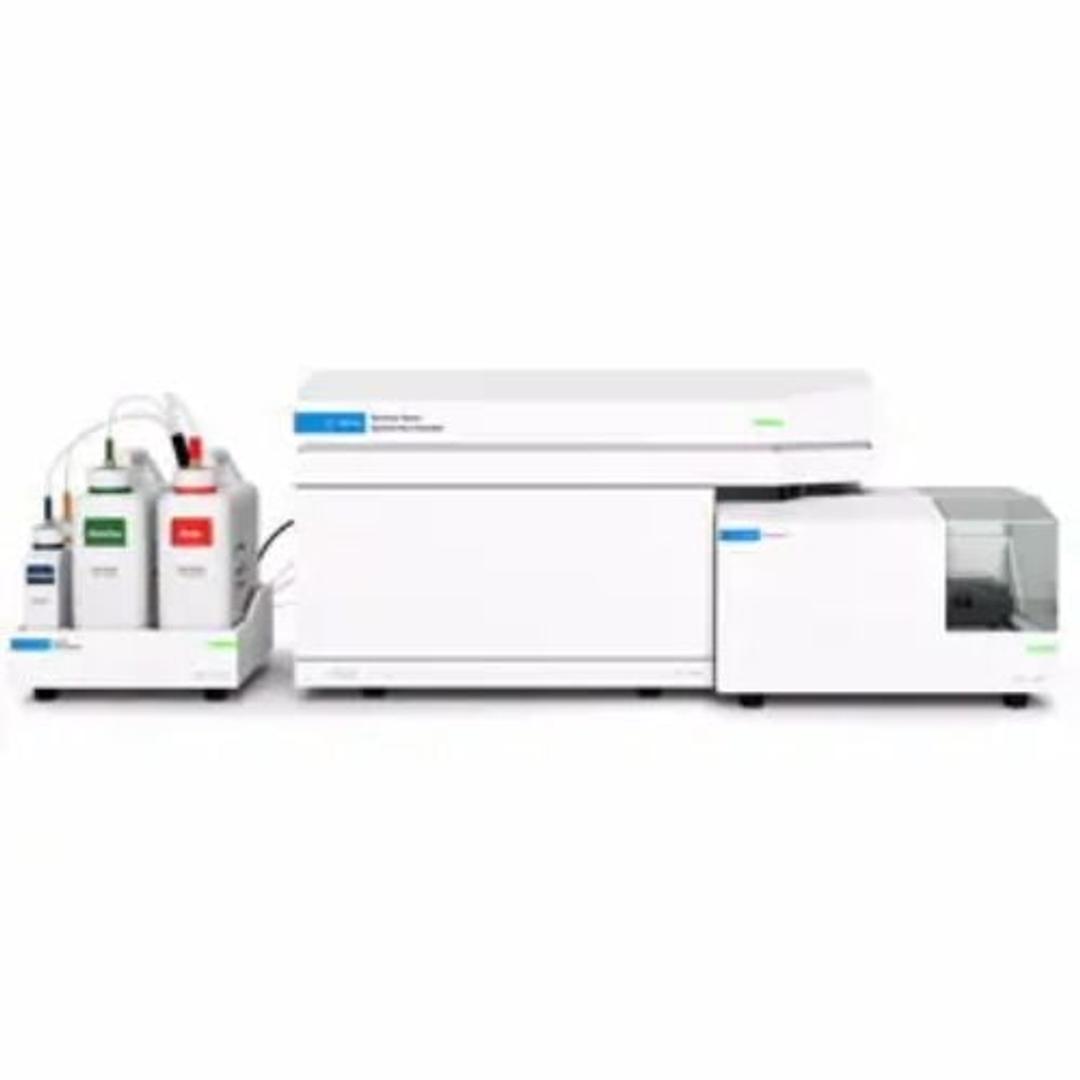
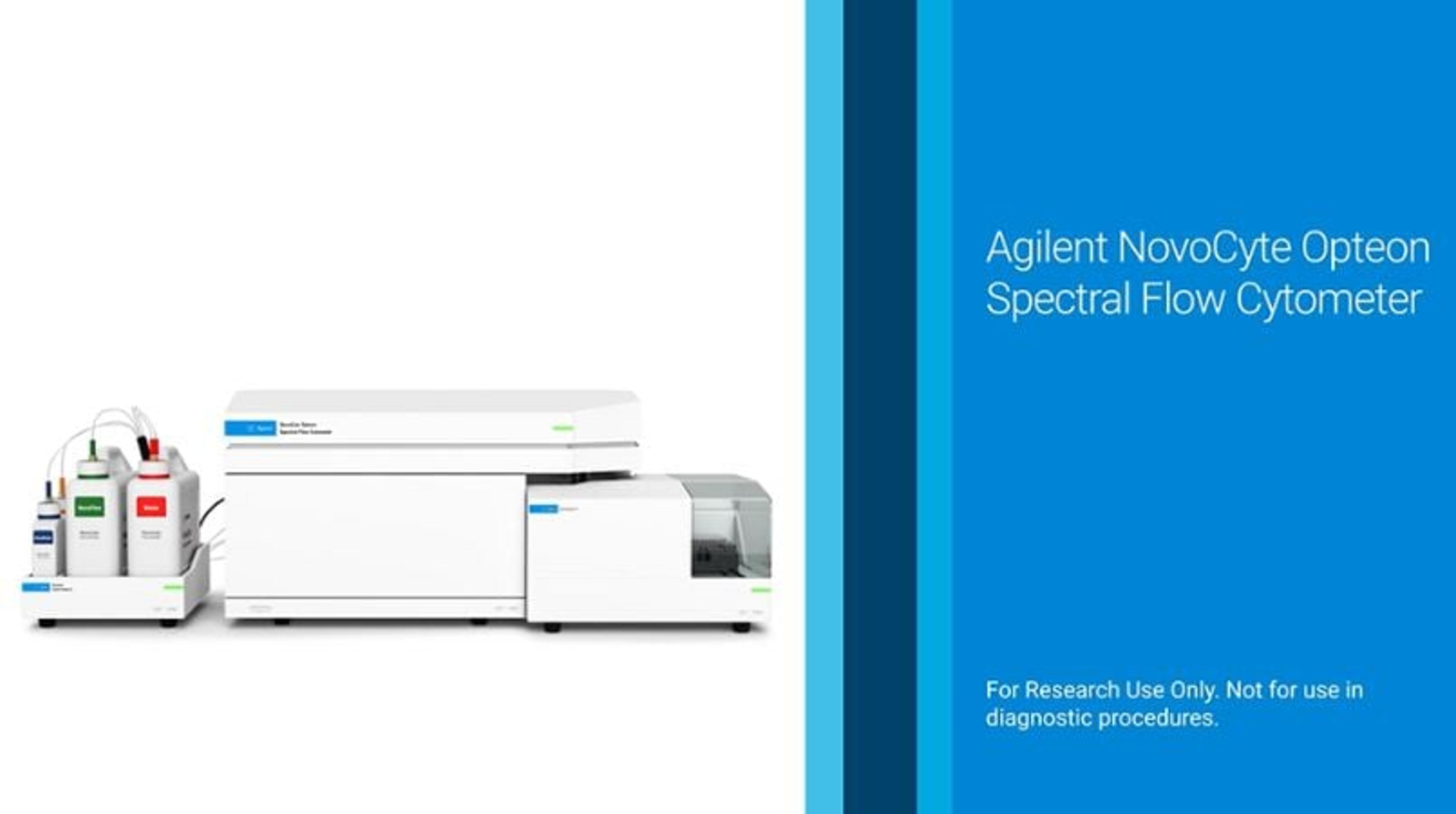
The NovoCyte Opteon spectral flow cytometer is a new, cutting-edge spectral flow cytometry solution designed to revolutionize your cell analysis research.



Receive your quote directly from the manufacturer.
Spectral and Sall Extracellular Vessicle POWERHOUSE
Small Particle Analysis
The Opteon is one of the finest cytometers I have ever used. User friendly software makes the transition from traditioinal to spectral cytometry a breeze for new users. The instrument is one of the best available for small extracellular vessicles, both in sensitivity and fluidics. The system does an amazing job of cleaning, requiring minimal time between running cells and SEV, compared to other competitors. In the market for a new cytometer? Do not purchase without checking out the Opteon!
Review Date: 3 Oct 2025 | Agilent Technologies
Great machine!
Immunology
User-friendly, sturdy and top-quality flow machine. Must have in an immunology laboratory.
Review Date: 11 Jan 2025 | Agilent Technologies
Great value
Immunology
Great instrument, easy to use and train students, low maintenance required, very happy with the purchasing and usage!
Review Date: 6 Jan 2025 | Agilent Technologies
Awesome sturdy flow equipment
Immunology and Inflammation
Sturdy, low maintenance machine, user friendly, multi-color capabilities, compatible with FlowJo, low cost due to use of milliQ water as sheath fluid. Overall experience has been fantastic!
Review Date: 19 Nov 2024 | Agilent Technologies
The NovoCyte Opteon boasts up to 5 lasers and 73 detectors, a proprietary optics design, and advanced electronics, enabling it to deliver data with high resolution and sensitivity. The wide dynamic range for both fluorescence detection and particle size measurement helps streamline experimental workflows. On-board temperature control, electronics, and fluidics sensor circuitry provide real-time instrument status monitoring and ensure consistent, reliable data acquisition in different ambient environments.
Additionally, the intuitive and industry-leading NovoExpress software has been further advanced, providing an exceptional data acquisition, analysis, and reporting user experience.
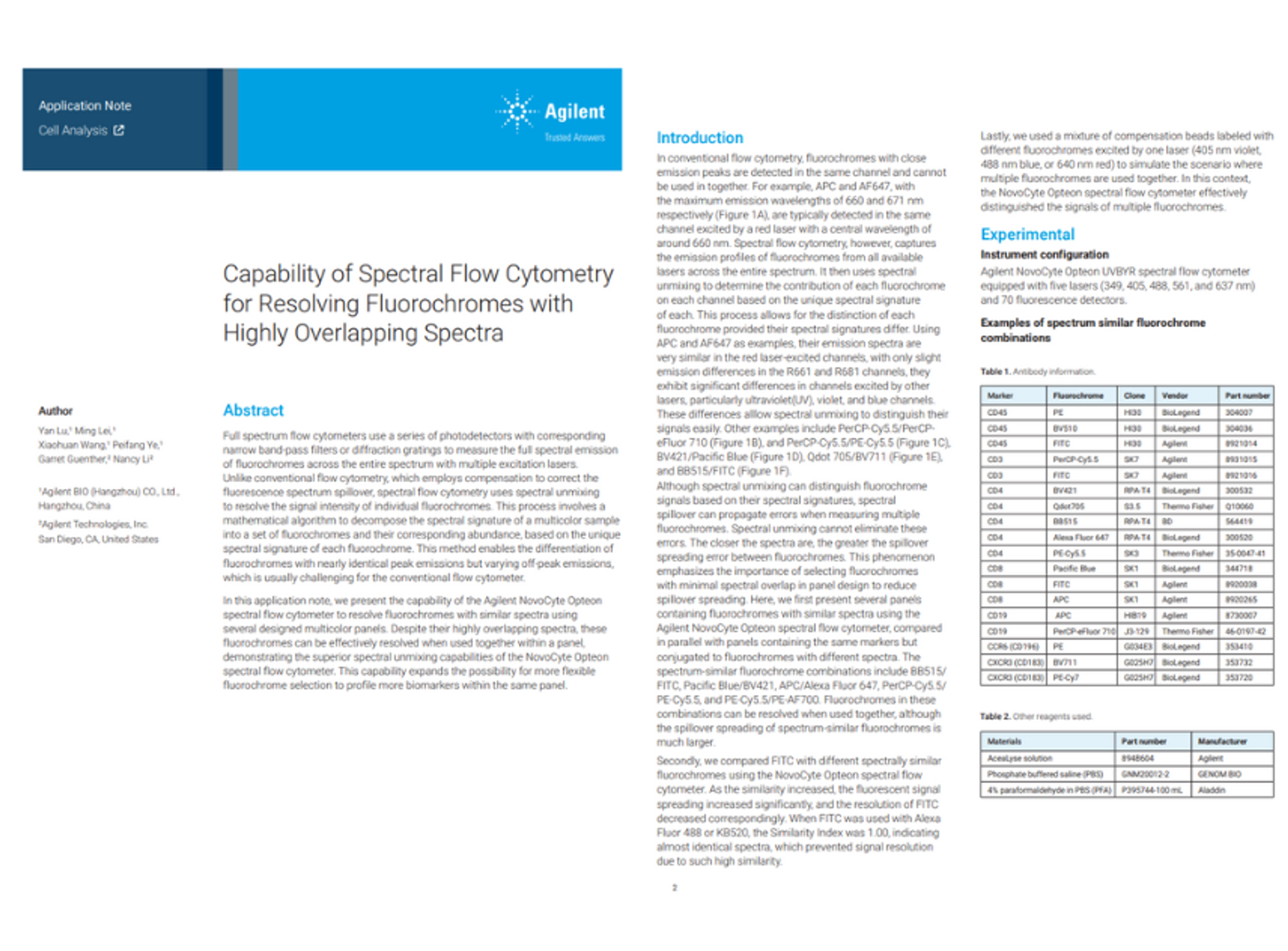
Capability of spectral flow cytometry for resolving fluorochromes with highly overlapping spectra
This application note highlights the Agilent NovoCyte Opteon spectral flow cytometer’s ability to resolve fluorochromes with highly overlapping spectra using carefully designed multicolor panels. Its advanced spectral unmixing capabilities enable effective separation of similar fluorochromes, allowing for greater flexibility in fluorochrome selection and expanded biomarker profiling within a single panel.

Spectral flow cytometry poster bundle
Explore best practices and innovations in spectral flow cytometry for immunophenotyping assays. In this poster bundle, Agilent presents advanced techniques to optimize panel design, autofluorescence subtraction, and fluorochrome resolution using the NovoCyte Opteon platform.
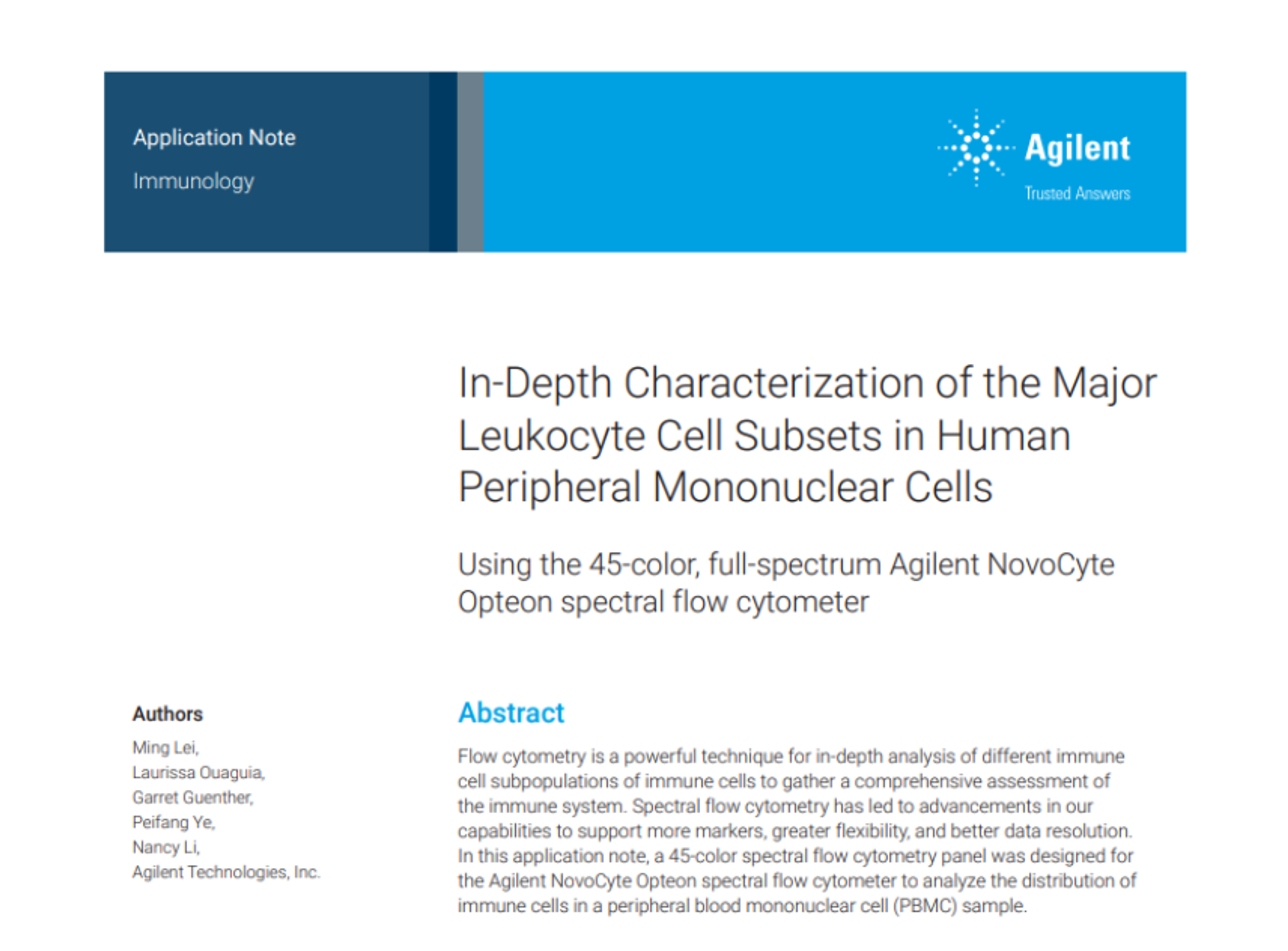
In-depth characterization of the major leukocyte cell subsets in human peripheral mononuclear cells
Flow cytometry is a powerful technique for in-depth analysis of different immune cell subpopulations of immune cells to gather a comprehensive assessment of the immune system. Spectral flow cytometry has led to advancements in our capabilities to support more markers, greater flexibility, and better data resolution. Agilent Technologies describes how a 45-color spectral flow cytometry panel was designed for the Agilent NovoCyte Opteon spectral flow cytometer to analyze the distribution of immune cells in a peripheral blood mononuclear cell (PBMC) sample.

Rewiring the metabolism of CAR-T cells
Join Professor Mercedes Rincon, University of Colorado Anschutz School of Medicine, as she discusses the groundbreaking advancements in adoptive T cell therapy, particularly chimeric antigen receptor (CAR) T cell therapy. While CAR-T therapy has achieved impressive complete remission rates in 60–90% of patients with relapsed/refractory B-cell acute lymphoblastic leukemia (r/r-B-ALL), challenges such as treatment failures and relapses remain significant obstacles.
Metabolism plays a critical role in T cell function, shaping immune responses. While glycolysis is essential for T cell expansion, it can restrict the self-renewal capacity of CAR-T cells during manufacturing. Mitochondrial respiration is vital for their survival and effectiveness. Recent findings have highlighted MCJ, a protein that negatively regulates mitochondrial function in CD8 cells. Loss of MCJ enhances mitochondrial respiration, cytokine secretion, and anti-tumor activity. Targeting MCJ to boost mitochondrial metabolism presents a promising strategy to enhance the efficacy of CAR-T cells and advance adoptive T cell therapies.
Key learning objectives
- Understand the current landscape of adoptive T-cell therapy
- Explain the role of metabolism in T cell function, highlighting the significance of glycolysis and mitochondrial respiration in enhancing CAR-T cell efficacy
- Identify the potential of MCJ as a therapeutic target to improve mitochondrial metabolism, cytokine secretion, and overall effectiveness of CAR-T cell therapies
Who should attend?
- Researchers and scientists specializing in CAR T-cell therapy, immunotherapy development, cell metabolism, glycolysis, and mitochondrial respiration.
Certificate of attendance
All webinar participants can request a certificate of attendance, including a learning outcomes summary, for continuing education purposes.
Evaluation of the new Agilent NovoCyte Opteon spectral flow cytometer
The Fluorescence Activated Cell Sorting (FACS) Core Facility at the Aarhus University has received international recognition for its expert support for cell sorting and flow cytometry analysis.Dr. Charlotte Petersen, Head of FACS Core Facility, manages a wide variety of users and innovative instrumentation. Recently, Dr. Petersen had the opportunity to expand the core's offering and evaluate the new Agilent NovoCyte Opteon spectral flow cytometer at her facility. In this expert webinar, she will share her experience on the instrumentation, data acquisition, and data analysis.
Key learning objectives
- Introduction to spectral flow cytometry
- Overview of the NovoCyte Opteon spectral flow cytometer
- Evaluation of the NovoCyte Opteon performance in a flow core facility
Who should attend?
- Anybody using flow cytometry and interested in new flow cytometry technologies as well as anybody advanced in flow cytometry techniques
Certificate of attendance
All webinar participants can request a certificate of attendance, including a learning outcomes summary, for continuing education purposes.
Experience high-quality cell analysis
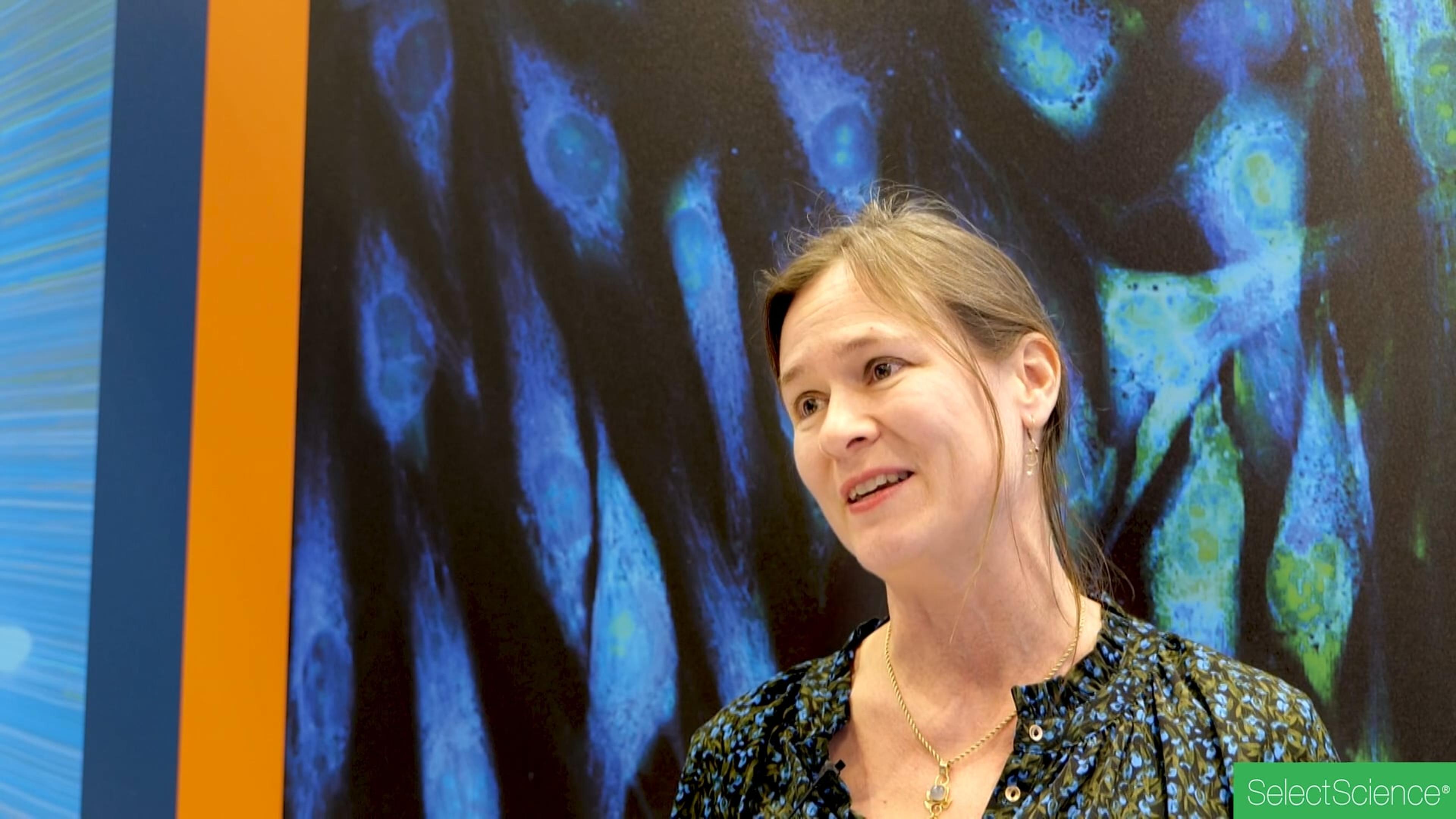
In this video, Dr. Charlotte Petersen, Head of the FACS Core Facility at Aarhus University, shares her beta-testing experience with the NovoCyte Opteon spectral flow cytometer, highlighting its ease of use. Additionally, Garret Guenther, Senior Product Manager at Agilent, discusses how this technology offers user-friendly software, high-quality data, and compliance, revolutionizing cell analysis research. The NovoCyte Opteon enables easy data collection across the spectrum and is ideal for high-parameter experiments.
This video was filmed at CYTO 2024.
The NovoCyte Opteon spectral flow cytometer
Agilent introduces the NovoCyte Opteon spectral flow cytometer, a new, cutting-edge spectral flow cytometry solution designed to revolutionize cell analysis research. The NovoCyte Opteon has up to five lasers and 73 detectors, a proprietary optics design, and advanced electronics, enabling it to deliver data with high resolution and sensitivity. The wide dynamic range for both fluorescence detection and particle size measurement helps streamline experimental workflows. On-board temperature control, electronics, and fluidics sensor circuitry provide real-time instrument status monitoring and ensure consistent, reliable data acquisition in different ambient environments.

Drug Discovery & Development Scientists’ Choice Award 2025 winners announced
Agilent, Tecan, and Cytiva among those recognized

Vote for the Best New Drug Discovery & Development Product in the Scientists’ Choice Awards 2025
For the chance to win a $100 Amazon Gift Card cast your vote for the new product that has made the most difference to research