MILLIPLEX MAP Human Stem Cell Pluripotency Magnetic Bead Panel 2 - Stem Cell Multiplex Assay
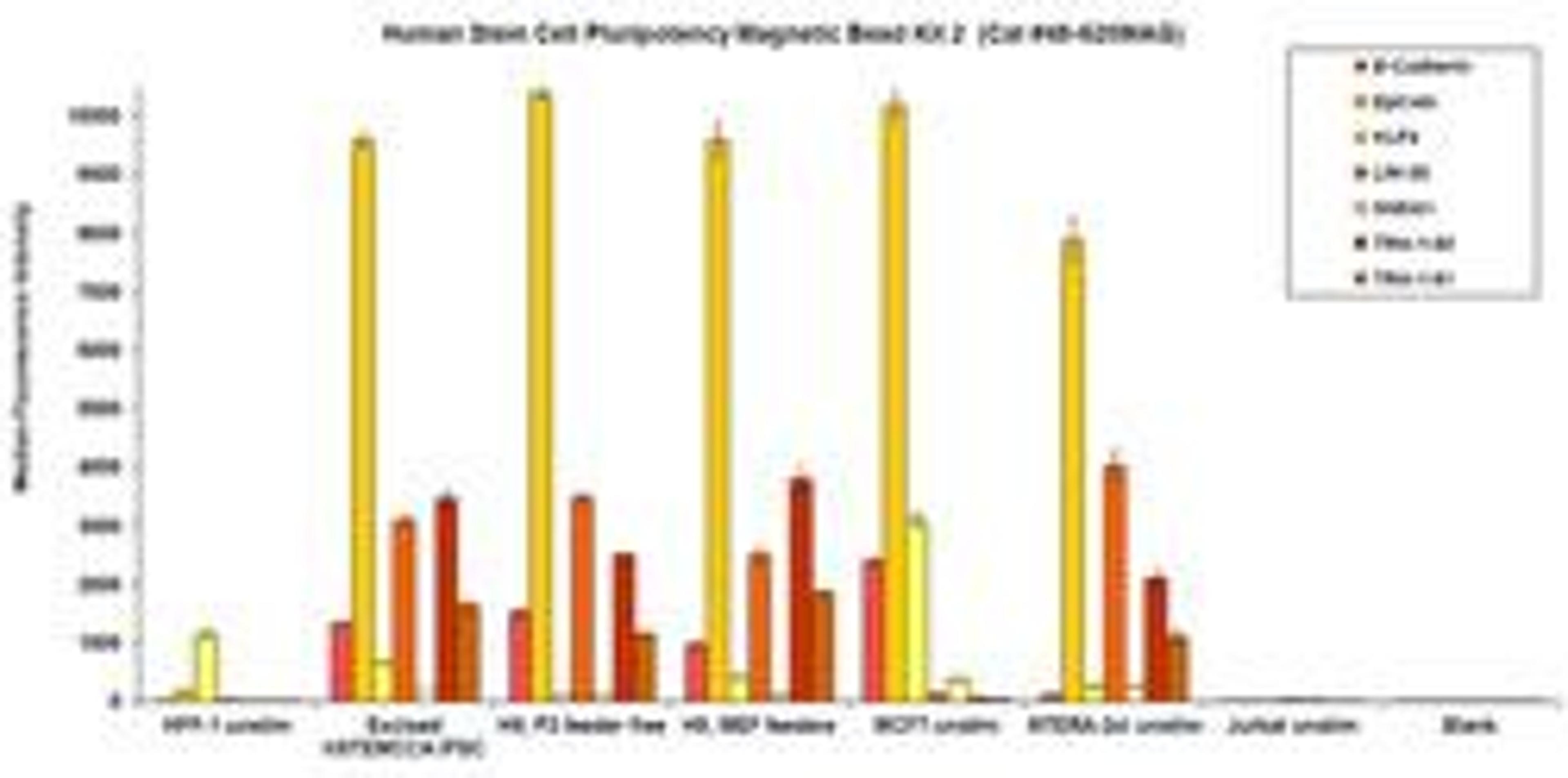
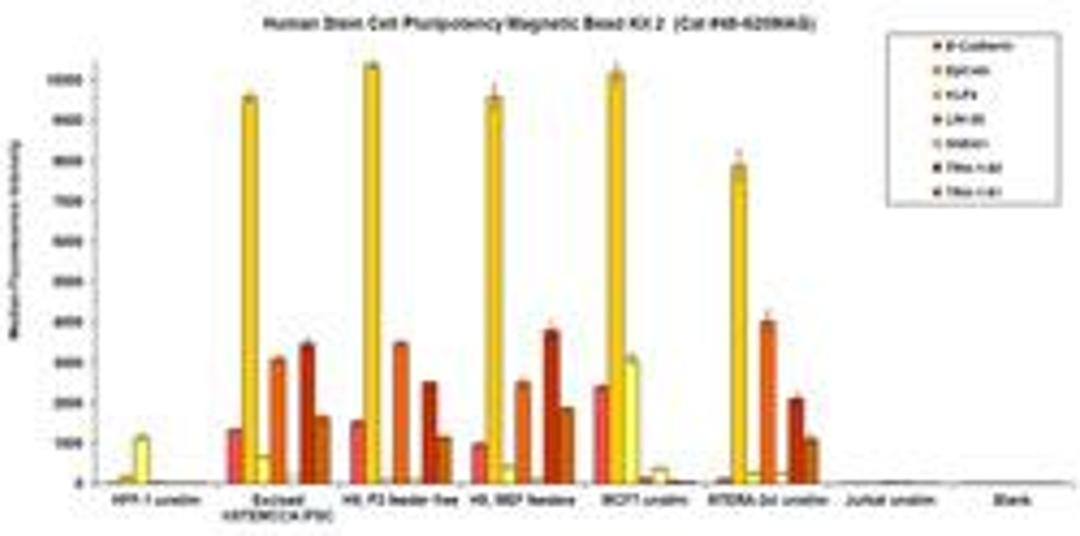
Product Overview: The MILLIPLEX® Human Stem Cell Pluripotency Magnetic Bead Kit 2 (Cat. No. 48-620MAG) is a premixed kit to be used for the simultaneous quantification of the following 7 analytes in cell lysates: E-Cadherin, EpCam, KLF4, LIN-28, and the glycostructures TRA-1-60, TRA-1-81 and SSEA1. The detection assay is a rapid, convenient alternative to Western Blotting and immunoprecipitation procedures. Each kit has suffic…

The supplier does not provide quotations for this product through SelectScience. You can search for similar products in our Product Directory.
Product Overview: The MILLIPLEX® Human Stem Cell Pluripotency Magnetic Bead Kit 2 (Cat. No. 48-620MAG) is a premixed kit to be used for the simultaneous quantification of the following 7 analytes in cell lysates: E-Cadherin, EpCam, KLF4, LIN-28, and the glycostructures TRA-1-60, TRA-1-81 and SSEA1. The detection assay is a rapid, convenient alternative to Western Blotting and immunoprecipitation procedures. Each kit has sufficient reagents for one 96-well plate assay.
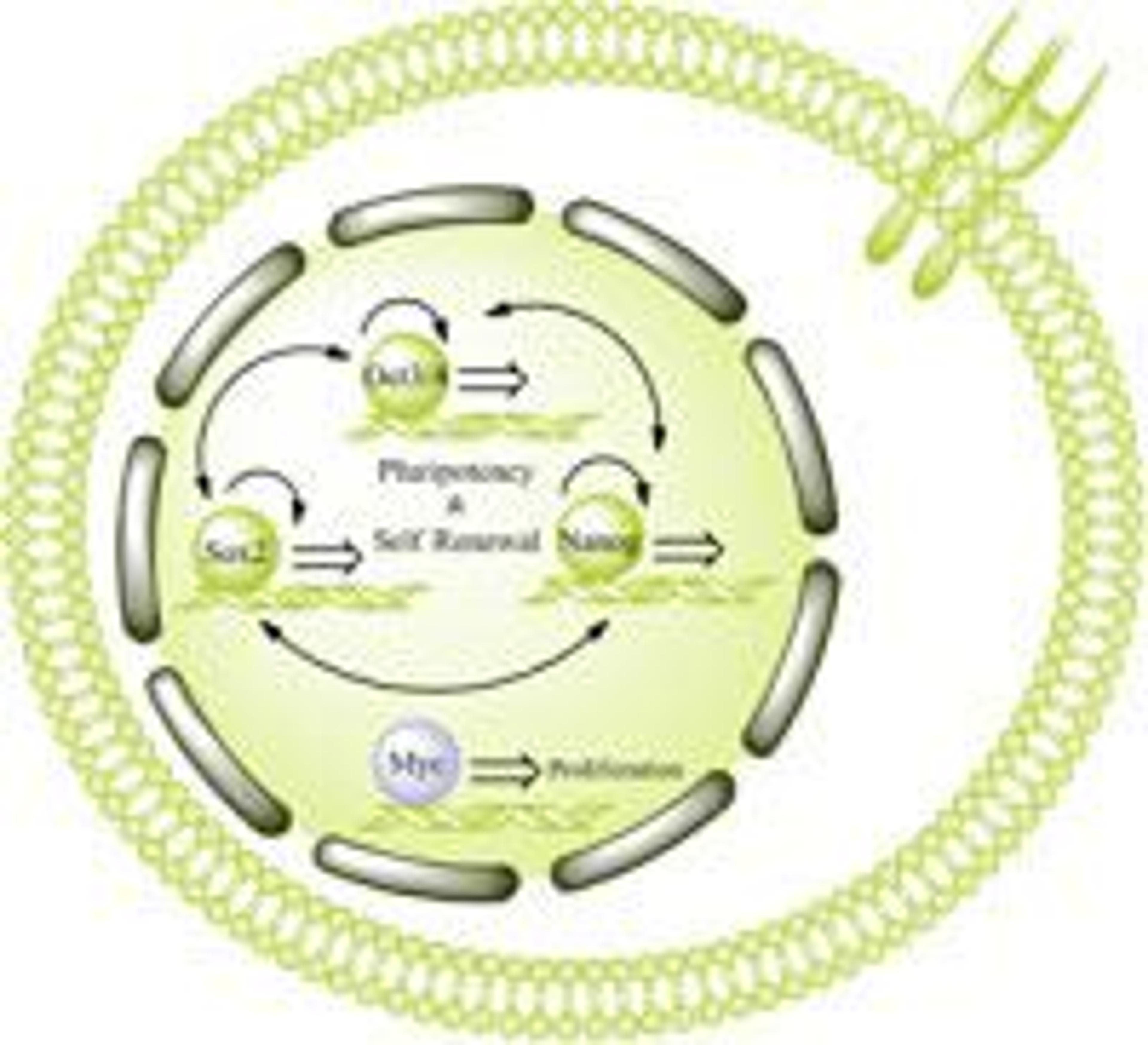
Background Information: The expression of transcription factors, translational regulators and trans-membrane proteins, as well as cell surface glycostructures, play critical roles in the maintenance of pluripotency and self renewal in stem cells and can serve as markers of cell status.
Applications: This MILLIPLEX® MAP Human Stem Cell Pluripotency Magnetic Bead Panel 2 is a Stem Cell Characterization multiplex assay. The analytes available for this multiplex kit are: E-Cadherin, EpCam, KLF4, LIN-28, SSEA1, TRA-1-60, TRA-1-81.
Brochures

SMCxPRO Immunoassay System: Sensitivity You Can Count On
Your research demands flexibility to move from platform to platform and assay to assay. Using single molecule counting (SMC™) technology, MilliporeSigma offers you the ability to take the analysis of your protein of interest down to femtogram/mL levels using the ultrasensitive protein detection SMCxPRO™ platform. This improved level of sensitivity allows for previously undetectable proteins to now be quantified, including endogenous levels.
Multiplex Detection of Stem Cell Pluripotency Markers in Reference Cancer Cell Lines
Several proteins, including Oct 3/4, Sox2, KLF4 and Nanog, play a critical role in the maintenance of pluripotency in stem cells. Overexpression of one or a combination of these factors has been reported in solid tumors from a variety of tissues. The presence of pseudogenes and differentially expressed protein isoforms complicates the accurate detection of the physiologically relevant forms of these proteins in cancer stem cell research. In this poster read about the development of MILLIPLEX® MAP multiplex assays for the simultaneous, specific and sensitive detection of the pluripotency markers Oct 3/4, Sox2, KLF4 and Nanog as well as several other stem cell-relevant proteins in cellular lysates.
Multiplex Pluripotency Analysis of STEMCCA™ Vector-Reprogrammed iPS Cells using MILLIPLEX® MAP Magnetic Bead Assays
For the application of induced pluripotent stem cells (iPSC) and human embryonic stem cells (hESC) in research, it is crucial to characterize the identity and potency status of the pluripotent stem cells by measuring molecular markers during cultivation. This application note describes how MILLIPLEX® MAP multiplexed bead-based immunoassays, which use Luminex® xMAP® technology to provide a complementary assay to flow cytometry, can be used for quickly assessing the potency status of a cell population.

Discover How Multiplex Assays are Advancing Biomedical Research
Top tips to optimize your analyses