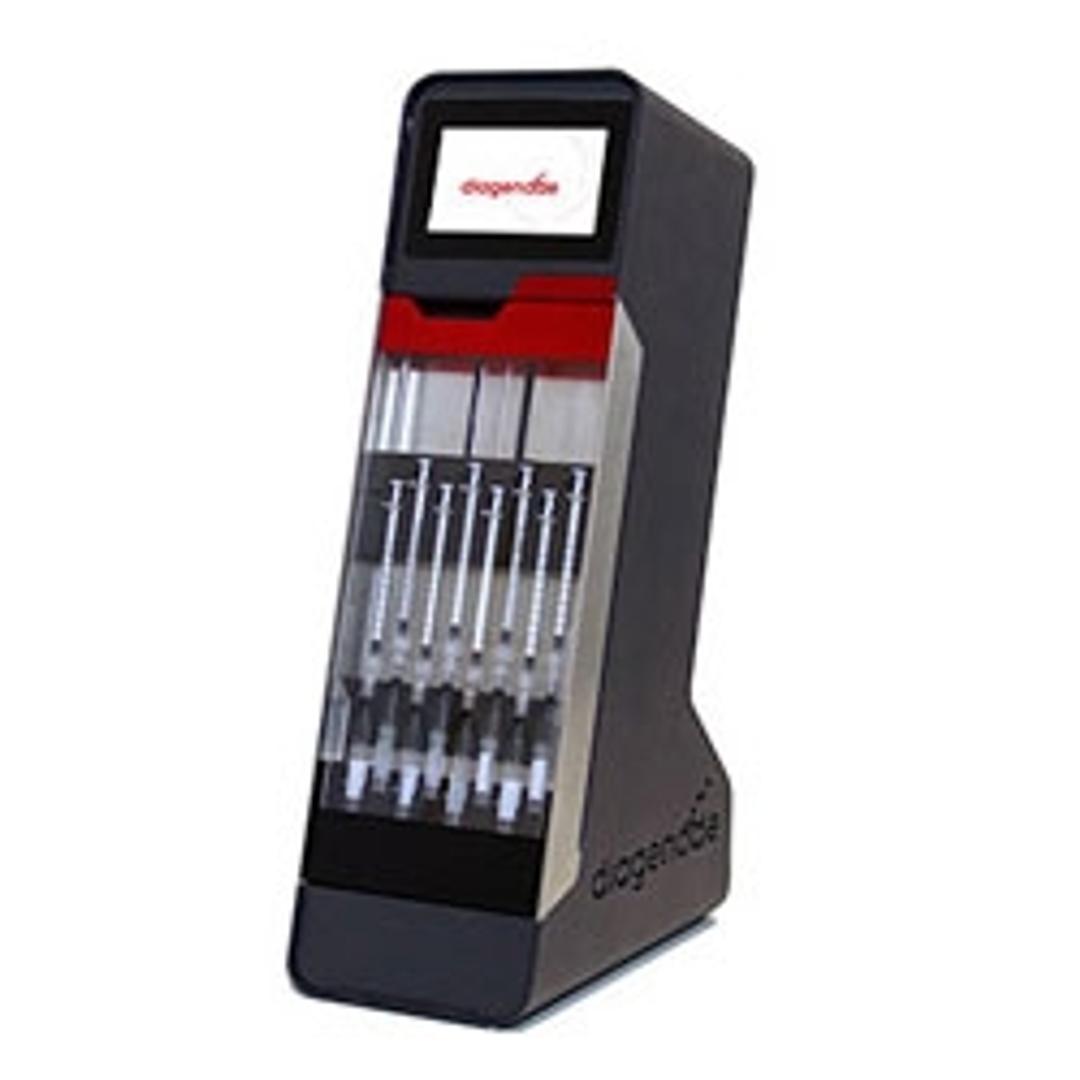
Megaruptor®
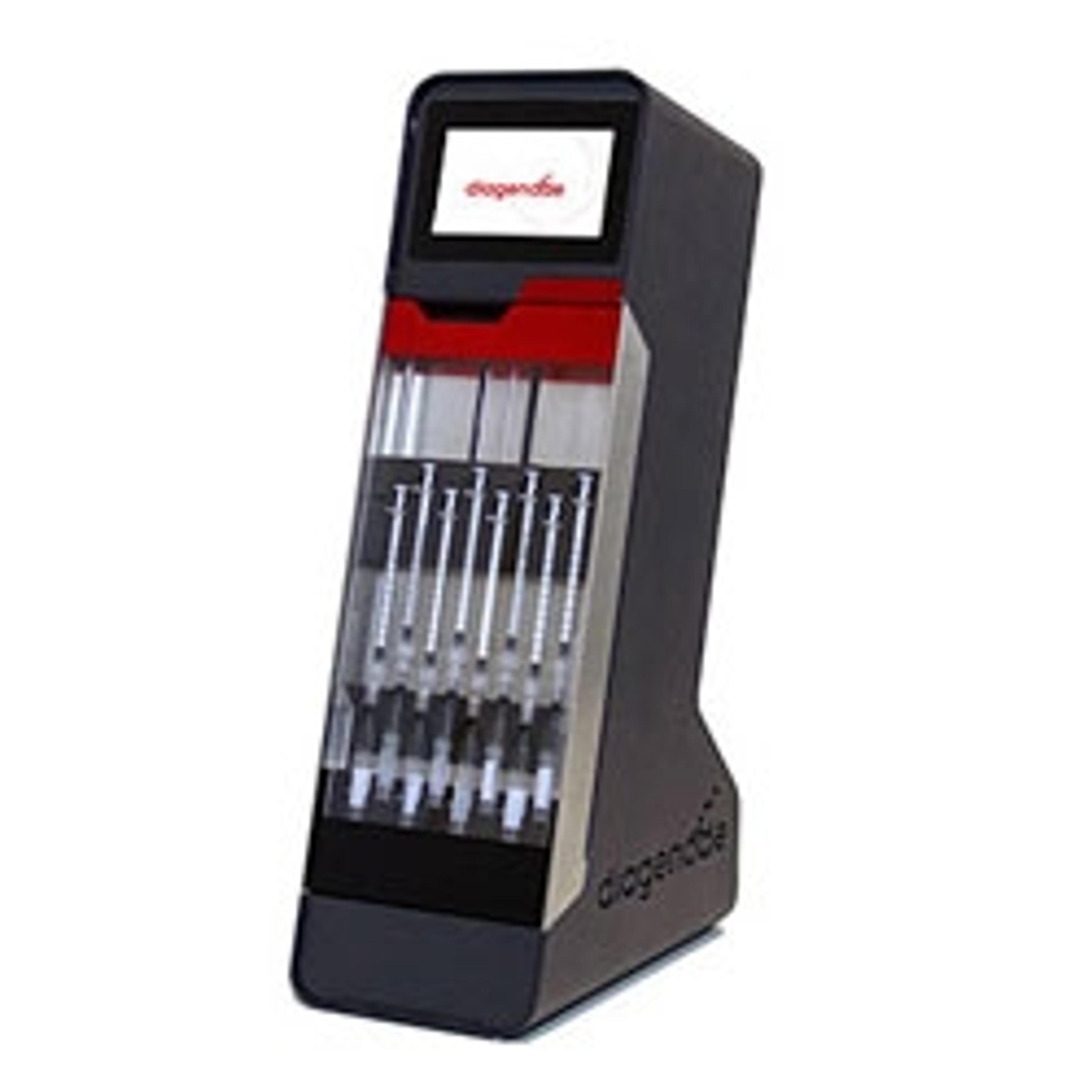
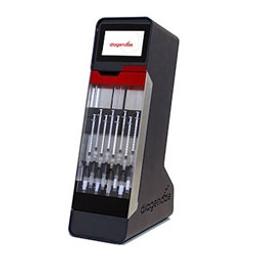
Diagenode’s ultimate solution for long fragment library preparation between 2kb and 75kb– the Megaruptor® fragmentation system. A number of applications for massively parallel sequencing, also known as Next-Generation Sequencing, require libraries of long DNA segments, but few methods have been available for reliably generating fragments greater than 2 kb. The Megaruptor, which has been used by several sequencing centers w…

The supplier does not provide quotations for this product through SelectScience. You can search for similar products in our Product Directory.
absolutely necessary for long read sequencing applications
DNA fragmentation
Absolutely critical for our long read sequencing projects. It's the most effective tool for fragmenting DNA to an appropriate range for projects using high molecular weight DNA such as PacBio and Oxford Nanopore. It's reliable, consistent, and effective
Review Date: 28 Jun 2023 | Diagenode
Diagenode’s ultimate solution for long fragment library preparation between 2kb and 75kb– the Megaruptor® fragmentation system. A number of applications for massively parallel sequencing, also known as Next-Generation Sequencing, require libraries of long DNA segments, but few methods have been available for reliably generating fragments greater than 2 kb.
The Megaruptor, which has been used by several sequencing centers worldwide to produce insert fragment libraries for Illumina, Ion Torrent, and PacBio platforms, utilizes mechanical shearing to generate libraries between 2 kb and 75 kb.
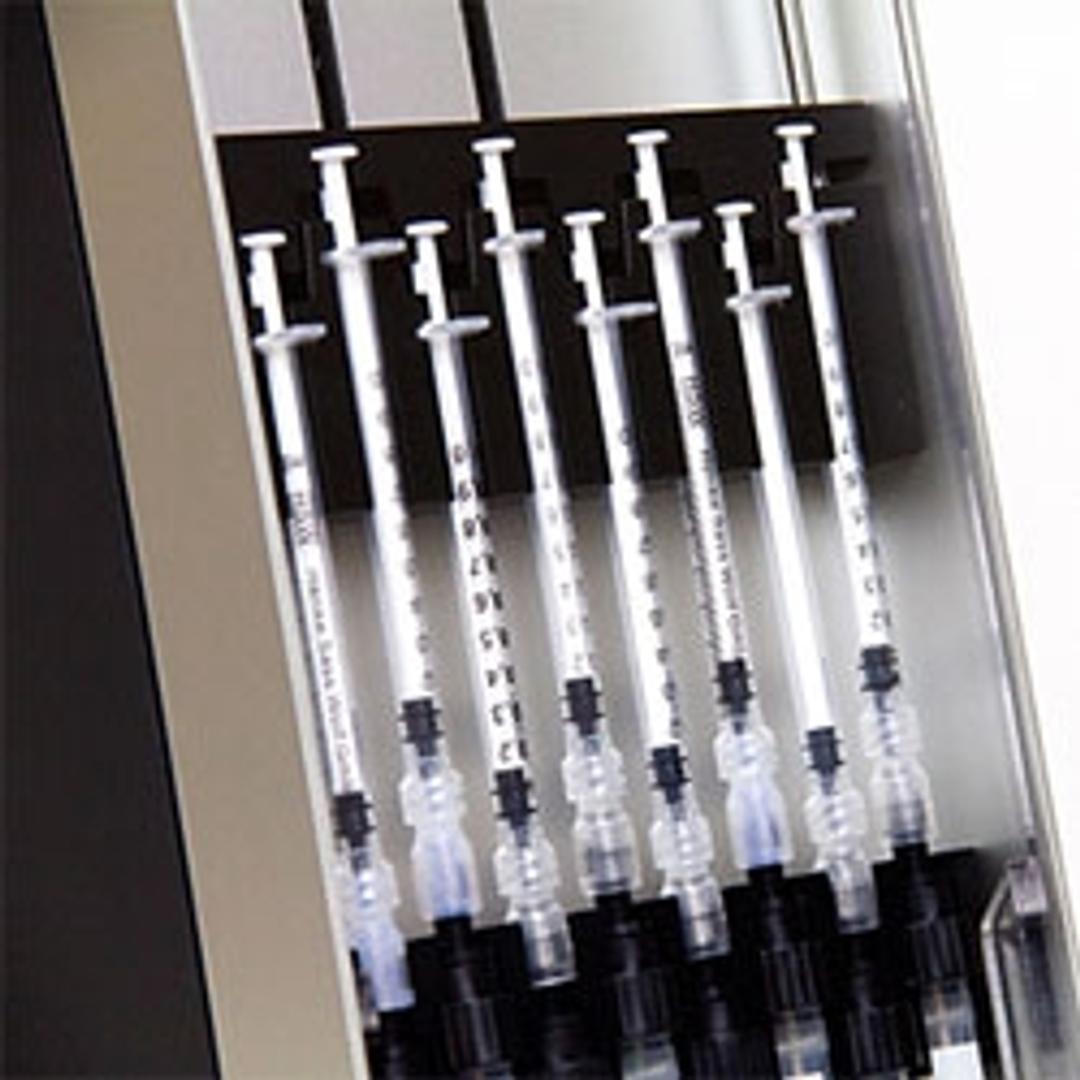
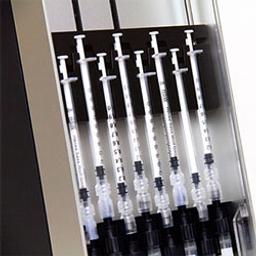
The instrument’s unique feature is the “Hydropore” shearing device that eliminates clogging issues frequently encountered with single orifice shearing devices and includes a disposable element that reduces the potential for cross-contamination.
A common application that requires long insert paired-end DNA libraries is mate pair library preparation, useful for de novo sequencing, detecting structural variants, and identifying rearrangements, duplications, and repeats in the genome.
Features & Benefits:
- Achieve a tight distribution of fragment lengths, easily tuneable to between 2 kb and 75 kb
- Obtain high-quality libraries for Illumina®, Ion Torrent™, and PacBio® platforms
- Process 2 samples in series with walk-away capability
- Alleviate clogging issues typically encountered with single-orifice devices thanks to innovating technology
- Eliminate cross-contamination with disposable element
- Cost-effective solution

Megaruptor® Genomic DNA Shearing for Large Insert Sequencing Library Preparation
This application note describes the use of the Diagenode Megaruptor® for optimizing the library preparation procedure at Wageningen University, targeting very large DNA molecules used for Pacbio sequencing. The rapid developments of this third generation sequencing, resulting in continuously increased read length, require a reliable DNA fragmentation into large molecules. The benefit of these large DNA molecules is their ability to span repetitive sequences, which appeared to be crucial for de novo reconstruction of large and complex genomes. Using large hydropores, the researchers were able to evaluate target fragmentation size, fragment range, reproducibility and the ease in usage. The Megaruptor® proved to be intuitive, easy to use and to have a broad range of DNA fragmentation applications.
Application of the Megaruptor® for Shearing of Ultra-Long DNA Fragments in the Context of Long Read Sequencing Using 3rd Generation Sequencing Technologies
The 3rd generation sequencing platforms claim to provide long reads, high throughput, and less biased output by using single molecule sequencing approaches. As any amplification is avoided in the library preparation procedure for PacBio® sequencing, the integrity and purity of the DNA is of crucial importance for the final quality of sequencing data. This is achieved by the quality of the provided DNA and the initially performed DNA shearing into large DNA fragments. This application note evaluates the Megaruptor® system focusing on shearing performance, reproducibility, usability, and potential effects on the raw data quality.