Megaruptor® Genomic DNA Shearing for Large Insert Sequencing Library Preparation

Megaruptor® Genomic DNA Shearing for Large Insert Sequencing Library Preparation

23 Apr 2017

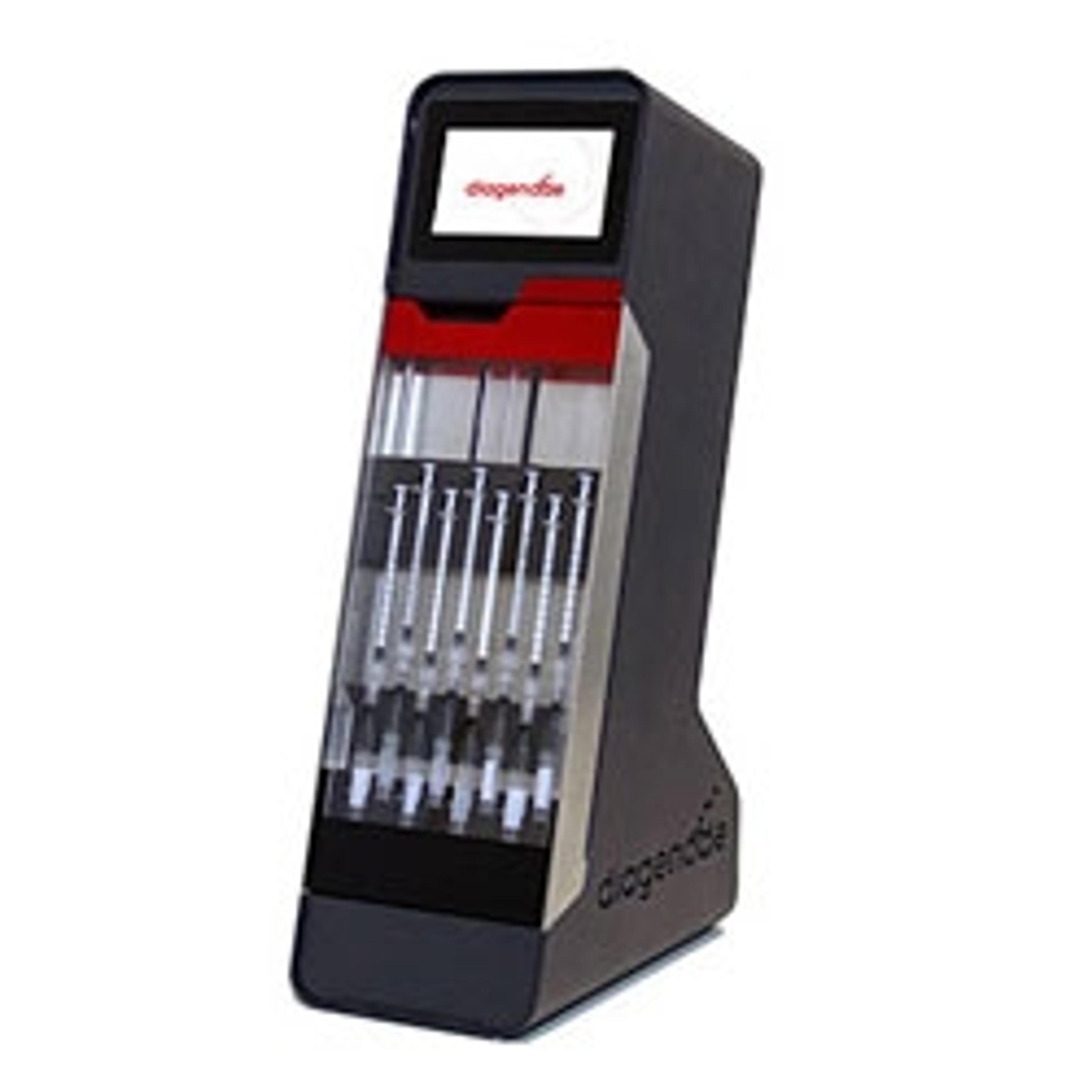
This application note describes the use of the Diagenode Megaruptor® for optimizing the library preparation procedure at Wageningen University, targeting very large DNA molecules used for Pacbio sequencing. The rapid developments of this third generation sequencing, resulting in continuously increased read length, require a reliable DNA fragmentation into large molecules. The benefit of these large DNA molecules is their ability to span repetitive sequences, which appeared to be crucial for de novo reconstruction of large and complex genomes. Using large hydropores, the researchers were able to evaluate target fragmentation size, fragment range, reproducibility and the ease in usage. The Megaruptor® proved to be intuitive, easy to use and to have a broad range of DNA fragmentation applications.

Megaruptor®

Diagenode

Diagenode’s ultimate solution for long fragment library preparation between 2kb and 75kb– the Megaruptor® fragmentation system. A number of applications for massively parallel sequencing, also known as Next-Generation Sequencing, require libraries of long DNA segments, but few methods have been available for reliably generating fragments greater than 2 kb. The Megaruptor, which has been used by several sequencing centers worldwide to produce insert fragment libraries for Illumina, Ion Torrent, and PacBio platforms, utilizes mechanical shearing to generate libraries between 2 kb and 75 kb. The instrument’s unique feature is the “Hydropore” shearing device that eliminates clogging issues frequently encountered with single orifice shearing devices and includes a disposable element that reduces the potential for cross-contamination. A common application that requires long insert paired-end DNA libraries is mate pair library preparation, useful for de novo sequencing, detecting structural variants, and identifying rearrangements, duplications, and repeats in the genome. Features & Benefits: Achieve a tight distribution of fragment lengths, easily tuneable to between 2 kb and 75 kb Obtain high-quality libraries for Illumina®, Ion Torrent™, and PacBio® platforms Process 2 samples in series with walk-away capability Alleviate clogging issues typically encountered with single-orifice devices thanks to innovating technology Eliminate cross-contamination with disposable element Cost-effective solution

(1)

Links

Tags

Genome AnalysisGenomics, the study of genomes, includes functional genomics, evolutionary genomics and comparative genomics. There are many genomic technologies such as DNA sequencing of whole genomes, computational biology and bioinformatics. DNA and nucleic acids must be isolated and concentrated from cells for analysis with kits, automated analyzers and software. Other useful technologies for studying genomics include PCR, microarrays and electrophoresis.Cell-Based AssaysCell-based assays are used to monitor the presence, quantity and activities of a desired cellular analyte including drug molecules or biomarkers. This can reveal information on cell health (apoptosis, cytotoxicity, viability and proliferation assays), cell metabolism, cell migration and cell signaling mechanisms. Find the best cell-based assay products, kits and equipment with our peer reviewed product directory: compare products, check customer reviews and receiving pricing direct from manufacturers.DNA SequencingDNA sequencing, such as sanger sequencing, is a biological technique that determines the precise order of nucleotide bases in a fragment or template of DNA. DNA sequencers and genetic analyzers are based on capillary electrophoresis, where labeled DNA fragments are electrophoretically separated by size as they migrate through a polymer. Find the best DNA sequencing products, including DNA sequencing kits, genomic libraries and genetic identity kits in our peer-reviewed product directory: compare products, check customer reviews and receive pricing direct from manufacturers.Epigenetic AnalysisEpigenetic analysis products are used to study heritable phenotype changes that do not alter the DNA sequence, such as DNA modifications affecting gene activity. Determine whether genes have been methylated with DNA methylation quantification kits or methylation microarrays. Assess epigenetic regulation with histone modification kits or ChIP-on-chip microarrays. Kits are also available for bisulfite conversion and amplification of your samples, as well as epigenomic library preparation kits for next-generation sequencing (NGS). Find the best epigenetic products in our peer-reviewed product directory: compare products, check customer reviews and receive pricing direct from manufacturers.AutomationAutomation in laboratories and manufacturing processes enhances efficiency, precision, and scalability by reducing the need for manual intervention. It plays a critical role in improving productivity, minimizing human error, and accelerating workflows in fields like diagnostics, drug development, and industrial testing. Automation technologies include robotic systems, automated liquid handlers, and process control systems that streamline complex tasks and ensure consistent, reproducible results. Explore our peer-reviewed product directory to discover the best automation solutions, compare options, read user reviews, and get prices directly from manufacturers.DNA Fragment SizingDNA ShearingSoftware SolutionLibrary PreparationLibrary preparation is a critical step in sequencing workflows, where DNA or RNA samples are converted into libraries for high-throughput, next generation sequencing. This step ensures accurate results and minimizes biases. Explore library preparation kits in our peer-reviewed product directory; compare products, check reviews, and get pricing directly from manufacturers.Single Cell GenomicsBiotechnologyBiotechnology is the use of biological processes, organisms, or systems in the production of products and services. It spans a wide range of applications, including healthcare, agriculture, and environmental management. Browse our peer-reviewed product directory to find the best biotechnology tools, compare products, check reviews, and get pricing directly from manufacturers.Genome SequencingGenome sequencing involves determining the complete DNA sequence of an organism's genome. It provides crucial information about genetic variations, mutations, and diseases. Advances in sequencing technologies, such as next-generation sequencing (NGS), have accelerated research in genomics, diagnostics, and personalized medicine. Explore genome sequencing tools in our peer-reviewed product directory; compare products, check reviews, and get pricing directly from manufacturers.Expression Profiling