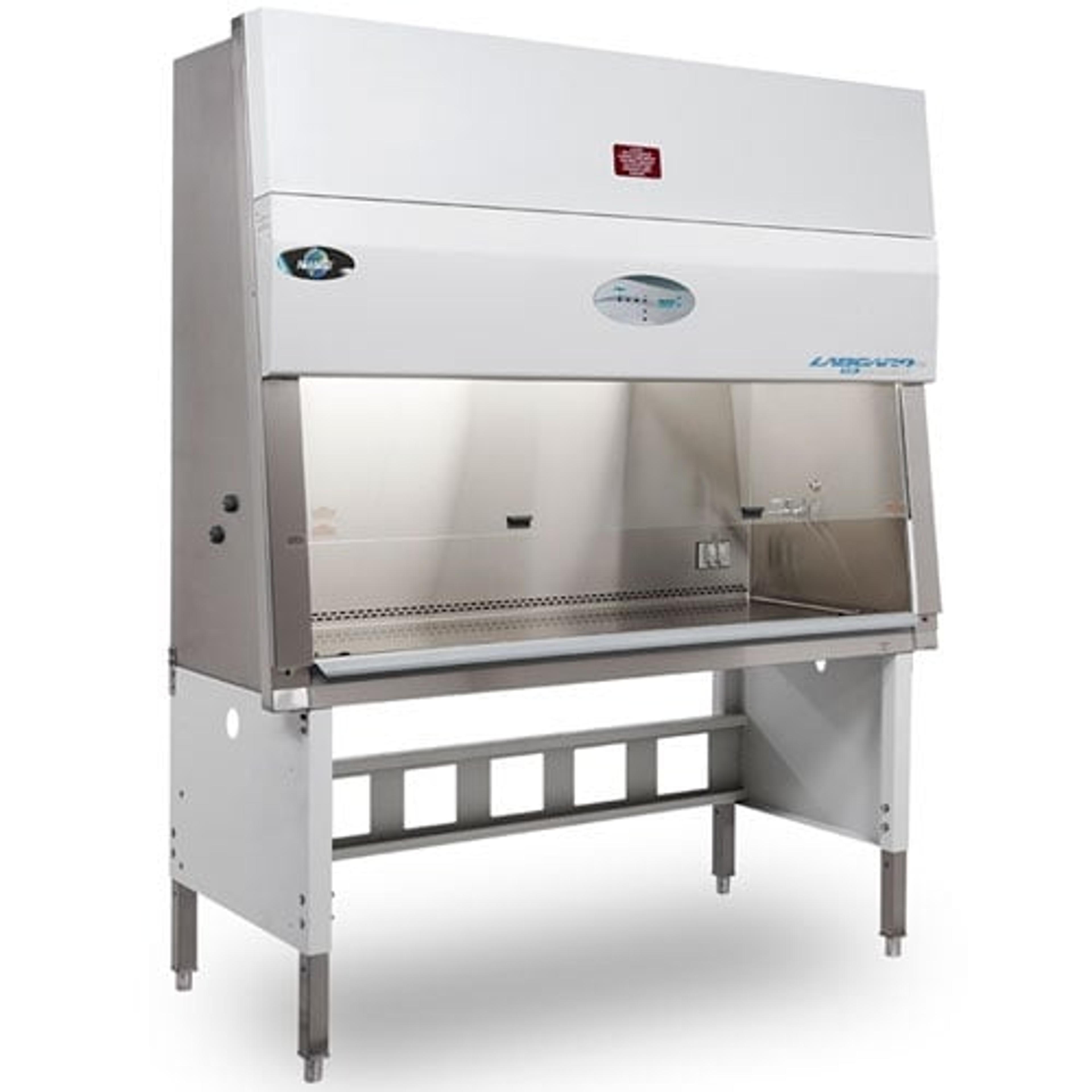
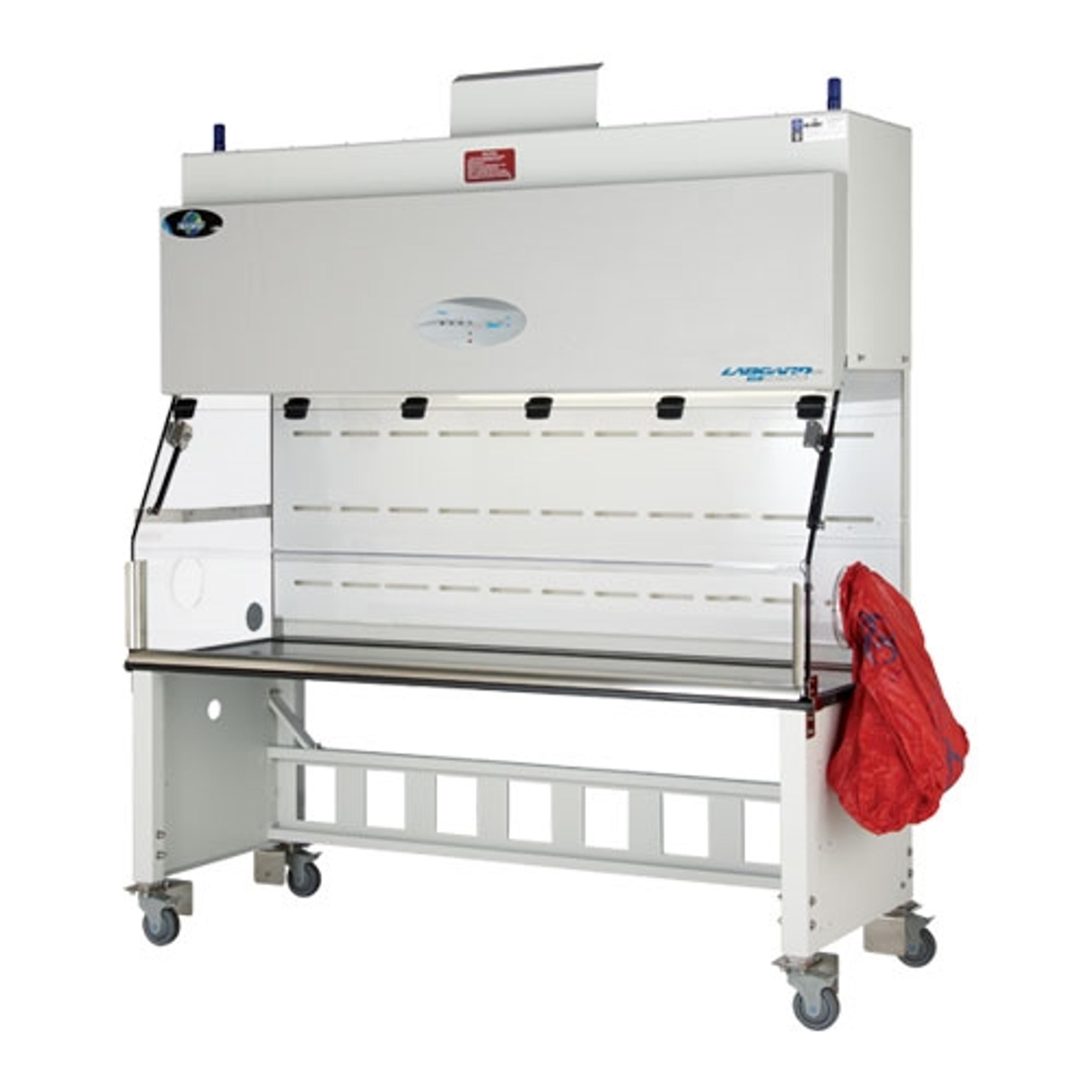
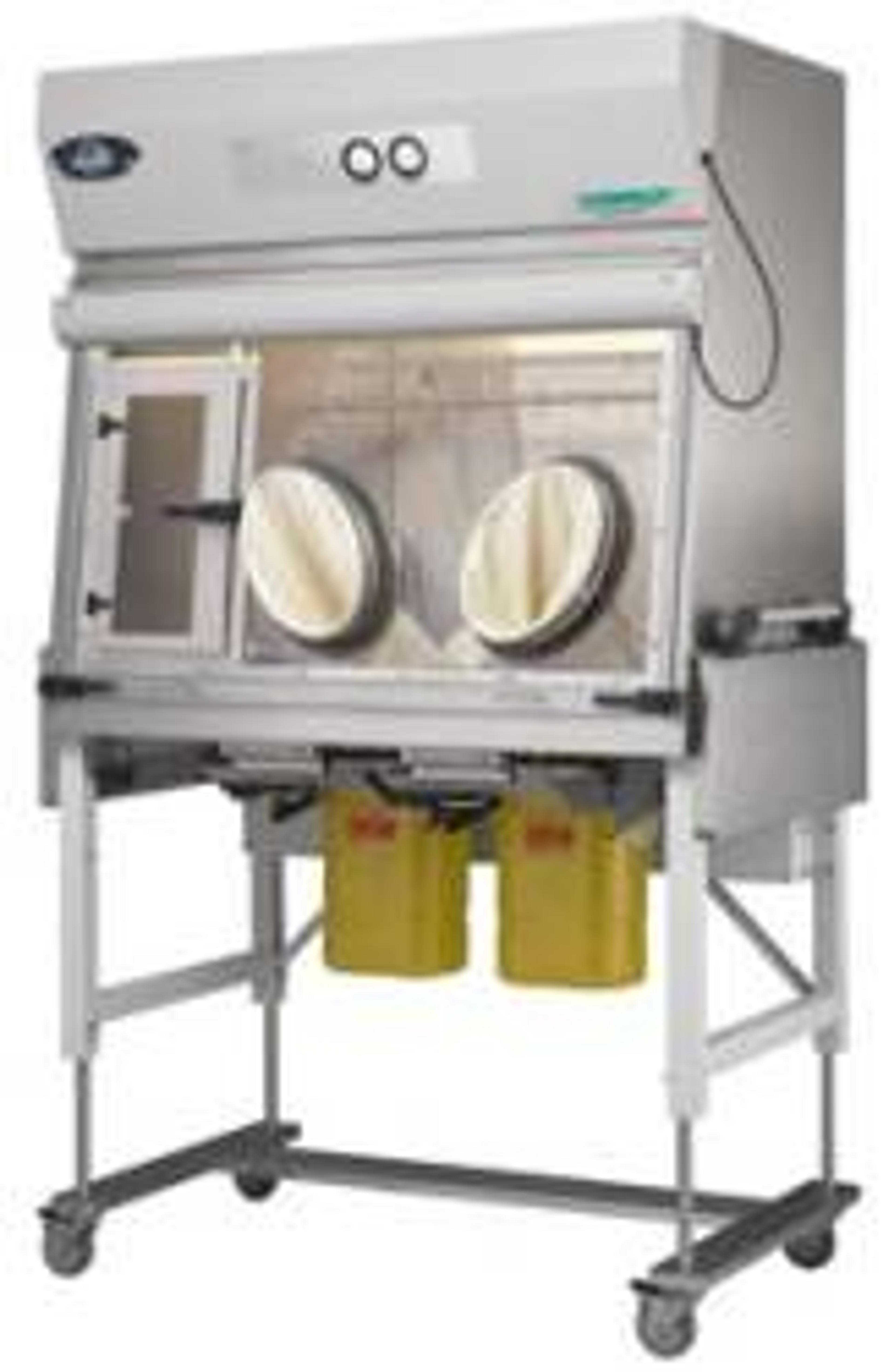
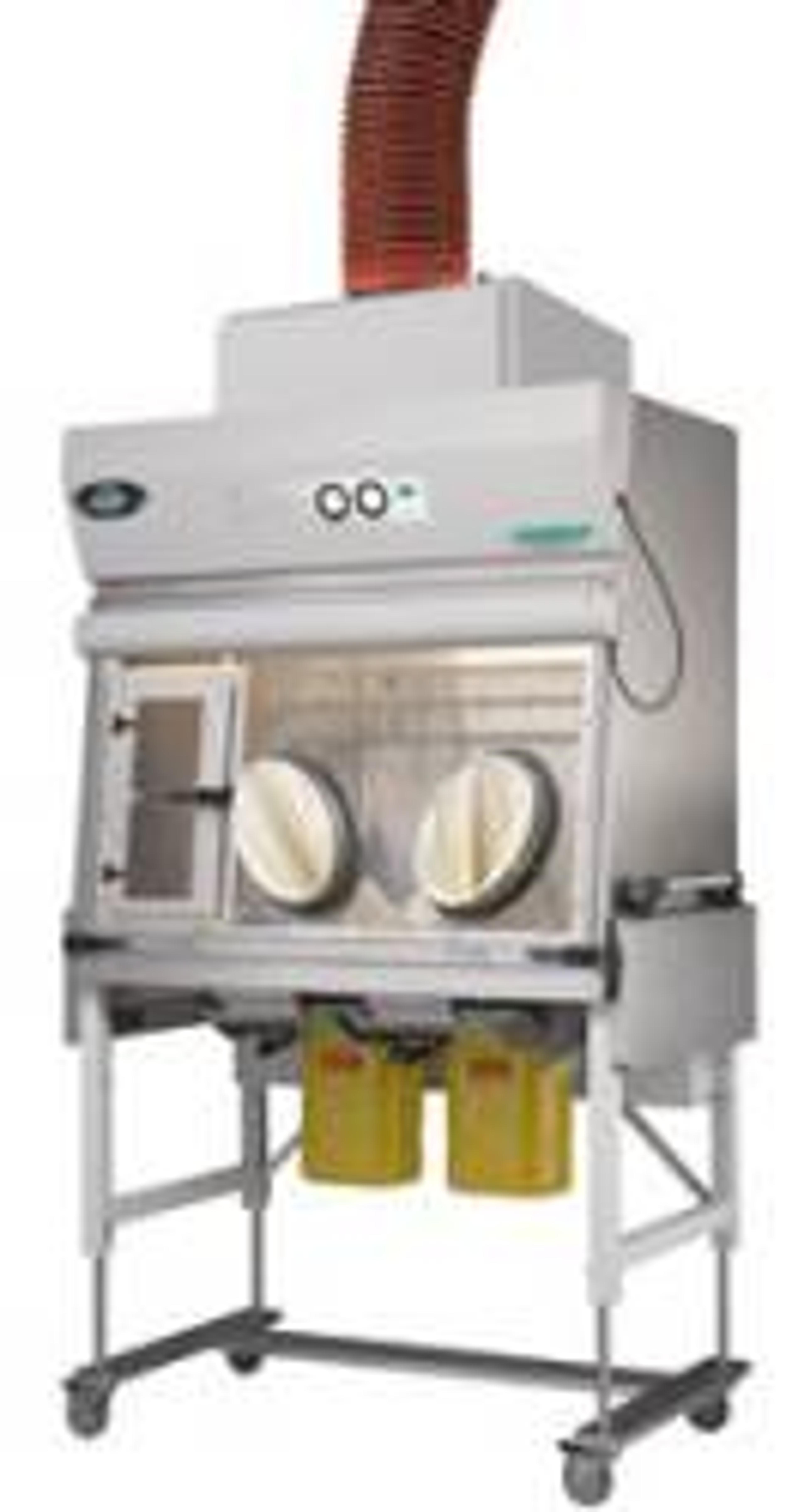
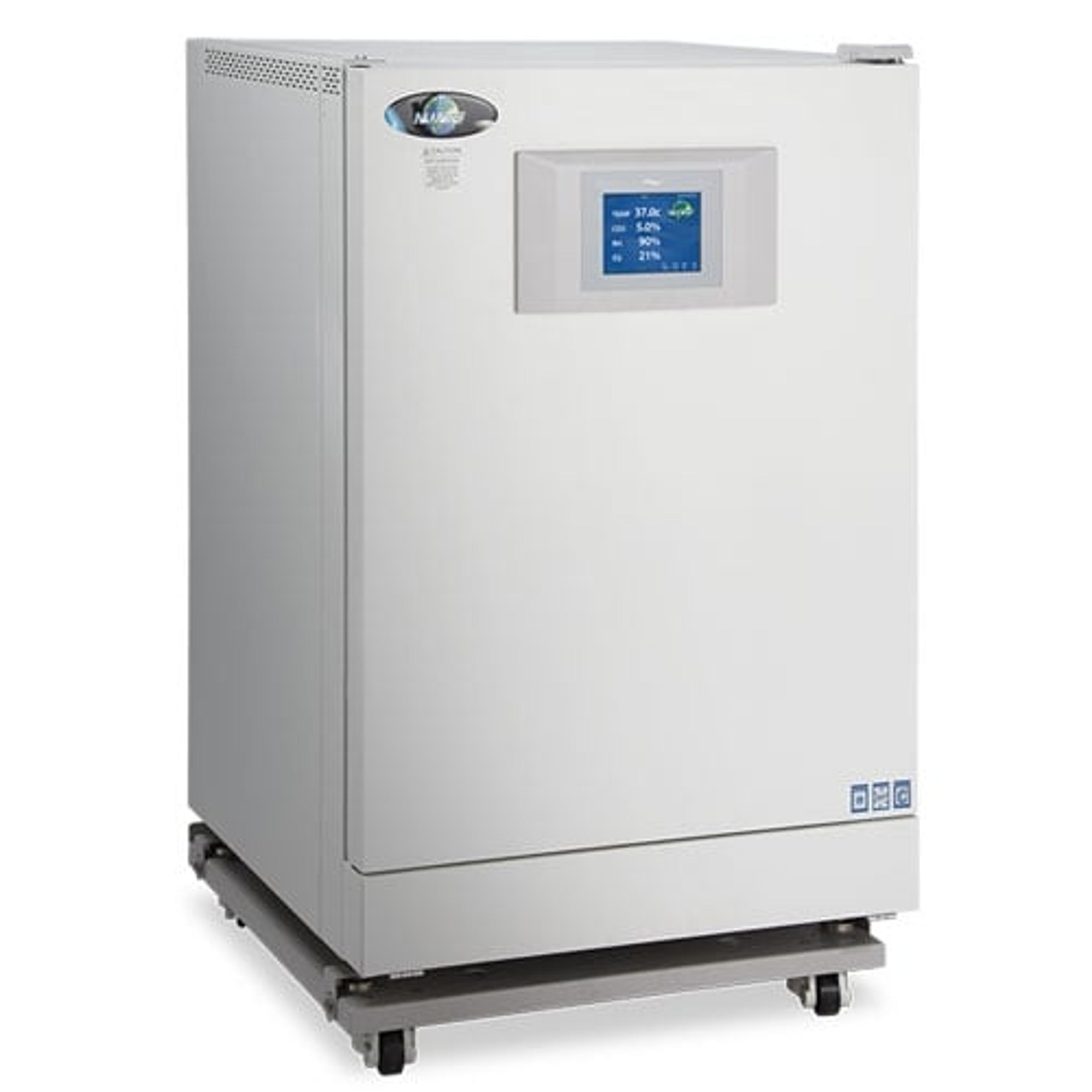
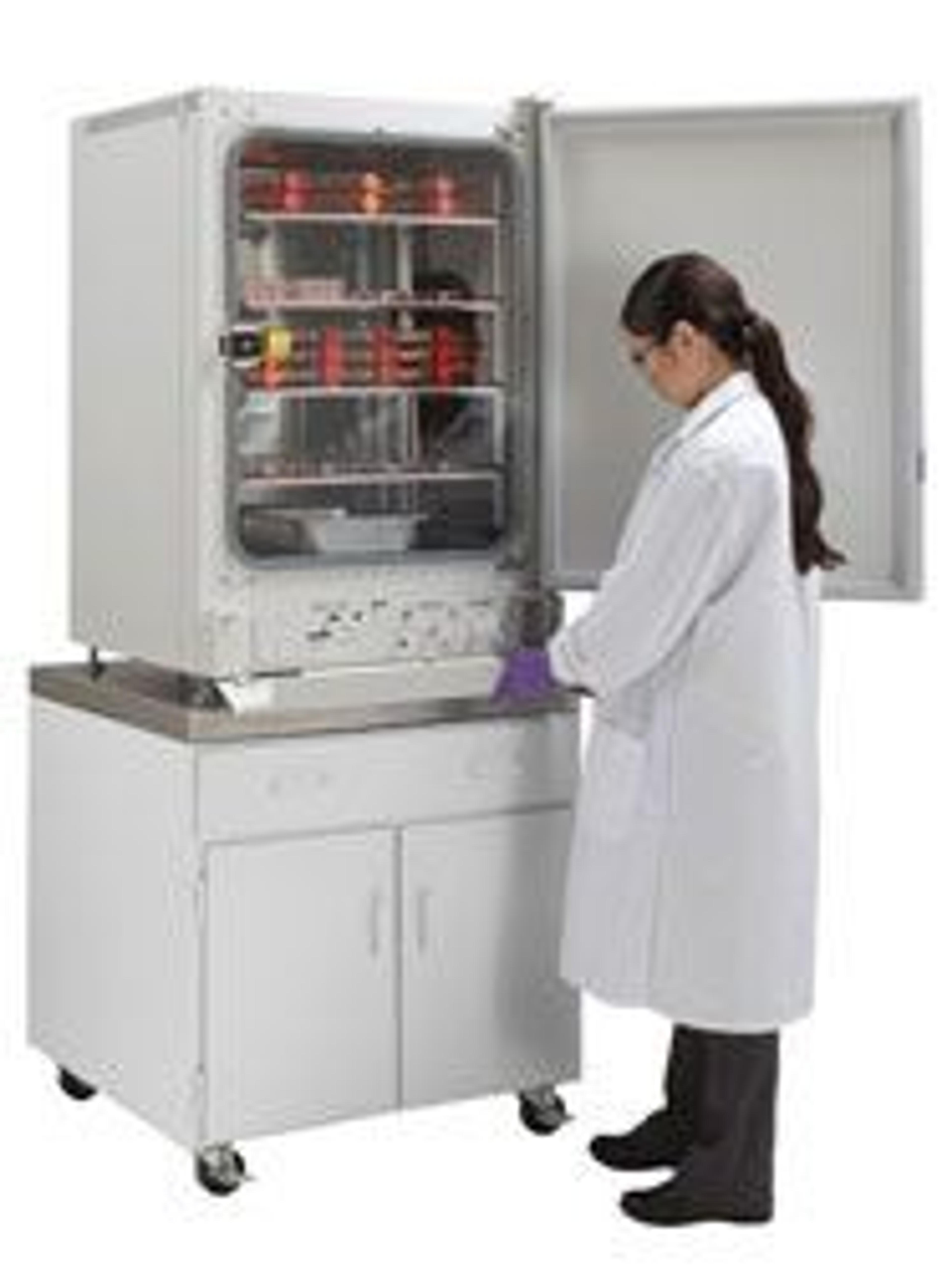
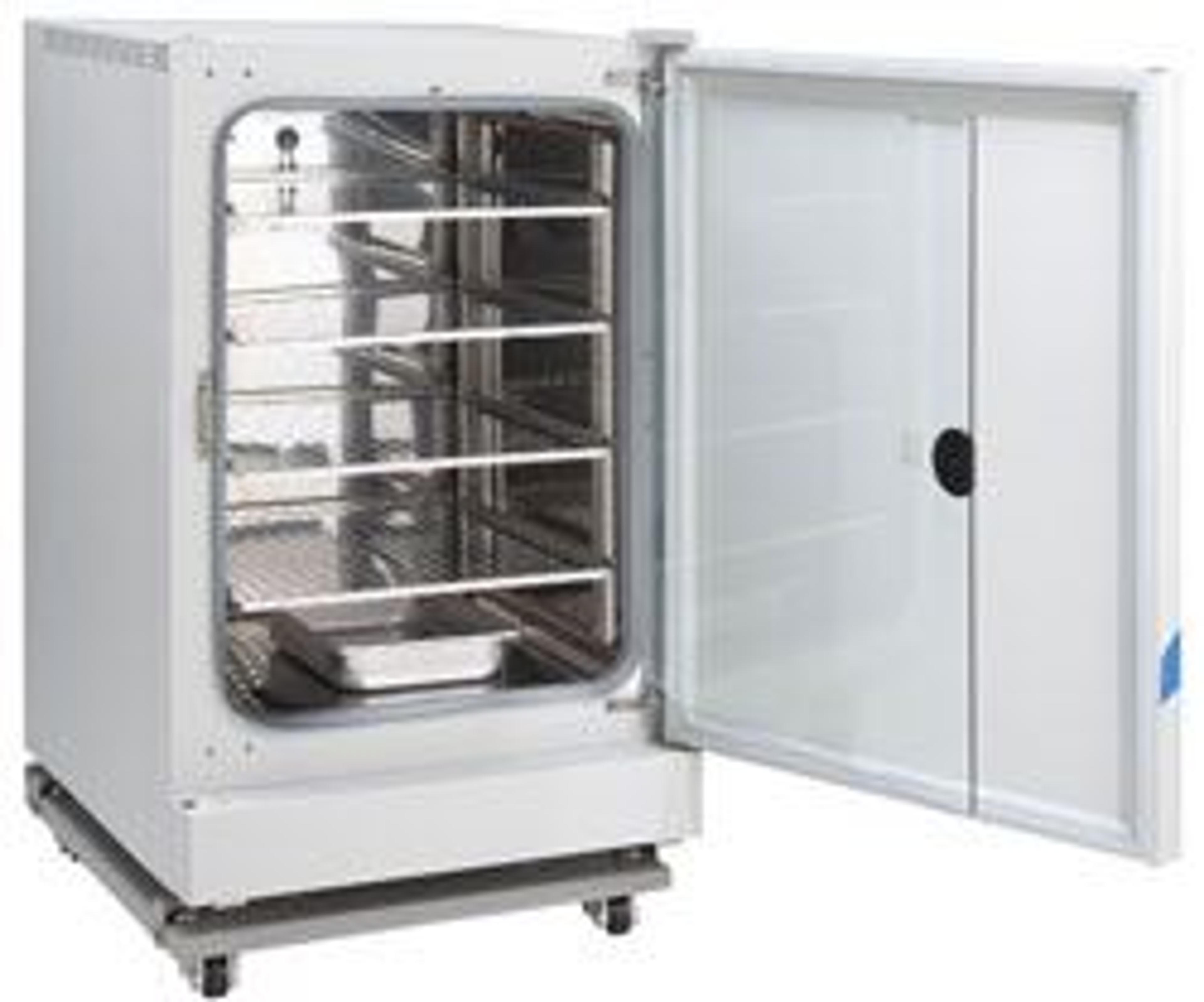
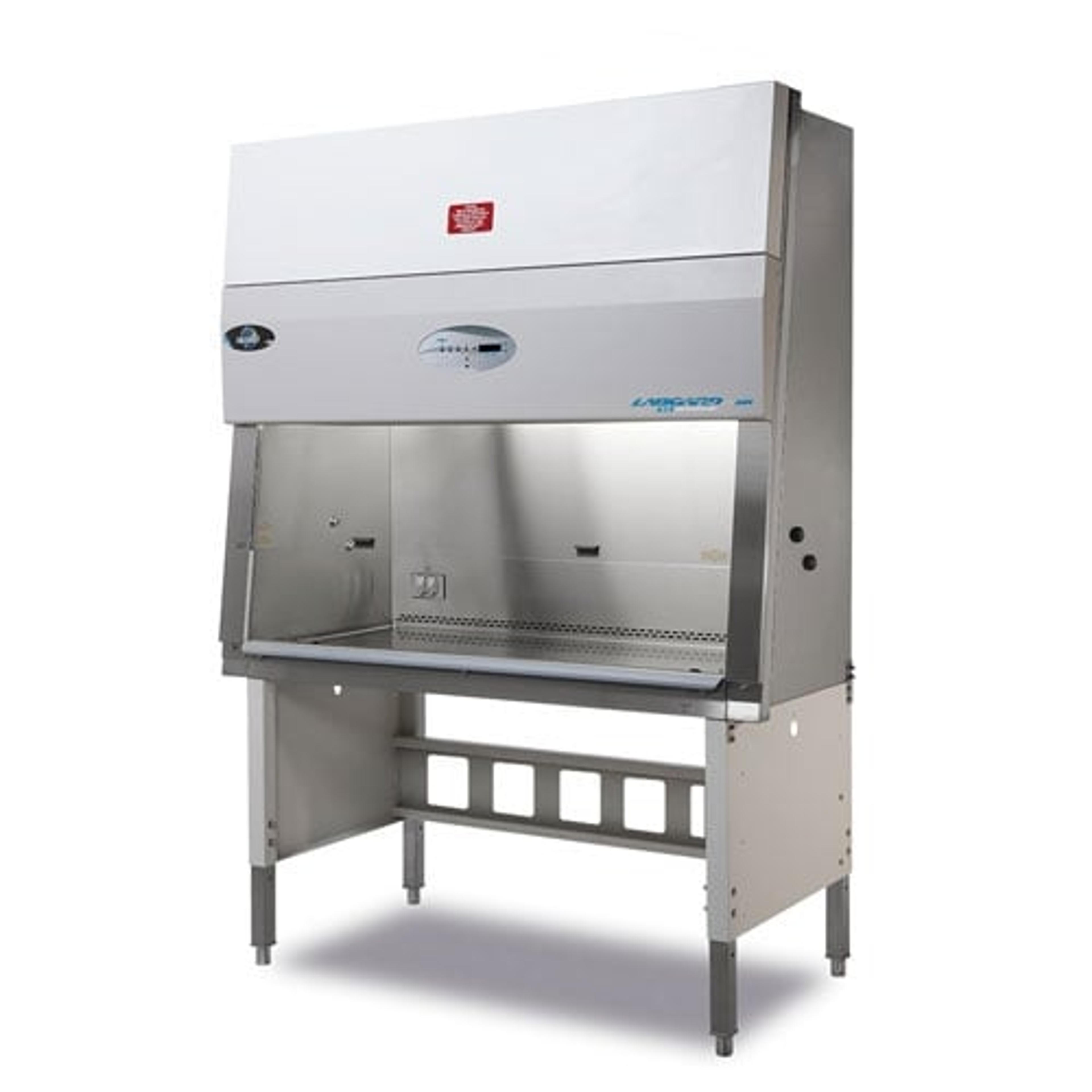
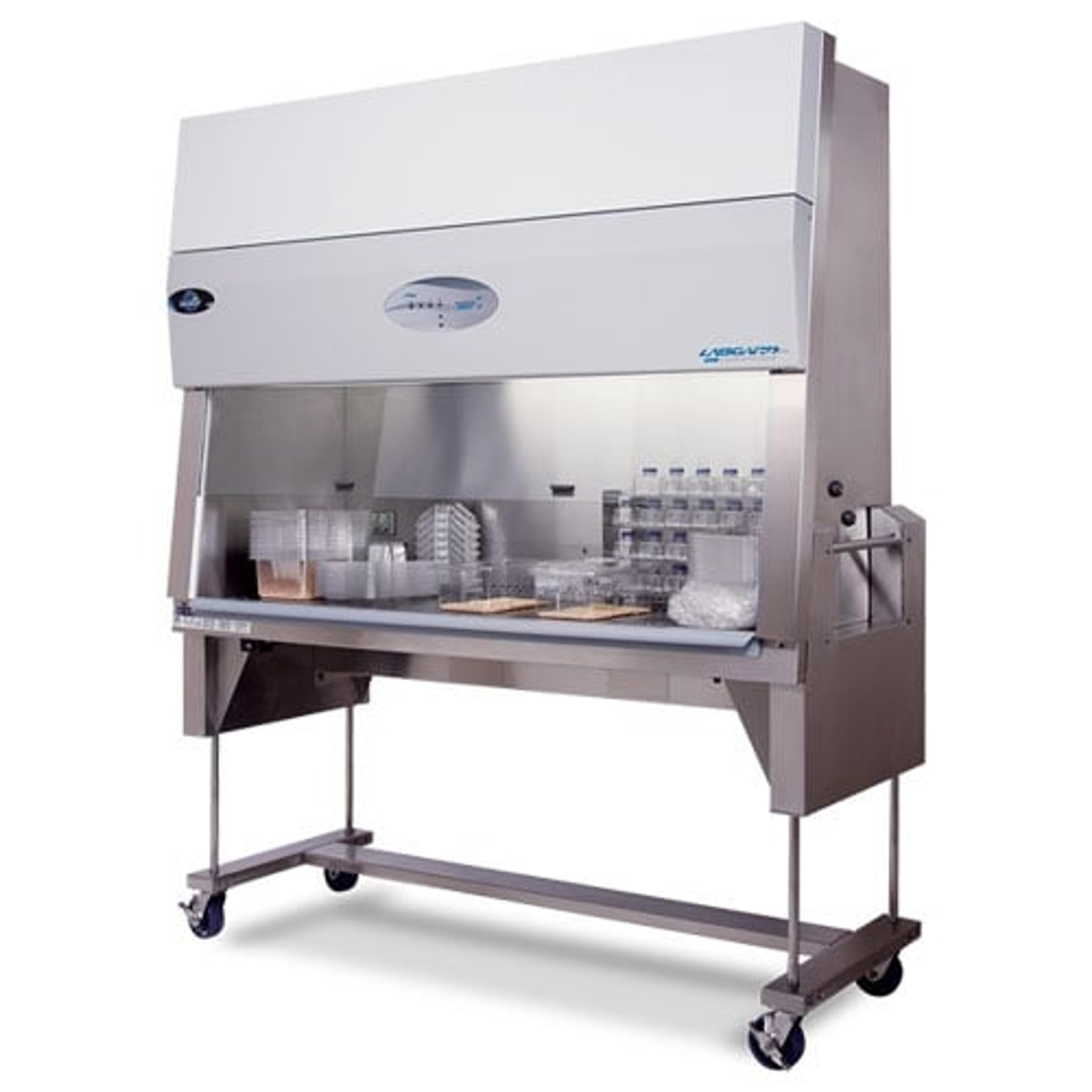
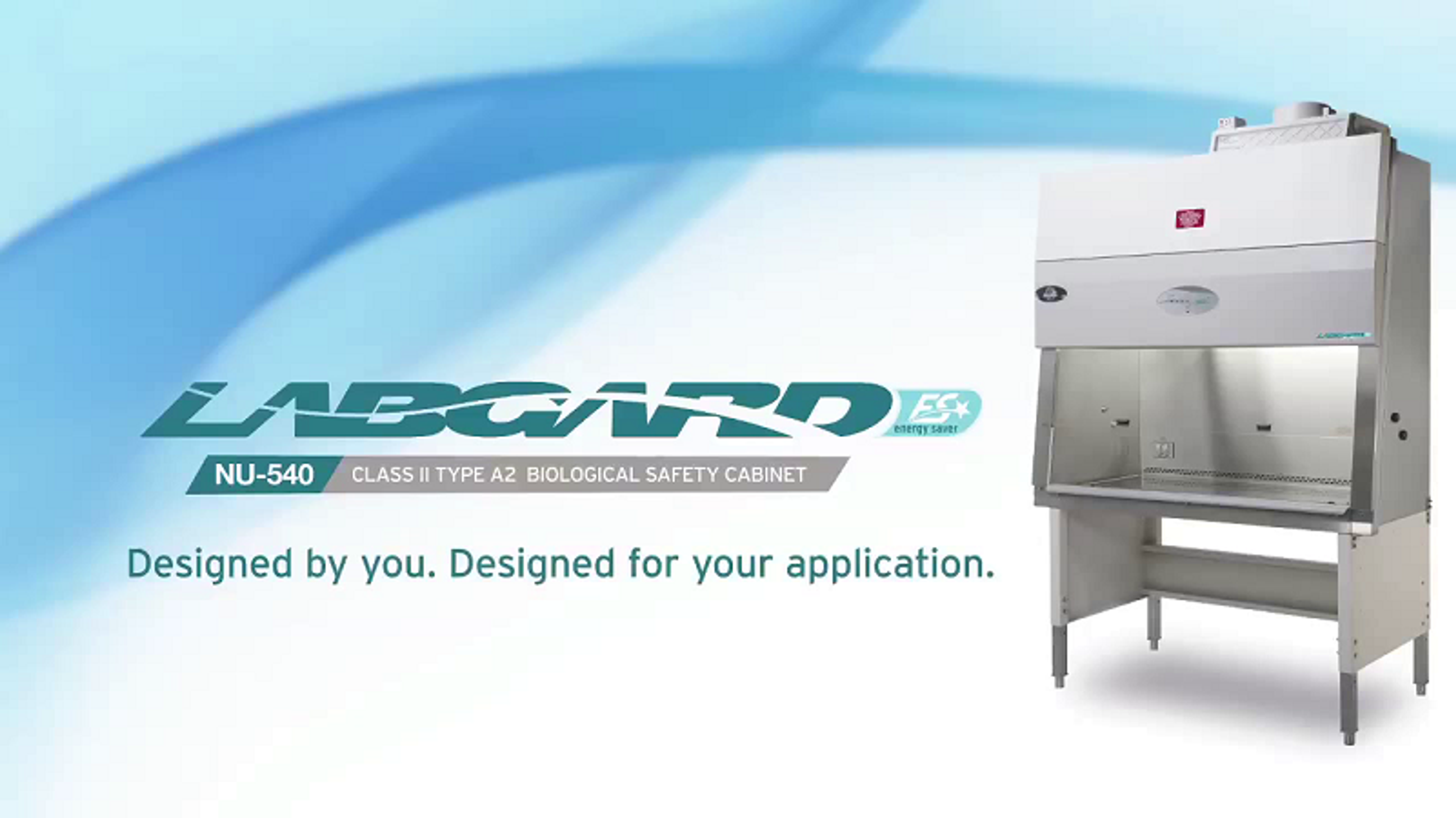
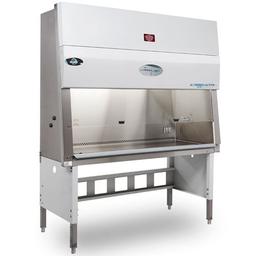
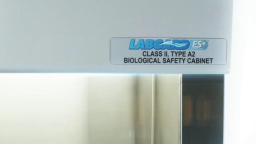
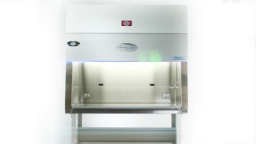
LabGard ES (Energy Saver) NU-540 Class II, Type A2 Biological Safety Cabinet
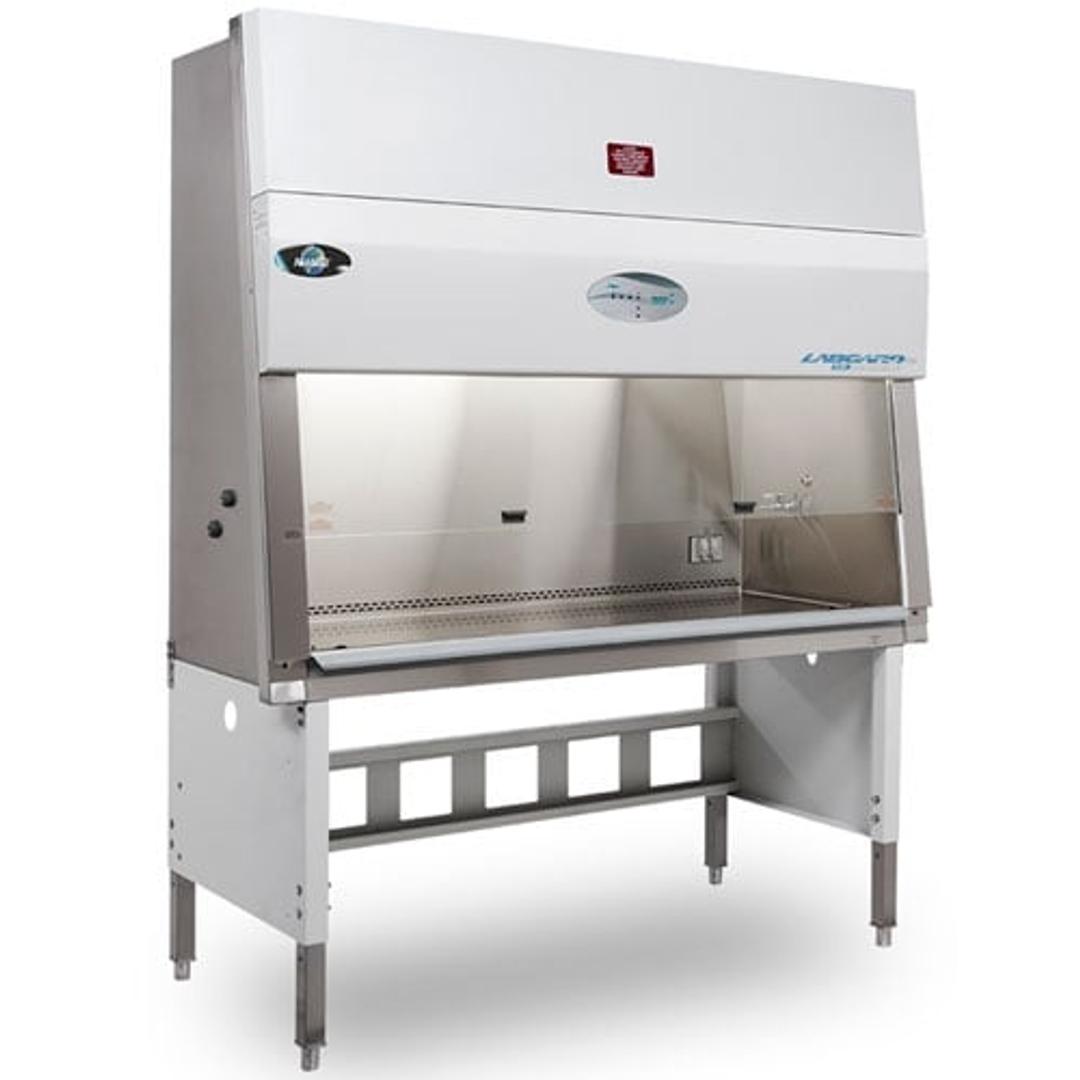
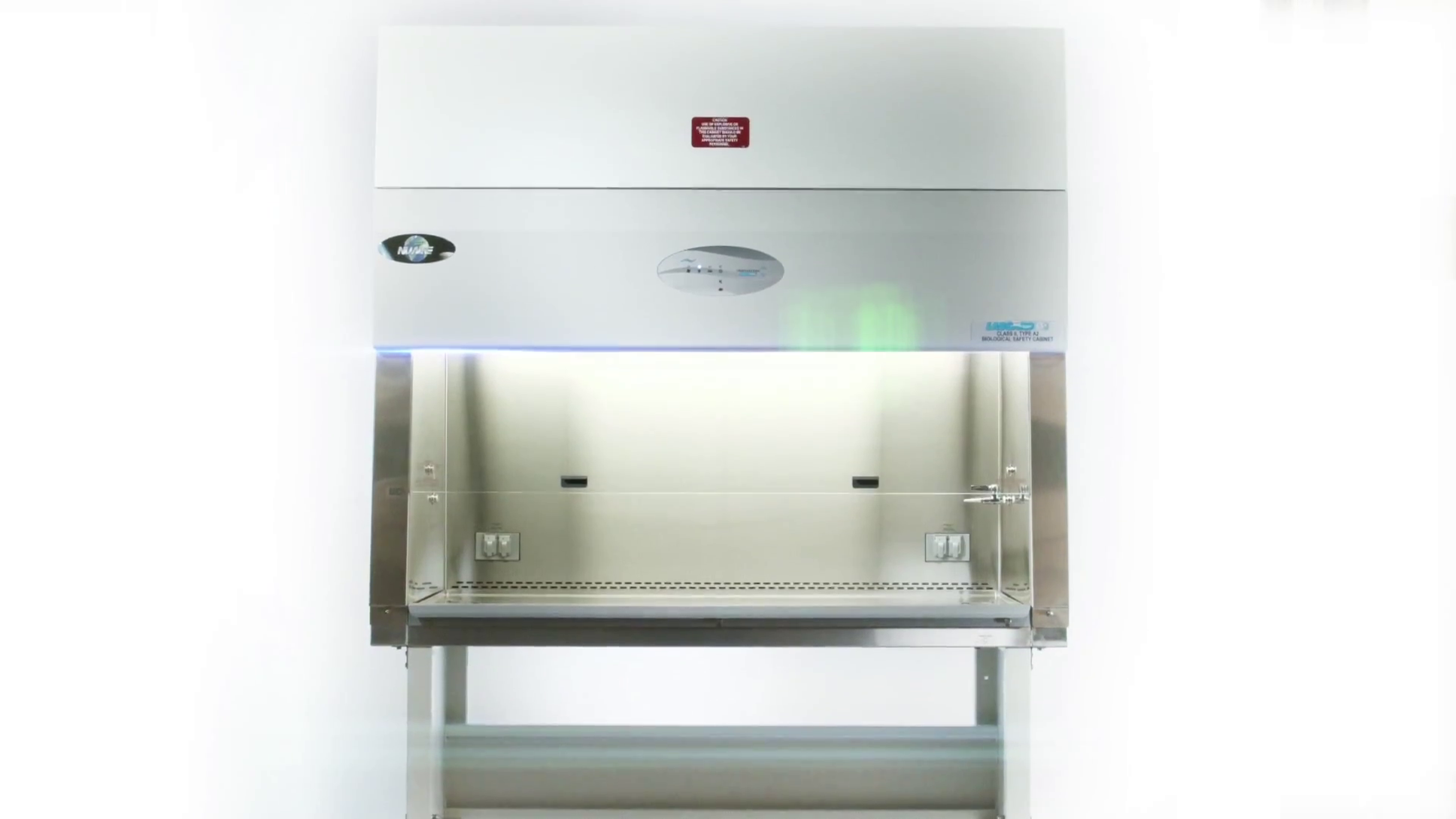
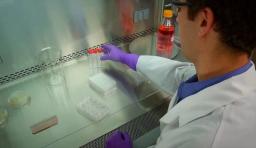
The LabGard® ES NU‐540 Class II, Type A2 Laminar Flow Biological Safety Cabinet (LFBSC) is an effective primary engineering control in obtaining the optimum product quality while reducing the potential for exposure of both product and personnel to airborne biological or particulate chemical agents in low to moderate risk‐hazard research and drug preparation. The NU-540 offers economical operation through the use of an ultra…



Receive your quote directly from the manufacturer.
Great value, perfect size
Sample preparation and nucleic acid extraction
Great value! These hoods are perfectly sized to fit in a small footprint while still allowing plenty of work space. Well made and great for long term use.
Review Date: 13 Dec 2021 | NuAire, Inc.
Great results.
Microbiology
Very easy to use cabinets, safe and do not require specialized service, easy to qualify.
Review Date: 27 Jul 2021 | NuAire, Inc.
Very good and worthy instrument.
Microbiological work
Very good product, can be used easily and even it is mobile type. The fixture of UV is good and efficiently working. Body built in is impressive.
Review Date: 24 Jul 2021 | NuAire, Inc.
Great instrument! Reliable.
Biological sample analysis
Very easy to use and effective.
Review Date: 5 Feb 2021 | NuAire, Inc.
Good equipment
Cell culture
A very good cabinet. Smooth operation and reliable for critical sterile operations during cell culture procedures.
Review Date: 26 Feb 2020 | NuAire, Inc.
Can't live without it, it really extracts odor.
Preparation of chemicals
Efficient and carries out its purpose.
Review Date: 26 Feb 2020 | NuAire, Inc.
Microbiome analysis
I really enjoy working with the hood! Without it I would really suffer during the processing of some of the samples, because they are so smelly. Also the UV light is great! Helps with keeping it clean.
Review Date: 22 Nov 2019 | NuAire, Inc.
Very reliable equipment to protect our researchers and their valuable samples.
BSL-2 labs
Very reliable equipment to protect our researchers and their valuable samples. Good service.
Review Date: 2 Oct 2019 | NuAire, Inc.
NuAire LabGard Biosafety Cabinets are essential for molecular diagnostics testing!
Molecular Biology/PCR
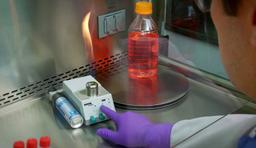
Absolutely essential to any molecular genetics lab. You can use these biosafety hoods without the air and vacuum infrastructure. Just put it on a bench near an electric outlet! Convert an old lab to a molecular lab by using multiple NuAire LabGard ES NU-540 Biosafety Cabinets. Prevent cross-contamination of PCR products by dedicating specific hoods for specific tests. Can be UV-decontaminated after every use.
Review Date: 16 Apr 2018 | NuAire, Inc.
Achieving desire condition and results
Analyze pharmaceutical finished products and raw materials
Very effective instrument. Valuable to our lab. Our lab has three LFH and 4 BSC from NuAire.
Review Date: 17 Dec 2017 | NuAire, Inc.
The LabGard® ES NU‐540 Class II, Type A2 Laminar Flow Biological Safety Cabinet (LFBSC) is an effective primary engineering control in obtaining the optimum product quality while reducing the potential for exposure of both product and personnel to airborne biological or particulate chemical agents in low to moderate risk‐hazard research and drug preparation.
The NU-540 offers economical operation through the use of an ultra high efficiency motor to maximize filter life and monolithic silicone-free construction for long product life.
Brochures

Improved Principles of Biological Safety Cabinet Design
NuAire is recognized as a world leader in Class II Biological Safety Cabinets that offer great personnel, product, and environmental protection. Whether it’s cabinet design, cabinet integrity, HEPA filters, safety alarms, or maintenance - NuAire quality means an outstanding value to you.
Ergonomically Correct, Environmentally Safe Biological Safety Cabinets
NuAire continually strive to improve responsibilities to the economy, environment, social communications, and customer satisfaction. This commitment extends to purchasing or using products that reduce energy consumption, reducing environmental impact, minimizing pollution and making use of recycled content that will not deplete natural resources. NuAire continually uses more recycled materials in cabinets through both design and supplier part and process improvements.
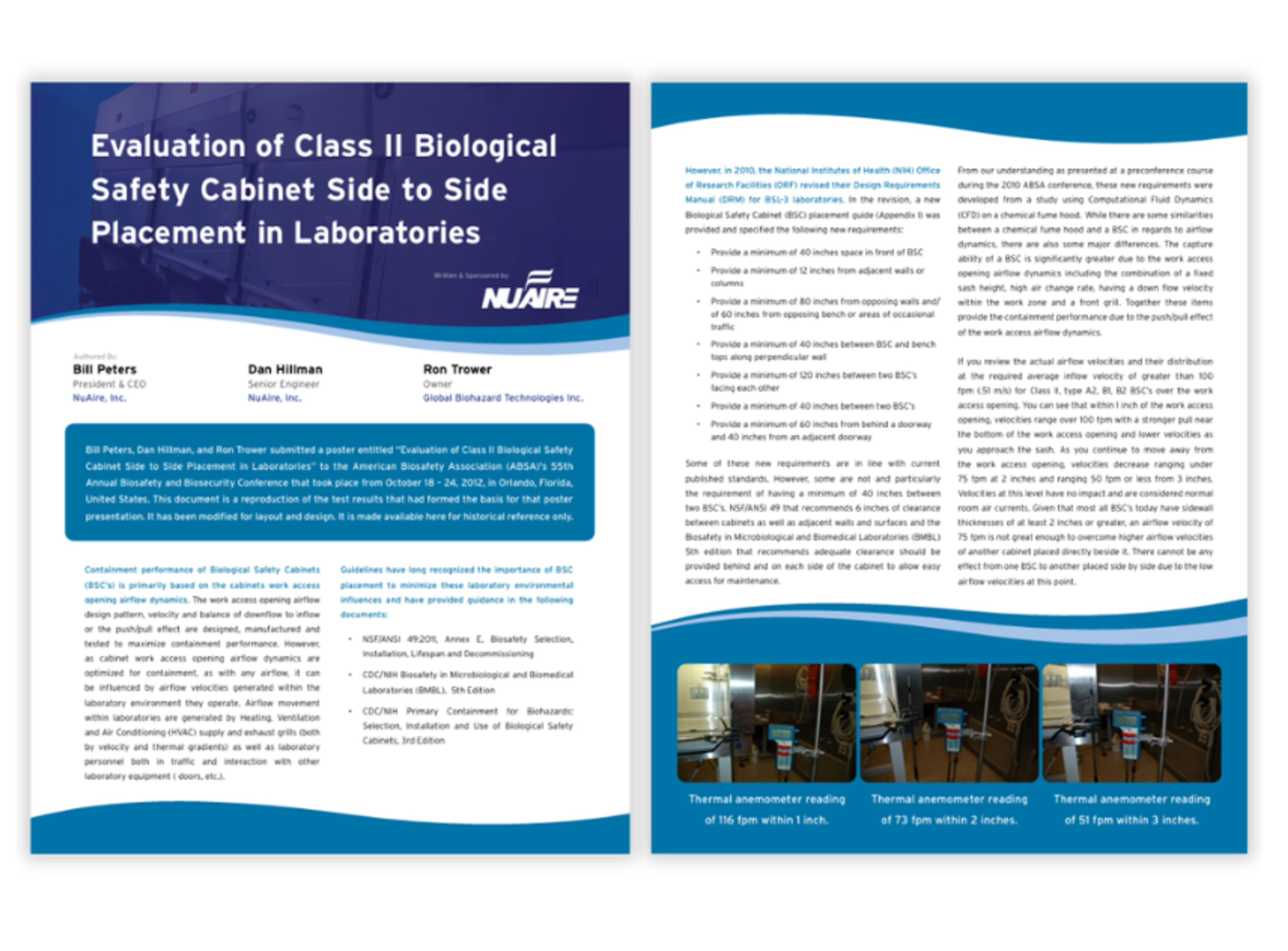
Evaluating side-by-side placement of class II biosafety cabinets
In this white paper, NuAire presents evidence-based guidance for laboratory professionals, facility designers, and biosafety officers on optimal biological safety cabinet (BSC) positioning. Authored by industry experts Bill Peters, Dan Hillman, and Ron Trower, the paper explores how environmental variables—including HVAC systems, airflow patterns, and personnel movement—can influence containment performance at the cabinet’s critical work access opening.
Through rigorous testing, including bacterial aerosol challenge studies, the white paper evaluates the impact of placing BSCs side by side or in close proximity. It references key standards such as NSF/ANSI 49 and the CDC/NIH Biosafety in Microbiological and Biomedical Laboratories (BMBL) guidelines to support its findings.
Among the core recommendations is the establishment of adequate clearance between adjacent cabinets to preserve airflow integrity and containment reliability. The paper also underscores the importance of accounting for laboratory layout, room air velocities, and staff traffic patterns when planning BSC placement.
This resource offers practical, scientifically validated strategies to help ensure that BSCs perform to their intended safety specifications—contributing to a safer and more efficient laboratory environment.
Access the white paper to optimize your BSC installation strategy and uphold the highest biosafety standards.
Resource details:
Resource type: Application note
Page count: 5
Read time: 8 mins
Best practices for positioning a class II, type A2 biosafety cabinet
This expert-designed infographic provides essential guidance for scientists, laboratory managers, and pharmacy professionals on the correct placement of Class II, Type A2 biosafety cabinets (BSCs) within laboratory or cleanroom environments. It outlines how improper positioning—particularly near disruptive air currents—can compromise airflow integrity, increasing the risk of contamination.
The infographic details how high-velocity cross-drafts may interfere with the cabinet’s inflow and exhaust dynamics, especially at the vulnerable exhaust HEPA filter area. Such disturbances can overwhelm the cabinet’s protective air barrier, reducing operational safety and compromising sample integrity.
Additionally, the resource addresses critical exhaust considerations for cabinets used in procedures involving trace amounts of radionuclides or small quantities of non-flammable, non-explosive, volatile, toxic chemicals. Guidance is provided on the role of properly functioning canopy exhaust systems in maintaining compliance and ensuring safe handling.
Download to support the correct and compliant installation of your BSC and promote a safe, contamination-controlled workspace.
Resource details:
Resource type: Application note
Page count: 1
Read time: 2 mins
Utilizing custom solutions for robotics & automation
In this whitepaper, NuAire discusses its custom airflow solutions for robotics and automation in the pharmaceutical industry. The paper highlights a specific case study with the French pharmaceutical company Sanofi, which partnered with NuAire to develop custom class II biosafety cabinets to accommodate the increasing need for automation and oversized equipment in its labs. NuAire's expertise in custom design helped Sanofi overcome standard biosafety cabinets' limitations and safely interact with samples in a large-scale format. The paper also describes the custom design process, which begins with an in-depth interview and progresses through an iterative exchange of engineering drawings and models.
This resource is shared as part of the global #CLINICAL24 conversation
50 years of innovation in lab safety
Laboratory safety has come a long way over the years. From biological safety cabinets to fume hoods, incubators, and animal handling products, explore some of the key innovations that have transformed the modern-day lab and find out where one of the world's leading providers of lab equipment came from and where it is headed.
Ten Easy Steps for Cleaning a Spill in a Biosafety Cabinet
In this guide, NuAire outlines its top ten precautionary measures for you to take before and during work with hazardous materials in a biosafety cabinet (BSC). Follow these top ten tips to protect your lab workers and the surrounding environment in the event of a spill.
5 Most Common Missed Reminders When Operating Your Biosafety Cabinet
From arm movements to ergonomics and airflow checks, discover the 5 most important rules to stay safe when working in a biological safety cabinet and how you can improve your practices, in this downloadable infographic.

Cell Culture: Safe and Effective Lab Setup
The basic setup for a cell culture laboratory consists of several core pieces of equipment which play a vital role in maintaining the appropriate environmental conditions, storing and preparing samples and, crucially, preventing contamination of cell cultures, as well as the safety of laboratory staff. Here, we look at some of the most important considerations for your lab setup that will help you to achieve effective cell culture.
In this application eBook we cover:
- Important considerations for cell culture
- Essential lab equipment for cell culture
- Biosafety cabinet basics
- Choosing your CO2 incubators
- ULT freezer maintenance tips
- Maximize centrifuge performance
- Lab products to optimize your cell culture workflow
Flow Chart for USP 797 and USP 800 PEC Requirements
This infographic presents a flow chart for USP 797 and USP 800 Pec Requirements when preparing drugs in healthcare settings.
Facility and Engineering Controls Using USP 800 Guidelines
Like many layers of an onion, there are unanswered questions on the intricate details of USP 800-related engineering control parameters. In addition, the multitude and flexibility of theengineering controls can seem daunting to the independent pharmacy owner. Even more concerning, and certainly at the forefront of all of the independent pharmacy owners’ minds, is the cost associated with being compliant with USP 800. The costs associated with building a new facility or remodeling an existing space, are proving to be as equally subjective as the choice of engineering controls. The focus of this white paper is to discuss the details for consideration of a good working design of a USP 800 compliant compounding lab.
How to Perform a Hazardous Drug Risk Assessment in the Compounding Pharmacy
There is a looming deadline on December 1, 2019 and that is the implementation of USP chapter <800>-Hazardous Drugs, Handling in Healthcare Settings. State Boards of Pharmacy (SBOP) are forming task forces and committees to determine if their state will fully implement the chapter or if they will only implement certain components of the chapters. And yet there are other states that are unsure what to do and may push the enforcement further down the timeline. Regardless of what your SBOP has determined regarding USP <800> enforcement, it is still wise to examine the risks associated with hazardous drug chemical handling in your entity. Mitigating risk may not be at the forefront of your mindset, but like the USP <800> deadline, the issue of chemical exposure risk is looming in all healthcare facilities that handle hazardous drugs (HDs).
How to Perform a Risk Assessment and Choose a Biosafety Cabinet
June 3, 2025 – 16:00 BST / 17:00 CEST / 11:00 EDT / 08:00 PDT
This webinar will introduce the concept of risk assessment and its role in choosing a biosafety cabinet. It will explain risk assessment in general and move to an explanation of the kinds of cabinets one can choose for their protective needs as well as the possibilities for configuring and even customizing one for their specific workflow and instruments. The webinar will also include a brief discussion of model/design certification/listing to the NSF/ANSI 49 standard.
Who should attend?
Lab managers, biosafety officers, and laboratory technicians.
Certificate of attendance
SelectScience is approved as a provider of continuing education programs in the clinical laboratory sciences by the ASCLS P.A.C.E.® Program. Continuing education units are also provided for the ABSA International Credentialing Maintenance Program. Webinar 1: Risk Assessment and Choosing a BSC is approved for 0.125 CM points, approval # 25-2574.
All webinar participants can request a certificate of attendance, including a learning outcomes summary, for continuing education purposes.
If you view the on-demand webinar, you can request a certificate of attendance by emailing editor@selectscience.net.
Webinar details
- Cost: Free to attend
- Location: Online
- Duration: 60 minutes
- Instruction level: Intermediate
Registration is required to secure your place. If you register but can’t attend live, you will receive a link to the on‑demand recording once it becomes available.
Lab design and where to install a biosafety cabinet
Thursday, July 16 at 16:00 BST | 17:00 CEST | 11:00 EDT | 08:00 PDT
Proper biosafety cabinet (BSC) placement is critical to maintaining safety and performance in laboratory environments — yet many professionals face uncertainty when it comes to clearance guidelines and certification requirements. Join this webinar to gain clarity on these concepts and get practical insights to support optimal BSC installation and compliance.
Dr. Julianne L. Baron, President and owner of Science and Safety Consulting, and Dr. Lora Grainger, owner, founder, CEO, and biorisk management consultant of Project Safe Lab, LLC, discuss the importance of providing clearance around biosafety cabinets from a conceptual perspective. They will also share a series of illustrations that compare and contrast the specific guidelines given by various industry sources.
Additionally, they will explain the importance of field certification of newly installed biosafety cabinets.
Key learning objectives:
- Explain why the correct placement of a BSC in the laboratory is important to ensure its proper function
- Describe the guidelines that recommend BSC clearances and how to select an appropriate guideline to follow for your laboratory’s design
- Identify recommended clearances between BSCs and other common laboratory equipment and facility features
- Describe the importance of BSC field certification
Certificate of attendance
SelectScience is approved as a provider of continuing education programs in the clinical laboratory sciences by the ASCLS P.A.C.E.® Program. Continuing education units are also provided for the ABSA International Credentialing Maintenance Program. Webinar 2: Lab design and where to install a BSC is approved for 0.125 CM points, approval # 25-2575.
All webinar participants can request a certificate of attendance, including a learning outcomes summary, for continuing education purposes.
Webinar details
- Cost: Free to attend
- Location: Online
- Duration: 60 minutes
Registration is required to secure your place. If you register but can’t attend live, you will receive a link to the on‑demand recording once it becomes available.
Life Sciences Video Interview of the Year highlights the importance of biosafety in the discovery of novel cancer biomarkers
The 2022 Scientists’ Choice Award for Life Sciences Video Interview of the Year has gone to an interview with Emmanuel Okwelogu, Ph.D. researcher at the University of Manchester, featuring technology by NuAire, Inc.
Here, Okwelogu shares his thoughts on the award-winning video and discusses the impact a global platform like The Scientists' Channel has on progressing scientific advancements.
Watch the winning video here: How biomarkers can identify cancer in its early stages
Life Sciences Video of the Year: A novel target to inhibit glioblastoma invasion
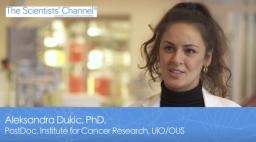
The Scientists’ Choice Award for Life Sciences Video of the Year was awarded to Dr. Aleksandra Dukic, postdoctoral researcher at the Institute for Cancer Research, Oslo University Hospital. The winning video, first published on The Scientists’ Channel, details a novel target for inhibiting glioblastoma cancer invasion into surrounding brain tissue. Hear how her work towards developing innovative cancer therapeutics using the latest technology from NuAire helps to advance the field of cancer research.
Find out more about Dr. Aleksandra Dukic's research on The Scientists' Channel >>
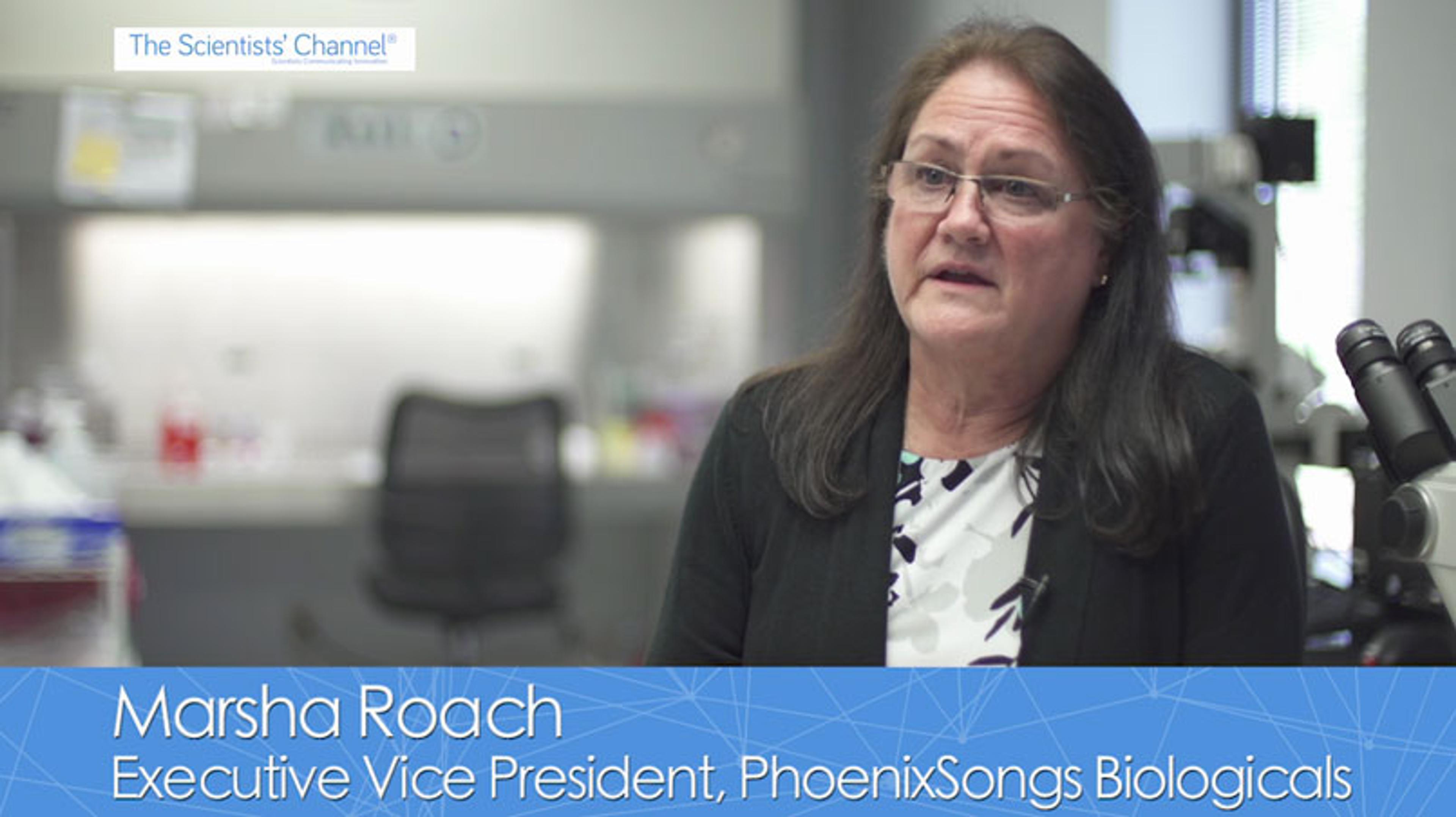
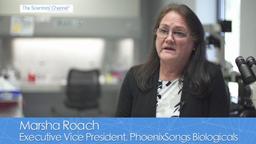
Secrets to Cell Culture Success at PhoenixSongs Biologicals
Hear how incubator technology from NuAire, Inc. benefits stem cell culture and differentiation at PhoenixSongs Biologicals. Plus, hear how scientists at the company have developed a new hepatic model that will revolutionize preclinical studies.
Experience Ergonomics in your Biological Safety Cabinet
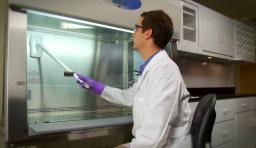
An important part of a safe work environment is making sure it is ergonomically designed to work with you, not against you. When you work in a NuAire Biosafety Cabinet, you'll experience a comfortable, ergonomically designed workspace.
Working With, and In, Your NuAire Biological Safety Cabinet
Minimize air turbulence and prevent splatter or unwanted spread of aerosols by applying proper technique when working within the biological safety cabinet, shown in this video.
Preparation Before Using a Biological Safety Cabinet
In this video learn steps to take before you begin work in your Biological Safety Cabinet. A proper biosafety or operations manuals will specify practices and procedures designed to minimize and eliminate risks.
LabGard NU-500 Video Series - Ergonomics Features
State of the art ergonomics elevate the LabGard 500 series Class II, Type A2 Biological Safety Cabinet to a whole new level. A closer reach into the work zone and an aerodynamic designed Arm Rest provides extra comfort, as well as an Expanded Vision Zone and Larger Work Area than other models in the industry. These are just a few of the many ergonomic features of the new 500 series that make it the best NuAire Biological Safety Cabinet ever.
LabGard NU-500 Video Series - Control Features
The LabGard 500 series features two control systems for optimal safety. The AeroMax electronic control system featured on model NU-540 controls cabinet functions through a touch pad and visual indication lights. Airflow is controlled by monitoring system pressure. The FlowGard electronic control system featured on model NU-543 visually controls parameters through the use of an OLED screen and maintains airflow via an airflow probe. Each system comes standard with visual and audible status updates in case of service or alarm.

Kewaunee and NuAire collaborate to drive groundbreaking innovation
NuAire has joined the Kewaunee Scientific Corporation family of companies to work together to produce equipment for your laboratory

5 top trending videos on cell culture studies
Watch these video interviews to learn how leading scientists are using cell culture studies to better understand disease

Meet the ‘superhero’ on a mission to make labs safer across the world
We hear from Dan Scungio on the critical importance of effective biosafety practices, as illustrated by the COVID-19 pandemic

Biosafety cabinet masterclass: Your questions answered
Find out how to work in a biosafety cabinet so airflow is not interrupted, as well as other key considerations to ensure complete biocontainment

Laboratory Best Practices to Keep You Safe: 3 Essential Downloads
Find out how to improve the set-up of your biological safety cabinet for effective and safe experiments

Cell culture: New resource covers essential tips for safe and effective lab setup
Your essential guide to biosafety cabinets, incubators, freezers and centrifuges

Life sciences round-up for 2019
Look back at some of the best life sciences content SelectScience has covered in 2019

Your end of year playlist: 10 top videos on The Scientists’ Channel in 2019
We look back at a selection of this year’s best interviews with some of the world's leading experts
Trending in Cancer Research: Automated Cell Identification, Unique Culture Solutions, Nanobody Development and More
Explore the techniques and technologies that are shaping the latest advancements in cancer research
6 Trending Cancer Research Videos on The Scientists' Channel
Connect with scientists around the world and discover the latest innovations in cancer research with videos from The Scientists' Channel