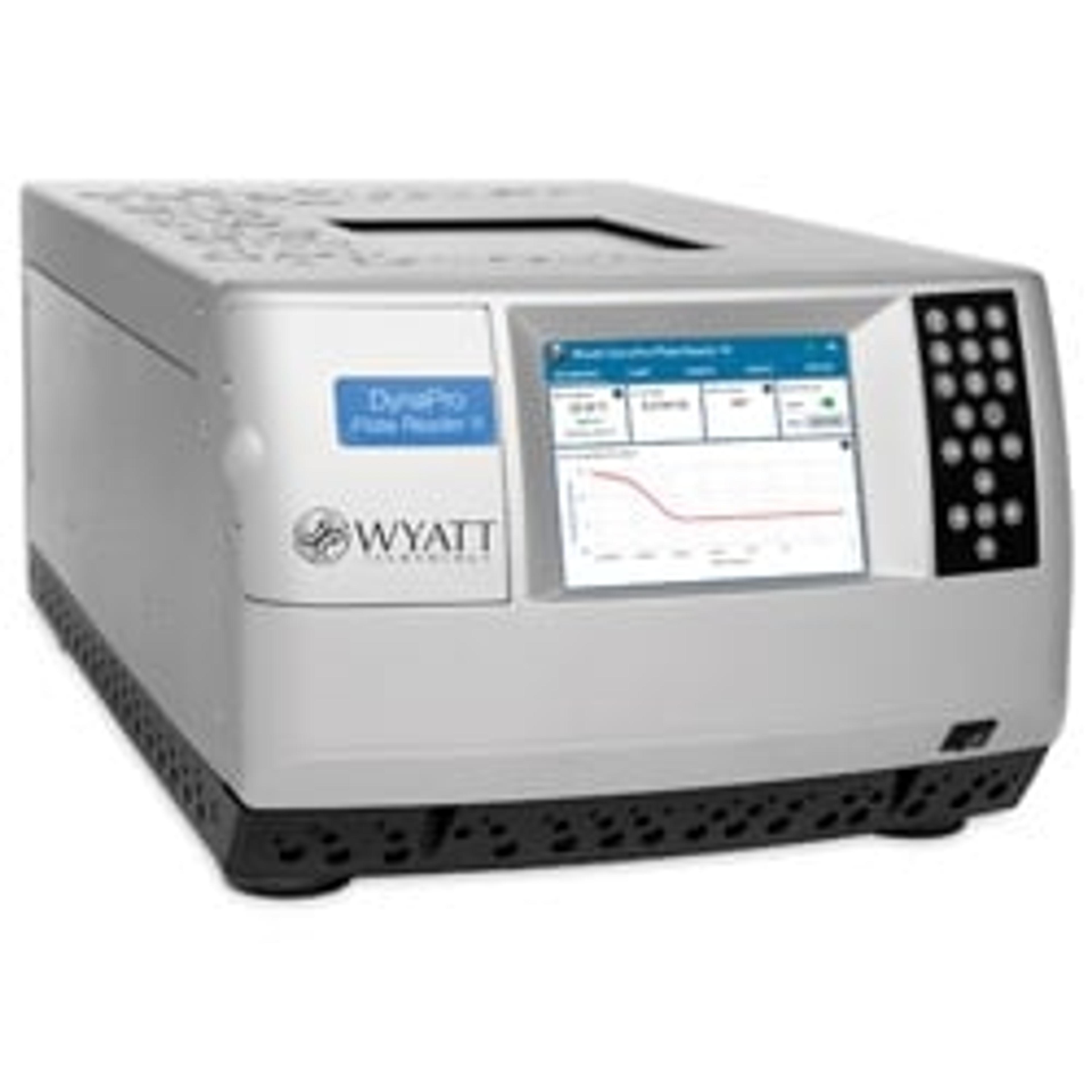
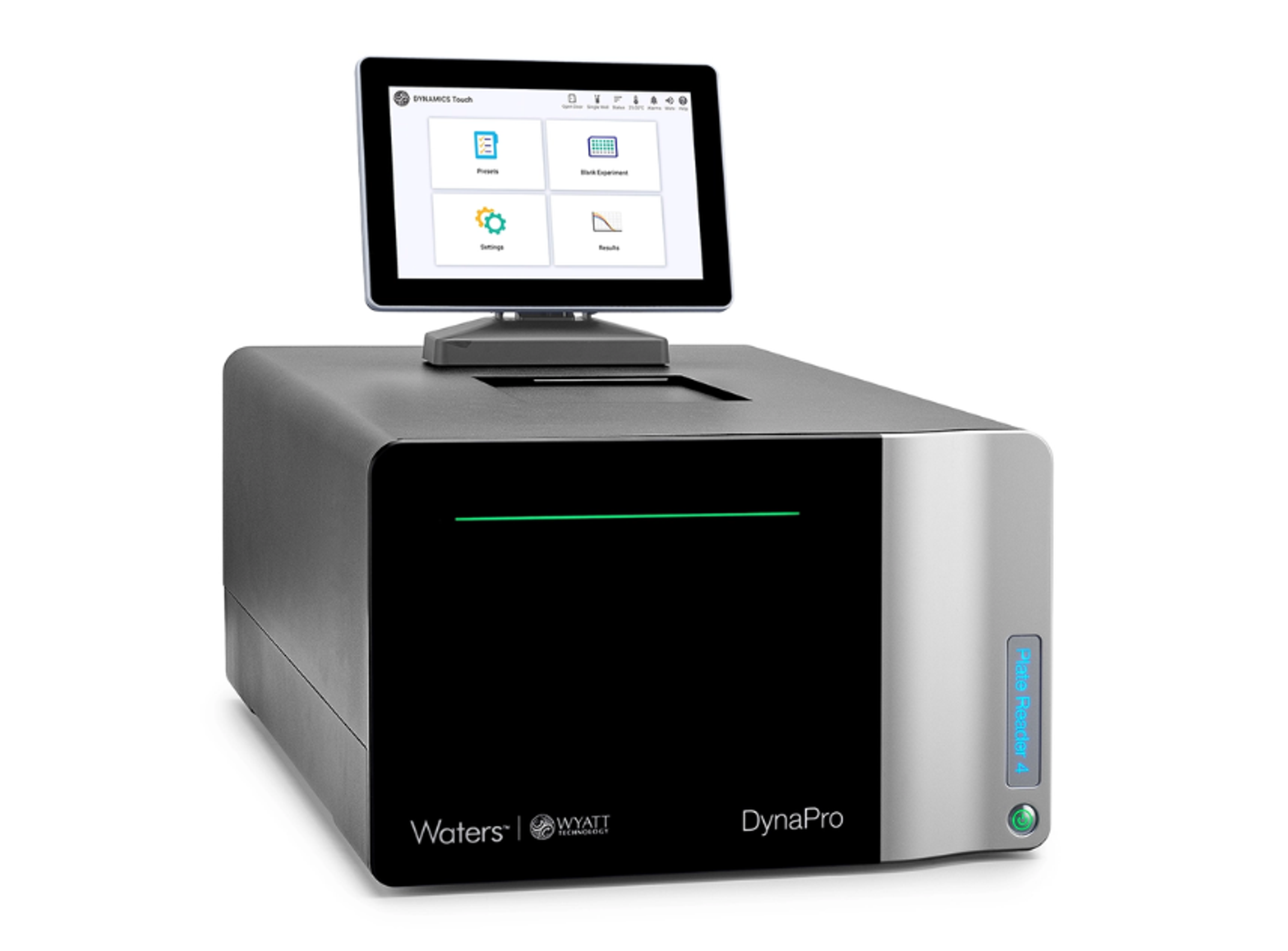
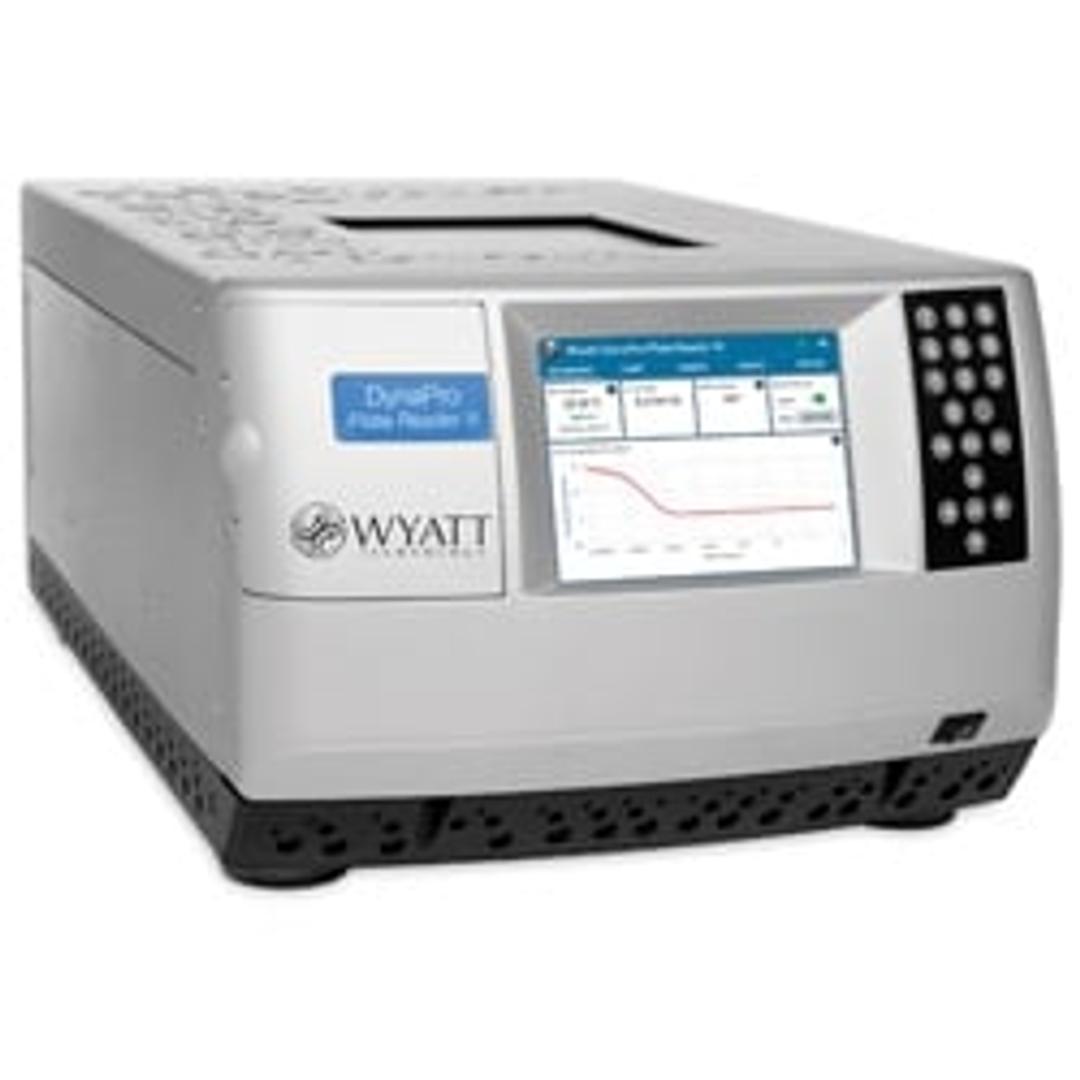
DynaPro™ Plate Reader Dynamic and Static Light Scattering Detector
Automated characterization of protein/nanoparticle size, stability and molecular weight in industry-standard microwell plates

Receive your quote directly from the manufacturer.
Pleasure to work on the instrument and interact with Wyatt's specialists.
Structural biology
Fast measurement for sample evaluation in many different conditions and concentrations.
Review Date: 25 Jul 2024 | Waters
Love the experimental design aspect, super versatile instrument.
LNP characterization
Great set up and seamless user interface.
Review Date: 23 May 2022 | Waters
Great machine and outstanding company.
Get the size of nanocarriers.
Easy to use, reliable, very friendly keto help staff and always available to help. The machine is at heart of what we do.
Review Date: 14 Dec 2021 | Waters
By far the best option for a DLS plate reader.
Protein aggregation
Everything about the instrument is straightforward and intuitive. I am especially impressed with the software; setting up experiments, interpreting and processing data, couldn't be easier.
Review Date: 7 Jul 2021 | Waters
Highly recommend this plate reader! Well worth the money.
Characterizing solution properties of macromolecules
Excellent services whenever needed! I highly recommend them.
Review Date: 7 Jul 2021 | Waters
Great instrument! Extremely useful and essential for conjugate analysis.
Analyzing protein conjugates
Great instrument to evaluate the conjugate product, highly reliable and reproducible results for successful conjugation, both quantitatively and qualitatively. Enjoy the versatility of applications. Highly recommend for polymer, polysaccharide, protein and nanoparticle applications.
Review Date: 7 Jul 2021 | Waters
Great instrument that is used almost daily in my lab.
Aggregation, AAV
The instrument is very valuable for pre-screening for large aggregates when running VGT samples. Also works well for screening beads for filtration purposes. We use this for many other applications as well.
Review Date: 7 Jul 2021 | Waters
Multitasking high throughput instrument. Has deep data analysis features built in.
Biophysical characterization of viruses, antibodies and nanoparticles
The instrument is very technical and the manual the vendor provided is very useful. I could contact the sales team anytime and they handle issues quickly.
Review Date: 24 Dec 2020 | Waters
These instruments allow us to ensure the high quality of the proteins we use for our research.
Protein oligomeric state and aggregation; protein/protein and protein/DNA interaction etc.
We have been using Wyatt instruments for many years and have been very happy with these instruments and Wyatt's services and tech support. They have been very helpful in providing guidance and support for our applications.
Review Date: 27 May 2020 | Waters
Great instrumentation!
kD analysis of antibody solutions
The instrument is very easy to use. Wyatt is always very helpful and supportive. They are experts in the field and are willing to go the extra mile to ensure their customers are satisfied and trained correctly.
Review Date: 27 May 2020 | Waters
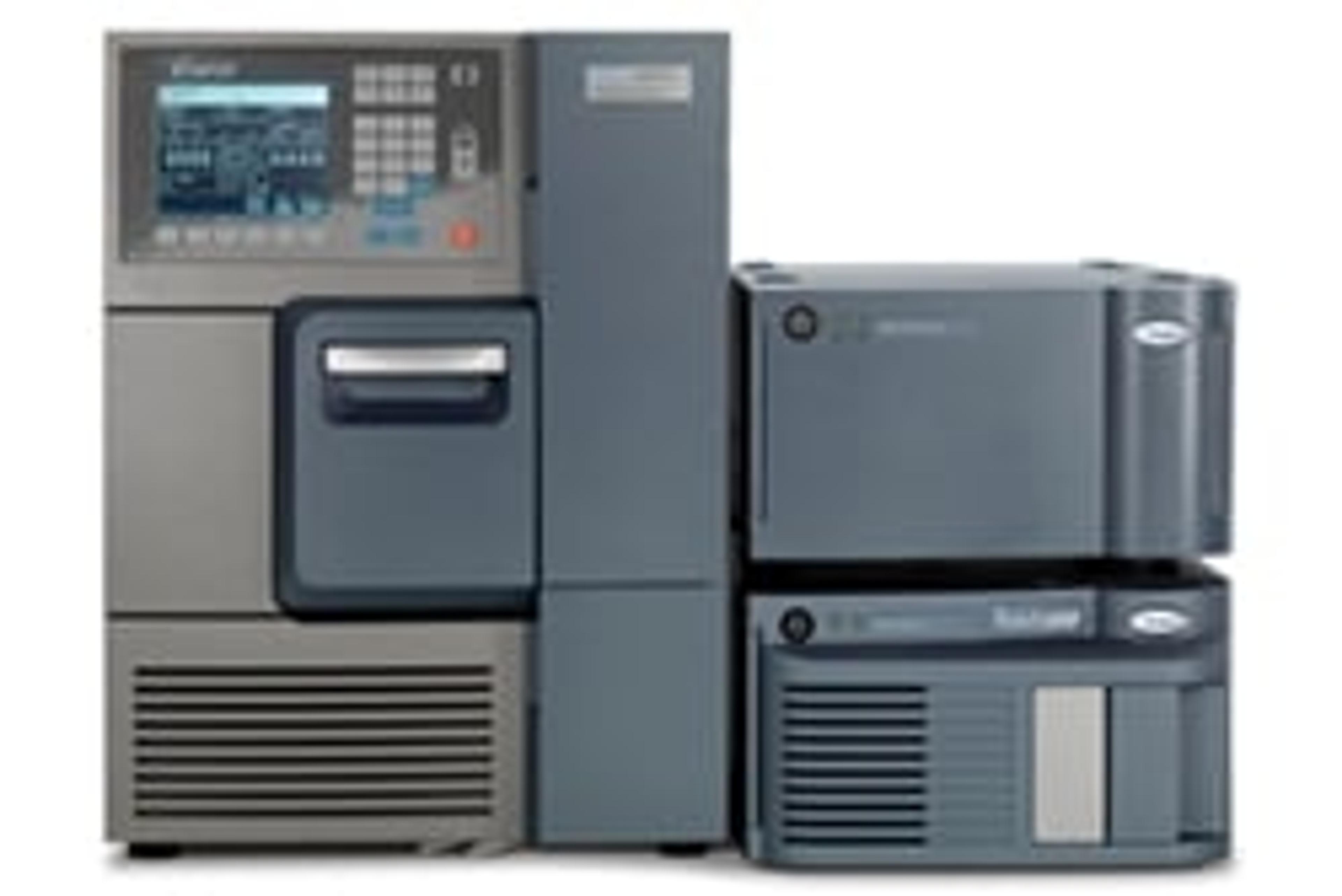
The DynaPro™ Plate Reader performs automated analysis of the size and molar mass of peptides, proteins, polymers, nanoparticles and emulsions using dynamic and static light scattering (DLS and SLS) in microwell plates.
All measurements take place in situ in microwell plates with no additional liquid handling, and samples are fully recoverable. The DynaPro™ enables novel, high-throughput workflows that simply would not be possible with typical cuvette-based DLS instruments.
Features:
- Uses industry-standard, flat-bottom 96, 384 or 1536-well plates
- DLS Sensitivity: 0.125 µg of 14.4 kDa lysozyme
- Hydrodynamic radius (Rh) range: 0.5 – 1000 nm
- SLS sensitivity: 1 mg/mL of 66.7 kDa BSA
- Molar mass range: 1 kDa – 1 MDa
- Minimum sample volume: 4 µL in 1536-well plates
- Temperature control: 4 – 85 °C
- Typical scan time for a fully-loaded 386-well plate: 90-120 minutes
- Infrared laser wavelength of 830 nm, not susceptible to fluorescence
- Embedded camera images the bottom of each well to identify precipitation, turbidity and bubbles
- Touch-panel display for immediate access to data, diagnostics and settings
- Software: DYNAMICS™ analysis software offers easy Experiment Builder method setup; comprehensive analysis of size and size distributions, molar mass, diffusion interaction parameter kD, second virial coefficient A2, thermal behavior Tagg/Tm/Tonset, DLS-based viscosity; versatile heatmap display of results; full export of all results; optional 21CFR11 support for GMP
Applications:
- Screen biotherapeutic candidates and formulations for developability and stability.
- Protein quality control before interaction screening
- Optimize protein buffers for crystallization and purification
- Identify ideal dissolution and processing conditions for nanoparticle or polysaccharide production
- Critical micelle concentration and temperature of surfactants or polymers
Brochures

DynaPro Plate Reader III Brochure
This product brochure presents Wyatt's DynaPro® Plate Reader III, the latest generation of the DynaPro instrument. A direct light scattering (DLS) microplate reader for the automated characterization of particles in biologics development.
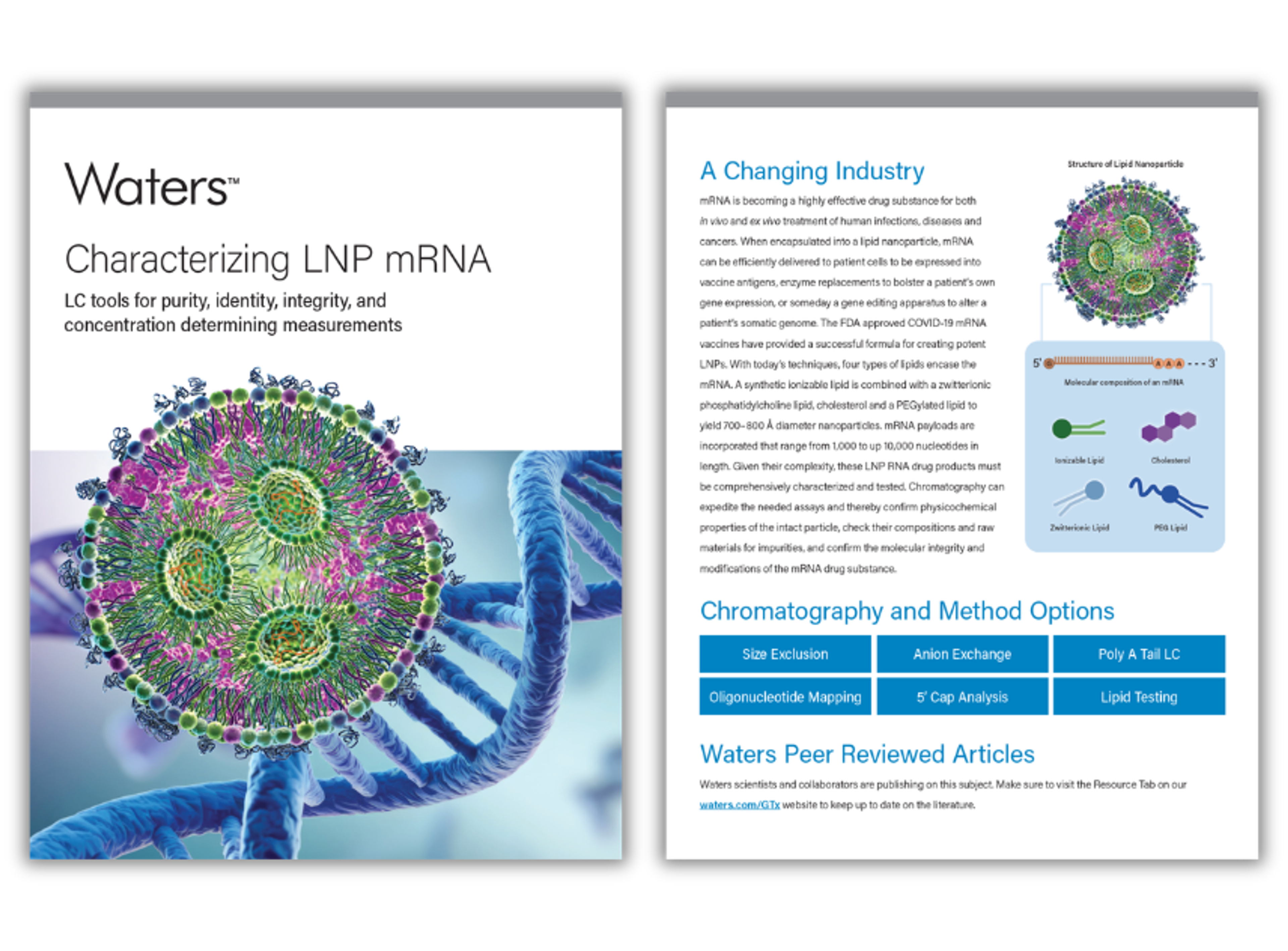
Characterizing LNP mRNA: LC tools for purity, identity, integrity and concentration measurements
This application note explores liquid chromatography workflows for the characterization of lipid nanoparticle (LNP) mRNA therapeutics and their critical quality attributes. Learn how chromatography-based methods can be used to assess mRNA integrity, sequence identity, 5′ cap structure, poly(A) tail length, plasmid topology, lipid composition and nanoparticle heterogeneity. Explore optimized SEC, anion exchange, reverse-phase LC and LC-MS approaches, along with specialized reagents and columns designed to support high-resolution analysis of LNP formulations, mRNA drug substances and associated raw materials throughout development and manufacturing.
Resource details:
Resource type: Application note
Page count: 12
Read time: 15 mins
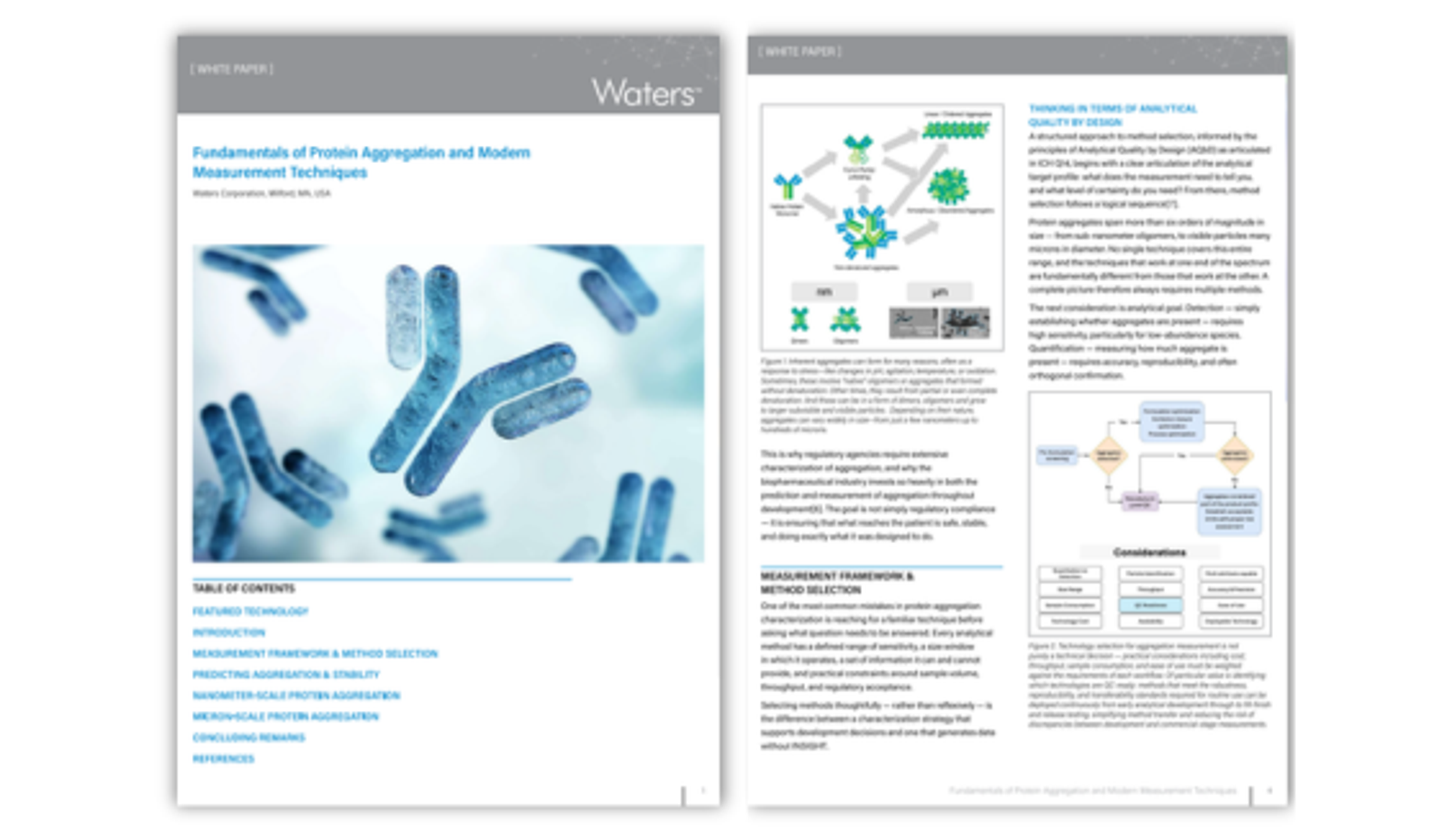
Fundamentals of protein aggregation and modern measurement techniques
Protein aggregation remains one of the most significant challenges in biopharmaceutical development. Aggregates can form during production, purification, formulation, storage, and administration, with sizes ranging from tiny oligomers to visible particles. Detecting, characterizing, and mitigating these species is critical for maintaining product quality, stability, and patient safety.
Explore in this whitepaper the fundamentals of protein aggregation and the modern techniques used to predict, measure, and characterize it throughout development. Learn how dynamic light scattering (DLS), size-exclusion chromatography with multi-angle light scattering (SEC-MALS), and backgrounded membrane imaging (BMI) provide complementary insights to support confident decisions, strengthen product quality, and advance safer biotherapeutics.
Resource details:
Resource type: Whitepaper
Page count: 16
Read time: 22 mins
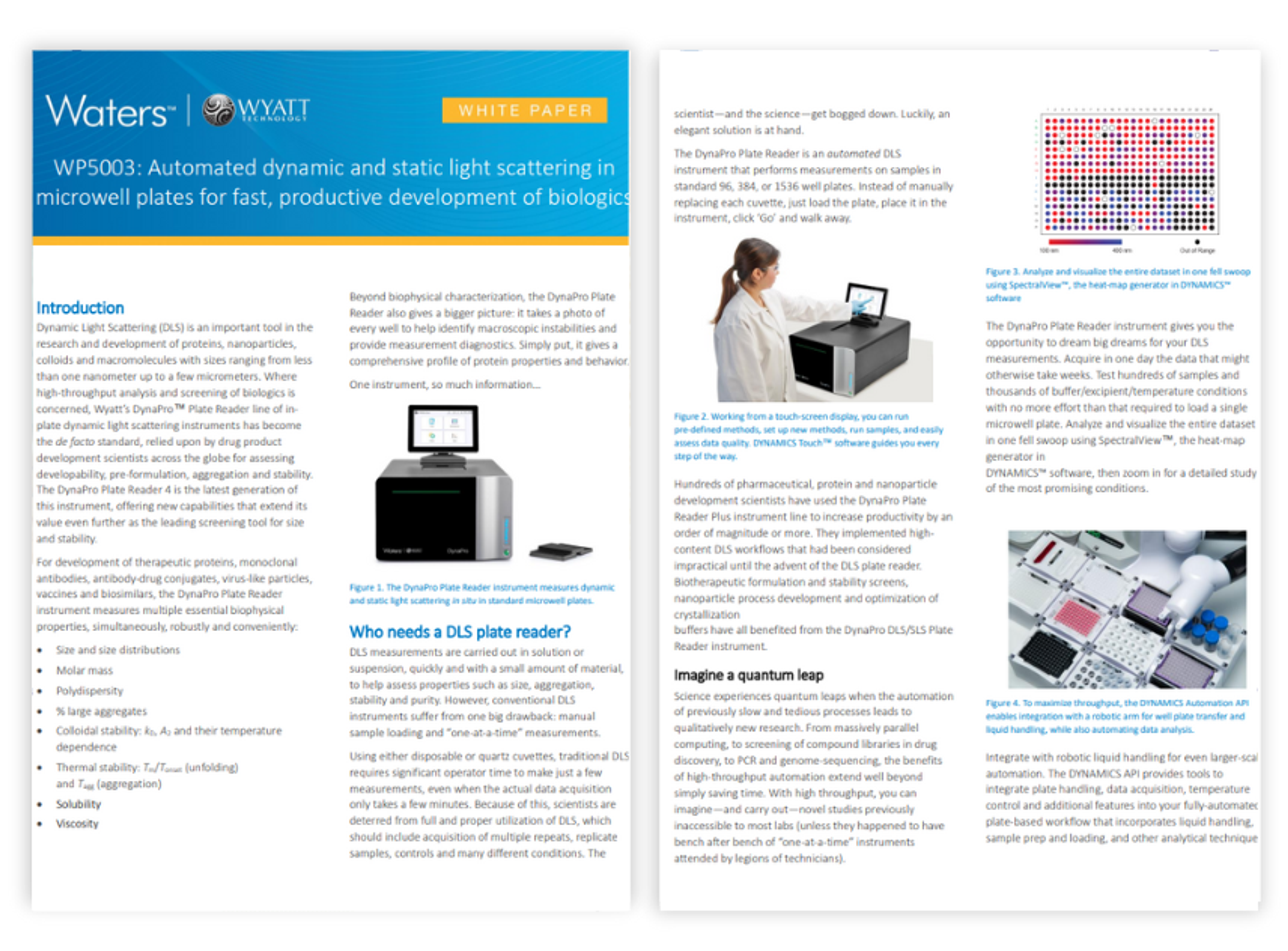
Automated dynamic and static light scattering in microwell plates for fast, productive development of biologics
High-throughput screening of biologics demands precise, efficient measurement of size and stability, yet traditional methods can be slow and complex. Researchers need tools that simplify analysis without compromising data quality.
Discover how dynamic light scattering technology supports robust, simultaneous measurement of key biophysical properties across proteins, nanoparticles, and therapeutic candidates.
Particle size analysis by DLS for optimization of protein complexes for measurement by small-angle neutron scattering
Explore how dynamic light scattering (DLS) can be used to ensure monodispersity in protein samples for small-angle neutron scattering (SANS) studies. Discover how researchers using the DynaPro™ Plate Reader, detected protein aggregation that was undetectable by SDS-PAGE and UV spectroscopy. This method enhances sample quality assessment, ensuring reliable SANS measurements for studying Type I bacterial restriction-modification systems.
Characterization of AAV-based viral vectors by DynaPro DLS/SLS instruments
In this application note, Wyatt Technology explores the utilization of the DynaPro Plate Reader and DynaPro NanoStar instruments for the quantification of three quality attributes (QAs) of AAV drug products: aggregate content, thermal stability, and total viral particle concentration. These two technologies, which combine dynamic light scattering (DLS) and static light scattering (SLS) respectively, represent low-volume, quick-screening tools for quantifying AAV quality attributes.
Quantifying quality attributes of AAV gene therapy vectors by SEC-UV-MALS-dRI
In this application note, Wyatt Technology present a simple and direct size-exclusion chromatography method with UV-MALS-dRI detection, which can be readily employed to quantify AAV particle concentration, capsid content, and aggregation throughout the AAV product development and manufacturing processes.
Real-time product attributes, from lab to plant
Process analytical technologies are a key enabler of quality by design (QbD) and Bioprocess 4.0. Implementation of light-scattering based process analytical technology (PAT), inline and online, shifts the focus of PAT from process parameters to product parameters and hints at a pathway to real-time release. Learn more about multi-angle light scattering as an analytical technology for biopharmaceuticals and nanomedicines, and explore the methods available for utilizing real-time MALS as a PAT tool from process development to scale-up and production.
Biopharmaceutical characterization: Improve predictive screening
Due to their large size and complex structures, characterizing biotherapeutics requires robust and demanding analytical techniques. Traditional methods can fail to deliver on either the sensitivity required or the speed desired to accelerate the drug development pipeline.
In this eBook, we look at how you can achieve deeper characterization of biotherapeutic proteins using light scattering techniques. We detail how this technique can be applied at almost every stage of the drug development pipeline, and present approaches for different types of biotherapeutics.
Download the guide to learn how this technology can help you:
- Identify insulin oligomeric states
- Characterize monoclonal antibodies and antibody-drug conjugates (ADCs)
- Characterize self-associating antibody solutions
- Quantify insulin self-association
- Measure colloidal and thermal stability
- Assess drug candidate suitability
Probing the aggregation rate of Tau protein with automated DLS and SLS
In this application note, Wyatt Technology describes how batch dynamic and static light scattering, as performed by the DynaPro Plate Reader, can be used to investigate the aggregation of tau proteins associated with neurodegenerative diseases. This technique promises a quick and easy-to-use method for the screening of starting materials, measurement of aggregation rate at the nanometer scale, and the probing of size distributions.
Key publications on the characterization of vaccines with multi-angle and dynamic light scattering
In this publication list, Wyatt Technology showcases research that has used multi-angle and dynamic light scattering for the characterization of vaccine agents such as viruses, virus-like particles, mRNA or DNA vectors, polysaccharides, and protein-polysaccharide conjugates.
Leveraging light scattering techniques for enhanced biotherapeutic characterization and development
Prof. Dr. Hristo L. Svilenov, Professor of Biopharmaceutical Technology at Ghent University, and Dr. Lorenzo Gentiluomo, Senior Sales Account Manager at Waters/Wyatt Technology, will present several case studies demonstrating the use of various light scattering techniques for the advanced characterization of biopharmaceutical samples. They will focus on dynamic light scattering (DLS), size-exclusion chromatography coupled to multi-angle light scattering (SEC-MALS) and real-time multi-angle light scattering (RT-MALS).
Key learning objectives
- Learn the basics of light scattering techniques
- Discover how to effectively distinguish between different light scattering methods, including DLS, SLS, SEC-MALS and RT-MALS
- Understand how different light scattering can be used to characterize therapeutic proteins
Who should attend?
Scientists interested in the analytical characterization of biopharmaceuticals using light scattering techniques.
Certificate of attendance
All webinar participants can request a certificate of attendance, including a learning outcomes summary, for continuing education purposes.
Advancing light scattering assays for AAV products
Wednesday, March 19 at 15:00 GMT/ 16:00 CET/ 11:00 EDT/ 08:00 PDT
AAV-based gene therapy products are heterogeneous, composed of empty, partial, and full monomer capsid species as well as capsid aggregates and fragments. Join our exclusive webinar where Dr Margaret Butko, Director of CMC Assay Development, Adverum and Dr. Prithwijit Sarkar, Sr. System Account Manager, Waters|Wyatt Technology, will present two methods: GMP-compliant DLS (dynamic light scattering) which is used for monitoring capsid aggregation, including generation of a capsid aggregation standard, and the FFF-MALS (field-flow fractionation coupled with multi-angle light scattering) method, used for quantifying the relative abundance of capsid aggregates.
Explore these two methods, with the addition of quantification platform SEC-MALS (size exclusion chromatography coupled with multi-angle light scattering), to quantify the relative abundance of both capsid aggregates and full capsids. Find out how you can elevate your AAV-based gene therapy research with these tools and ensure the delivery of consistent products to patients.
Certificate of attendance
If you attend the live webinar, you will automatically receive a certificate of attendance, including a learning outcomes summary, for continuing education purposes.
If you view the on-demand webinar, you can request a certificate of attendance by emailing editor@selectscience.net.
Webinar details
- Cost: Free to attend
- Location: Online
- Duration: 60 minutes
Registration is required to secure your place. If you register but can’t attend live, you will receive a link to the on‑demand recording once it becomes available.

Experimental methodology in a core facility: Light scattering for preliminary experiments and final answers
As a core analytical facility, we are approached by users seeking our services with a large variety of samples. They usually have specific experiments/equipment in mind, frequently desiring to use the most intensive experimental techniques (in terms of sample, time, and money), when a simpler technique could give them the answers they require at a fraction of the cost. Often our recommended techniques include preliminary analysis with dynamic light scattering (DLS), followed by multi-angle light scattering (MALS), instead of analytical ultracentrifugation (AUC) or other high-maintenance biophysical techniques.
In this webinar expert speakers will explain, with a few examples, the methodology we have developed to save users time, sample, and money by prioritizing certain techniques for preliminary experiments. Many times the results from these ‘preliminary’ experiments are sufficient to provide the answers to the questions our researchers are asking.
Key learning objectives
- The fundamentals of light scattering theory, instrumentation and applications
- How light scattering instruments are used for fast, preliminary experiments before more intensive studies are attempted
- How often preliminary experiments provide all the answers needed for the scientific question
- Advantages (and some disadvantages) of Wyatt’s DLS and MALS instruments in relation to other techniques such as AUC.
Who should attend?
- Customers of biophysical core facilities or CROs who are considering light scattering in relation to other techniques
- Lab managers responsible for biophysical characterization who would like to optimize facility workflows, productivity, and use
Certificate of attendance
All webinar participants can request a certificate of attendance, including a learning outcomes summary, for continuing education purposes.
The biopharma innovations transforming patient health
Explore innovations such as oligonucleotide therapeutics, bi-specific antibodies, CAR-T therapy and CRISPR
LNP-RNA analysis to quantify payload, encapsulation efficiency and more
Guest editorial: Discover how a novel LNP payload analysis method enables comprehensive and accurate characterization in a single run

Light Scattering Technology Drives Biologics Development at AbbVie
Discover the innovative SEC-MALS technology being utilized by AbbVie’s pharmaceutical researchers


Identifying Promiscuous Inhibitors in Drug Discovery at the UCSF Shoichet Laboratory
The significance of detecting colloid aggregation in high-throughput screening, as explained by Brian Shoichet