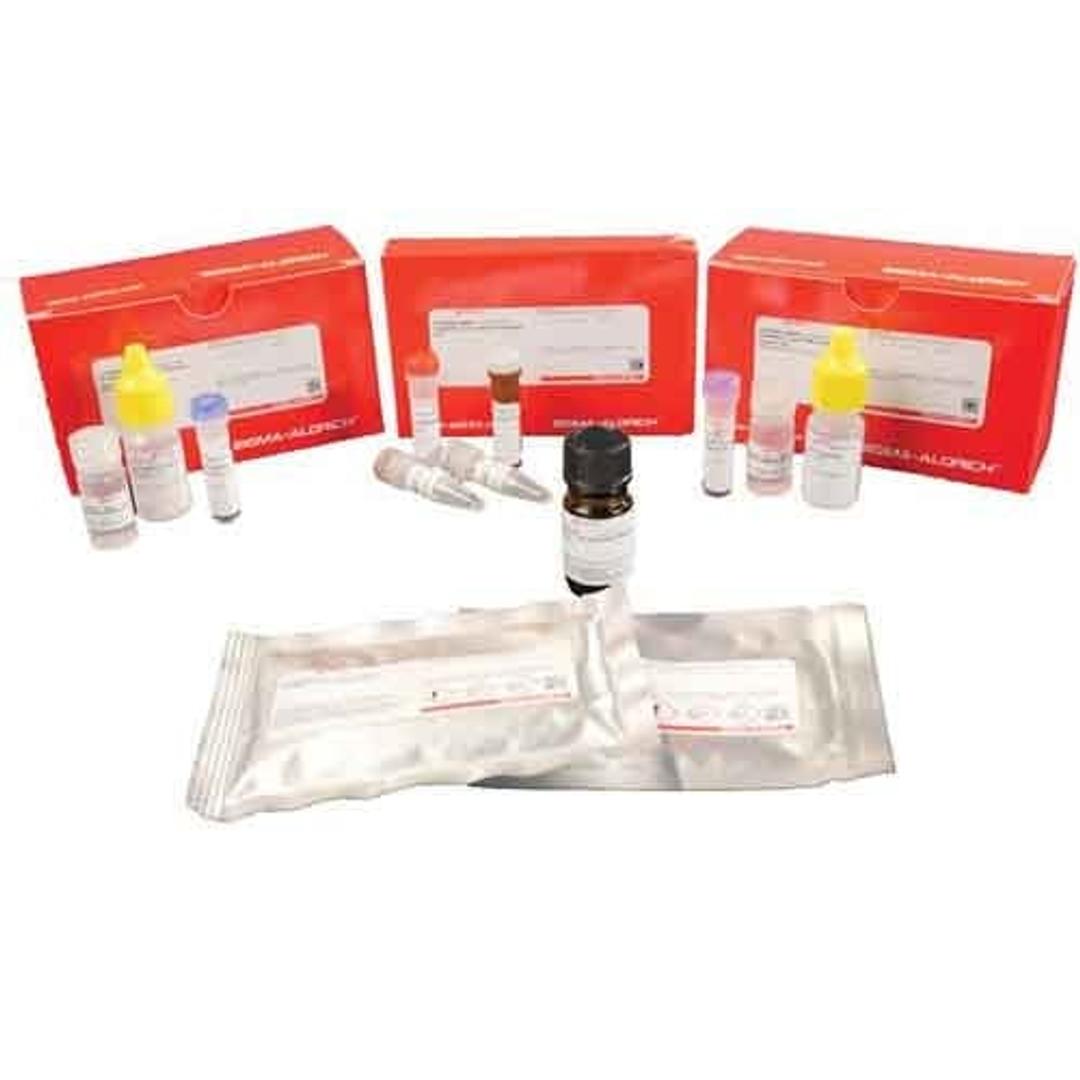
Duolink In Situ Red Starter Kit Mouse/Rabbit
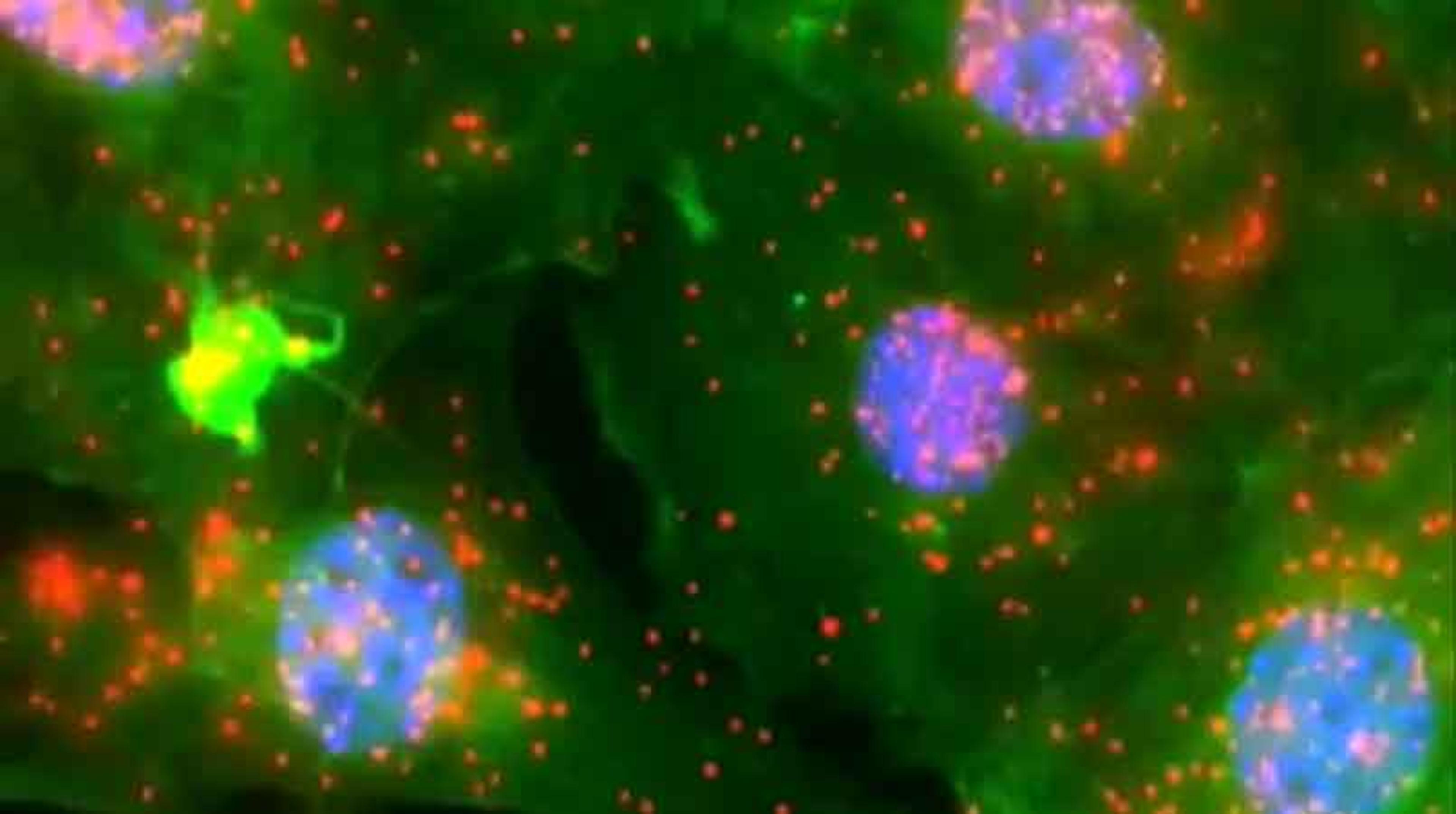
Application Duolink® proximity ligation assay(PLA®) allows for endogenous detection of protein interactions, post translational modifications, and protein expression levels at the single molecule level in fixed cells and tissue samples. Follow the Duolink® In Situ Fluorescence Protocol to use this product. A set of short instructionsis also available. Visit our Duolink® PLA Resource Center for information on how to ru…


The supplier does not provide quotations for this product through SelectScience. You can search for similar products in our Product Directory.
Fast and easy solution for colocalization
Molecular Biology
Easy and fast to study protein-protein interaction
Review Date: 24 Mar 2022 | Merck
fancy technique, worthwhile to invest time
for the pupose of research to study protein protein interaction
Proximity Ligation Assay (PLA) is a very fancy and sophisticated user friendly technique to study protein-protein interactions. It generates high quality, reproducible and trustworthy data (with the right controls in the experiment). The protocol has been very well standardized and works exactly according to the manual for most of the proteins. Its worthwhile to spend time with this product if you are interested in studying protein-protein interactions.
Review Date: 5 Mar 2018 | Merck
Easy evaluation of protein co-localization in cultured cells
Evaluation of co-localization of two membrane proteins in subtypes of pancreatic cancer
The Duolink kit was used to evaluate the co-localization of two membrane proteins in different subtypes of pancreatic cancer and of normal pancreas. Both the labelling of the two antibodies with the two different linker and the subsequent analytics were easy to perform. All controls showed the expected results. Favorable time to result.
Review Date: 6 Nov 2017 | Merck
Application
Duolink® proximity ligation assay(PLA®) allows for endogenous detection of protein interactions, post translational modifications, and protein expression levels at the single molecule level in fixed cells and tissue samples.
Follow the Duolink® In Situ Fluorescence Protocol to use this product. A set of short instructionsis also available.
Visit our Duolink® PLA Resource Center for information on how to run a Duolink®experiment, applications, troubleshooting, and more.
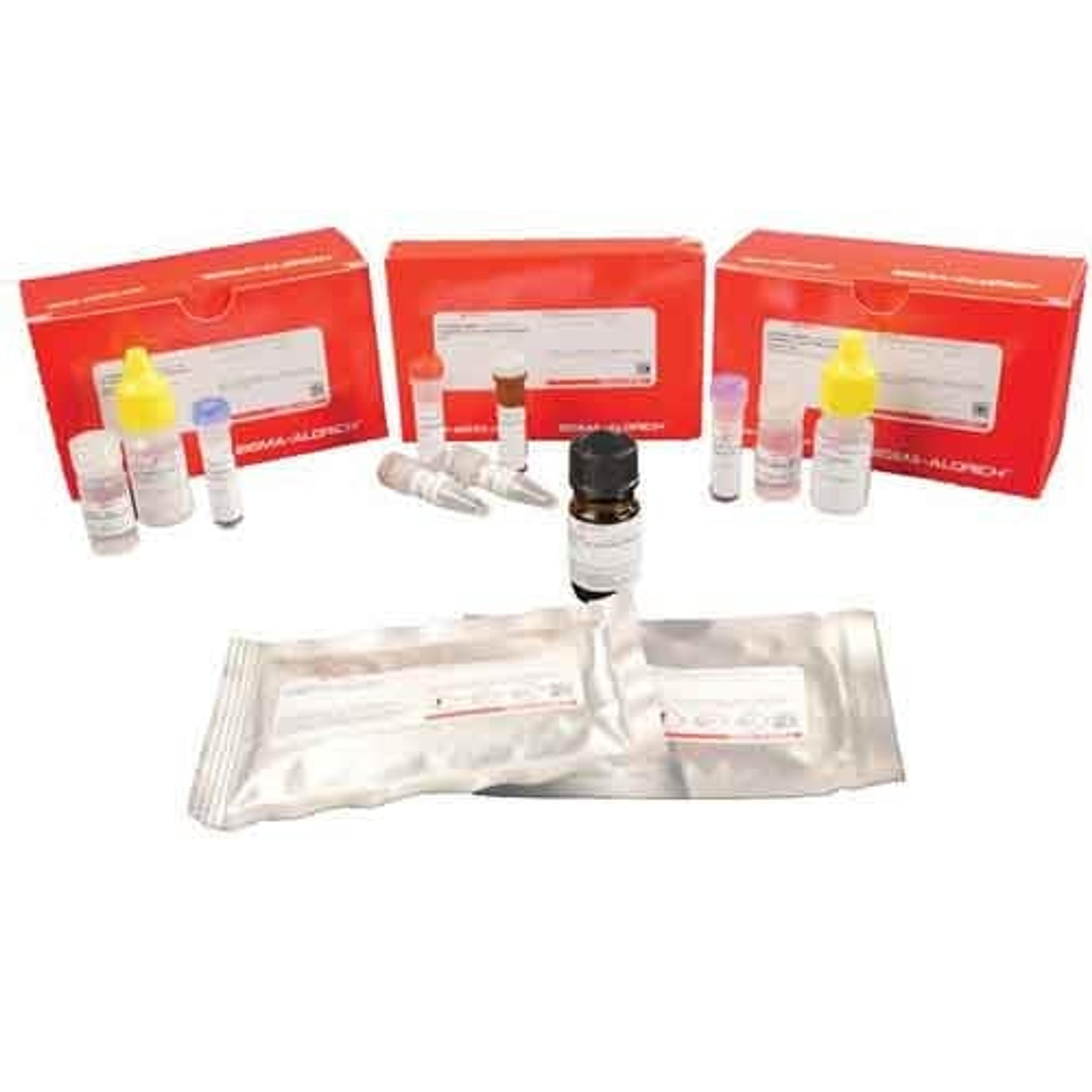
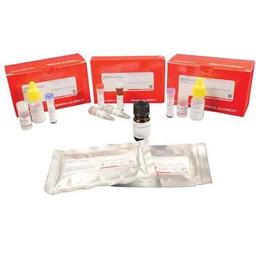
To perform a complete Duolink® PLA in situ experiment you will need two primary antibodies (PLA, IHC, ICC or IF validated) that recognize two target epitopes.This starter kit supplies all other necessary reagents for 30 Duolink® PLA reactions, which include a pair of PLA probes (Anti-Rabbit PLUS and Anti-Mouse MINUS), red detection reagents, wash buffers, and mounting medium. Note that the primary antibodies must come from the same species as the Duolink® PLA probes. Analysis is carried out using standard immunofluorescence assay equipment.
Specificity
The Duolink® In Situ Red Starter Kit Mouse/Rabbit requires one primary antibody from mouse and one primary antibody from rabbit. Red fluorescence detection reagents are often used with Texas Red® filter.
Application Note
Two primary antibodies raised in different species are needed. Test your primary antibodies (IgG-class, mono- or polyclonal) in a standard immunofluorescence (IF), immunohistochemistry (IHC) or immunocytochemistry (ICC) assay to determine the optimal fixation, blocking, and titer conditions. Duolink® PLA in situ reagents are suitable for use on fixed cells, cytospin cells, cells grown on slide, formalin-fixed, paraffin embedded (FFPE), or tissue (fresh or frozen). No minimum number of cells is required.
Features and Benefits
- No overexpression or genetic manipulation required
- High specificity (fewer false positives)
- Single molecule sensitivity due to rolling circle amplification
- Relative quantification possible
- No special equipment needed
- Quicker and simpler than FRET
- Increased accuracy compared to co-IP
- Publication-ready results
Brochures

Amplified Detection - Duolink® Proximity Ligation Assay (PLA)
This product brochure presents MilliporeSigma's Duolink® proximity litigation assay (PLA) kits. Amplify proteins by 1000x allowing you to visually detect proteins and their interactioins using straightforwards protocols.
Duolink® PLA Product Selection Guide
This product brochure introduces the different Duolink® proximity litigation assay kits available and gives a brief overview of their technical specifications.
Duolink® PLA Brightfield Protocol
This application note describes a protocol for the use of Duolink® PLA reagents for the brightfield detection, visualization, and quantification of individual proteins, protein modifications, and protein interactions in tissue and cell samples.
Duolink® PLA Probemaker Guide
This application note describes the use of the Duolink® In Situ Probemaker for the conjugation of PLA oligonucleotides (PLUS or MINUS) to any antibody for use in Duolink® PLA experiments. Probemaker-generated PLA antibodies can be used in combination with or independent from standard Duolink® PLA Probes, as long as a PLUS PLA probe and a MINUS PLA probe are used.
EGFR Family Interaction Analysis Using Duolink® PLA
EGFR, or human epidermal growth factor receptor, is important in the development and progression of various cancers. This application note investigates the dimerization and activation pattern of two receptors in the EGFR family, using breast cancer cell lines and select colon tissues as model systems.
Create Your own PLA® Probes
This application note describes the use of Duolink® kits to create your own proximity litigation assay (PLA) probes. Using Duolink In Situ Probemaker PLUS and MINUS, you simply conjugate the PLUS and MINUS oligo arms directly to your antibodies in a quick and convenient procedure.
Optimizing the Duolink® Proximity Ligation Assay
To successfully execute a Duolink® PLA experiment, there are some necessary considerations to properly prepare for, setup, and execute the assay protocol. Duolink® PLA products are available for fluorescence and brightfield. Fluorescence Duolink® PLA reagents can be used in both microscopy and flow cytometry application formats.
Duolink® PLA Troubleshooting Guide
Read this application note for tips, tricks and support for using Duolink® proximity litigation assay (PLA) kits.
Duolink® PLA Fluorescence Protocol
This protocol describes the use of Duolink® PLA reagents for the immunofluorescent detection, visualization, and quantification of individual proteins, protein modifications, and protein interactions in tissue and cell samples. Learn more about Duolink® PLA technology.
An Introduction to Duolink® PLA
Duolink® PLA protein detection technology is based on in situ proximity ligation assay (PLA), and allows for the detection, visualization, and quantification of protein expression, protein-protein interactions, and post-translational modifications, in unmodified cells and tissue samples within a matter of hours. Learn more about Duolink® PLA technology.
Detection of Signaling Effector-Complexes Downstream of BMP4 Using in situ PLA
In situ PLA is a technology capable of detecting protein interactions with high specificity and sensitivity. This technology couples antibody recognition with the amplification of DNA surrogate of the protein. It generates a localized, discrete signal in a form of spots revealing the exact position of the recognition event. The number of signals can be counted and compared providing a measurement. We applied in situ PLA, using the Duolink kit, with a combination of antibodies that allows the detection of the BMP signaling effectors phospho-Smad1/5/8 and Smad4 only when these are in proximity i.e. in a complex, which occurs only with signaling activation. This allowed for the first time, the visualization and measurement of endogenous BMP signaling with high specificity and sensitivity in a time course experiment under BMP4 stimulation.
Duolink® PLA: Protein Detection Technology
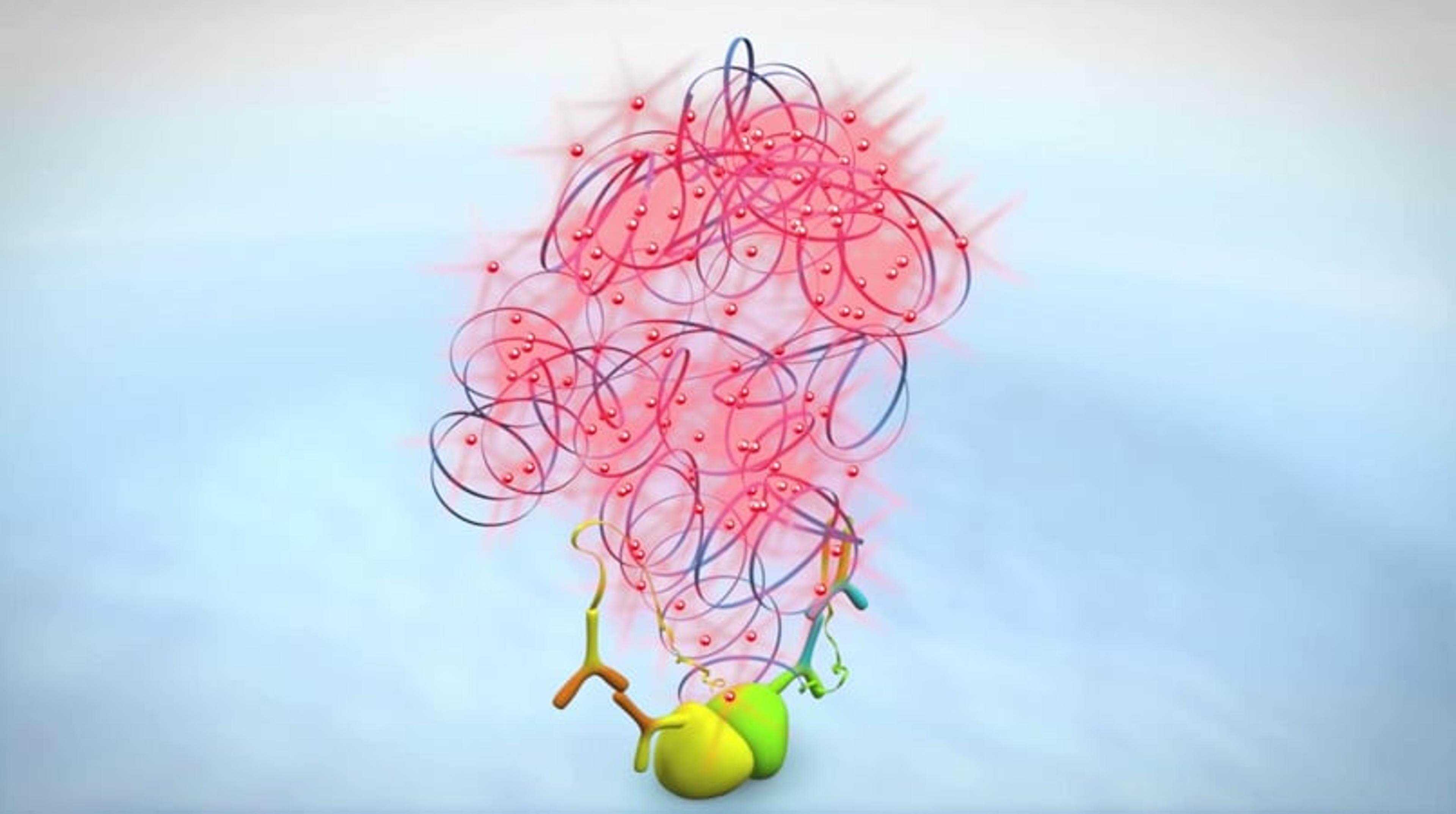
This video demonstrates how Duolink® PLA (proximity ligation assay) can be used in the visualization of endogenous proteins in their native state, detecting both weak and transient interactions with localization. The use of rolling circle amplification enables the hybridization of up to 1000 detector probes, resulting in discrete PLA signals visible at the microscopic level. Learn more about Duolink® PLA technology.