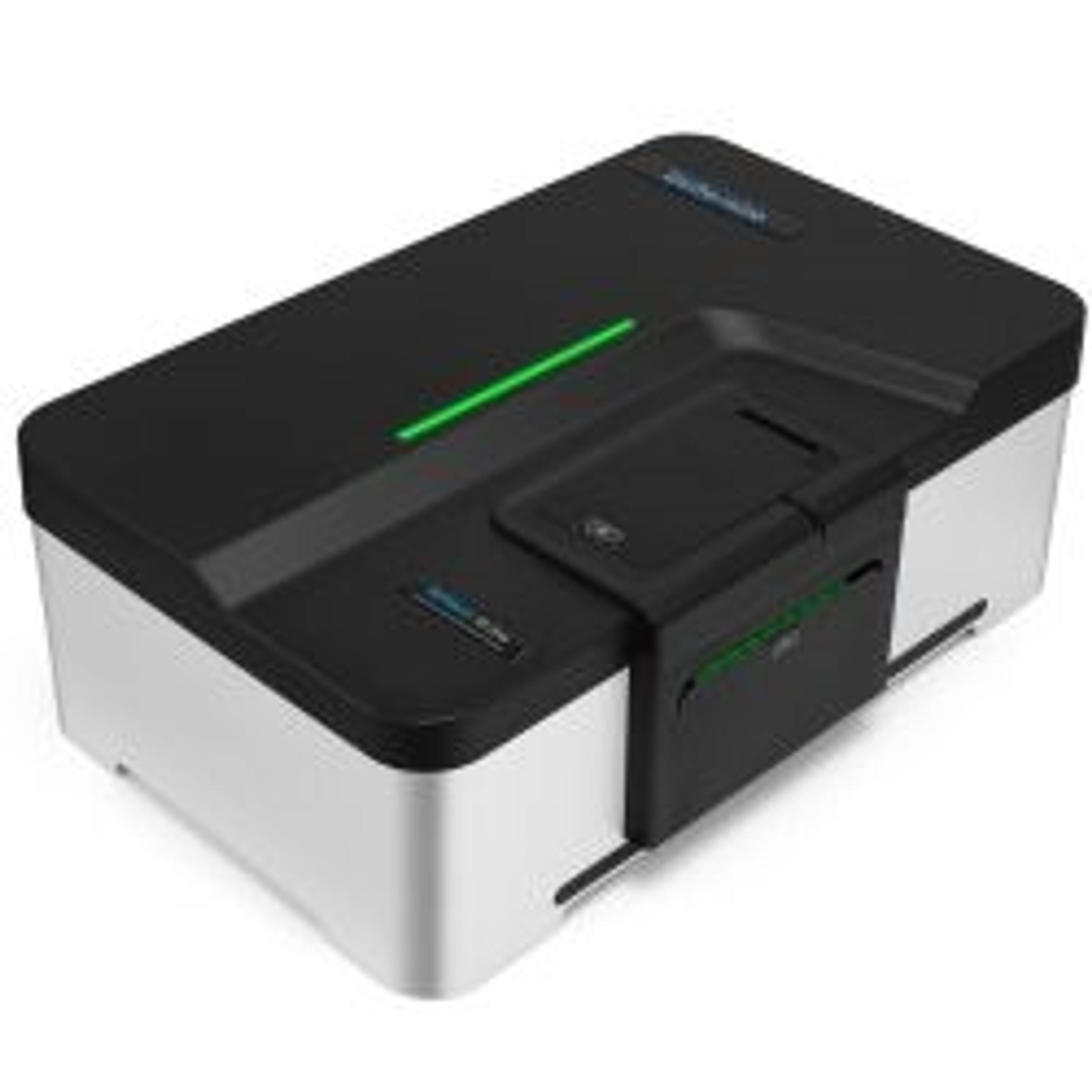
BeNano 90 Zeta by Bettersize Instruments
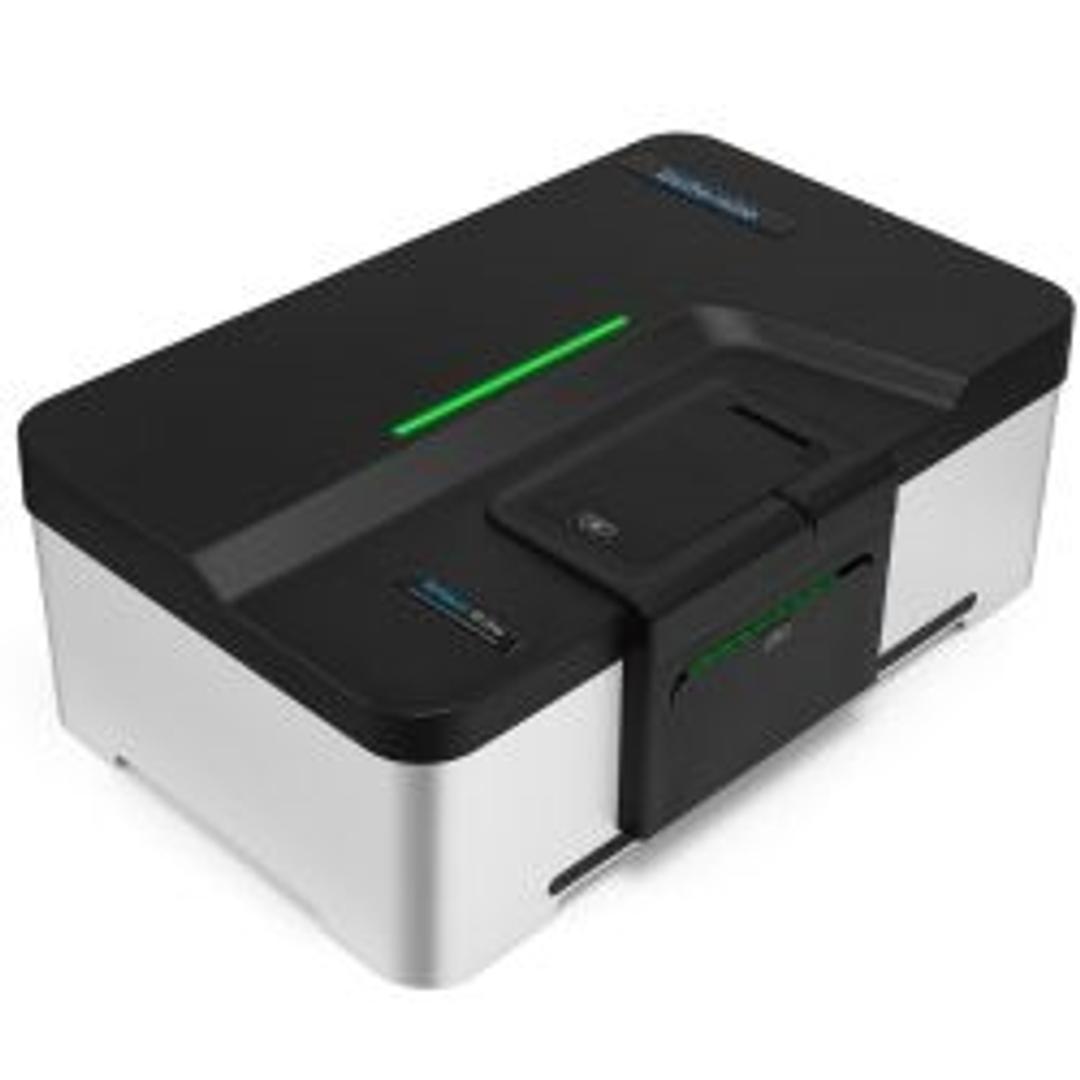
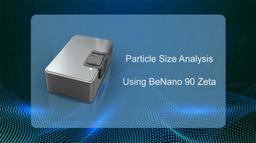
Nanoparticle Size and Zeta Potential Analyzer


The supplier does not provide quotations for this product through SelectScience. You can search for similar products in our Product Directory.
Easy to use and accurate results
Nanomaterials
Despite BeNano 90 Zeta is a multifunction analytical machine, yet easy to use compared to other particle sizers even for new students. Having this machine is a great benefit to our research projects because its aid in generating accurate results with ease.
Review Date: 11 Nov 2022 | Bettersize Instruments Ltd
Excellent outcome
Pharmaceuticals
BeNano 90 Zeta delivers incredible outcomes for the analysis of nanoparticles such as particle size and zeta potential of our drug samples. This is the most utilized and valued analyzer in our laboratory.
Review Date: 7 Nov 2022 | Bettersize Instruments Ltd
The BeNano 90 Zeta is the latest generation of nanoparticle size and zeta potential analyzer designed by Bettersize Instruments. The system is integrated with dynamic light scattering (DLS), electrophoretic light scattering (ELS), and static light scattering (SLS) to deliver accurate measurements of particle size, zeta potential and molecular weight. The BeNano 90 Zeta is widely applied in academic and manufacturing processes of various fields including chemistry, chemical engineering, biology, pharmaceuticals, food, materials, et cetera.
Features and Benefits
- High-Performance Hardware
- He-Ne Laser
- Top-class light quality that is narrow, monochromatic and coherent
- APD
- High sensitivity for low concentration or weak scattering sample
- Temperature Control System
- Wide temperature range (-10~110℃ ) suitable for more applications
- Rapid Measurement Capability
- Fast operations and editable results
- Intelligent Intensity Adjustment
- Intelligent adjustment of the intensity according to the signal-noise ratio
- Sensitive Optical Fiber Detection System - effectively increase signal-noise ratios due to the high sensitivity of the optical system
- Highly Stable Optical Design - provides highly repeatable results with no routine maintenance required
Research Level Software
- Standard Operating Procedure (SOP) - Ensures the completeness and accuracy of parameters
- Phase Analysis Light Scattering - Measurement of low electrophoretic mobility and zeta potential
- Intelligent Algorithm of Result Evaluation - Intelligent evaluation and processing of signal quality to eliminate the effect of random events
- Versatile Calculation Modes - Various built-in calculation modes to cover multiple scientific research and application fields
Versatile Accessories
- Capillary Sizing Cell - Sample volume down to 3-5 μL and higher measurement accuracy for large particles
- Disposable Folded Capillary Cell - Excellent repeatability of zeta potential measurements and avoid cross-contamination
Brochures

Introducing the BeNano 90 Zeta
This product brochure describes the BeNano 90 Zeta nanoparticle size and zeta potential analyzer designed by Bettersize Instruments Ltd. Dynamic light scattering (DLS), electrophoretic light scattering (ELS), and static light scattering (SLS) are integrated into the system which is designed to provide accurate measurements on particle size, zeta potential, and molecular weight.
Using BeNano 90 Zeta to measure the particle size and zeta potential of multicolor UV-sensitive resins
This application note details how Bettersize Instruments employed the BeNano 90 Zeta nanoparticle size and zeta potential analyzer to assess UV-sensitive resins containing various nanoscale pigments. These multicolor UV-sensitive resins, crucial in 3D printing, inks, and paintings, are composed of suspended organic or inorganic particles in liquid photopolymers. As demands for product appearance and performance rise, particle sizes are reduced to the nanoscale to enhance properties like dispersibility, curing, glossiness, and brightness. However, achieving stable nanoscale dispersion is challenging due to the natural tendency of nanoparticles to aggregate. This study aimed to understand and enhance the dispersibility of these nanoparticles in the resin for practical applications.
Explore the BeNano 90 Zeta
In this application note from Bettersize Instruments, explore the BeNano 90 Zeta, the latest generation of nanoparticle size and zeta potential analyzer. Dynamic light scattering, electrophoretic light scattering and static light scattering are integrated in the system to provide accurate measurements on particle size, zeta potential and molecular weight. The BeNano 90 Zeta is widely applied in academic and manufacturing processes of various fields including but not limited to: chemical engineering, pharmaceuticals, food and beverage, inks and pigments, and life science.
A practical guide to nanoparticle characterization
In this eBook, Bettersize provides a practical guide to nanoparticle characterization using light scattering techniques. It covers three main topics: size measurement, zeta potential measurement, and molecular weight measurement. The eBook explains concepts such as dynamic light scattering and electrophoretic light scattering, and provides practical considerations for each technique. It offers specific examples of applications and aims to empower scientists, researchers, engineers, and students in their nanoparticle research.
Investigating the particle size, molecular weight, and thermal denaturation of lysozyme
In this application note, the BeNano 90 Zeta was used to determine the particle size and molecular weight of lysozyme. The application note also demonstrates how lysozyme denaturation at high temperatures can be successfully carried out by utilizing the precise temperature-control system of the BeNano 90 Zeta.
Zeta potential measurement of a powdered coffee creamer using the BeNano 90 Zeta
In this application note, the relationship between zeta potential and pH is investigated by measuring the zeta potentials of a commercially available powdered coffee creamer in different pH environments. This creamer is a mixture of polysaccharides, proteins, and stabilizers.
Measuring the size of self-assembled surfactant micelles at different temperatures and concentrations
In this application note, a non-ionic and an ionic surfactant micelle were studied by investigating their particle sizes and the effect of temperature on their phase behaviors using dynamic light scattering (DLS) technology.
Particle size measurement of high-concentration pigment samples with DLS technology
In this application note, dynamic light scattering (DLS) technology was utilized to measure the particle sizes of two high concentration pigment suspensions. Due to the high concentration and poor light transmittance of the sample, a capillary sizing cell with an inner diameter of 1 mm was used for the DLS measurement.
Using the BeNano 90 Zeta to measure the zeta potential of bovine serum albumin
In this application note, the BeNano 90 Zeta was used to characterize particle size and zeta potential of bovine serum albumin (BSA) in an aqueous solution. The application note demonstrates how the BeNano 90 Zeto is designed to be capable of low molecular weight protein particle size and zeta potential measurement, even when the scattering intensity is weak.
Measuring molecular weight with the BeNano 90 Zeta using static light scattering
In this application note, the BeNano 90 Zeta was utilized to characterize the molecular weight of a polyethylene oxide (PEO) standard dissolved in water using a static light scattering (SLS) method.
Bettersize BeNano product introduction
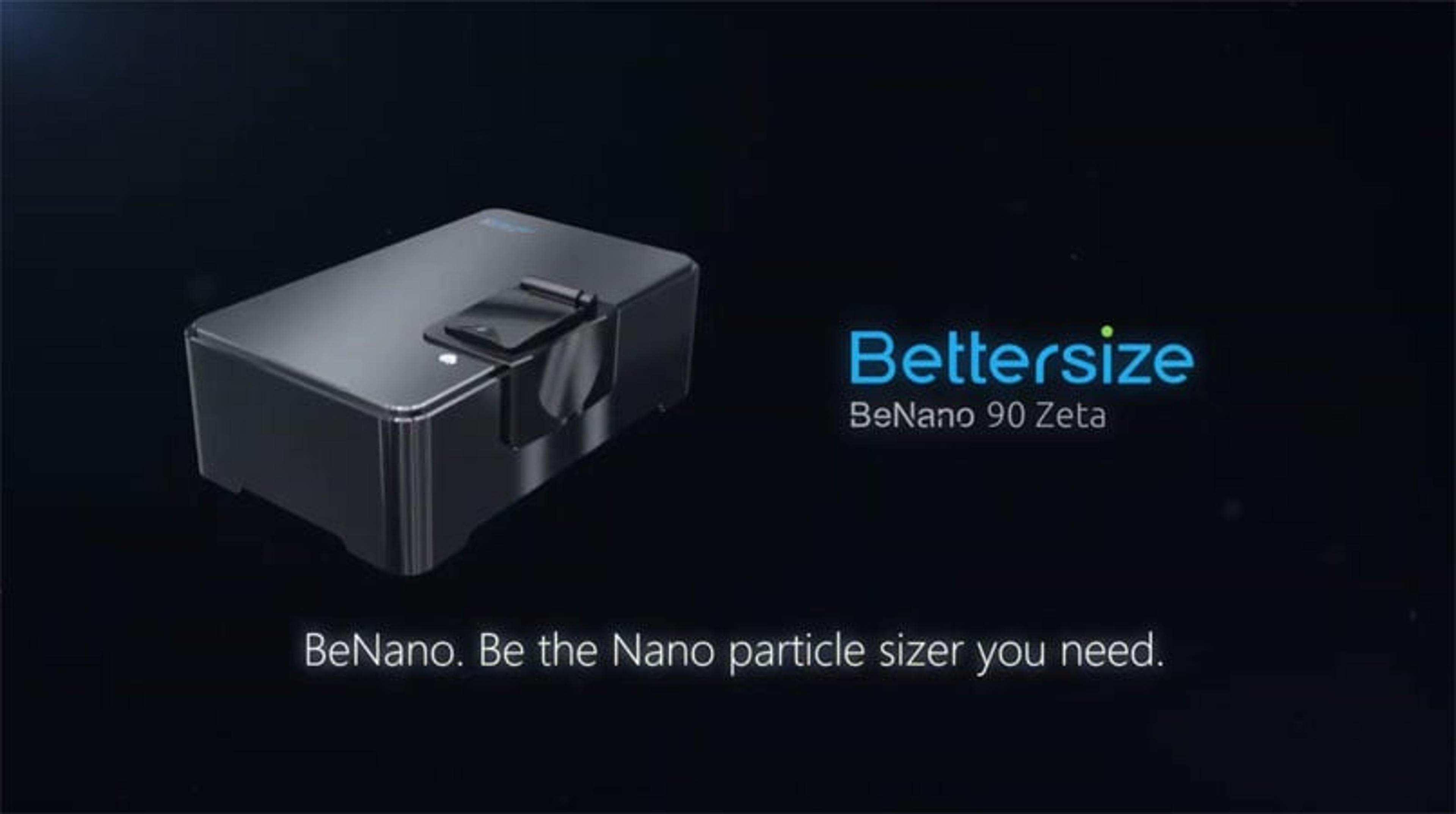
In this video, the BeNano 90 Zeta is introduced as the latest generation of nanoparticle size and zeta potential analyzer designed by Bettersize Instruments Ltd. The video details how Dynamic light scattering (DLS), electrophoretic light scattering (ELS), and static light scattering (SLS) are integrated into the system to provide accurate measurements on particle size, zeta potential, and molecular weight.
BeNano 90 Zeta product demo using a polystyrene standard sample
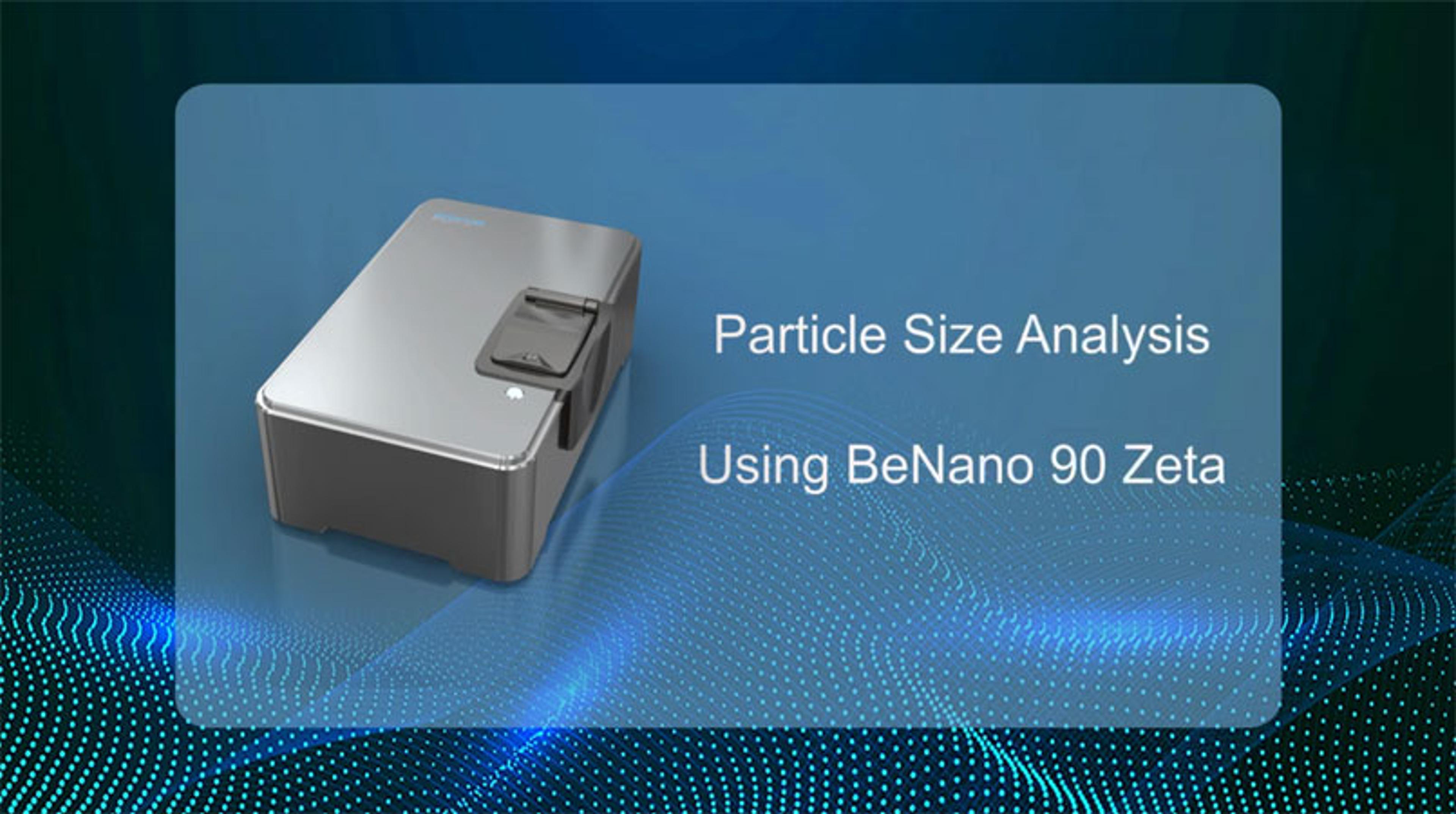
In this video, nanoparticle size and zeta potential analysis testing with Bettersize's nanoparticle size and zeta potential analyzer, BeNano 90 Zeta is demonstrated. A polystyrene standard is used as the testing sample to demonstrate a to z procedures from sample preparation to result.