
ResourceMaterials
Measuring molecular weight with the BeNano 90 Zeta using static light scattering
15 Jan 2023In this application note, the BeNano 90 Zeta was utilized to characterize the molecular weight of a polyethylene oxide (PEO) standard dissolved in water using a static light scattering (SLS) method.
Related products
Request Quote for All Products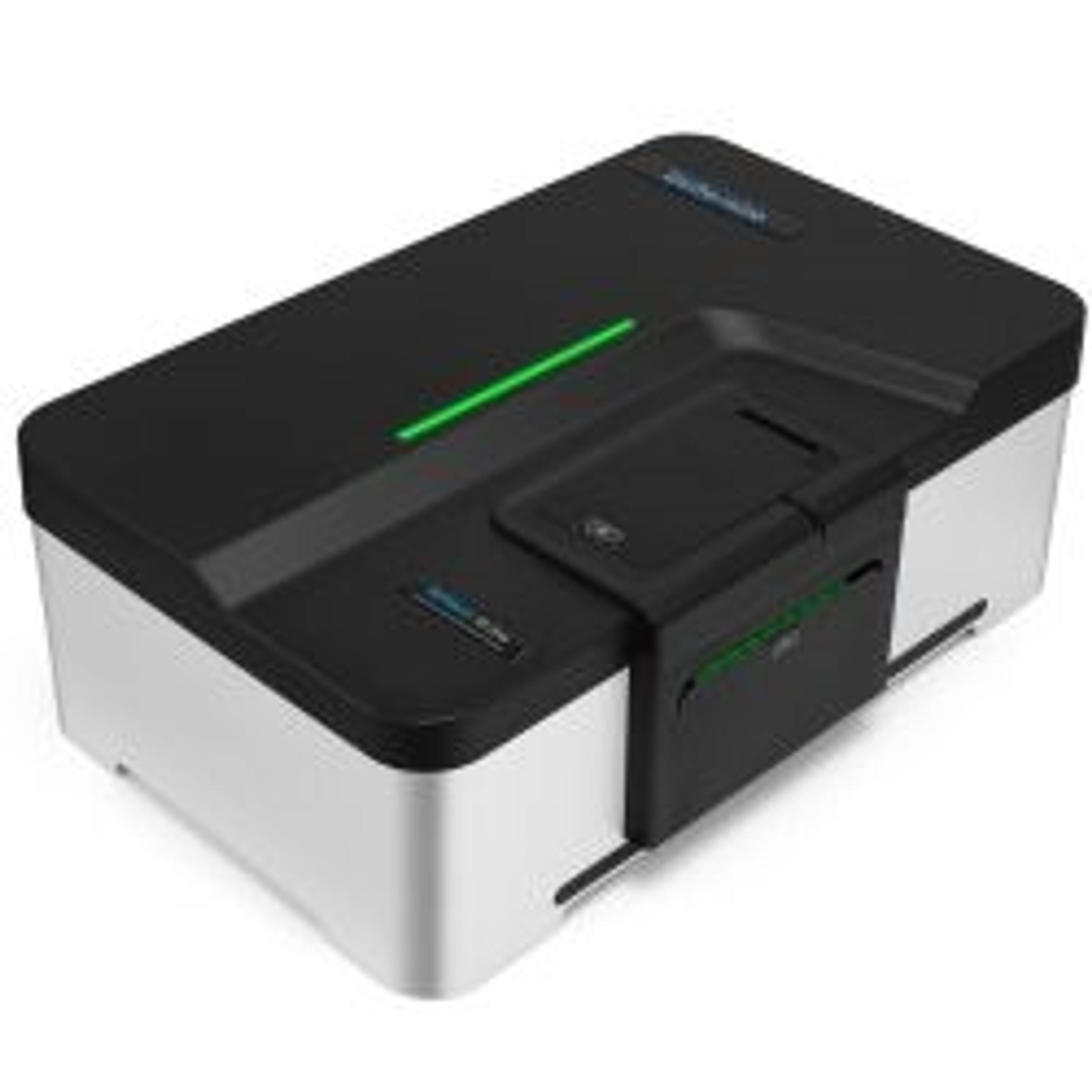
BeNano 90 Zeta by Bettersize Instruments
Bettersize Instruments LtdNanoparticle Size and Zeta Potential Analyzer
Links
Tags
Particle CharacterizationParticle characterization instruments are used to determine particle size distribution, shape, surface area, zeta potential, density and porosity of particles and materials. Multiple tecchniques are available for determining particle size, shape and count including dynamic light scattering (DLS), laser diffraction, electrozone (Coulter technique), imaging particle analysis and single particle optical sensing. Determine the density of your material with a gas pycnometer or examine its surface area and porosity with gas adsorption analyzers and mercury porosimeters. Find the best particle characterization instruments in our peer-reviewed product directory: compare products, check customer reviews and receive pricing direct from manufacturers.Molecular Weight AnalysisMolecular weight analysis determines the size and structure of biomolecules, essential in protein characterization, polymer studies, and drug development. Techniques like mass spectrometry ensure precise results. Compare solutions for molecular weight analysis in our peer-reviewed product directory.PolymersPolymers are large molecules made up of many repeat units. Natural polymers such as DNA and proteins are essential to life, whereas synthetic polymers such as polystyrene and polyethylene are used widely due to their functionality. Typical techniques for analysis include GPC, SEC, DSC, FT-IR and NMR.