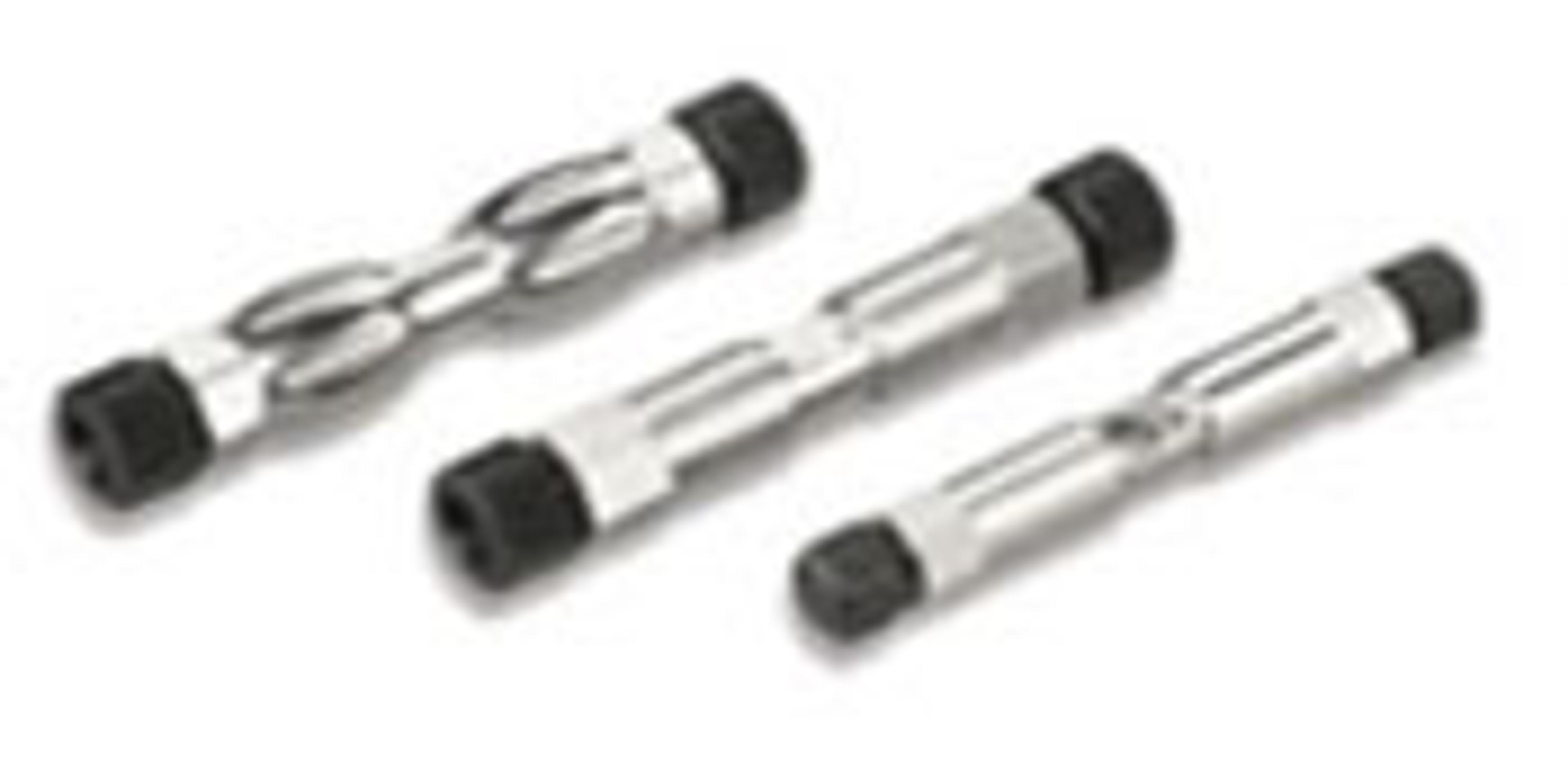
BEH (Ethylene Bridged Hybrid) Particles for ACQUITY UPLC
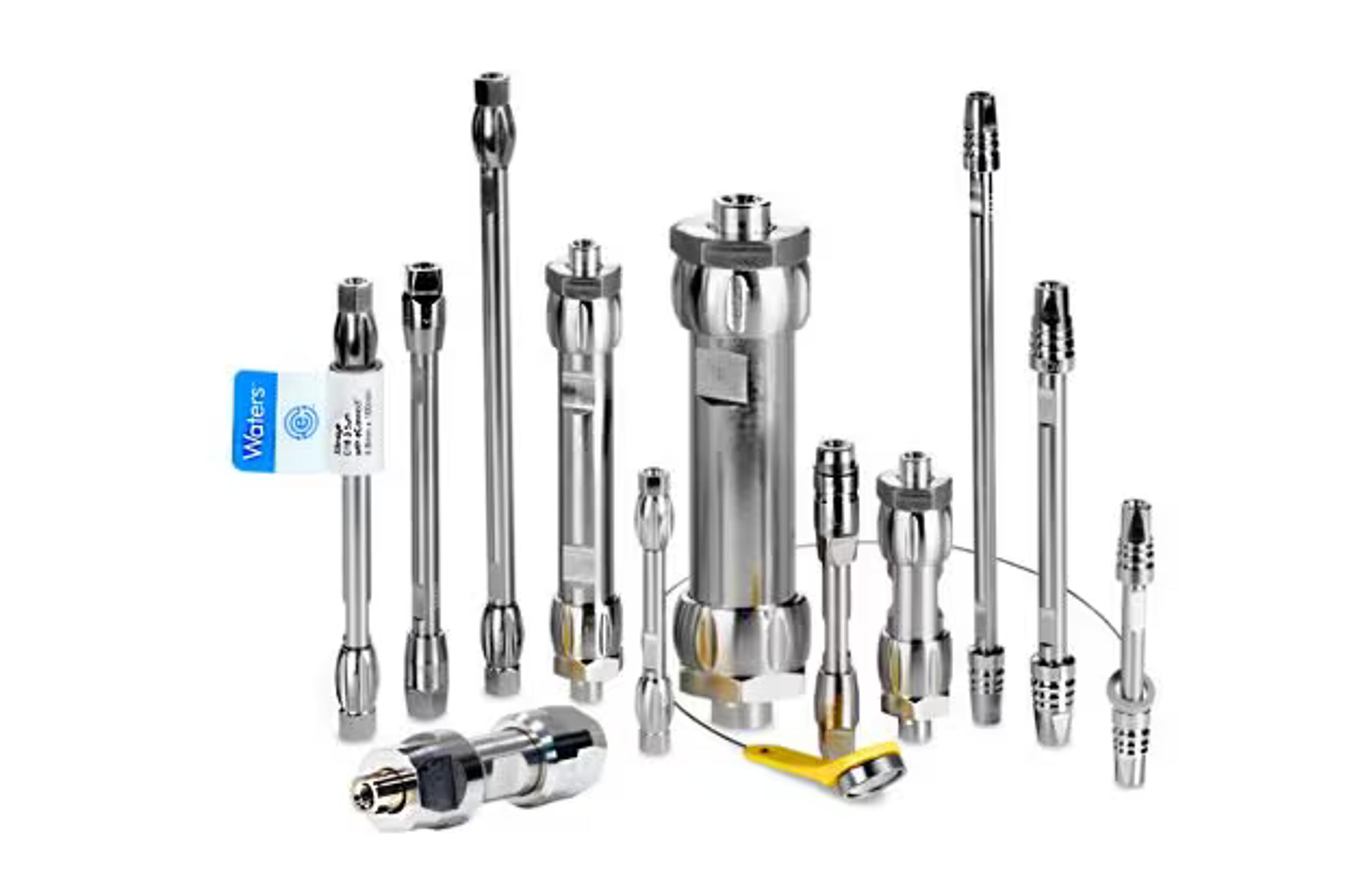
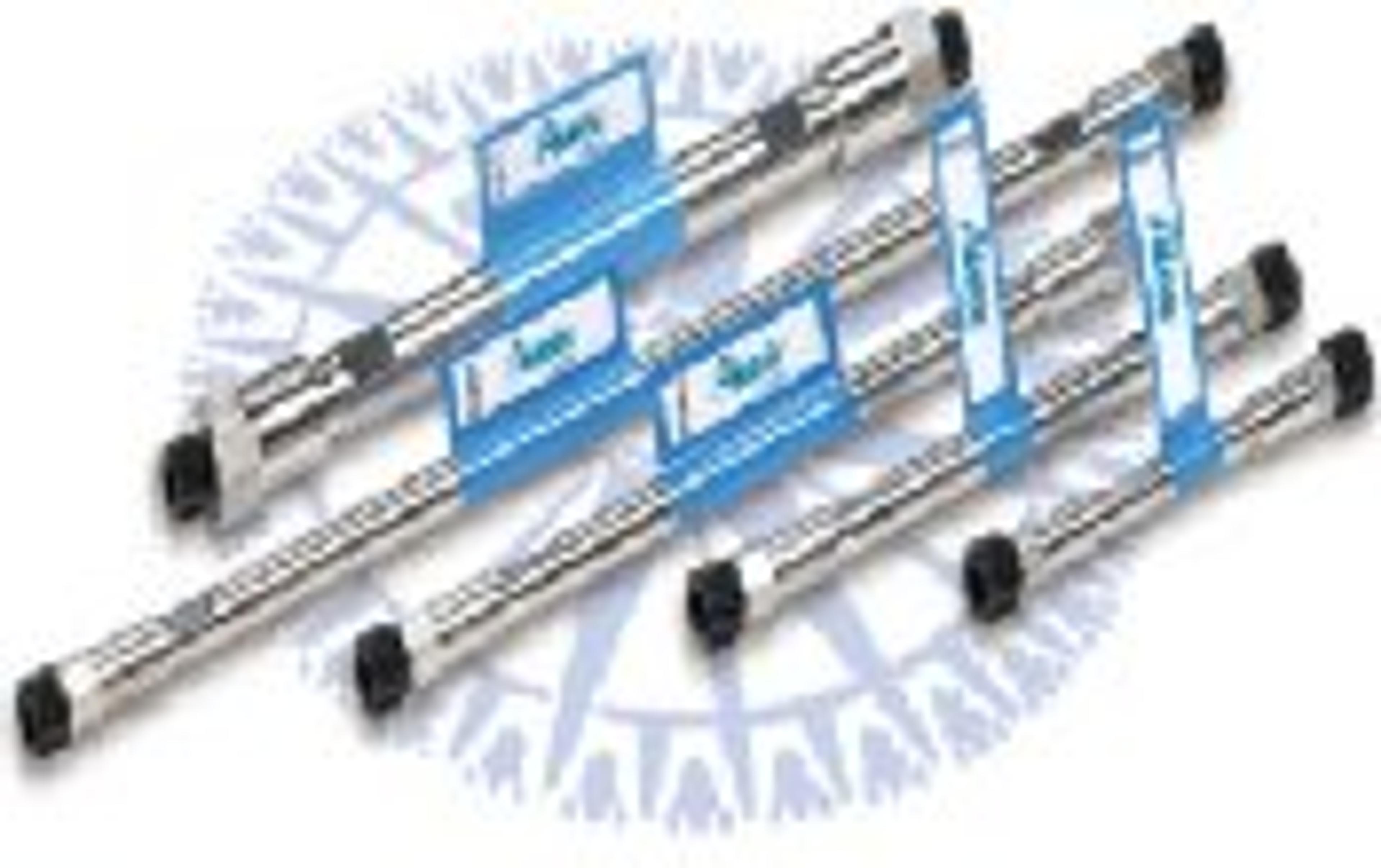
The 1.7 µm Ethylene Bridged Hybrid [BEH] particle is one of the key enablers behind UPLC® technology.It is available in three different pore sizes [130Å, 200Å and 300Å] and several bonded phases for reversed-phase and hydrophilic interaction chromatography and is applicable from small molecule to large biopharmaceutical analysis. Due to the intrinsic chemical stability of hybrid particle technology, a wider usable pH range [pH…


Place your order directly with the manufacturer.
The 1.7 µm Ethylene Bridged Hybrid [BEH] particle is one of the key enablers behind UPLC® technology.
It is available in three different pore sizes [130Å, 200Å and 300Å] and several bonded phases for reversed-phase and hydrophilic interaction chromatography and is applicable from small molecule to large biopharmaceutical analysis. Due to the intrinsic chemical stability of hybrid particle technology, a wider usable pH range [pH 1-12] can be employed, enabling a versatile and robust separation technology for method development. BEH particle technology is available in HPLC particle sizes [2.5, 3.5, 5 and 10 µm] in the XBridge® family of HPLC columns, enabling seamless transfer between HPLC and UPLC technology platforms.

Strategies for On-Line Sample Enrichment and Confirmation of Analytes in a Complex Food Matrix
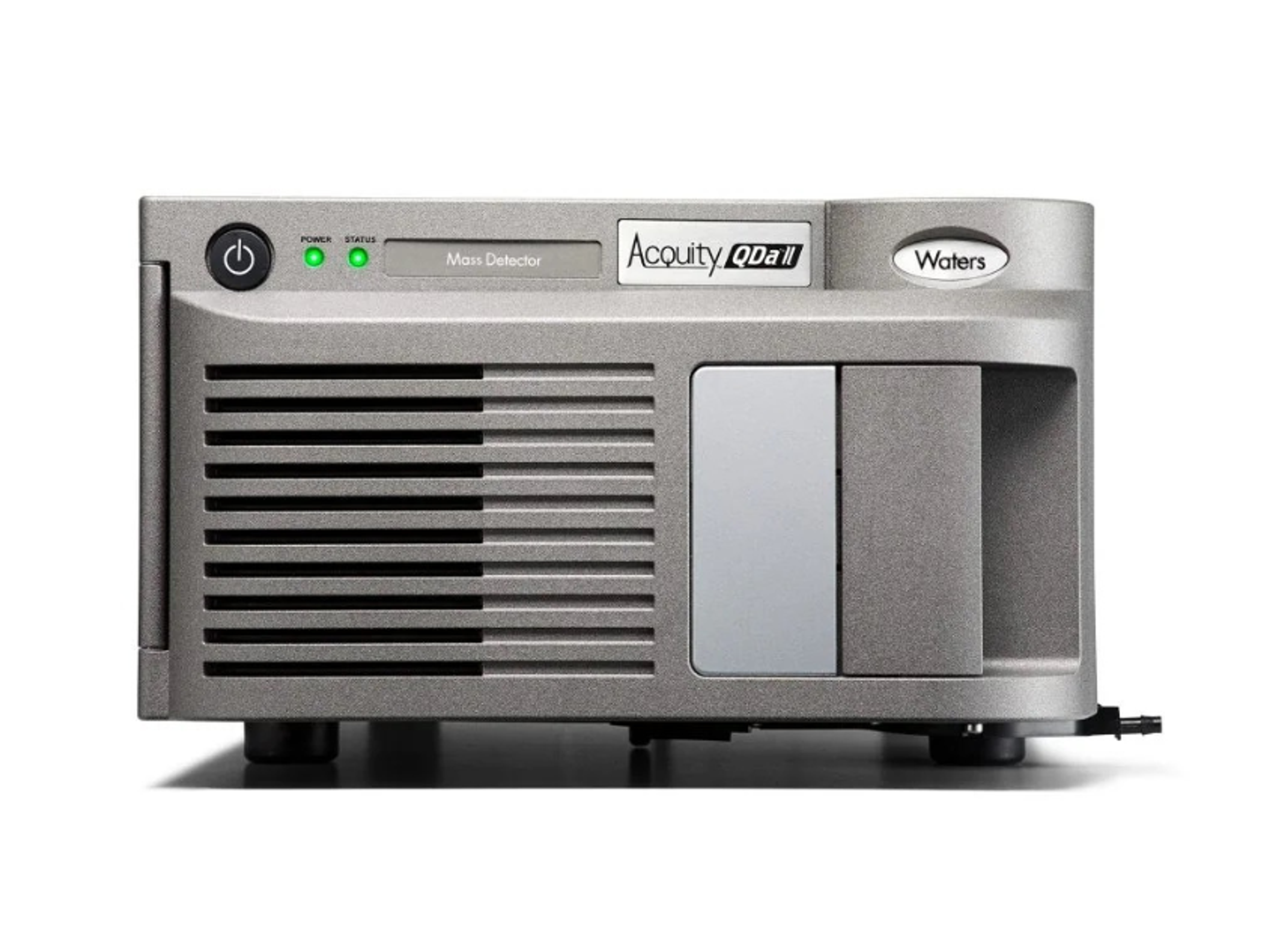
Regulatory agencies have been testing orange juice for pesticide residues and adulteration for decades. in early 2015, the U.S. FDA announced it was investigating reports that low levels of the fungicide carbendazim were being detected in imported juices. Performing HPLC/UV methods as a first test for compounds was very time consuming, which led to the development of an easy mass detection method. This application note describes the use of Water's ACQUITY QDa Mass Detector to carry out this quality control method.
Analysis of Proteins by Size-Exclusion Chromatography Coupled with Mass Spectrometry Under Non-Denaturing Conditions
This application note describes SEC-MS under non-denaturing conditions. While this application has been evaluated for SE-HPLC, UPLC Technology in combination with sub-2-μm SEC column packing and a time-of-flight mass spectrometer (Xevo G2 Q-Tof) allows for direct analysis with improved resolution and sensitivity. By combining MS conditions with a Xevo G2 Q-Tof, SE-UPLC-MS analysis can be used to assist in the identification of unknown components in a biotherapeutic.
Future-proofing the Biopharmaceutical QC Laboratory: Using the ACQUITY UPLC H-Class Bio System for HPLC Peptide Mapping
This application note focuses on transitioning HPLC-based biopharmaceutical separations to UPLC-based methods. The procedure for transferring a peptide mapping method from an HPLC quaternary system to the ACQUITY UPLC H-Class Bio System is described. The approach enables the QC laboratory to employ UPLC technology for legacy HPLC methods while transitioning to UPLC methods at a later time.
Advantages of Online 2D Chromatography for MRM Quantification of Therapeutic Monoclonal Antibodies in Serum
In this application note, it is demonstrated that a two-dimensional chromatographic assay (2D LC or 2D UPLC) for multiple reaction monitoring (MRM) quantification in protein bioanalysis can provide up to a three-fold increase in sensitivity compared to one-dimensional LC/MRM. Additionally, high pH/low pH RP/RP separations can significantly reduce analyte suppression.
Analysis of Free Bromate Ions in Tap Water using an ACQUITY UPLC BEH Amide Column
Bromates found in drinking water pose a toxic health risk to humans if ingested in significant quantities. This application note describes the analysis of free bromated ions in tap water using an ACQUITY UPLC BEH Amide Column. Results demonstrate the feasibility of analyzing bromate ions in tap water using the HILIC separation mode and flexible LC-MS instrumentation that already exists in many laboratories worldwide.
Advances in Size-Exclusion Chromatography for the Analysis of Small Proteins and Peptides: Evaluation of Calibration Curves for Molecular Weight Estimation
Size exclusion chromatography has been the preferred method for the analyses of biomolecules based on size. The application note demonstrates the impact of a 125 Å pore sub-2 µm packing material on the separation and resolution of small proteins and peptides. The impact of both physical and chemical properties of SEC packing materials on SEC calibration curves used for molecular weight estimation is also demonstrated.
Size-Exclusion Ultra Performance Liquid Chromatography for the Analysis of Covalent High Molecular Weight Insulin
Presented in this application note are the advantages that may be realized using a 125Å pore size, sub-2-µm ethylene-bridged hybrid (BEH) silica packing material and Waters UltraPerformance Liquid Chromatography (UPLC) instrumentation for this traditional analysis. Among these advantages are faster run times, higher sensitivity, and higher resolving separations of insulin and covalent insulin HMW, while at the same time greatly reducing acetonitrile containing waste-stream volumes.
Fast and Sensitive UPLC/MS(MS) Determination of Diquat and Paraquat in Drinking Water
Paraquat and diquat are quaternary ammonium herbicides. Because these compounds are potentially toxic to wildlife and to humans, groundwater and surface water samples are monitored to assure that residue levels meet safety standards. This application note describes an optimized method for determination of paraquat and diquat in drinking water using an Oasis WCX cartridge for SPE prior to fast and sensitive UPLC/MS(MS) analysis.
Advances in Size Exclusion Chromatography for the Analysis of Macromolecular Proteins
Size exclusion chromatography has been the preferred method for the analysis of proteins based on size. This application note demonstrates how by combining 450 Å sub 3-µm packing materials with a low dispersion ACQUITY UPLC H-Class System, separations with improved resolution and high-throughput of SE-UPLC can be realized for macromolecular proteins and highly aggregated proteins with molecular weights of up to approximately 2000 kDa.
Analysis of Fat-Soluble Vitamin Capsules Using UltraPerformance Convergence Chromatography UPC<sup>2</sup>
The analysis of fat-soluble vitamins (FSV) formulations, often from oil-filled and powder-filled capsules, or pressed tablets, can be a challenging task. This application note demonstrates the use of UltraPerformance Convergence Chromatography (UPC2) in fat-soluble vitamin analysis. It is shown that this technology provides a single viable technique that is cost-effective, sustainable, and a green alternative that lowers the use of organic solvents, provides fast analysis times, and maintains chromatographic data quality.