
Advances in Size-Exclusion Chromatography for the Analysis of Small Proteins and Peptides: Evaluation of Calibration Curves for Molecular Weight Estimation
9 Apr 2013Size exclusion chromatography has been the preferred method for the analyses of biomolecules based on size. The application note demonstrates the impact of a 125 Å pore sub-2 µm packing material on the separation and resolution of small proteins and peptides. The impact of both physical and chemical properties of SEC packing materials on SEC calibration curves used for molecular weight estimation is also demonstrated.
Related products
Request Quote for All Products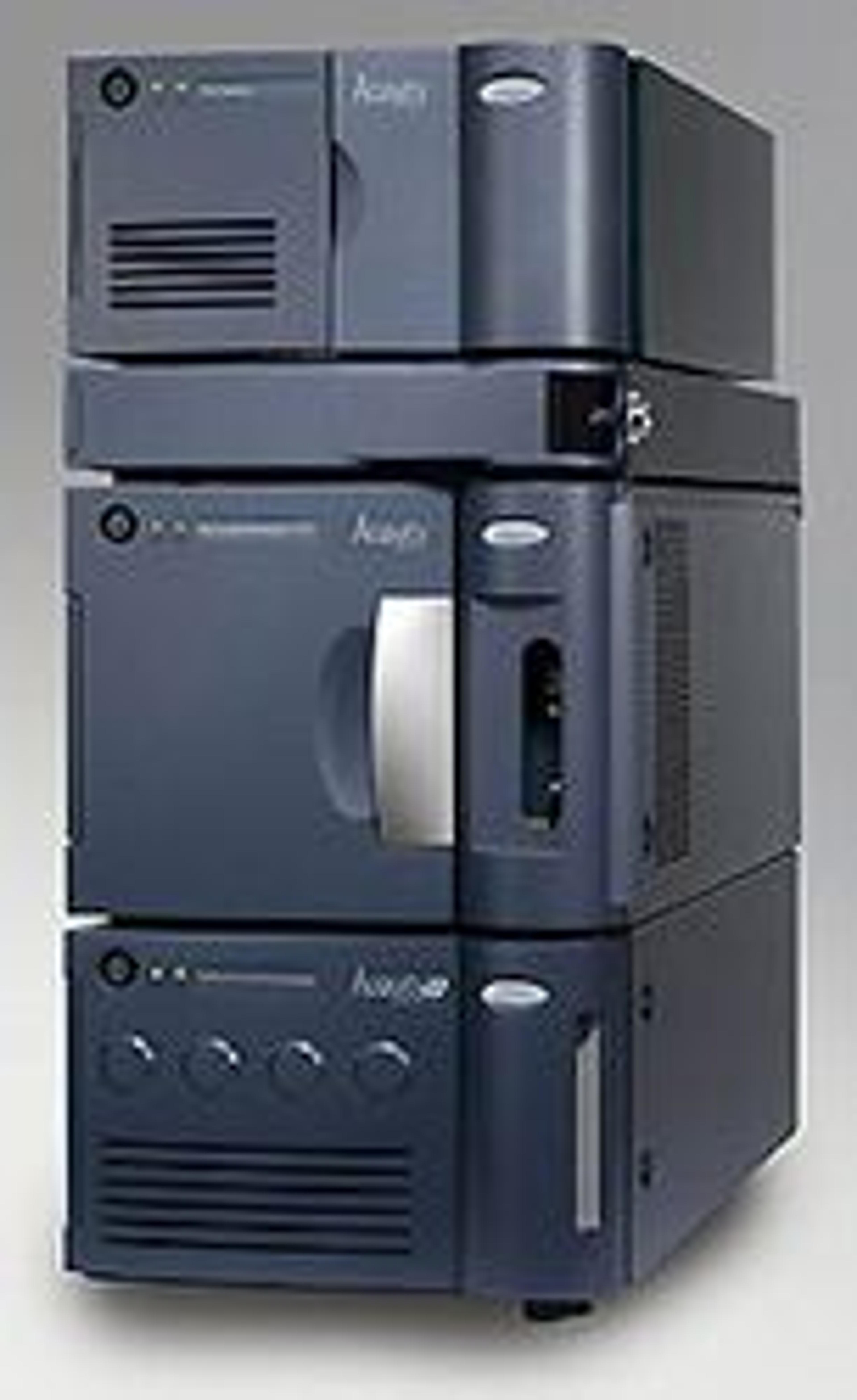
ACQUITY UPLC H-Class PLUS Bio System
WatersThe ACQUITY UPLC H-Class PLUS Bio System delivers the benefits of UPLC's resolution, sensitivity, and throughput in a system purpose-built for the analysis of proteins, peptides, nucleic acids, and glycans.

BEH (Ethylene Bridged Hybrid) Particles for ACQUITY UPLC
WatersThe 1.7 µm Ethylene Bridged Hybrid [BEH] particle is one of the key enablers behind UPLC® technology.It is available in three different pore sizes [130Å, 200Å and 300Å] and several bonded phases for reversed-phase and hydrophilic interaction chromatography and is applicable from small molecule to large biopharmaceutical analysis. Due to the intrinsic chemical stability of hybrid particle technology, a wider usable pH range [pH 1-12] can be employed, enabling a versatile and robust separation technology for method development. BEH particle technology is available in HPLC particle sizes [2.5, 3.5, 5 and 10 µm] in the XBridge® family of HPLC columns, enabling seamless transfer between HPLC and UPLC technology platforms.