3dGRO™ Human iPSC Derived Colon Organoids
Highly characterized, cryopreserved human colon intestinal organoids derived from integration-free human induced pluripotent stem cells (iPSCs).

The supplier does not provide quotations for this product through SelectScience. You can search for similar products in our Product Directory.
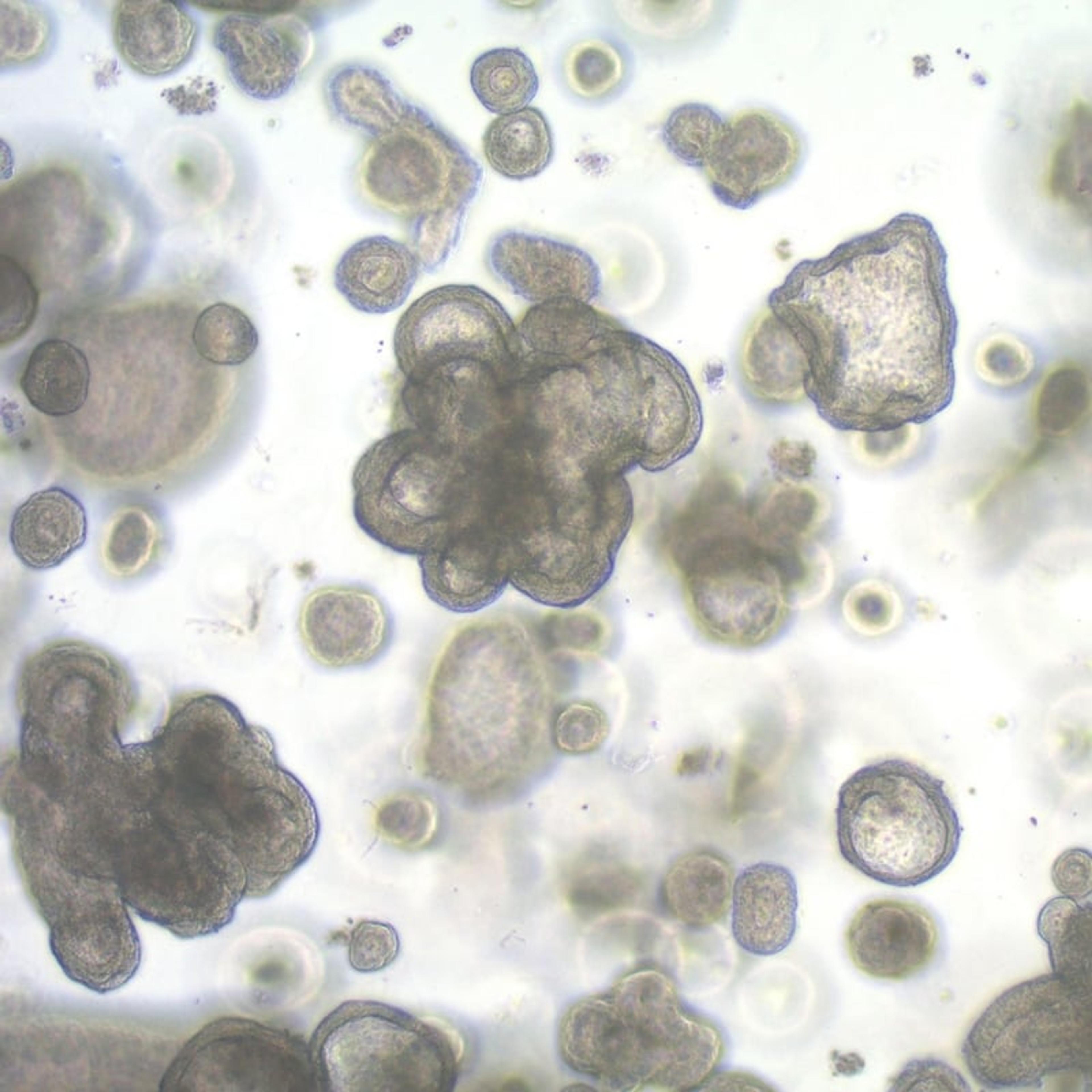
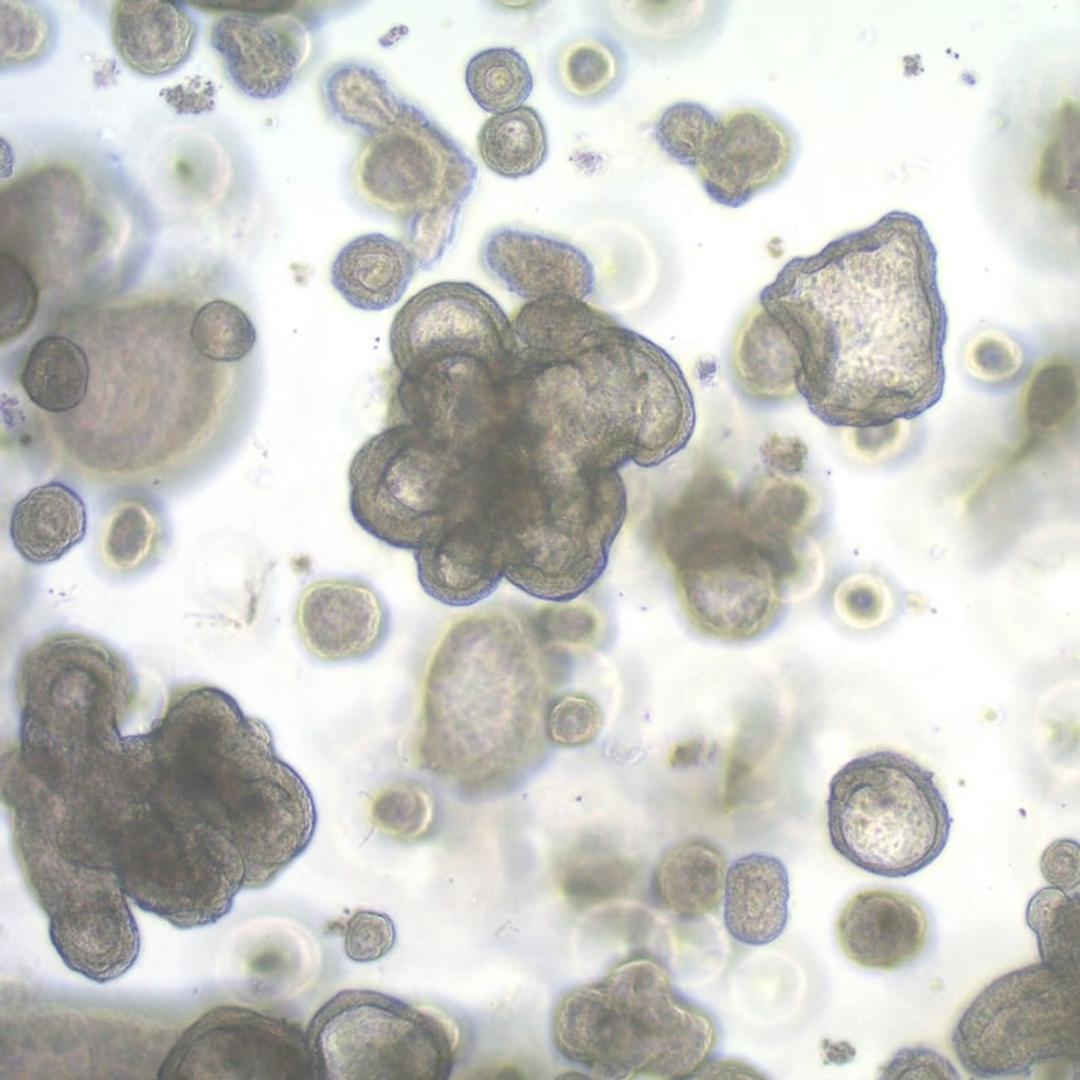
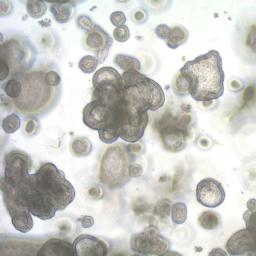
3dGRO™ Human iPSC Derived Colon Organoids are derived from integration-free human iPS cells reprogrammed using Simplicon RNA technology. Epithelial intestinal organoids, often referred to as enteroids or mini-guts, maintain the physiological characteristics of the gastrointestinal system and have been a useful cell culture tool to model intestinal development and disease including colon cancer, celiac disease, inflammatory bowel diseases, and host microbiome interactions. 3dGRO™ Human iPSC Derived Colon Organoids express colon-specific markers including the posterior hindgut marker CDX2, a-carbonic anydrase II (CA-II), a-carbonic anhydrase IV (CA-IV), and goblet cell markers Mucin-2 and Mucin-5B and can be used as 3D cell models to study intestinal diseases.

Patient-derived organoid (PDO) gastrointestinal biobank
Patient-derived organoids (PDOs) are novel in vitro 3D cell models that preserve original tissue physiology and molecular pathology, thus representing a clinically relevant alternative to traditional 2D cell lines and an effective tool to refine and reduce animal models.
In this free download, explore Merck’s comprehensive biobank of highly characterized tissue-derived human gastrointestinal organoids from normal and diseased patients. The intestinal organoid biobank contains over 50 highly characterized intestinal organoids from both normal and diseased patients derived from multiple regions of the digestive systems including small intestine (duodenum, ileum), stomach, rectum and colon.
MilliporeSigma is the Life Science business of Merck KGaA, Darmstadt, Germany in the USA and Canada.
3dGRO™ organoids were derived utilizing HUB Organoid Technology.