Accelerating Science Feature
Mapping PFAS contaminant pathways across industries and environments
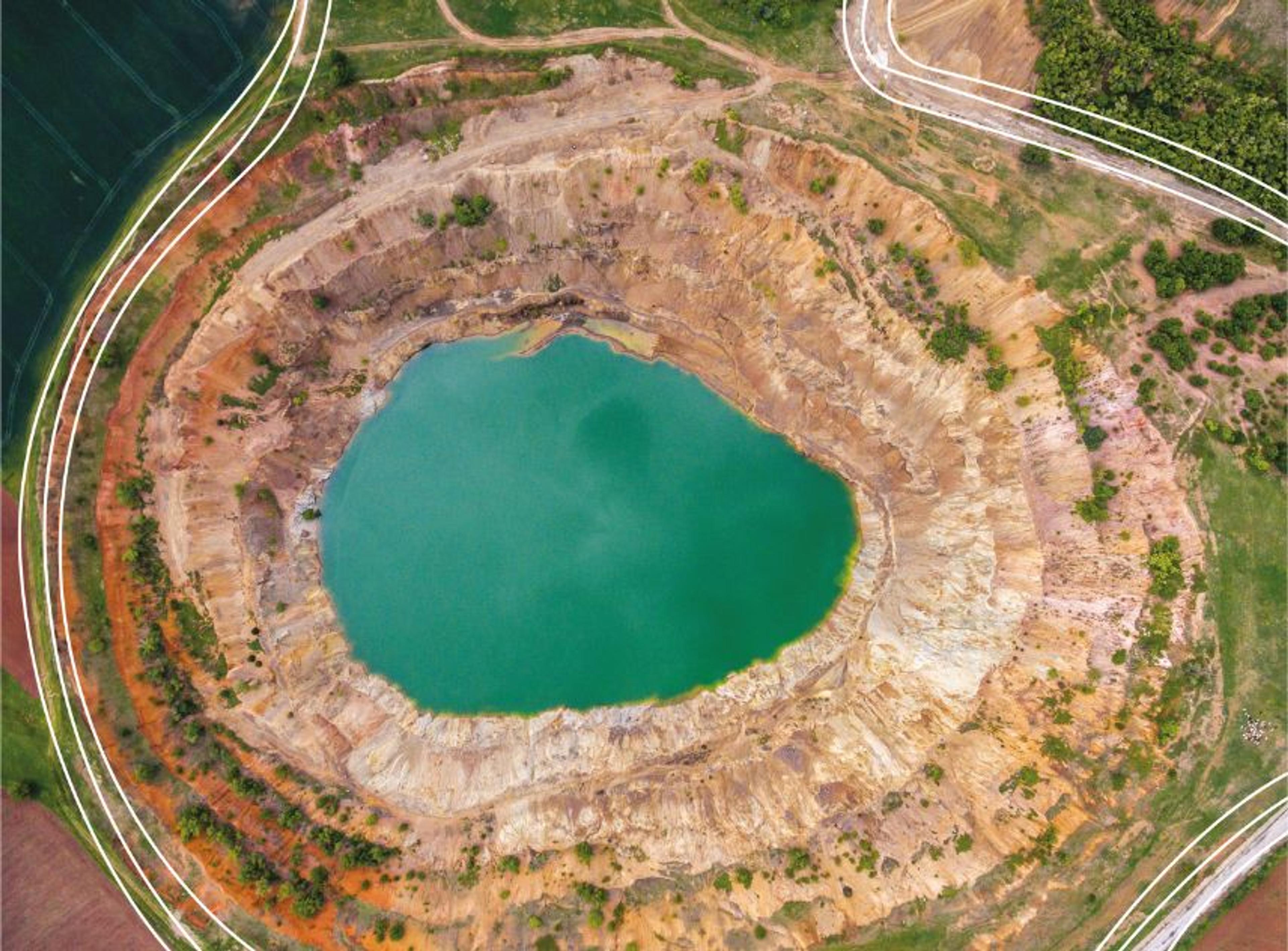
PFAS (per- and polyfluoroalkyl substances) contamination arises from a complex network of industrial, commercial, and environmental pathways that extend far beyond their original point of manufacture or use. Widely applied in sectors such as chemical manufacturing, textiles, electronics, food packaging, firefighting foams, and metal plating, PFAS are released into wastewater, industrial effluents, air emissions, and solid waste streams, where they persist and migrate through interconnected environmental systems.
Once released, PFAS can travel through wastewater treatment plants, biosolids, landfills, surface water, groundwater, and drinking water supplies, as well as accumulate in soils, sediments, and biota. These pathways complicate source identification, exposure assessment, and remediation efforts, particularly as PFAS move across industrial supply chains and geographic boundaries. As part of our wider Accelerating Science in PFAS feature, this topic explores how analytical science, environmental monitoring, and cross-sector data are being used to trace PFAS contaminant pathways, support source attribution, and inform targeted strategies for risk management and environmental protection.
View the main feature pageExplore latest content in this topic
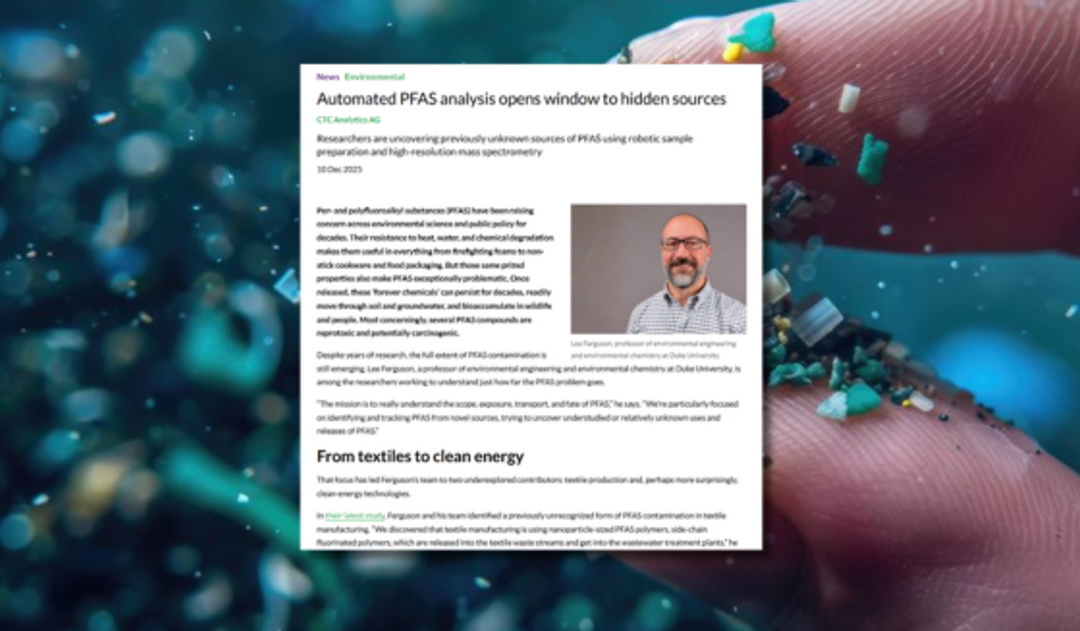
Automated PFAS analysis opens window to hidden sources
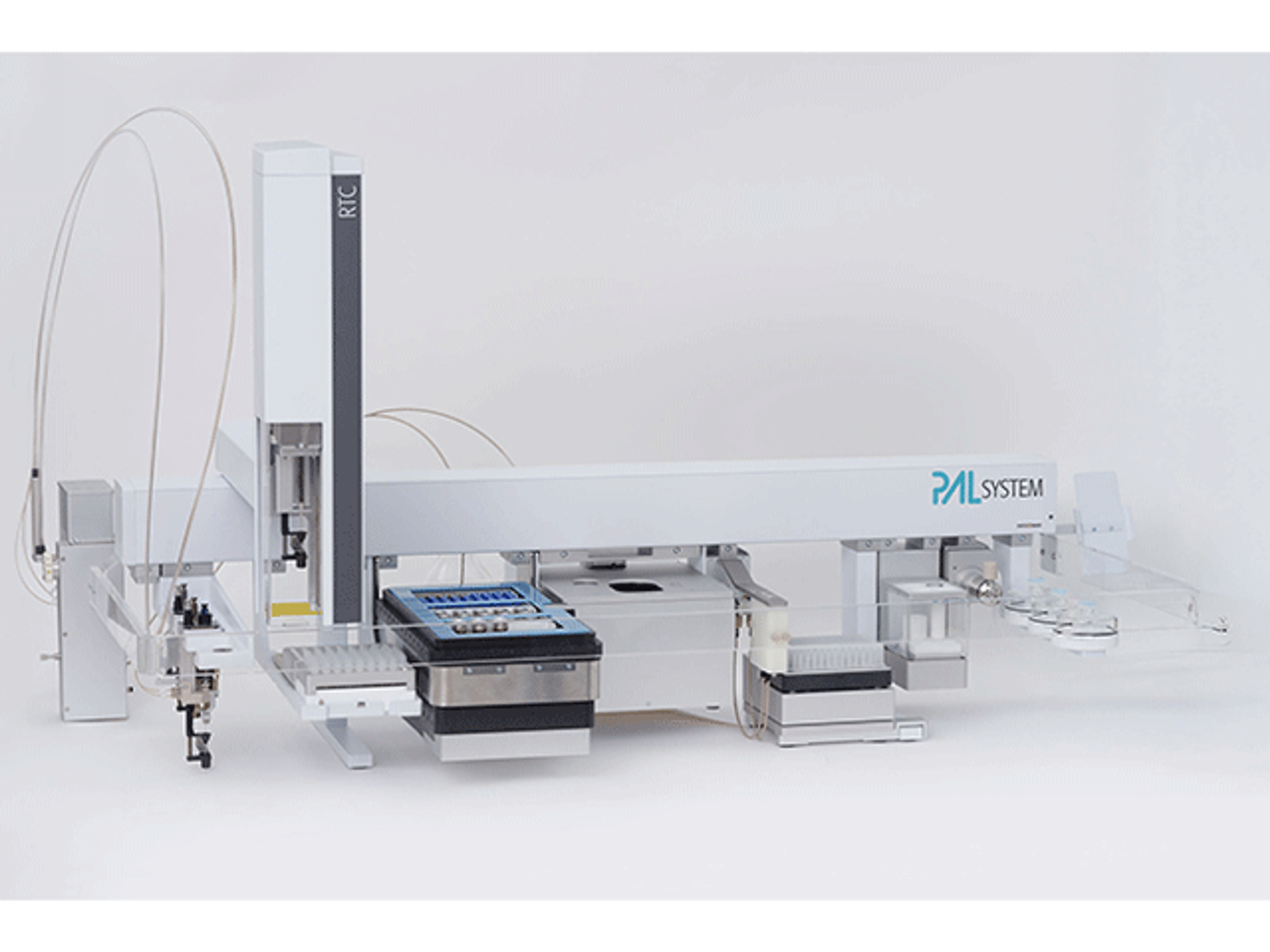
Researchers are uncovering previously unknown sources of PFAS using robotic sample preparation and high-resolution mass spectrometry.
Read article
A practical guide to navigating water testing demands
This free eBook, created in partnership with Thermo Fisher Scientific, explores how cutting-edge analytical platforms are revolutionizing water analysis. Discover how to improve lab efficiency, reduce costs, and maintain data integrity, even as regulatory pressure increases.
Download resource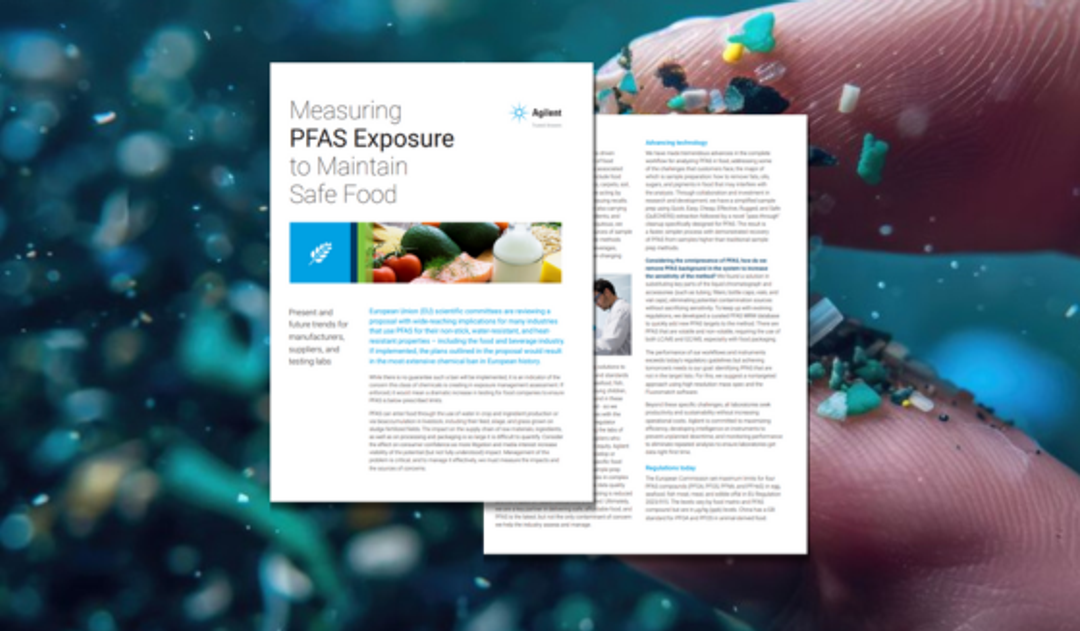
Measuring PFAS exposure to maintain safe food
As EU scientific committees review proposed PFAS regulations, industries must prepare for increased PFAS analysis. Learn how Agilent Technologies is automating sample preparation across common food types and developing intelligent tools to enhance data interrogation and reporting.
Download resource
Detection strategies for PFAS and emerging water contaminants
From volatile PFAS in bottled water to trace contamination in pharmaceutical-grade water and environmental threats like cyanotoxins, these studies showcase advanced mass spectrometry techniques, including HS-SPME/GC-MS/MS and LC-MS/MS.
Download resourceAccelerating Science Forum
Mapping PFAS contaminant pathways across industries and environments
Register nowThis Accelerating Science Forum will examine how PFAS contaminants move through industrial processes and environmental systems, exploring the pathways that drive human and ecological exposure and how improved monitoring and analytical strategies are supporting more effective risk management and regulation.
Who should attend?
- Laboratory managers and analytical chemists generating data to track PFAS contamination pathways.
- Environmental scientists and consultants investigating PFAS sources, transport, and environmental fate.
- EHS (environmental, health, and safety) professionals, regulators, and policymakers supporting PFAS risk assessment and management.

Never miss an update
Stay informed as the PFAS landscape continues to evolve. Become a free SelectScience member today to receive the latest PFAS news, expert insights, and regulatory updates delivered straight to your inbox, along with regular newsletters covering key developments in environmental and analytical science. Join a global community of professionals and ensure you never miss critical updates in this rapidly changing field.
Register free today