What’s Hot in Drug Discovery Screening: SelectScience Special Feature

We take a look at some of the latest methods and technologies disrupting drug discovery and how they’re reshaping the industry

14 Feb 2019

Sarah Thomas
Associate Editor

Editorial article

Cell Biology Special Feature

The drug discovery process aims to identify small molecule compounds that have potential as therapeutics for disease, by eliciting a desired effect from a biological target. With the industry striving for cost-effective and efficient approaches to the drug discovery process, screening technologies that enable the earlier identification of compounds most likely to make it to clinic are key.

This month, in our Drug Discovery Screening SelectScience Special Feature, we take a look at some of the latest trends in screening for drug discovery and the technologies advancing this field, including the latest methods for phenotypic screening, new tools for structure-based drug discovery, CRISPR screening technologies, and developments in data analysis. Plus, hear from the scientists hoping to bring effective treatments to patients faster.

Read on to learn about:

Hot Topics in Drug Discovery Screening:

Streamline Your Cell Analysis, NGS, Protein & Metabolomics Workflows

Sample preparation in metabolomics, NGS and cell and protein analysis, can be laborious, time-consuming, and have limited reproducibility. In this video interview from SLAS2019, learn how the Agilent Bravo automated liquid handling platform and comprehensive software can help you to automate sample preparation for consistent and reproducible results, improving downstream analysis and creating more walk-away time. Learn more about the Bravo liquid handling platform and watch the video interview to learn how the technology can help advance drug discovery.

Research scientist holding a pipette

Watch Video

Enhance Immune Cell Characterization

Cell proliferation monitoring - tumor heterogeneity and precision medicine application note

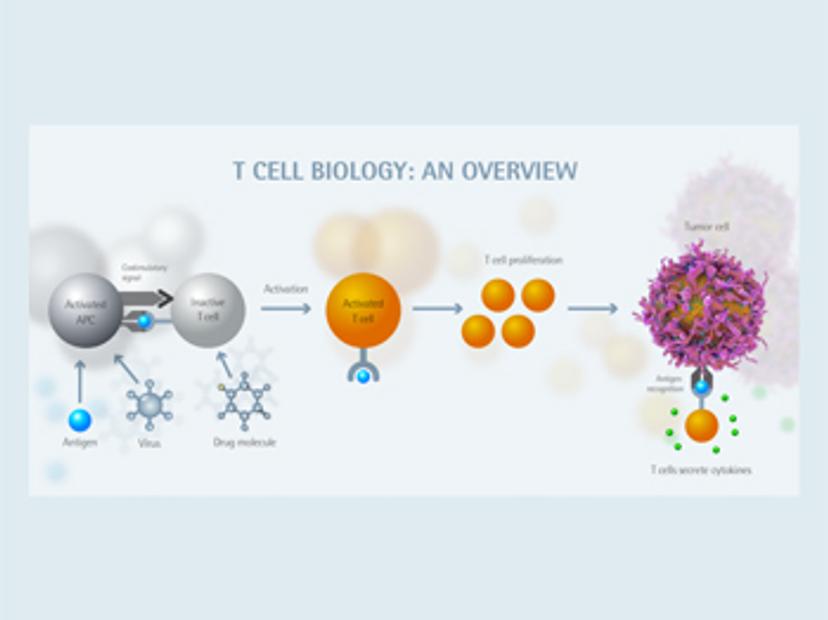
Immune cell characterization requires a multitude of assays to identify different cell types and their function – immunophenotyping assays aid in identifying classic cell surface markers, while cytokine analysis assays are required for identifying the functional profile of those cells.

Running these assays separately is costly, time-consuming and complex. In this infographic from Sartorius, discover a T cell activation assay in which cell health, function, phenotype, and secreted cytokines were simultaneously analyzed in a single well on the Intellicyt iQue® Screener PLUS, using miniaturized assay volumes.

Download Infographic

A New Solution for Fragment-Based Lead Discovery

Screening a fragment library of broad molecular mass and complexity range requires a method capable of detecting binding events independent of molecular mass and binding site.
Research scientist holding a pipette

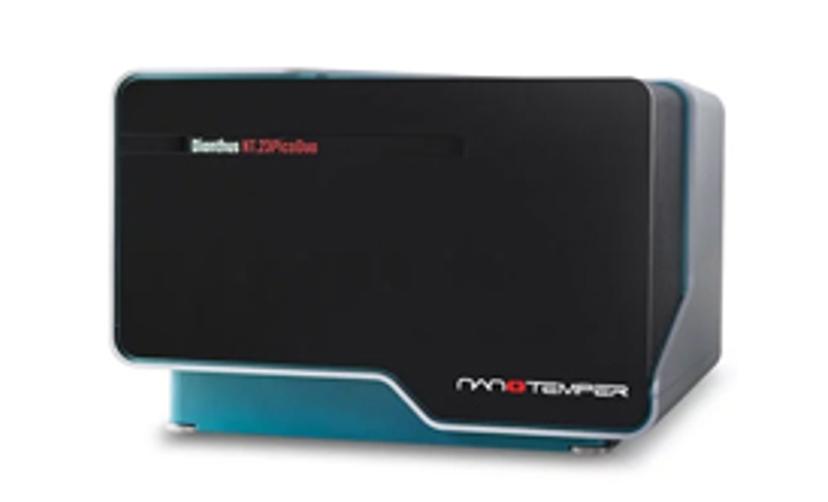
This application note describes how Dianthus by NanoTemper Technologies was used for molecular interaction screening of a fragment library from a large chemical space with target molecule histone methyltransferase (HMT) G9a, an epigenetic gene regulator and focus of oncological drug discovery.

Learn how the technology enables fast detection and quantification of molecular interactions in solution, independent of the mass and size of the two interacting molecules utilizing very little sample.

Download the application note and learn more about the Dianthus.

Download Method

Accelerate Structure-Based Drug Discovery
Image representing angiogenesis

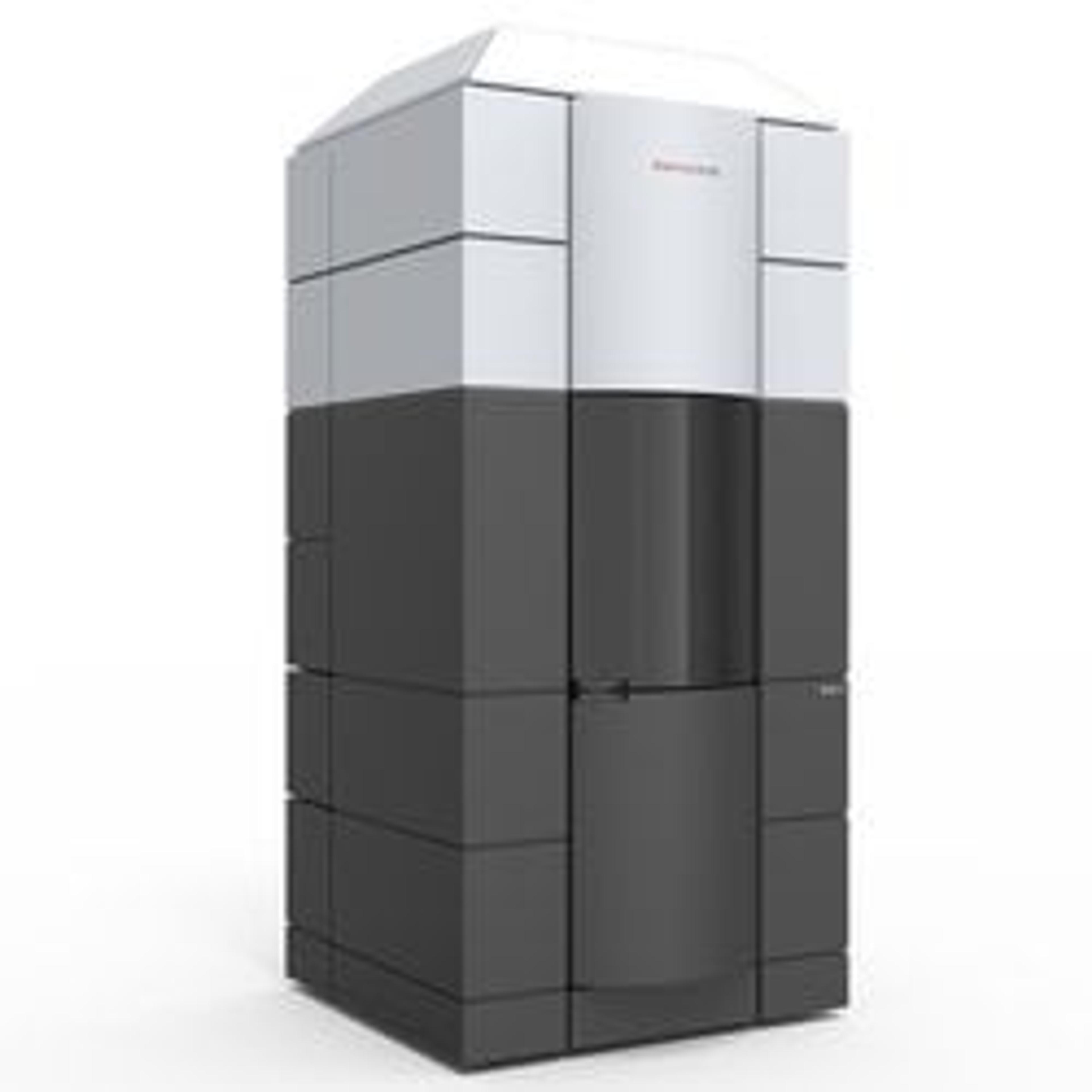
Cryo-electron microscopy (cryo-EM) enables high-resolution imaging of large protein complexes without crystallization, helping you to visualize even the most challenging targets, such as GPCRs or multi-component complexes.

In this download, from Thermo Fisher Scientific, learn more about the power of cryo-EM and how it can help you to unlock new biological insights and speed up your drug discovery projects.

Download the slides and learn about the Thermo Scientific™ Glacios™ and Krios™ G3i cryo transmission electron microscopes.

Download Slides

  • Nobel Prize Winner Richard Henderson Discusses the Impact of Cryo-EM on Pharma

In this exclusive interview for The Scientists’ Channel, watch Dr. Richard Henderson, 2017 Nobel Prize winner in chemistry, discuss the growing importance of cryo-electron microscopy for science and how leading pharmaceutical companies are working together to utilize this revolutionary technique.

  • 3D Human Spheroids as a Predictive Model

With the industry striving for more physiologically relevant testing conditions to improve predictability in drug discovery, we speak to Dr. Ryan Gordon, of StemoniX, to learn about the company’s microBrain 3D platform.

  • Microenvironment is Key to Cellular Models

Dr. Nathalie Maubon launched HCS Pharma in 2014, inspired by an idea: in order to obtain and select effective drugs, more relevant cellular models are needed for screening. In this SelectScience interview, Maubon provides insight into the development of in vitro models and assays to advance phenotypic screening, the cellular imaging technology enabling her work, and why microenvironment is key to the future of drug discovery.

  • 3D Image Analysis Reveals Complex Cell-Cell Interactions

3D screening provides rich data, essential for faster drug discovery. Learn about the power of true 3D image analysis and how it is helping to advance immune-oncology research in this interview with scientists from contract research organization OcellO. Plus, discover the new technology from Olympus enabling true 3D high-content analysis in our recent webinar.

  • CRISPR Screening: A New Approach in Drug Discovery

From novel target discovery to target validation and better identification of compound mechanisms of action, genomic editing has potential to impact many applications in drug discovery. Learn how CRISPR-Cas9 technology is opening up new applications of genomic screening, including whole-genome studies, in this interview with Dr. James Goldmeyer of Horizon Discovery. Plus learn how the technology is playing a key role in studies at the Duke University Functional Genomics Shared Resource in this interview with its director, Dr. So Young Kim.

  • Rapid Sample Processing with Acoustic Mass Spectrometry

In a recent video interview, Dr. Jonathan Wingfield , Principal Scientist at AstraZeneca, discusses the development of acoustic mass spectrometry technology for high-throughput screening and how the technology is helping to save time and the reagent costs associated with screening millions of compounds.

  • New Liquid Handling Technology to Reduce Assay Development Cycle Times

Hear how scientists at GlaxoSmithKline (GSK), Stevenage, UK, are working in collaboration with TTP Labtech to develop new liquid handling technology that will help to accelerate screening assay development, from target identification, to candidate molecule identification.

Latest News in Drug Discovery Screening:

Image of the CosmosID stacked bar graph

Explore our selection of the biggest news stories in drug discovery screening:

Novel Small Molecule Program Aims to Address Unmet Medical Need in Neuroscience

Bio-Rad’s Automation-Ready Flow Cytometer Enables Scale-Up of Multiple Compound Screening Assays

Horizon Discovery Extends CRISPR Screening Service to Primary Human T Cells

Greiner Bio-One’s Cell Magnetization Technology Enables Reproducible Spheroid Formation 

A New Approach to Tackle Serious Bacterial Infections

Scientists' Choice Awards Winners for Drug Discovery & Development Announced at SLAS2019

Top Drug Discovery Screening Product Reviews

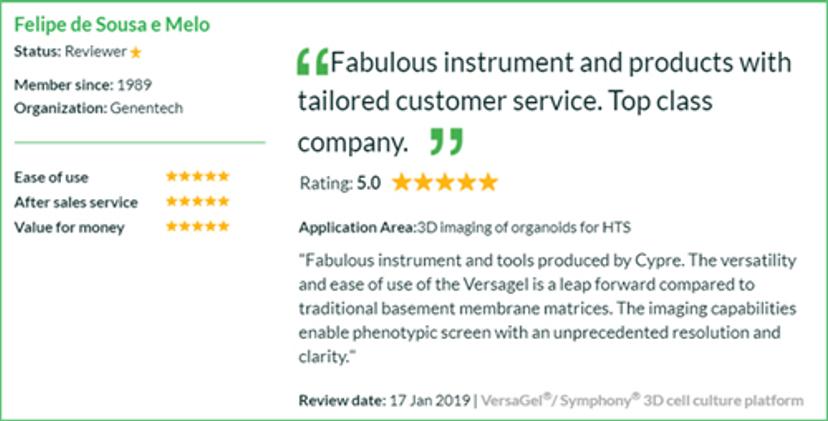
VersaGel®/ Symphony® 3D cell culture platform by Cypre Inc.
Cell Biology Special Feature Review of the Tacta Mechanical Pipette

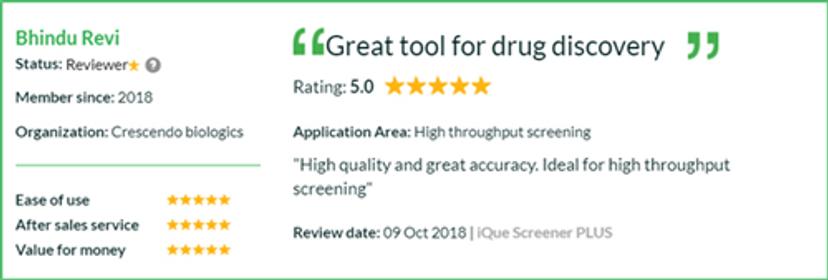
iQue Screener PLUS by Intellicyt Corp
Cell Biology Special Feature Review of the Picus Pipette

ASSIST PLUS by INTEGRA Biosciences

Cell Biology Special Feature Review of the Tacta Mechanical Pipette

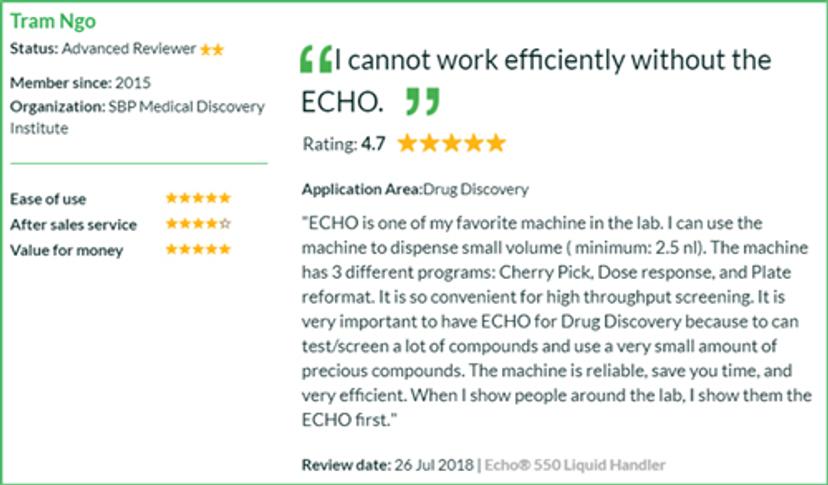
Echo® 550 Liquid Handler by Labcyte Inc.
Cell Biology Special Feature Review of the Tacta Mechanical Pipette

Related Resources

Webinars:

SelectScience buying guides
Get the right equipment for your lab with the SelectScience How-to-Buy eBooks

How-to-buy guides:

Events:

Explore Scientific Innovation on The Scientists’ Channel

Discover leading scientists on video:

Links

Tags

UHPLC and HPLCHigh performance liquid chromatography (HPLC) and ultra high performance liquid chromatography (UHPLC), also known as UPLC, are analytical techniques used to separate, identify and quantitate components of complex mixtures including biological samples such as proteins and lipids as well as chemical mixtures of pesticides, drugs and oils. Both techniques are liquid chromatographic methods but differ by operating pressures (HPLC < 6000 psi < UHPLC ). Components of HPLC and UHPLC systems include columns, detectors, pumps, autosamplers and column heaters. Explore a range of UHPLC and HPLC columns for your specific sample needs including reverse phase, normal phase, ion exchange, HILIC, ion exclusion and size exclusion columns. For more specialized HPLC, explore FPLC, countercurrent LC and simulated moving bed systems. Find the best UHPLC and HPLC equipment in our peer reviewed product directory: compare products, check customer reviews and receive pricing direct from manufacturers.Sample PreparationSample preparation can improve the quality and speed of separation techniques. Products to assist sample preparation include filtration equipment, evaporators, membranes and sieves.LC-MSLC-MS (liquid chromatography-mass spectrometry) systems and equipment are used for separation and quantitative analysis of complex mixtures, combining liquid chromatography and mass spectrometry. Quantify proteins, contaminants, pesticides or screen for drug metabolites with a high level of sensitivity. LC-MS systems and equipment include reverse phase, normal phase and specialized columns integrated with various MS detectors such as time-of-flight (TOF), quadrupole, orbitrap or ion trap mass analyzers. LC-MS/MS instruments equipped with a qTOF or triple quadrupole analyzer give greater sensitivity and resolving power to your analysis. Find the best LC-MS equipment in our peer-reviewed product directory: compare products, check customer reviews and receive pricing direct from manufacturers.Mass SpectrometryMass spectrometry (MS) is a powerful analytical technique used to identify and quantify molecules based on the mass-to-charge ratio of gas-phase ions. It provides detailed information about the structure, composition, and properties of compounds and is widely used across fields such as environmental monitoring, materials science, drug discovery and development, food and beverage testing, and wider chemical research. Key MS techniques include tandem mass spectrometry (MS/MS), liquid chromatography–mass spectrometry (LS-MS) and inductively coupled plasma (ICP-MS). Choosing from these wide range of techniques and technologies can be a daunting task, so keep up to date with scientific applications, performance expectations, and customer reviews here all in one place. Visit our product directory to receive quotes direct from the manufacturer. Cell Adhesion AssaysCell adhesion assays are used to quantitate attachment and analyze the molecular mechanisms for extracellular matrix adhesion, cell migration and sensitivity to inhibitors. Find the best cell adhesion assay equipment in our peer-reviewed product directory: compare products, check customer reviews and receive pricing direct from manufacturers.Cell / Tissue CultureCell culture or tissue culture is used to study the biology of cells or tissues and to isolate cellular products in an environment which can be manipulated and well defined. Accurately control your culture environment with bioreactors or culture incubators, bind your cells to a surface or together with an extracellular matrix. Distinguish cell types with differential media or proliferate cells with certain characteristics using selective media. Enrich your media with supplements such as growth factors, sera and vitamins. Find the best cell and tissue culture products, kits and equipment in our peer-reviewed product directory: compare products, check customer reviews and receive pricing direct from manufacturers.Genome AnalysisGenomics, the study of genomes, includes functional genomics, evolutionary genomics and comparative genomics. There are many genomic technologies such as DNA sequencing of whole genomes, computational biology and bioinformatics. DNA and nucleic acids must be isolated and concentrated from cells for analysis with kits, automated analyzers and software. Other useful technologies for studying genomics include PCR, microarrays and electrophoresis.MicroplatesMicroplates are multi-well plates used to increase the throughput of biological investigations. The number of wells microplates contain can range from 6 to 3243 wells, with the 96-well format being the most commonly used. Microplates can come tailored for a range of applications including cell culture, PCR, filtration, storage, non-binding surface, protein crystallization, as well as pre-coated, deep well and normal Standard microplates. Additionally, options for microplate colors include clear , black, white or black with clear bottom and white with clear bottom for absorbance microplate reader applications. Find the best microplates for your lab in our peer-reviewed product directory: compare products, check customer reviews and receive pricing direct from manufacturers.High-Throughput ScreeningHigh-throughput screening (HTS) is an automated drug discovery technique for identification of active compounds against a compound library. Use HTS readers and integrated assay preparation / analysis workstations to screen your compounds. Identify active compounds against various HTS libraries, including membranes, proteins and peptides and HTS cell lines. Find the best high-throughput screening products in our peer-reviewed product directory: compare products, check customer reviews and receive pricing direct from manufacturers.Cell Lines Stem Cells and Primary CellsPrimary cell cultures, established cell lines and stem cells are vital for <i>in vitro</i> and <i>ex vivo</i> experimentation. High-quality cells, optimized for your applications, alongside optimized cell substrates, growth medium and supplements, are critical for experimental success. Explore a range of cells suitable for your applications, including isogenic cell lines, competent cells, induced pluripotent stem cell (iPSC)-derived cell lines, fungal/bacterial/mammalian cell lines, stem cells and cancer cell lines. Find the best cells for your research in our peer-reviewed product directory: compare products, check customer reviews and receive pricing direct from manufacturers.Microplate Readers / DetectorsMicroplate readers are used to automate the detection and analysis of labeled or label-free components in microplates during assays or live-cell monitoring. Microplate readers are generally distinguished by their mode of detection. Types include absorbance, luminescence, fluorescence intensity, fluorescence polarization, TRF / FRET and multimode microplate readers. Microplate readers deliver a high throughput of samples by reading multiple wells simultaneously, with the 96-well format the most commonly used. As a result, microplate readers are often used in the drug discovery, bioassays, research and pharmaceutical industries for screening applications. Microplate loading can also be automated, with robotic microplate stackers to increase throughput. Find the best microplate readers in our peer-reviewed product directory: compare products, check customer reviews and receive pricing direct from manufacturers.Sample ManagementSample management systems include sample storage devices such as freezers and plate storers, sample environment enclosures and sample organization, retrieval and sorter systems. Useful system features include high-throughput, automation, robotic arms, automated liquid handling and associated database systems. Accessories in sample management include barcode scanners, heat sealers and tubes.Flow Cytometry / Cell CountingFlow cytometers are used to count, sort and examine multiple characteristics of cells. Other cell analysis equipment includes image cytometers, cell counters, fluorescence-activated cell sorters (FACS), magnetic-activated cell sorters (MACS), and a range of flow cytometry assay kits. Flow cytometers can reveal information on cell viability, cell proliferation, apoptosis and cell cycle progression, as well as identify cell populations and intracellular or cell-surface molecules. Additionally, some flow cytometers, known as FACS, have an additional sorting function after analysis. Cell counters and image cytometers count live and dead cell populations and can also conduct cell proliferation assays. Find the best flow cytometers, cell counters and cell sorters in our peer-reviewed product directory: compare products, check customer reviews and receive pricing direct from manufacturers.Cell-Based AssaysCell-based assays are used to monitor the presence, quantity and activities of a desired cellular analyte including drug molecules or biomarkers. This can reveal information on cell health (apoptosis, cytotoxicity, viability and proliferation assays), cell metabolism, cell migration and cell signaling mechanisms. Find the best cell-based assay products, kits and equipment with our peer reviewed product directory: compare products, check customer reviews and receiving pricing direct from manufacturers.High-Content ScreeningHigh-content screening (HCS), also known as high-content analysis (HCA), is a high-throughput technique used in drug discovery to identify substances that alter the phenotype of cells. HCS uses fluorescent microscopic imaging and automated image analysis to investigate cellular events such as apoptosis, cell viability, GPCR activation, oxide production, neurite outgrowth, and cell signaling. Find the best fluorescent labeling reagents, cellular assays, and high-content imaging systems in our peer-reviewed product directory: compare products, check customer reviews and receive pricing direct from manufacturers.