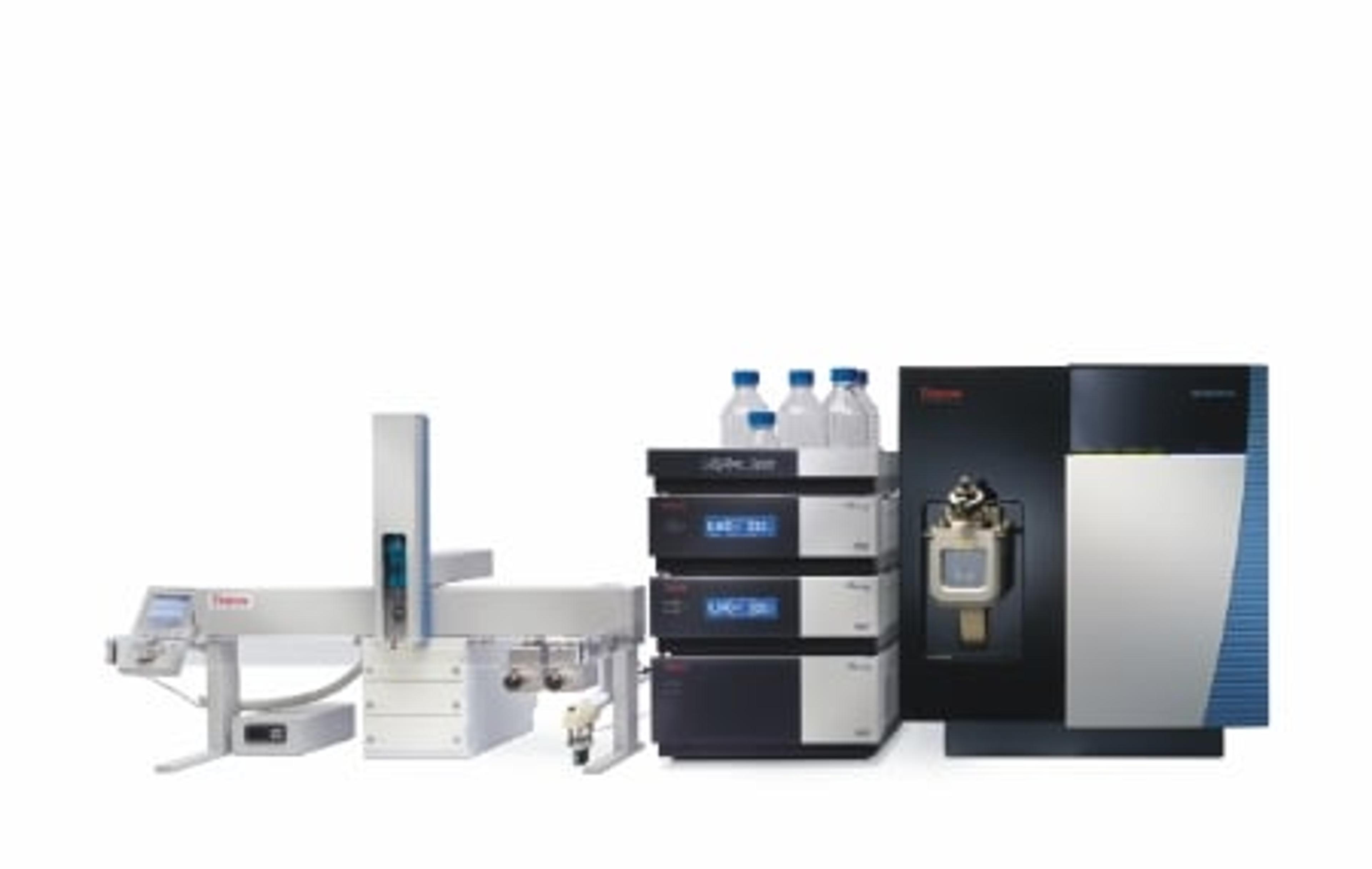
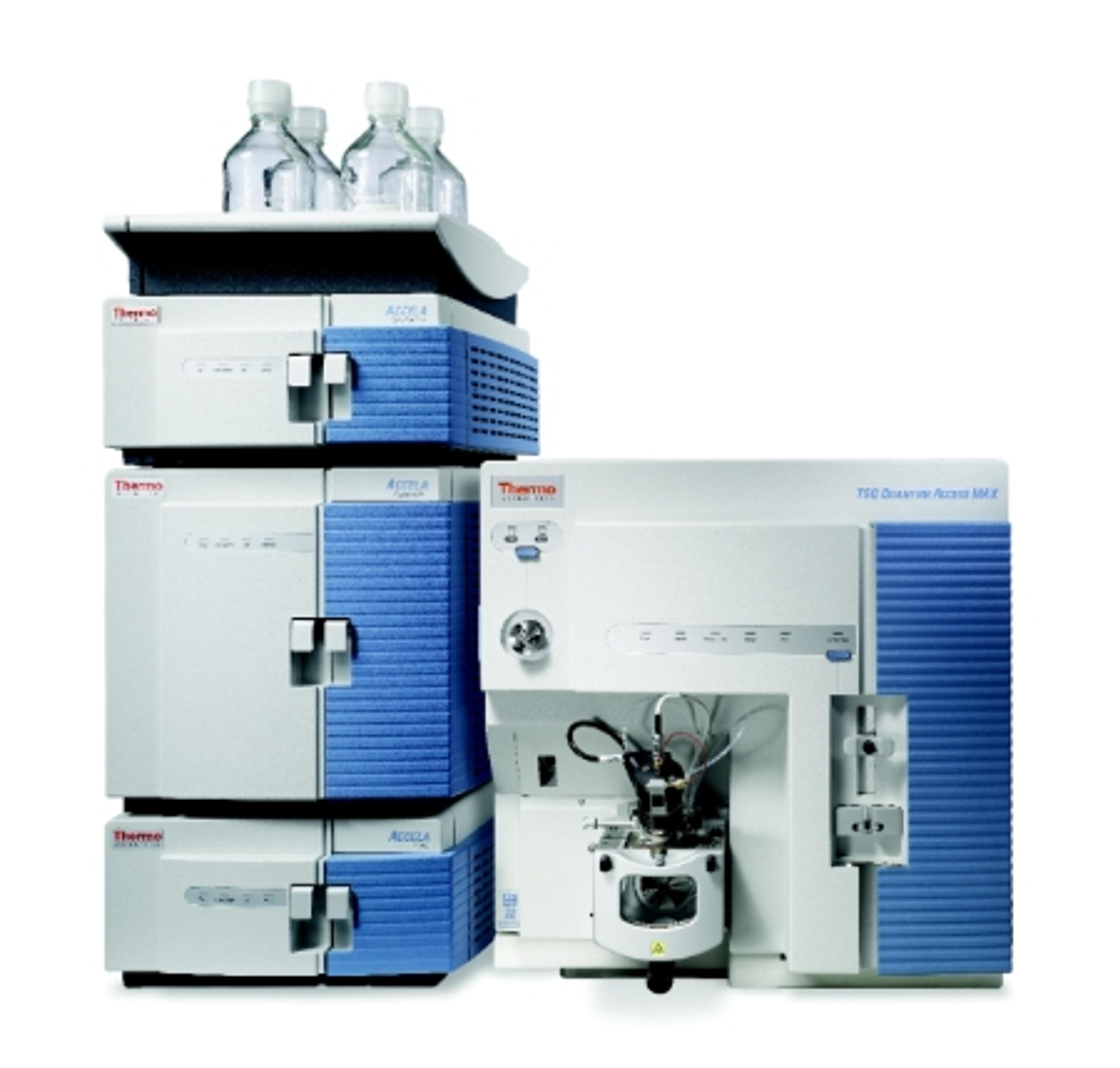
New eBook series covers techniques to optimize mass spec and liquid chromatography results

Collect our three guides for robust and reliable technologies to enable scientists in forensic and clinical laboratories

1 Apr 2020

Sophie Ball
Publishing / Media

Editorial article

For clinical researchers and forensic toxicologists, the need for simple, more robust and reliable technologies has never been greater. As a result, the focus for manufacturers at the forefront of product innovation in these fields has been on designing laboratory tools to be user-friendly, efficient and enable a large sample throughput.

This series of three application eBooks, all available to download for free, provides key information to guide you through the latest techniques and technological advancements available in LC-MS and mass spectrometry, aimed to overcome barriers such as time-consuming protocols, experiment backlogs, high cost per sample, equipment downtime for maintenance, inaccuracy and the need for experienced technicians.
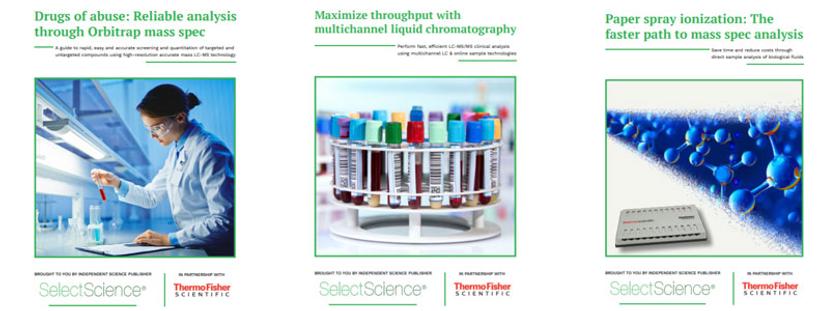
Our series of downloadable eBooks aims to help save time and improve results for clinical researchers and forensic toxicologists

1. Paper spray ionization: The faster path to mass spec analysis

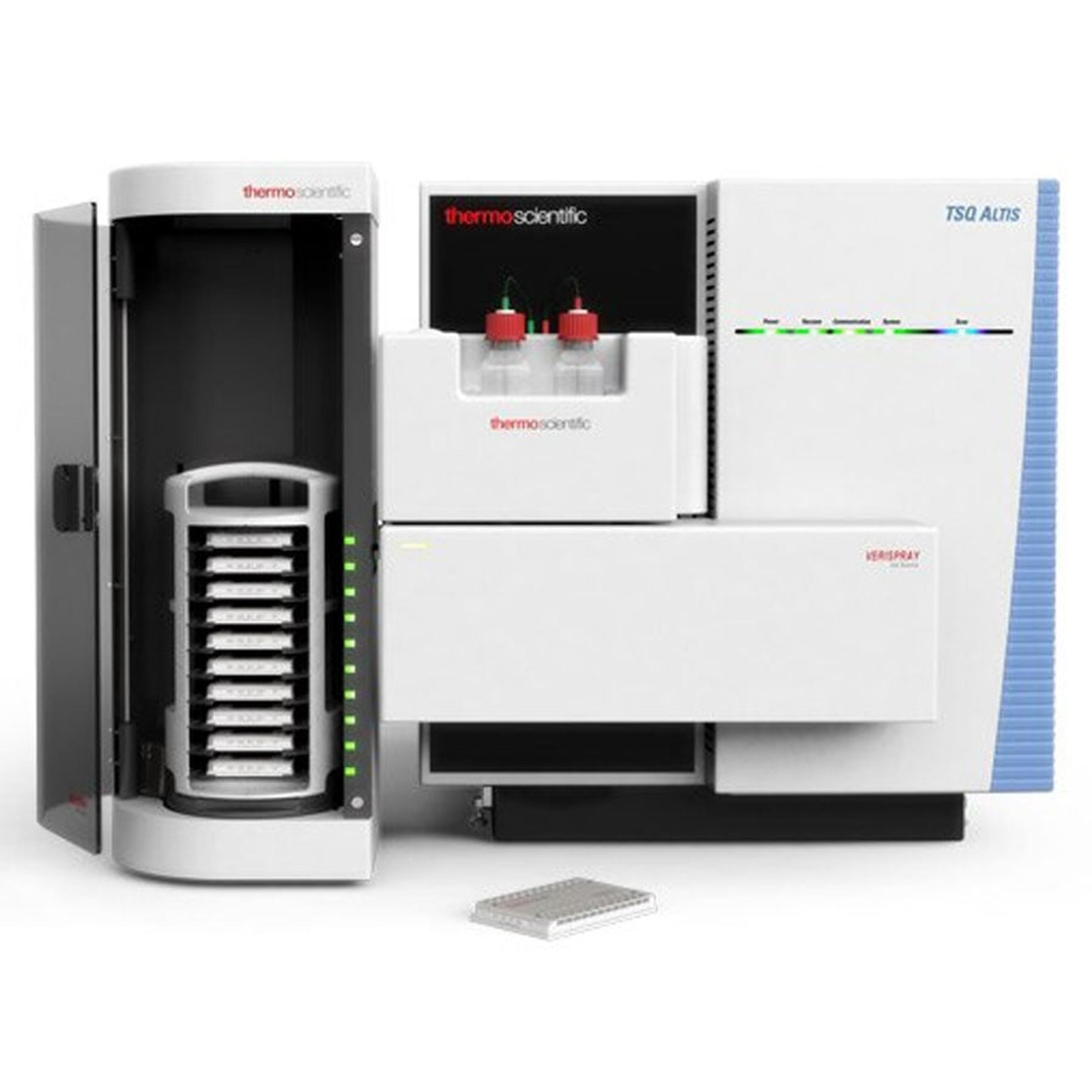
This eBook, produced in partnership with Thermo Fisher Scientific, provides case studies and proof-of-concept experiments that corroborate the varied benefits of employing paper spray ionization methods in clinical and forensic toxicology labs.

Download now >>

2. Maximize throughput with multichannel liquid chromatography

In this eBook, we present the key benefits of using multichannel and online sample technologies in LC-MS systems to maximize throughput and decrease sample processing time.

Download now >>

3. Drugs of abuse: Reliable analysis through Orbitrap mass spec

Traditional testing methods to screen and quantify drugs using immunoassays endure numerous constraints, such as cross-reactivity, false positives and limited selectivity. This application eBook, also produced in collaboration with Thermo Fisher Scientific, presents a guide to alternative, rapid, easy and accurate screening and quantitation of targeted and untargeted compounds using high-resolution accurate mass LC-MS technology.

Download now >>

Check out more of the latest in spectroscopy here >>
Links

Tags

UHPLC and HPLCHigh performance liquid chromatography (HPLC) and ultra high performance liquid chromatography (UHPLC), also known as UPLC, are analytical techniques used to separate, identify and quantitate components of complex mixtures including biological samples such as proteins and lipids as well as chemical mixtures of pesticides, drugs and oils. Both techniques are liquid chromatographic methods but differ by operating pressures (HPLC < 6000 psi < UHPLC ). Components of HPLC and UHPLC systems include columns, detectors, pumps, autosamplers and column heaters. Explore a range of UHPLC and HPLC columns for your specific sample needs including reverse phase, normal phase, ion exchange, HILIC, ion exclusion and size exclusion columns. For more specialized HPLC, explore FPLC, countercurrent LC and simulated moving bed systems. Find the best UHPLC and HPLC equipment in our peer reviewed product directory: compare products, check customer reviews and receive pricing direct from manufacturers.LC-MSLC-MS (liquid chromatography-mass spectrometry) systems and equipment are used for separation and quantitative analysis of complex mixtures, combining liquid chromatography and mass spectrometry. Quantify proteins, contaminants, pesticides or screen for drug metabolites with a high level of sensitivity. LC-MS systems and equipment include reverse phase, normal phase and specialized columns integrated with various MS detectors such as time-of-flight (TOF), quadrupole, orbitrap or ion trap mass analyzers. LC-MS/MS instruments equipped with a qTOF or triple quadrupole analyzer give greater sensitivity and resolving power to your analysis. Find the best LC-MS equipment in our peer-reviewed product directory: compare products, check customer reviews and receive pricing direct from manufacturers.Mass SpectrometryMass spectrometry (MS) is a powerful analytical technique used to identify and quantify molecules based on the mass-to-charge ratio of gas-phase ions. It provides detailed information about the structure, composition, and properties of compounds and is widely used across fields such as environmental monitoring, materials science, drug discovery and development, food and beverage testing, and wider chemical research. Key MS techniques include tandem mass spectrometry (MS/MS), liquid chromatography–mass spectrometry (LS-MS) and inductively coupled plasma (ICP-MS). Choosing from these wide range of techniques and technologies can be a daunting task, so keep up to date with scientific applications, performance expectations, and customer reviews here all in one place. Visit our product directory to receive quotes direct from the manufacturer. Electrospray Ionization