MIC data and AST confidence shape modern AMR stewardship
As Gram-negative resistance becomes more complex, laboratories and clinicians are working together to turn susceptibility data into more targeted treatment decisions
29 Sept 2026

Dr. Nathan A. Ledeboer (left), Professor and Chief of Clinical Pathology, and Dr. James A. McKinnell (right), infectious disease physician and antimicrobial stewardship expert
Antimicrobial resistance (AMR) is changing the way infectious disease teams make treatment decisions. For many multidrug-resistant Gram-negative infections, the challenge is no longer simply determining whether an organism is resistant or susceptible. Increasingly, clinicians must decide which therapy is most appropriate for a specific patient, pathogen, resistance mechanism, infection site, and clinical context.
This shift is being driven by the growing complexity of Gram-negative resistance and the emergence of newer treatment options. Recent guidance from the Infectious Diseases Society of America (IDSA) highlights the complexity of managing infections caused by extended-spectrum β-lactamase-producing Enterobacterales, AmpC β-lactamase-producing Enterobacterales, carbapenem-resistant Enterobacterales (CRE), difficult-to-treat resistant Pseudomonas aeruginosa, carbapenem-resistant Acinetobacter baumannii (CRAB), and Stenotrophomonas maltophilia¹.
Newer antimicrobials have expanded treatment options for some of these infections, but they have also increased the need for accurate antimicrobial susceptibility testing (AST), reliable minimum inhibitory concentration (MIC) data, and close collaboration between laboratories, clinicians, and antimicrobial stewardship teams.
In this SelectScience® article, James A. McKinnell, MD, infectious disease physician and antimicrobial stewardship expert, and Nathan A. Ledeboer, Ph.D., Professor and Chief of Clinical Pathology, discuss how AMR stewardship is reshaping the relationship between diagnostics and treatment decisions.
From empiric antimicrobial treatment to targeted therapy
For clinicians, antimicrobial therapy often begins before the full microbiology picture is available. McKinnell describes the first treatment decision as a risk-based assessment, shaped by the suspected site of infection, likely organisms, patient acuity, mortality risk, prior healthcare exposure, and local resistance patterns.
“The first one is that purely empiric decision,” says McKinnell. “I have no other information except for what I can learn from the patient.”
That decision can vary significantly depending on where a patient has come from. McKinnell has explored this through work in healthcare-system epidemiology, including studies examining how patient movement between hospitals, nursing homes, and long-term acute care facilities contributes to the spread of multidrug-resistant organisms².
As laboratory data becomes available, each new result provides an opportunity to refine treatments. Organism identification, resistance marker detection, AST results, and MIC values all become checkpoints for escalation, de-escalation, or a change in antimicrobial strategy.
“At each of those steps, another decision has to be made either up or down,” McKinnell explains.
The clinical microbiology laboratory as a treatment decision partner
From the laboratory perspective, Ledeboer emphasizes that clinical microbiology is deeply involved in antimicrobial prescribing, particularly once the initial empiric decision has been made.
“The lab’s role in prescribing antimicrobials ultimately goes back to the old statement that 80% of healthcare decisions are made based upon laboratory values,” he says. “Clinical microbiology labs impact prescribing decisions in so many different ways. They can, in some cases, ultimately determine what antimicrobial is prescribed.”
Clinical microbiology labs impact prescribing decisions in so many different ways.
Dr. Nathan A. Ledeboer, Professor and Chief of Clinical Pathology
AST results can help clinicians escalate therapy when resistance is identified, or de-escalate to a narrower agent when results show it is safe to do so.
“The AST result will ultimately help us to either escalate or de-escalate the antibiotic to get the patient on the most effective and most narrow antibiotic regimen that they can be on,” says Ledeboer. This places the microbiology laboratory at the center of antimicrobial stewardship.
AST timing, confidence, and clinical risk
Both experts point to timing as a critical factor in serious infection. In sepsis and other high-risk scenarios, the aim is to start antibiotics quickly, but also to start treatment that is microbiologically active.
“Time to microbiologically effective treatment is directly linked with survival,” says McKinnell.
This principle has been supported by landmark observational work in septic shock. A multicenter study by Kumar et al. found that delays in effective antimicrobial therapy after the onset of hypotension were associated with reduced survival³.
Ledeboer makes a similar point from the laboratory side, emphasizing that “laboratory data provided at the right time and when the clinician is making medical decisions can ultimately have life and death impact on patient decision making and on patient outcomes”.
While speed is important, a fast result must also be accurate, clinically relevant, and actionable. If susceptibility data arrive quickly but do not include the drug a clinician needs, or if the result does not provide enough confidence around a key treatment decision, the value to stewardship is limited.
Time to microbiologically effective treatment is directly linked with survival.
James McKinnell, MD
More Gram-negative treatment options need better susceptibility data
The arrival of newer therapies for resistant Gram-negative infections has changed clinical practice, but it has not necessarily made decision-making simpler. Agents such as newer β-lactam and β-lactamase inhibitor combinations, cefiderocol, and sulbactam-durlobactam can provide important options for difficult-to-treat infections. But these drugs are often costly, and may be restricted by institutional protocols.
In some high-risk cases, McKinnell says he may move quickly to a newer antimicrobial if the patient is critically ill and the probability of resistance is high. In many settings, however, clinicians need susceptibility evidence before they can access these agents.
That makes AST results more than confirmatory data. In some cases, they become the basis for justifying escalation and de-escalation, or avoiding unnecessary use of last-line therapies.
For laboratories, newly approved antimicrobials bring practical challenges. Ledeboer highlights that implementation can be limited by available testing methods, access to appropriate resistant isolates for validation, and whether newer agents are included on routine panels.
MIC-based susceptibility workflows and adaptable panels that include clinically relevant newer agents can help laboratories support treatment decisions where categorical results alone may not provide enough context.
Why MIC data matters in antimicrobial stewardship
MIC data can provide important information beyond a susceptible, intermediate, or resistant interpretation. In complex infections, MIC values may support dosing decisions, help clinicians assess confidence around breakpoints, and allow laboratories to monitor changes in resistance over time.
“I think having an accurate MIC or a reproducible MIC plays an incredibly important role, not only for treatment and management, but also for monitoring of resistance,” Ledeboer says.
This is particularly important as newer antimicrobials enter clinical use. Shifts in MIC patterns may suggest emerging resistance mechanisms or prompt further molecular characterization of an isolate. Real MIC values can also provide infection control and infectious disease teams with more detailed information when interpreting antibiogram trends, while helping hospital pharmacy teams make more informed decisions around antimicrobial selection, stewardship, and formulary management.
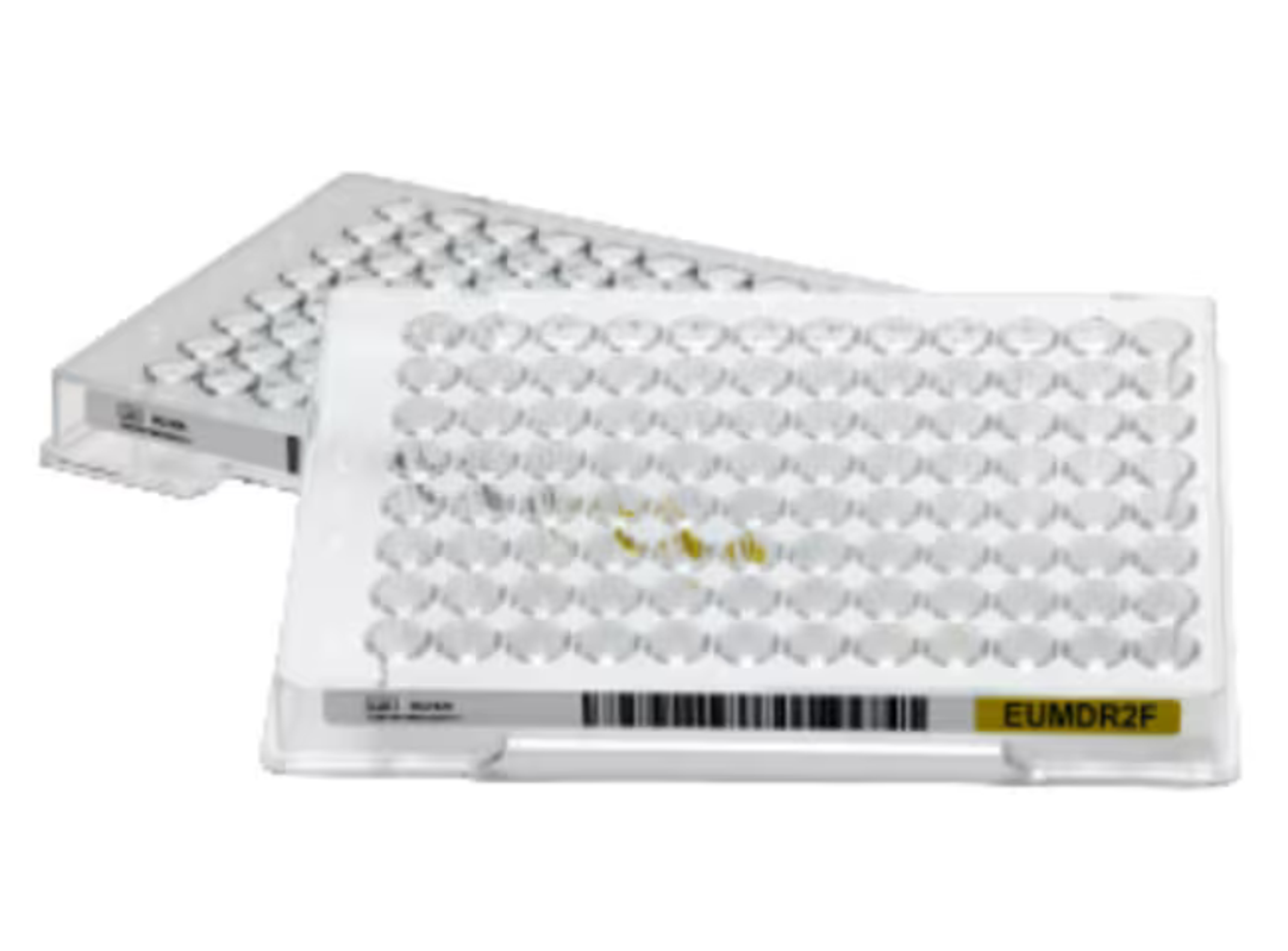
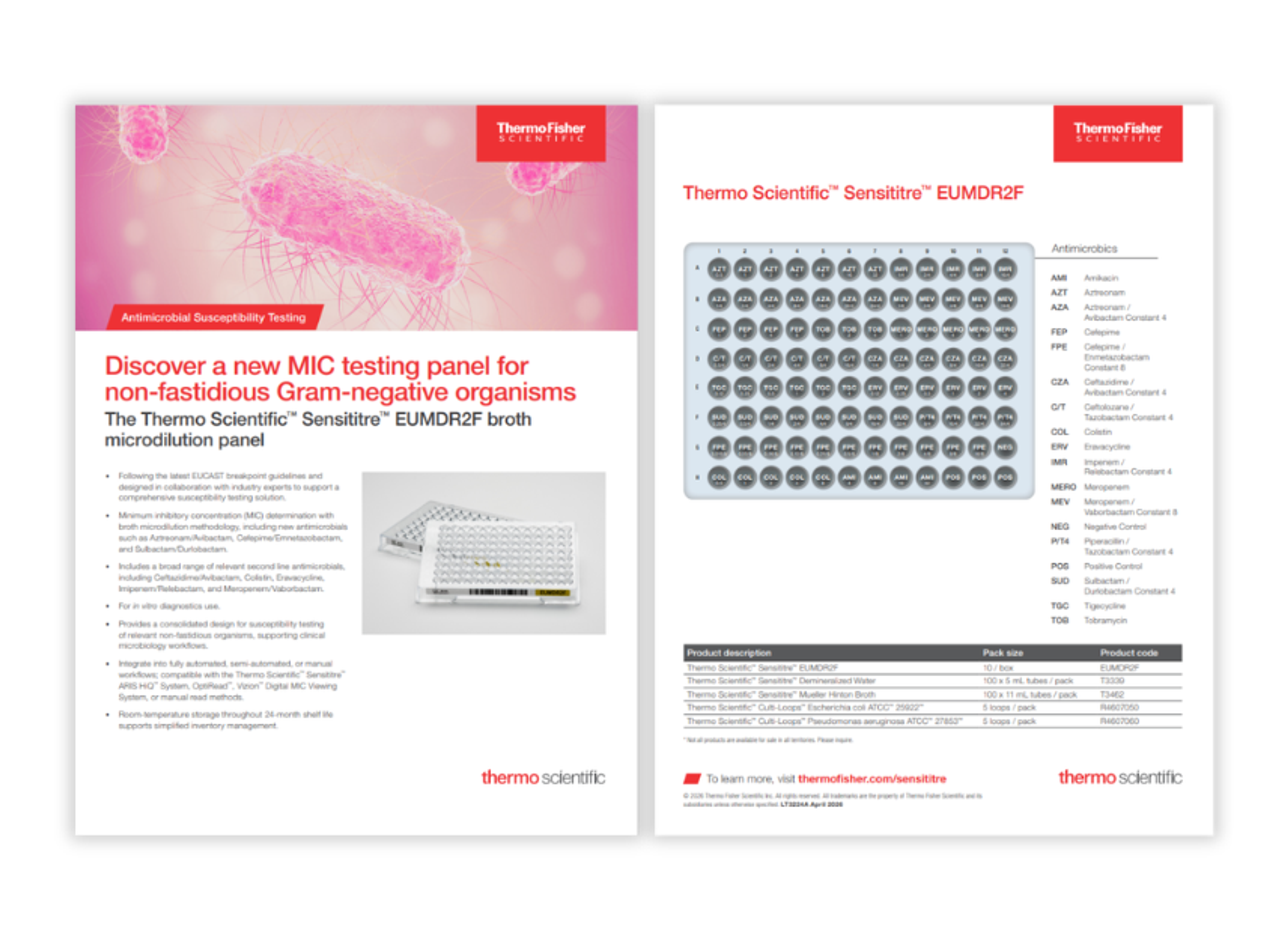
As laboratories seek to provide more clinically relevant MIC data for resistant Gram-negative infections, AST panel design is becoming increasingly important. Thermo Fisher Scientific’s Sensititre™ EUMDR2F panel is designed to support multidrug-resistant Gram-negative workflows, enabling testing of clinically relevant non-fastidious isolates and including MDR-focused and second-line agents such as ceftazidime/avibactam, imipenem/relebactam, meropenem/vaborbactam, aztreonam/avibactam, cefepime/emnetazobactam, and sulbactam/durlobactam.
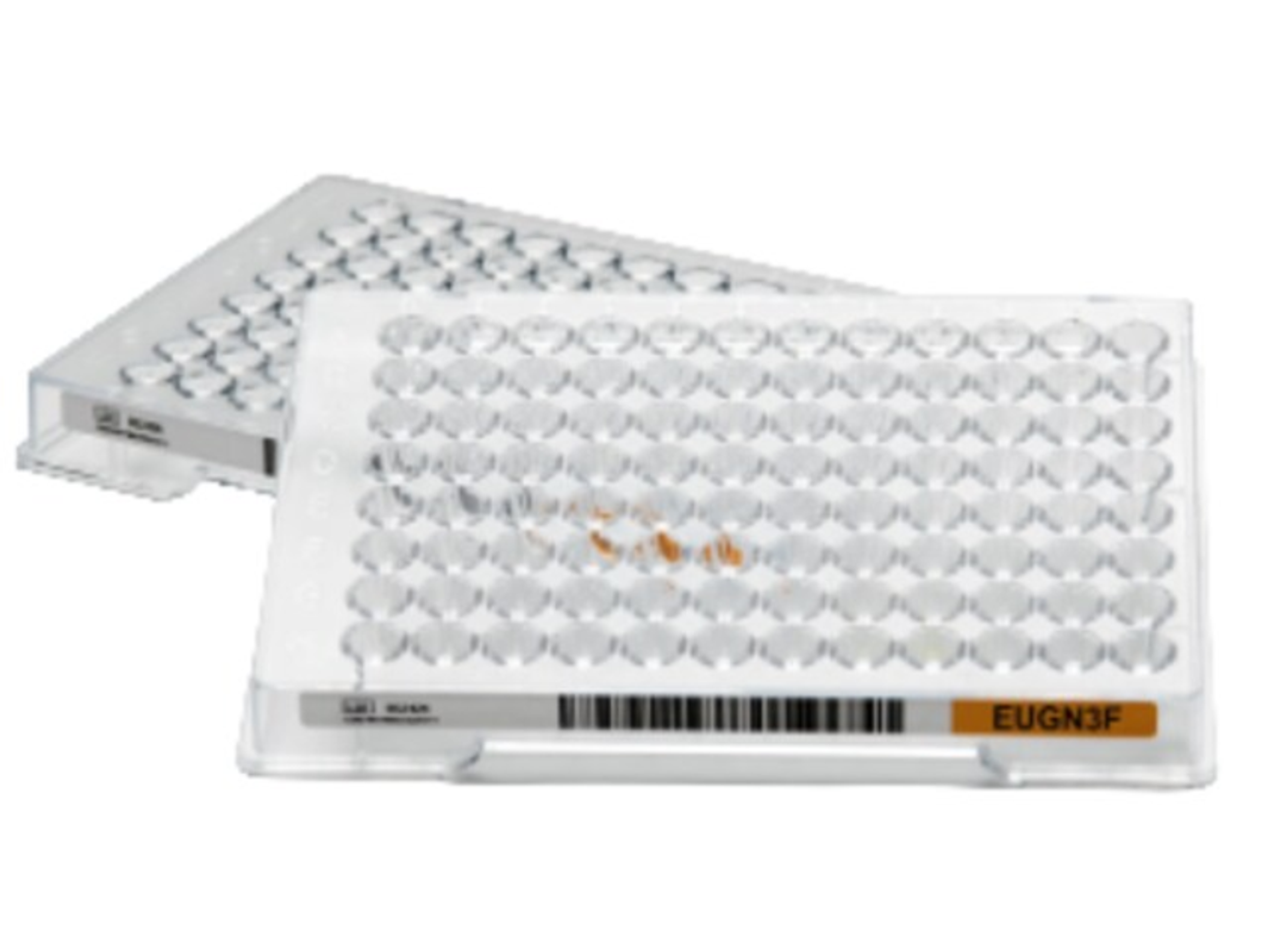
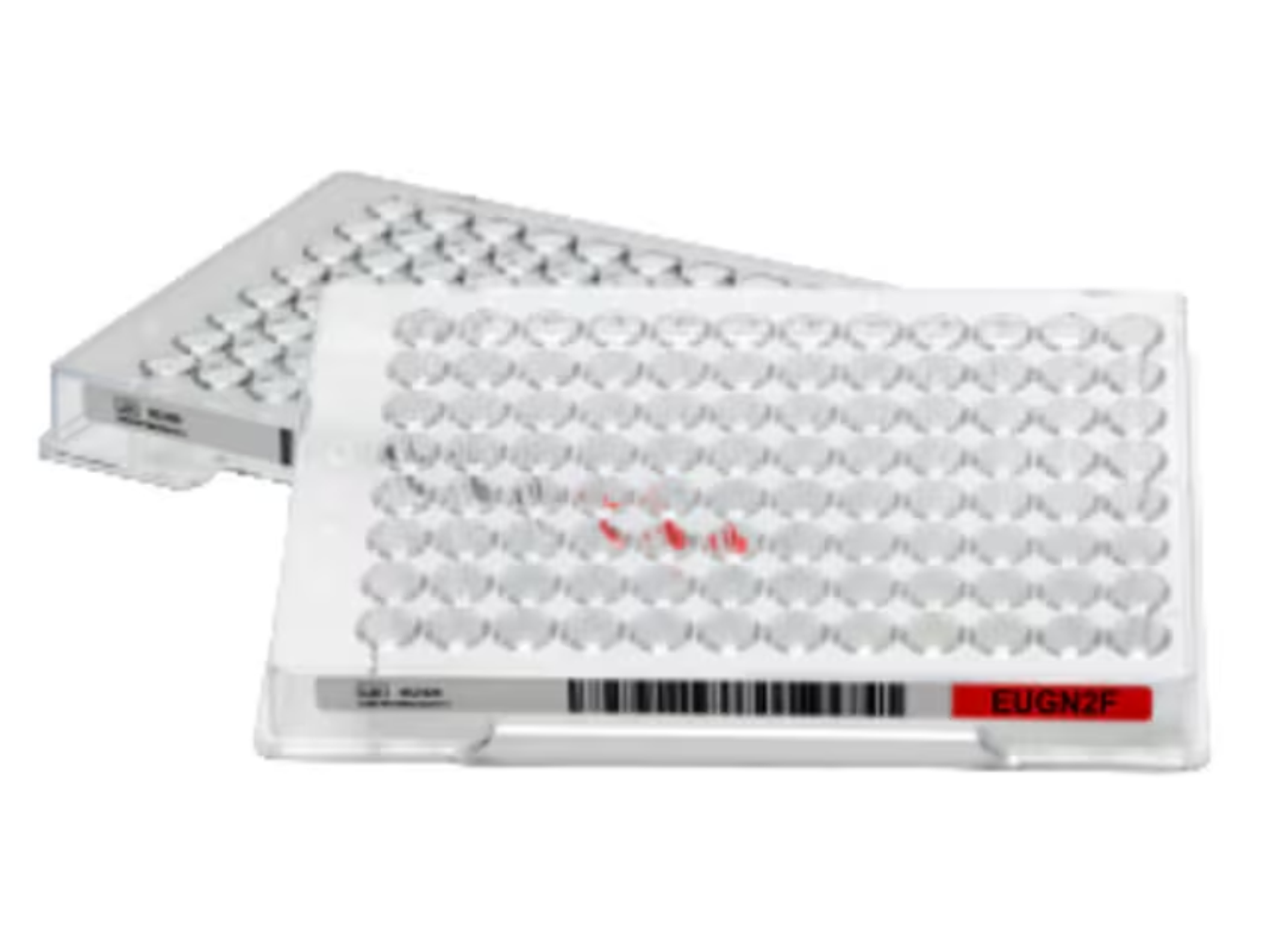
The wider Sensititre™ EUGN3F and Sensititre™ EUGN2F panels support broader Gram-negative AST needs across relevant antimicrobial groups, while Custom AST Panels Designed for Your Lab allow laboratories to align testing with local formularies, patient populations, and emerging resistance patterns.
The importance of susceptibility interpretation has been highlighted in clinical studies such as the MERINO trial, which compared piperacillin-tazobactam with meropenem for bloodstream infections caused by ceftriaxone-resistant E. coli or Klebsiella pneumoniae⁴. While the trial is often discussed in relation to carbapenem-sparing therapy, it illustrates a broader stewardship point that confidence in susceptibility testing can influence whether clinicians feel able to use narrower therapy in serious infection.
“If you have inaccurate microbiology results, a responsible clinician has to broaden therapy,” says McKinnell.
That decision may be appropriate for an individual patient when the stakes are high. But, at a system level, repeated broadening of therapy can increase selective pressure and undermine stewardship goals. This is why reliable AST, reproducible MIC data, and current breakpoint implementation are increasingly important for resistant Gram-negative infections.
The Clinical and Laboratory Standards Institute (CLSI), Association of Public Health Laboratories (APHL), American Society for Microbiology (ASM), College of American Pathologists (CAP), and Centers for Disease Control and Prevention (CDC) have developed resources to support laboratories in updating MIC breakpoints, reflecting the practical complexity of keeping AST interpretation current⁵.
Making AST results easier to act on
Even when AST data are accurate, results still require effective communication. Ledeboer notes that clinical teams are often extremely busy, managing multiple patients and competing priorities.
This is where antimicrobial stewardship pharmacists and infectious disease teams can play an important role. Rather than simply alerting a clinician that a susceptibility result is available, stewardship teams can help interpret the result and recommend a practical treatment change.
“If we can deliver information that’s actionable and useful, that ultimately can help improve therapies and improve the patient’s outcome,” says Ledeboer. “It hits the easy button for our clinicians.”
McKinnell makes the same point more simply, “Don’t make it hard.”
For stewardship to work in real time, treatment pathways need to be built before the patient arrives. These pathways should reflect local antibiogram data, common infection syndromes, regional resistance patterns, likely patient populations, and the antimicrobials available within the institution.
Collaboration across the antimicrobial stewardship team
McKinnell’s and Ledeboer’s years of expertise points to the salient fact that AMR cannot be addressed by one group alone. Clinicians need timely, accurate, clinically relevant results; laboratories need to understand which organisms and drugs matter most to treatment decisions; and pharmacists and stewardship teams help translate susceptibility data into practical recommendations.
Ledeboer stresses that not all stewardship programs have the same level of resources. These can vary widely between institutions, from highly engaged multidisciplinary teams to programs supported by only limited dedicated pharmacy time.
McKinnell acknowledges that collaboration can involve tension. Clinicians may push for access to broader or more expensive therapy, while pharmacy teams must manage cost and availability. Laboratories must also balance accuracy, throughput, validation, staffing, and test menu decisions.
“The clinician, the microbiology laboratory, and pharmacy all need to be on the same team, working towards the same goal,” he says. “If one leg falls out, the whole stool falls over.”
Shaping the future of precision antimicrobial therapy
Looking ahead, Ledeboer expects greater integration of phenotypic AST, genotypic resistance detection, proteomic approaches, and informatics tools, with phenotypic testing remaining essential for capturing the observed antimicrobial response that results from underlying genetic and protein-level mechanisms.
“We’re going to see a lot of additional data that comes out attempting to correlate genomic information together with phenotypic information,” he says. “It doesn’t mean that it abrogates the role of phenotypic AST. I think it continues to support it even more.”
As treatment options for multidrug-resistant Gram-negative infections expand, antimicrobial stewardship will increasingly depend on the quality and interpretation of susceptibility data. Accurate AST, reproducible MIC values, current breakpoints, relevant test panels, and clear communication can help clinicians move from empiric treatment to targeted therapy with greater confidence.
For laboratories, that means an expanding role in patient care. For clinicians and stewardship leaders, it means recognizing that susceptibility data are not simply laboratory results.
References
1. Tamma PD, Heil EL, Justo JA, Mathers AJ, Satlin MJ, Bonomo RA. Infectious Diseases Society of America 2024 Guidance on the Treatment of Antimicrobial-Resistant Gram-Negative Infections. Clinical Infectious Diseases. 2024. https://doi.org/10.1093/cid/ciae403
2. McKinnell JA, Singh RD, Miller LG, et al. The SHIELD Orange County Project: Multidrug-resistant Organism Prevalence in 21 Nursing Homes and Long-term Acute Care Facilities in Southern California. Clinical Infectious Diseases. 2019;69(9):1566–1573. https://doi.org/10.1093/cid/ciz119
3. Kumar A, Roberts D, Wood KE, et al. Duration of hypotension before initiation of effective antimicrobial therapy is the critical determinant of survival in human septic shock. Critical Care Medicine. 2006;34(6):1589–1596. https://doi.org/10.1097/01.CCM.0000217961.75225.E9
4. Harris PNA, Tambyah PA, Lye DC, et al. Effect of Piperacillin-Tazobactam vs Meropenem on 30-Day Mortality for Patients with E. coli or Klebsiella pneumoniae Bloodstream Infection and Ceftriaxone Resistance: A Randomized Clinical Trial. JAMA. 2018;320(10):984–994. https://doi.org/10.1001/jama.2018.12163
5. Clinical and Laboratory Standards Institute. Breakpoint Implementation Toolkit. https://clsi.org/resources/breakpoint-implementation-toolkit/
Links
Tags
Frequently asked questions
Show frequently asked questions
How is antimicrobial resistance (AMR) reshaping treatment decisions for multidrug-resistant Gram-negative infections?
Antimicrobial resistance is shifting care from simple susceptible/resistant calls to highly individualized therapy. Clinicians must match treatment to the specific patient, pathogen, resistance mechanism, infection site, and clinical context. Guidance from the Infectious Diseases Society of America (IDSA) for ESBL- and AmpC-producing Enterobacterales, CRE, difficult-to-treat Pseudomonas aeruginosa, carbapenem-resistant Acinetobacter baumannii (CRAB), and Stenotrophomonas maltophilia reflects this growing complexity.
What role do clinical microbiology laboratories and MIC-based AST play in antimicrobial stewardship?
Clinical microbiology laboratories, led by experts like Dr. Nathan A. Ledeboer, are central to antimicrobial prescribing once empiric therapy begins. Accurate antimicrobial susceptibility testing (AST) and reproducible minimum inhibitory concentration (MIC) data guide escalation and de-escalation decisions. MIC values support dosing, breakpoint confidence, and resistance surveillance, helping stewardship teams avoid unnecessary use of costly last-line agents such as cefiderocol and sulbactam-durlobactam.
How do Sensititre AST panels support management of resistant Gram-negative infections?
Thermo Fisher Scientific’s Sensititre™ EUMDR2F panel is designed for multidrug-resistant Gram-negative workflows, enabling MIC-based testing of non-fastidious isolates and MDR-focused agents like ceftazidime/avibactam, imipenem/relebactam, meropenem/vaborbactam, aztreonam/avibactam, cefepime/emnetazobactam, and sulbactam/durlobactam. Sensititre™ EUGN3F, EUGN2F, and Custom AST Panels Designed for Your Lab broaden Gram-negative coverage and allow alignment with local formularies and emerging resistance patterns.