Centralized or decentralized? Rethinking blood culture ID/AST testing in modern clinical microbiology
Clinical microbiology experts Dr. Stella Antonara, OhioHealth, and Dr. J. Kristie Johnson, University of Maryland Medical Center, share their experiences in this SelectScience interview
3 Sept 2026Bloodstream infection (BSI) diagnostics operate on tight timelines. The interval between a positive blood culture and the delivery of organism identification (ID) and antimicrobial susceptibility test (AST) results directly influence clinical decision-making, antimicrobial use, and patient outcomes. Each stage is critical, from initial identification through detection of resistance and therapy selection, particularly in sepsis, where delays are closely associated with worse clinical outcomes.
As healthcare systems expand and consolidate, laboratories are under increasing pressure to deliver faster, more consistent, and clinically actionable results across geographically dispersed networks.
This challenge is unfolding against a backdrop of rising antimicrobial resistance and the persistent global sepsis burden. Rapid diagnostic technologies have helped reshape expectations, with multiplex molecular panels and MALDI-TOF systems enabling organism identification within hours rather than days. However, adopting these technologies is only part of the equation. Laboratories must also decide how best to organize testing workflows. Should blood culture ID/AST be centralized in specialist hubs, or decentralized closer to the patient?
Two clinical microbiology leaders, Dr. Stella Antonara, Medical Director of Microbiology, OhioHealth and Dr. J. Kristie Johnson, Medical Director of the Clinical Microbiology Laboratory at of the University of Maryland Medical Center, have taken different approaches. Their experiences highlight how each approach can succeed, depending on system structure, logistics, and clinical priorities.
The centralized approach

Dr. Stella Antonara, Medical Director of Microbiology, OhioHealth
For Dr. Antonara, centralization was driven by the realities of managing a large and expanding healthcare system. OhioHealth spans 17 hospitals, many of which were acquired with existing local laboratory practices. That created variability in staffing, expertise, and reporting.
“One of our biggest challenges was the lack of routine review of blood culture Gram stains,” she explains, referring to smaller laboratories staffed by generalists rather than microbiology specialists.
“Blood culture proficiency programs can be used as quality indicators to assess staff expertise. When there are failures, it is time for the laboratory to assess its approach,” she notes.
This variability extended beyond staffing. Different hospitals used different rules to work up cultures and report AST results, creating confusion for clinicians accessing shared electronic medical records. “When you acquire new hospitals, each place has its ownrules for reporting out susceptibility testing. That means that different rules have been applied for the patients,” Antonara explains, noting that this inconsistency made it harder for providers to interpret results across sites.
Centralization offered a way to address these issues. With a dedicated courier network and relatively short distances between sites, OhioHealth implemented a hub-and-spoke model, bringing blood culture processing and ID/AST into a single reference laboratory.
“We decided to go with a hub-and-spoke model because of the proximity of the locations that we serve,” Antonara shares. “All of our locations are an hour to an hour and a half away from the centralized laboratory. When specimens come to the lab, we can take action as they come in.”
The impact was tangible. Centralization reduced errors, improved turnaround times for actionable results, and streamlined communication with clinicians. “After we made this transition, we had minimal safety events. There were no issues with incorrect blood culture results being reported,” she notes. Equally important was the ability to deliver results consistently across all shifts. “We work up cultures on all shifts, and we release susceptibility results on all shifts,” says Antonara, adding that this meant pharmacists could review results early in the morning without waiting for additional processing.
To meet the high volume of tests performed in the centralized lab, the team use a range of solutions from bioMérieux, including the BACT/ALERT® VIRTUO® automated blood culture system and BIOFIRE® Blood Culture Identification 2 (BCID2) Panel for rapid molecular blood culture ID, which can perform identification of gram-positive and gram-negative organisms using just one panel.
“Because we're such a high-volume lab, we don't have the luxury of performing a Gram stain first and then picking what type of panel to use for molecular identification. We just do it all at the same time, and that matches our high-volume lab,” Antonara shares.
To support its testing volume, the laboratory operates three VITEK® 2 automated ID/AST systems, with the VITEK® MS MALDI‑TOF system functioning as a central identification workhorse. “MALDI is just being used nonstop on both first and second shifts,” Antonara notes.
Centralization also improved operational efficiency. Implementing the model reduced duplication of effort across sites, from instrument maintenance to proficiency testing and SOP management.
It also concentrated expertise in one location, making it easier for clinicians to access knowledgeable staff. “When the providers want to call, they call the centralized lab, and the people that know the answers, they can find them easily,” explains Antonara.
The decentralized approach
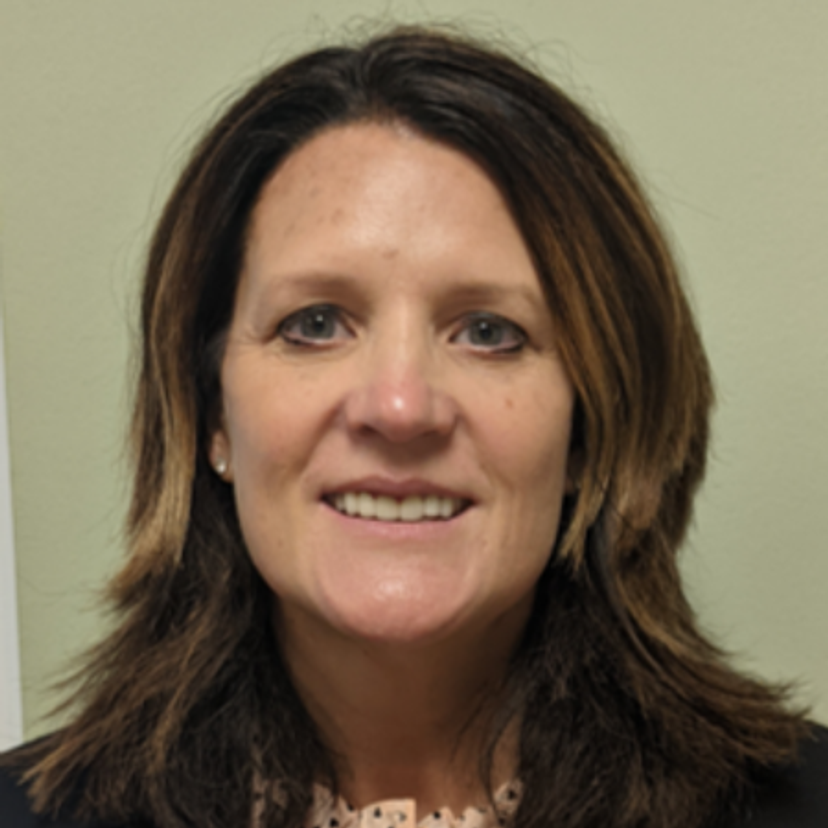
Dr. J. Kristie Johnson, Medical Director of the Clinical Microbiology Laboratory at of the University of Maryland Medical Center
While Dr. Antonara’s experience highlights the strengths of centralization, Dr. Johnson’s work at the University of Maryland Medical Center illustrates the clinical advantages of decentralization, particularly when rapid diagnostics are involved.
Initially, Maryland used a hybrid model, with blood cultures incubated locally and positive samples transported to a central lab for full workup. However, this introduced delays that limited the clinical impact of testing.
“There are always delays in turnaround times when you have to transport a sample to another laboratory seven days a week,” shares Johnson.
At the same time, growing evidence showed that reducing time to effective therapy improved patient outcomes. This prompted a shift toward decentralized rapid testing, particularly during the COVID-19 pandemic, when multiplex-capable instruments were deployed across hospitals in the network.
“We trained all the hospitals to run those assays, and we were able to decrease the turnaround time between the blood culture becoming positive and the identification of the pathogen,” Johnson explains.
The clinical benefits were clear. Faster organism identification and earlier detection of resistance mechanisms enabled more targeted antimicrobial therapy.
“That allowed our clinicians to know which antibiotics not to use and make sure that the patient’s on the right antimicrobial therapy faster,” Johnson says.
She linked this directly to improved outcomes, including reduced hospital stay and better antimicrobial stewardship (AMS). “The data shows that it decreases time to appropriate antimicrobial therapy and can in some cases decrease mortality,” she adds.
Supporting this approach, the labs utilize BACT/ALERT® 3D, an automated blood culture platform, followed by the BIOFIRE BCID2 Panel on the BIOFIRE® FILMARRAY® TORCH system. This rapid molecular assay detects multiple organisms and resistant mechanisms that cause bloodstream infections. “As soon as the blood culture bottle is positive, we are able to run the rapid diagnostic assay and have organism identification of about 90% of the organisms that cause bacteremia or candidemia within a couple hours,” shares Johnson.
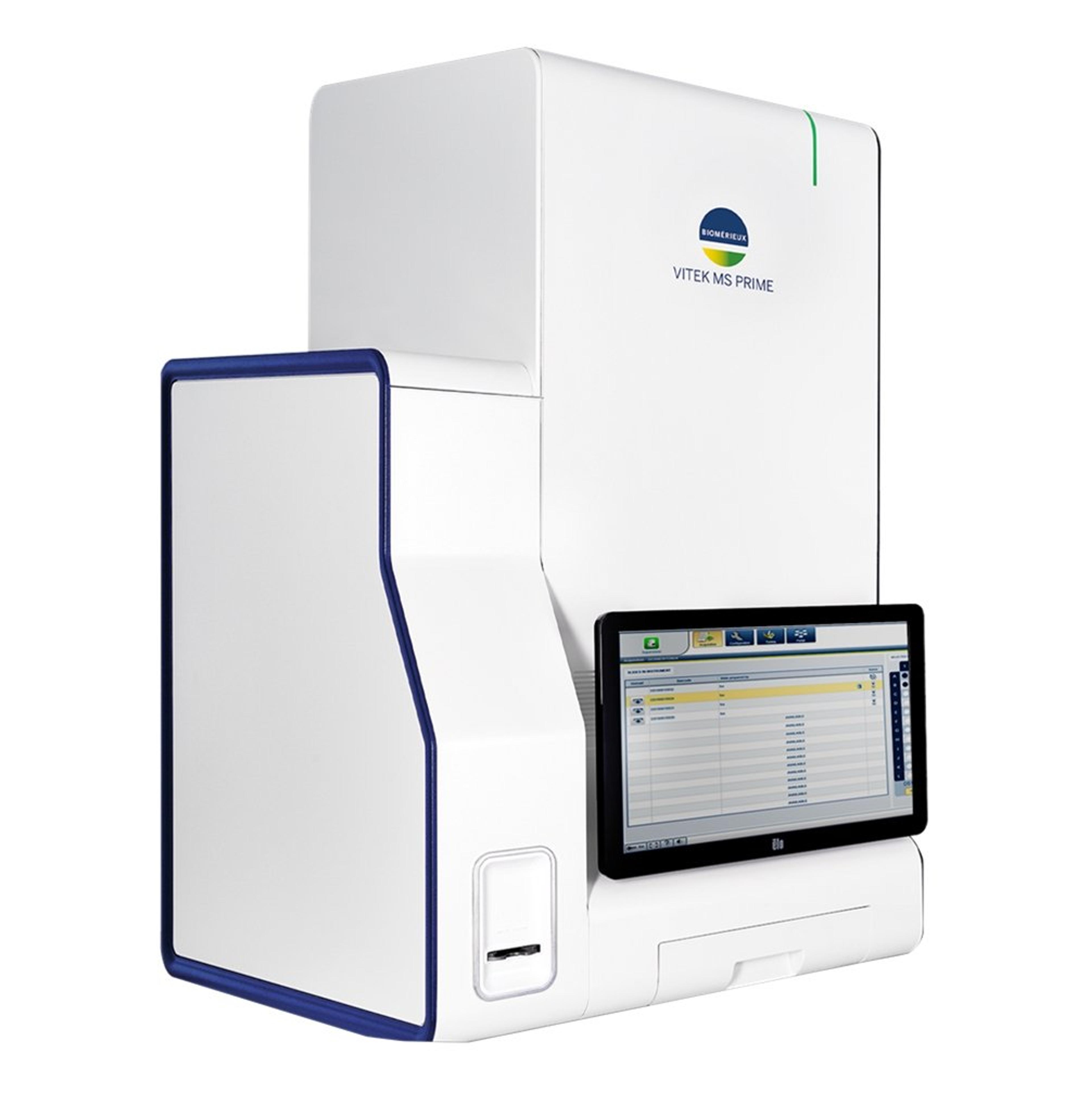
Additionally, VITEK® MSand VITEK® MS PRIME are used for mass spectrometry identification of bacteria and fungi. Johnson shares, “all of these systems have really allowed us to streamline and decrease the time to identification and genotypic susceptibility.”
However, decentralization also introduced new challenges, particularly around interpretation of rapid diagnostic results when first implementing rapid diagnostics. Johnson described an early issue with the mecA resistance gene, which is reported for coagulase-negative staphylococci and Staphylococcus aureus, that led to misinterpretation by clinicians.
“If the mecA gene was reported, some of our healthcare workers would put patients on isolation and start treating them for Methicillin-resistant Staphylococcus aureus,” she shares, even when the organism was not present.
“If you run a test in the lab, that doesn’t mean it will be utilized correctly to make an impact on patient care,” Johnson emphasizes. This experience underscored the importance of education, reporting design, and collaboration between AMS teams, providers, and lab staff.
Automation and stewardship
Although their models differ, Antonara and Johnson emphasize shared priorities for today’s blood culture workflows – most notably the role of automation in mitigating workforce shortages and improving operational efficiency.
“Automation helps us with working through the negatives and concentrating on the positive cultures,” Antonara says, emphasizing the ability to use specialized staff more effectively.
Johnson similarly pointed to automation as a means of standardizing processes and accelerating reporting. “It helps standardize processes while also enabling faster turnaround times,” she notes.
Both also stress the importance of AMS and clinical collaboration. Johnson highlights the value of developing treatment algorithms tailored to local epidemiology, ensuring that rapid diagnostic results translate into appropriate therapy. Antonara emphasizes the need for system-wide communication and data reporting to demonstrate the value of centralized workflows.
Aligning clinical lab models with healthcare system needs
Ultimately, the choice between centralized and decentralized blood culture ID/AST is not a binary one. It depends on infrastructure, geography, staffing, and clinical priorities. Centralized models can deliver standardization, quality control, and operational efficiency across large networks. Decentralized approaches can bring rapid diagnostics closer to the patient, shortening time to intervention, and improving clinical outcomes.
What unites both approaches is a shared goal: delivering accurate, timely, and clinically meaningful results. As Johnson put it, the evolution of blood culture diagnostics has shifted the laboratory’s role, allowing it to move beyond retrospective confirmation and become, “part of the decision-making team.”
At the same time, Antonara’s experience shows that without consistency and expertise, even advanced diagnostics can fall short. By aligning workflow design with system needs and supporting it with automation, AMS, and collaboration, laboratories can ensure that whether centralized or decentralized, their models deliver what matters most: faster, safer, and more effective care for patients with bloodstream infections.
Hear more on centralized and decentralized models for the clinical laboratory in our on-demand SelectScience webinar, hosted in partnership with bioMérieux – click here to watch on demand.