
Novel inhibitor combinations and susceptibility tests offer upper hand in the AMR arms race
Dr. Nathan Ledeboer highlights how new antimicrobial combos and accurate susceptibility testing are helping fight against AMR
4 Feb 2026
Dr. Nathan Ledeboer, Chief of Clinical Pathology in the Department of Pathology and Laboratory Medicine at the Medical College of Wisconsin
Antimicrobial resistance (AMR) is one of the greatest threats to modern medicine. By rendering antibiotics ineffective, it has the potential to turn once-manageable infections and routine surgeries into life-threatening events. Particularly concerning is the rise of multidrug resistance among Gram-negative pathogens, with some strains now exhibiting resistance to nearly all available antibiotics.
“Even though we’re developing new drugs faster than we have in the recent past, resistance is still emerging faster than we can keep up,” says Dr. Nathan Ledeboer, Chief of Clinical Pathology in the Department of Pathology and Laboratory Medicine at the Medical College of Wisconsin. For this reason, he says, there remains a critical need for both the continued discovery of novel antimicrobial agents and the advancement of rapid diagnostic tools to guide their use.
The rise of Gram-negative resistance
Among the many drivers of AMR, resistance in Gram-negative bacteria has emerged as one of the most serious and rapidly growing concerns. Much of this stems from the spread of β-lactamase–mediated resistance. β-lactam antibiotics, including penicillins, cephalosporins, carbapenems, and monobactams, remain among the most reliable and widely used treatments, killing bacteria by disrupting cell wall synthesis. However, the increasing prevalence of β-lactamase enzymes in Gram-negative pathogens now threatens their effectiveness. These enzymes break open the β-lactam ring essential to the drug’s activity, rendering it inactive and making infections once easily managed with penicillin or related agents increasingly difficult, and sometimes impossible, to treat.
“The biggest challenge is the sheer number and diversity of β-lactamases that exist today,” says Dr. Ledeboer. “When I entered the field over 20 years ago, there were around 300 described β-lactamases; that number is around 3,000today.”
This diversity arises from small mutations that can significantly alter an enzyme’s activity against different drugs. “That makes it really challenging to identify which β-lactamase you’re dealing with, and what you can treat it with,” he explains.
β-lactamase production is often just one piece of a larger resistance puzzle. “It can occur alongside mechanisms like altered penicillin-binding proteins, efflux pumps, or porin changes,” notes Dr. Ledeboer. “When all of these act together, designing an effective treatment regimen becomes extremely difficult.”
Beating β‐lactamase with inhibitor combinations
One of the most promising strategies to counter β-lactamase–mediated resistance is the development of β-lactam–β-lactamase inhibitor (BL/BLI) combinations. These therapies pair a traditional β-lactam antibiotic with a companion molecule that inactivates β-lactamase enzymes, restoring the antibiotic’s effectiveness.
Early combinations such as piperacillin–tazobactam and ampicillin–sulbactam were effective against non-carbapenemase β-lactamases but have limited activity against the increasingly complex enzymes seen today. In response, second-generation inhibitors, including avibactam, vaborbactam, and relebactam, have been developed, leading to potent new combinations such as ceftazidime–avibactam, meropenem–vaborbactam, and imipenem–relebactam.
One of the advantages of developing new inhibitors is that it allows us to renew our use of older drugs.
Dr. Nathan Ledeboer, Chief of Clinical Pathology Department of Pathology and Laboratory Medicine, Medical College of Wisconsin
“One of the advantages of developing new inhibitors is that it allows us to renew our use of older drugs,” explains Dr. Ledeboer. “Take a drug like ceftazidime – it’s been around for decades, and in many parts of the world was essentially useless for treating Gram-negative organisms because of resistance. By adding a novel β-lactamase inhibitor, we can reinvigorate that drug and make it useful again.” This approach not only extends the lifespan of well-established antibiotics but is also faster and less resource-intensive than developing entirely new agents.
A further advantage of BL/BLI combinations is that they can be tailored. Avibactam, for instance, is a novel synthetic inhibitor that neutralizes a broad range of β-lactamase enzymes. “Avibactam has very high activity against things like Klebsiella pneumoniae carbapenemase (KPC) or OXA-48, and depending on what you combine it with, you can actually change its spectrum quite significantly,” says Dr. Ledeboer. This flexibility allows clinicians to broaden coverage across multiple resistance mechanisms and, as he notes, to “tailor drugs based on the need or epidemiology.”
Aztreonam-avibactam: The new duo
One of the most recent examples of this tailored approach is aztreonam–avibactam, a promising combination developed to treat infections caused by metallo-β-lactamase (MBL)–producing bacteria. The combination works by each component compensating for the other’s weaknesses.
While avibactam inhibits a broad range of β-lactamases, it is ineffective against MBLs such as New Delhi metallo-β-lactamase (NDM). In contrast, aztreonam, a monobactam antibiotic, remains stable in the presence of MBLs but is vulnerable to degradation by other β-lactamases. When combined, avibactam shields aztreonam from enzymatic breakdown, while aztreonam extends activity to MBL-producing organisms that avibactam alone cannot neutralize.
This synergistic relationship between aztreonam and avibactam makes this combination of antibiotic a particularly powerful option for treating carbapenem-resistant infections caused by NDM-producing pathogens. For years, clinicians have co-administered ceftazidime–avibactam with aztreonam to achieve this effect. However, earlier this year, aztreonam–avibactam (EMBLAVEO™) received FDA approval in the United States as the first and only fixed-dose, intravenous monobactam/β-lactamase inhibitor combination.
“Now, as a combined approved agent, aztreonam–avibactam offers an easier dosing regimen,” says Dr. Ledeboer. “You can administer it through a single infusion line, dose it independently, and perform susceptibility testing – something that was previously limited to only a handful of reference laboratories.”
The critical role of susceptibility testing
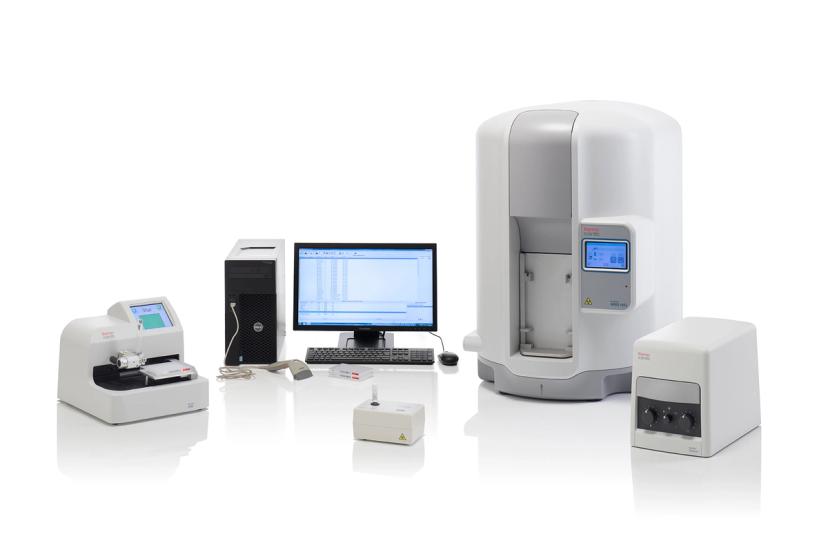
The Thermo Scientific™ Sensititre™ ARIS HiQ™ AST System is a fully automated plate incubation and read platform from Thermo Fisher Scientific supporting the read of one of the broadest and most up-to-date antimicrobial plates.
With the arrival of new BL/BLI combinations like aztreonam–avibactam, the ability to rapidly and accurately determine susceptibility has become more important than ever. Appropriate use of these novel agents depends on diagnostic systems that can identify when they are truly needed.
“The biggest challenge with novel combinations is that they’re often not available on our automated systems, they’re not part of the routine drugs reported by clinical laboratories,” explains Dr. Ledeboer. “That means labs that want to test them may have to use alternative methods, like discs, MIC strips, or broth microdilution.”
To address this gap, Thermo Fisher Scientific provides flexible options for susceptibility testing. The Thermo Scientific™ Oxoid™ AST discs offer reliable and easy-to-use susceptibility testing for a broad range of antimicrobials. For accurate minimum inhibitory concentration (MIC) based on observed bacterial growth, showing not only whether an isolate is susceptible, but also how susceptible it is and the exact point at which resistance emerges, the Thermo Scientific™ Sensititre™ AST System provides one of the broadest and most up-to-date antimicrobial plates. The standard and custom plates offer a variety of combinations such as imipenem-relebactam, meropenem-vaborbactam, and ceftazidime-avibactam. Aztreonam–avibactam is now available as an Oxoid AST disc for in-vitro diagnostics use, as well as for customized Sensititre plates as research use only. The drug is also in development for standard Sensititre plates for in-vitro diagnostics use, pending applicable regulatory requirements.
Incorporating the latest antimicrobial -inhibitor combinations into the plates enables accurate AST data to help support optimal antimicrobial therapy selection, while also supporting surveillance and antimicrobial stewardship efforts.
Beyond access to new testing options, validation is another major challenge for labs assessing novel susceptibility testing methods or drugs. “It can be very difficult to obtain isolates resistant to novel β-lactam–β-lactamase inhibitor combinations, which can greatly slow validation studies and delay the time it takes laboratories to get a new drug ready to report,” says Dr. Ledeboer.
There are also informatics challenges in how susceptibility results are integrated into clinical decision-making. “Clinicians don’t want to call for additional testing,” he notes. “They prefer cascade reporting, for example, if we detect a KPC, we automatically report meropenem–vaborbactam and aztreonam–avibactam; if we detect an NDM, we reflex to testing aztreonam–avibactam; and if we detect an ampicillin–sulbactam–resistant Acinetobacter, we automatically test sulbactam–durlobactam. That’s all handled in the background by our information system.”
Still, these capabilities vary between institutions. “It really depends on your formulary and how sophisticated your microbiology lab is. A vigorous relationship with antimicrobial stewardship must also be in place,” says Dr. Ledeboer. “Many labs lack the infrastructure to automate these decisions, or they don’t perform the testing in-house.”
Looking ahead
Dr. Ledeboer anticipates major advances in β-lactamase inhibitors and diagnostic technology that will reshape how clinicians treat infections and manage antimicrobial resistance. He highlights new inhibitors such as zidebactam and xeruborbactam – expected to gain FDA and EMA approval in the coming years – which are particularly promising for their broad, pan-carbapenemase coverage.
“It’s a bit like where we were five or six years ago with hepatitis C-related infections,” Dr. Ledeboer explains. “Before pan-genotype regimens, we had to know exactly which genotype a patient had in order to choose the right drug. With pan-genotype regimens, we can simply know they have HCV and we can treat.”
Similarly, as zidebactam and xeruborbactam gain approval, clinicians may no longer need to know the specific carbapenemase to begin effective treatment. “Of course,” he cautions, “that shift may be temporary, because resistance always emerges.”
On the diagnostic front, rapid AST remains a key priority. “If someone can develop rapid testing that’s both reliable and affordable, that will have a significant impact,” says Dr. Ledeboer. “Companies that can build easy-to-perform methods to support broader panels for new drugs will continue to be critically important,” he concludes.
Related products
Request Quote for All Products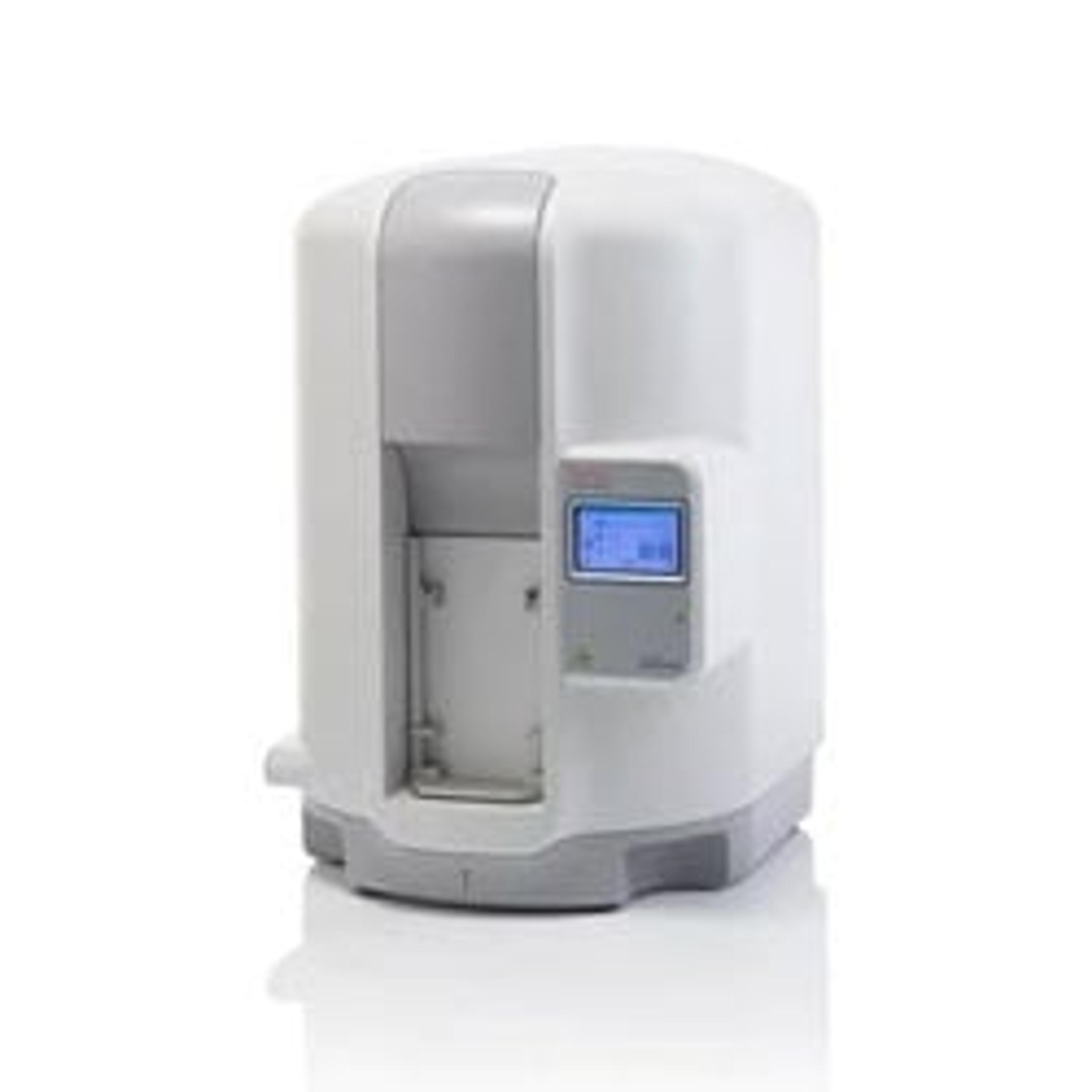
Thermo Scientific™ Sensititre™ ARIS HiQ™ System for AST
Thermo Fisher ScientificAchieve the comprehensive, accurate MIC values needed to guide more targeted patient therapy with the Thermo Scientific™ Sensititre™ ARIS HiQ™ System, a benchtop automated incubation and reading system for antimicrobial susceptibility testing and identification of bacterial pathogens; designed to accommodate up to 100 Sensititre™ microtitre plates within a single instrument.
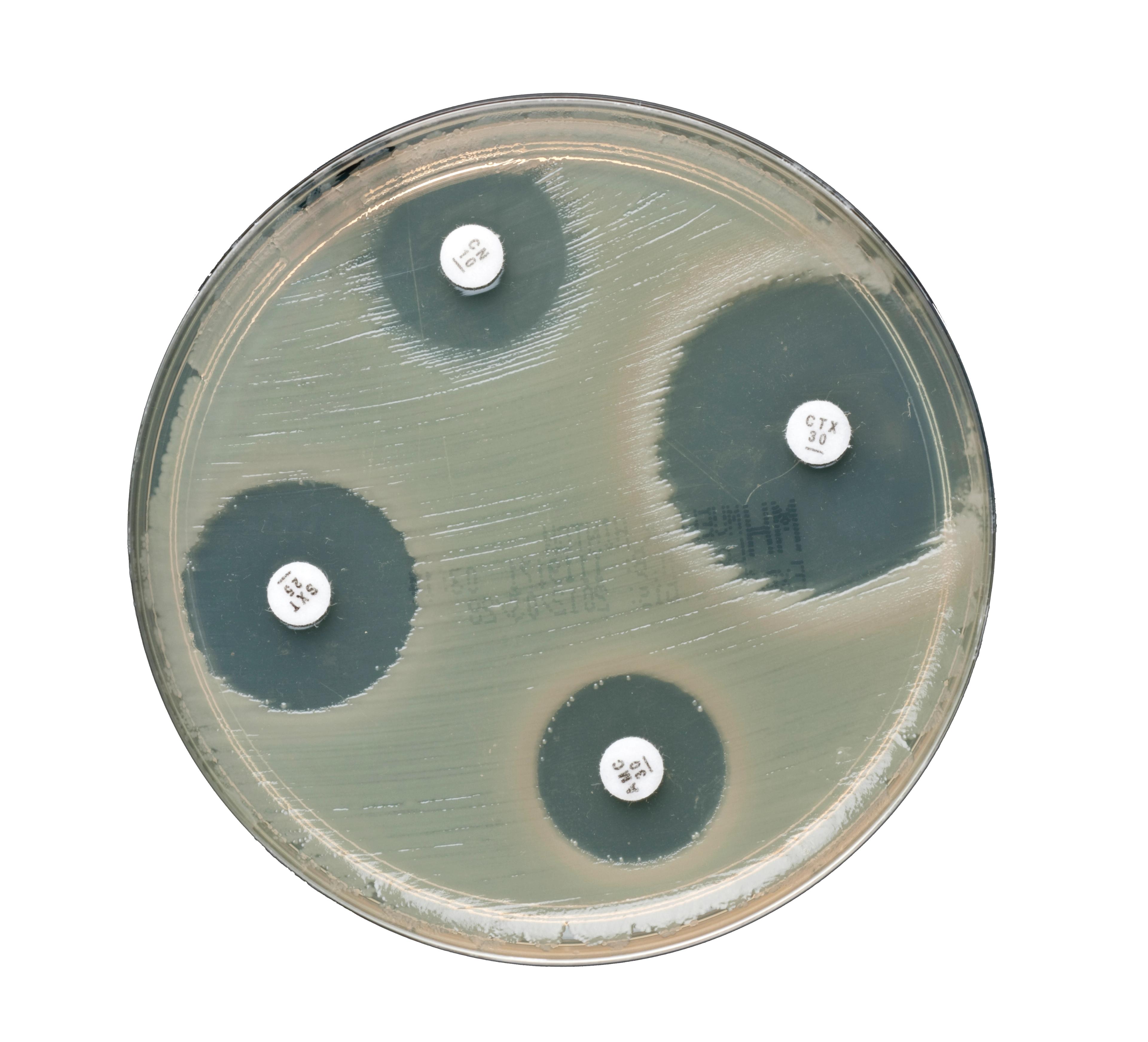
Thermo Scientific™ Oxoid™ Aztreonam-Avibactam Antimicrobial Susceptibility Discs
Thermo Fisher ScientificManually determine the antibiotic susceptibility of microorganisms using disc diffusion methods with consistently reliable, industry-leading quality Thermo Scientific™ Oxoid™ Aztreonam-Avibactam Antimicrobial Susceptibility Discs