7 essential resources in pharmaceutical quality assurance

Explore the latest technologies, free downloads, and expert insights that can help your laboratory achieve compliance successfully

13 Dec 2021

Dora Wells
Clinical Content Editor

Editorial article

Pharmaceutical quality assurance special feature

As part of our new special feature, we’ve pulled together a selection of the top resources and technologies to help you meet quality and compliance requirements.

Read on to explore the importance of quality control of raw materials used in IVD manufacturing, focused on the production of high-quality antibodies used in COVID-19 diagnostic testing. Plus, find out more about the technology designed to help you determine product purity, access guides that can help you meet compliance regulations with ease, and more.

A close look at in vitro diagnostic manufacturing

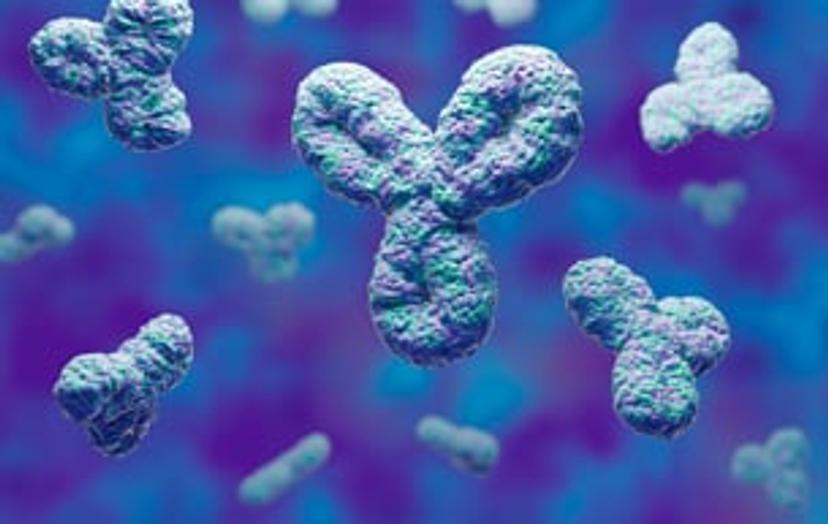
IMMUNOASSAYS: A close look at in vitro diagnostic manufacturing

In this article, Minna Mattila, Medix Biochemica, shares her expert insights on the importance of quality control in the development of IVD immunoassays for COVID-19, including the key analytical technologies to ensure quality control.
Read article

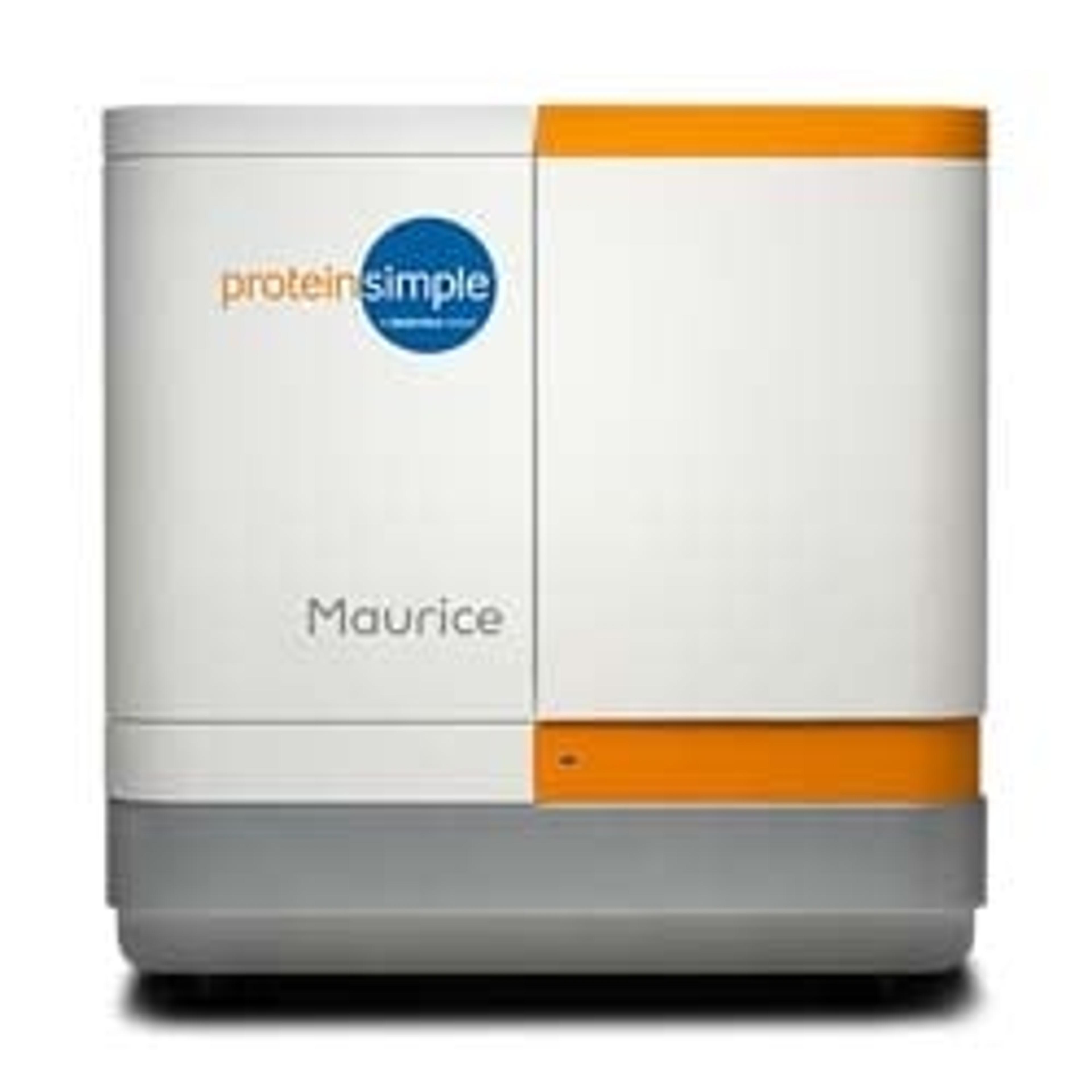
Comparing SDS-PAGE with Maurice CE-SDS for protein purity analysis

PURITY: Comparing SDS-PAGE with Maurice CE-SDS

In this application note, discover how to improve your protein purity characterization with Maurice by ProteinSimple, offering significantly higher peak profile resolution with more accurate quantitation of impurities than other traditional SDS-PAGE slab-gel methods.
Download info

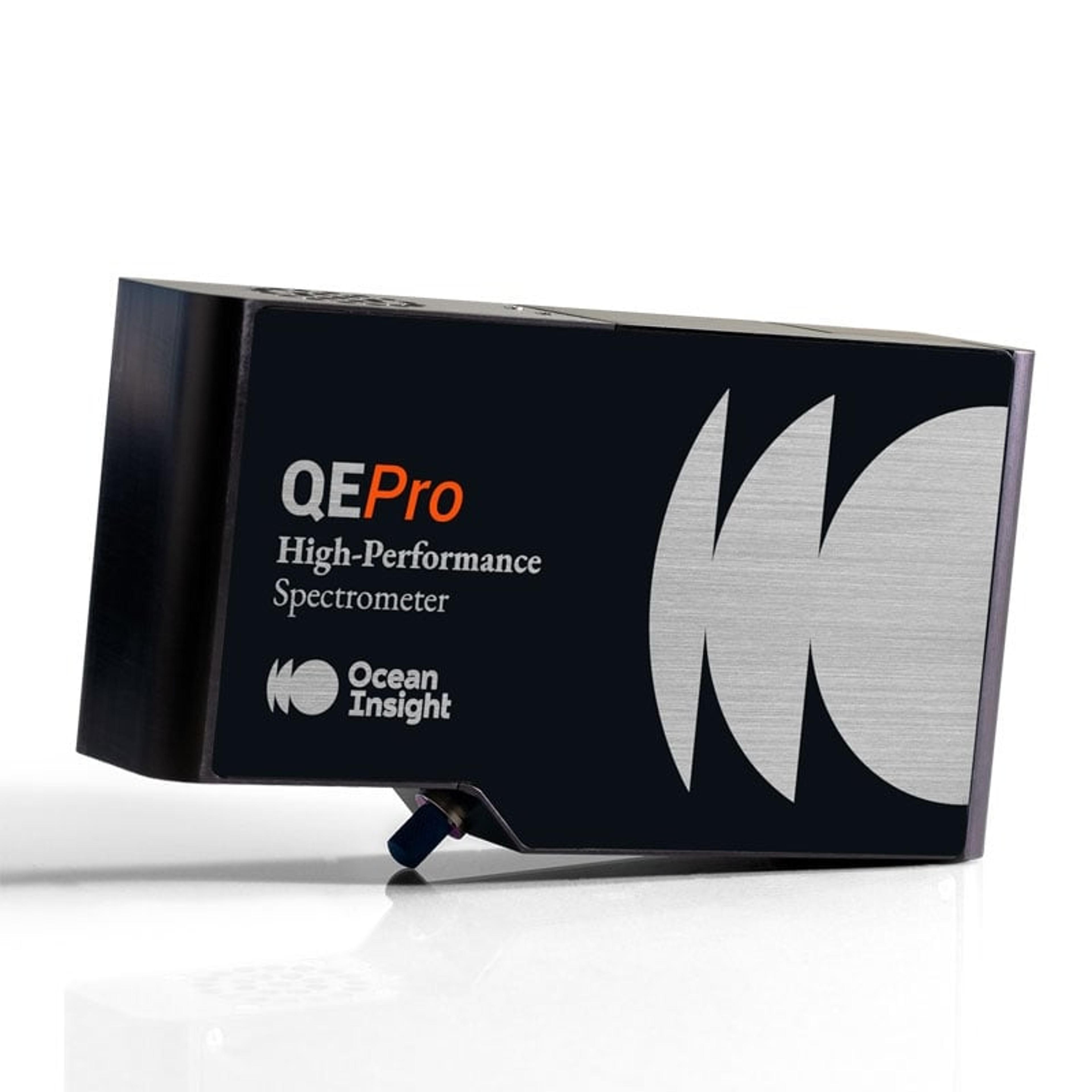
Raman analysis of pharmaceutical ingredients

RAW MATERIALS: Raman analysis of pharmaceutical ingredients

In this application note, Ocean Insight illustrates the capabilities of Raman spectroscopy in the analysis of pharmaceutical active ingredients, helping to maintain quality and consistency.
Download info

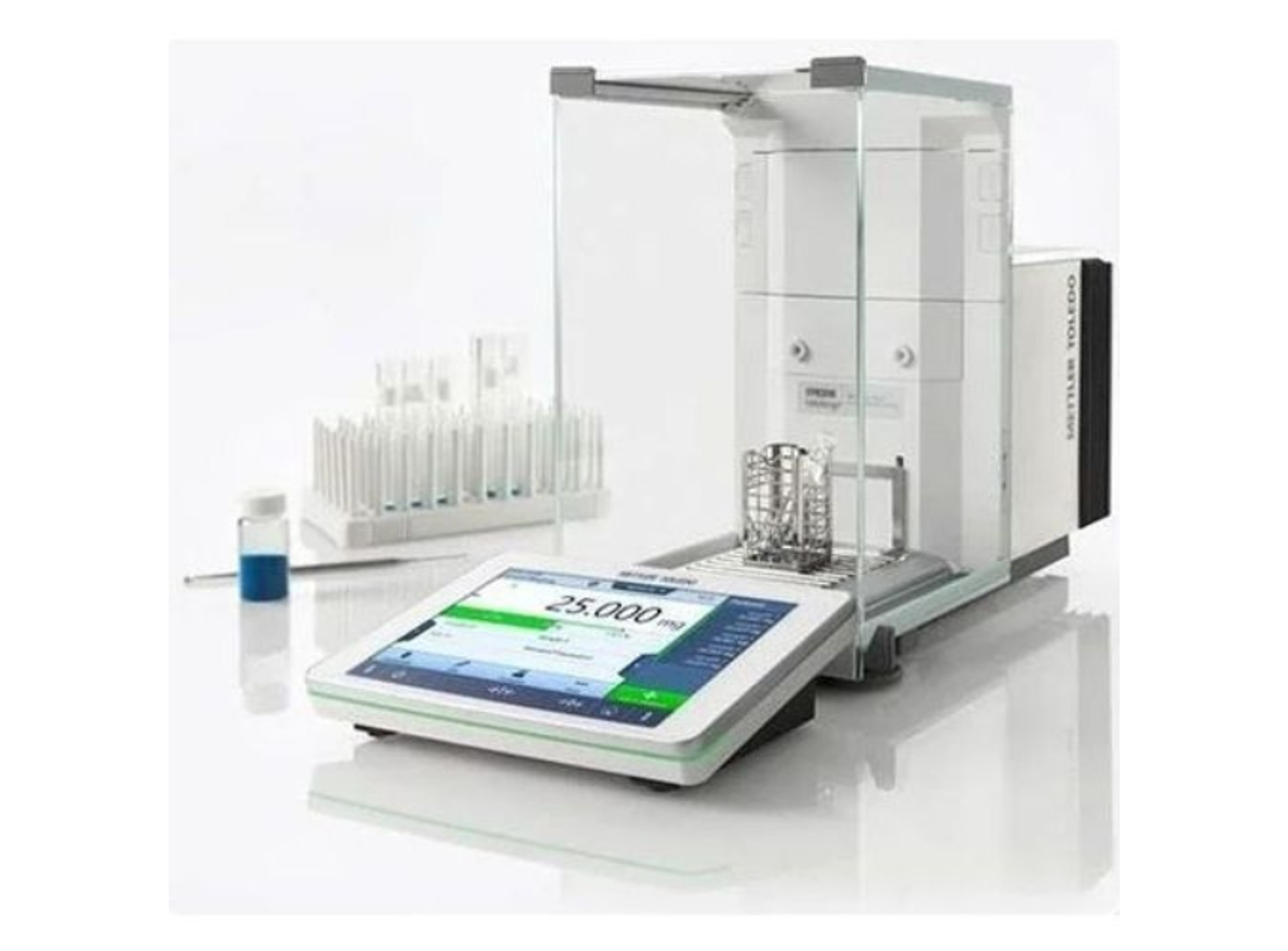
Weighing according to the European Pharmacopoeia (Ph. Eur.)

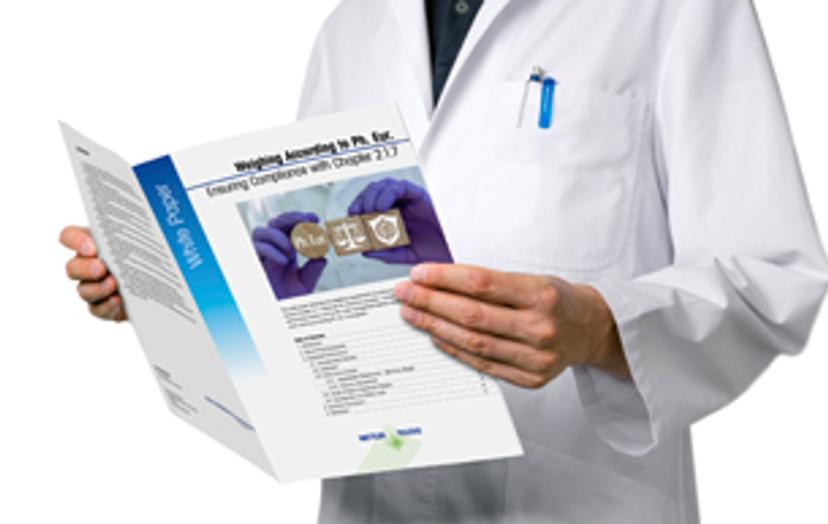
QUALITY MANAGEMENT: Weighing according to the European Pharmacopoeia (Ph. Eur.)

In this white paper, see a description of the weighing requirements according to the European Pharmacopoeia General Chapter 2.1.7 ‘Balances for analytical purposes' and ensure compliance by Jan 1, 2022.
Download info

Keeping particulate contamination under control

PHARMACEUTICAL PRODUCTS: Keeping particulate contamination under control

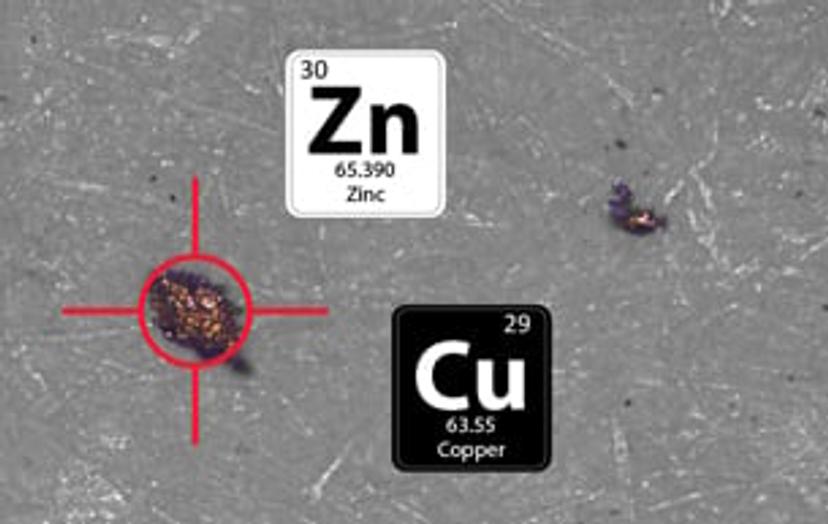
Discover how a 2-methods-in-1 solution combining optical microscopy and laser-induced breakdown spectroscopy (LIBS) can be utilized for identification of particulate contaminants in the pharmaceutical industry.
Download info

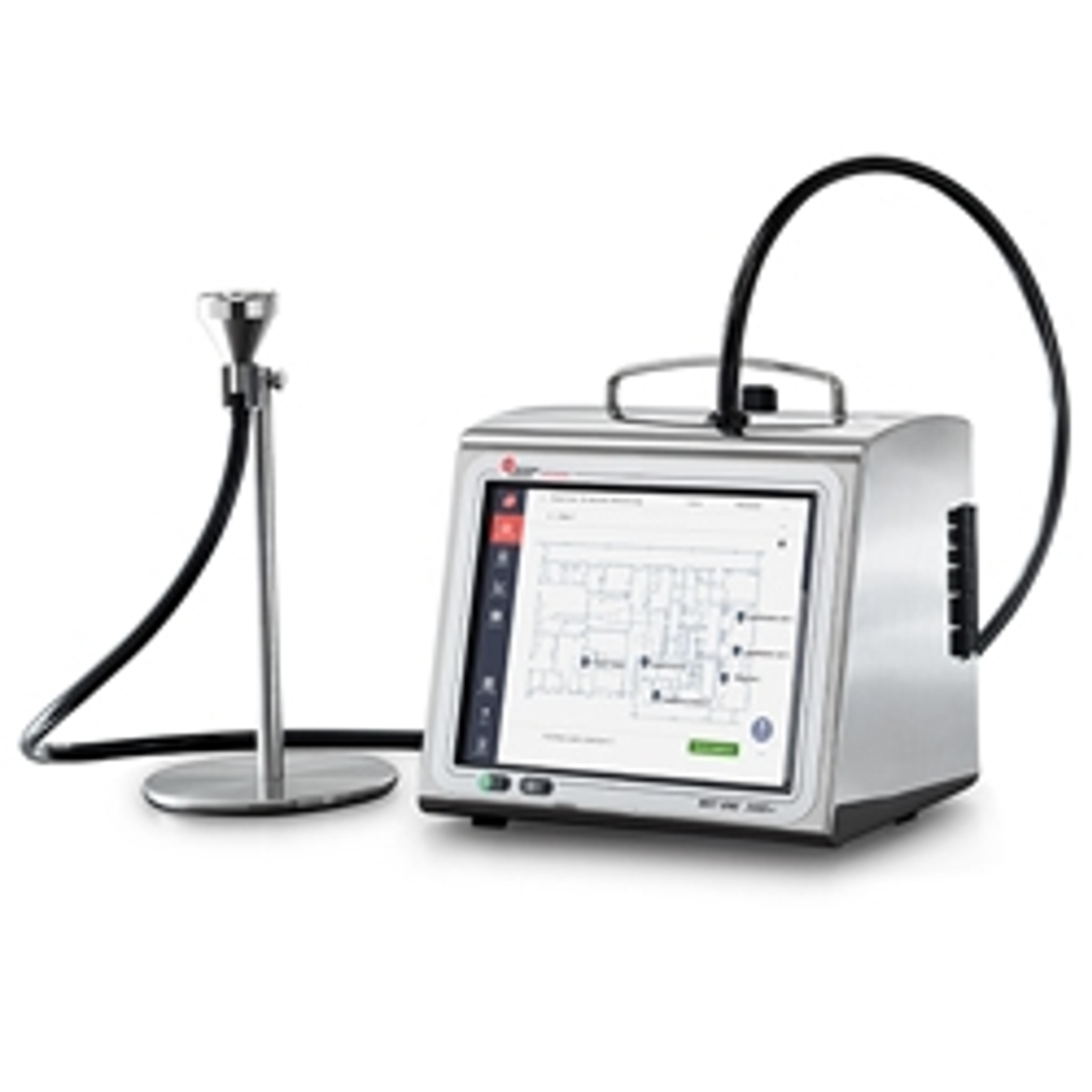
GMP cleanrooms classification

ENVIRONMENTAL MONITORING: GMP cleanrooms classification

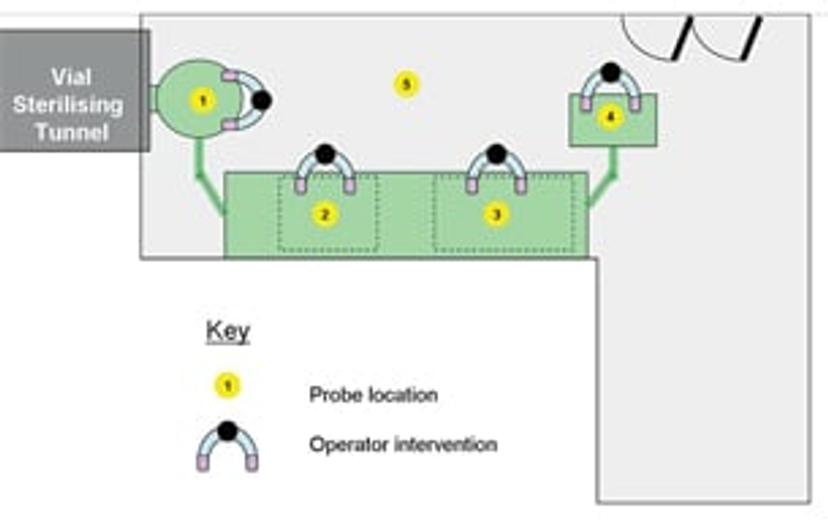
Designing and validating your Cleanroom Routine Environmental Monitoring and Classification SOPs is time consuming and complex. Learn about the differences between GMP Cleanroom Classification and Routine Environmental Monitoring, and solutions to help.
Download info

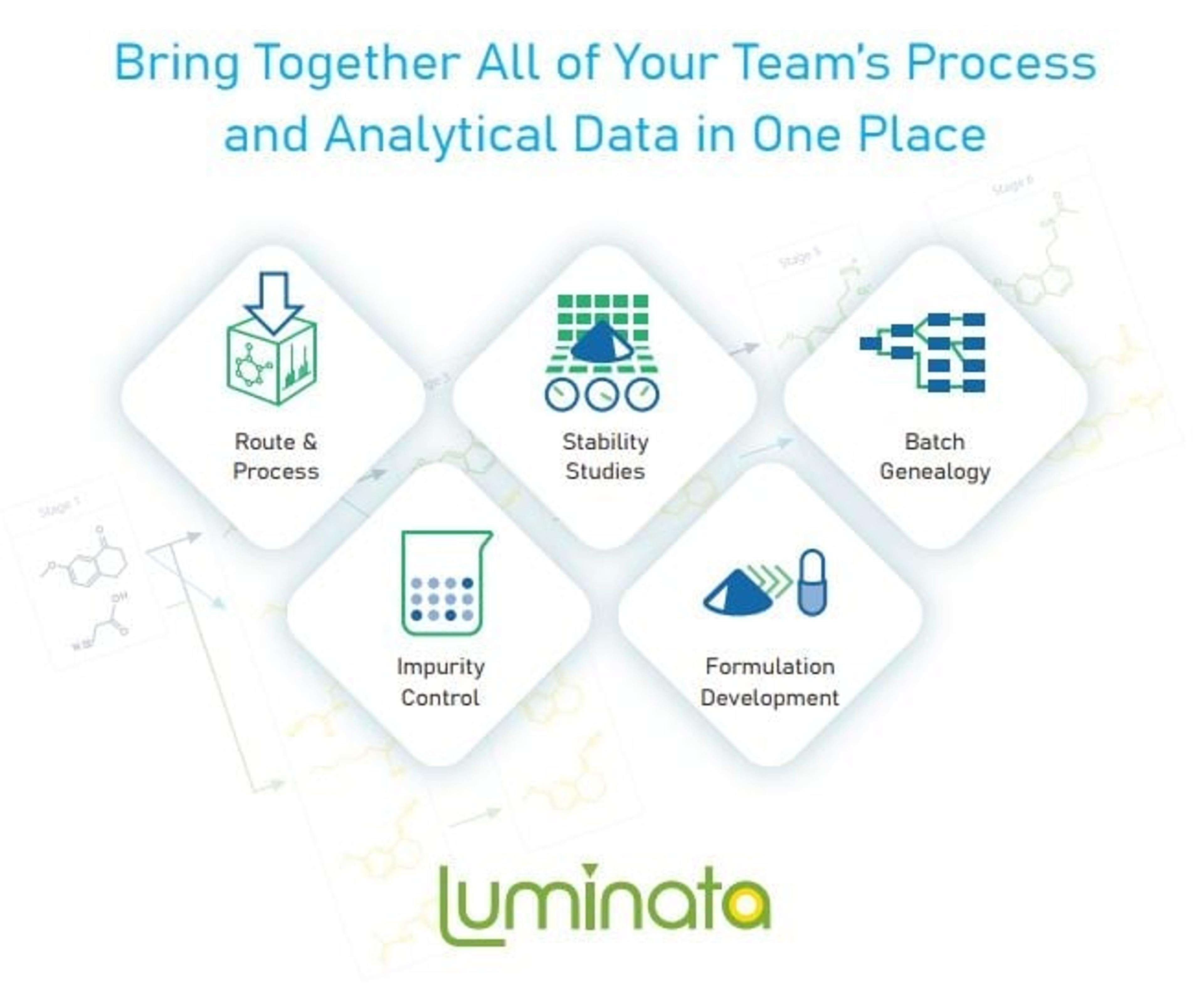
Real results from bridging gaps in data management

DATA INTEGRITY: Real results from bridging gaps in data management

In this case study, discover how one major biopharmaceutical company improved process development and regulatory submission efficiencies.

Download info


More top pharmaceutical assurance resources:

Ensuring the quality of your medications: Watch this presentation, from the SelectScience® Virtual Biopharma Summit 2021, where Dr. Jared R. Auclair, Director of the Biopharmaceutical Analysis Laboratory (BATL), Northeastern University, discusses the importance of quality control in manufacturing. Watch video»

Validated pharmaceutical testing: Looking for the best way to integrate UV-Vis technology into a pharmaceutical QA/QC or research environment? This webinar explains the tools and technology available for instrument validation and qualification, data integrity, and more. Watch on demand»

Cleanrooms: In this application note, find out how to meet Good Manufacturing Practice (GMP) guidelines when establishing and maintaining a cleanroom. Download info»

Contract manufacturing: The commercialization pathway for IVD devices is complicated, but a knowledgeable contract manufacturing (CM) partner can save significant time and money. Discover the key considerations to help guide your decision when it comes to choosing a CM partner.Download info»

Lab weighing: In this application eBook, we explore the importance of weighing compliance in the regulated lab and provide you with the tools to achieve greater lab efficiency.Download eBook»

Your recommendations:

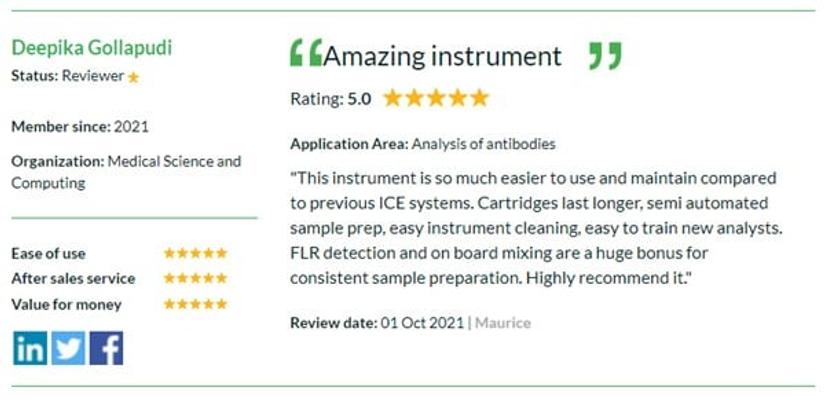
Take a look at what other researchers all over the world are saying about the latest equipment and technologies helping scientists achieve compliance. Here, Deepika Gollapudi, Medical Science and Computing, shares her opinion on the Maurice by ProteinSimple.
Maurice by ProteinSimple

Find more news and resources in our Pharmaceutical Quality Assurance Special Feature >>
Links

Tags

Sample PreparationSample preparation can improve the quality and speed of separation techniques. Products to assist sample preparation include filtration equipment, evaporators, membranes and sieves.Atomic Absorption / Emission SpectroscopyAtomic absorption spectroscopy (AAS) and atomic emission spectroscopy (AES) — also called optical emission spectroscopy (OES) — are used to detect the elemental constituents in samples. Both techniques involve the atomization of a sample. Atomic absorption spectrometers may use a flame or furnace to create an atomic vapor of the sample before irradiation with spectral light. Optical emission spectrometers may use a flame, inductively coupled plasma (ICP), microwave plasma (MP) or spark arcs to atomize and excite the sample. At higher excitation energies, electrons can be emitted instead of photons, which can be useful for samples that can’t be atomized and for surface analysis. Explore electron spectroscopy equipment such as Auger spectrometers and photoelectron spectrometers for surface elemental analysis of samples. Find the best atomic absorption, photoelectron and optical emission spectrometers in our peer-reviewed product directory: compare products, check customer reviews and receive pricing direct from manufacturers.Mass SpectrometryMass spectrometry (MS) is a powerful analytical technique used to identify and quantify molecules based on the mass-to-charge ratio of gas-phase ions. It provides detailed information about the structure, composition, and properties of compounds and is widely used across fields such as environmental monitoring, materials science, drug discovery and development, food and beverage testing, and wider chemical research. Key MS techniques include tandem mass spectrometry (MS/MS), liquid chromatography–mass spectrometry (LS-MS) and inductively coupled plasma (ICP-MS). Choosing from these wide range of techniques and technologies can be a daunting task, so keep up to date with scientific applications, performance expectations, and customer reviews here all in one place. Visit our product directory to receive quotes direct from the manufacturer. Combinatorial ChemistryCombinatorial chemistry, also known as combichem, is a technique used in drug discovery to create libraries of structurally related compounds. A library is generated by synthesis with a chemical reactor system or by computer-based modeling of compound combinations. When undertaking combinatorial chemistry consider reagents, buffers, resins and standards.Data AnalysisData analysis hardware and software is available to make data processing straight-forward yet powerful. Data software can be used for math and stats, technical graphing and image analysis. In addition, software is available for specific data analysis of electrophoresis, densitometry, ELISA and DNA sequencing.Gas Generators and AnalyzersGas generators are used for supplying or monitoring a regular flow of a high purity gas such as nitrogen, hydrogen or zero air for applications such as gas chromatography. Gas analyzers can be used in supply chain processes and laboratory experiments with portable analyzers for monitoring CO<sub>2</sub> and O<sub>2</sub> levels as well as trace gases. Regular flow can be produced with gas control modules and flow meters. Find the best gas generators and analyzers in our peer-reviewed product directory: compare products, check customer reviews and receive pricing direct from manufacturers.Sample ManagementSample management systems include sample storage devices such as freezers and plate storers, sample environment enclosures and sample organization, retrieval and sorter systems. Useful system features include high-throughput, automation, robotic arms, automated liquid handling and associated database systems. Accessories in sample management include barcode scanners, heat sealers and tubes.Medicinal ChemistryMedicinal chemistry is a broad discipline encompassing the design, identification, synthesis and development of chemicals in drug discovery. It includes a number of techniques covering structural biology, synthetic chemistry and molecular biology. Technologies used in medicinal chemistry include ADME, lab-on-a-chip, high content screening and assay assembly.Process ChemistryProcess chemistry is an important stage of drug development for scaling-up drug production or chemical synthesis reactions. It is useful for optimizing economical and efficient drug production. Process chemistry uses reactors and pump systems as well as reagents, standards and buffers.Environmental Monitoring and TestingEnvironmental monitoring and testing uses handheld portable analyzers, kits, spectrometers or chromatography systems for air, water, soil, food and other sample testing. Useful features of analyzers such as BOD and COD include portability, easy calibration, automation and sensitivity.  Environmental test kits for pH, water, moisture, etc, should be accurate, sensitive, reliable, fast and easy to use.Biopharmaceutical AdvancesBiopharmaceutical advances follow the development of pharmaceuticals derived from biotechnology, also known as biotechnology medicines. Biopharmaceuticals may be produced from cell lines, plants, or microbial cells. Important considerations of biopharmaceutical use include application, cost, production process and purification.Software PlatformsSoftware platforms are useful for various stages of laboratory experiments from data collection to data storage and processing. For instance lab software is available for system control, data management, data analysis and qualification / validation.Thermal Analysis EquipmentThermal analysis equipment is used for measuring heat flow, weight loss, dimension changes or thermomechanical properties and is important for analyzing a material’s performance and stability. Thermal analysis equipment includes differential scanning calorimeters (DSC), thermogravimetric analyzers (TGA), thermomechanical analyzers (TMA), dilatometers, thermometers, vapor sorption analyzers, boiling and melting point apparatus. Thermal analyzers can reveal properties such as melting, crystallization and glass transitions or other processes such as oxidation, decomposition, volatilization, as well as coefficients of thermal expansion and modulus. Find the best thermal analysis equipment in our peer-reviewed product directory: compare products, check customer reviews and receive pricing direct from manufacturers.Development SoftwareComputational techniques used in both the chemistry and biology aspects of drug development, for data acquisition, data analysis, processing and storage. Software is used for analysis of ADME results, toxicology, clinical trials and regulatory processes. RegulatoryPharmaceutical regulations impact on all areas of drug development, manufacture and control and supply. Services are provided from the early stages of drug development and clinical trials through to dossier submission, approval and marketing. Regulatory also includes submission of analytical studies from the pharmaceutical product and safety.