4 New Ways to Optimize your Clinical Laboratory

Discover our latest clinical content

28 Sept 2015

Sonia Nicholas
Managing Editor and Clinical Lead

Editorial article

Get more from your clinical lab with these new innovations

Our recent Optimizing the Clinical Laboratory Editorial Alert highlighted some specific content from our clinical libraries. Each product in the alert is designed to help clinical scientists to optimize the laboratory in which they work.

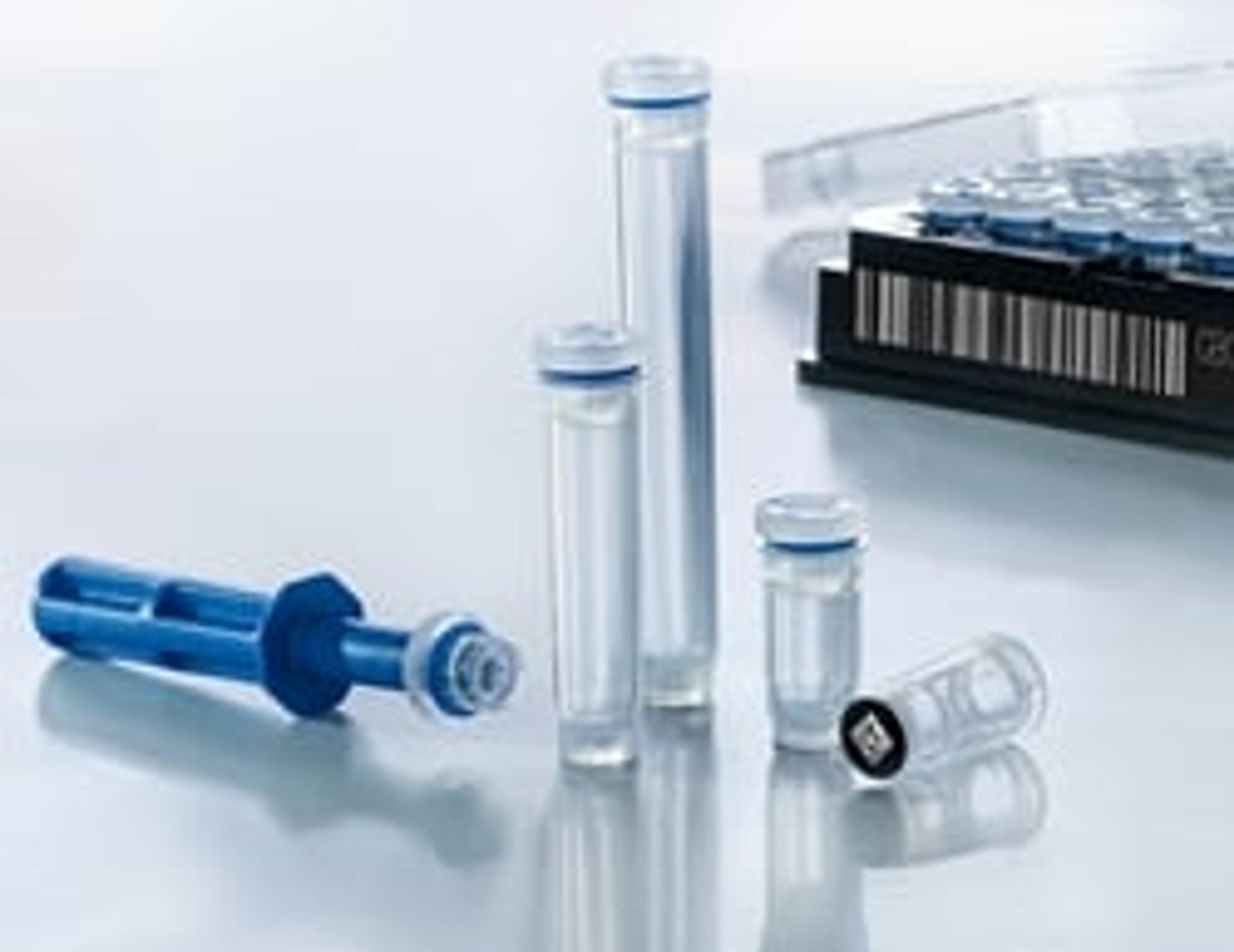
Video: Greiner Bio-One Cryo.s™ Biobanking Tubes

Greiner Bio-One combines more than 30 years of experience in the manufacturing of cryogenic tubes with latest technology and innovation. Cryo.s™ Biobanking tubes are ideally suited for the storage of cell cultures, tissue samples, microbiological samples (e.g. viruses, bacteria, yeast and other fungi, spores), material of human or animal origin, such as blood, serum and sperm as well as antibodies, RNA, DNA and protein samples.

Poster: A Universal Surface Coating for Diagnostic Applications

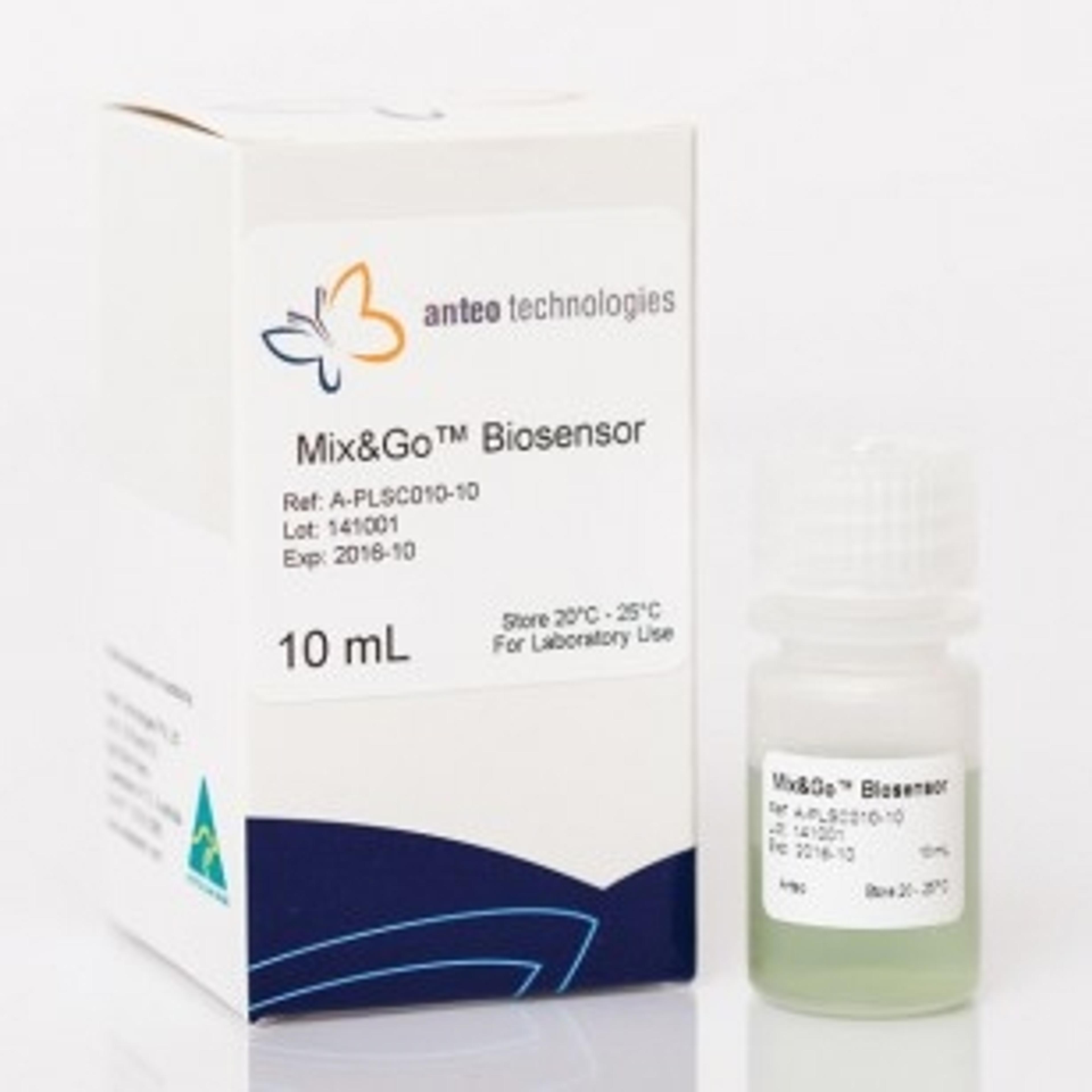
This poster describes an alternative to traditional methods of biomolecule attachment that utilizes a metal polymer surface chemistry. Various formulations of Mix&Go particles from Anteo Technologies can modify the strength of binding, wettability and surface charge, controlling protein binding and the stability of bound biomolecules. The coating was measured using SEM, TEM, AFM and other microscopic methods. Attaching biomolecules onto solid supports is a necessary step in developing and manufacturing most in vitro diagnostics and point-of care products. However, direct immobilization of antibodies to synthetic surfaces can damage proteins and adversely impact both their structure and function.

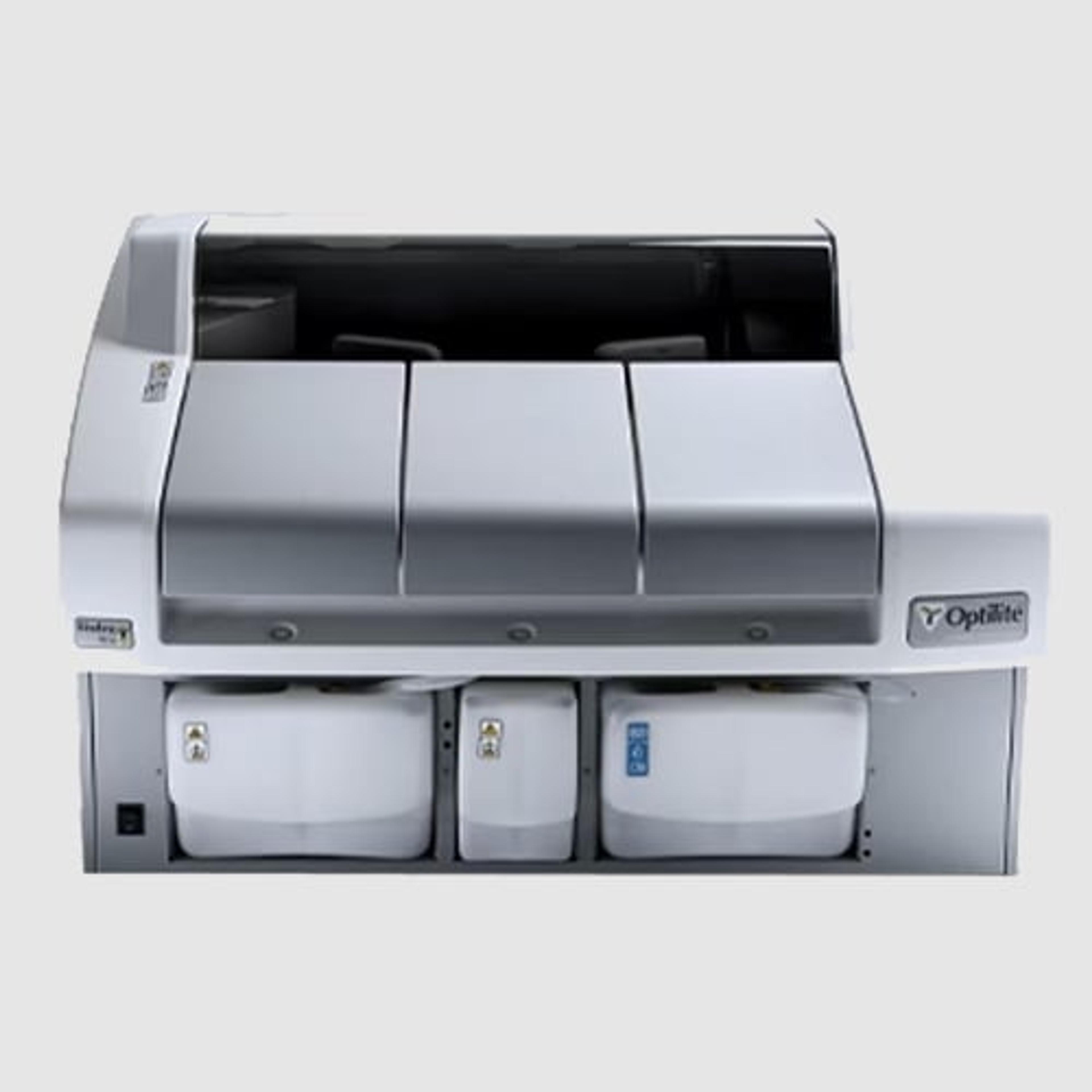
Video: Introducing Optilite: the Future of Special Protein Analysis

Watch this video from Binding Site introducing Optilite to learn how this innovative system will bring you greater efficiency, workflow optimization and full confidence in your protein analysis results. The Optilite system is fully optimized to create simplicity from complex analytical processes. With its custom design and advanced technology, Optilite delivers the ideal solution for your special protein laboratory. The analyzer and assays work in perfect harmony, giving you complete peace of mind and the freedom to allocate your time more effectively.

Guide: Tips and Techniques for Preanalytics

Precise pre-analytical work is a prerequisite for accurate and conclusive laboratory diagnostics. This guide from SARSTEDT AG & Co. includes valuable information on how to assess and reduce pre-analytical influences, and guidance on sample collection.
Links

Tags

Blood TransfusionBlood Transfusion involves giving donor blood to a recipient patient. Screening is essential to avoid transfusion reactions. Blood banks use immunohematological techniques to determine rh and ABO blood group, and screen for antibodies using specific antisera. Blood Banks use Direct Coombs Tests (DCT) and Indirect Coombs Tests (IAT) to detect hemolysis and Haemolytic Disease of the Newborn (HDN).HematologyIn Haematology / Hematology, complete blood cell counts (or full blood counts) are obtained using automated blood count analyzers to enumerate blood cell types.  Hematology also encompasses haemostasis and coagulation, thrombophilia and hemophilia, plasma viscosity and ESR analysis, hemoglobinopathies, cell morphology and haematinic measurement.ImmunologyImmunological techniques measure and characterize immune responses. Immunology kits and analysis systems often use techniques such as ELISA, radioimmunoassay (RIA) and immunodiffusion assays, Immunohistochemistry, and flow cytometry. Immunologists use equipment such as flow Cytometers, plate readers, plate washers and fluorescent microscopes.Cellular PathologyCellular Pathology deals with the microscopic analysis of tissue samples and cells. Sample preparation and processing includes fixation, staining, sectioning and slide mounting, using equipment such microtomes and cryostats. In choosing immunohistochemistry and immunocytochemistry kits, consider chromogens, staining method, antibodies, microscopes and imaging.Point-of-CarePoint-of-Care Testing (POCT) or Near Patient Testing (NPT) products are available for urine, blood and other clinical chemistry analyses. POCT includes: blood glucose testing, blood gas and electrolytes analysis, rapid coagulation testing (PT / INR), rapid cardiac markers diagnostics, drugs of abuse screening, urine strips testing, pregnancy testing, fecal occult blood analysis, food pathogens screening, hemoglobin diagnostics, infectious disease testing and cholesterol screening.Clinical ChemistryBiochemistry (or clinical chemistry) involves the analysis of bodily fluids using chemical tests. Techniques used include HPLC, chromatography, spectroscopy, mass spectrometry, immunochemical, electrophoresis, turbidometric / spectrophotometric assay, MRI and ISE analysis. Tests are often carried out on plasma or serum but urine (urinalysis) and fecal specimens are also processed.Clinical GeneticsMolecular Genetics covers the analysis of hereditary genetic disease and chromosomal abnormalities. Genetics can be analysed using DNA, RNA, and protein microarrays, PCR, RT PCR and DNA sequencing. Genetic equipment includes genetic workstations, thermal cyclers, cooling blocks and electrophoresis products. Diagnostic kits are used for DNA / RNA extraction and purification.Embryology / IVFEmbryology refers to the development of an embryo resulting from the fertilization of the ovum, to fetus stage. In vitro fertilization (IVF) refers to the fertilization of the egg outside of the human body, and is an important treatment for infertility.