Cryo.s Biobanking Tubes
Greiner Bio-One offers a comprehensive range of state-of-the-art solutions for large biorepository cryo storage
Cryo.s™ Biobanking Tubes

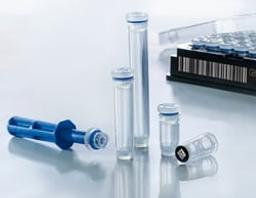



The supplier does not provide quotations for this product through SelectScience. You can search for similar products in our Product Directory.
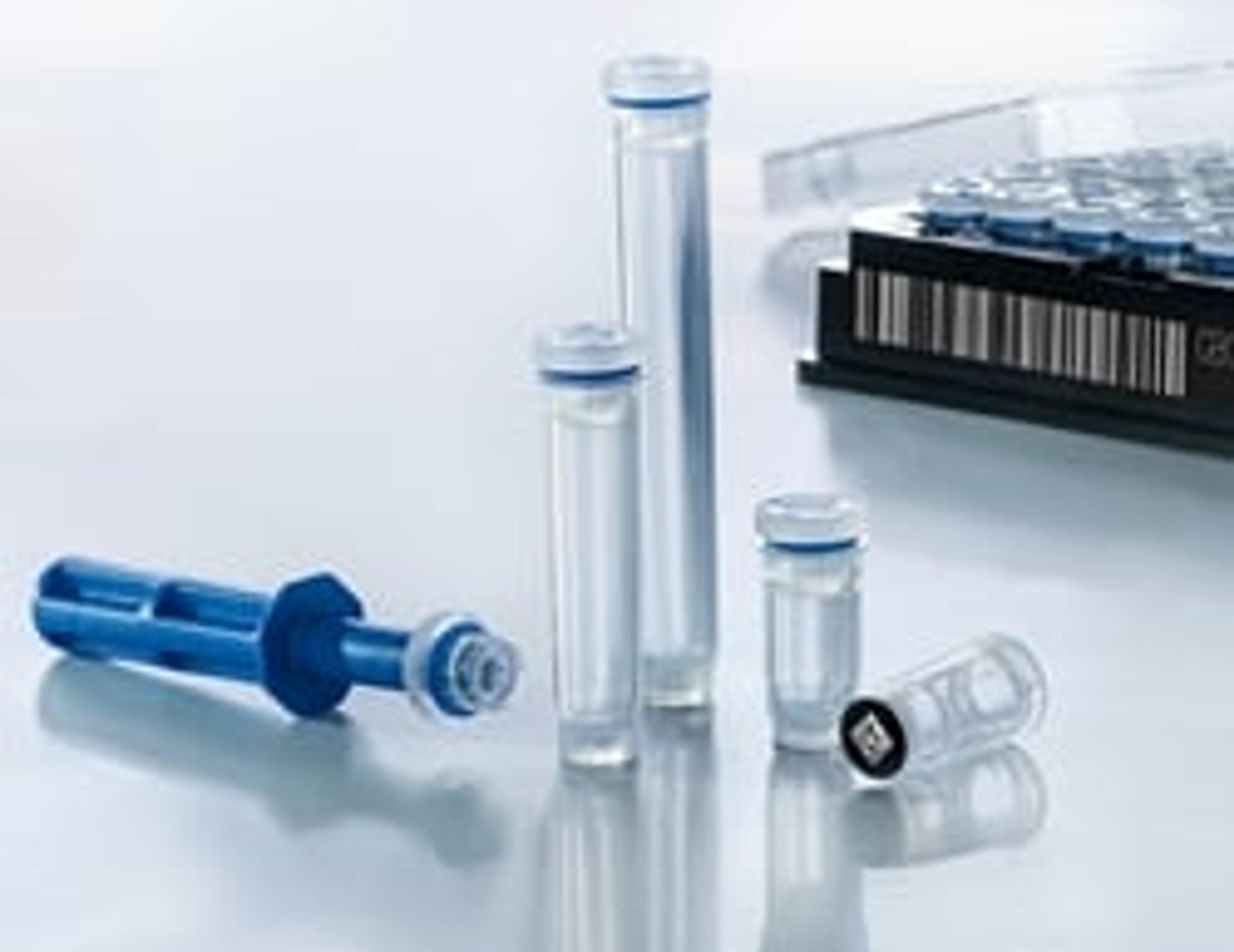
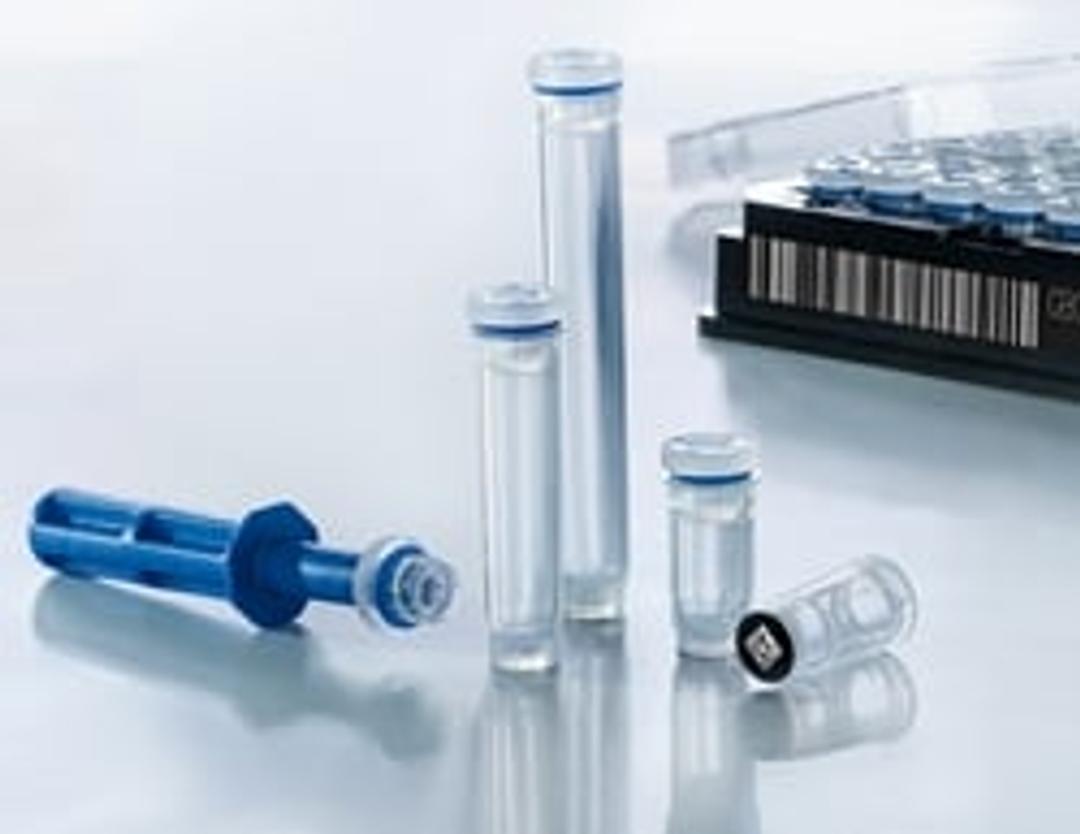
The Cryo.s biobanking tubes feature a 30 % reduction in height as compared to standard cryo tubes leading to an optimized utilization of available space in freezers and liquid nitrogen tanks. The new tubes are available in volumes of 300 μl, 600 μl, and 1000 μl and are supplied in ANSI/SLAS 1-2004 standard footprint racks.
Features:
- Height-reduced screw cap: Conserves up to 30 % freezer space
- Unique and durable 2D code with human readable feature: Rapid and secure sample identification
- Secure seal: Prevents sample evaporation
- 0.8 mm wall: Minimises sample loss during long-term storage
- Medical grade polymer without leachables: Prevents sample contamination
Greiner Bio-One Cryo.s™ Biobanking Tubes
Greiner Bio-One combines more than 30 years of experience in the manufacturing of cryogenic tubes with latest technology and innovation. Cryo.s™ Biobanking tubes are ideally suited for the storage of cell cultures, tissue samples, microbiological samples (e.g. viruses, bacteria, yeast and other fungi, spores), material of human or animal origin, such as blood, serum and sperm as well as antibodies, RNA, DNA and protein samples. Watch this video to learn more.
Greiner Bio-One Cryo.s Biobanking Tubes
Greiner Bio-One showcase the new Cryo.s Biobanking Tubes, labelled with datamatrix codes. These intelligent solutions for biobanking are optimised for storage space, automated laboratory equipment such as decappers, liquid handling systems and automated storage systems. The datamatrix codes are laser engraved, yielding a very durable tube identifier with the code completely integrated within the tube. Sven also discusses the CELLview Slide which combines the microscope slide format with the advantages of the well layout of a microtiter plate. It has a thin glass bottom and allows for cell cultivation, staining and microscopy of cells – all in one single device. Interview filmed by SelectScience at Analytica 2014.

4 New Ways to Optimize your Clinical Laboratory
Discover our latest clinical content