TechTalk: Fast, accurate, accessible quantification across diverse biologics
Friday, January 23 at 16:00 GMT | 17:00 CET | 11:00 EST | 08:00 PST
Quantifying antibodies, AAV capsids, and tagged proteins directly from crude or partially clarified samples remains a common bottleneck in many biologics workflows.
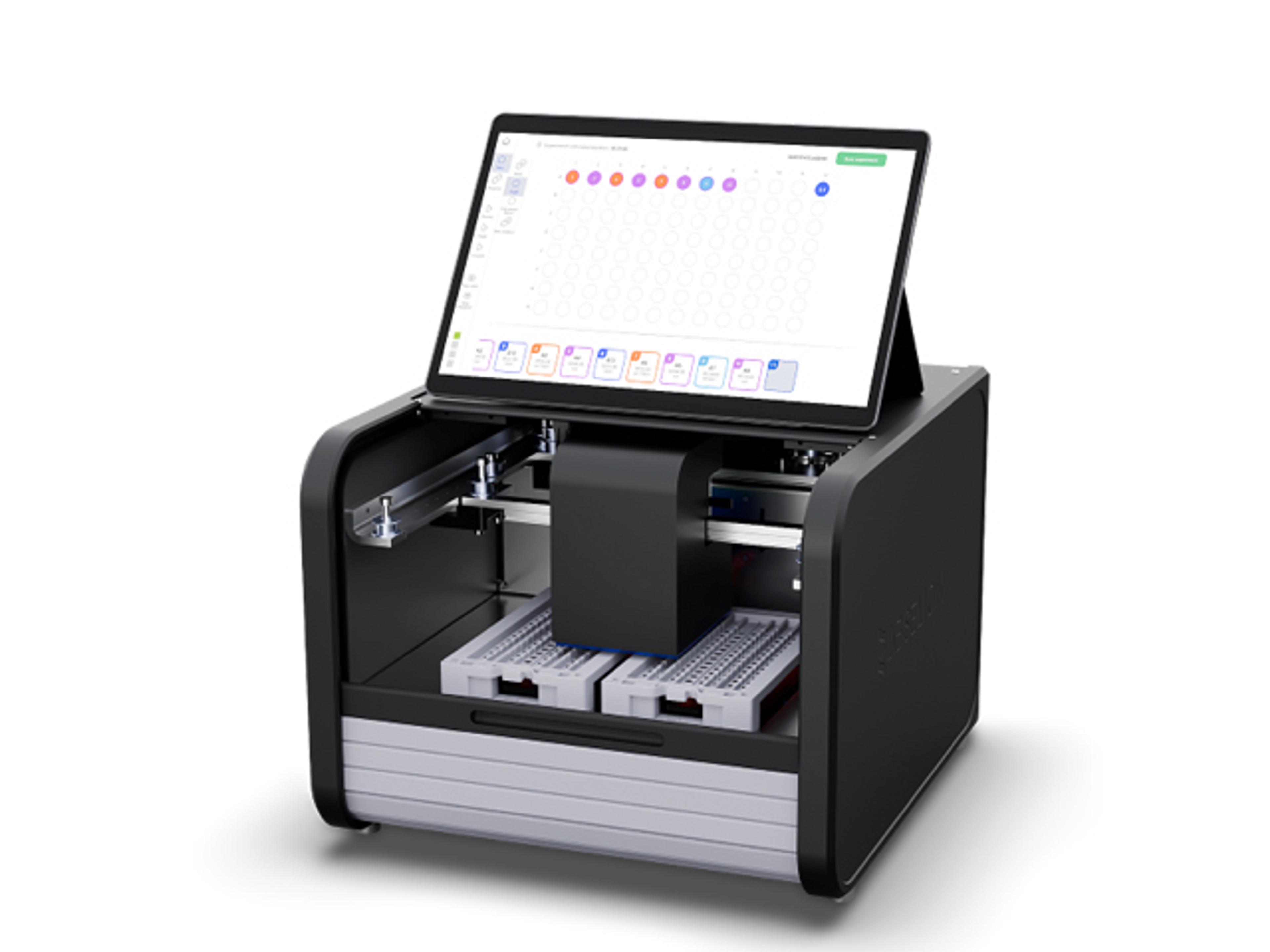
In this 20-minute SelectScience TechTalk, Dr. Paolo Romele, VP of Science, Abselion will introduce the electrochemical approach used in the Amperia™ benchtop platform, which combines affinity-based capture with Redox Electrochemical Detection (RED) to provide quantitative measurements without relying on optical readouts.
Join this educational and technology-focused session to learn practical examples illustrating how these assays operate across biologics applications.
Certificate of attendance
If you attend the live TechTalk, you will automatically receive a certificate of attendance, including a learning outcomes summary, for continuing education purposes. If you view the on-demand TechTalk, you can request a certificate of attendance by emailing editor@selectscience.net.
TechTalk details
- Cost: Free to attend
- Location: Online
- Duration: 20 minutes
Registration is required to secure your place. If you register but can’t attend live, you will receive a link to the on‑demand recording once it becomes available.
Speakers

Who should attend?
- Biotech and pharma scientists working with antibodies, AAV vectors, tagged proteins, protein expression, cell line development, or vector optimization.
- Research teams in early development focused on process design, screening, assay development, and exploring quantification methods beyond traditional optical assays.
What will this webinar cover?
- Understand the principles behind affinity-based electrochemical assays using Redox Electrochemical Detection (RED) as implemented in the Amperia™ system.
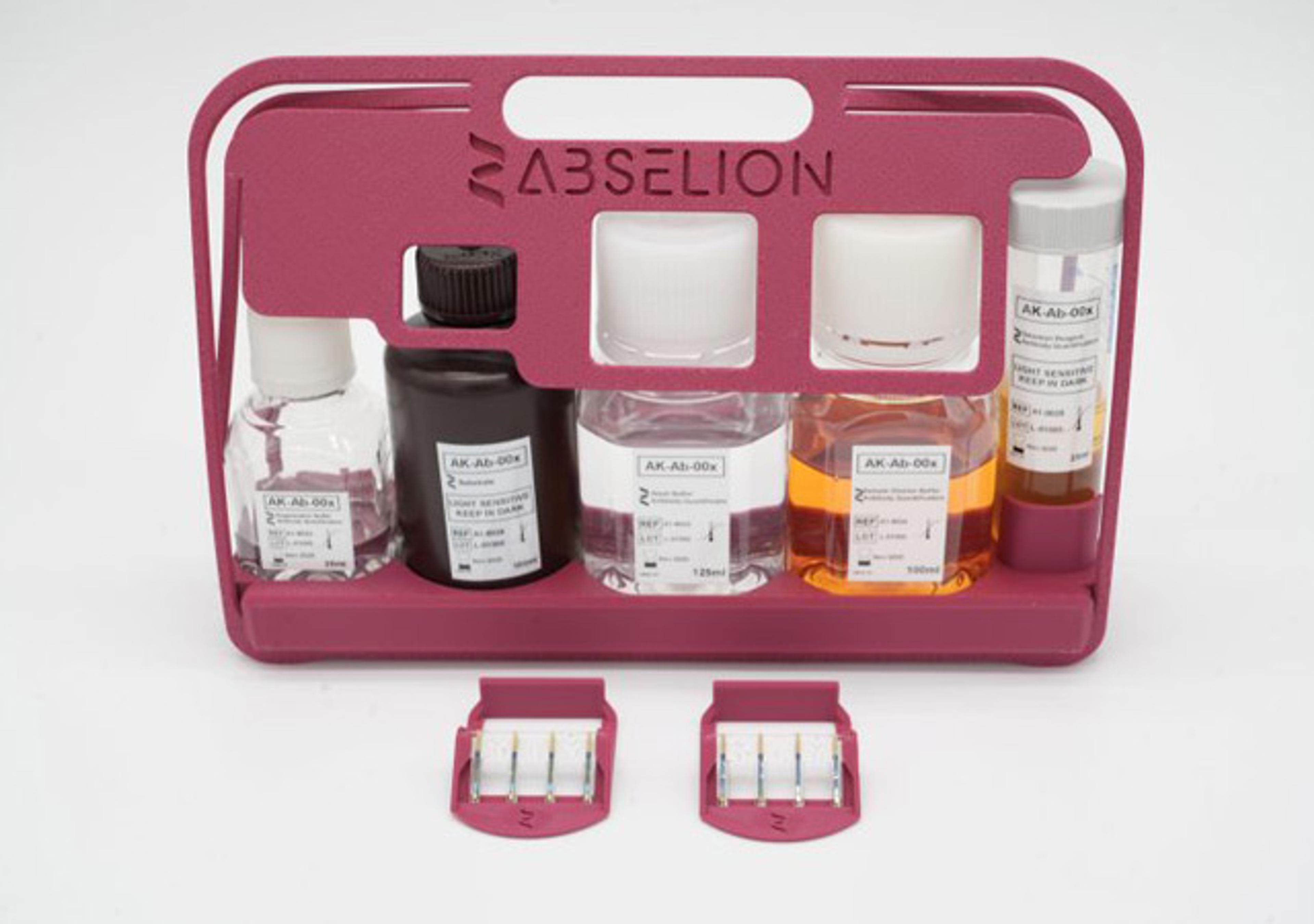
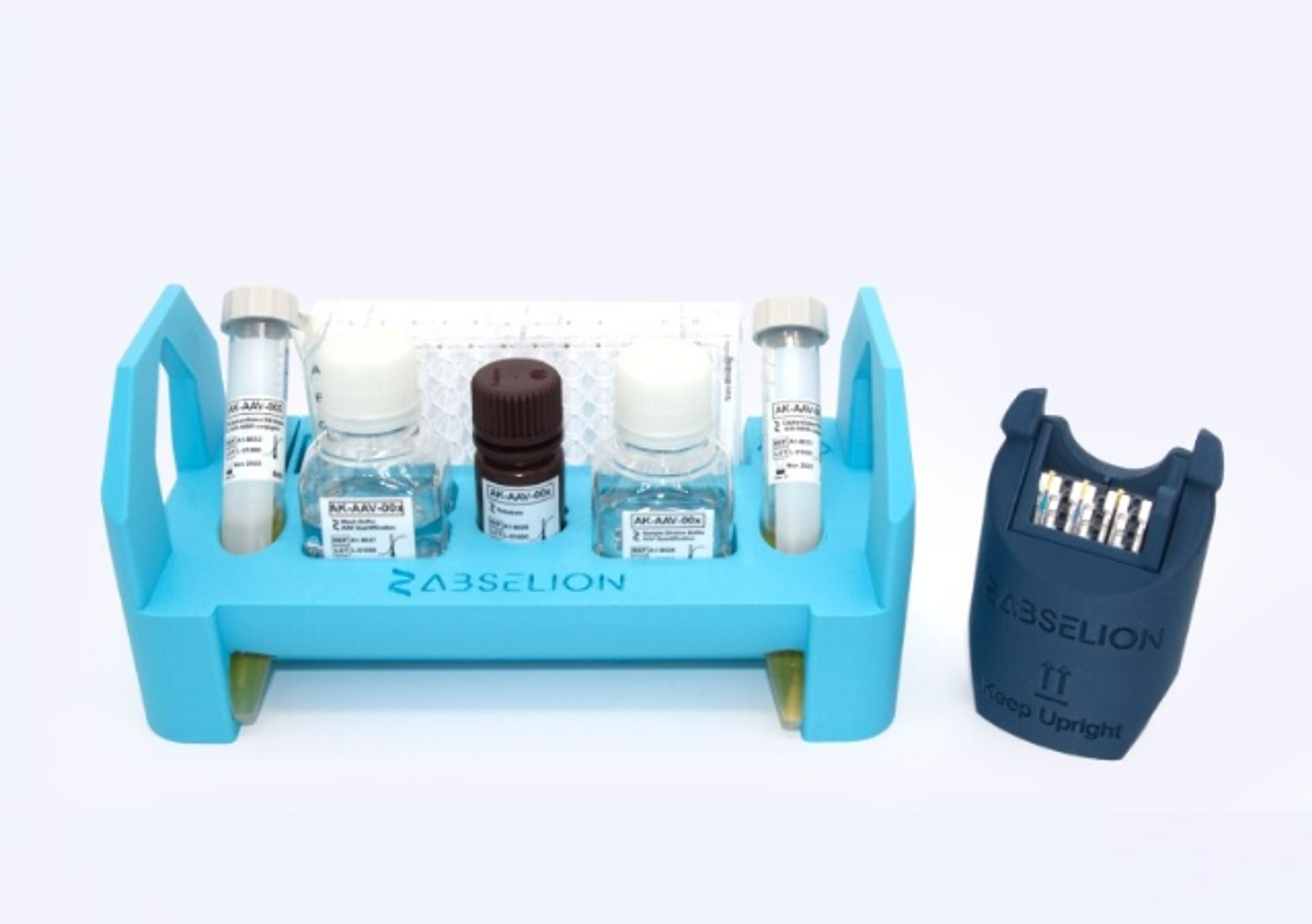
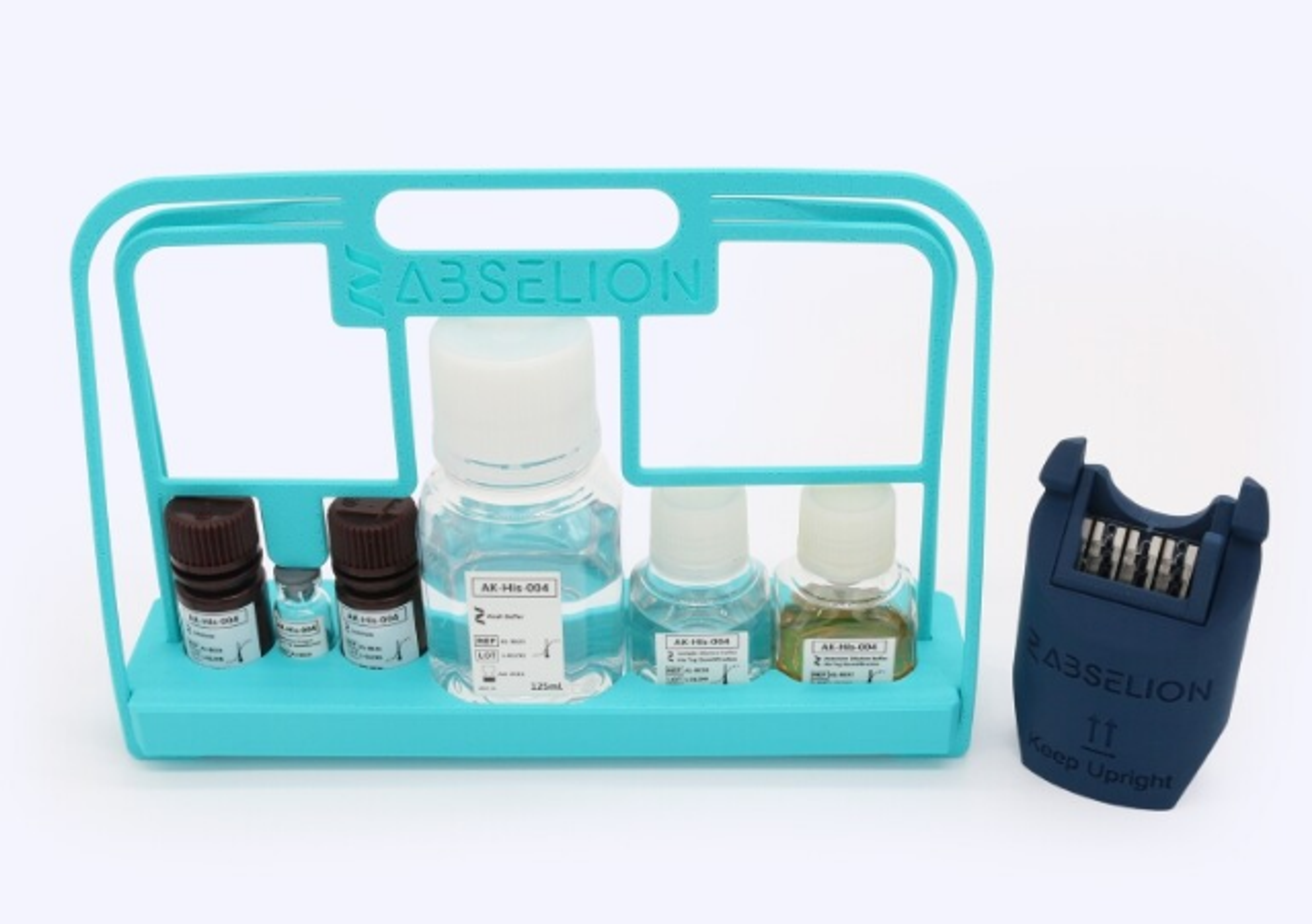
- Learn how the three assay formats are applied to antibodies, AAV capsids, and tagged proteins.
- Review example data demonstrating assay behaviour with directly prepared samples.
- See how electrochemical detection can complement existing analytical approaches in biologics measurement.