
Faster results less complexity with Roche cobas mass spectrometry
17 Aug 2026
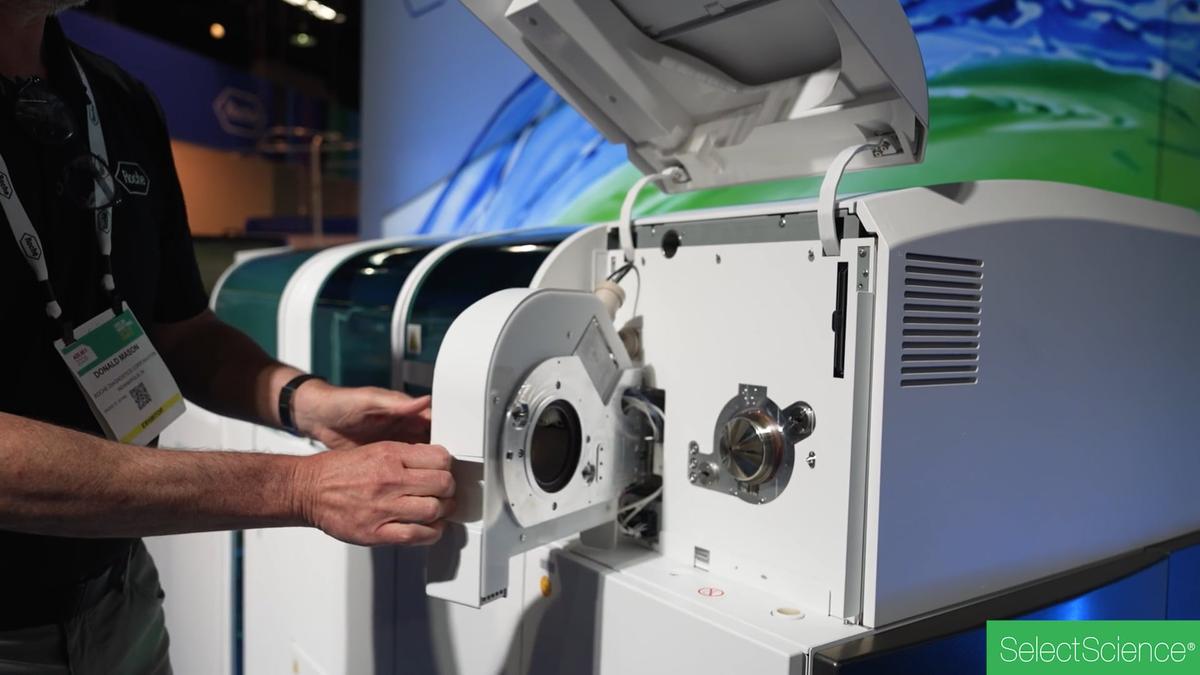
Bringing mass spectrometry into routine clinical testing has long been a challenge, limiting access to one of the most selective and sensitive analytical technologies available. Discover how the cobas® pro i 601 analyzer, designed for routine use by today's clinical laboratory staff and to measure the most clinically relevant sample types, is helping change that. By reducing turnaround times and hands-on work, the solution is helping laboratories expand access to high-quality testing. Donald Mason, Senior Marketing Manager for Mass Spectrometry at Roche Diagnostics, shares how this shift could bring the benefits of mass spectrometry to more laboratories, clinicians, and patients.
This interview was recorded at ADLM 2026, Anaheim, California.
About the company

Roche
We believe it’s urgent to deliver medical solutions right now – even as we develop innovations for the future. We are passionate about transforming patients’ lives. We are courageous in both decision and action. And we believe that good business means a better world. That is why we come to work each day. We commit ourselves to scientific rigour, unassailable ethics, and access to medical innovations for all. We do this today to build a better tomorrow. We are proud of who we are, what we do, and how we do it. We are many, working as one across functions, across companies, and across the world. We are Roche.
Video transcript
Show transcript
My name is Donald Mason. I'm the Senior Marketing Manager for Mass Spectrometry at Roche Diagnostics in the United States.
Mass spectrometry is a powerful analytical technology. It is sought after for its selectivity, sensitivity, and its ability to deliver gold-standard results. It has demonstrated clinical value in the fields of therapeutic drug monitoring, endocrinology, and clinical toxicology. For these reasons, mass spectrometry is sought after for routine clinical lab testing.
Mass spectrometry has sat at the periphery of laboratory medicine for nearly three decades, primarily because of its operational complexity, the need for skilled staff, and the lack of a commercial solution.
The cobas Mass Spec solution was designed for routine use in the core clinical chemistry laboratory. It is a part of the cobas pro family of instruments. It's designed to be operated by today's clinical laboratory staff, as opposed to the need for mass spectrometrists.
The cobas® pro i 601 analyzer is designed to measure most clinically relevant sample types, including urine, serum, plasma, and whole blood hemolysate. Each of our Ionify assays will be specific for the most relevant clinical sample type. For instance, the Ionify estradiol assay is designed to be used with both serum and plasma samples.
There are currently seven assays that are available for use on the cobas® pro i 601 analyzer in the United States. These include estradiol, progesterone, 17-hydroxyprogesterone, DHEA, DHEAS, androstenedione, and total 25-hydroxyvitamin D.
Roche maintains a robust pipeline of assays that are in development in the United States, many of which are working their way through the US FDA for approval as we speak.
Our customers are reporting a dramatic improvement in turnaround time and a dramatic decrease in hands-on time. A recently published study highlighted a nearly sevenfold decrease in turnaround time and a nearly 20-fold decrease in hands-on time for their staff.
Importantly, this was not for a single analyte, but rather for a panel of six clinically relevant analytes, resulting in a process that is scalable regardless of the number of tests or number of samples that are being analyzed.
I expect the introduction of mass spectrometry to the core clinical lab to shape the market in a way similar to the introduction of automated immunoassays in the market, bringing this powerful technology to more physicians and the patients that they serve.
The cobas Mass Spec solution is designed for the core clinical chemistry lab. The seven assays that are currently approved for use in the United States have achieved a CLIA categorization of moderate complexity, which is the first for any mass spectrometry-based testing.
What does this video cover?
cobas i 601 analyzer demonstration
Topics covered in this video
- How does the cobas i 601 analyzer transform routine clinical mass spectrometry?
- What turnaround time improvements does the cobas i 601 deliver for clinical analytes?
- How is Roche Diagnostics expanding access to high-quality LC-MS/MS testing?
- What benefits does automated clinical mass spectrometry offer laboratories and clinicians?
- How is Donald Mason advancing routine mass spectrometry in core clinical laboratories?
Related products
Request Quote for All Products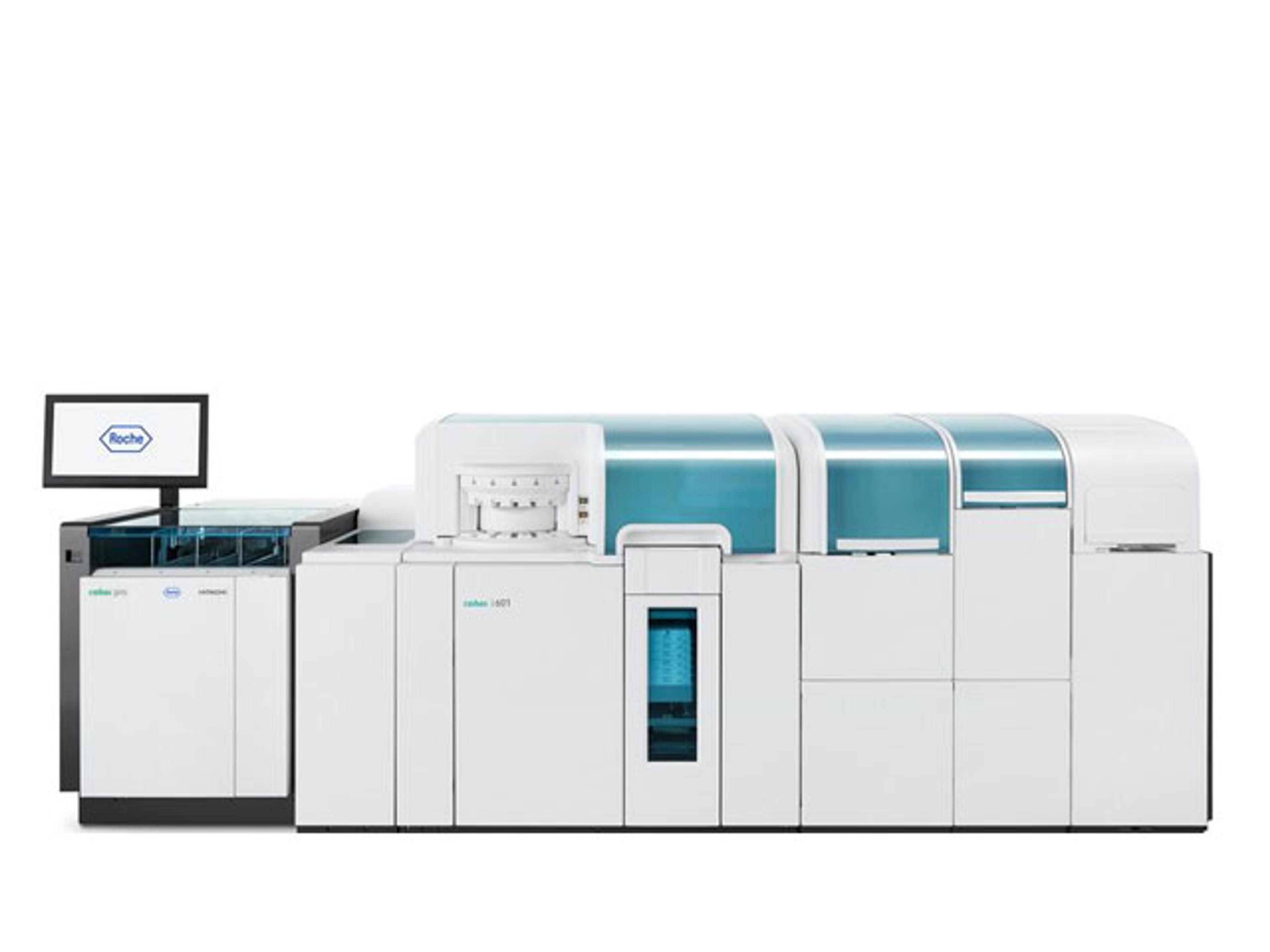
Other videos from Roche



Links
Tags
Frequently asked questions
Show frequently asked questions
How does the cobas® i 601 analyzer improve clinical mass spectrometry workflows in routine laboratories?
The cobas® i 601 analyzer is designed for routine use in core clinical laboratories, enabling broader adoption of mass spectrometry. It delivers a nearly sevenfold reduction in turnaround time and a nearly 20-fold decrease in hands-on time across six clinically relevant analytes, helping laboratories expand access to high-quality testing for clinicians and patients.
What benefits does automated LC-MS/MS from Roche Diagnostics offer to clinical laboratories and patients?
Roche Diagnostics’ mass spectrometry solution, including the cobas® i 601 analyzer, helps bring automated LC-MS/MS closer to routine clinical testing. By significantly reducing turnaround and hands-on time, laboratories can offer more selective and sensitive testing, improving access to high-quality results for clinicians and patients while supporting today’s laboratory staff.
How is Roche Diagnostics advancing routine clinical mass spectrometry according to Donald Mason?
Donald Mason, Senior Marketing Manager for Mass Spectrometry at Roche Diagnostics, explains that the cobas® i 601 analyzer helps overcome long-standing challenges of bringing mass spectrometry into routine clinical laboratories. This shift expands access to one of the most selective and sensitive analytical technologies, benefiting more laboratories, clinicians, and patients through improved efficiency and high-quality testing.