Expanding access to Alzheimer’s biomarker testing
13 Aug 2026Early diagnosis can make a meaningful difference for patients and families affected by Alzheimer’s disease and other neurological conditions. In this Fujirebio video, discover how decades of diagnostic innovation, investment in neurodiagnostics, and the work of the Fujirebio Neuro Center of Excellence are helping advance reliable biomarker testing.
Plus, explore Fujirebio’s open partnership model, which is designed to share innovations across platforms and broaden access to advanced assays for laboratories, physicians, and patients worldwide.
About the company

Fujirebio
Fujirebio is global R&D-driven company constantly developing new in vitro diagnostics testing technologies and unique biomarkers with high clinical value. Our group mission is to create new value in healthcare and thereby contribute to human health and the future of medical care. Our global teams located in Japan, Asia, Europe, and the US focus on delivering products with the highest quality standards to our customers and partners. We value CDMO partnerships with many of the world’s leading diagnostic companies, sharing knowledge, capabilities, and critical materials to supply, develop, or manufacture diagnostic solutions on a wide variety of platforms.
What does this video cover?

Fujirebio automated immunoassay analyzer in use
Topics covered in this video
- Why early diagnosis matters for patients and families affected by Alzheimer’s disease
- How Fujirebio is advancing biomarker innovation in neurodiagnostics
- The role of the Fujirebio Neuro Center of Excellence in assay development and validation
- Why real-world testing is important for proving assay reliability, consistency, and effectiveness
- How Fujirebio’s open partnership model helps expand access to advanced biomarker testing across platforms
Related products
Request Quote for All Products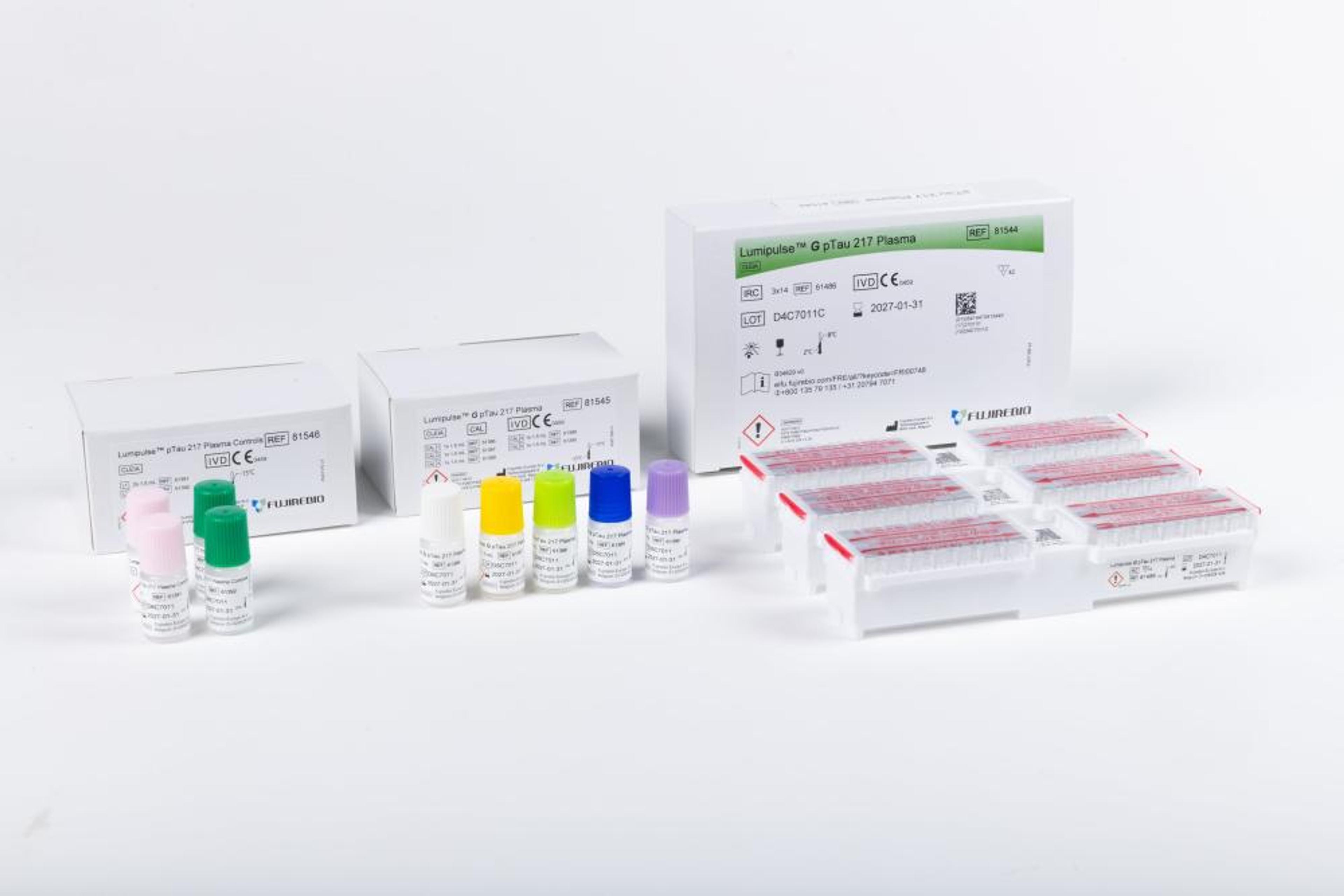
Lumipulse® G pTau 217 Plasma (CE marked (IVDR))
FujirebioLumipulse G pTau 217 Plasma is a test for in vitro diagnostic use with the automated LUMIPULSE G System for the quantitative measurement of Tau phosphorylated at threonine 217 (pTau 217) in human plasma (K2EDTA).
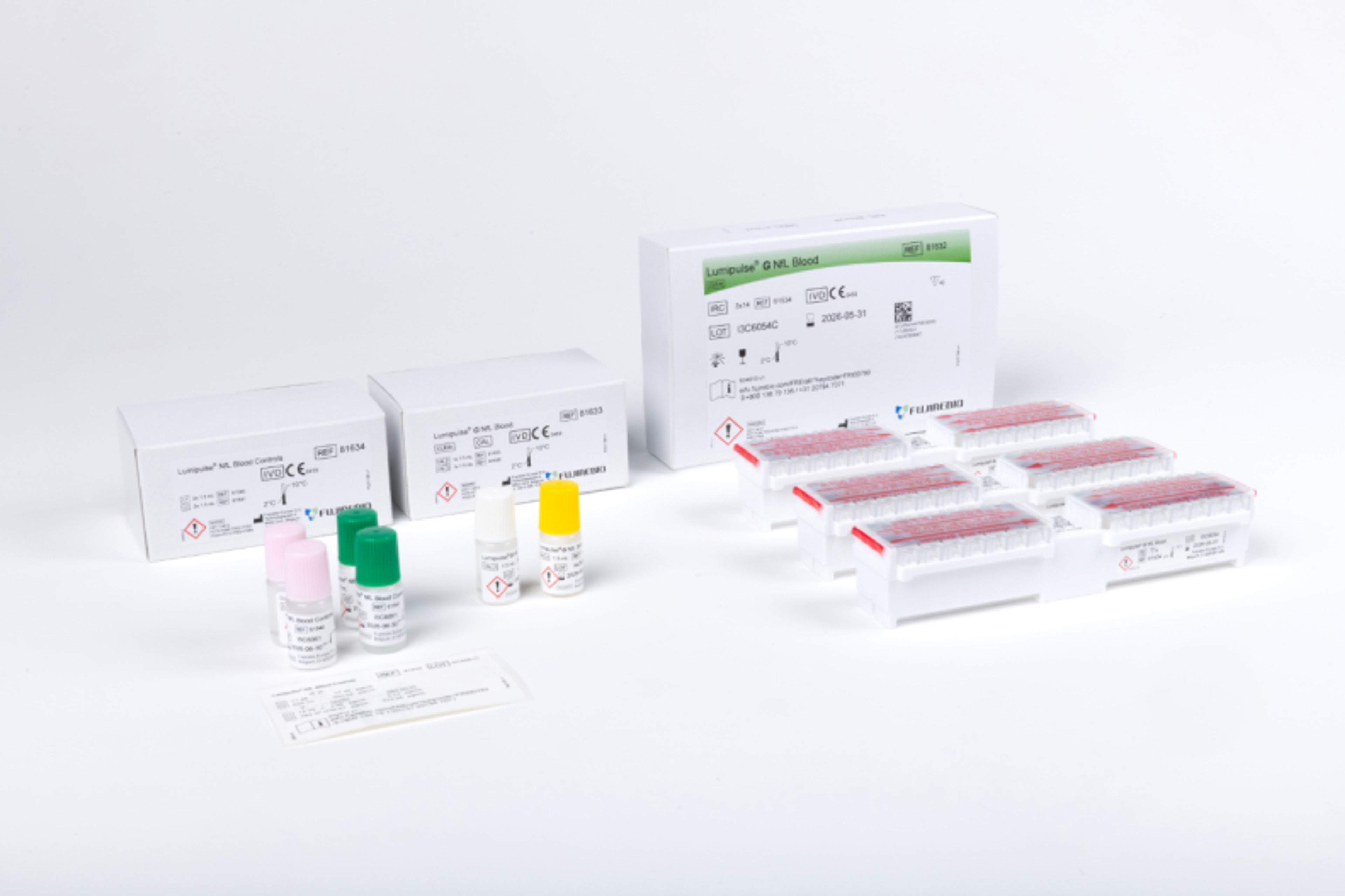
Lumipulse® G NfL Blood (CE marked (IVDR))
FujirebioLumipulse G NfL Blood is a quantitative test for in vitro diagnostic use with the automated LUMIPULSE G System for the measurement of neurofilament light chain (NfL) in human blood (serum/plasma) in patients with neurological diseases.
Other videos from Fujirebio

Links
Tags
Frequently asked questions
Show frequently asked questions
How does Fujirebio’s neurodiagnostic innovation support early diagnosis of Alzheimer’s disease?
Early diagnosis is highlighted as crucial for patients and families affected by Alzheimer’s disease. Fujirebio has invested decades in neurodiagnostics and was the first company in the early 1990s to develop a biomarker test for Alzheimer’s disease. Through the Fujirebio Neuro Center of Excellence, they validate assays for reliability, consistency, and effectiveness, helping advance dependable biomarker testing that supports earlier and more meaningful diagnosis.
What is the Fujirebio Neuro Center of Excellence and its role in biomarker testing?
The Fujirebio Neuro Center of Excellence is described as a global hub that brings together leading experts in the field. It drives research and development of neurodiagnostic assays, including biomarkers for Alzheimer’s disease. Beyond laboratory work, the center focuses on extensive real‑world testing and validation to prove reliability, consistency, and effectiveness, ensuring advanced biomarker tests can make a meaningful difference for patients and families.
How does Fujirebio’s open partnership model expand access to advanced neurodiagnostic assays?
Fujirebio uses an open business and partnership model designed to share innovations across platforms. By doing so, they broaden access to advanced assays and important tests for laboratories, physicians, and patients worldwide. This collaborative approach turns Fujirebio into an ‘innovation engine’, enabling broader access to reliable biomarker testing, reaching more patients, and supporting continued investment in solutions for complex neurological diseases.