
Transforming how pathologists and hematologists access and share slides worldwide
12 Aug 2026
Digital microscopy is helping laboratories and pathologists collaborate in new ways, making it easier to review and share clinical samples in real time. In this SelectScience interview, Kirk Walton, Regional Business Manager at Bruker, discusses how the NED Digital Microscope supports remote slide viewing for hematology and pathology applications, enabling experts to access and navigate stained samples from anywhere in the world. He also highlights how the Aerospray sample preparation system and low-maintenance microscope design can help streamline workflows, supporting more efficient slide review and diagnostic decision-making.
This interview was recorded at ADLM 2026, Anaheim, California.
About the company
Bruker Biomedical Systems
Bruker Biomedical Systems develops and manufactures diagnostic solutions that enable better patient outcomes. The portfolio includes slide staining and cytocentrifugation instruments, osmometers, sweat test systems, erythrocyte sedimentation rate analyzers, digital cell analyzers, and related laboratory technologies designed to improve, standardize, and deliver efficiency and reproducibility in diagnostic and research workflows. These products serve hospitals, clinical laboratories, pharmaceutical companies, and research institutions, supporting applications in microbiology, hematology, cytology, clinical chemistry, and other laboratory testing environments.
Video transcript
Show transcript
My name is Kirk Walton, and I'm a Regional Business Manager with Bruker.
NED is a digital microscope with remote, real-time viewing. We use the digital microscope to help view cells from anything that has been stained. It does not have to be just blood; it can be urine or other substances.
There are two models of the NED. One is geared towards haematology, and the other is geared towards pathology. There are certain features that apply to both models, and some that are unique to each.
You start with a tray containing four slides, and when you load it into the machine, it scans each slide. You can then view any slide on the tray and jump from slide to slide, giving you the ability to manoeuvre in real time on each slide and examine the whole slide, not just one set location.
In addition to that, we have a polarising feature that can be found on our pathology unit. We can also incorporate additional objectives into the microscope based on your needs.
Lastly, we offer remote, real-time viewing, which allows anyone to dial in via the internet or their phone and view the slides on screen in real time, manoeuvring them themselves from wherever they are in the world.
A pathologist could be sitting on a beach and looking at a live slide, moving it around to examine each cell as they wish.
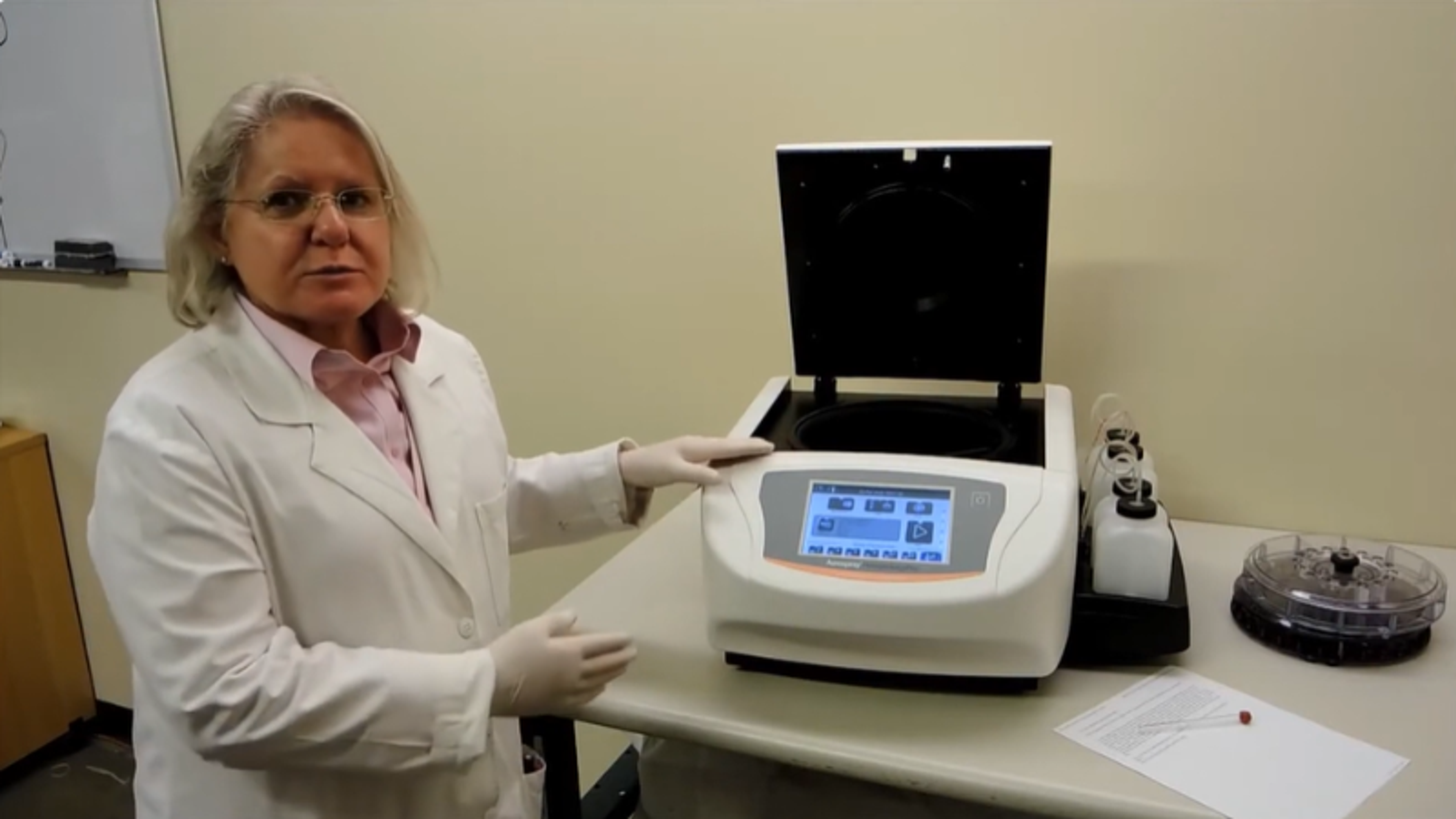
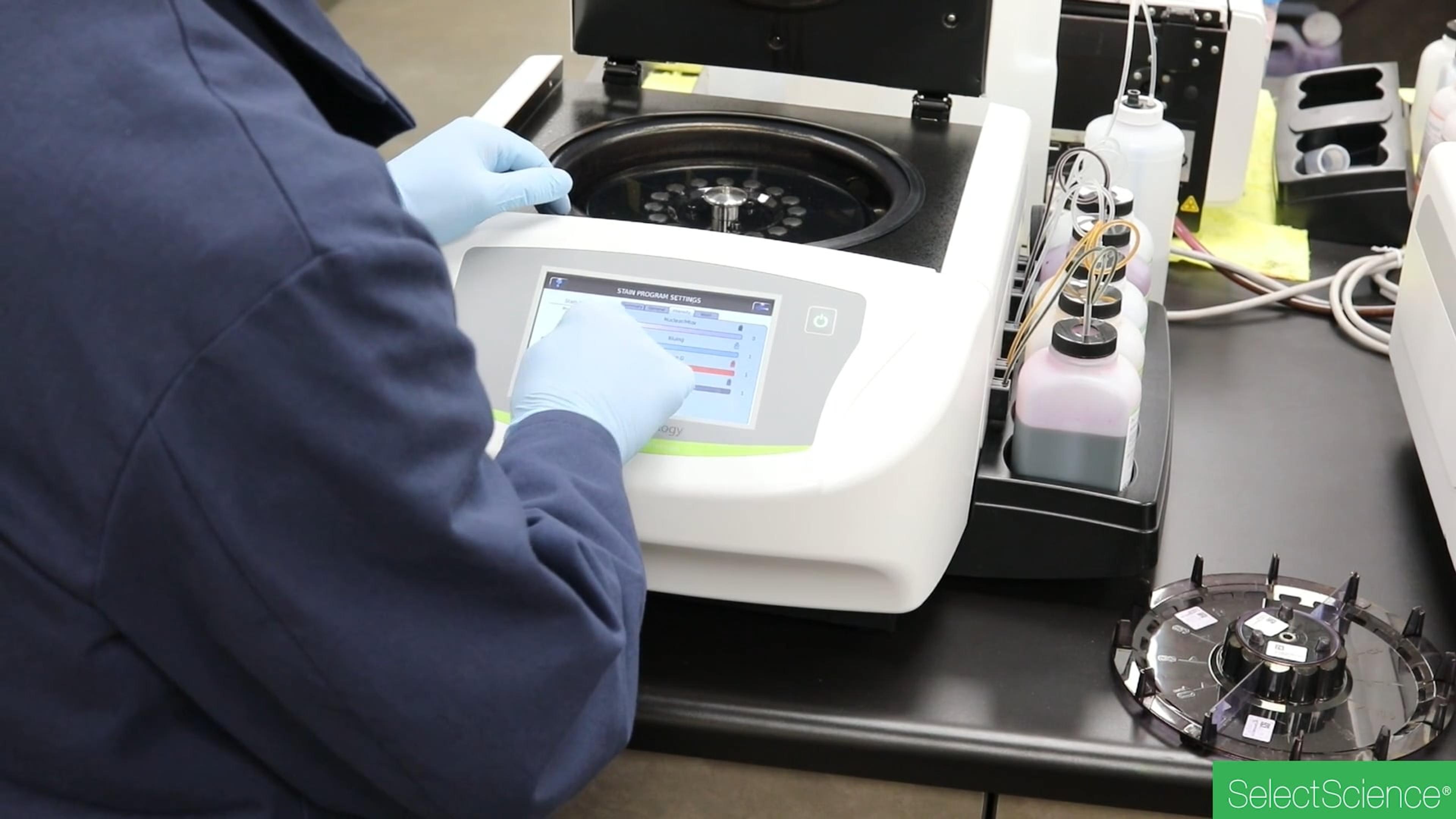
We also have another machine called the Aerospray. The Aerospray is a two-in-one unit. It is both a stainer and a cytocentrifuge.
This system is found in many laboratories throughout the world, and the nice thing about it is that the finished product, a stained slide, can then be entered into our NED for viewing.
Essentially, this unit is maintenance-free because we do not use oil on the microscope. There is no need to clean it, and the only maintenance required would be adjustments based on your needs.
What does this video cover?
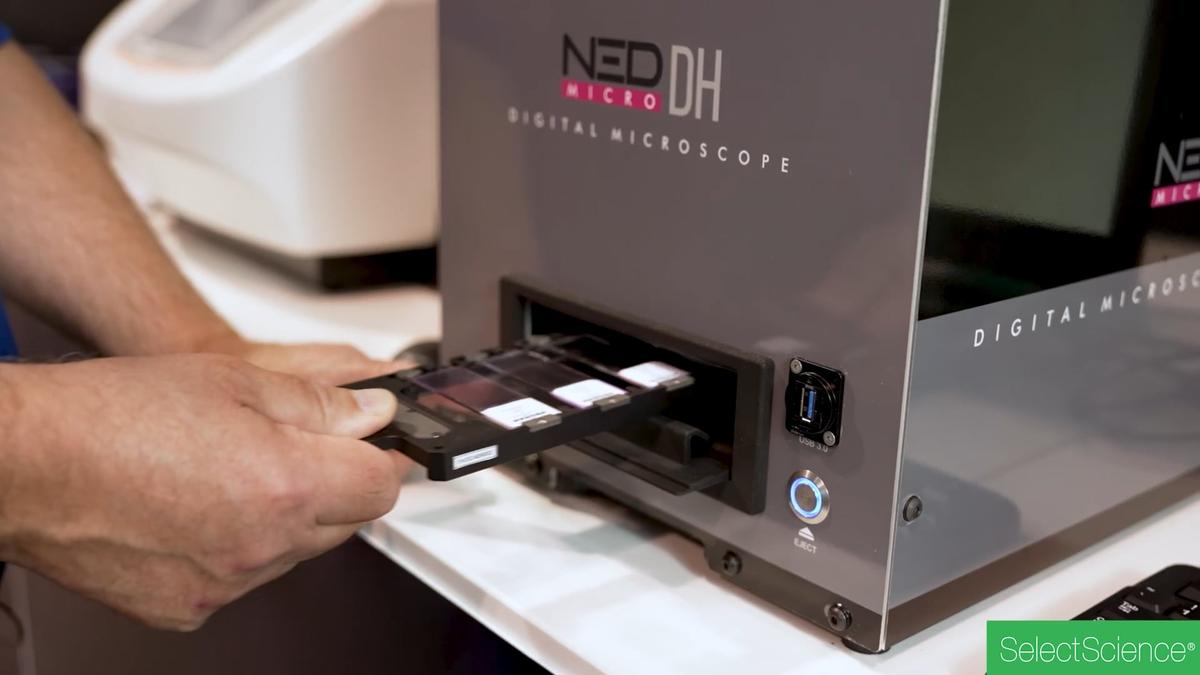
NED Digital Microscope
Topics covered in this video
- How does the Bruker NED Digital Microscope enable remote slide viewing in hematology?
- What are the benefits of digital microscopy for pathology collaboration and real-time sample review?
- How does the Aerospray sample preparation system streamline clinical laboratory workflows?
- In what ways does low-maintenance microscope design support efficient diagnostic decision-making?
- How can pathologists use NED Digital Microscope to access stained samples worldwide?
Related products
Request Quote for All Products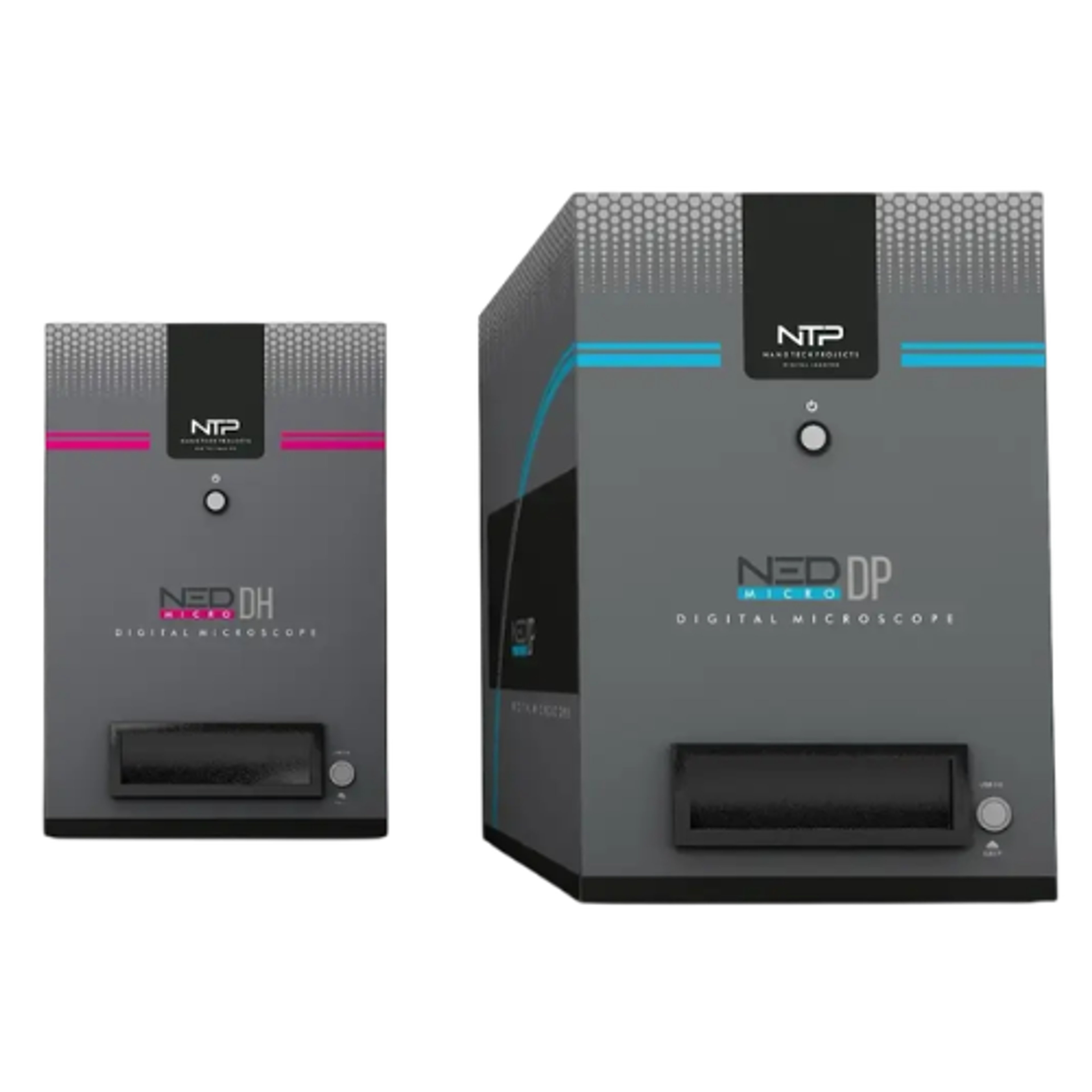
NED® Digital Microscope
Bruker Biomedical SystemsExperience NED Digital Microscope – where speed, accuracy, and collaboration meet.
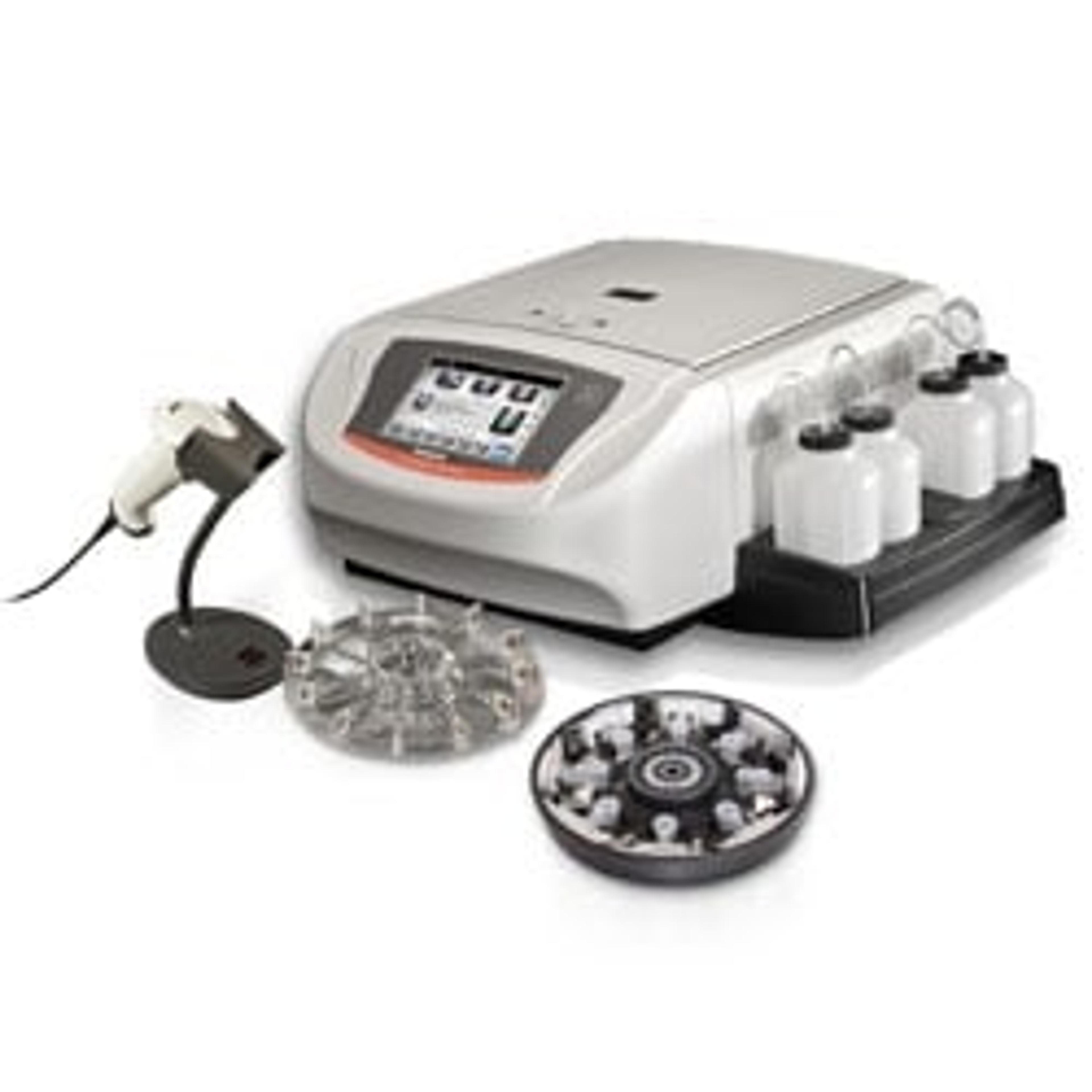
Aerospray® Hematology Pro Slide Stainer/Cytocentrifuge
Bruker Biomedical SystemsWorld's best stainer in performance and reliability. Automates the staining of blood and other body fluids to facilitate enhanced clarity using a rapid stain mode, a longer Wright-Giemsa mode, a May-Grünwald Giemsa (MGG) mode or custom settings.
Other videos from Bruker Biomedical Systems
Links
Tags
Frequently asked questions
Show frequently asked questions
How does the Bruker NED Digital Microscope enhance remote slide viewing for hematology and pathology?
The NED Digital Microscope enables remote slide viewing by allowing experts to access and navigate stained hematology and pathology samples from anywhere in the world. This digital microscopy capability supports real-time collaboration between laboratories and pathologists, making it easier to review and share clinical samples without being physically present at the microscope.
What workflow and diagnostic benefits does digital microscopy provide in clinical laboratories?
Digital microscopy helps streamline laboratory workflows by integrating sample preparation and offering low-maintenance operation. These features reduce manual handling and downtime, supporting more efficient diagnostic review. By enabling real-time sharing and review of clinical samples, digital microscopy also improves collaboration between pathologists and laboratories, which can lead to faster and more consistent diagnostic decisions.
How is the NED digital microscope used in hematology and pathology applications?
In hematology and pathology, the NED Digital Microscope supports the review of stained clinical samples through digital slide viewing. Pathologists and laboratory professionals can remotely access and navigate these samples for diagnostic purposes. According to Kirk Walton, Regional Business Manager at Bruker, this capability facilitates global collaboration and supports more efficient diagnostic workflows in these specialized clinical fields.