
Defining air exposomics – The bridge between air pollution exposure and human health
18 Jun 2026Discover how the emerging field of air exposomics is revealing the chemistry that links our shifting air environments to human health. Explore the scientific challenge of connecting dynamic exposures with equally dynamic biology, and how TOFWERK, now part of Bruker, is working to define this space by bridging atmospheric science with metabolomics and proteomics. See how new analytical technologies are making airborne chemicals visible and empowering researchers to better understand pollution’s impact on public health.
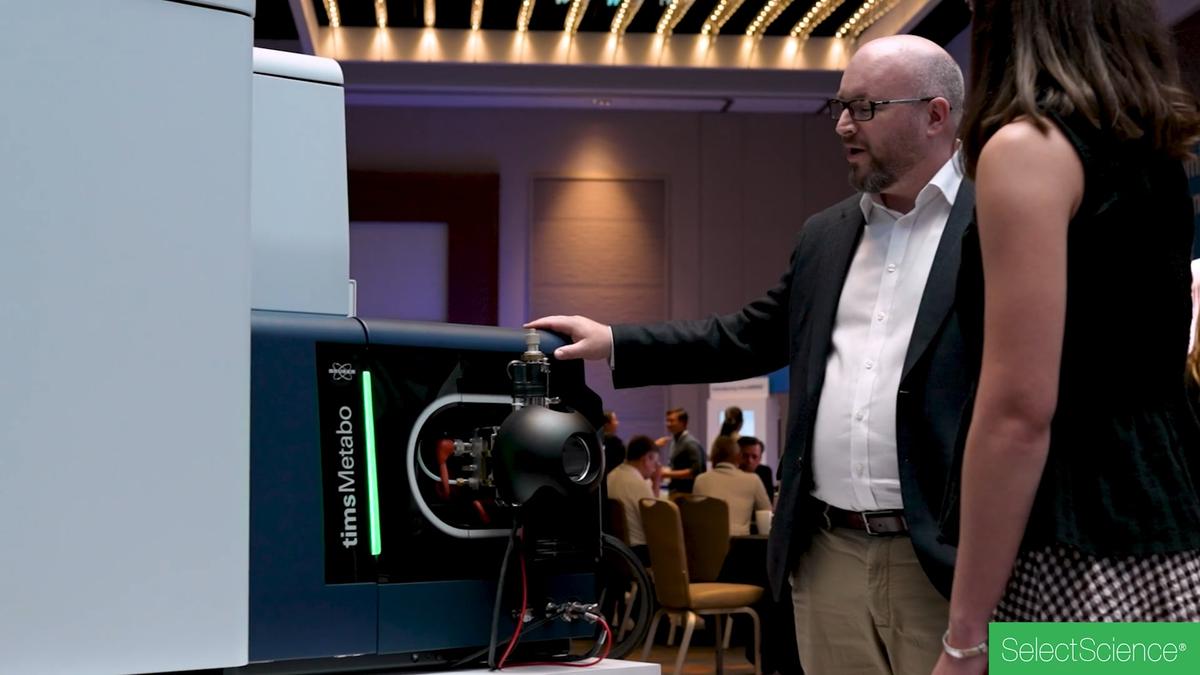
This video was filmed at ASMS 2026.
About the company

TOFWERK
We design, manufacture, and optimize ultra-sensitive, mobile mass spectrometers to comprehensively characterize the composition and purity of samples and the health of environments. Researchers and industrial customers around the world rely on our technologies for discovery and decision making.
TOFWERK is headquartered in Thun, Switzerland, with regional offices in Asia and North America. Our diverse team members cultivate a collaborative and creative work environment. Together we deliver the highest quality products and service to ensure our customers’ success.
Video transcript
Show transcript
The air we breathe is an important conduit of chemical exposures, and the science that we typically study in small molecule chemistry, we study metabolomics, the chemical phenotype of humans, how that manifests is partly endogenous, partly from our own metabolism, but it is largely influenced by our environment. The environments around us can be water, they can be from foods, but air, air we breathe all the time, right? So studying that, and what we call the airborne exposome, we call that the science of air exposomics.
I think what makes bridging air exposomics and human biology so challenging is that both are quite transient. Both are quite dynamic. So if we look internally at human biochemistry, things can change very quickly. Perhaps if you breathe something in, you have inflammation for a short, quick response. That is one kind of response, one kind of metabolic process. But also, over time, we see things like cognitive decline exhibit as a disease that is a slow, slow progression. We see effects of the airborne exposome on cognitive development, perhaps in children. It is also a slow progression. So the biology has different time domains, and also the exposures themselves are very dynamic.
So when you wake up in the morning and you move through your house, you are experiencing one air environment. When you go out onto the street, you are experiencing another. When you get into your car, you are experiencing another. So these are two very dynamic processes coming together and interacting in a very complex way. That requires understanding of biochemistry, but it also requires understanding of maybe geospatial mapping of where you have been, where wind patterns are, and where pollutant emitters might be.
Bruker is focused on the entire exposure cascade from source through to health outcome, right? So we look at exactly where these sources are, we look at what the doses that people get are over time, what the metabolic effects are, and then what the short and then longer term health outcomes are. So that is the exposure cascade, how either acute exposures of maybe a high magnitude, or lower long term exposures, affect ultimately human health.
So I think the right time for air exposomics is emerging now because people have much more of a feeling of what the environmental exposures do to their own health. And this has become, with the advent of PFAS, with the advent of water contamination, something that has come to the public interest. But air lags a little bit behind. Why? Maybe it is because we have not had the technologies to see the things in air.
So now we understand particulates, PM2.5s, we understand things like that. But with technologies like we are developing within Bruker, with the TOFWERK systems, we are able to visualize, in a spectral sense, VOCs, VICs, gases, metals. We are able to see things that really we did not know were there before. So in a way this is kind of an age of realization for us that is driven by analytical technologies.
The urgency in doing so, I think, largely comes from the fact that we have greatly polluted the world in certain urban environments. It has become a huge concern. So there is research that is driving the discovery of these things, and then there is governmental regulation that is driving an effort to reduce them, all in the interest of public health. So we aim to enable that fight against pollution and for the benefit of public health.
TOFWERK in the past has done incredible research with atmospheric chemistry research, with air quality monitoring, and invented innovative tools for doing so. Today, as a part of Bruker, we are connected to human health research in a way that was not possible before. So we are working with people on the biological side who are interested in metabolomics, proteomics, lipidomics, all the omics that describe our human phenotypes, our chemical phenotypes, and we are bridging that back to the deep air metrology experience that TOFWERK has as a brand.
What does this video cover?
Topics covered in this video
- How does air exposomics link airborne exposome to human metabolomics and health?
- What role does TOFWERK play in mapping the full air exposure cascade?
- How are Bruker's mass spectrometry systems revealing previously unseen airborne VOCs and metals?
- Why are urban air pollution and PM2.5 central to exposomics-driven public health research?
- How does integrating metabolomics, proteomics, and lipidomics advance air exposomics leadership?
FAQs
How does air exposomics link airborne chemical exposures to human health in this Bruker and TOFWERK video?
Air exposomics examines the airborne exposome, the mix of chemicals in the air we breathe, and connects it to human biology using metabolomics and proteomics. In this video, Bruker and TOFWERK show how dynamic air environments and internal biochemistry interact, influencing outcomes such as inflammation, cognitive decline, and broader public health impacts.
What role do Bruker and TOFWERK technologies play in visualizing airborne pollutants and the exposure cascade?
Bruker, together with TOFWERK, focuses on the full exposure cascade from pollution sources to health outcomes. Their analytical systems make airborne chemicals visible in a spectral sense, including VOCs, VICs, gases, metals, and particulates. This enables researchers to map doses over time, study metabolic effects, and link acute and long-term air pollution exposures to human disease risk.
Why is the emerging field of air exposomics important for environmental health and regulation?
The video highlights that air exposomics is crucial because urban air pollution and chemical exposures have become major public health concerns. With improved technologies, scientists can now characterize dynamic air environments and their biological effects. This evidence supports environmental research and governmental regulation aimed at reducing airborne pollutants, addressing issues like cognitive development impacts and chronic disease linked to long-term air exposure.
Related products
Request Quote for All Products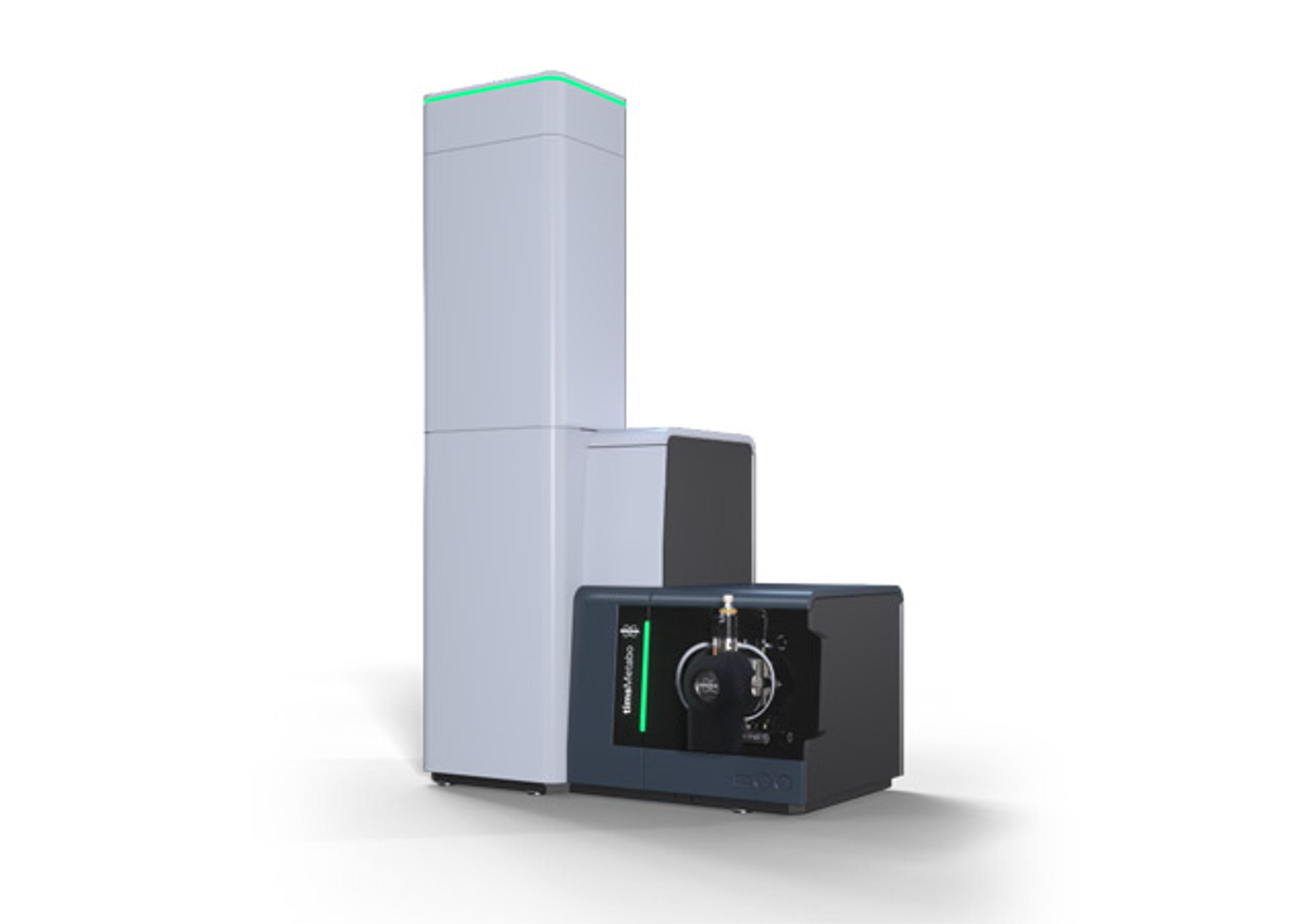
timsMetabo™
Bruker DaltonicsThe next-generation research engine for 4D-Metabolomics™ and 4D-Lipodomics™ delivers unprecedented sensitivity, separation power and annotation confidence for small molecules.
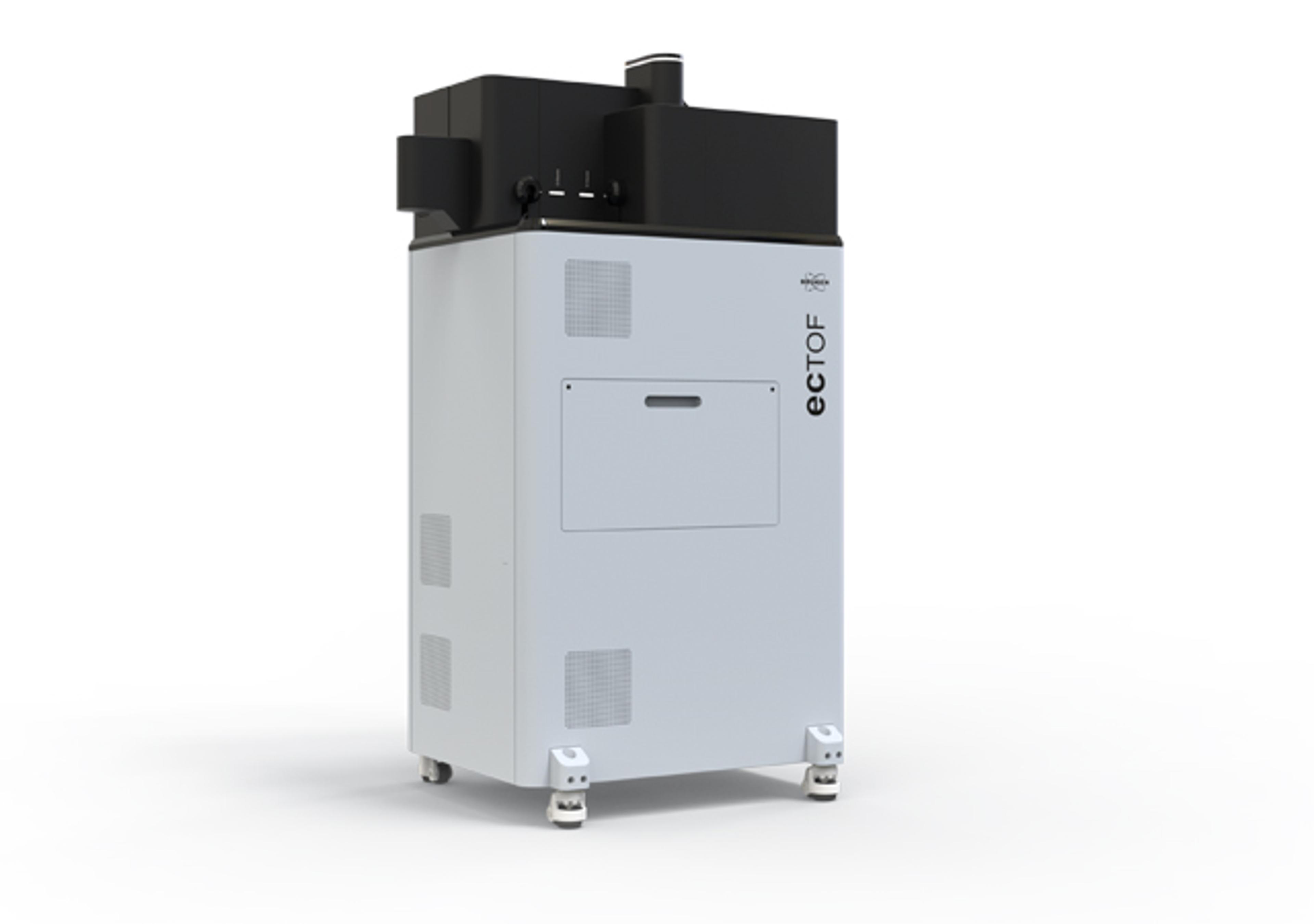
ecTOF
Bruker DaltonicsThe ecTOF is the world’s first GC-HRMS with simultaneous acquisition of EI (Electron Ionization) and CI (Chemical Ionization) information in a single injection. While using EI as the gold-standard GC/MS ionization, the ecTOF in parallel operates a novel CI source. This way it simultaneously provides perfectly aligned accurate mass structural and molecular ion information within a single GC run.