
Building better medical devices without starting from scratch with HiArc Ctrl
14 Aug 2026
The most successful medical devices aren't built by reinventing the foundations behind them. As development timelines tighten and system complexity grows, engineering teams need more time to focus on innovation rather than infrastructure. Tony Lacroix, Director of Control Systems at HiArc, discusses how HiArc Ctrl combines hardware, software, and integrated diagnostics tools in a scalable, reusable architecture designed to simplify development, with graphical tools that require little to no coding. Discover how this flexible platform is helping teams reduce risk, accelerate development, and focus on what makes their medical device unique.
This interview was recorded at ADLM 2026, Anaheim, California.
About the company
HiArc Inc.
For more than 40 years, HiArc (formerly KMC Systems) has helped leading medtech companies develop and launch complex diagnostic and life science systems. From our roots as a trusted design and manufacturing partner, we’ve grown into a full-service engineering force with global reach and deep regulatory knowledge.
HiArc exists to bring bold medical innovations to life with precision, quality, and care. We’re not just engineers or manufacturers. We’re partners who shape the future of healthcare alongside you. From early design to production, everything we do is built to meet the highest standards—and always aligned with your goals. HiArc is guided by values that never change: integrity, openness, excellence, and curiosity.
We believe in doing the right thing for our clients, our colleagues, and the people whose lives are touched by the systems we help create. This commitment shows up in the way we work, the care we take with every product, and the standards we hold ourselves to—because in healthcare, quality isn’t a feature, it’s a responsibility.
Video transcript
Show transcript
My name is Tony Lacroix, and I am the Director of Control Systems at HiArc. I think one of the biggest challenges that medical device manufacturers face today is managing the complexities of today's modern medical systems. These devices have sophisticated software, real-time control systems, large amounts of sensors, motors, and actuators, as well as large volumes of data. Companies need to design and innovate that technology into their products while reducing costs and shortening their timelines. When you put all that together, what ends up happening is they spend most of their time and their budget working on foundational technologies, and they're not working on those differentiators that make their product special.
In my experience, the biggest delays and risks in the development experience occur early on in the project. It's during the requirements, architecture, and prototyping phases.
In the requirements phase, companies are moving too fast sometimes, and they move forward with development without having all of the requirements fully understood, which is a normal part of the process and is okay to do, but only if your architecture can support it.
They're not flexible enough to pivot or iterate as the requirements change. So, what happens is they end up redesigning parts of the system.
The other area is in prototyping. With the shortened timelines, companies spend less time in prototyping, so as soon as they find a solution to the problem, they go with that versus trying to find the ideal solution.
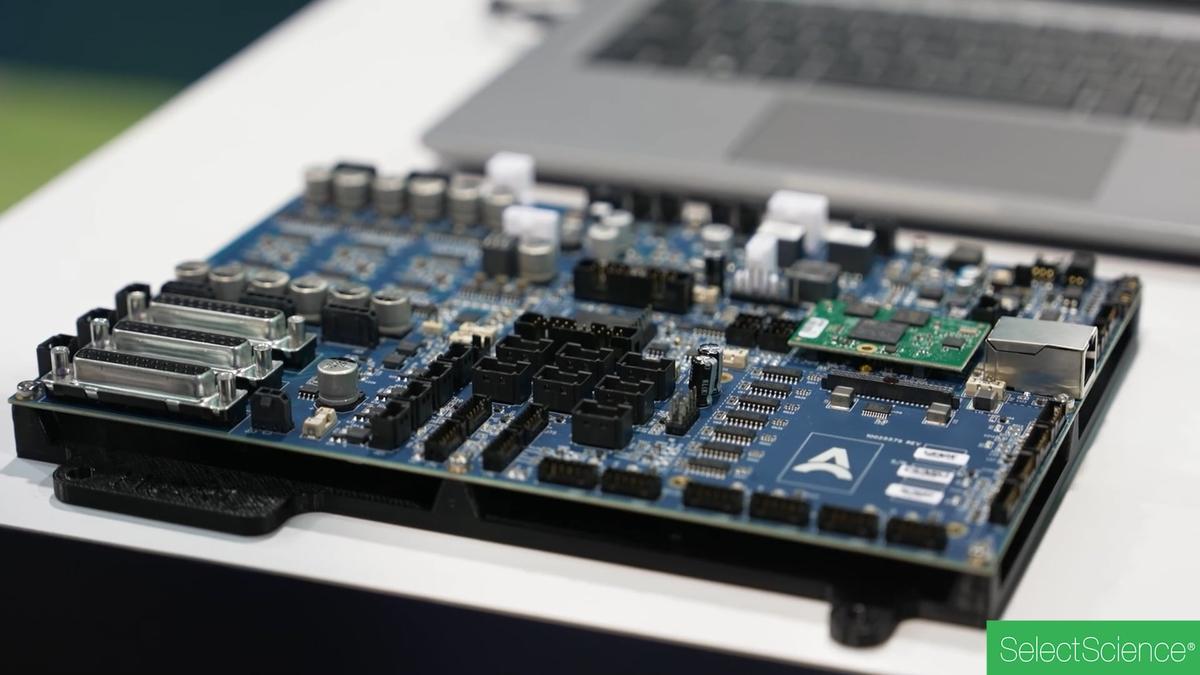
HiArc Ctrl is the foundational technology these companies need to build a modern medical device. We're a completely highly integrated environment that gives you the hardware, our Launch Base platform, as well as Launch Code, our software platform, which includes a graphical designer requiring little to no coding for your system, and our diagnostics tool, which is a dynamic troubleshooting and monitoring system.
But what truly makes HiArc Ctrl unique is that it's designed to be a flexible, reusable architecture.
It can be used on your initial product and then grow with that product across multiple generations. It can be used across multiple product lines as well, and it's scalable from a small system up into a large, complex environment.
This allows companies to have greater confidence in developing their medical device and allows them to focus on innovation versus reusing old technologies. Beyond that, we're constantly evolving our systems today, which means as medical device technology changes in the future, we'll be able to handle those changes and provide you with the technology and foundations that you need to build your next medical device.
Whether it's one system with one motor and one board, or it's a very large, complex system with hundreds of motors and ten boards, we'll be there with you.
What does this video cover?
HiArc Ctrl
Topics covered in this video
- How does HiArc Ctrl simplify medical device development for engineering teams?
- What benefits does HiArc Ctrl offer for reducing medical device development risk?
- How does HiArc Ctrl’s scalable architecture support complex medical device systems?
- In what ways do HiArc Ctrl graphical tools minimize coding for medical device engineers?
- How is HiArc Ctrl helping medical device companies accelerate innovation and time-to-market?
Links
Related content
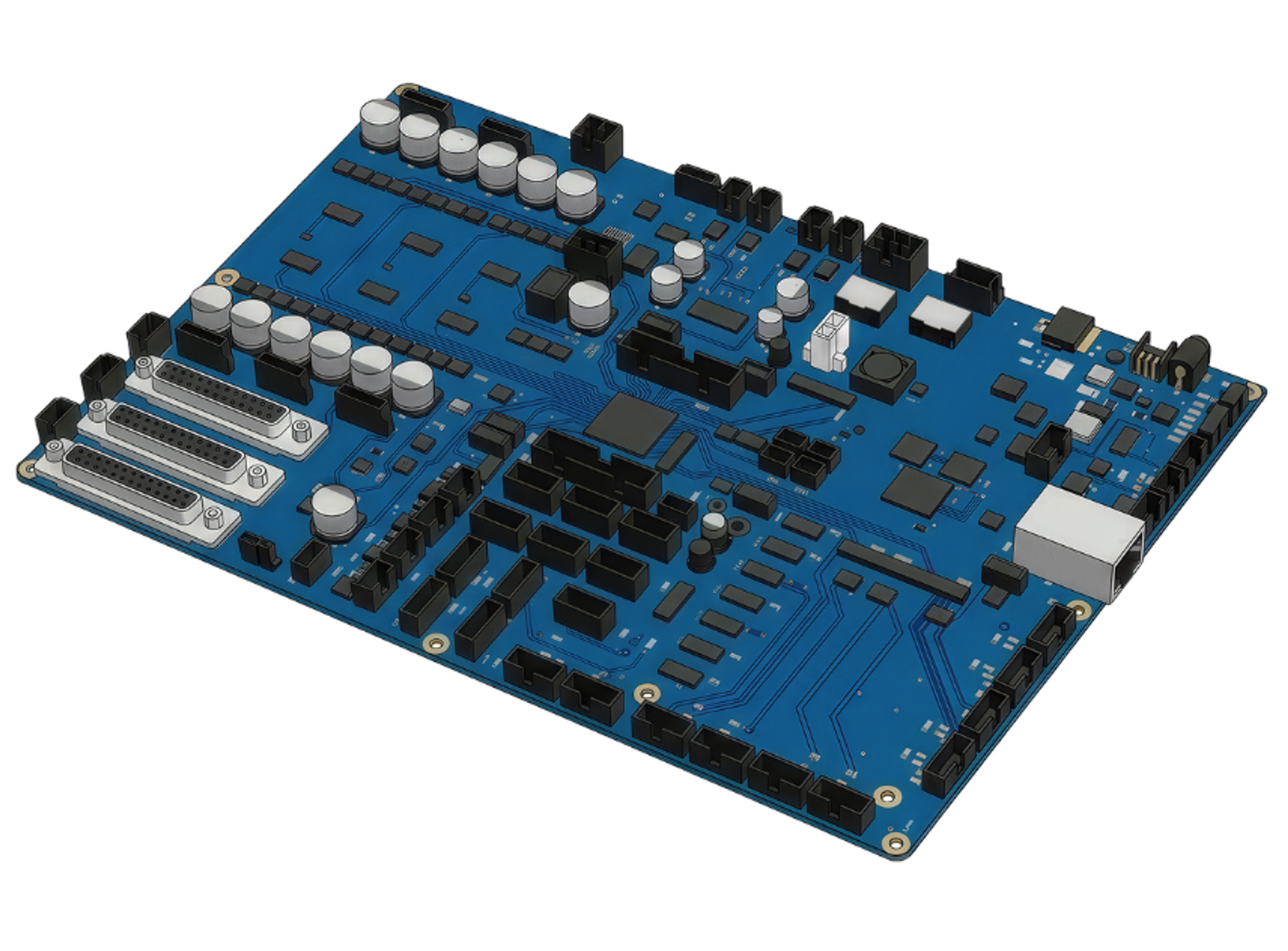
HiArc launches HiArc Ctrl to accelerate the development of medical devices
HiArc Ctrl combines embedded hardware and software tools to streamline prototyping and regulated workflow development
Tags
Frequently asked questions
Show frequently asked questions
How does HiArc Ctrl help medical device companies accelerate development and reduce risk?
HiArc Ctrl combines hardware, software, and integrated diagnostics tools in a scalable, reusable architecture. By providing graphical tools that require little to no coding, it lets engineering teams focus on innovation instead of infrastructure. This flexible platform helps reduce development risk, shorten timelines, and streamline the creation of successful medical devices.
What makes HiArc Ctrl’s scalable, reusable architecture valuable for complex medical device systems?
As medical device system complexity grows, HiArc Ctrl’s scalable, reusable architecture allows teams to build on proven foundations rather than reinventing core control systems. Its integrated hardware, software, and diagnostics tools simplify development, support reuse across projects, and free engineers to concentrate on features that make each medical device unique.
Who is Tony Lacroix and what did he discuss about HiArc Ctrl at ADLM 2026 in Anaheim, California?
Tony Lacroix, Director of Control Systems at HiArc, discussed how HiArc Ctrl supports medical device development at ADLM 2026 in Anaheim, California. He explained that the platform integrates hardware, software, and diagnostics with graphical, low-code tools, enabling teams to reduce risk, accelerate development, and focus on differentiating their medical devices.