Product News
Streck launches new MDx-Chex controls for respiratory low-plex testing
New MDx‑Chex for RLP controls support full‑process verification for respiratory molecular assays

New MDx‑Chex for RLP controls support full‑process verification for respiratory molecular assays
Presentations on Open Aperture, Apertura's material transfer agreement program, describe how open academic access to TfR1 CapX can unlock innovation and collaboration across the field
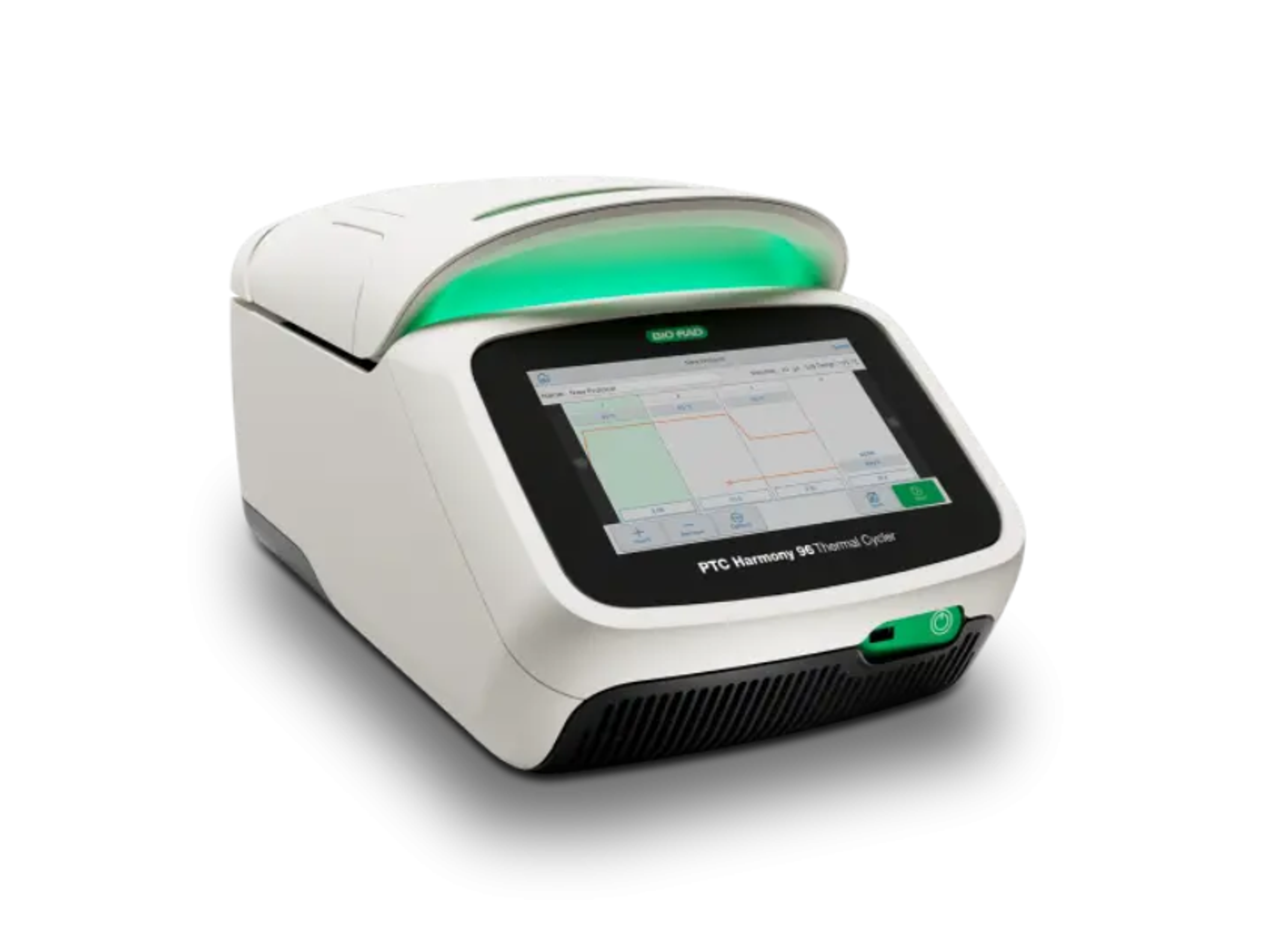
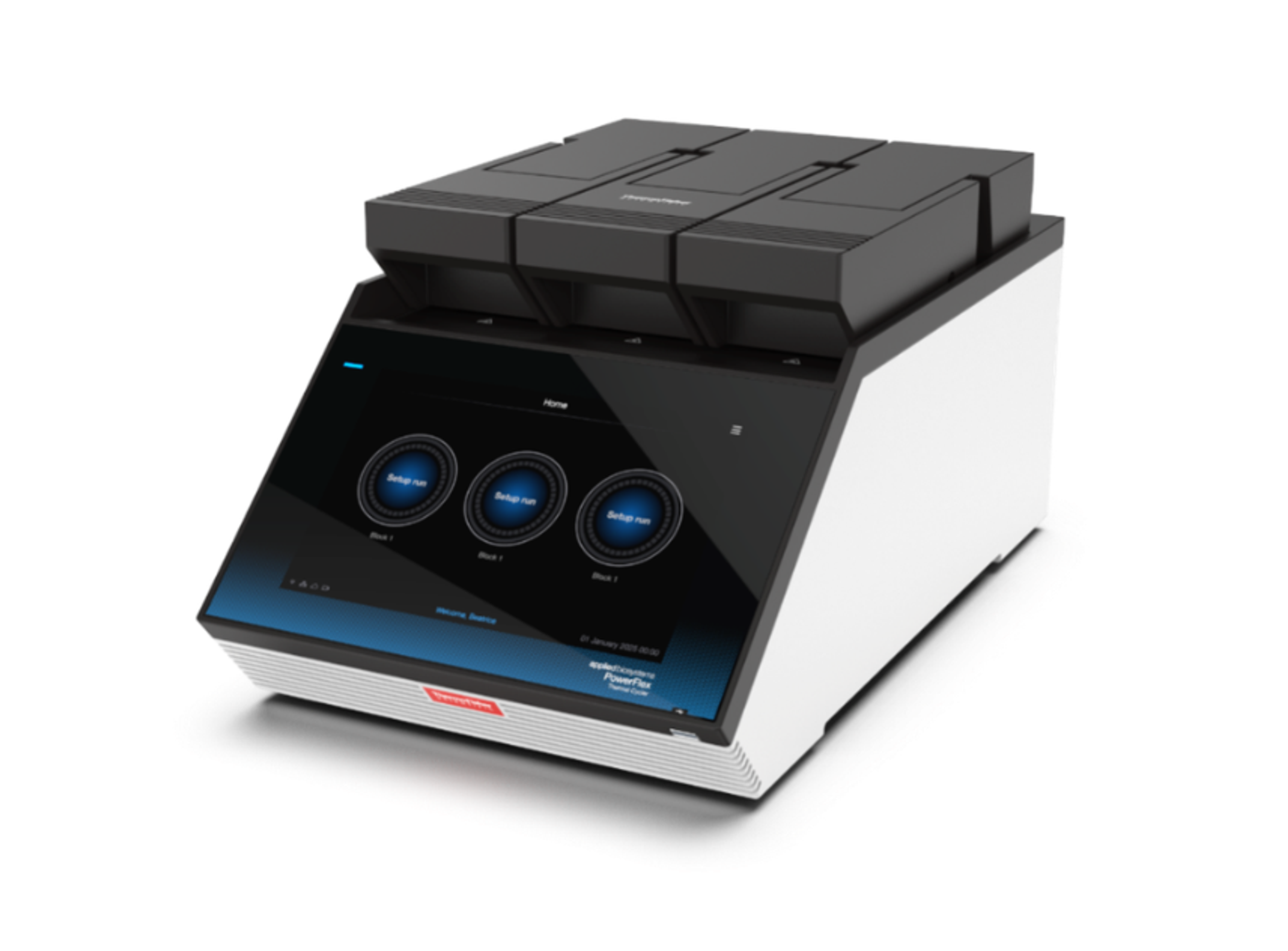
New PTC Harmony thermal cycler line expands access to reliable, high‑performance PCR across academic and biopharma laboratories
Learn how CancerTools.org is rewriting how cancer research tools move from lab benches to scientists around the world, and how the profits are put straight back into fighting cancer
Expanded partnership aims to advance precision oncology through distributed NGS‑based tissue and liquid biopsy testing
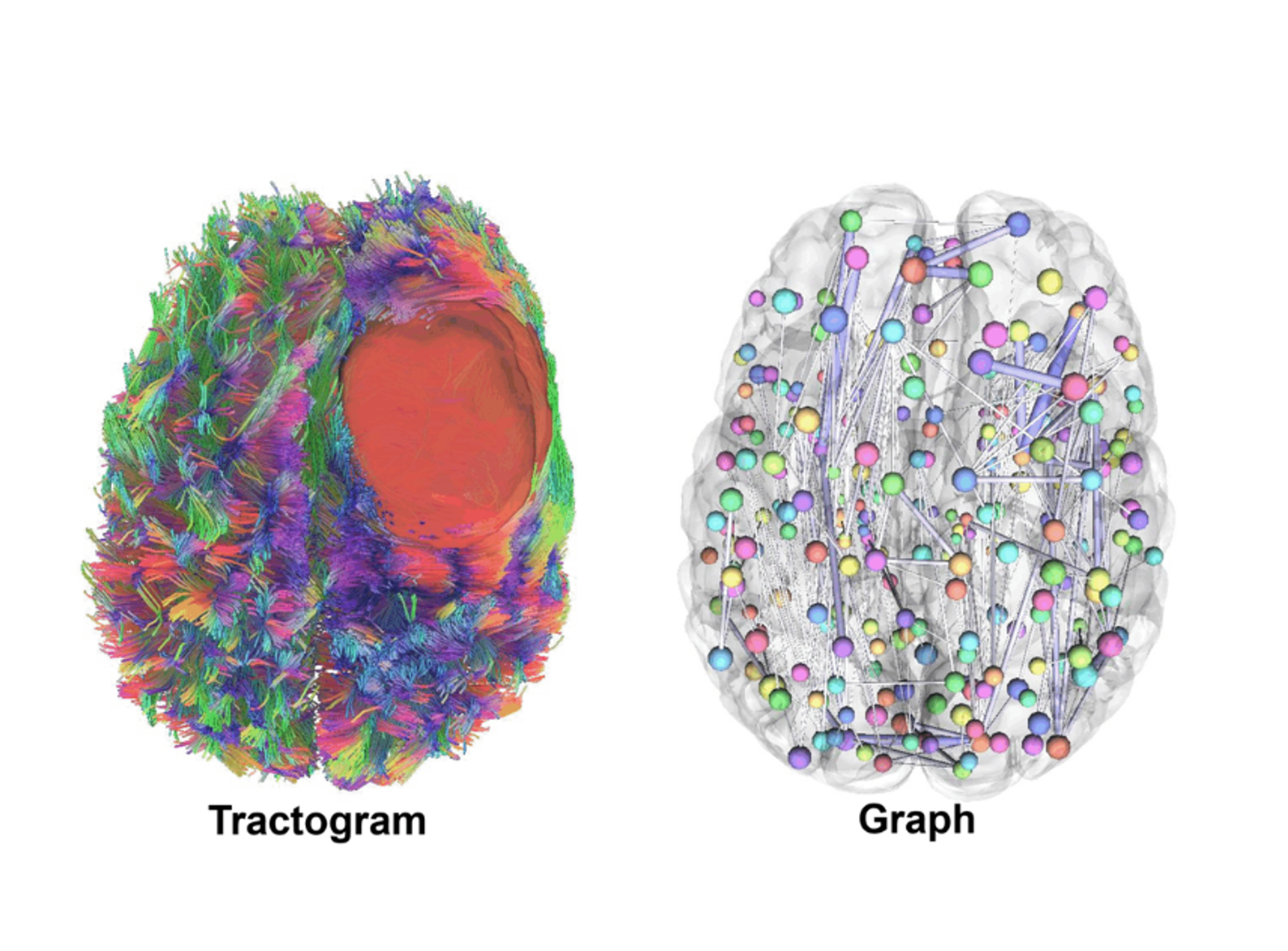
A study led by Karl Landsteiner University shows that the disease affects whole-brain communication networks, and that this may help predict survival
A next-generation PCR system designed to help labs manage increasing workflow complexity with greater flexibility, speed and confidence in reproducible results
Molecular diagnostics experts share why EQCs are no longer optional if you’re looking to elevate your molecular diagnostics
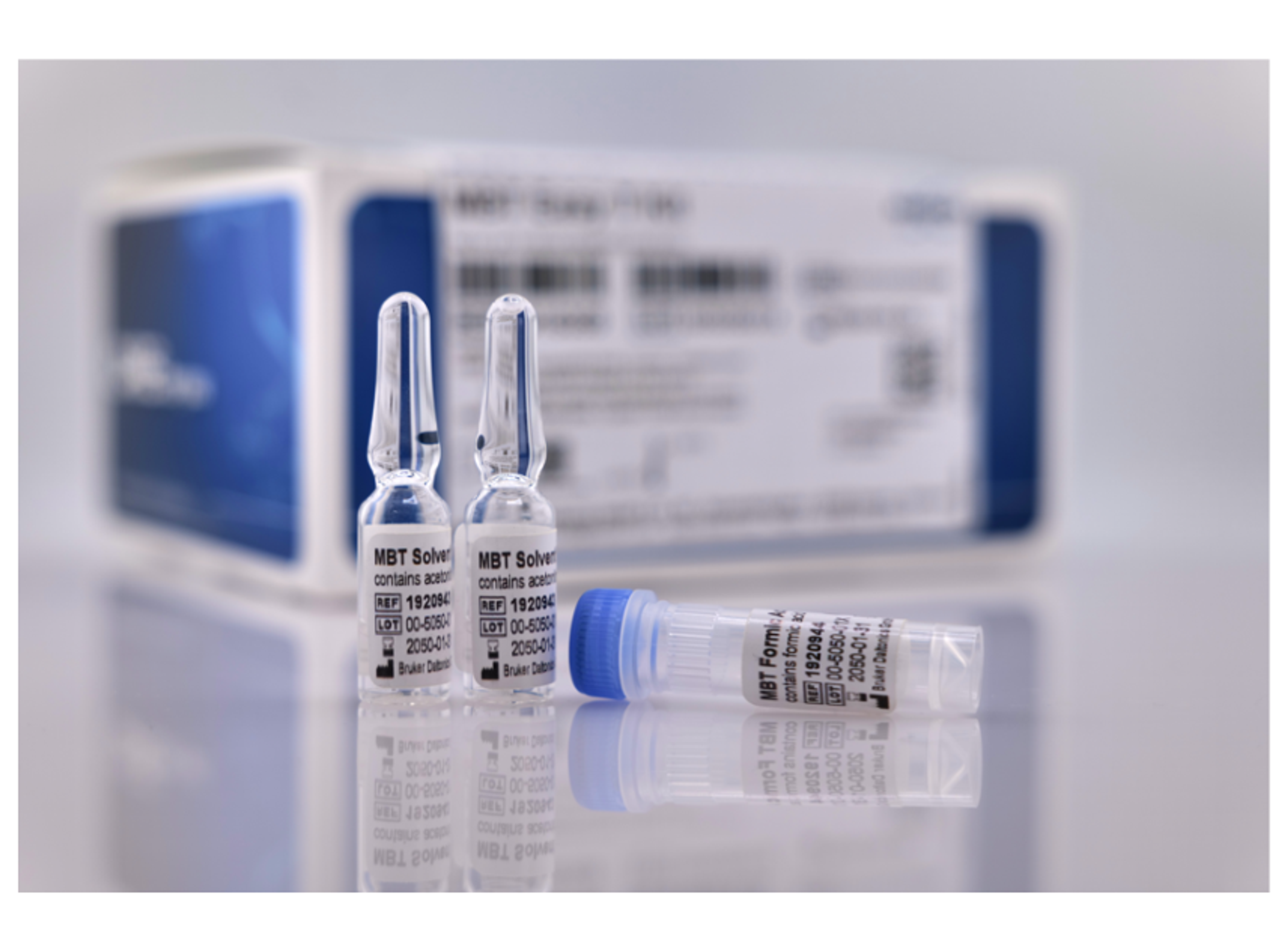
New portfolio enhancements reflect Bruker’s commitment to advancing integrated, high‑performance solutions that support laboratories in addressing evolving infectious disease challenges
In research conducted in mice, scientists identified a trio of existing medicines as promising candidates for treating a rare and severe form of infant leukemia caused by a genetic changed called KMT2A::AFF1
Oxford researcher Nina Dimova pushes pixel-by-pixel calibration and clustering to unlock nanosecond precision in particle tracking and electron microscopy
Watchmaker Genomics presented new data highlighting the performance of its amplification technologies, including the Stellar RT-qPCR and qPCR Kits, at ESCMID 2026
The study showed the NFTriSolve four-component formula showed clear advantages over conventional single-ingredient and three-component formulations.
Prospective study published in Clinical Cancer Research shows that women >70 who tested Signatera MRD-negative could avoid surgery and remain progression-free
Peer-reviewed findings published in the Journal of Alzheimer's Disease Reports show a 63% reduction in phosphorylated tau after a nine-week oral protocol