Guide to 16S rRNA sequencing methods
28 Apr 2026In microbiology, the 16S ribosomal RNA (16S rRNA) gene is a single genetic locus, ~1500 bp long, containing nine variable regions interspersed between conserved regions. The 16S locus acts like a ‘barcode’ for differentiating microbial taxa. It can be used to classify bacteria and archaea taxonomically from within a heterogenous community to assess the diversity within a population and compare relative abundance across similar samples.
Using amplicon-based next-generation sequencing (NGS), researchers have compiled comprehensive databases for comparing 16S rRNA sequences throughout an ecosystem, including complex environments such as the human gut microbiome.
16S rRNA sequencing offers a fast, culture-free way to classify bacteria and archaea with high accuracy.
- Detect species missed by traditional methods
- Simple workflow: extract DNA → sequence → analyze in BaseSpace
- Get publication-ready charts and OTU tables
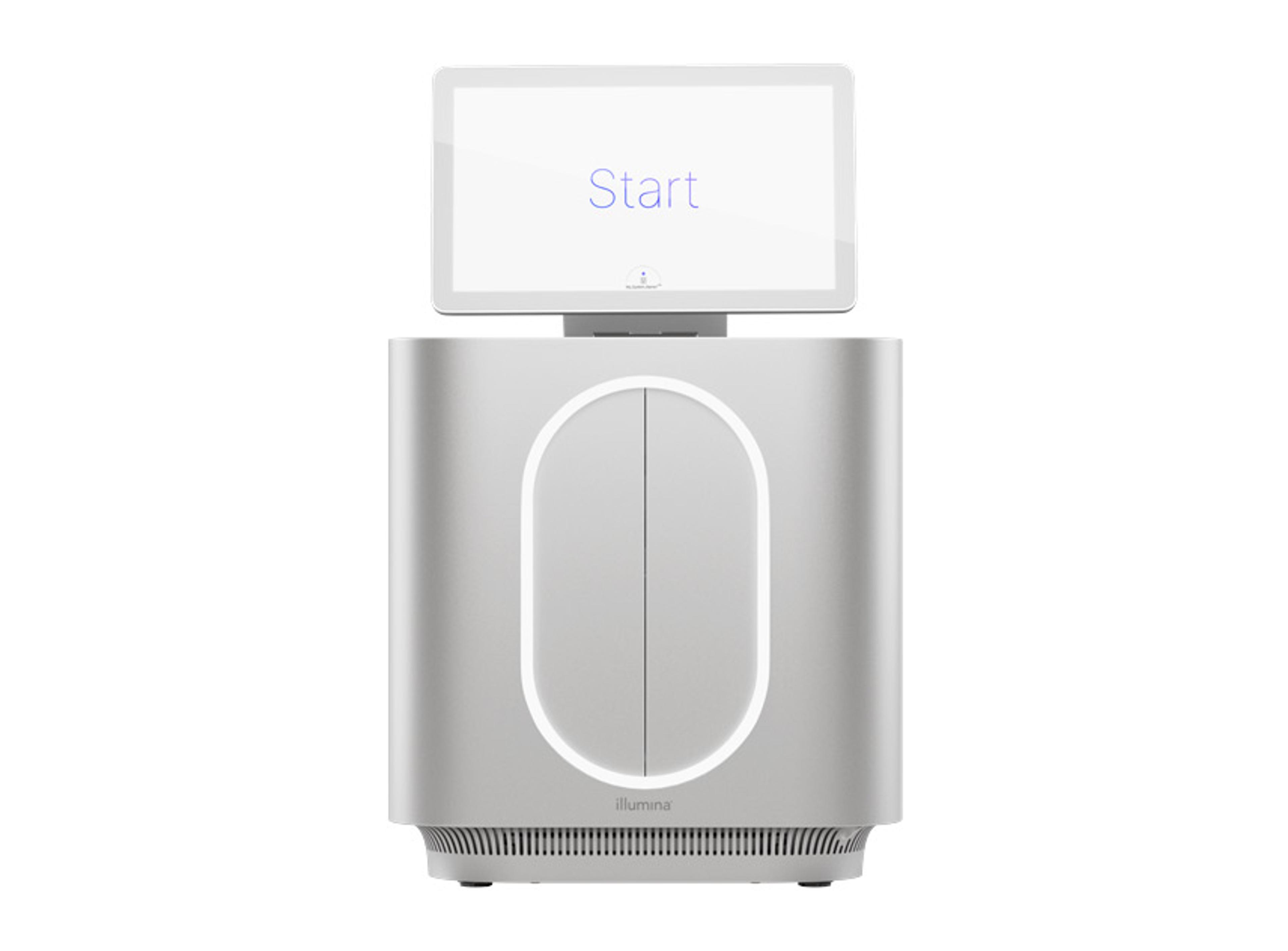
Illumina workflows integrate library prep, sequencing, and data analysis. In this methods guide, learn about solutions for taxonomic profiling of bacterial communities and microbiomes with NGS, and discover how 16S rRNA sequencing can refine your microbial research.