
The P450-Glo CYP2B6 Assay: A Rapid and Selective Assay for Measuring CYP2B6 Induction and Inhibition
23 Apr 2019Promega has developed a luminogenic CYP2B6 assay for biochemical CYP2B6 inhibition and cell-based CYP2B6 induction studies. In this application note, Promega presents the new P450-Glo™ CYP2B6 luminogenic assay characterization and demonstrate its utility for measuring both CYP2B6 inhibition and induction.
Related products
Request Quote for All Products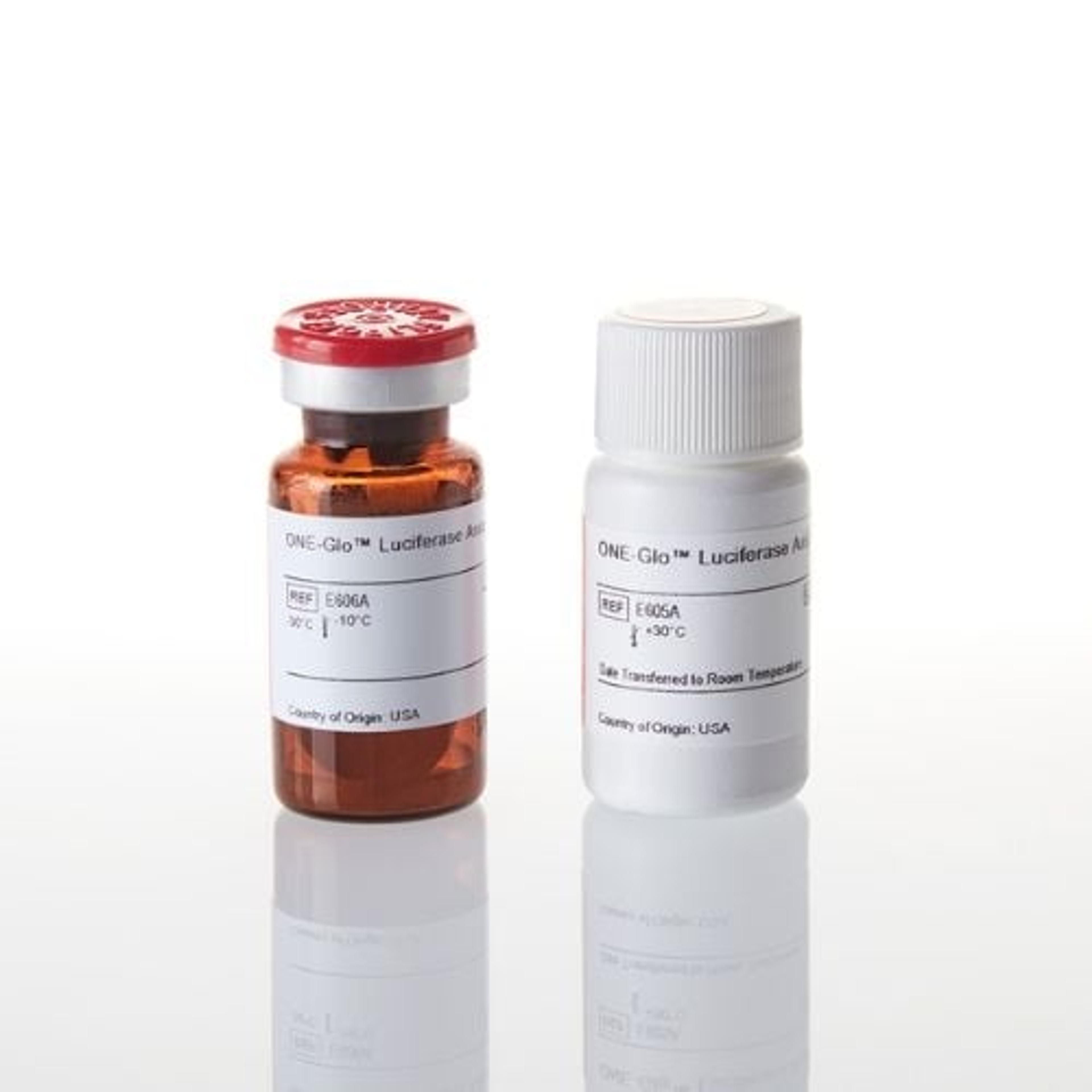
ONE-Glo™ Luciferase Assay System
Promega Corp.The ONE-Glo™ Luciferase Assay System provides a highly sensitive, robust, homogeneous assay for detection of firefly luciferase reporter gene expression in mammalian cells. Ideally suited for high- and ultrahigh-throughput applications, the ONE-Glo™ Assay contains a new luciferase substrate, resulting in a reagent that is more stable, more tolerant to sample components, and has less odor than standard luciferase assay reagents. These features ensure that the ONE-Glo™ Assay provides robust performance and also eliminates many of the handling inconveniences experienced using other reporter assays in a high-throughput setting. Features - Benefits Simplify Your Assay Optimization: The robust performance, reduced odor, improved storage, and larger available sizes make assay optimization even easier and more efficient. Store at Room Temperature or at 4°C: The extended stability of the ONE-Glo™ Reagent at room temperature and 4°C makes it more convenient for everyday use. Improve Assay Precision: Because the ONE-Glo™ Reagent is less sensitive to mixing and dispensing conditions, reproducibility is enhanced. The assay is ideal for use in high-density (384- and 1536-well) microplates. Get a Brighter, Longer-Lasting Signal: Optimized for batch and continuous-process handling, the extended bright light output of the ONE-Glo™ Assay allows high sensitivity, especially when extended incubation is required prior to reading results. Reduce Unwanted Effects from Sample Components: The novel chemistry used in the ONE-Glo™ Assay is less sensitive to culture media, phenol red, and luciferase inhibitors than other luciferase assays.
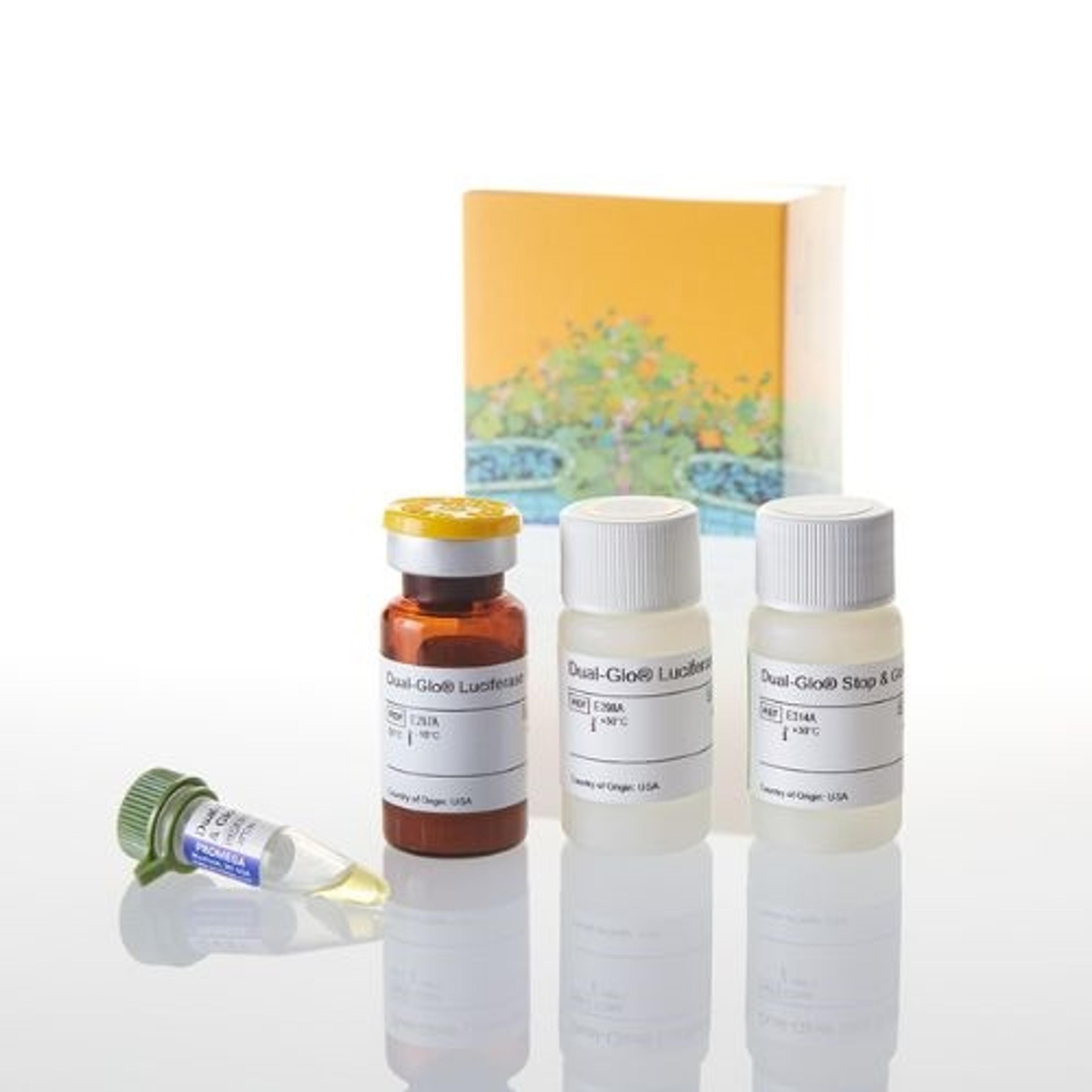
Dual-Glo® Luciferase Assay System
Promega Corp.The Dual-Glo® Luciferase Assay System is a homogeneous reagent system that enables fast and simple quantitation of a stable luminescent signal from two reporter genes in a single sample. This convenient "add-and-read" system generates both firefly and Renilla luciferase luminescence signals from cells that have not been preconditioned or prelysed. With the Dual-Glo® System, internal controls can be established to minimize sample variability by reducing false positive and false negative readings caused by nonspecific factors such as cytotoxicity. In the Dual-Glo® Luciferase Assay, the activity of the primary reporter is correlated with the effect of specific stimuli, and the activity of the co-transfected control reporter provides an internal control to normalize results.
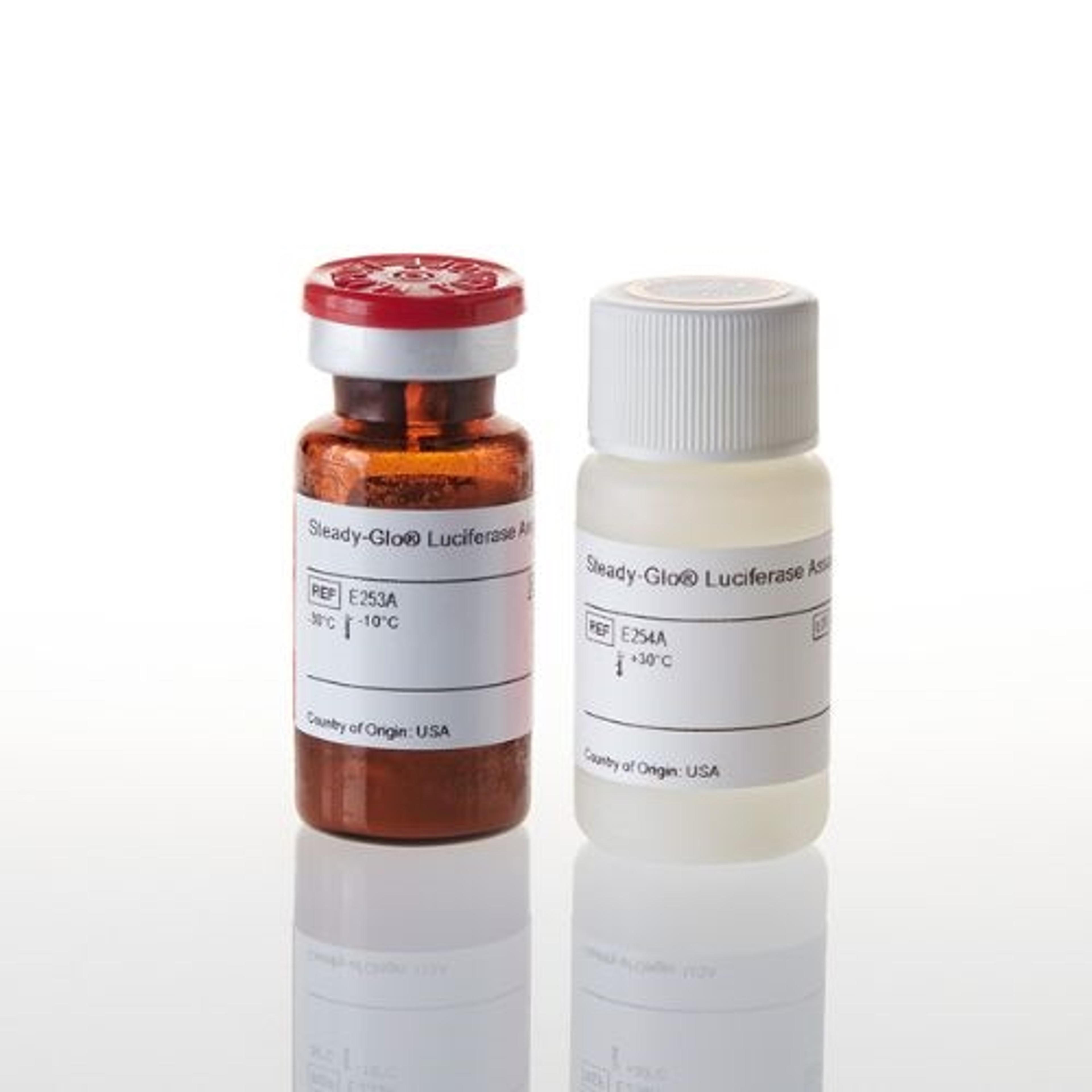
Steady-Glo ® Luciferase Assay System
Promega Corp.High-throughput quantitation of firefly (Photinus pyralis) luciferase expression in mammalian cells is commonly performed by batch processing of 96- and 384-well plates. Steady-Glo® Luciferase Assay System(a,b,c) is designed for this purpose by providing long-lived luminescence when added to cultured cells. The homogeneous assay provides signal half-lives of over 5 hours in commonly used cell culture media without prior sample processing. Throughput rates of several thousand samples per hour may be achieved with high reproducibility under standard laboratory conditions.