PFAS food legislation overview

26 Jun 2026

This resource provides a comprehensive overview of global regulations governing per- and polyfluoroalkyl substances (PFAS) in food, beverages, and food-contact materials. Covering legislation and guidance from the European Union, United States, and China, it examines evolving regulatory limits, monitoring requirements, and analytical methods designed to manage PFAS exposure and protect public health.

The publication also explores the analytical challenges associated with PFAS testing and reviews methods including LC/MS/MS, UHPLC/MS/MS, and isotope dilution techniques used to support compliance. In addition, it outlines laboratory workflows and testing solutions that help food manufacturers, suppliers, and contract laboratories meet increasingly stringent food safety requirements.

Resource details:

  • Resource type: Whitepaper
  • Page count: 16
  • Read time: 24 mins

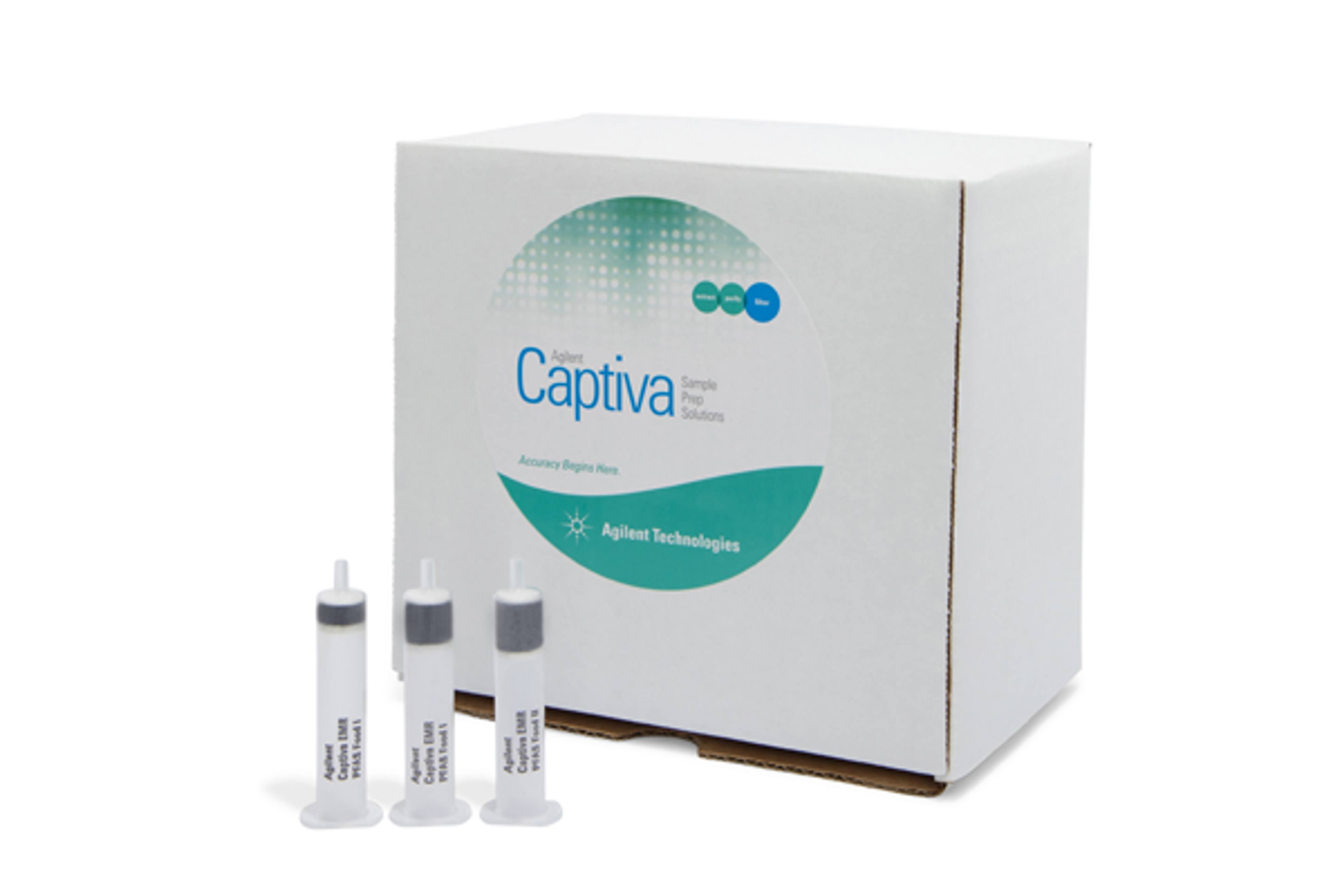
Captiva EMR PFAS Food Cartridges

Agilent Technologies

Captiva EMR PFAS Food cartridges were designed specifically for the analysis of Per- and Polyfluorinated Substances (PFAS) in food. The high matrix removal efficiency of Captiva EMR PFAS Food is ideal for various and complex food matrices. Agilent's legacy award-winning Enhanced Matrix Removal (EMR) passthrough cleanup provides comprehensive chemical filtration.
(0)

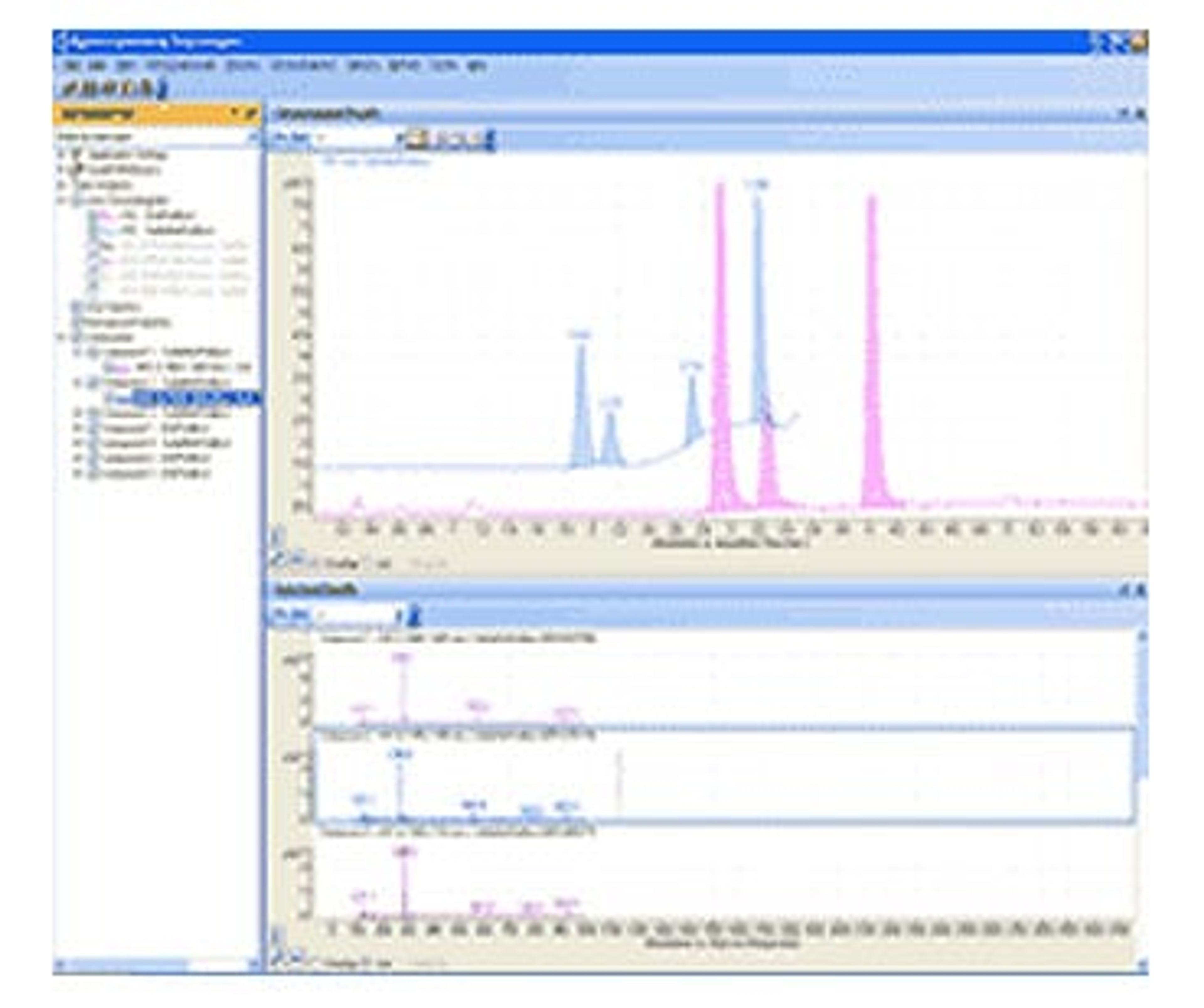
MassHunter Software

Agilent Technologies

The all new Agilent MassHunter Workstation software provides intuitive, yet powerful, instrument control, data acquisition, qualitative and quantitative data analysis, and reporting for Agilent time-of-flight (TOF), quadrupole time-of-flight (Q-TOF), ICP-MS, and triple quadrupole systems. 
(8)

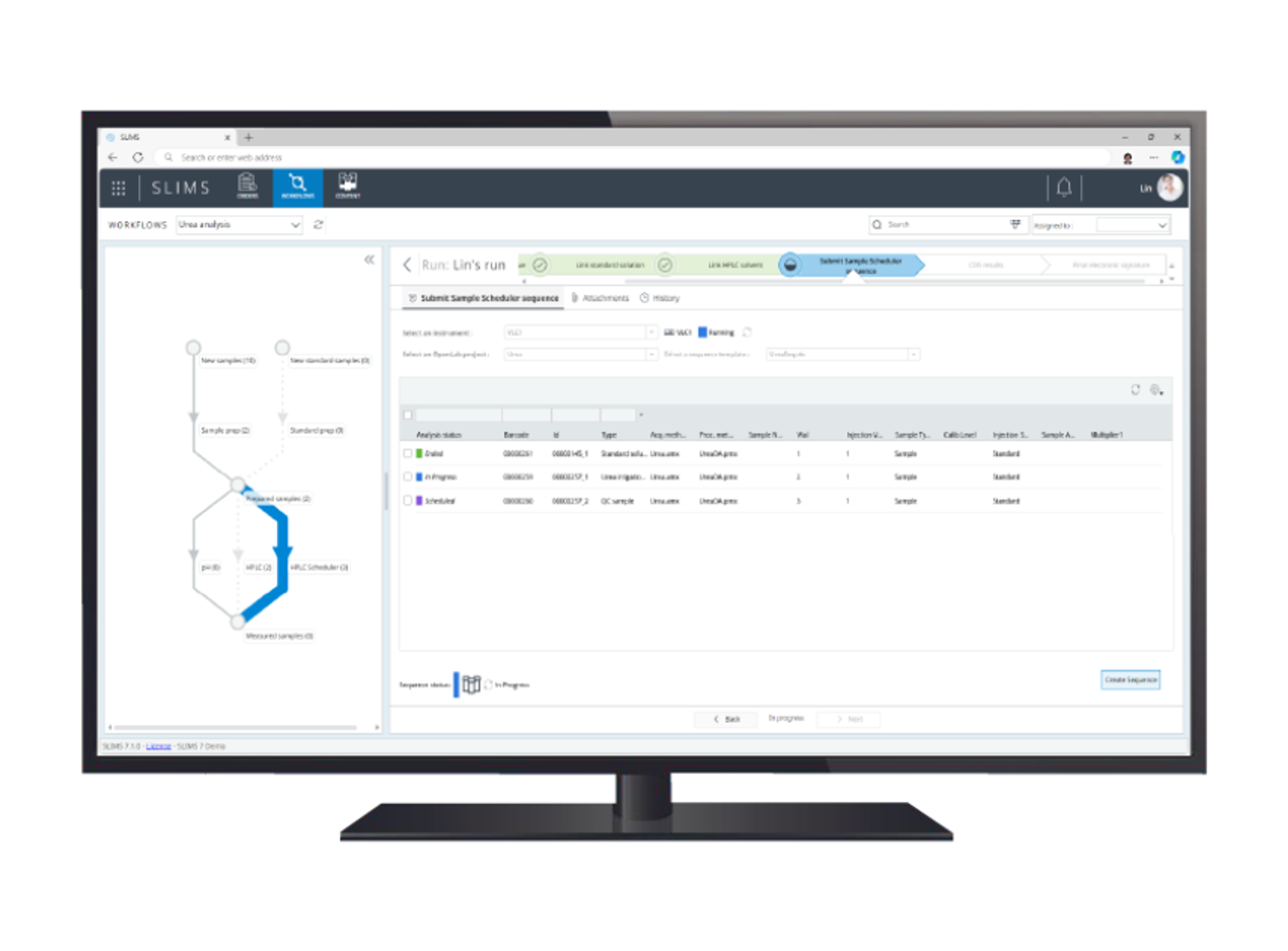
SLIMS Lab Workflow Management Software

Agilent Technologies

From sample receipt to automated result reporting, Agilent SLIMS manages all your samples, experiments, and results. SLIMS combines the best of a laboratory information management system (LIMS) and an electronic laboratory notebook (ELN) to enable end-to-end solutions and manage the full content and context of your laboratory.

(0)

Links

Tags

UHPLC and HPLCHigh performance liquid chromatography (HPLC) and ultra high performance liquid chromatography (UHPLC), also known as UPLC, are analytical techniques used to separate, identify and quantitate components of complex mixtures including biological samples such as proteins and lipids as well as chemical mixtures of pesticides, drugs and oils. Both techniques are liquid chromatographic methods but differ by operating pressures (HPLC < 6000 psi < UHPLC ). Components of HPLC and UHPLC systems include columns, detectors, pumps, autosamplers and column heaters. Explore a range of UHPLC and HPLC columns for your specific sample needs including reverse phase, normal phase, ion exchange, HILIC, ion exclusion and size exclusion columns. For more specialized HPLC, explore FPLC, countercurrent LC and simulated moving bed systems. Find the best UHPLC and HPLC equipment in our peer reviewed product directory: compare products, check customer reviews and receive pricing direct from manufacturers.Mass SpectrometryMass spectrometry (MS) is a powerful analytical technique used to identify and quantify molecules based on the mass-to-charge ratio of gas-phase ions. It provides detailed information about the structure, composition, and properties of compounds and is widely used across fields such as environmental monitoring, materials science, drug discovery and development, food and beverage testing, and wider chemical research. Key MS techniques include tandem mass spectrometry (MS/MS), liquid chromatography–mass spectrometry (LS-MS) and inductively coupled plasma (ICP-MS). Choosing from these wide range of techniques and technologies can be a daunting task, so keep up to date with scientific applications, performance expectations, and customer reviews here all in one place. Visit our product directory to receive quotes direct from the manufacturer. PFASFood SafetyFood safety describes the prevention of food-borne illnesses. Contamination with a variety of pathogens can be prevented with adequate temperature control, hygiene and labeling. Food samples can be tested using GC/MS, HPLC, SPE, and qPCR to ensure their adherence to regulations.