
Improving the corn to ethanol fermentation process with near-infrared spectroscopy (NIRS)
17 Dec 2021In this white paper, Metrohm describes the capabilities of the modern analytical method near-infrared (NIR) spectroscopy for monitoring and improving the fermentation process of corn to ethanol. Analysis time of in-process fermentation samples is reduced from one hour to five minutes—nearly 90% Additional time savings by close monitoring of the fermentation process with NIRS also allows ethanol producers the ability to increase their manufacturing capacity by up to 10%.
Related products
Request Quote for All Products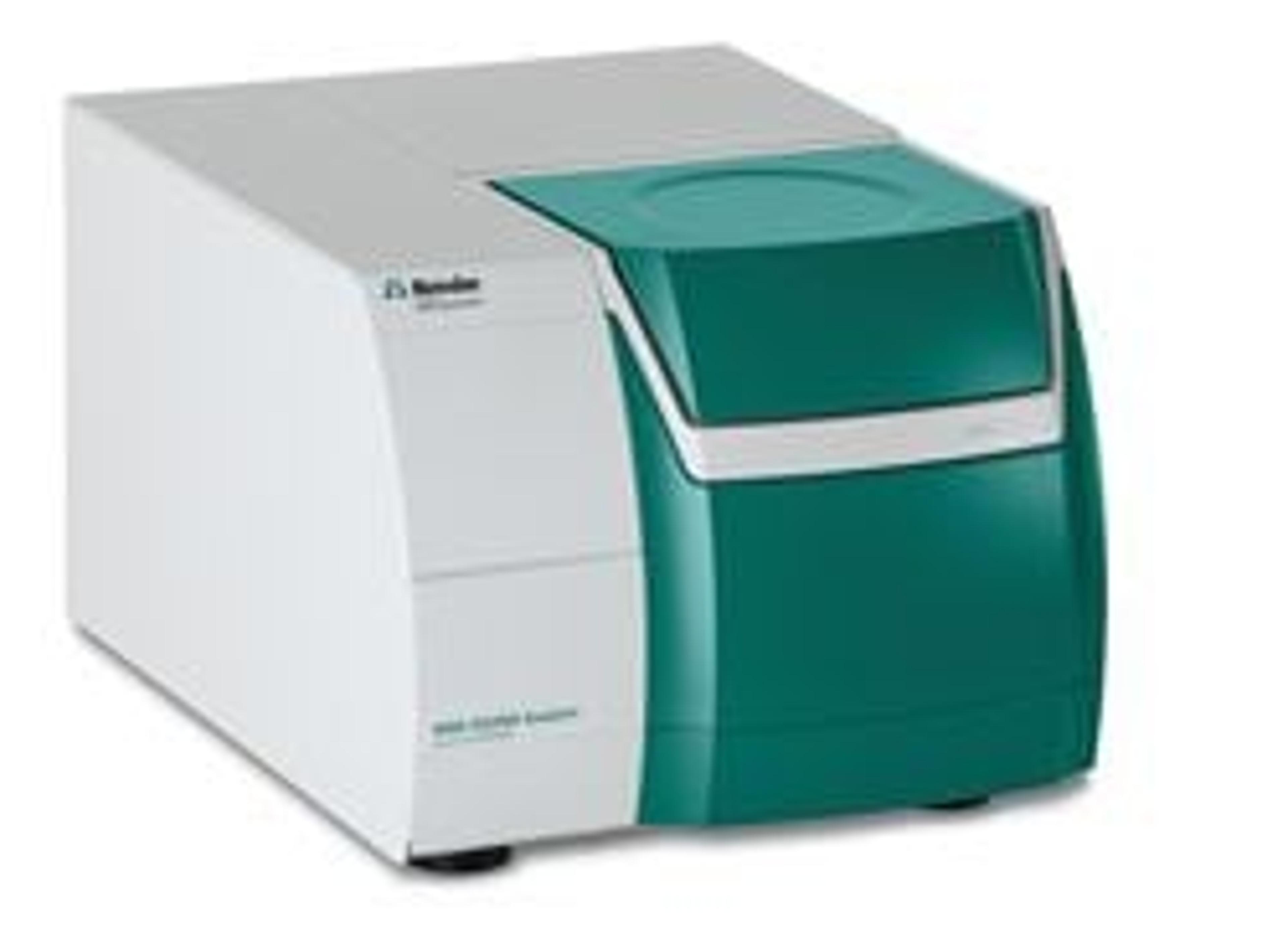
NIRS DS2500 Analyzer
Metrohm AGWith the compact NIRS DS2500, near-infrared analysis has taken yet another step into the future of routine analysis. This dedicated analyzer offers exceptional accuracy across a broad wavelength range of 400 to 2500 nm and is designed for routine analysis along the entire production chain. The predispersive Monochromator technology now being utilized in the NIRS DS2500 guarantees a high degree of versatility and stability across the entire spectral range from 400 to 2500 nm. With the maximum possible signal-noise ratio, the NIRS DS2500 simply performs, in less than one minute, analyses of both sophisticated and low-level parameters that must be very accurate. The NIRS DS2500 was created as a high-performance instrument for harsh production environments. Robust, easy-to-use and IP65 certified, it withstands humidity, dust, vibrations and temperature fluctuations. NIRS DS2500 Analyzer Features: Compact analyzer for reflectance measurements Maximum optical performance across the entire wavelength range (400 - 2500 nm) Matching results, even in difficult environments Network-capable via LAN (local) or direct PC connection New predispersive Monochromator Optional sampling accessories