
A guide to analytical approaches for characterizing antibody conjugates
9 Jun 2026This guidebook explores analytical strategies for characterizing antibody conjugates, including antibody-drug conjugates (ADCs) and antibody oligonucleotide conjugates (AOCs). It highlights key chromatography and mass spectrometry techniques — such as hydrophobic interaction chromatography, size-exclusion chromatography, reversed-phase LC, and peptide mapping — to assess critical quality attributes including drug-to-antibody ratio, aggregation, and conjugation sites. The guide also examines emerging workflows for complex bioconjugates, supporting improved development, quality control, and regulatory readiness in biopharmaceutical research.
Resource details:
- Resource type: Guidebook
- Page count: 12 pages
- Read time: 18 mins
Related products
Request Quote for All Products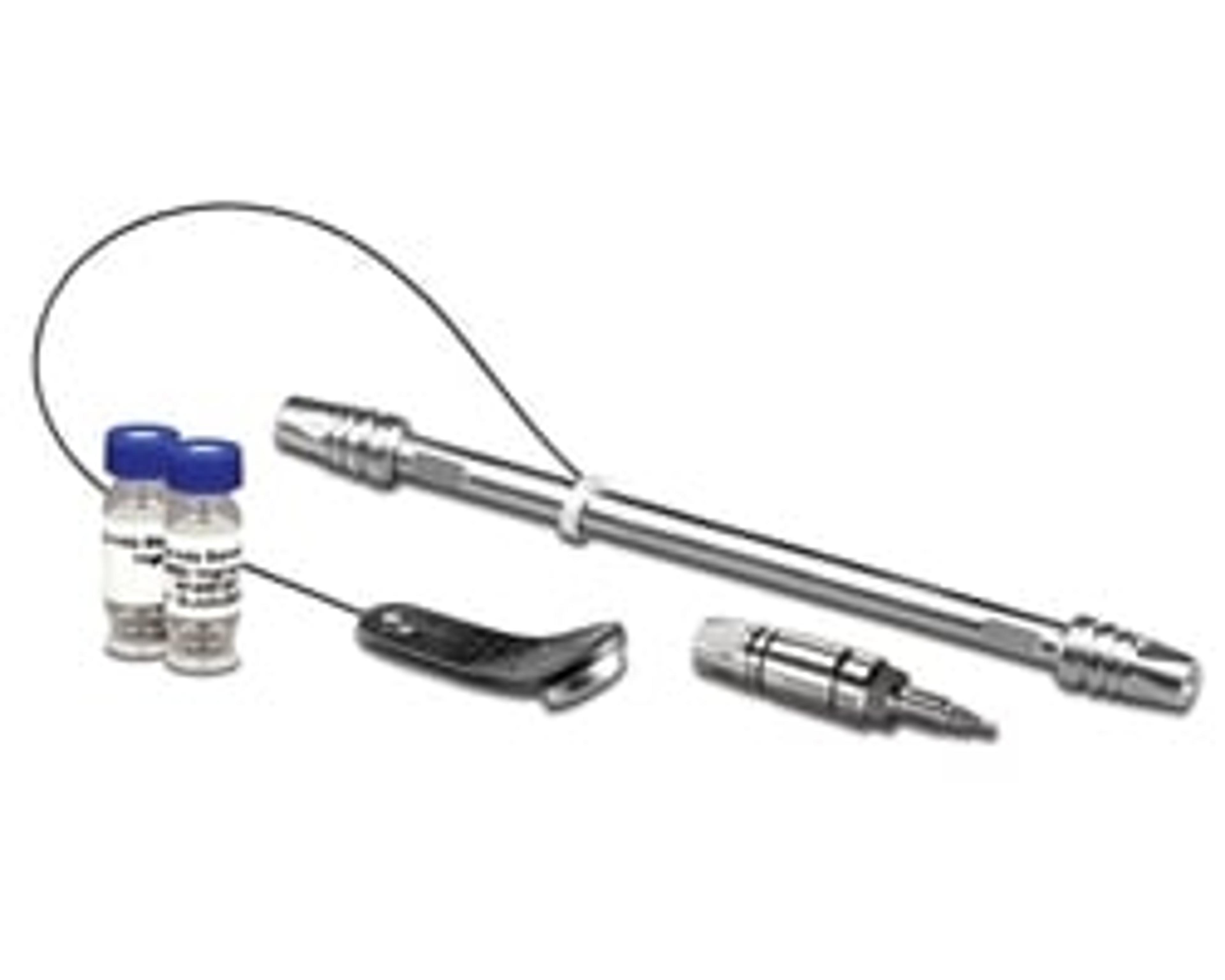
BioResolve Columns
WatersMore than just a column - A solution providing application-focused standards, methods, and exclusive support so you can easily and reliably achieve state-of-the-art separations.
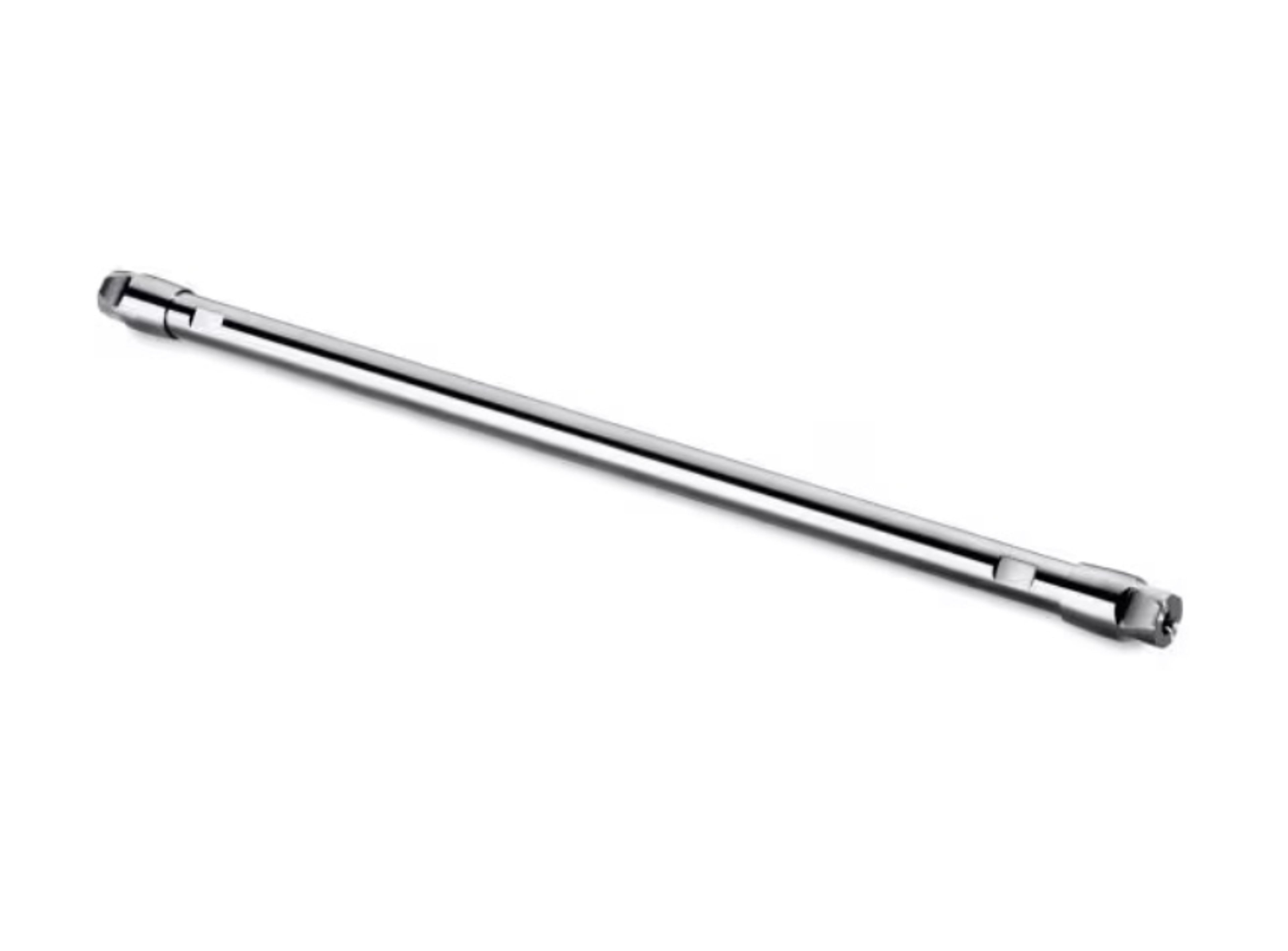
XBridge Premier Protein SEC Column, 250Å, 2.5 µm, 7.8 x 300 mm
Waters | Wyatt TechnologyOptimized for proteins by SEC-MALS.
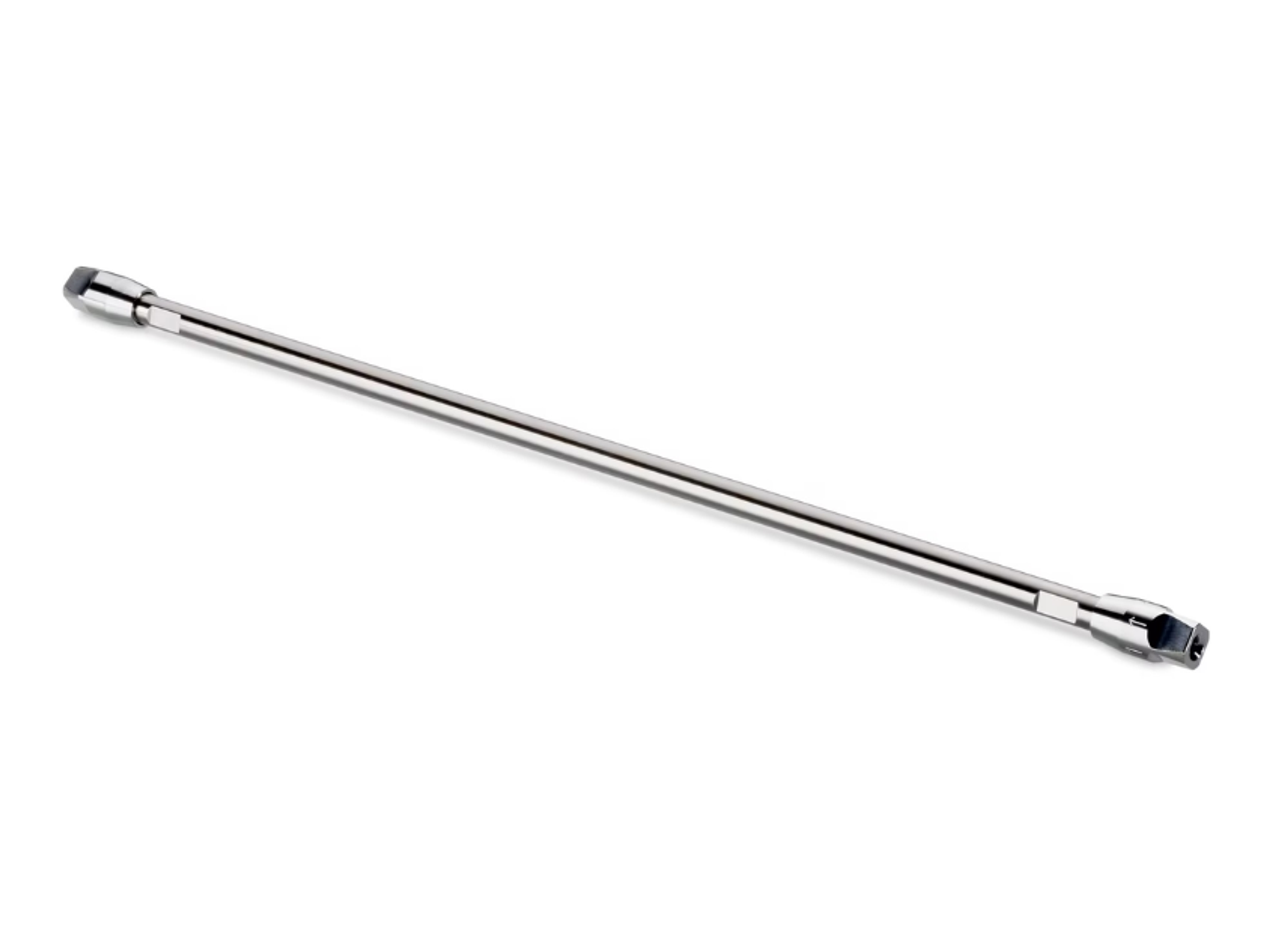
XBridge Premier Protein SEC Column, 250Å, 2.5 µm, 4.6 x 300 mm
Waters | Wyatt TechnologyOptimized for proteins by SEC-MALS. Narrow-bore for ultimate detection sensitivity when used with a low dispersion (U)HPLC system.