JAX® Mice and Services
The Jackson LaboratoryTake advantage of our large inventories of common inbred strains and the convenience of having your breeding and drug efficacy needs met by the leading experts in mouse modeling.
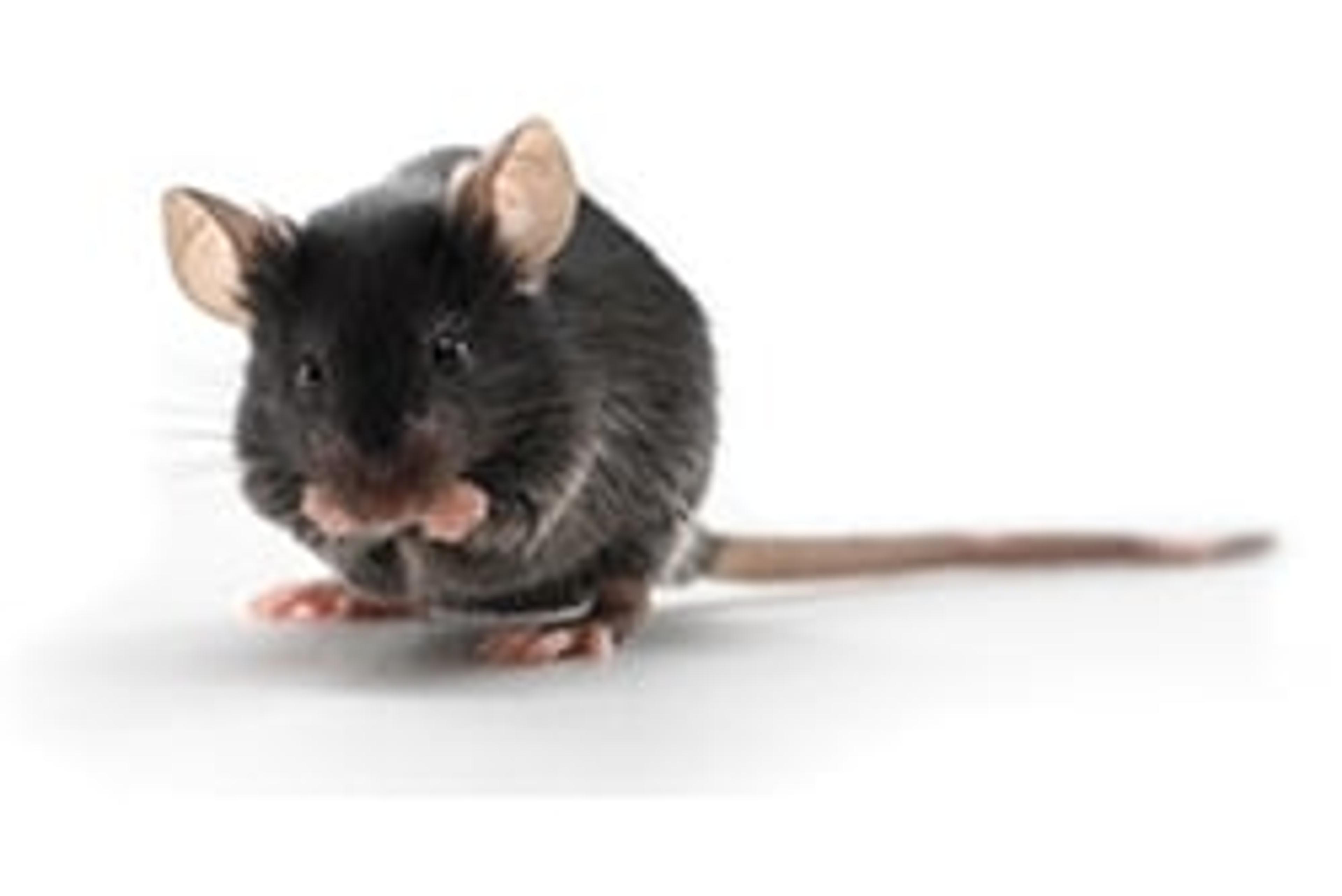
The use of non-human animals in experiments or behavorial observations. The research is conducted inside universities, medical schools, pharmaceutical companies, farms, defence establishments, and commercial facilities that provide animal-testing services to industry. It includes pure research such as genetics, developmental biology, behavioral studies, as well as applied research such as pharmaceutical testing in pre-clinical, before human, studies.
Take advantage of our large inventories of common inbred strains and the convenience of having your breeding and drug efficacy needs met by the leading experts in mouse modeling.
The QPS preclinical Neuropharmacology group covers various validated transgenic and non-transgenic in vivo and in vitro models for neurodegeneration such as Alzheimer’s Disease, Parkinson’s Disease, for rare diseases including Huntington’s Disease and ALS, for lipid storage disease and dyslipidemia, and for diseases like psychosis, anxiety, schizophrenia, or autism.
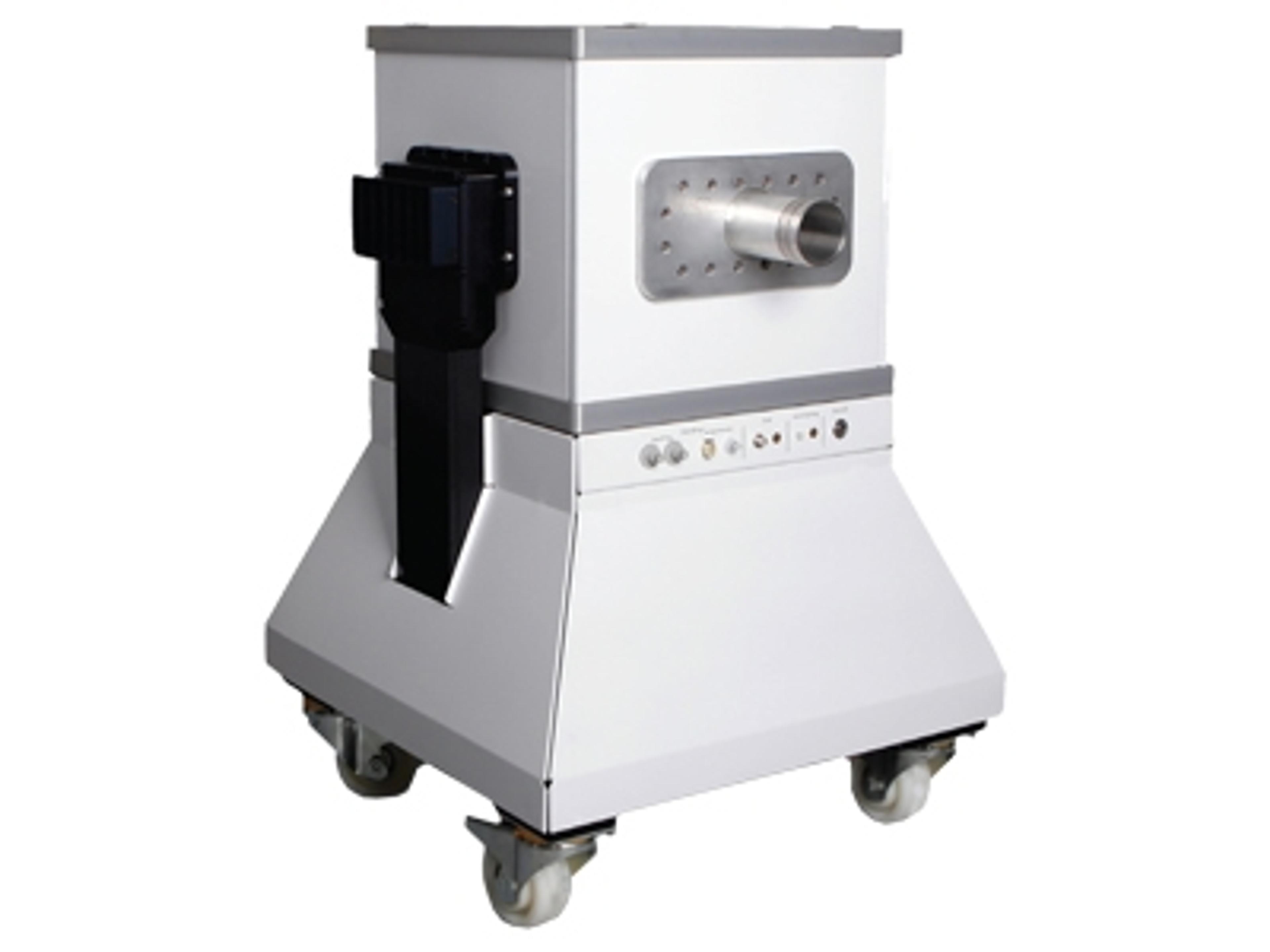
The M-Series™ systems are cryogen/cooling-free, self-shielded, high-performance MRI systems based on permanent magnet technology. The M-Series systems allow preclinical researchers, with or without in-depth knowledge of MR physics, to utilize the gold standard method in soft tissue imaging without the cost, complexity, and technical burden of superconducting MRI systems.
The NEWTON FT-900 is a deeply cooled CCD imager dedicated to SWIR (NIR-I, NIR-II), fluorescence and bioluminescence multi-spectral imaging as it allows for in vivo applications in the visible, near and short-wave infrared spectrum (VIS/ NIR/ NIR-II). Smart and ultra sensitive, it provides non-ionizing and non-invasive visualization of biological processes in real-time.
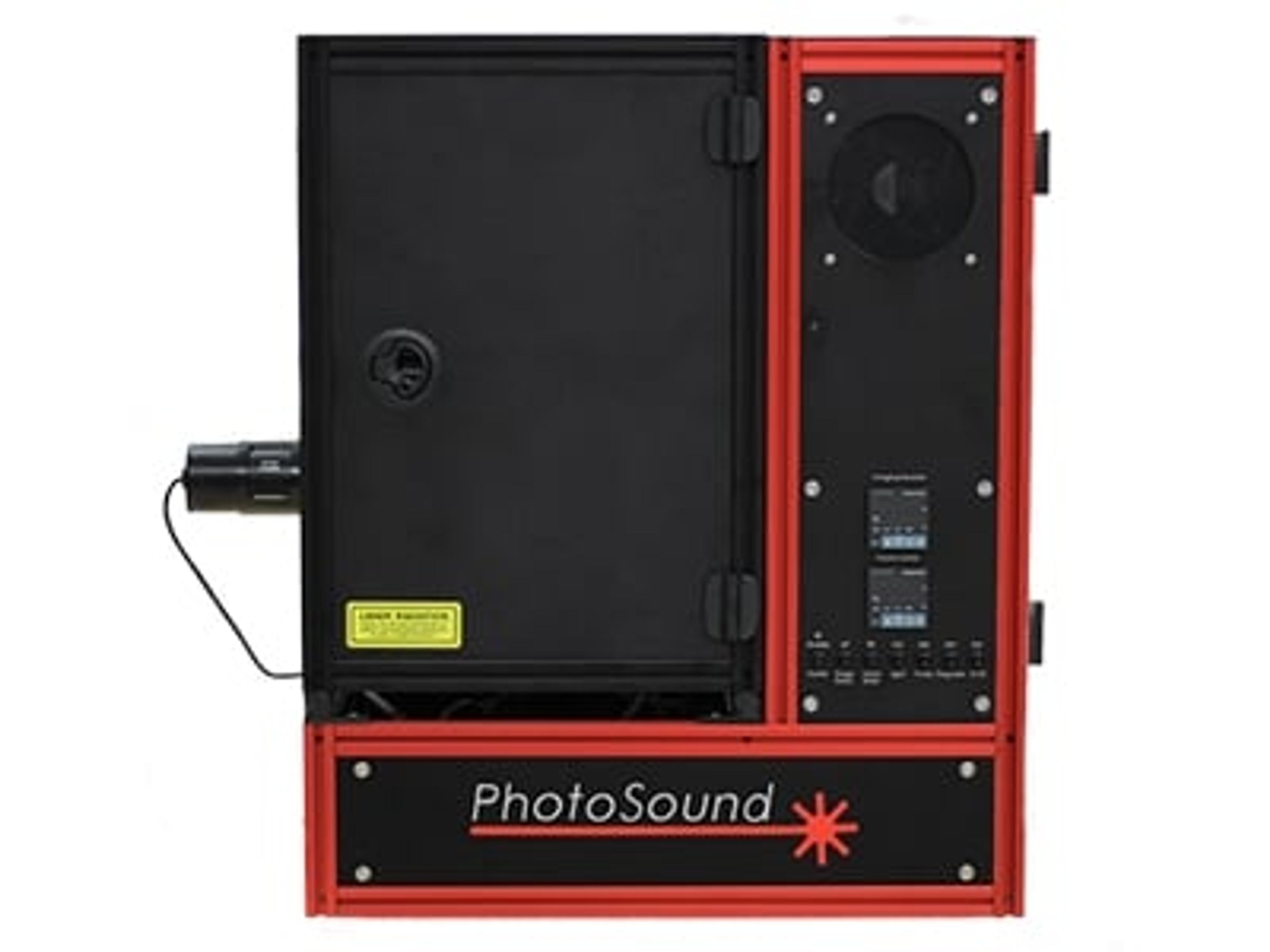
The TriTom imaging platform utilizes photoacoustic and fluorescence tomographies (PAFT) for high-resolution, non-invasive whole-body imaging in small animal models, achieving up to 160 µm resolution. This multi-modality system enables simultaneous acquisition of photoacoustic and fluorescence data in large volumes (> 25 cm3), allowing for spectroscopic molecular analysis.
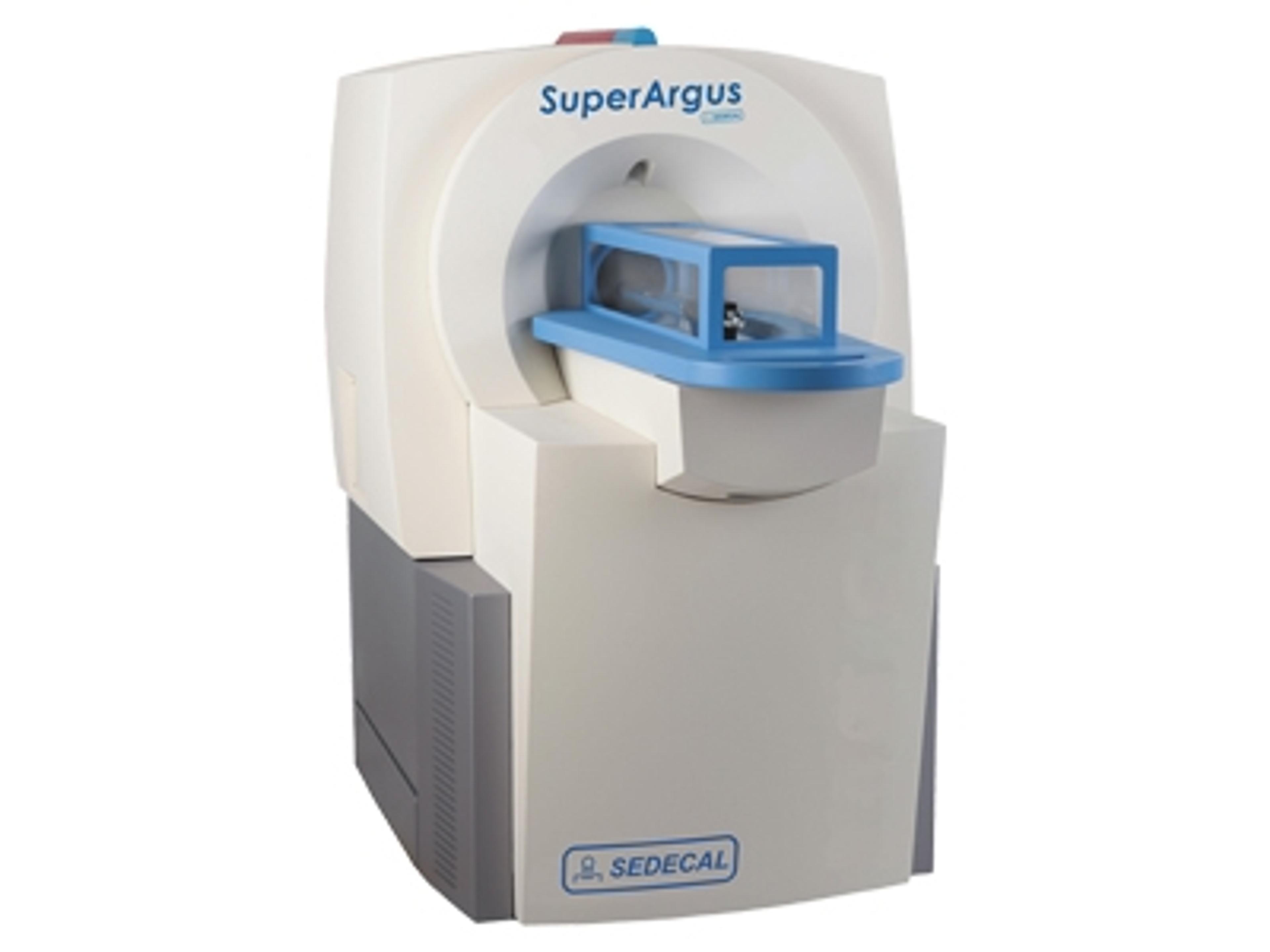
The SuperArgus PET/CT is a high-performance imaging system it can be configured as a combined PET/CT or PET or CT only system, and features state-of-the-art phoswich PET detectors with true depth-of-interaction (tDOI) for resolution uniformity and high sensitivity. The system offers real-time imaging up to 2.5msec frame rate and advanced capabilities like sensorless cardiac gating and conscious/awake imaging.
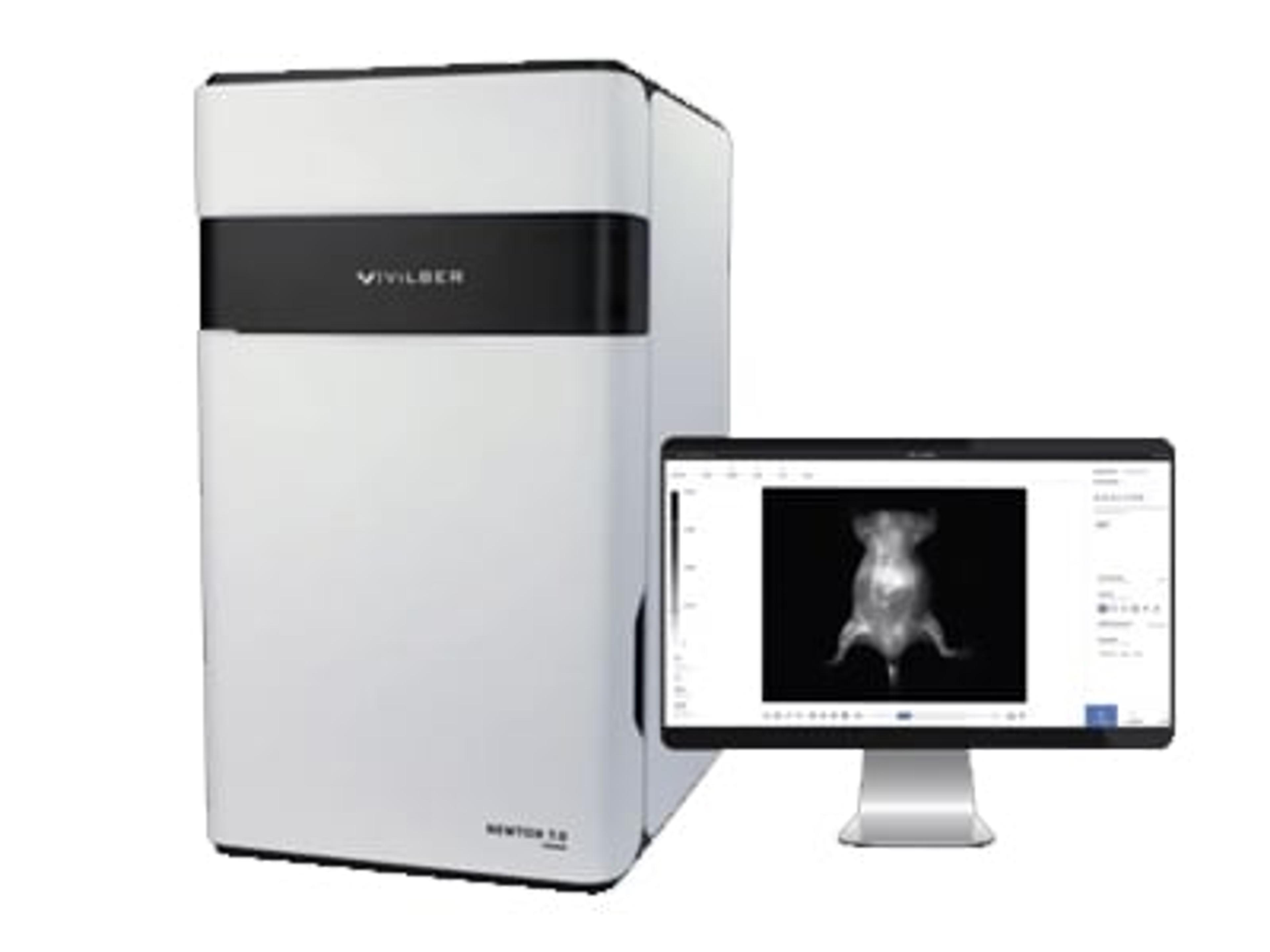
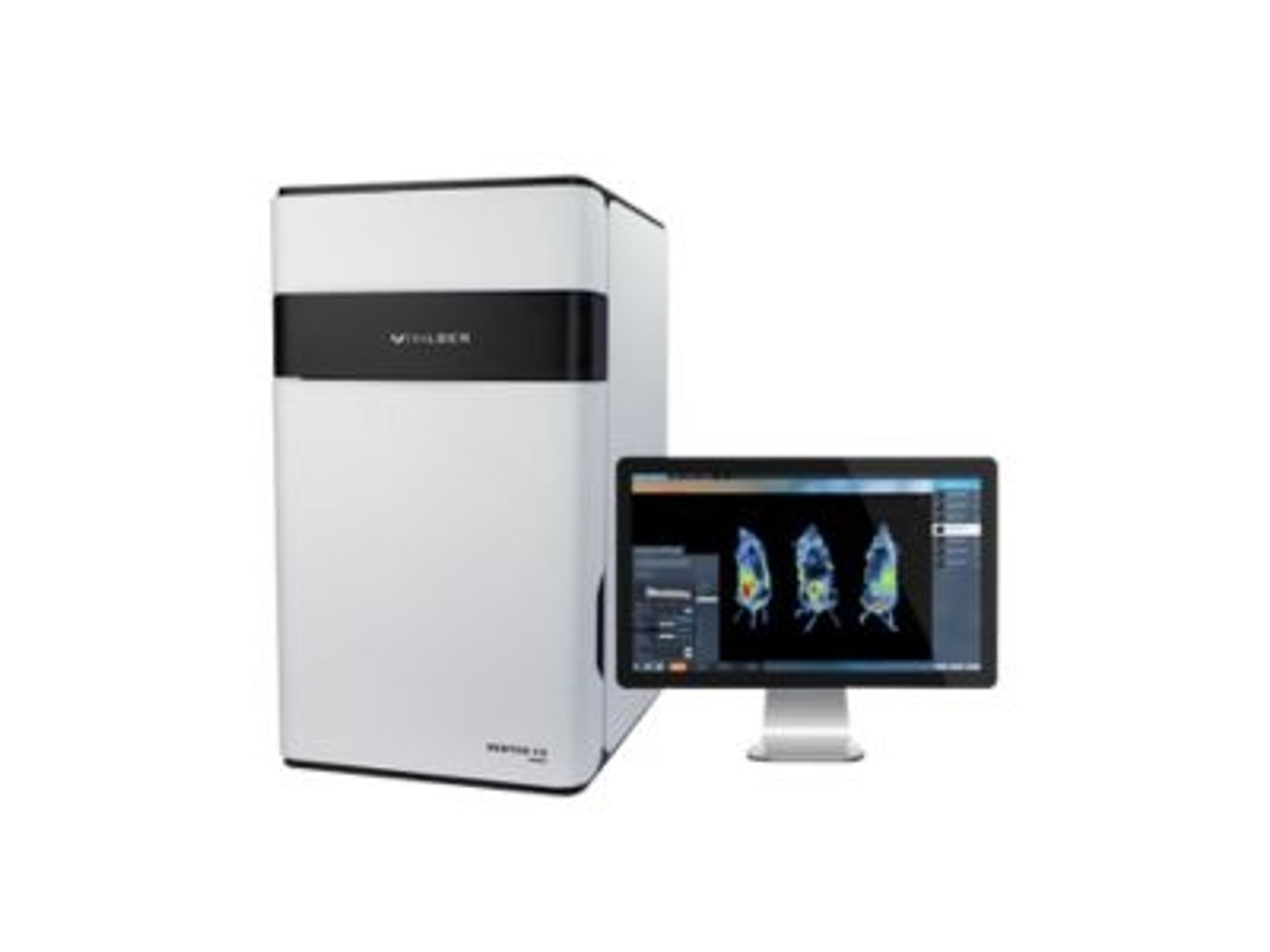
The Newton 7.0 is a cutting-edge optical imaging system that offers the versatility to perform bioluminescence, fluorescence, and 3D tomographic imaging in a single device. Its user-friendly interface and advanced features make it ideal for in vivo, ex vivo, and in vitro imaging applications, as well as simultaneous imaging of multiple specimens.
Developed by C.C. Little in 1921, from a mating of Miss Abby Lathrop’s stock that also gave rise to strains C57BR and C57L. Strains 6 and 10 separated about 1937. To The Jackson Laboratory in 1948 from Hall. To NIH in 1951 from The Jackson Laboratory at F32. To Charles River in 1974 from NIH.Model Properties: Coat Color: Black MHC Haplotype: H2b Ideal For: general multipurpose model, diet-induced obesity, transgenic/knoc…