ADME-Toxicology Products & Reviews
25
Selected Filters:
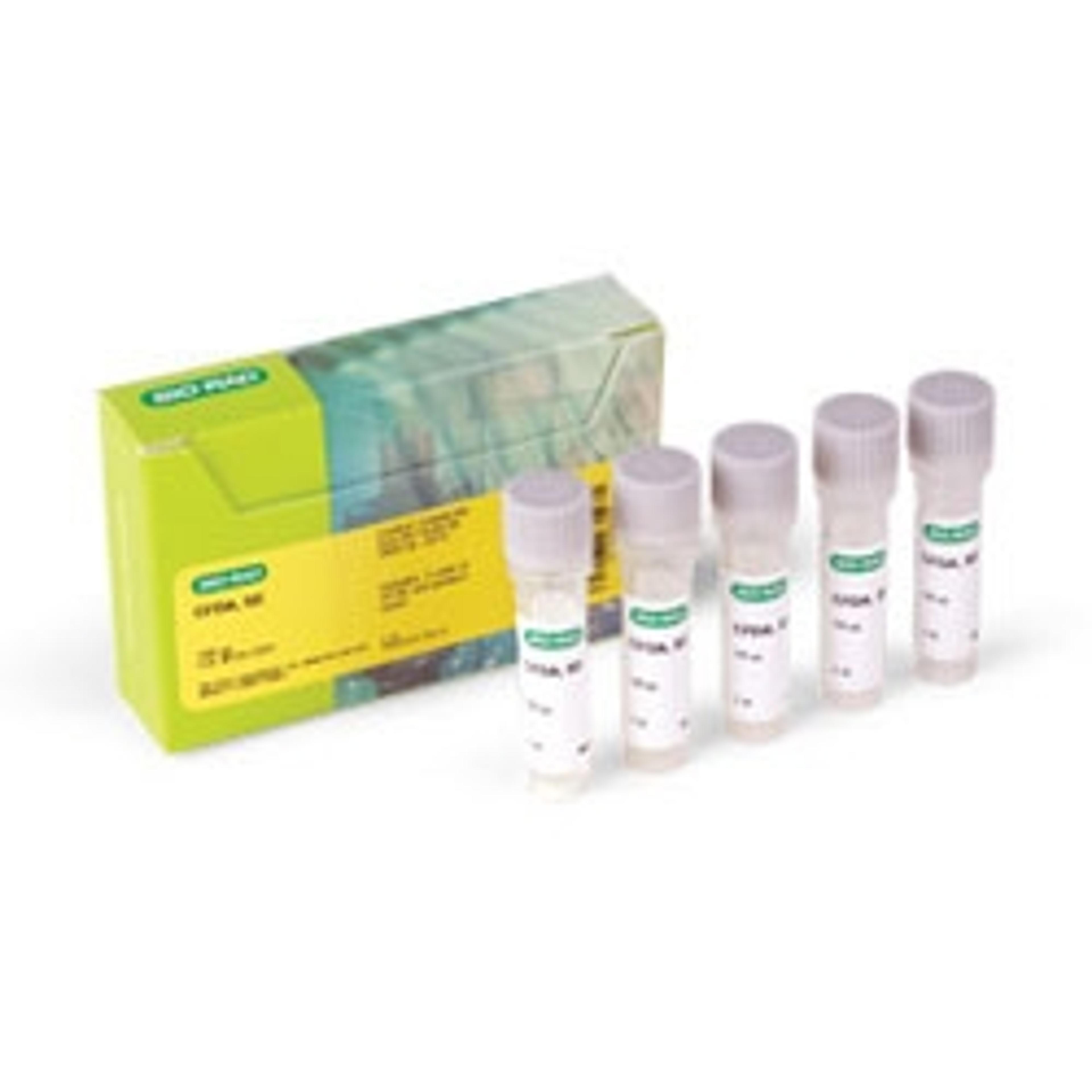
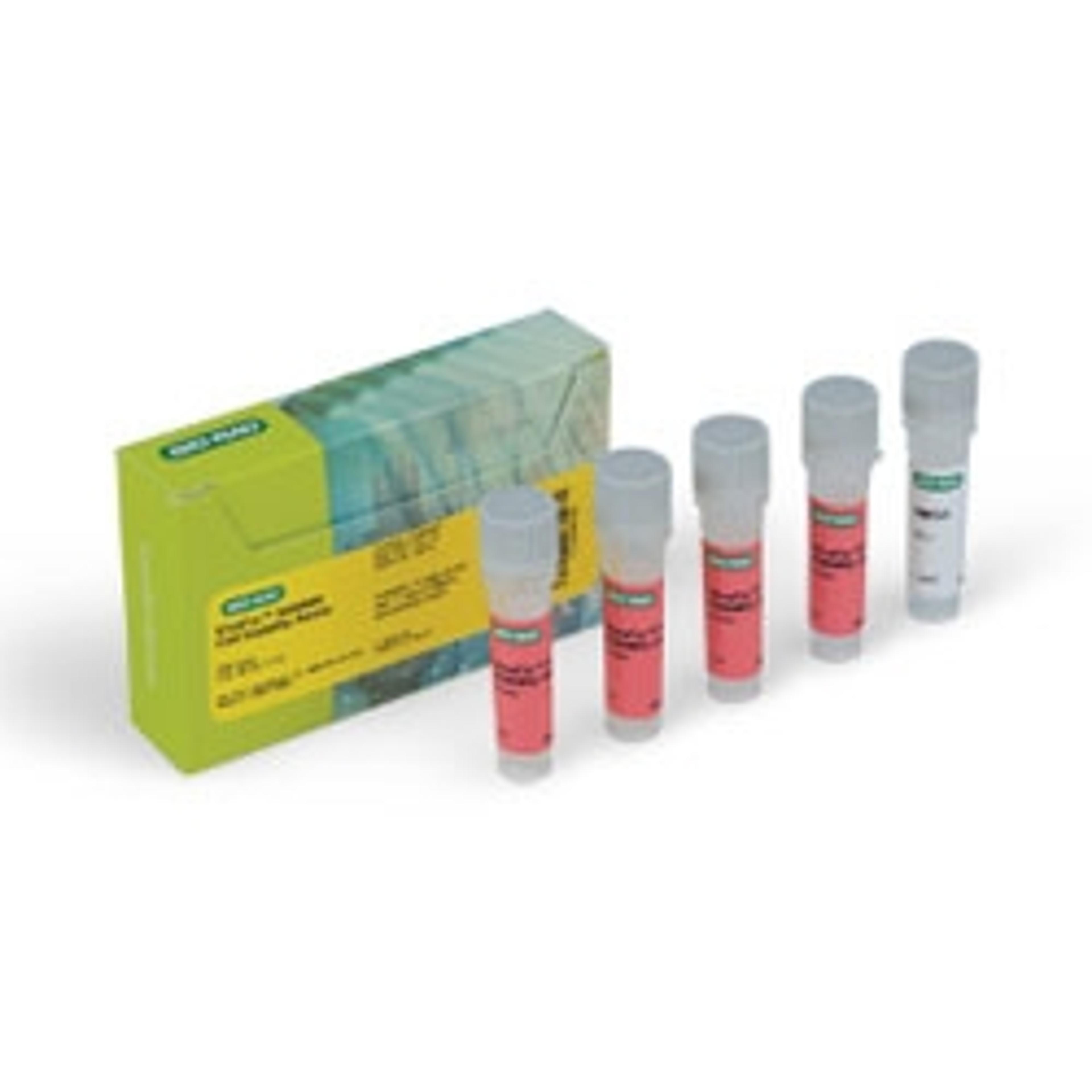
VivaFix™ 649/660 Cell Viability Assay
Bio-RadVivaFix™ Cell Viability Assays enable researchers to accurately discriminate between live and dead cells in fixed or unfixed samples by cell staining prior to flow cytometry, cell sorting and microscopy.
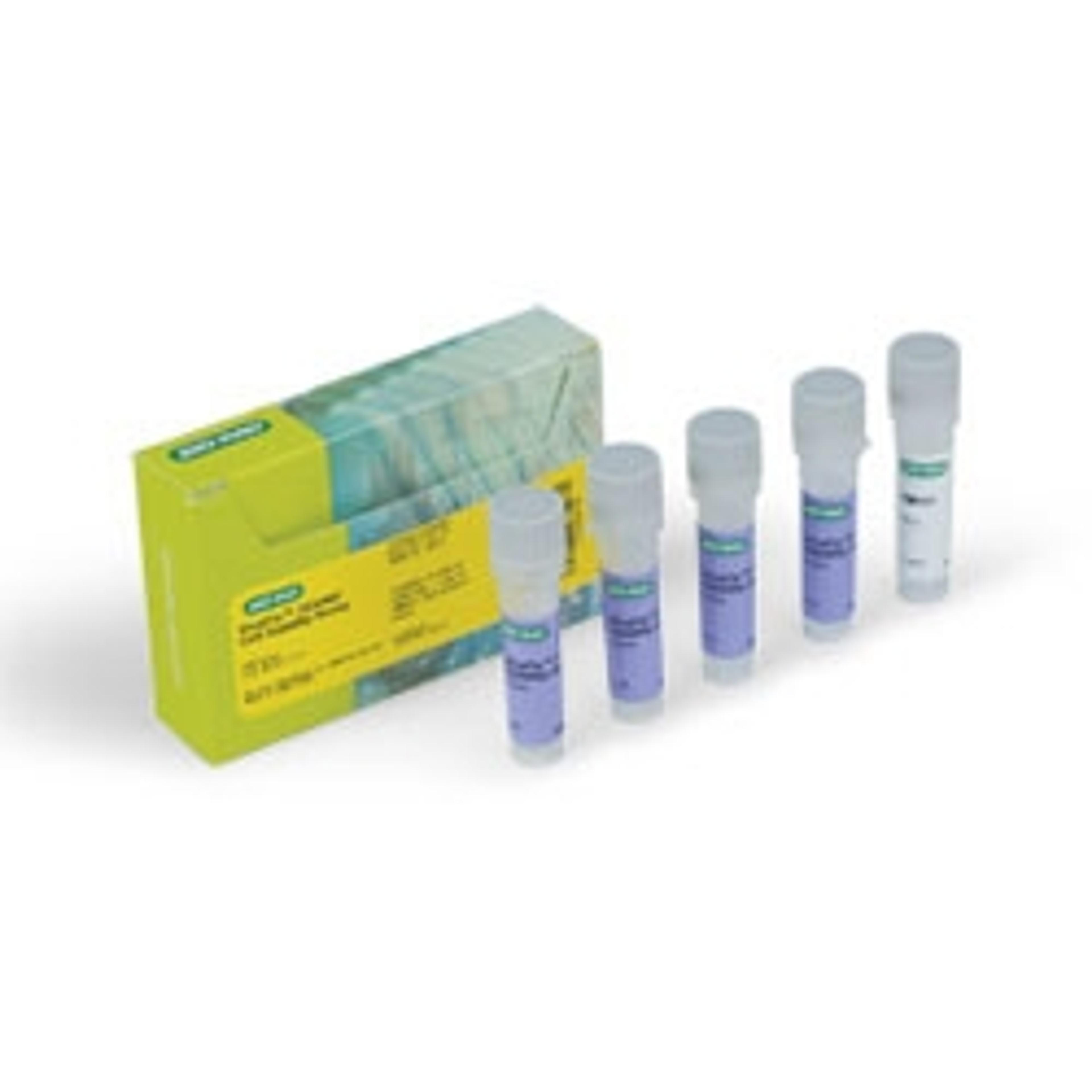
VivaFix™ 353/442 Cell Viability Assay
Bio-RadVivaFix™ Cell Viability Assays enable researchers to accurately discriminate between live and dead cells in fixed or unfixed samples by cell staining prior to flow cytometry, cell sorting and microscopy.
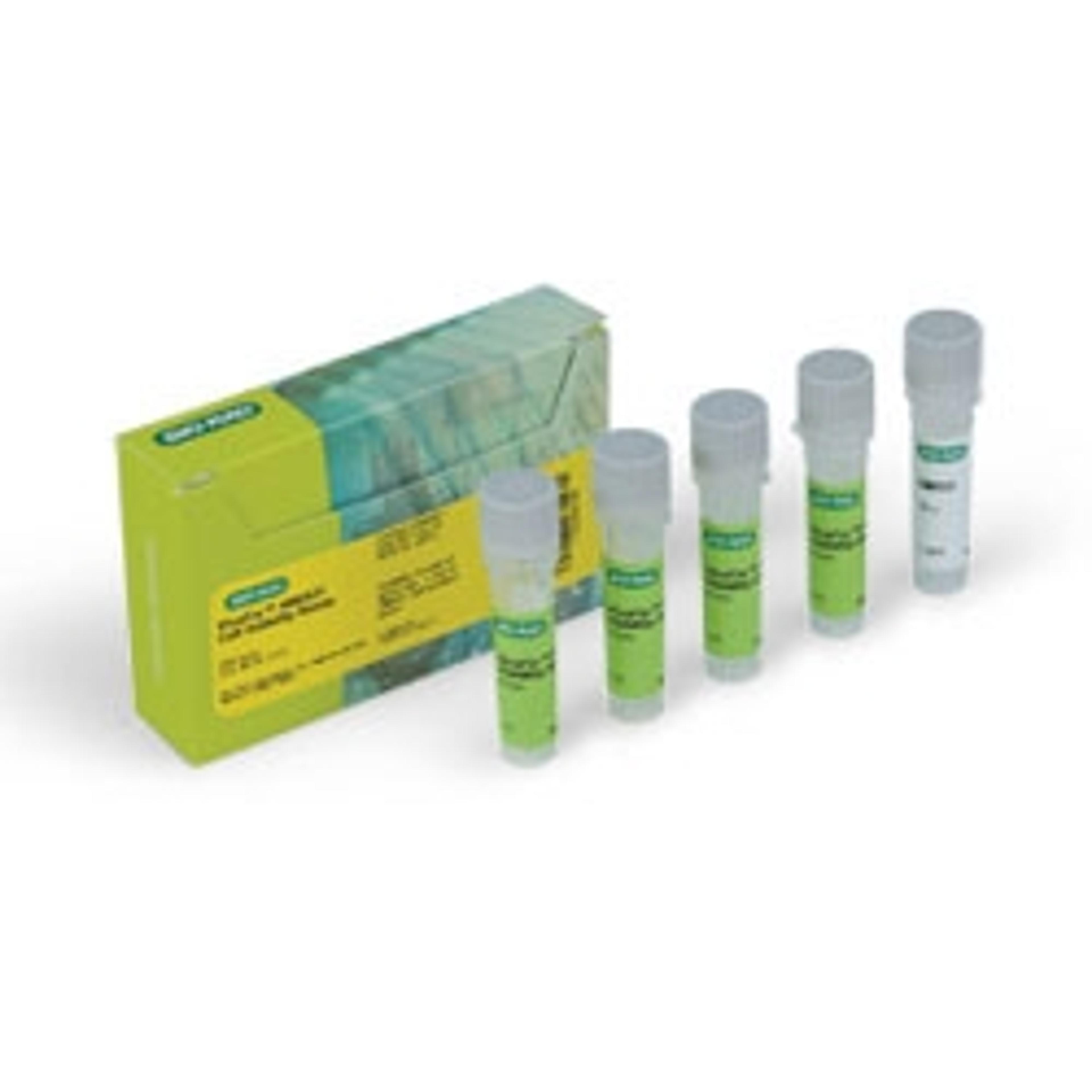
VivaFix™ 498/521 Cell Viability Assay
Bio-RadVivaFix™ Cell Viability Assays enable researchers to accurately discriminate between live and dead cells in fixed or unfixed samples by cell staining prior to flow cytometry, cell sorting and microscopy.
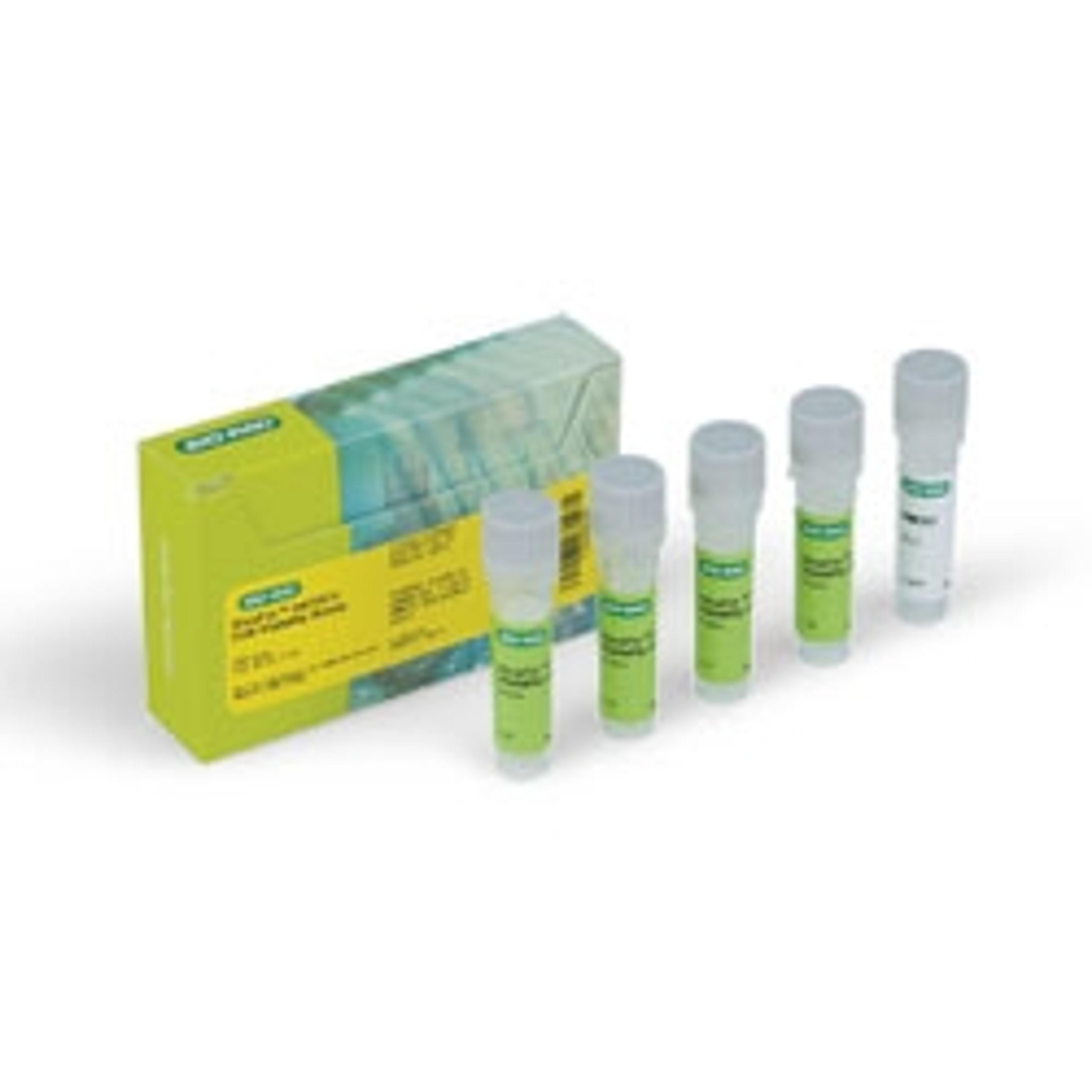
VivaFix™ 547/573 Cell Viability Assay
Bio-RadVivaFix™ Cell Viability Assays enable researchers to accurately discriminate between live and dead cells in fixed or unfixed samples by cell staining prior to flow cytometry, cell sorting and microscopy.
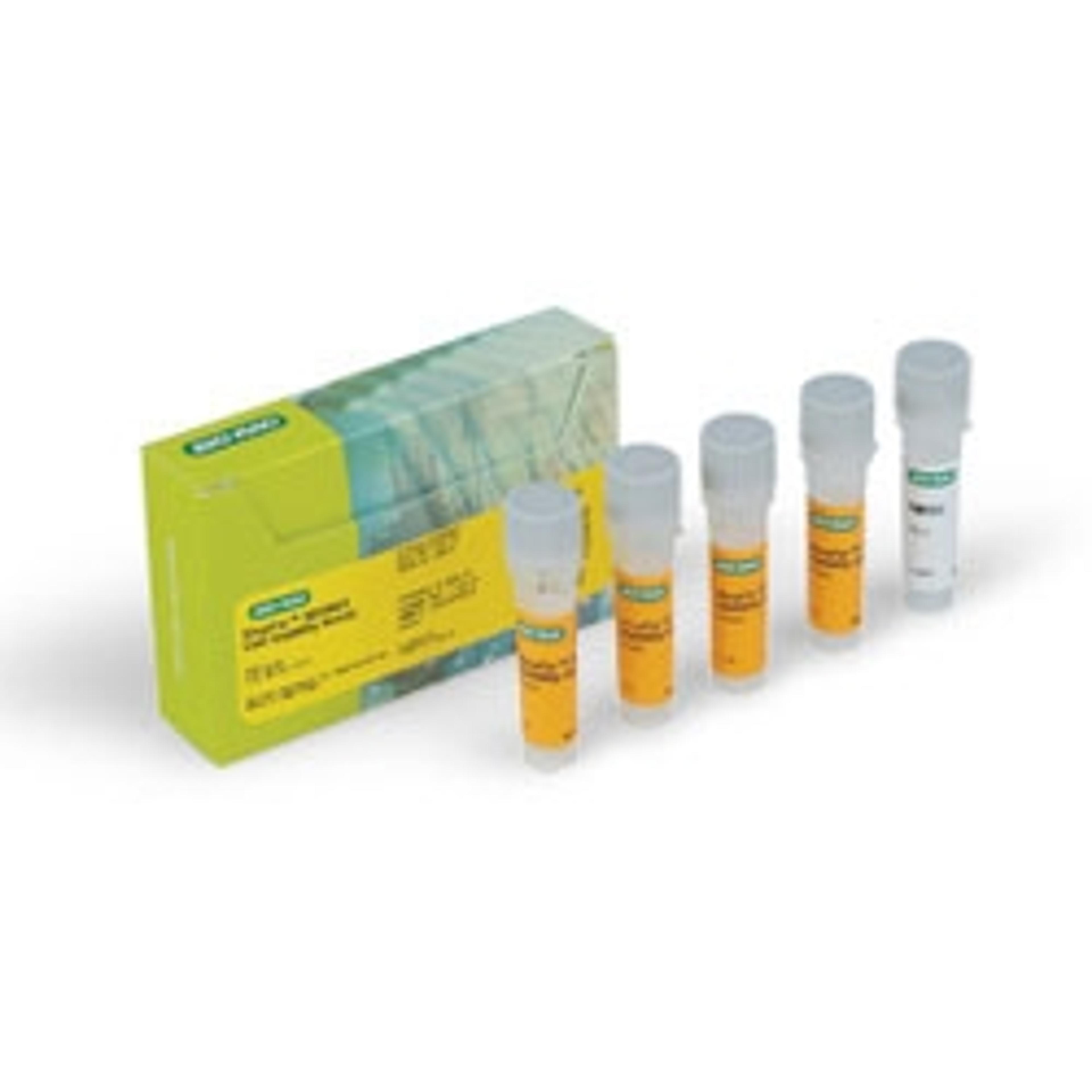
VivaFix™ 583/603 Cell Viability Assay
Bio-RadVivaFix™ Cell Viability Assays enable researchers to accurately discriminate between live and dead cells in fixed or unfixed samples by cell staining prior to flow cytometry, cell sorting and microscopy.
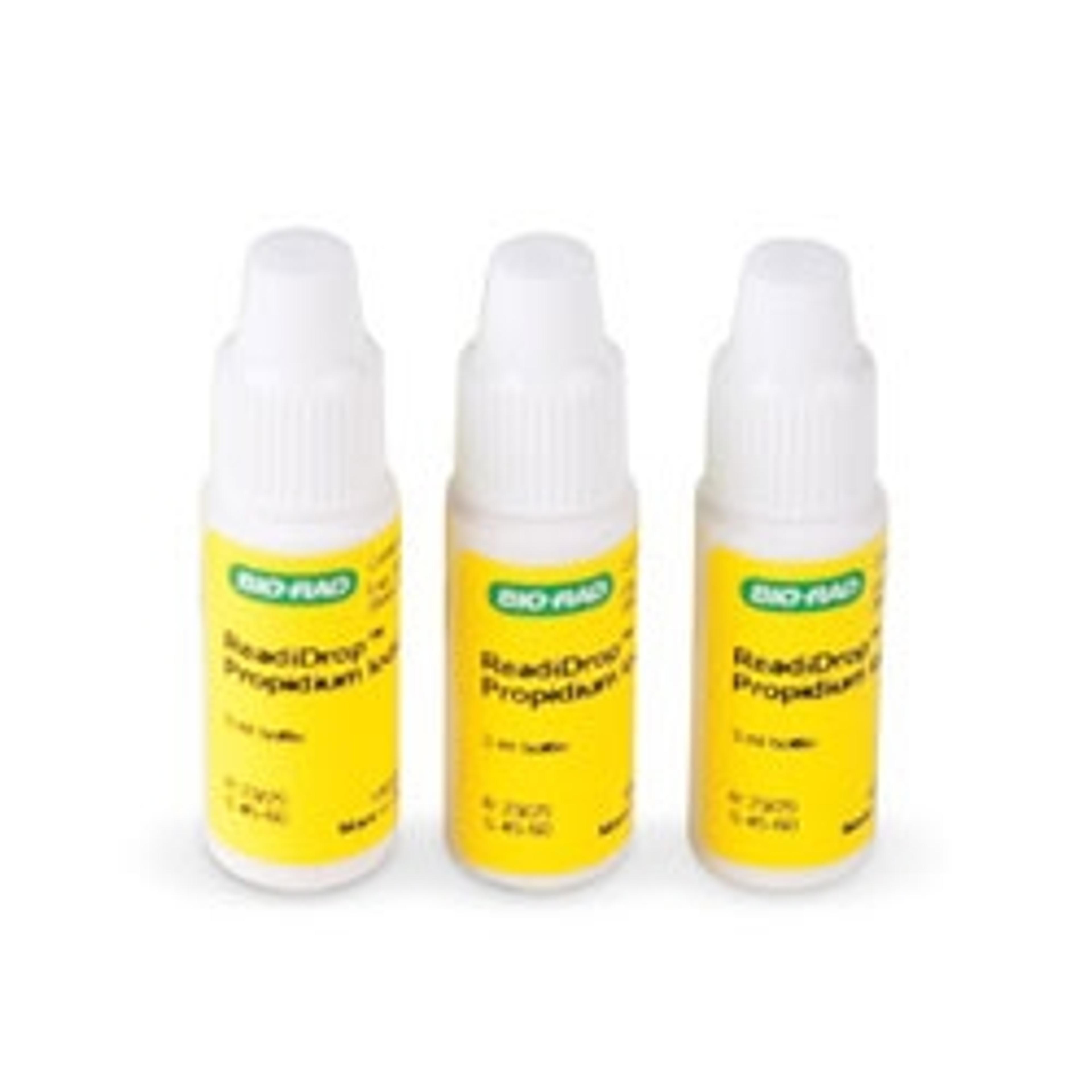
ReadiDrop™ Propidium Iodide
Bio-RadCommonly used in flow cytometry experiments for excluding dead cells, the propidium iodide solution enters a compromised cell and binds to double-stranded DNA/RNA by intercalating between base pairs.
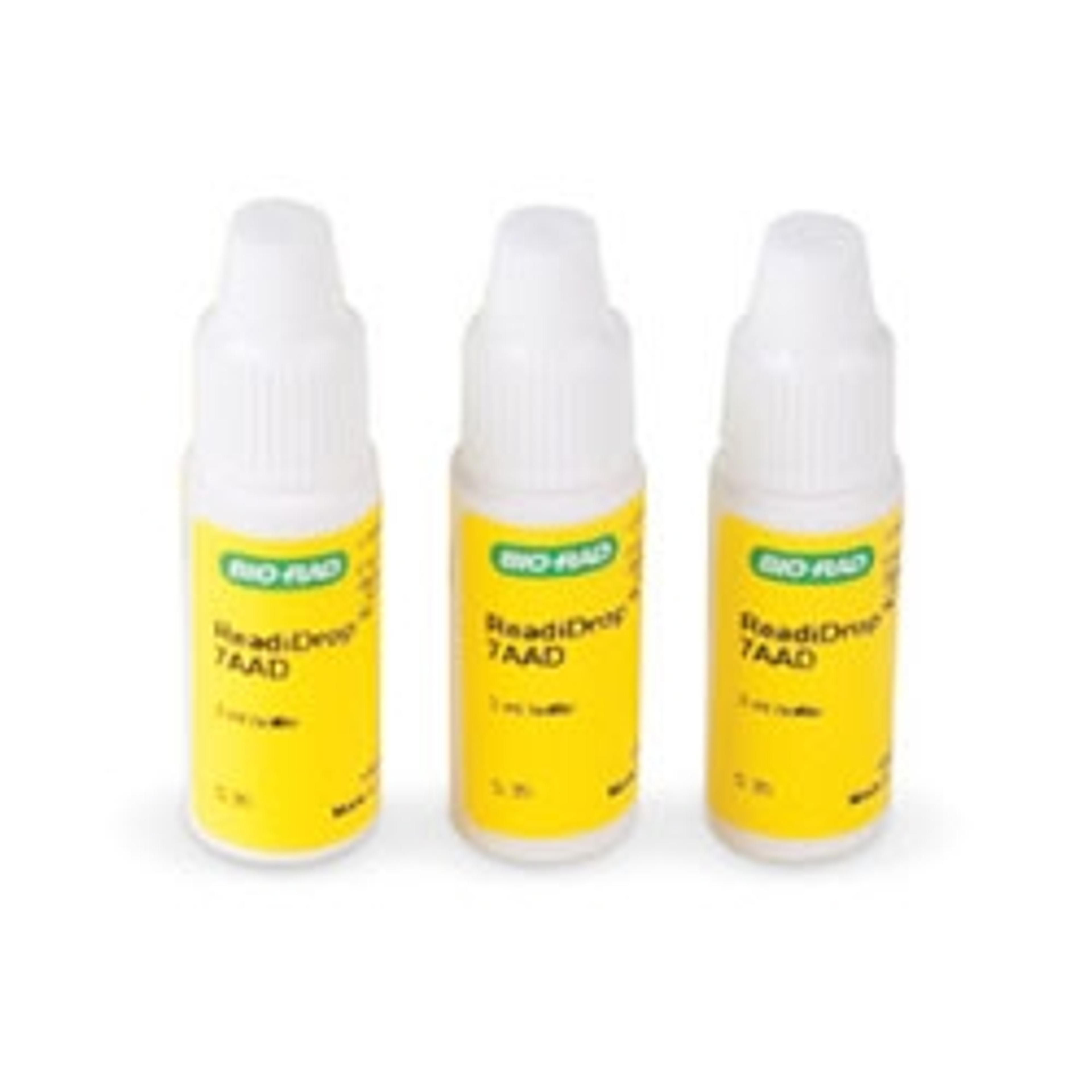
ReadiDrop™ 7-AAD
Bio-RadThe ReadiDrop™ 7-aminoactinomycin D (7-AAD) cell viability assay is designed as a ready-to-use 7-AAD solution, which binds double-stranded DNA with a high-affinity intercalation between GC base pairs.
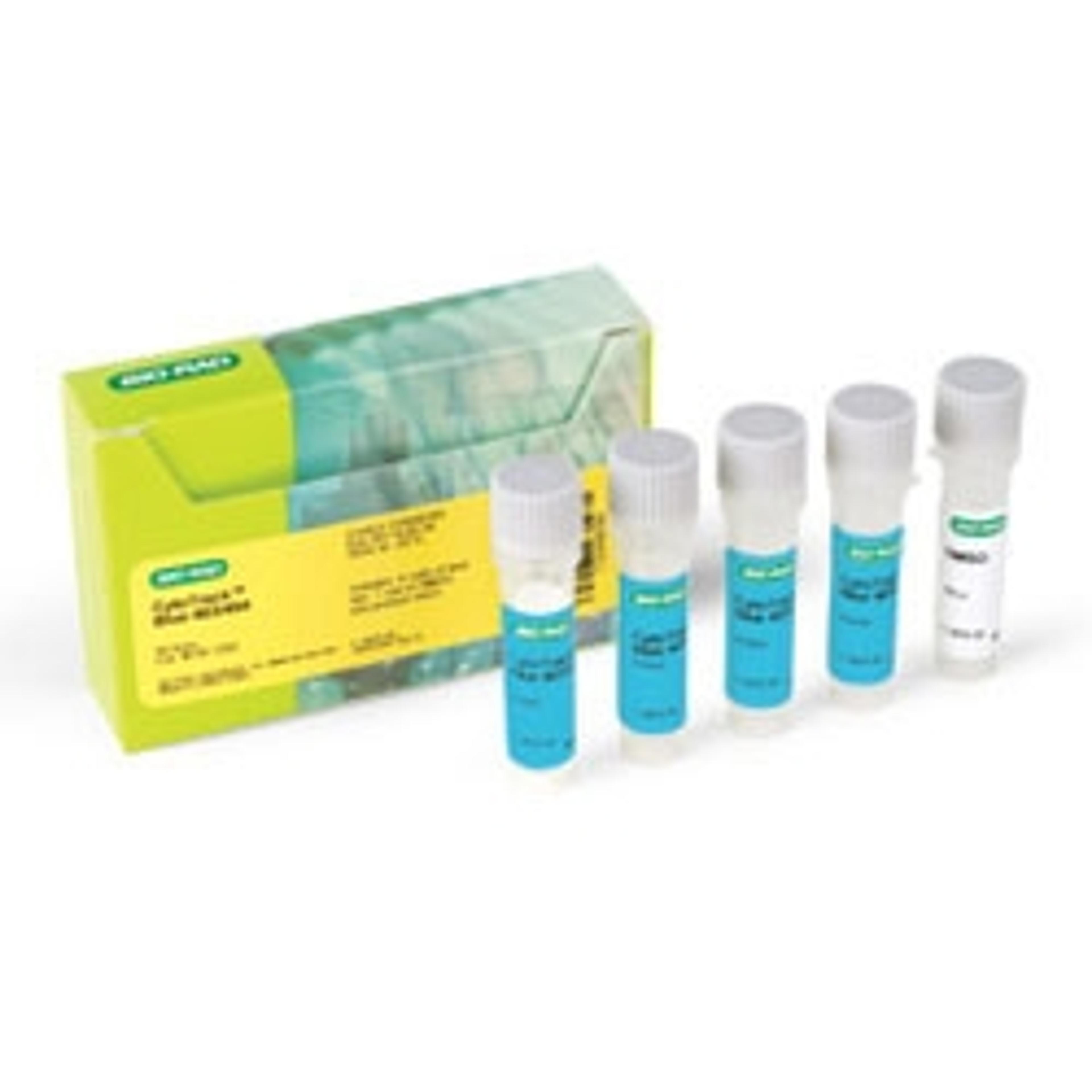
CytoTrack™ Blue 403/454
Bio-RadCytoTrack cell proliferation assays are designed to efficiently stain live cells for excellent resolution of each cell division generation.
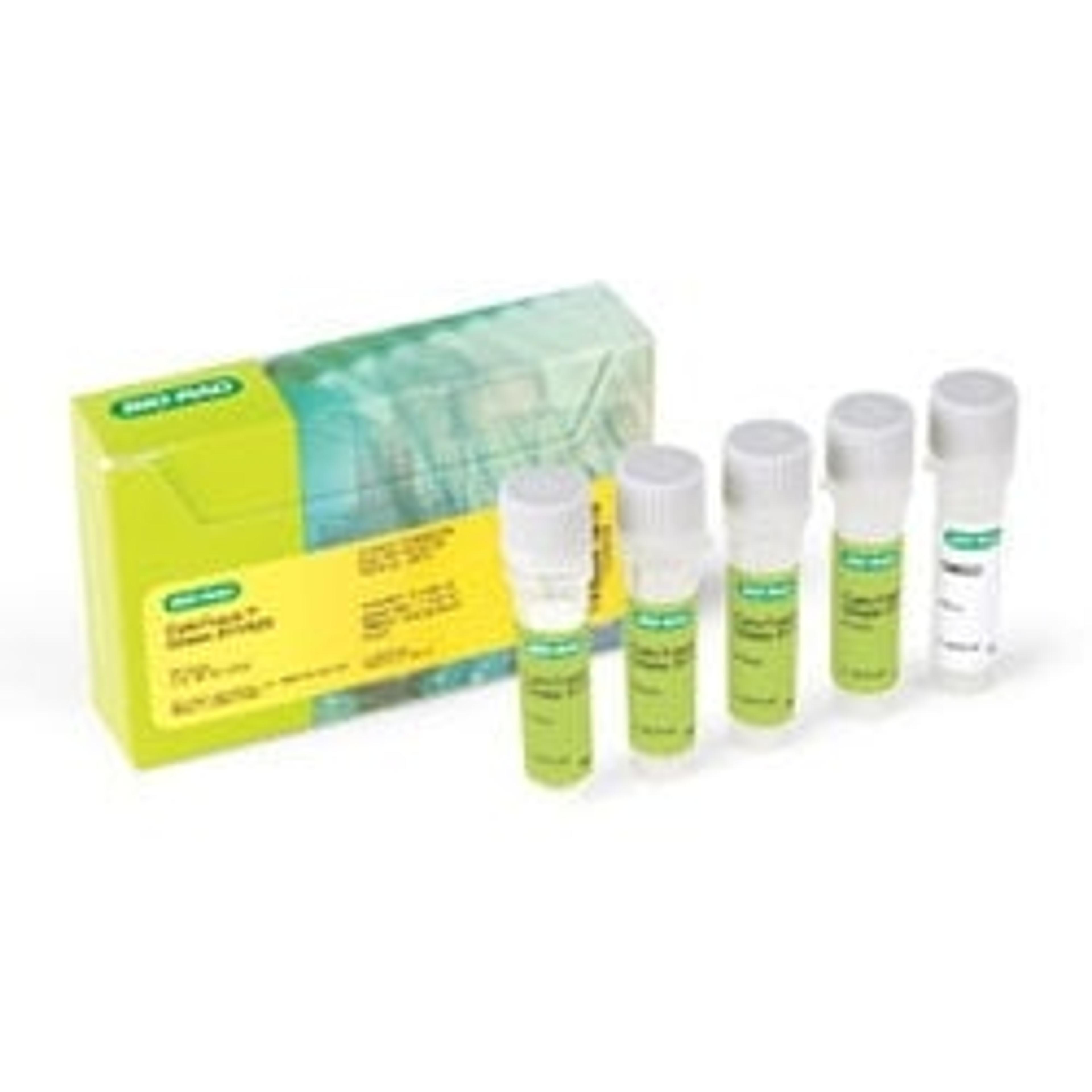
CytoTrack™ Green 511/525
Bio-RadCytoTrack cell proliferation assays are designed to efficiently stain live cells for excellent resolution of each cell division generation.
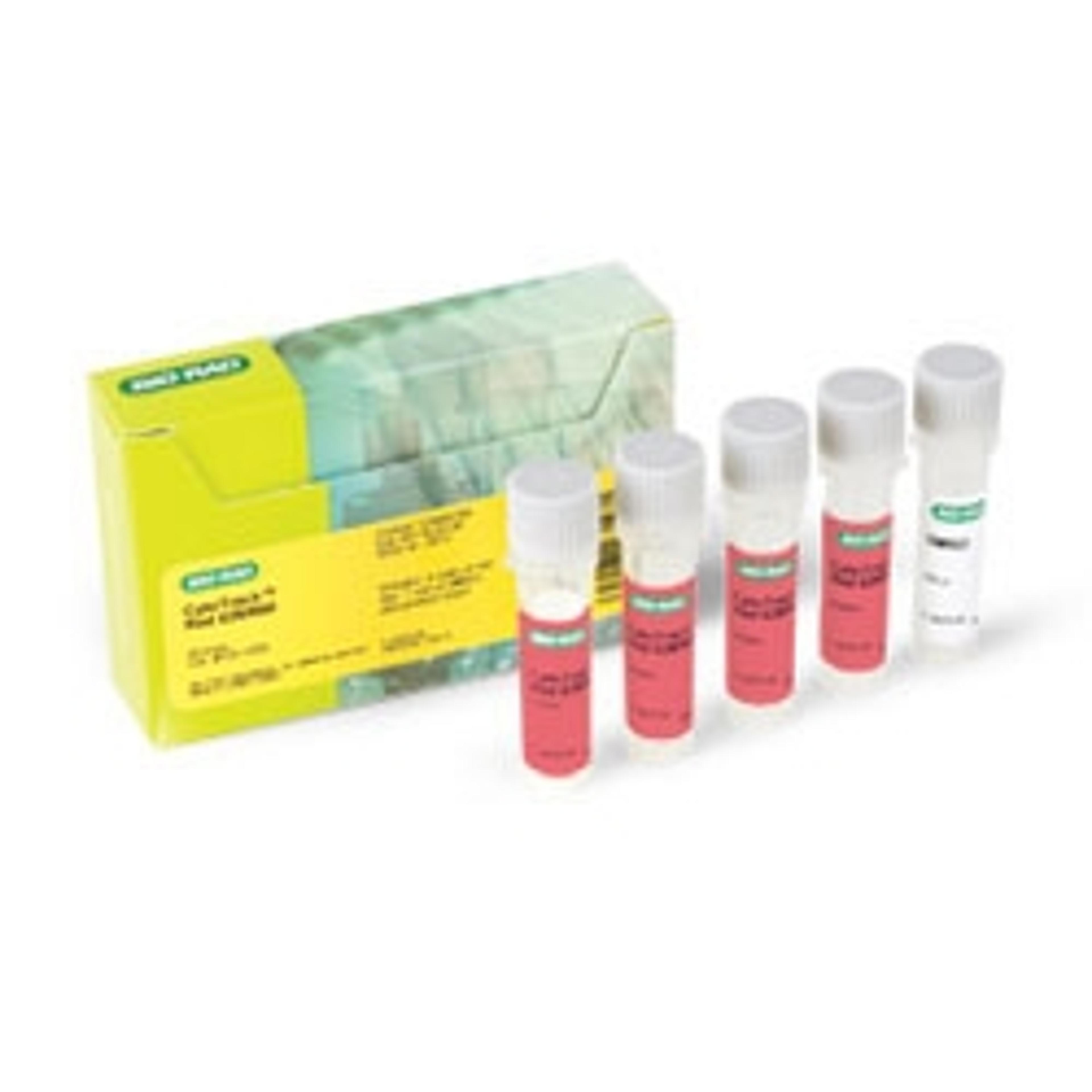
CytoTrack™ Red 628/643
Bio-RadCytoTrack cell proliferation assays are designed to efficiently stain live cells for excellent resolution of each cell division generation.
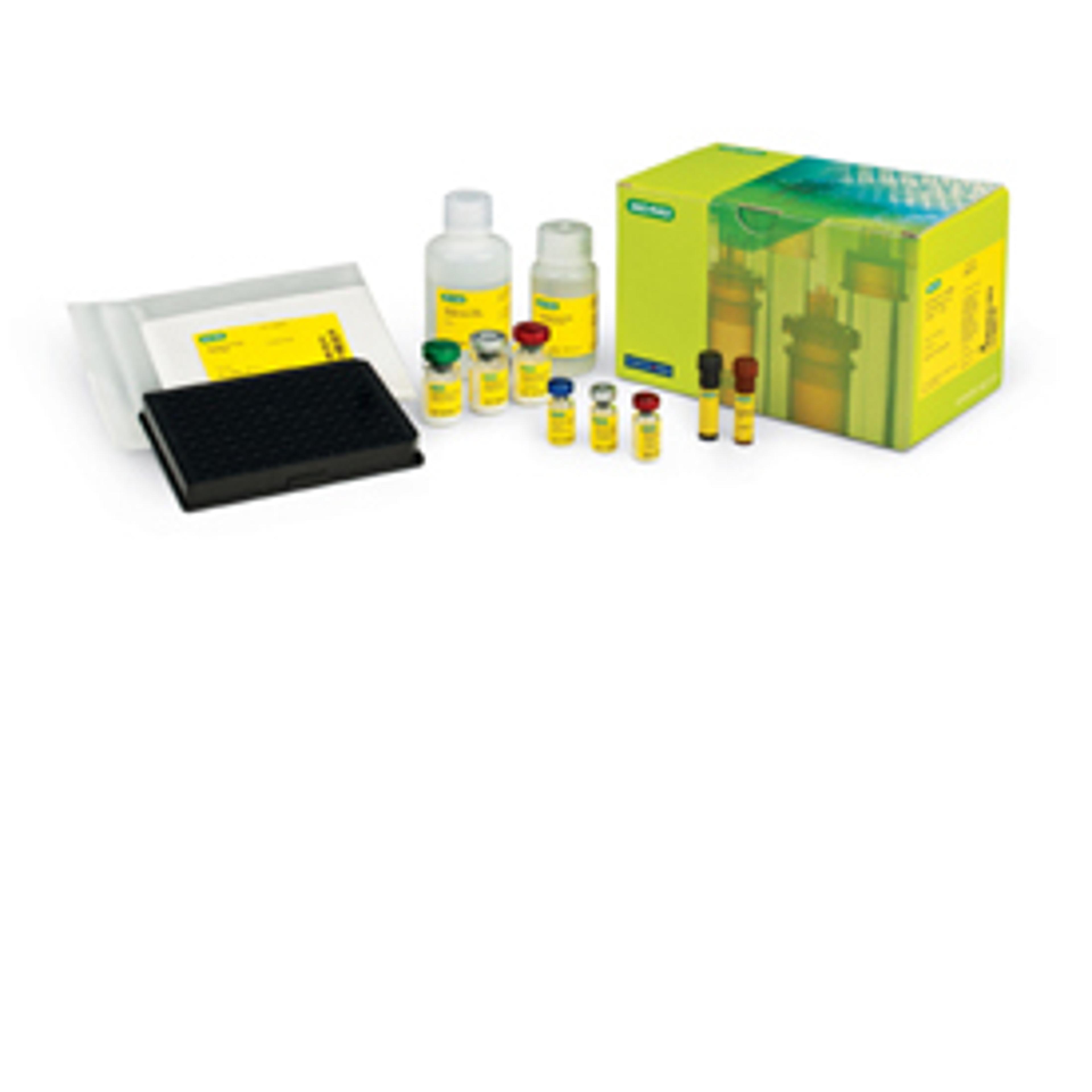
Bio-Plex Pro™ RBM Human Kidney Toxicity Panel 1
Bio-Rad1 x 96-well, includes magnetic capture beads, detection antibodies, standards, controls, diluent, buffers, streptavidin-PE, flat bottom plate, and plate seals, for the detection of 6 human kidney toxicity markers in urine
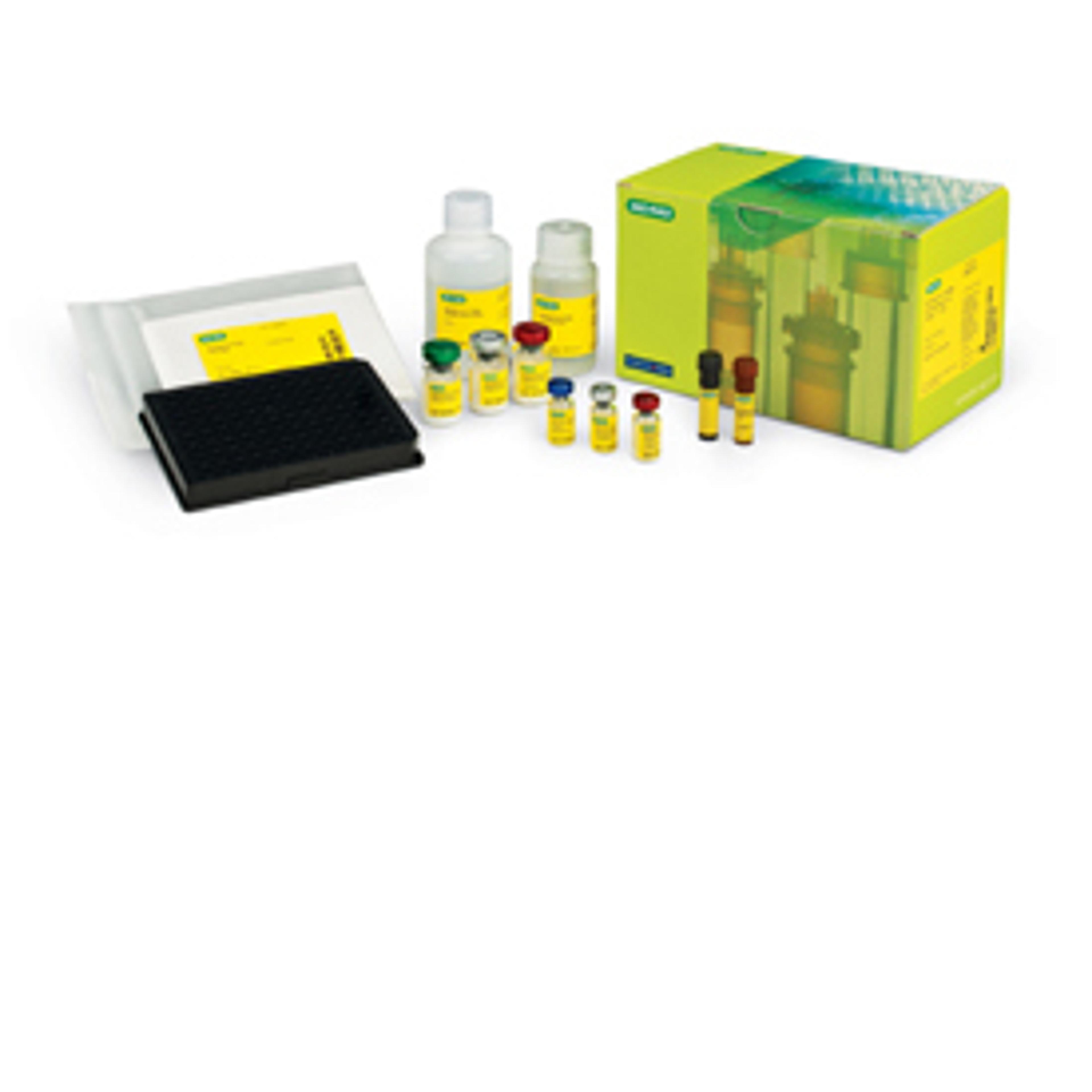
Bio-Plex Pro™ RBM Human Kidney Toxicity Panel 2
Bio-Rad1 x 96-well, includes magnetic capture beads, detection antibodies, standards, controls, diluent, buffers, streptavidin-PE, flat bottom plate, and plate seals, for the detection of 6 human kidney toxicity markers in urine
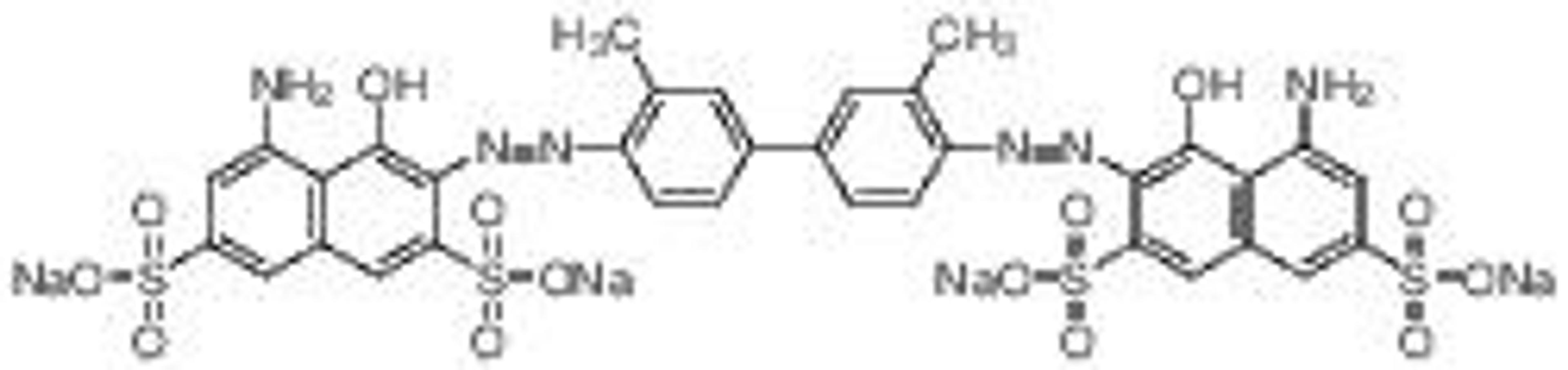
Trypan Blue solution
Merck KGaA, Darmstadt, Germany0.4%, liquid, sterile-filtered, suitable for cell culture
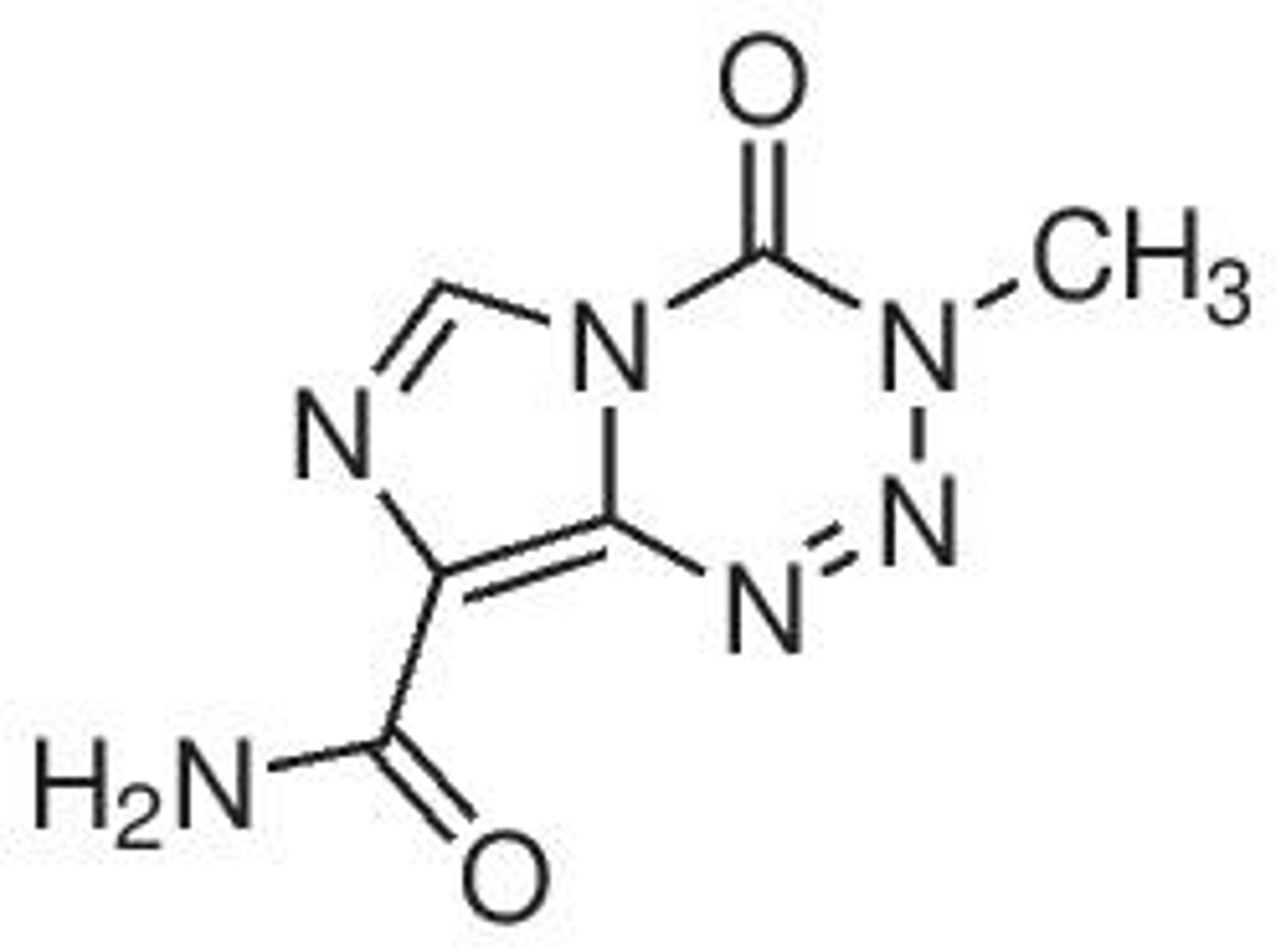
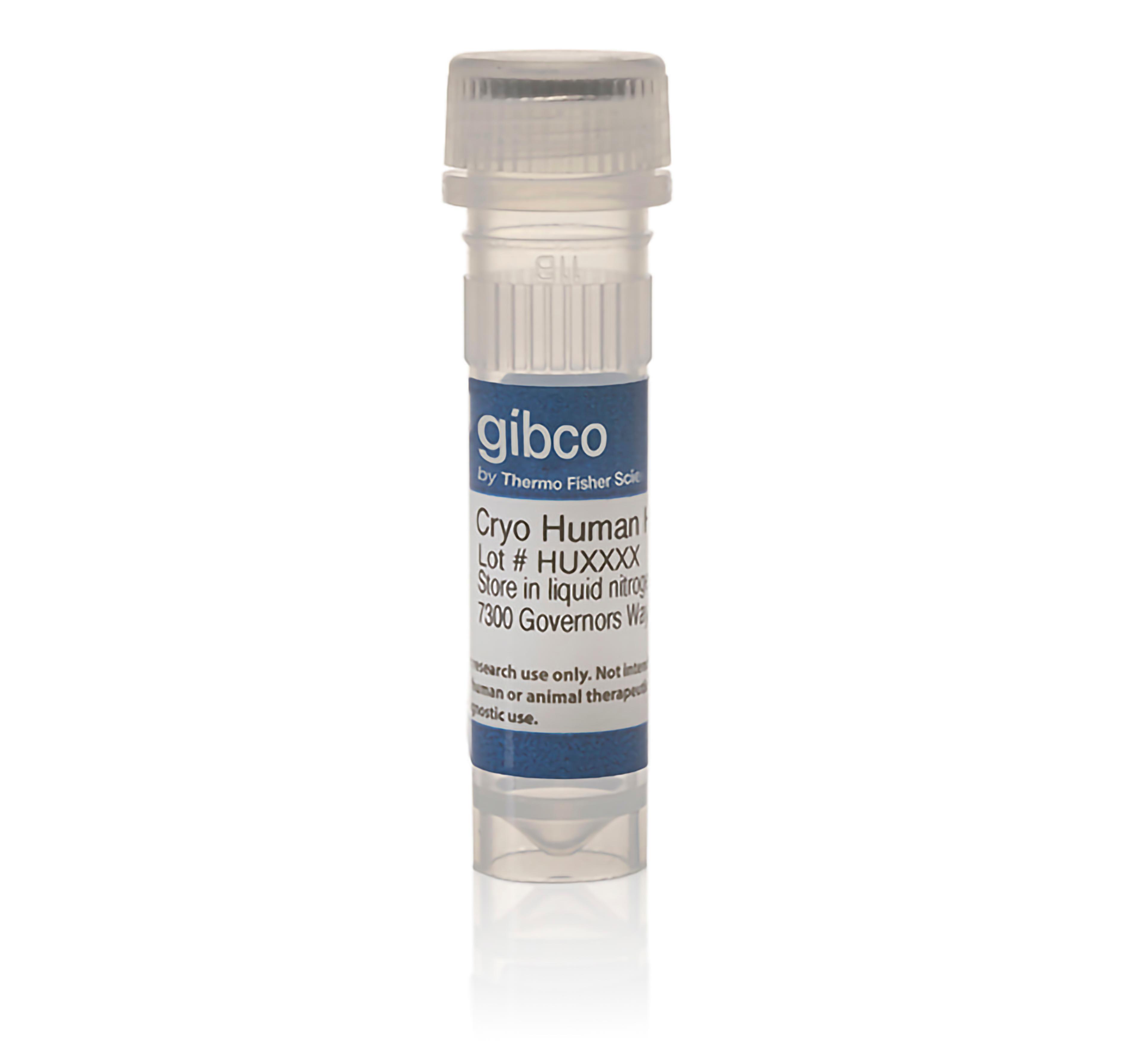
Gibco Spheroid-Qualified Hepatocytes
Thermo Fisher ScientificOff-the-shelf cryopreserved human cells for generation of hepatic spheroids in your own lab
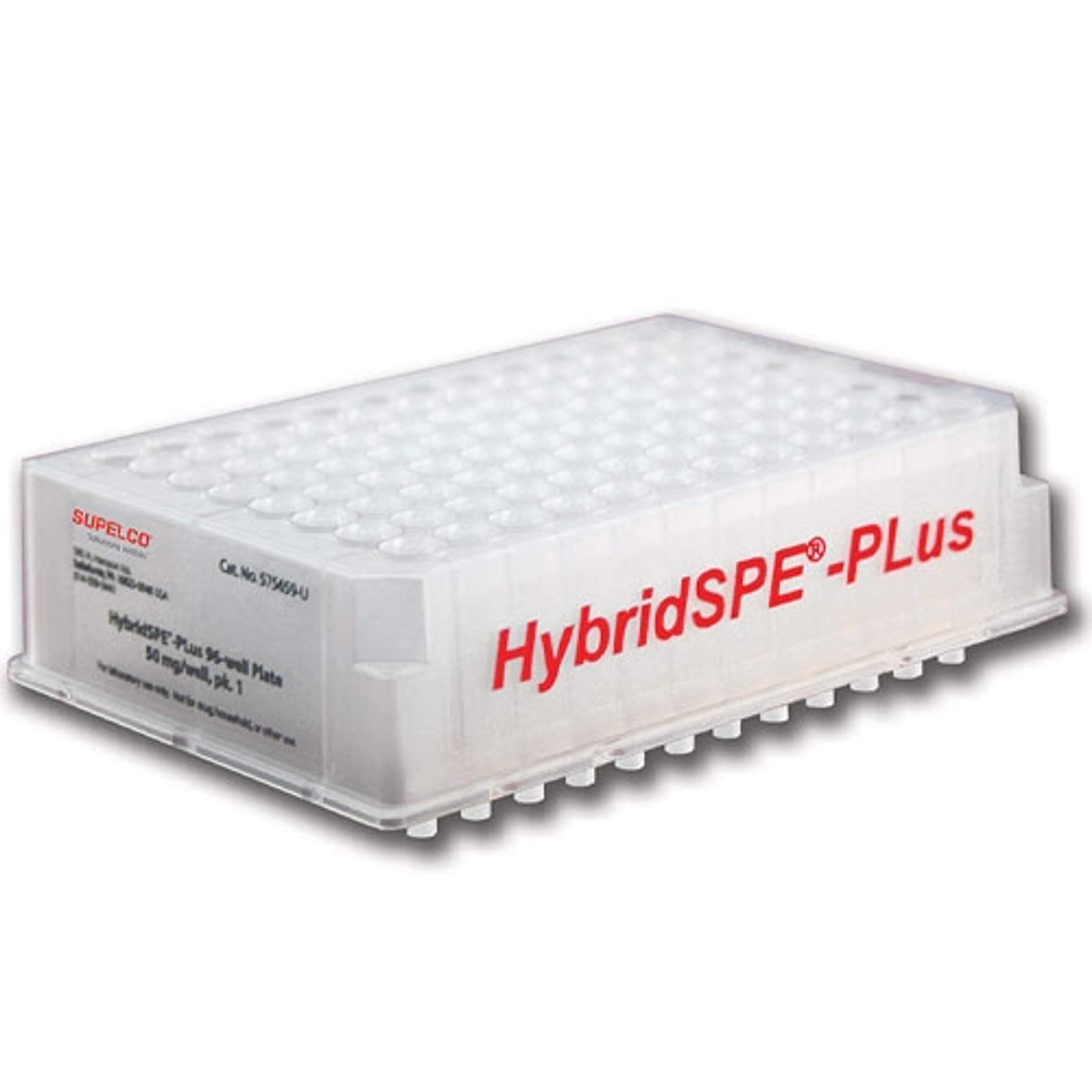
HybridSPE®-Plus Plates
MerckOur HybridSPE ® -PLus plates effectively remove phospholipids and proteins from biological matrices in a simple pass-through method for accurate and reproducible LC-MS analysis. Unlike other phospholipid removal SPE products on the market, the unique retention mechanism of HybridSPE ® allows for separation of even very hydrophobic analytes from phospholipid contaminants.
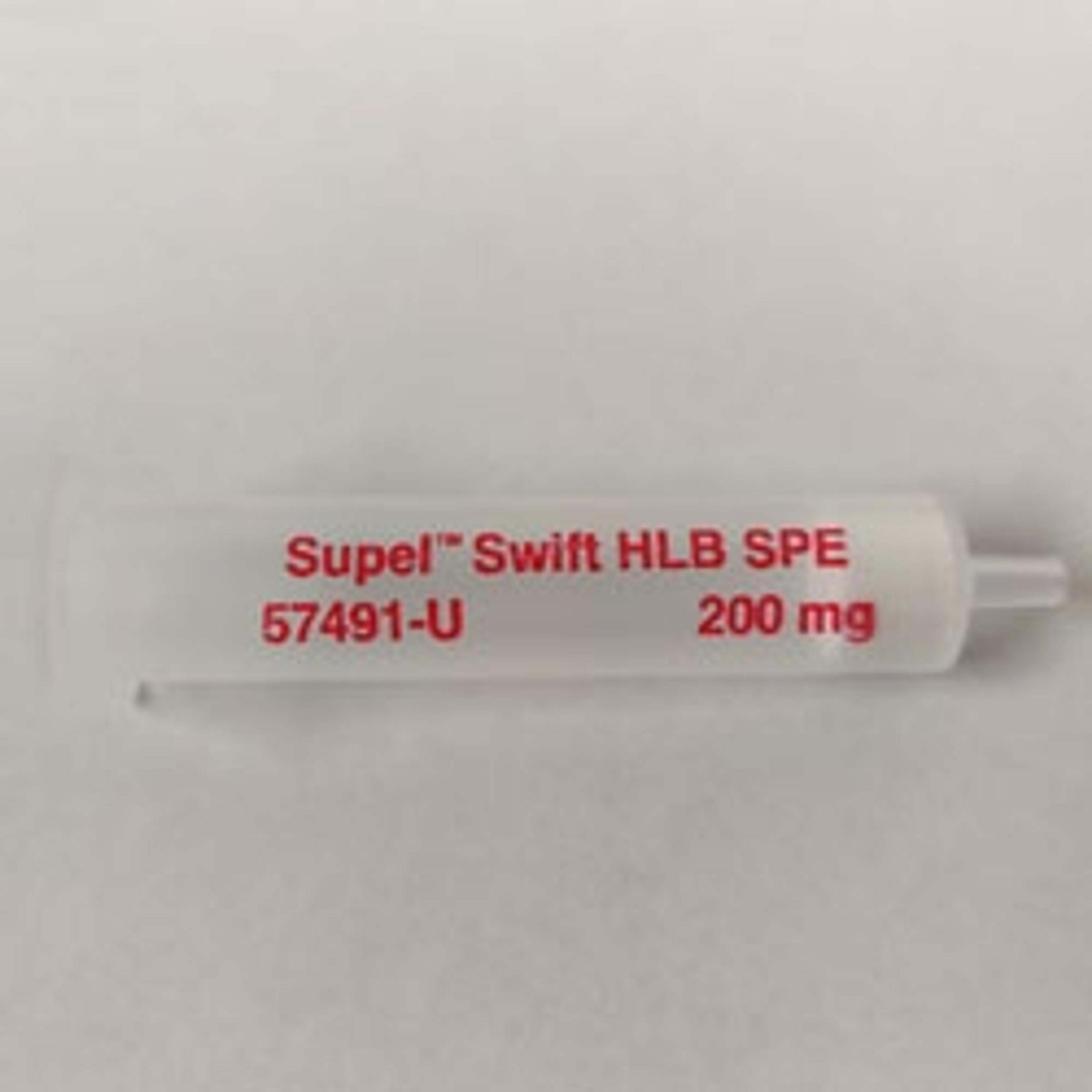
Supel™ Swift HLB SPE Cartridges
MerckSupel™ Swift HLB is a polymeric stationary phase for solid phase extraction (SPE) prior to instrumental analysis. It has both hydrophilic and lipophilic functional groups for the extraction of a broad range of compounds from aqueous samples. It retains analytes having diff erent polarities and Log P values due to its hydrophilic and lipophilic balance (HLB) property.
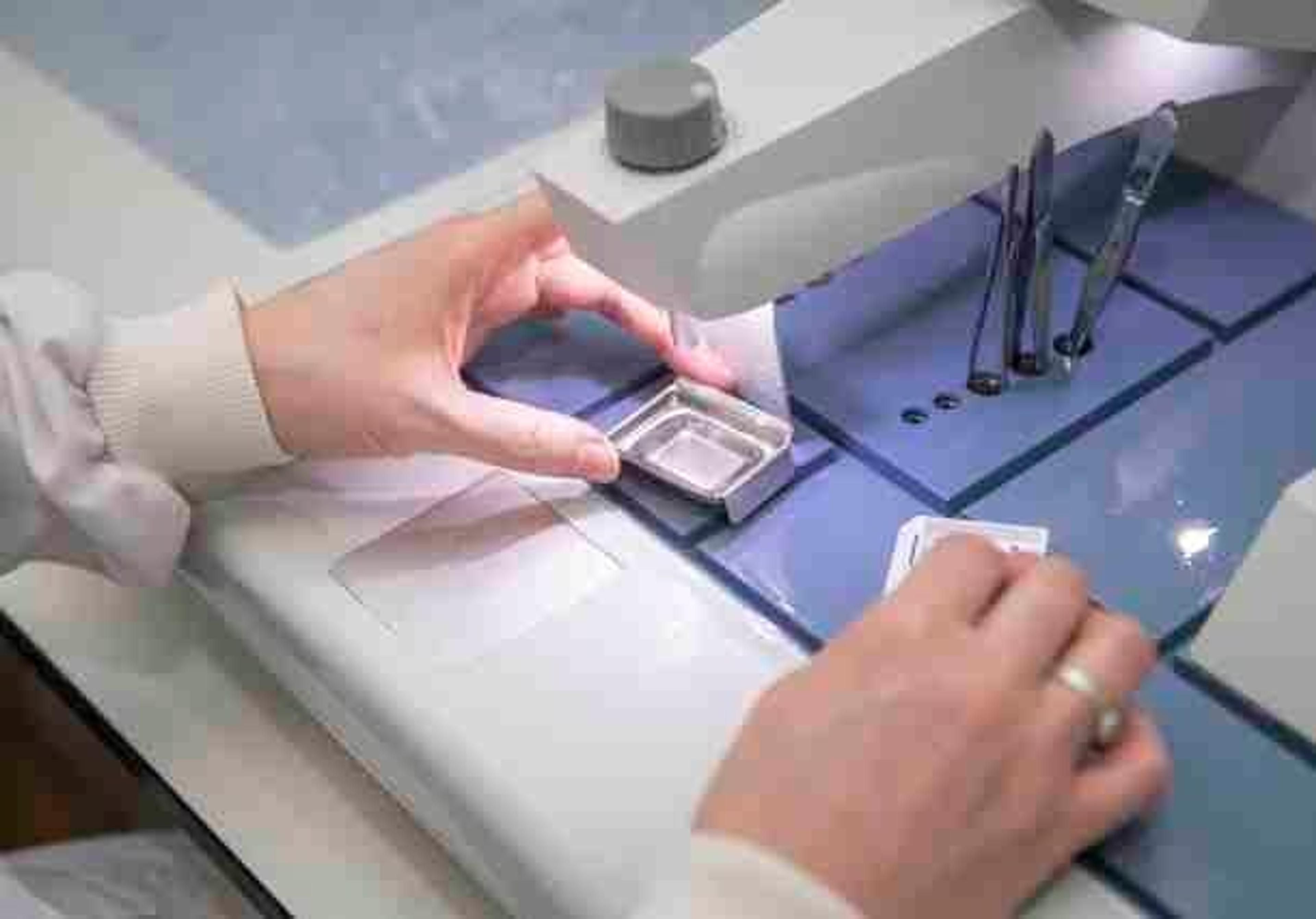
Histology Contract Services
The Niche CRO GroupHistologiX is a leading GLP/GCP accredited Contract Research Organisation based in the UK specialising in Histology, Immunohistochemistry (IHC) and Digital Pathology services. HistologiX works with a broad range of clients from big pharma to small and medium biotech companies worldwide. Our team of scientists have in excess of 120 years combined experience and a customer retention rate of 80%.
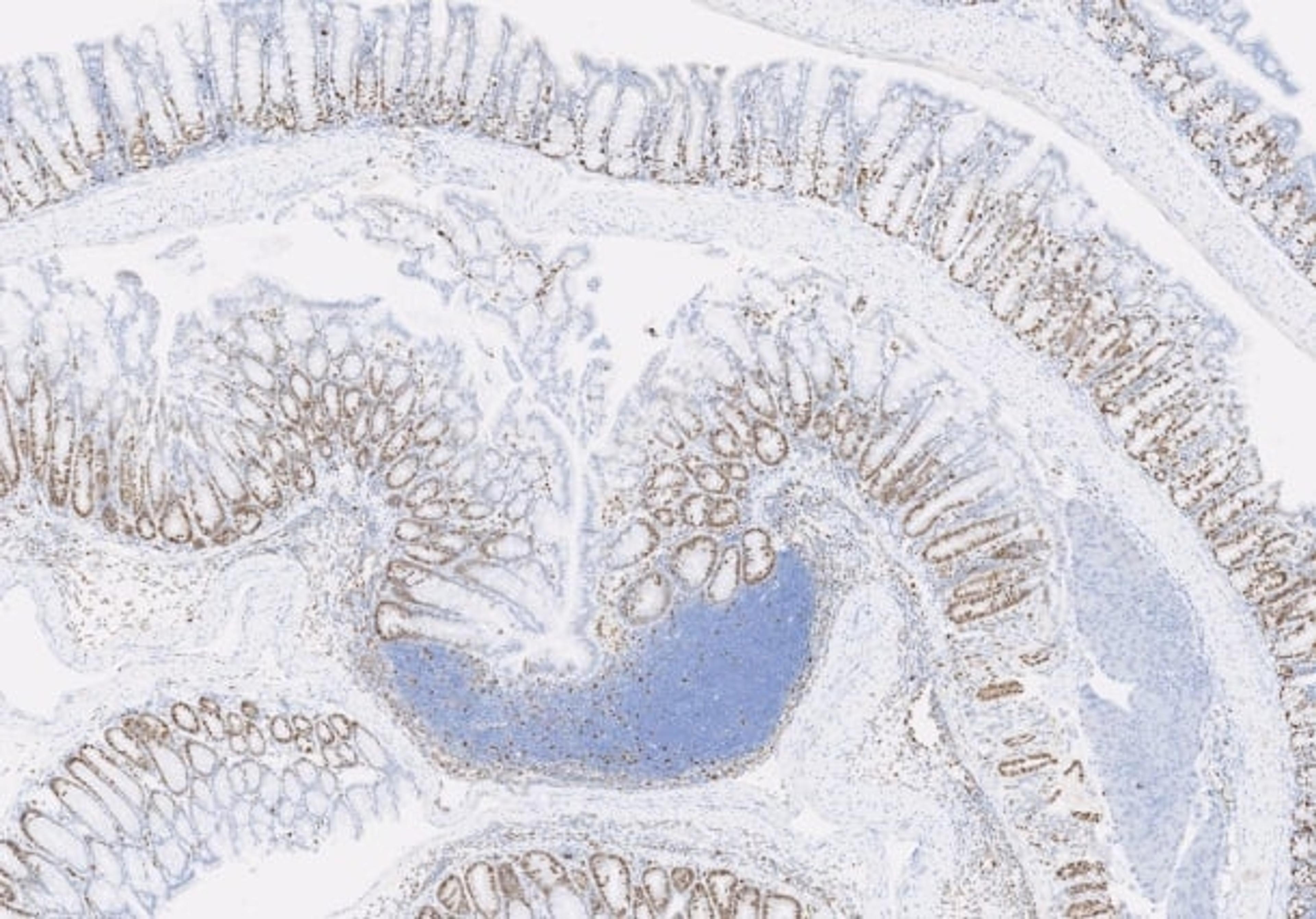
Immunohistochemistry Services
The Niche CRO GroupHistologiX is a leading GLP/GCP accredited Contract Research Organisation based in the UK specialising in Histology, Immunohistochemistry (IHC) and Digital Pathology services. HistologiX works with a broad range of clients from big pharma to small and medium biotech companies worldwide. Our team of scientists have in excess of 120 years combined experience and a customer retention rate of 80%.
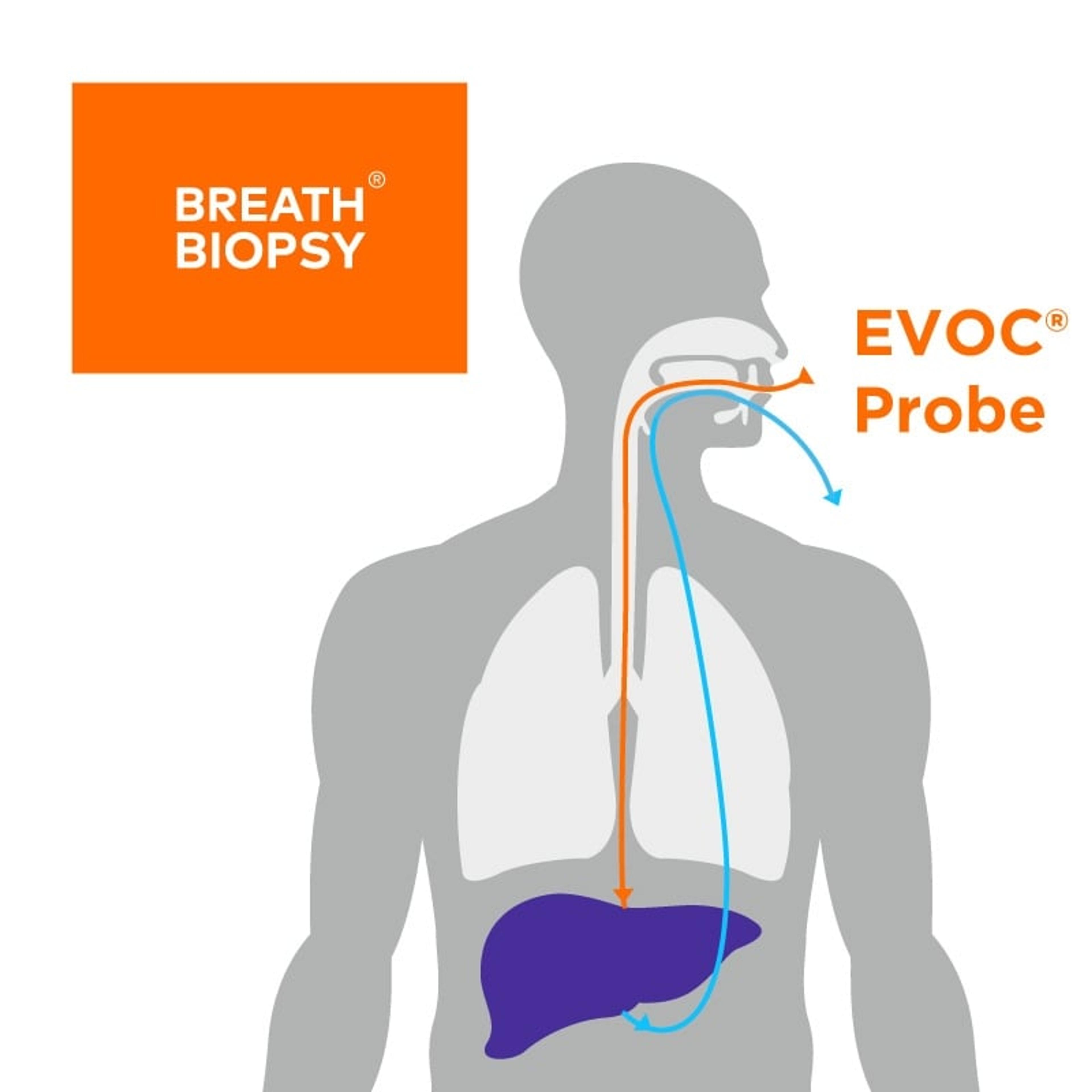
EVOC® Probes
Owlstone MedicalExogenous volatile organic compound probes (EVOC Probes) enable targeted, non-invasive assessment of biological pathways. Probes are safe, easy to administer compounds that interact with characterised metabolic pathways with relevance to key disease areas. Using Breath Biopsy, EVOC Probes can be monitored non-invasively on breath, either alone or in parallel with biomarker discovery studies.
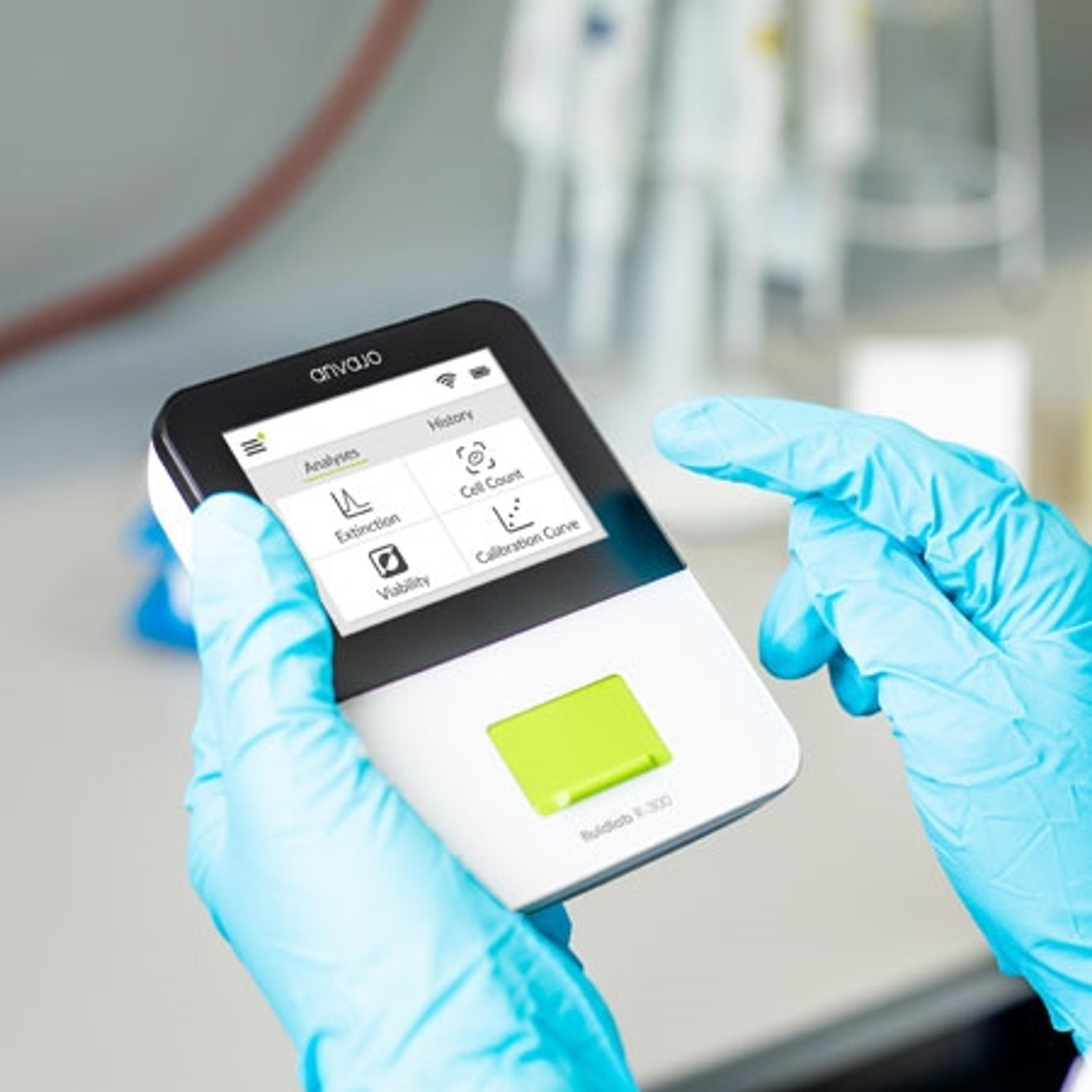
Fluorescence Microplate Assays
Thermo Fisher ScientificCombining the sensitivity of a fluorescence-based assay with a microplate format enables a rapid, quantitative readout suitable for high-throughput analysis. In a microplate well, the fluorescent signal can be generated within whole cells, in cell lysates, or in purified enzyme preparations and may then be analyzed by measuring fluorescence intensity from the well without the need for cellular imaging.