ProductsLife Sciences
2019-nCoV Nucleocapsid Recombinant Antigen, full length (Ag-6)
Merck2019-nCoV Nucleocapsid Recombinant Antigen,full length (Ag-6)

2019-nCoV Nucleocapsid Recombinant Antigen,full length (Ag-6)
COVID-19, MERS & SARS-CoV, Nucleoprotein Antibody, 1057
COVID-19, MERS & SARS-CoV, Nucleoprotein Antibody, 1058
SARS-CoV-2 Nucleocapsid, clone 504 Monoclonal Antibody (matched pair with clone 502 or 503)
SARS-CoV-2 Nucleocapsid, clone 2A1 Monoclonal Antibody (matched pair with clone 2C1)
SARS-CoV-2 Nucleocapsid, clone 2C1 Monoclonal Antibody (matched pair with clone 2A1)
SARS-CoV-2 Nucleocapsid, clone 4D8 Monoclonal Antibody (matched pair with clone 5B7)
SARS-CoV-2 Nucleocapsid, clone 5B7 Monoclonal Antibody (matched pair with clone 4D8)
SARS-CoV-2 Nucleocapsid,clone 7B3 Monoclonal Antibody (matched pair with clone 5D4)
SARS-CoV-2 Nucleoprotein (aa 1-419) Recombinant Antigen, 613
SARS-CoV-2 Spike (RBD, aa 331-524) Recombinant Antigen
SARS-CoV-2 Spike Protein S1 (aa 1-674) Recombinant Antigen
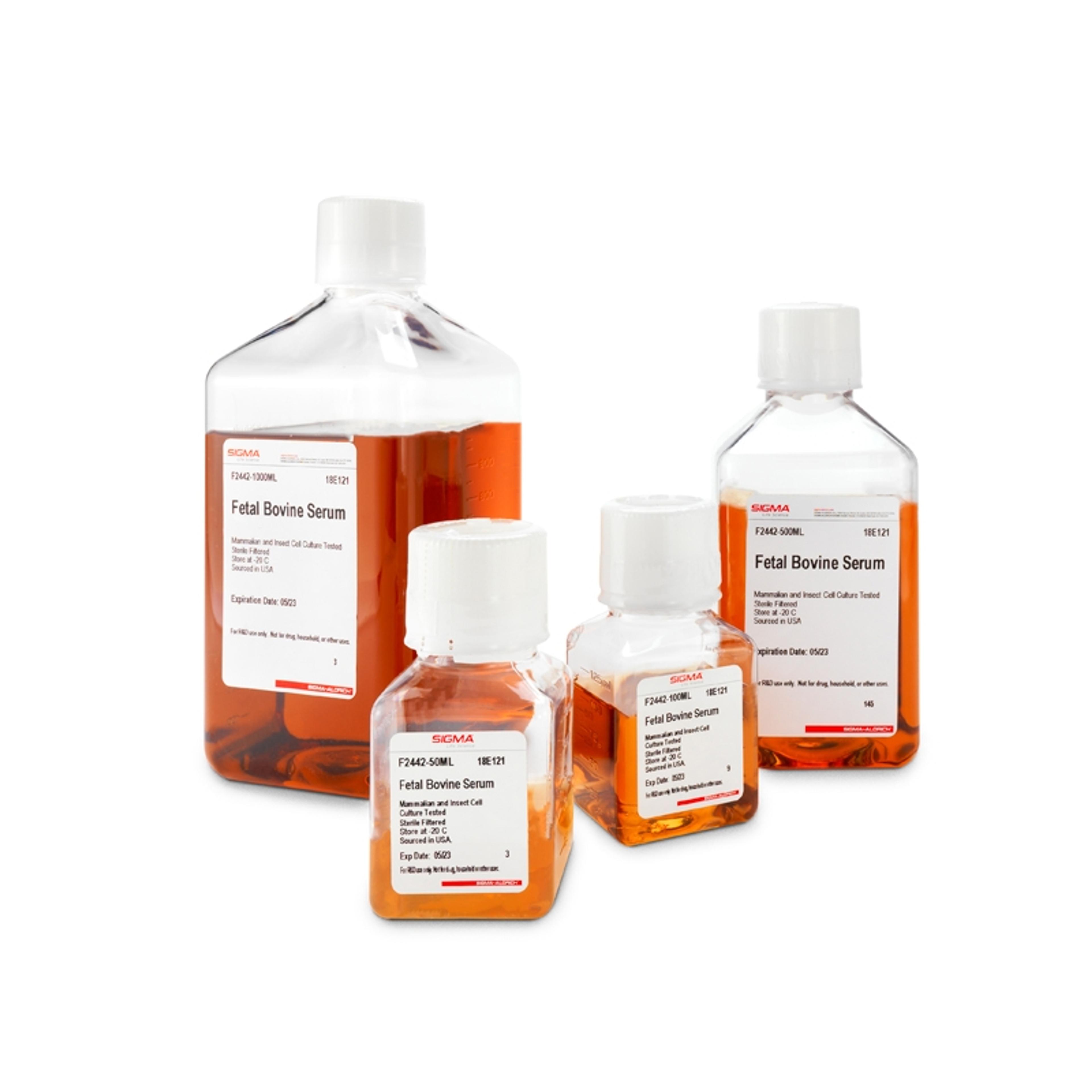
Fetal Bovine Serum (FBS) is the most widely-used growth supplement for cell culture, containing a complex mixture of biomolecules that includes growth factors, proteins, trace elements, vitamins and hormones for cell growth. Our extensive portfolio of FBS enables you to easily select the right FBS for your culture and criteria.
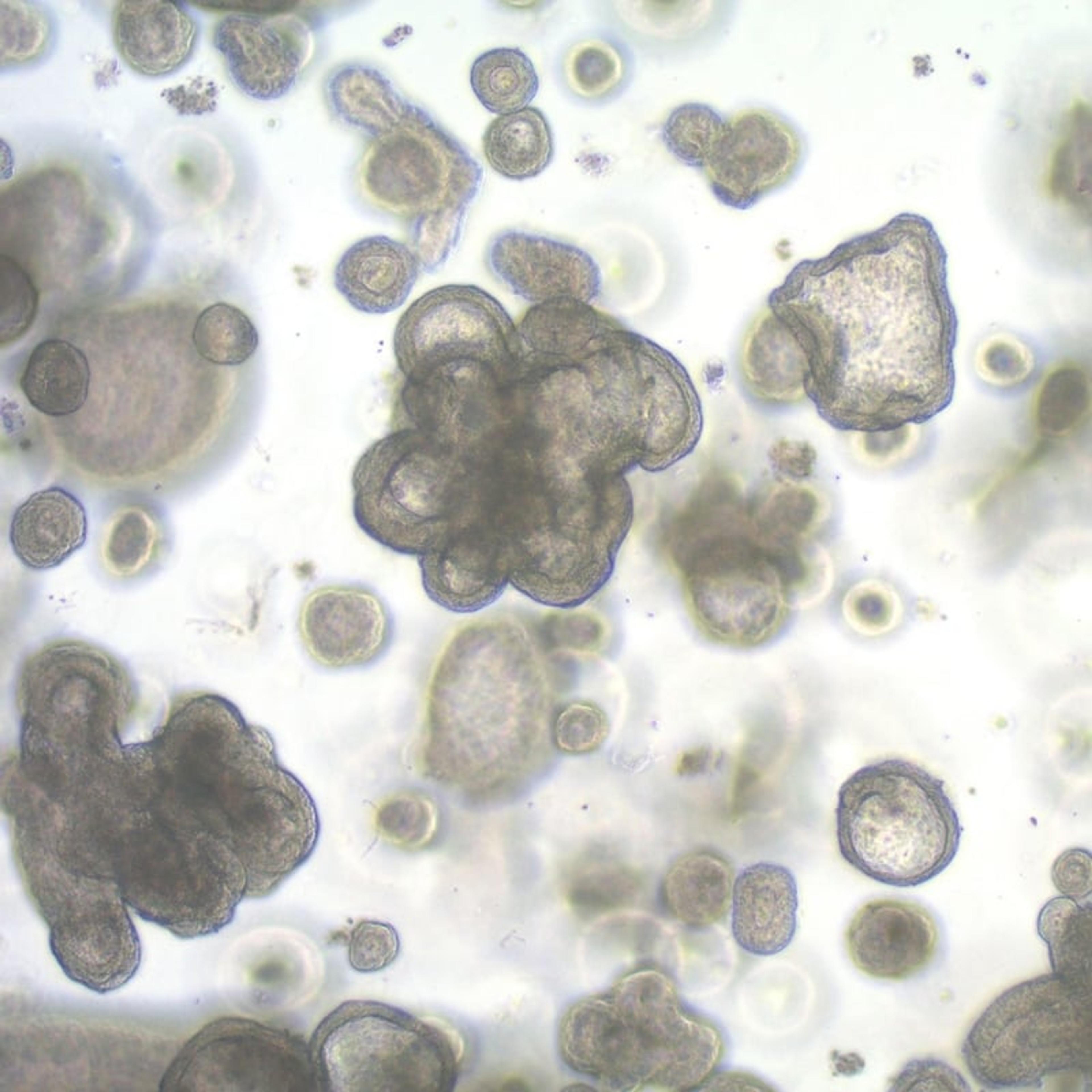
Highly characterized, cryopreserved human colon intestinal organoids derived from integration-free human induced pluripotent stem cells (iPSCs).
The 3dGRO™ Human Lung Organoid Culture System is a multi-stage culture system for efficient differentiation of human induced pluripotent stem (iPS) cells to mature lung organoids.
ECMatrix™ laminin substrates for culturing pluripotent stem cells (iPSCs) to promote in vivo–like morphology and simulate a more physiologically relevant environment for better intercellular interactions and better predictive cell models.
Decellularized extracellular matrix (dECM) hydrogels for 2D and 3D cell culture applications.
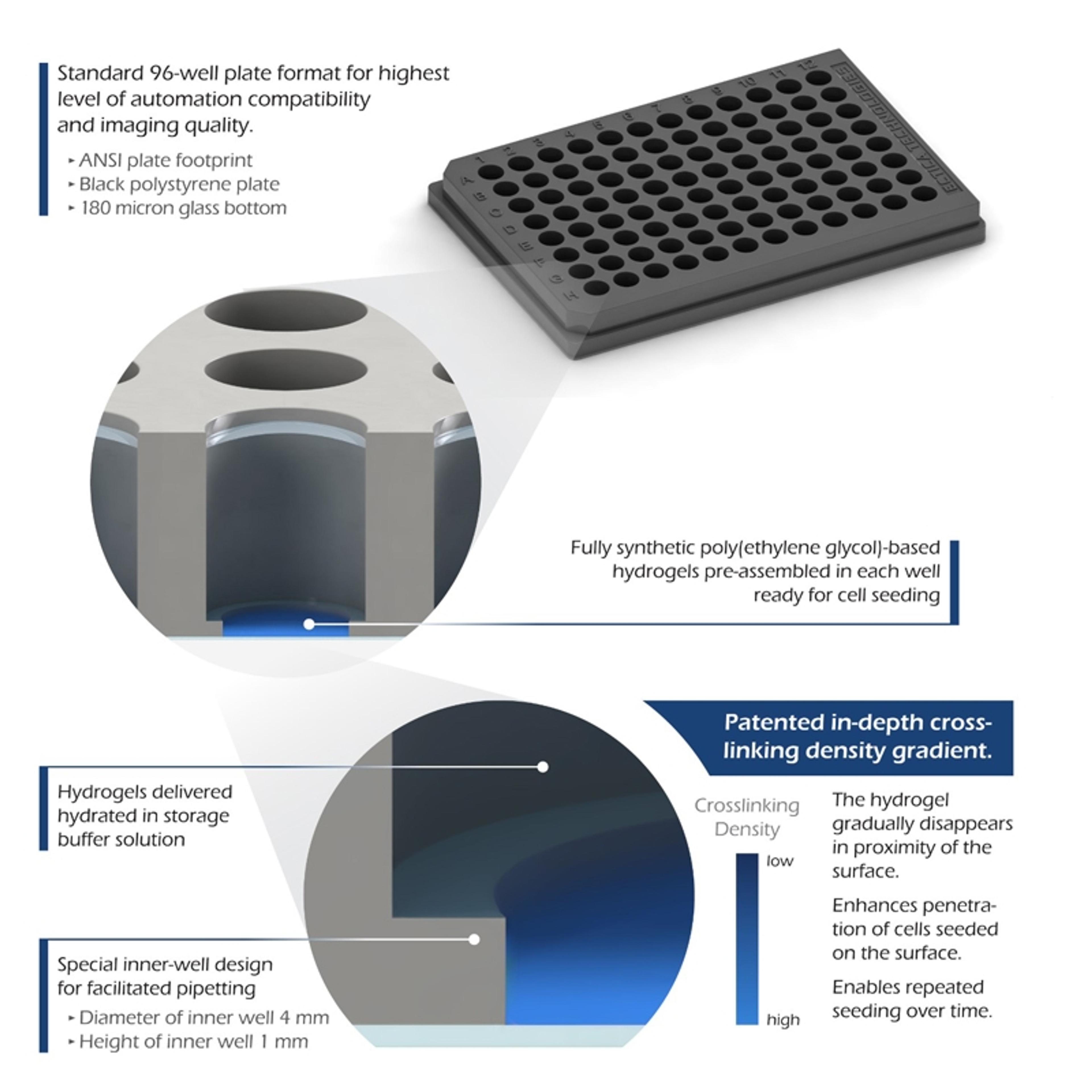
Ready-to-use, 96-well black-walled glass-bottom microplates containing precast synthetic hydrogels designed to easily establish 3D cell cultures by direct seeding of cells.
Fluorescent dyes, probes, and biosensors for live cell imaging.
Validated, ethically-sourced human primary and stem cells from industry-leading manufacturer PromoCell ® .
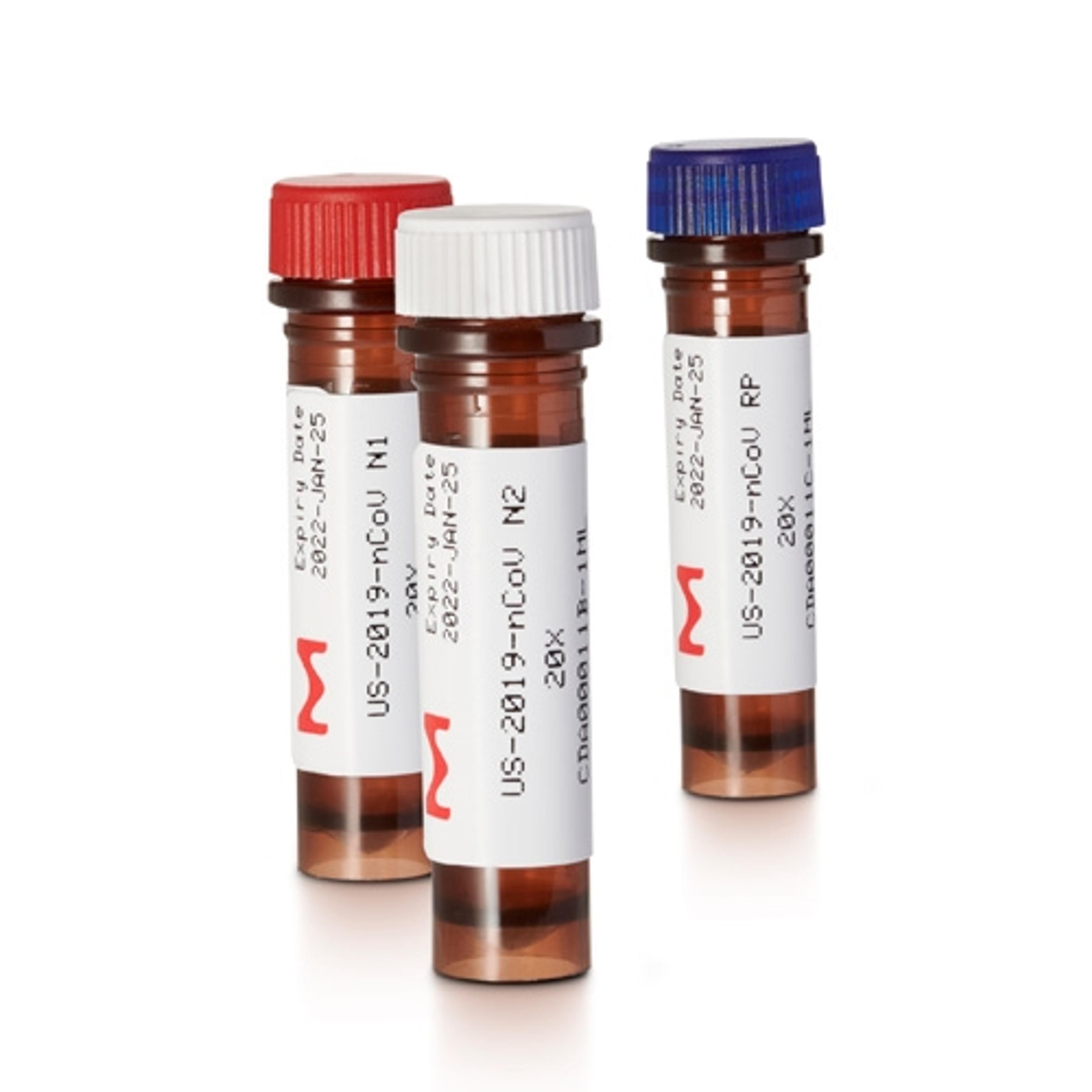
Primer and probe pools for the U.S. CDC and and Charité tests.
Sigma-Aldrich ® one-part sgRNA and two-part crRNA:tracrRNA systems accelerate genome editing with Cas9 protein, mRNA, or established Cas9 expressing cell lines. Our guides are compatible with a variety of delivery methods including microinjection, electroporation, and lipofection.
With the largest portfolio of Cas9 proteins available, Merck make it easy to find the perfect nuclease for your gene editing experiment.
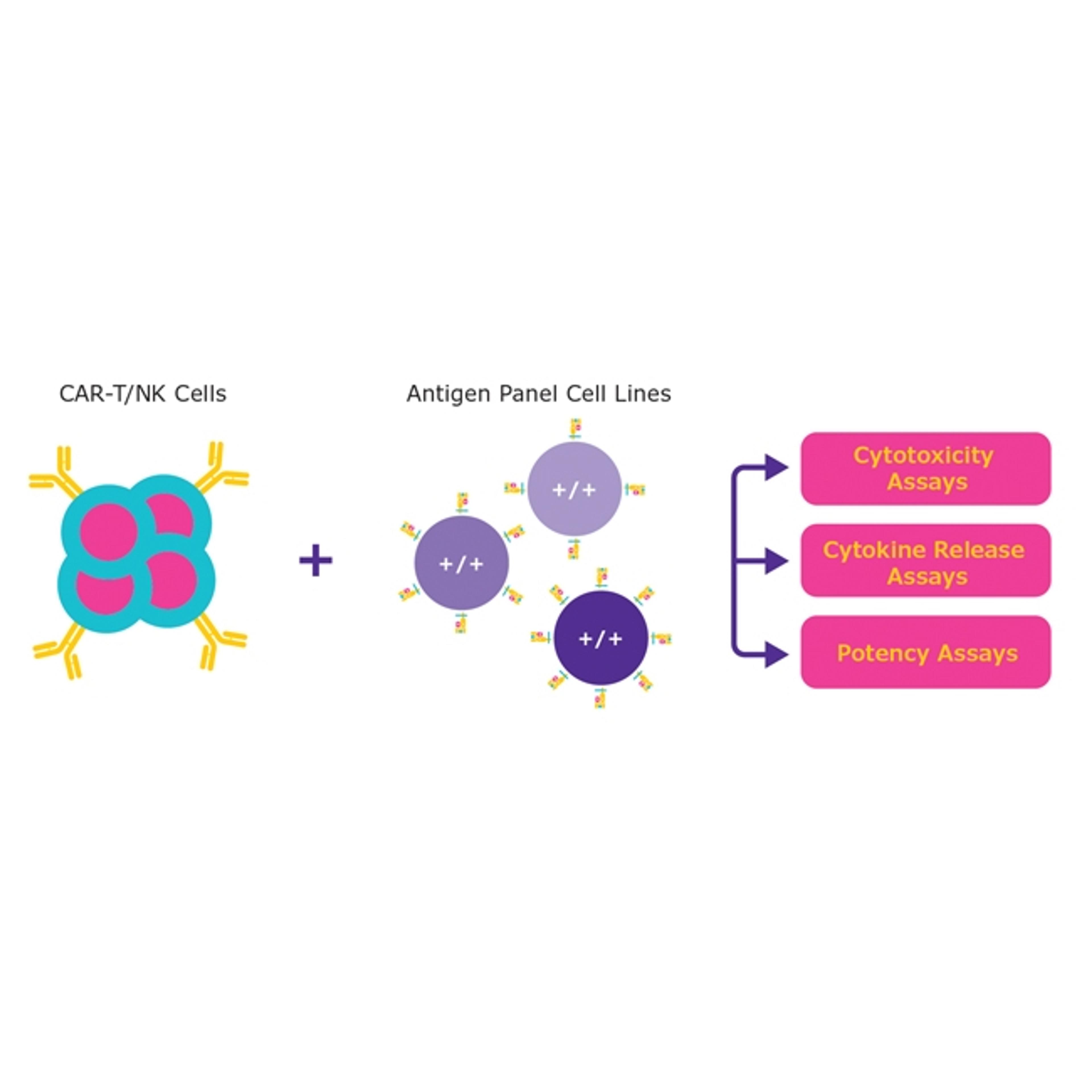
Merck's immuno-oncology cell lines are innovative research tools for biologics discovery and clinical development. These are the perfect cell-based assay tools you need for the entire drug discovery and clinical development process. Whether you need screening tools for CAR/TCR therapies and mAB development, target cells for efficacy testing, or potency assays for clinical development, Merck provides functional biologically-re…
The largest and most validated shRNA collection from the RNAi consortium (TRC). Merck's unique shRNA formats leverage the discovery potential of the trusted and proven TRC shRNA collection. When you partner with them, you gain access to their world class lentiviral production expertise and the formats and specifications for RNAi knockdown experiments at any scale.