ProductsLife Sciences
LipidSpot™ Lipid Droplet Stains
BiotiumLipidSpot™ dyes rapidly stain lipid droplets in live cells or fixed cells, with no wash step required. Available with green or red/far-red fluorescence.

LipidSpot™ dyes rapidly stain lipid droplets in live cells or fixed cells, with no wash step required. Available with green or red/far-red fluorescence.
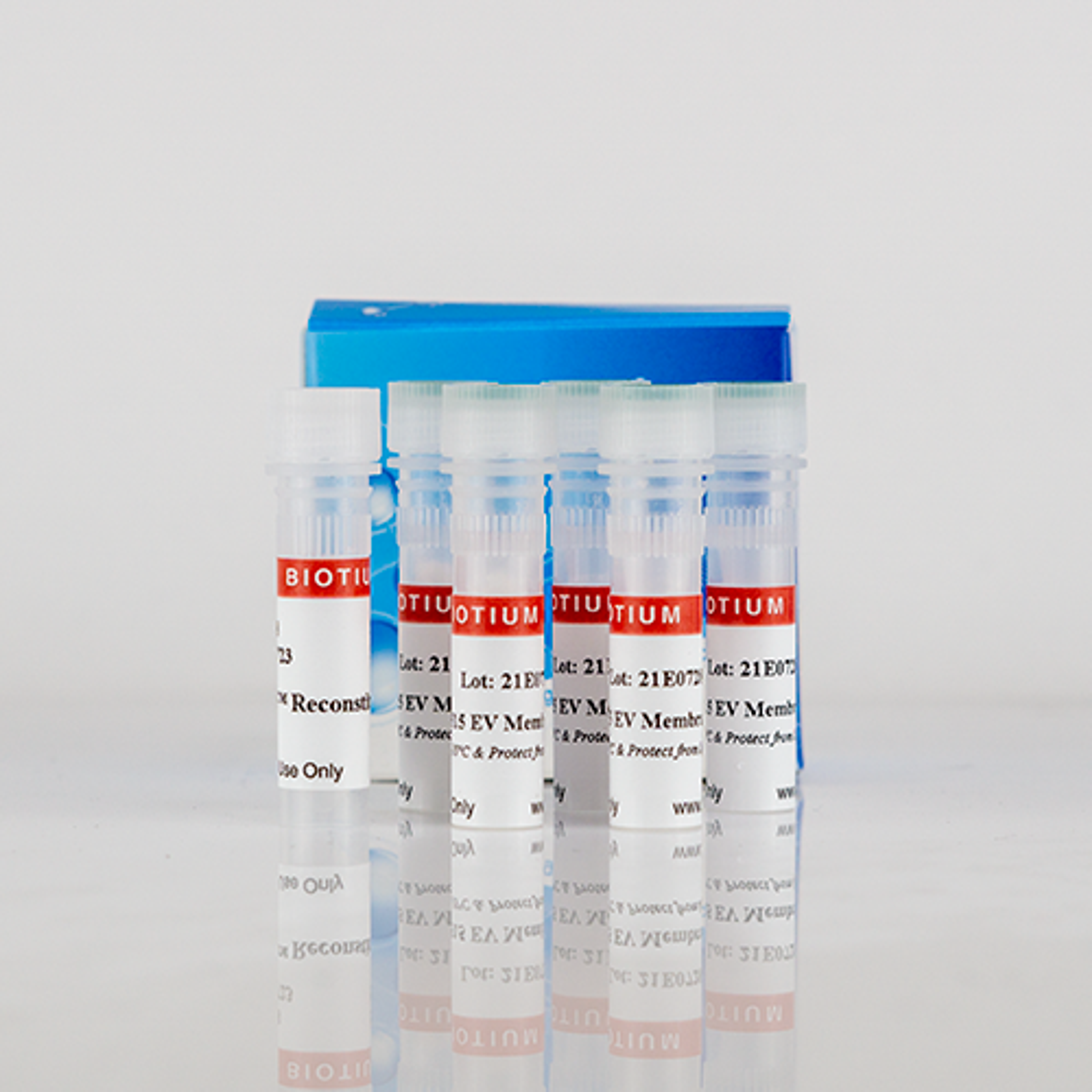
Fluorescent WGA conjugates that are optimized for bright staining of extracellular vesicles for flow cytometry.
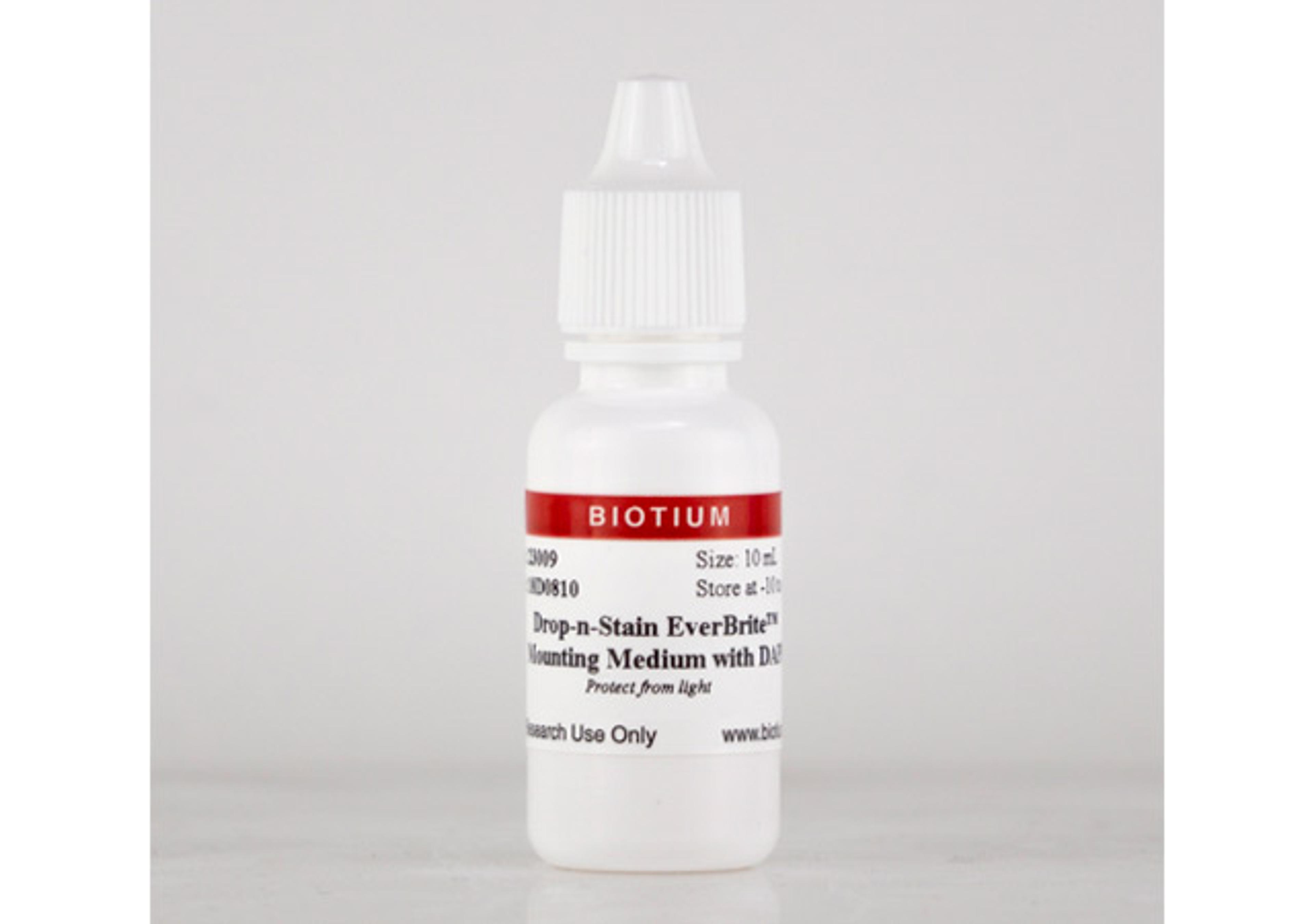
Wet-set antifade mounting medium for preserving fluorescence of our CF® dyes and other fluorochromes, in a dropper bottle for easy dispensing.
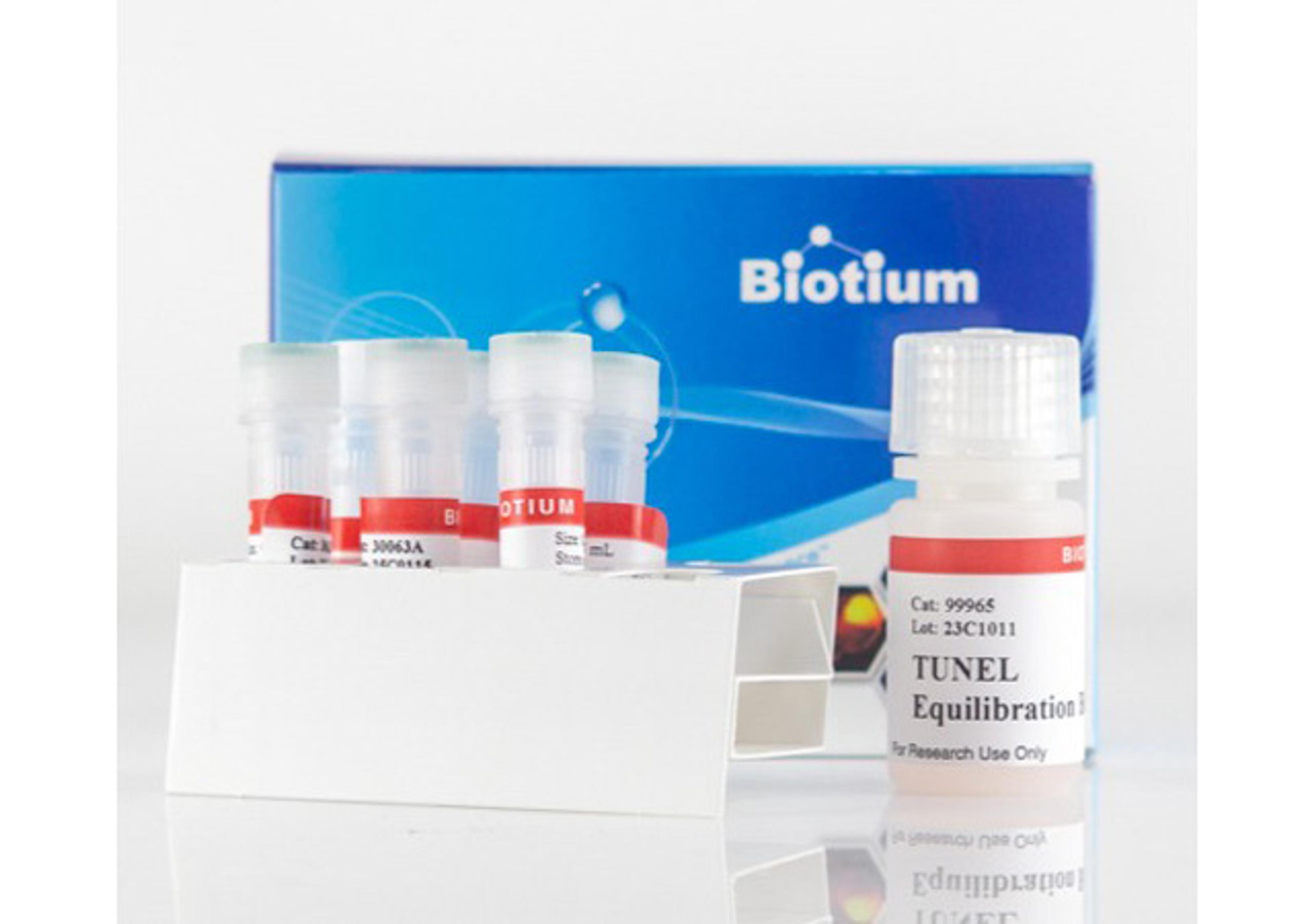
The CF® dye TUNEL Assay Apoptosis Detection Kit label apoptotic cells in fixed tissue sections or cellular samples for fluorescence microscopy or flow cytometry.
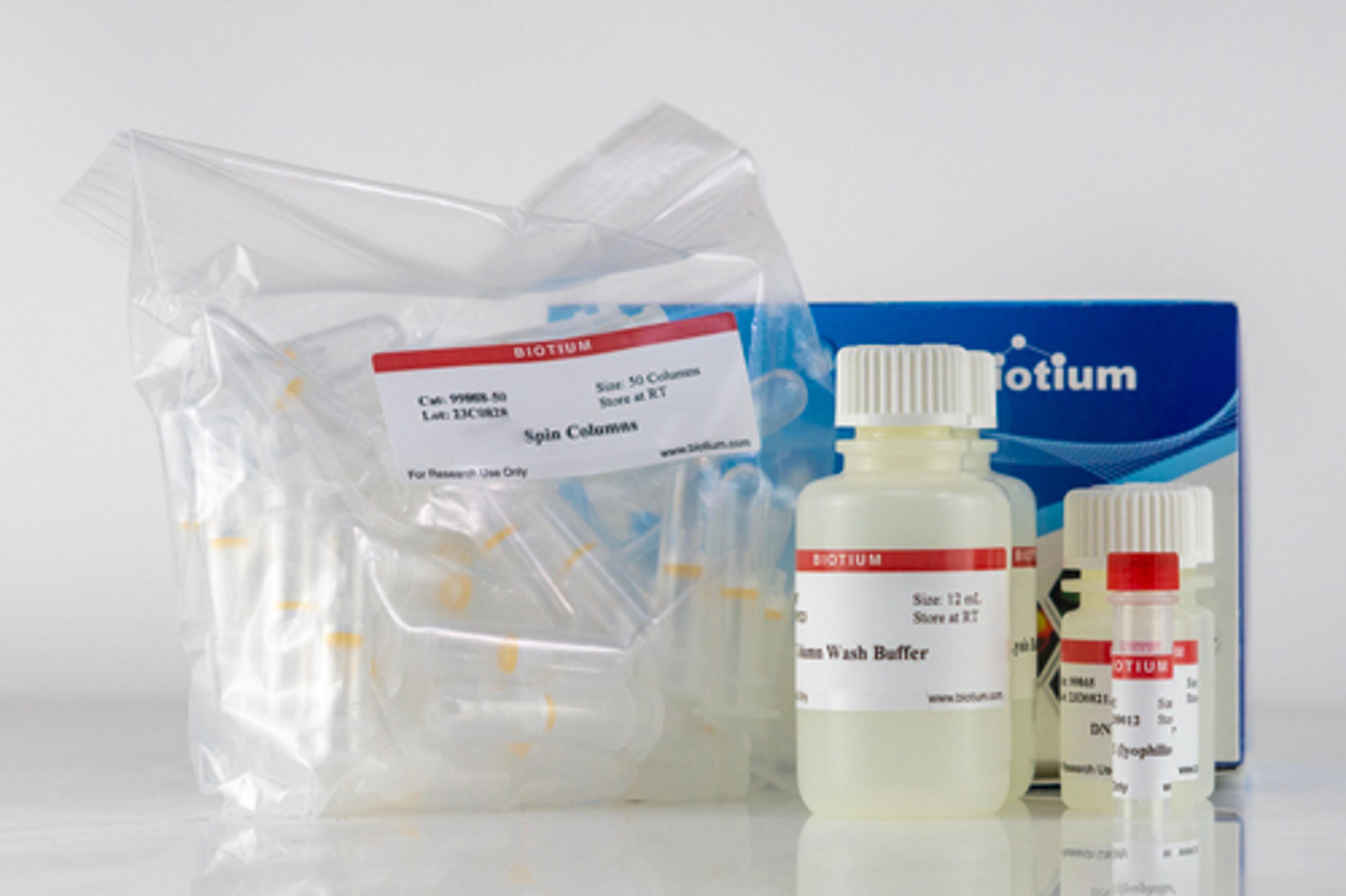
Optimized and easy-to-use kit for extracting total RNA, including mRNA and miRNA, from purified EVs for downstream analysis in qPCR or RNAseq.
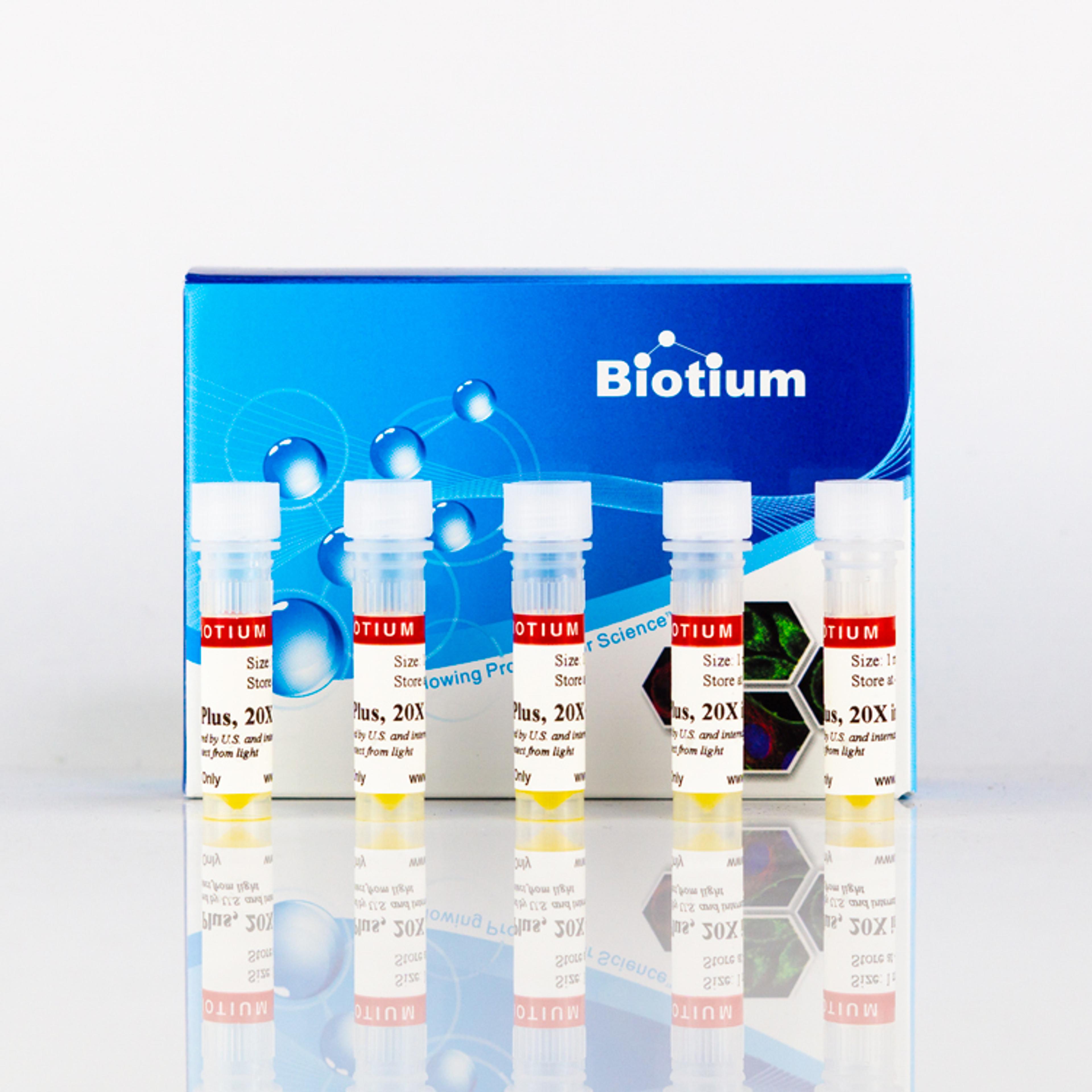
EvaGreen® Plus Dye has an improved signal-to-noise compared to original EvaGreen® dye, for higher sensitivity in DNA amplification applications.
A highly selective actin filament stain for fixed and permeabilized cells. Labeled phalloidins have similar affinity for both large and small filaments.
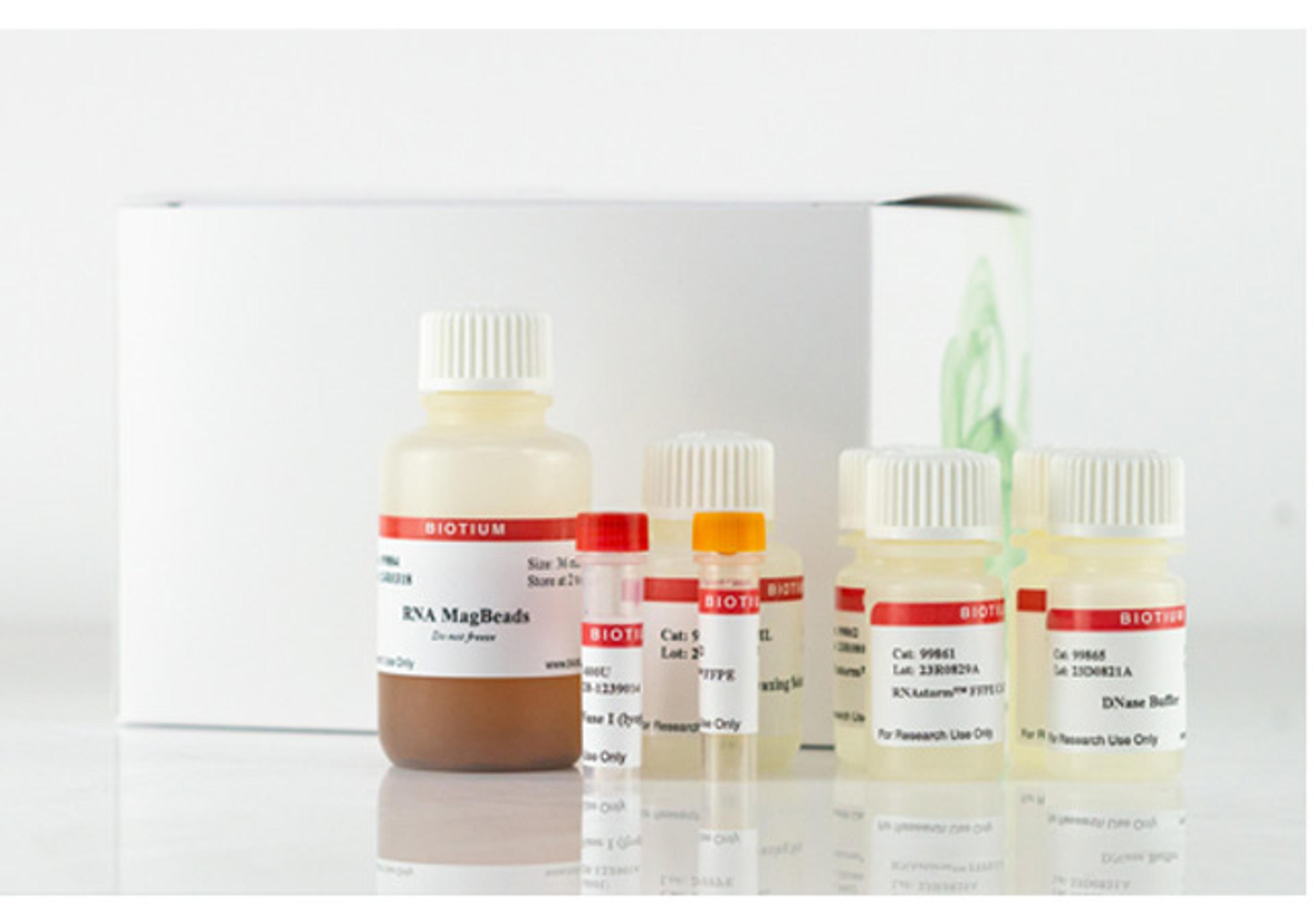
A magnetic bead-based kit for superior RNA extraction from FFPE samples. Features proprietary technology for enhanced removal of formaldehyde-induced damage, providing RNA with higher yield and greater amplifiability.
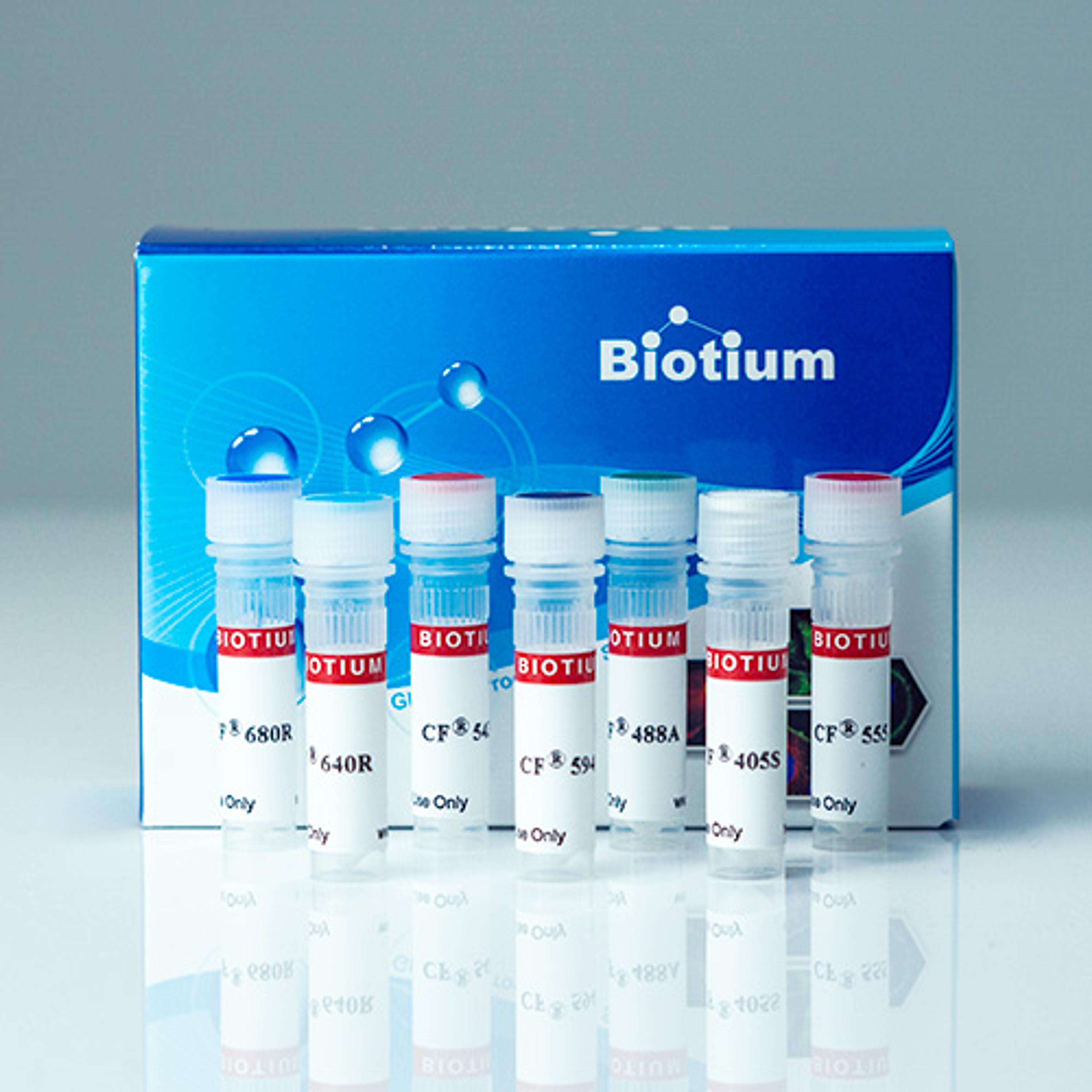
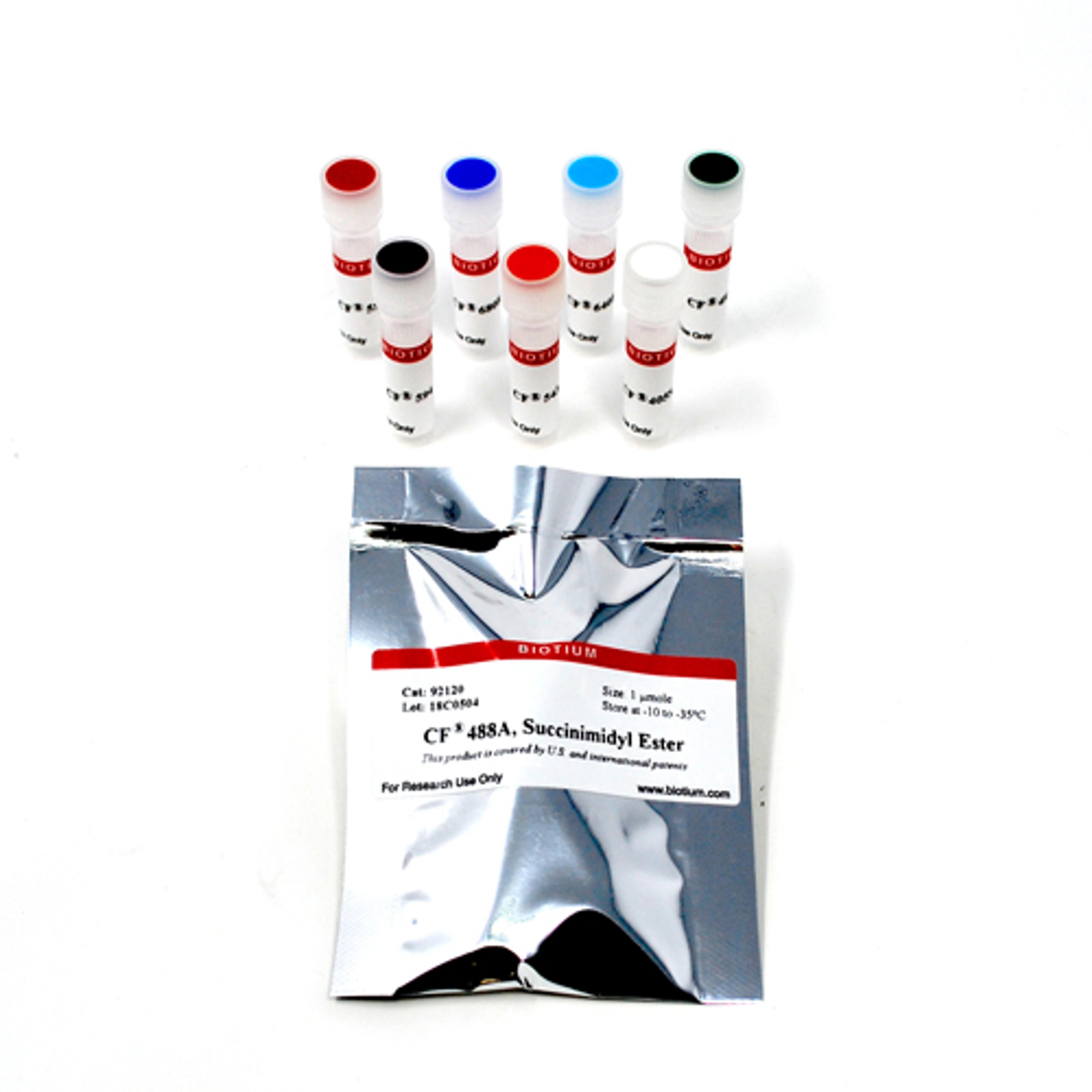
CF® Dye SE/TFP esters are amine-reactive fluorescent dyes. They are commonly used to label primary amines of antibodies and other proteins, amine-modified oligonucleotides and other amine-containing molecules.
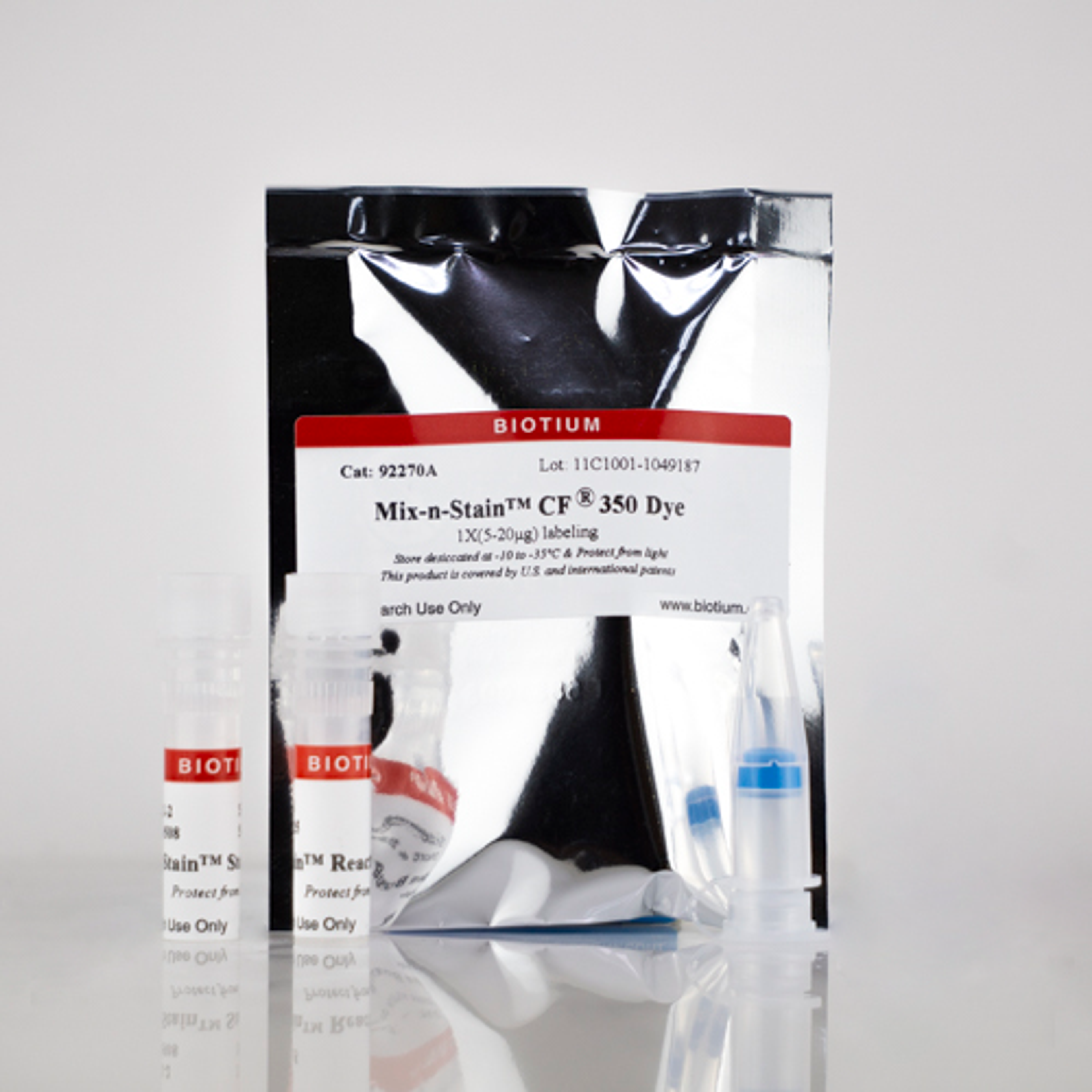
Label your IgG antibody with one of our superior CF® Dyes in as little as 15 minutes without a purification step. Labeling tolerates many common buffer components including BSA and ascites.
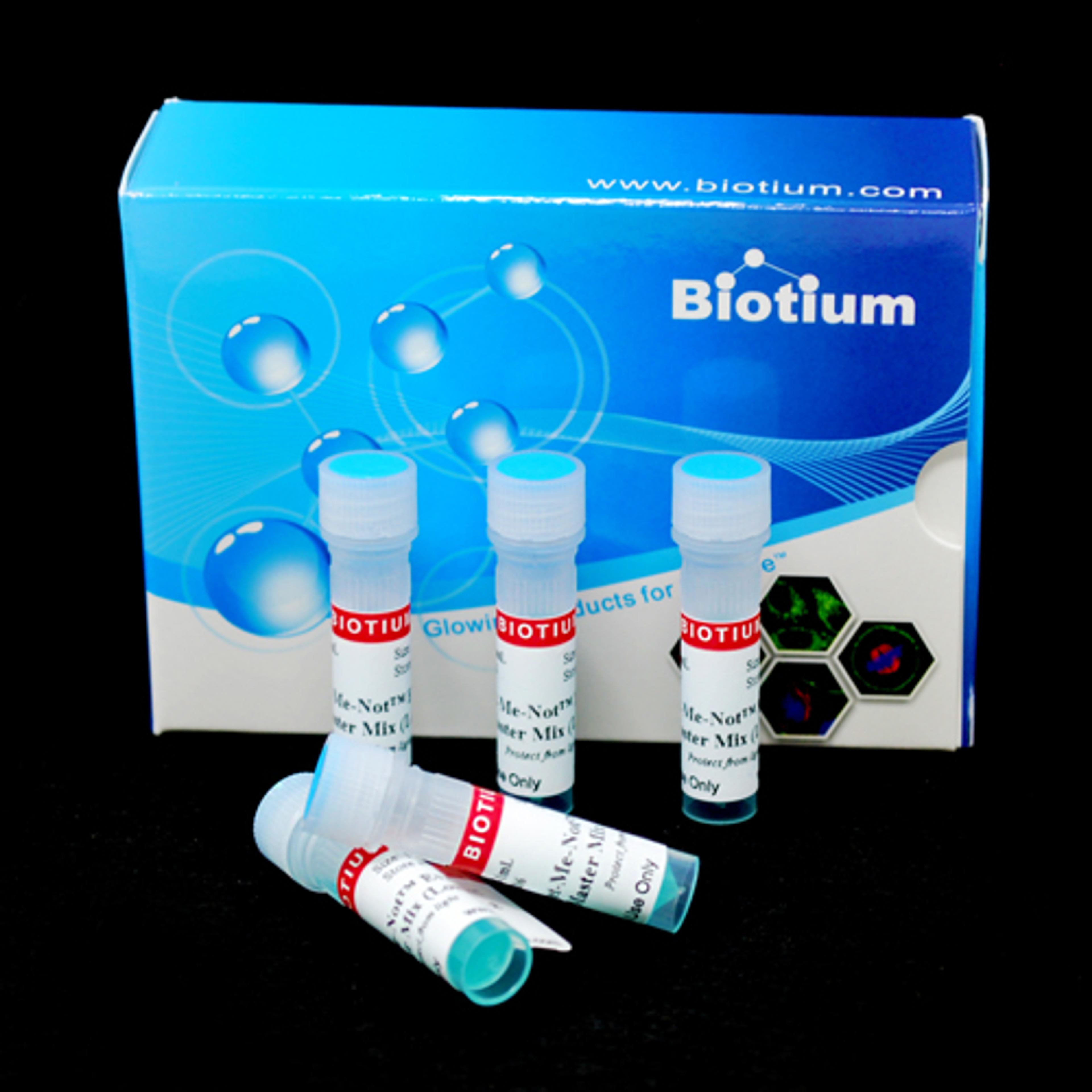
A high-performance dye-based qPCR master mix containing EvaGreen® qPCR dye, Cheetah™ HotStart Taq Polymerase, and Forget-Me-Not™ tracking dye. With low or high ROX.
TyraMax™ Dyes are next-generation tyramide (TSA) dyes for spatial biology with colors from blue to near-IR, named for their excitation/emission. They are stable in amplification buffer with advantages in color selection, brightness, and photostability versus other TSA dyes.
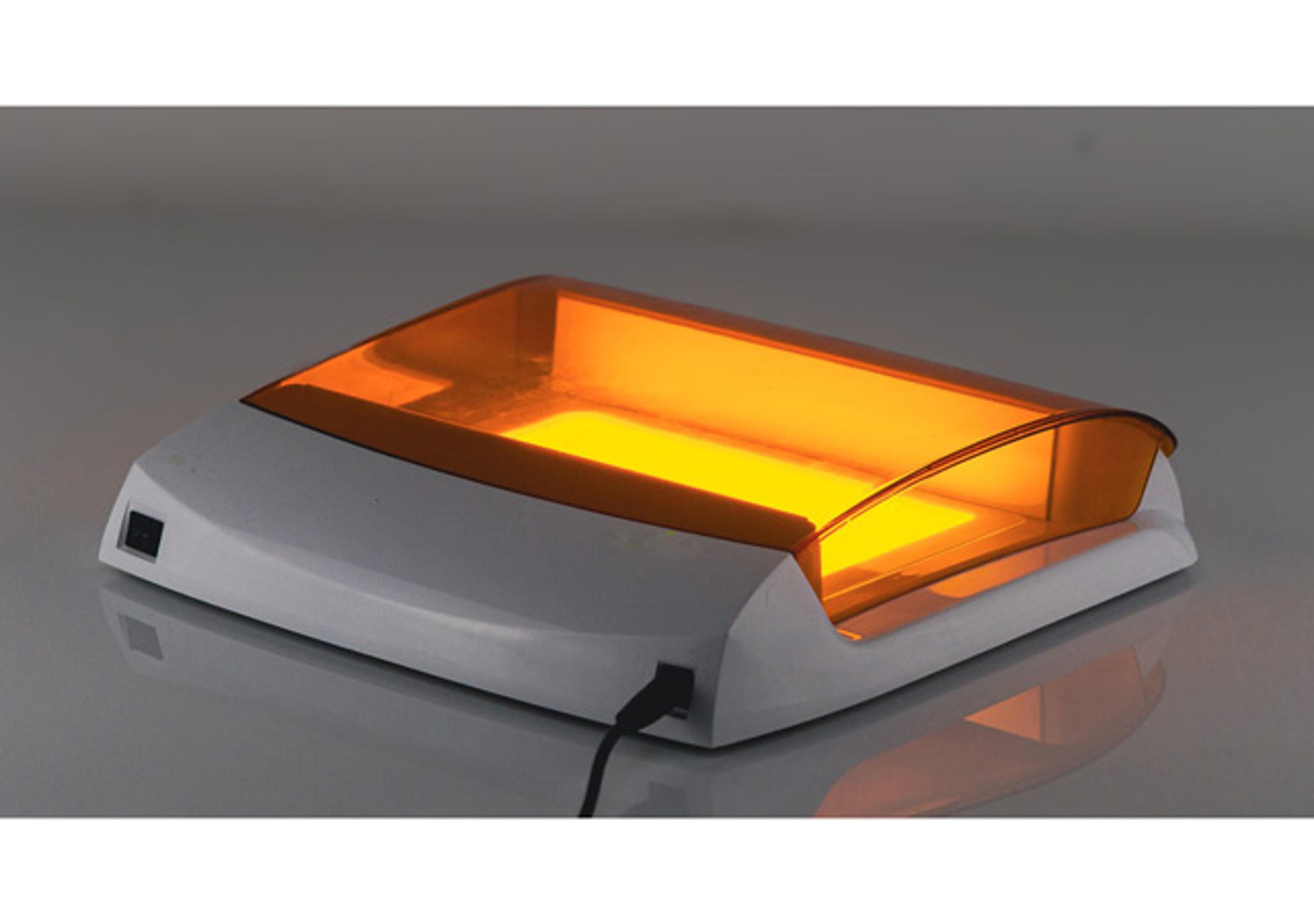
A lightweight, LED light box that offers bright and even illumination for developing gels stained with DNAzure® Blue Nucleic Acid Gel Stain.
Fixable cytoplasmic stains for monitoring cell division by flow cytometry. The dyes can also be used to track cell populations in co-culture.
A fluorescent dsDNA quantitation kit with a linear range of 2-1000 ng DNA. Designed for use with handheld fluorometers such as the Qubit® fluorometer from Thermo Fisher Scientific.
A wheat germ agglutinin (WGA) lectin labeled with Biotium’s CF® Dyes, biotin, or HRP. It is a carbohydrate-binding lectin that has high affinity for sialic acid and N-acetylglucosamine and stains yeast bud scars as well as the cell membrane of gram+ bacteria and mammalian cells.
Quench lipofuscin autofluorescence in PBS, with minimal background.
Novel phalloidin conjugates of fluorescent dyes designed to preserve strong F-actin binding for bright, specific staining that remains stable for over a month.
A photo-reactive DNA-binding dye typically used in viability PCR (v-PCR) of microorganisms like bacteria, viruses, and fungi.
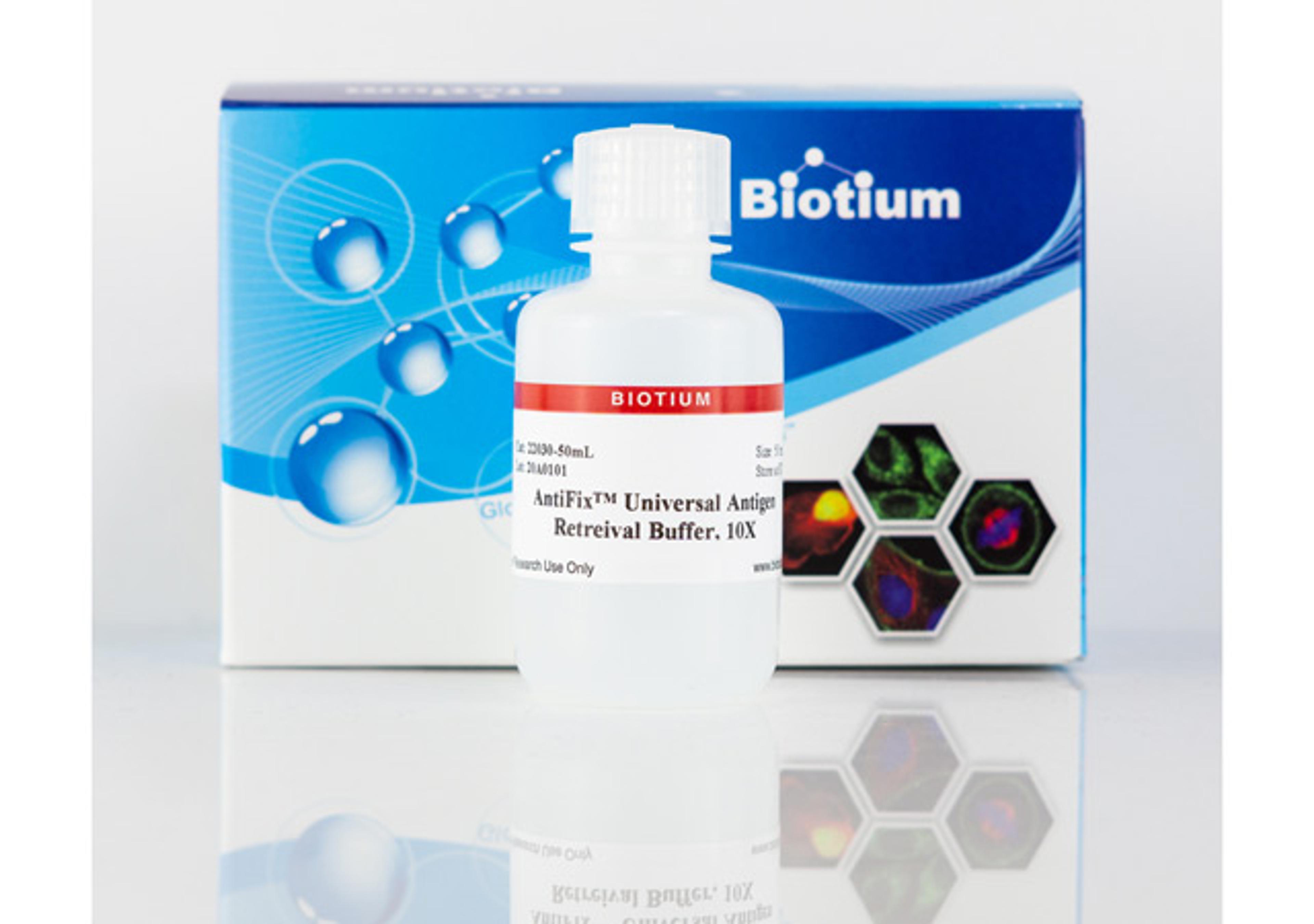
AntiFix™ Universal Antigen Retrieval Buffer provides excellent heat unmasking for a wide variety of targets at neutral pH, reducing the need for buffer optimization.
TyraMax™ Dyes are next-generation tyramide (TSA) dyes for spatial biology with colors from blue to near-IR, named for their excitation/emission. They are stable in amplification buffer with advantages in color selection, brightness, and photostability versus other TSA dyes.
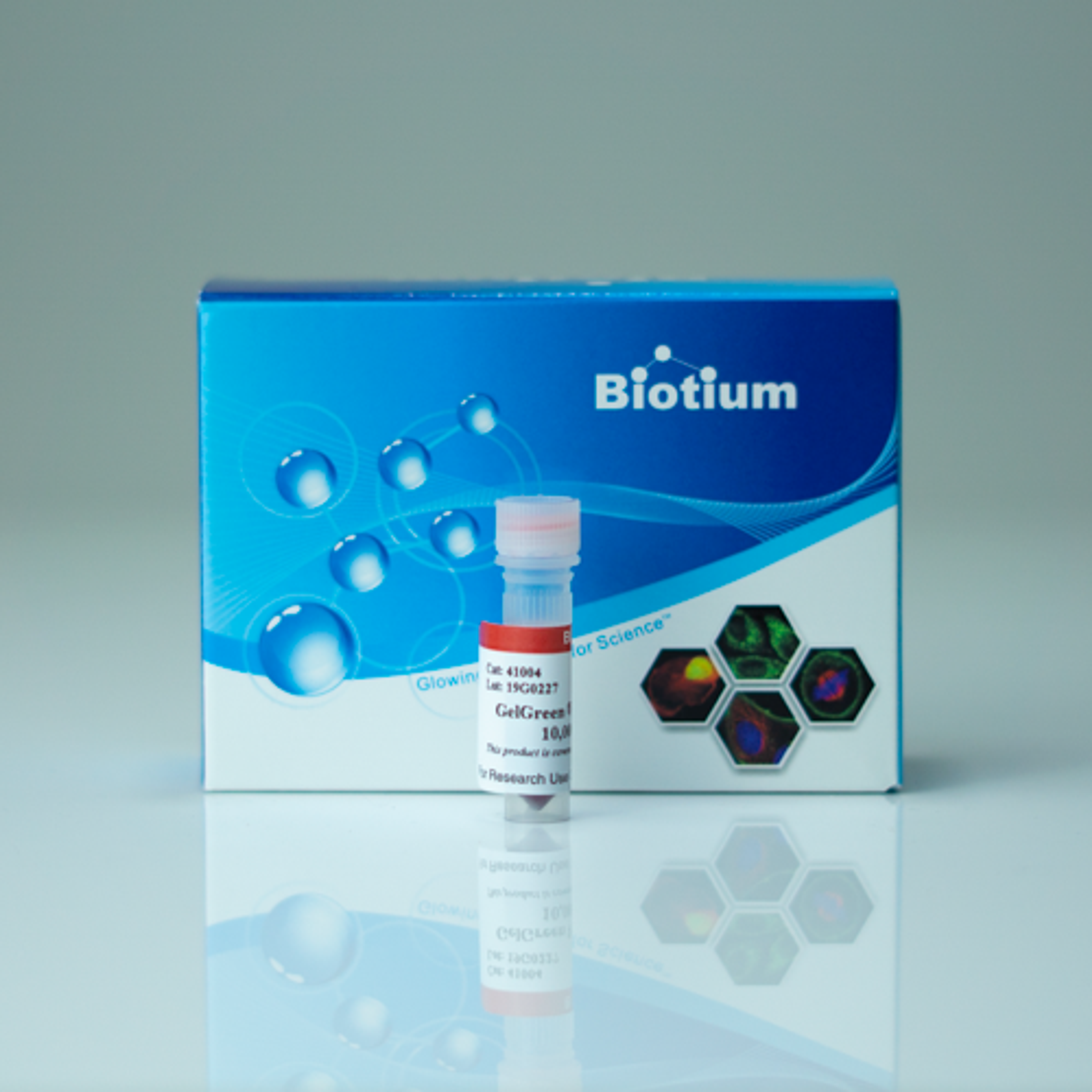
GelGreen® is a sensitive, non-mutagenic and environmentally safer green fluorescent DNA gel stain.
Fluorescent CF® Dye tyramides are used for tyramide signal amplification (TSA) for increasing immunofluorescence sensitivity in multicolor immunocytochemistry (ICC), immunohistochemistry (IHC), or in situ hybridization (ISH).
A novel, low ionic strength running buffer that allows you to run DNA agarose gels at higher voltage to get results up to 3X faster than with TAE or TBE buffer.
Far-red, mitochondrial stain with excellent tolerance for fixation and permeabilization after staining.