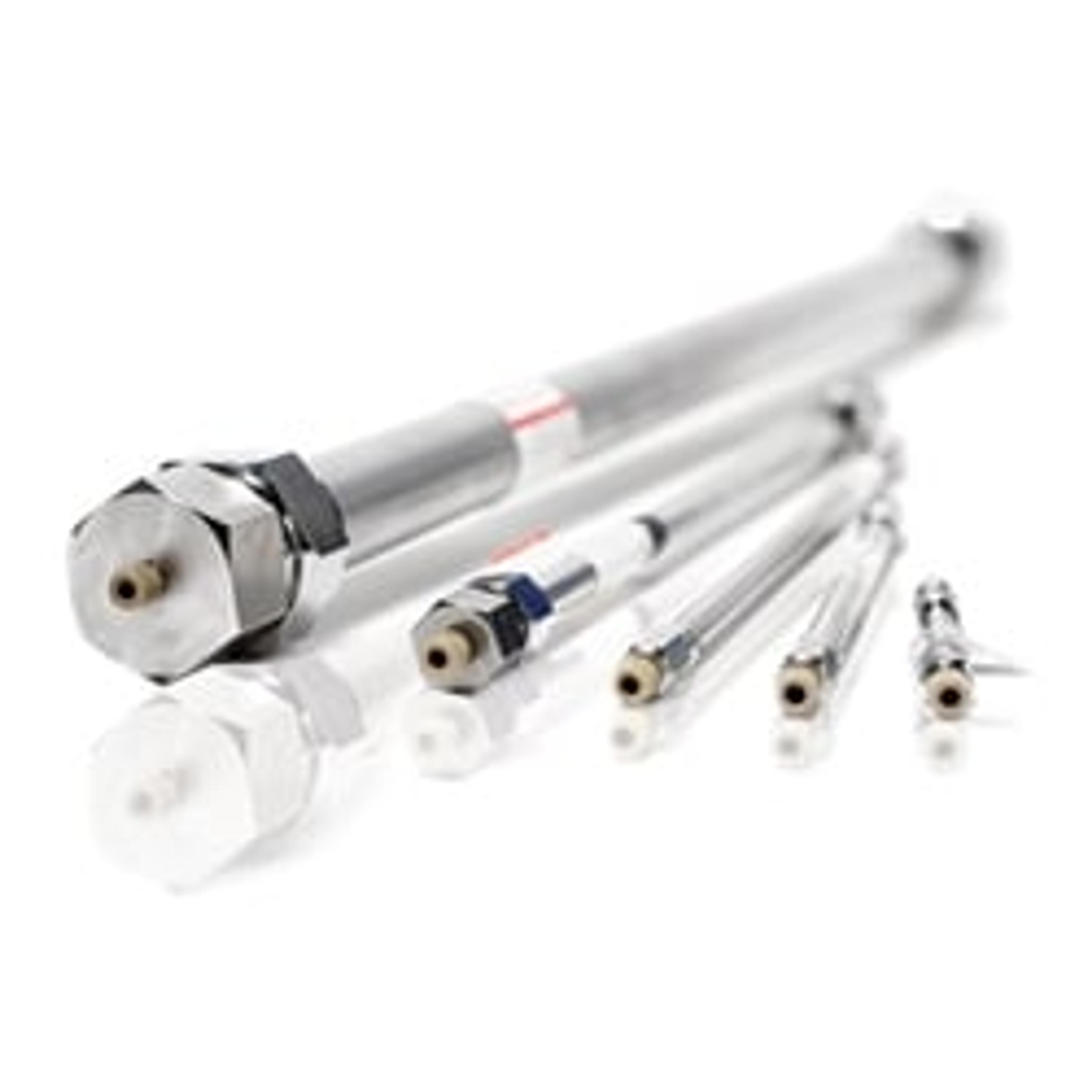
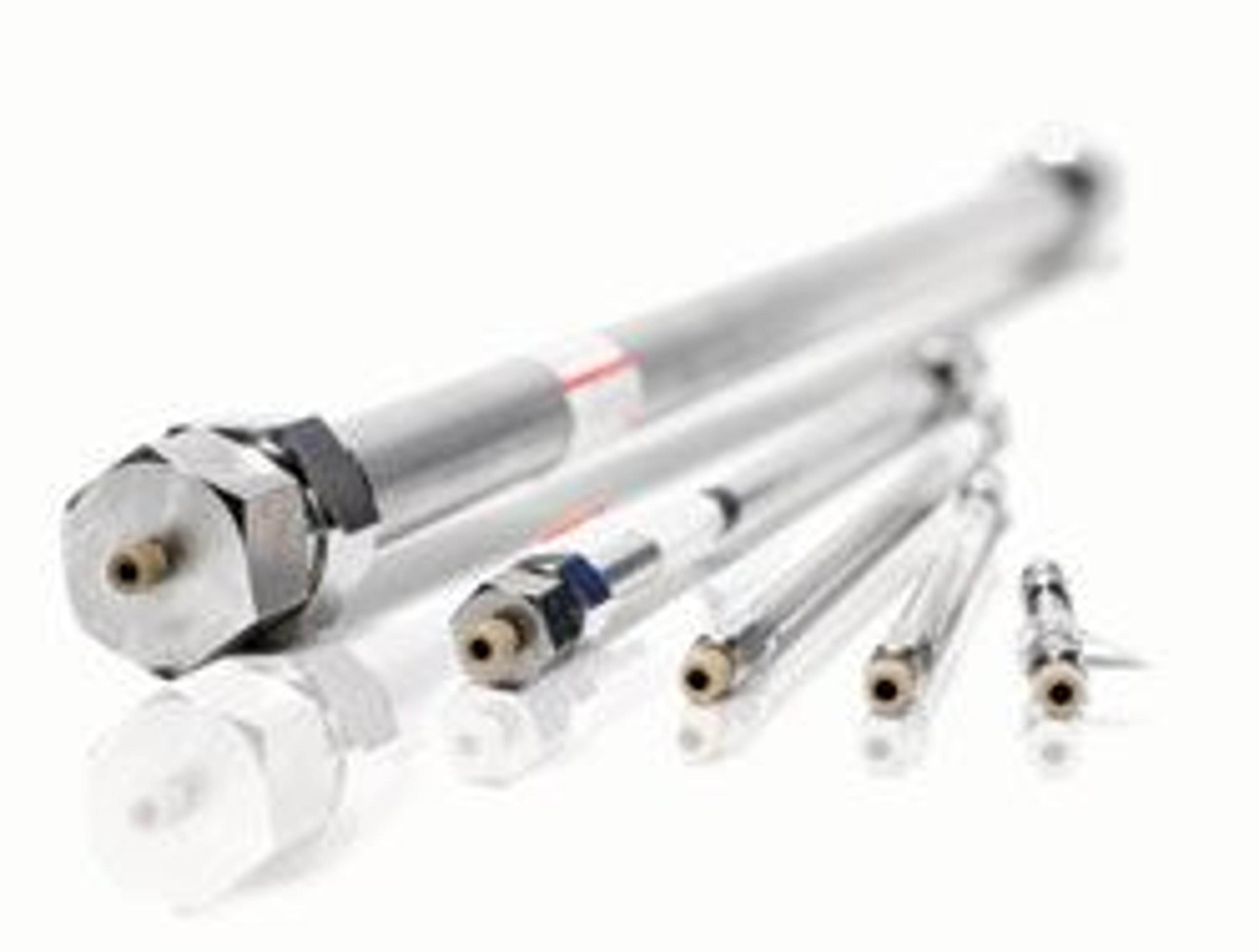
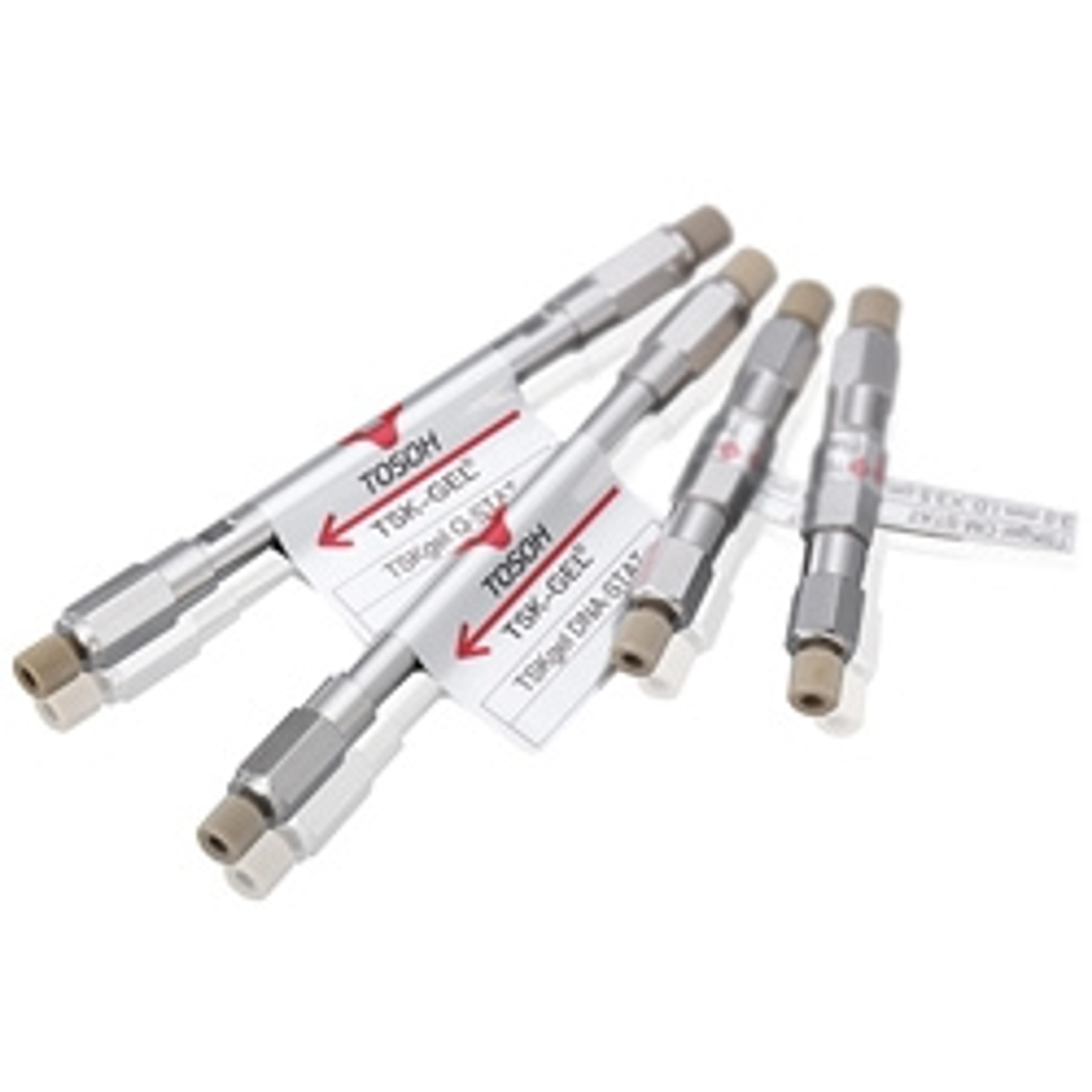
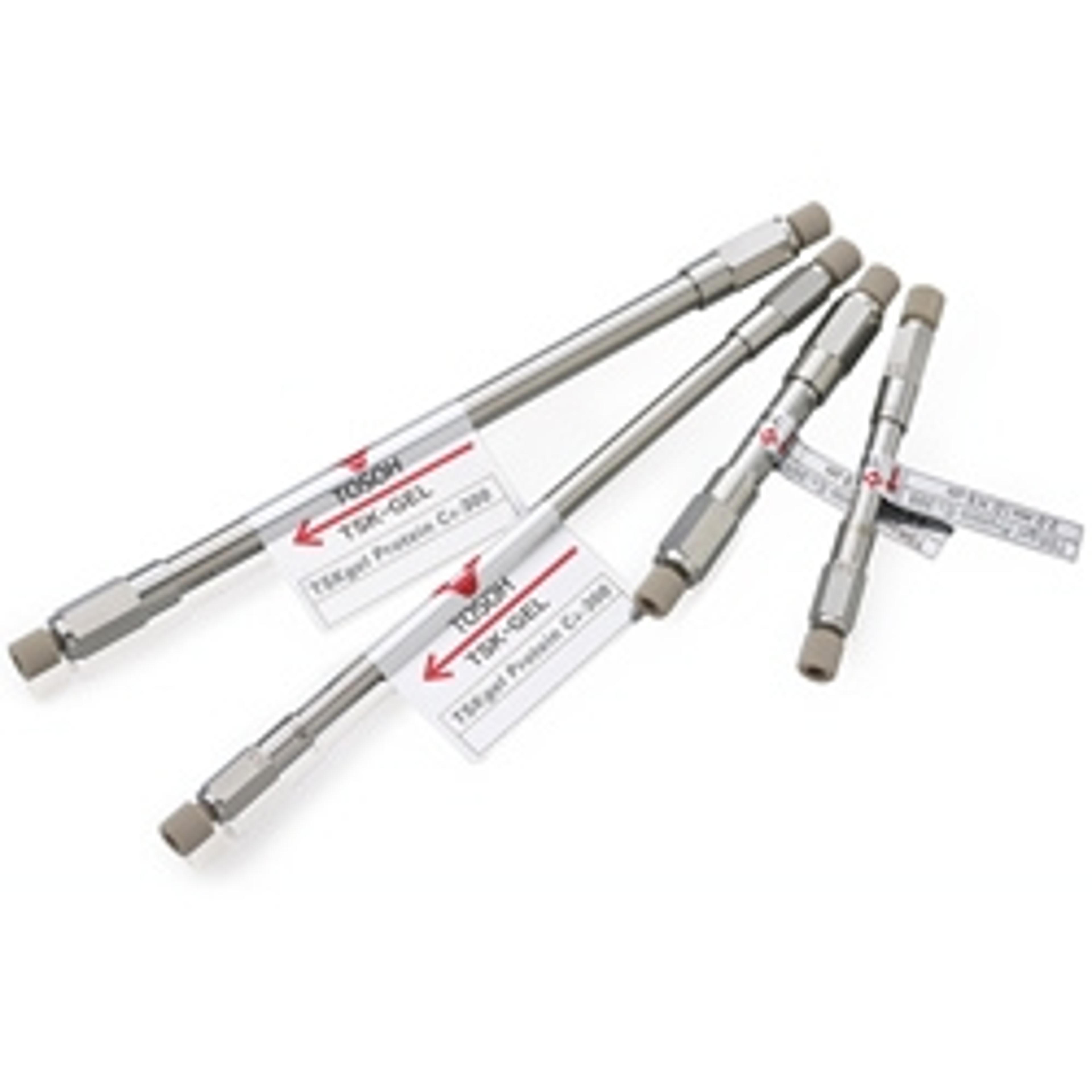
TSKgel® DNA-NPR weak anion exchange column
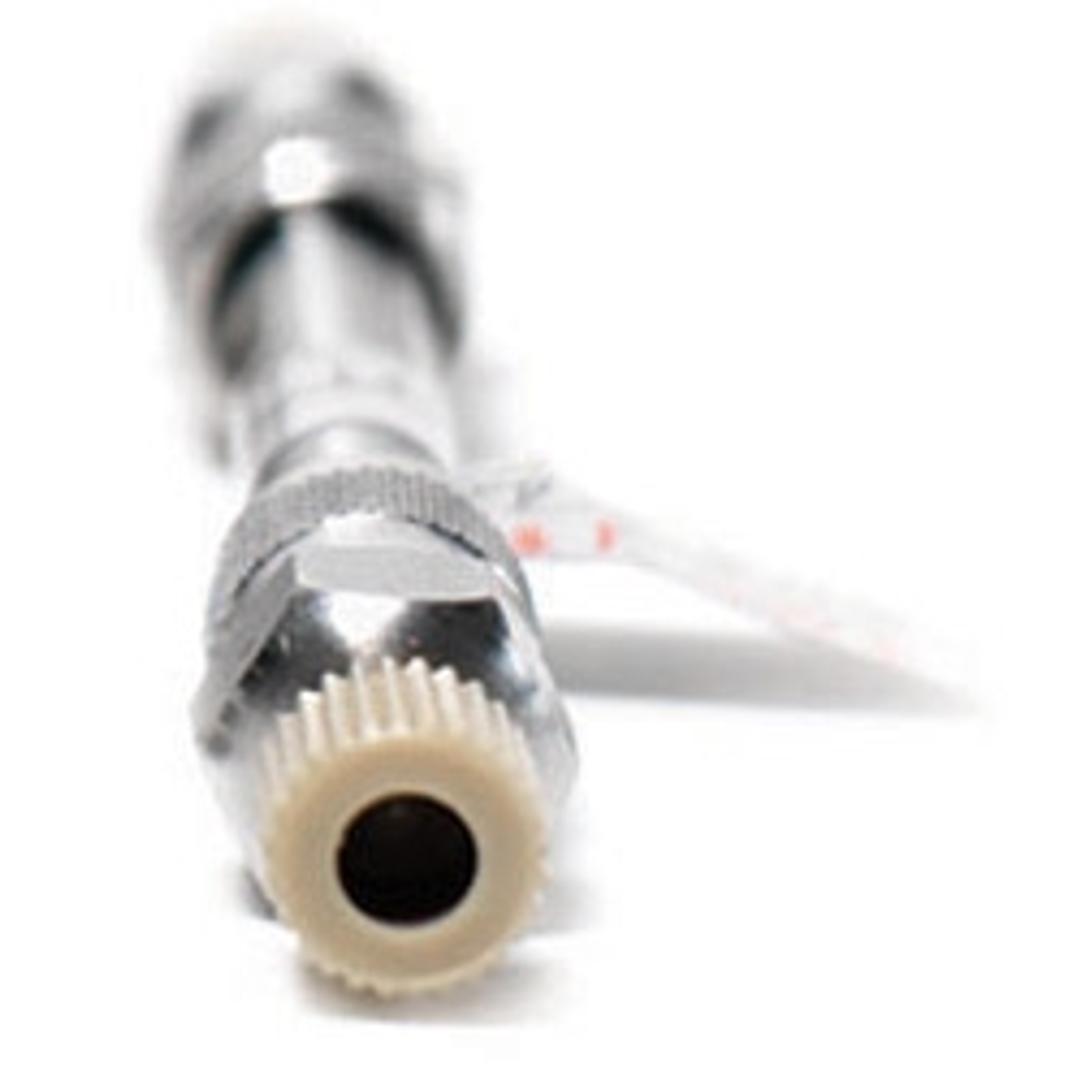
The TSKgel DNA-NPR weak anion exchange column is designed to analyze nucleic acids. It routinely separates plasmid isoforms, PCR products and oligonucleotides.

Receive your quote directly from the manufacturer.
very good product, effective and good quality, very good service
Analyze plasmid solutions
We use the column for analysis of plasmid solutions (IPC and DS) and is effective in what we want to see. If there are problems, the service is very good and fast in answering our emails. We would buy the product again at any time. Because of COVID-19 we need the product a lot and are happy to be a part of helping other people.
Review Date: 19 Jul 2022 | Tosoh Bioscience - Separations
TSKgel DNA-NPR is based on a non-porous polymethacrylate base material with uniform 2.5 particle size. This makes fast analyses with high resolution possible and requires low sample loading. As it is specifically designed to separate nucleic acid-based product, it stands high pH and temperatures and is subject to a polynucleotide-based quality control. This way the DNA-NPR separates plasmid isoforms as well as PCR products and oligonucleotides.
Features:
- Non-porous 2.5 µm polymethacrylate particles
- Analyze plasmid isoforms in 5 minutes
- Analysis of nucleic acids and oligonucleotides
- High resolution and recovery
Column specifications:
- Weak anion exchange functional group
- Particle size 2.5 µm
- Non-porous
- Inner diameter: 4.6 mm
- Length: 7.5 cm

Anion exchange analysis of unmodified and phosphorothioate oligonucleotides
Oligonucleotide therapeutics employ phosphate backbone modifications to increase resistance towards nucleases, the most common being the replacement of the phosphodiester (PO) bond between single nucleotides by a phosphorothioate (PS) linkage. Phosphorothioate modified oligonucleotides potentially exhibit additional impurities, impacting on the physical properties of the molecule and separation by anion exchange chromatography (AEX). Tosoh Bioscience analyzes the differences of AEX analysis of an unmodified and a thioated oligonucleotide and shows how this method may be adjusted for modified oligonucleotides, using the TSKgel® DNA-NPR column.
Development of a universal preparative AEX method to purify oligonucleotides
One of the most widely used modifications of synthetic oligonucleotides is the phosphorothioate modification of the oligonucleotide backbone, a process which can lead to impurities. Tosoh Bioscience presents a universal method for the purification of phosphorothioate oligonucleotides using TSKgel® SuperQ-5PW (20), a specially designed resin which provides high resolution and selectivity. This method is presented as a starting point in the lab to develop efficient large-scale preparative processes. Explore Tosoh Bioscience's recommended method for purifying oligonucleotides on TSKgel SuperQ-5PW (20): at elevated temperature, using a 10 mmol/L sodium hydroxide buffer at pH 12 and sodium chloride as eluent.
Therapeutic nucleic acid application notebook
Oligonucleotide synthesis includes the repeated use of protection groups that need to be removed after the last cycle. Impurities emerge through the faulty addition of two similar nucleotides in one cycle or a failed coupling of the last nucleotide. Chromatography can also separate oligonucleotides carrying protection groups from deprotected oligonucleotides and it can even facilitate the cleavage and removal of protection groups. In this notebook from Tosoh Bioscience, explore several applications for the purification of synthetic oligonucleotides.
Rapid analysis of plasmid topoisomers by anion exchange chromatography
During large-scale plasmid fermentation, plasmids are maintained predominantly in a supercoiled, covalently closed circular form. During the downstream process some of the plasmids might become nicked and they will be transformed in open-circular and linear forms. For a fast and reliable characterization of pDNA samples Schuchnigg et al. developed an HPLC method with a high resolving power based on the TSKgel® DNA-NPR anion exchange HPLC. In this app note from Tosoh Bioscience, explore how the TSKgel DNA-NPR is packed with 2.5 µm hydrophilic non-porous polymer beads modified with a weak anion exchange group which offers fast mass transfer, a key to achieve high resolution. The small particle size and the fast mass transfer of non-porous beads can be exploited to speed up the analysis. By using pBR322, one of the first widely used E. coli cloning vectors, it is demonstrated that the method can be transferred from HPLC to UHPLC systems.
(U)HPLC analysis of biomolecules
This compendium, from Tosoh Bioscience, compiles more than twenty application notes covering important aspects of biopharmaceutical analysis such as protein aggregation, charge isoforms and glycosylation as well as determination of drug-to-antibody ratio of antibody-drug-conjugates. The last section of the notebook provides tips and tricks to improve chromatographic separation of biomolecules.
Rapid analysis of plasmid topoisomers by anion exchange chromatography
In this application note, Tosoh Bioscience demonstrates how analytical ion exchange chromatography on a TSKgel DNA-NPR column offers a simple and rapid method for discriminating between covalently closed circular (CCC), open circular (OC), and linear (L) forms of plasmid DNA.
Rapid analysis of plasmid topoisomers
In this video, Tosoh Bioscience introduces the TSKgel® DNA-NPR column - a fast and high-resolution method for analyzing nucleic acid-based products. The column is designed to separate plasmid isoforms, PCR products, and oligonucleotides even with low sample loading. It can analyze plasmid isoforms within 5 minutes and deliver results for agarose gel electrophoresis in 1.5-2 hours.